



We were lucky to catch up with David Brown-Dawson recently and have shared our conversation below.
Alright, David thanks for taking the time to share your stories and insights with us today. Can you tell us a story about a time you failed?
In 2018, I started writing my first book, Enduring Urgency. It’s a book about building resilience, developing patience, and taking consistent focused action in line with the things and people that are most important to you.
I finished the book in spring of 2020 and ultimately decided to self publish that summer. After two years of researching, writing, and editing, I stopped short. I could blame the pandemic or wanting to focus on real estate finance but I won’t.
The truth is I didn’t put the same energy into marketing and selling the book as I did in writing it. I didn’t invest enough time and money to learn the best practices behind effectively bringing a book to the market. As a result of my lack of informed effort and lack of assertiveness, while the people that did read the book were positively impacted by it, the book did not impact the number of people I believed it would.
I recently read the book “Three Feet from Gold”, and immediately recognized that I too had stopped three feet from proverbial gold. This failure has taught me to develop my sales muscles, to sit at the feet of those I admire to learn their ways. and to surround myself with people who have complimentary skills.
The deeper lesson was to not let one failure or unmet expectation fester and impact my faith in God and my long-term vision.


As always, we appreciate you sharing your insights and we’ve got a few more questions for you, but before we get to all of that can you take a minute to introduce yourself and give our readers some of your back background and context?
My career started as a civil engineer officer in the US Air Force. I then became an air advisor, leading multidisciplinary teams to African countries in a training and advising capacity. After leaving the Air Force I attended UC Berkeley Haas School of Business and focused on leadership and real estate finance while obtaining my MBA. I spent three years working in real estate finance before leaving to build my first company, LeadCommGym.
As you can see, my career journey is a journey indeed. The challenge is that each time I left a role or organization, I left behind my accumulation of performance data (reviews, feedback, achievements) and missed out on the insights I could have gleaned from that data.
As I’ve been working with leaders and teams via LeadCommGym, I kept hearing professionals’ pain points of feeling stuck, lost, or overwhelmed in their careers. This, along with the following three insights became the ideas that underpin Palm:
1. The average US professional will switch careers 5 to 7 times and switch jobs 12 times in their working life.
2. Professionals don’t have a tool to store and leverage their performance data for career growth. They have to rely on their organization (typically their managers) for their career growth and often leave with none of their professional performance data.
3. Performance management tools are designed around the employer, and just like HR, prioritize the company above the employees.
Today, many managers lack the time, training, or tools to effectively manage their team members. Or they simply lack the desire. And we as a society have fallen into the trap of thinking that the company/organization we work for should own our career growth.
At Palm, we believe that every professional deserves to feel confident and clear about where they are heading even if that changes over time. We believe that every professional has gifts even if they need to be developed. And we believe that every professional deserves to own their career growth.
Palm is focused on giving professionals agency, confidence, clarity, and ease with their career journeys. We do this by helping you gain an accurate self-perception, understanding your gifts and opportunities for improvement, and mapping out next steps so that you can move towards your goals with clarity. Normally, you would pay a lot of money for a coach to take you on this journey. But for a fraction of the cost, this tool gives you a platform to store your performance data, set goals, track achievements, receive real-time feedback, and receive career-aligned insights – all in once place. We place your growth in the Palm of your hand.
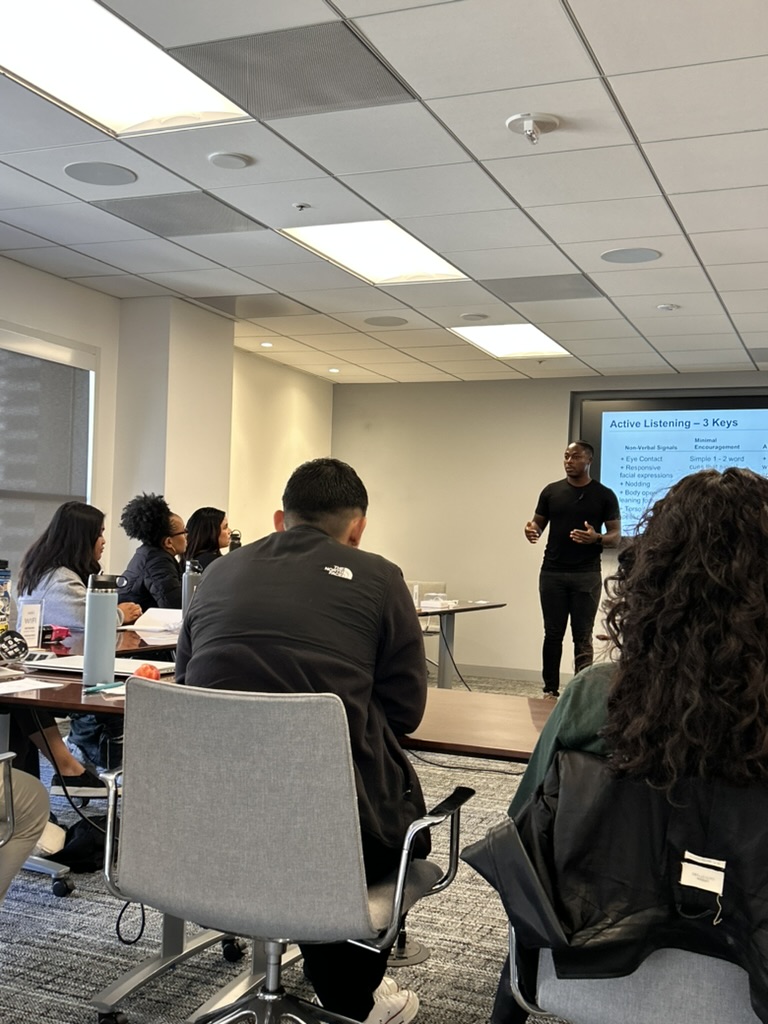
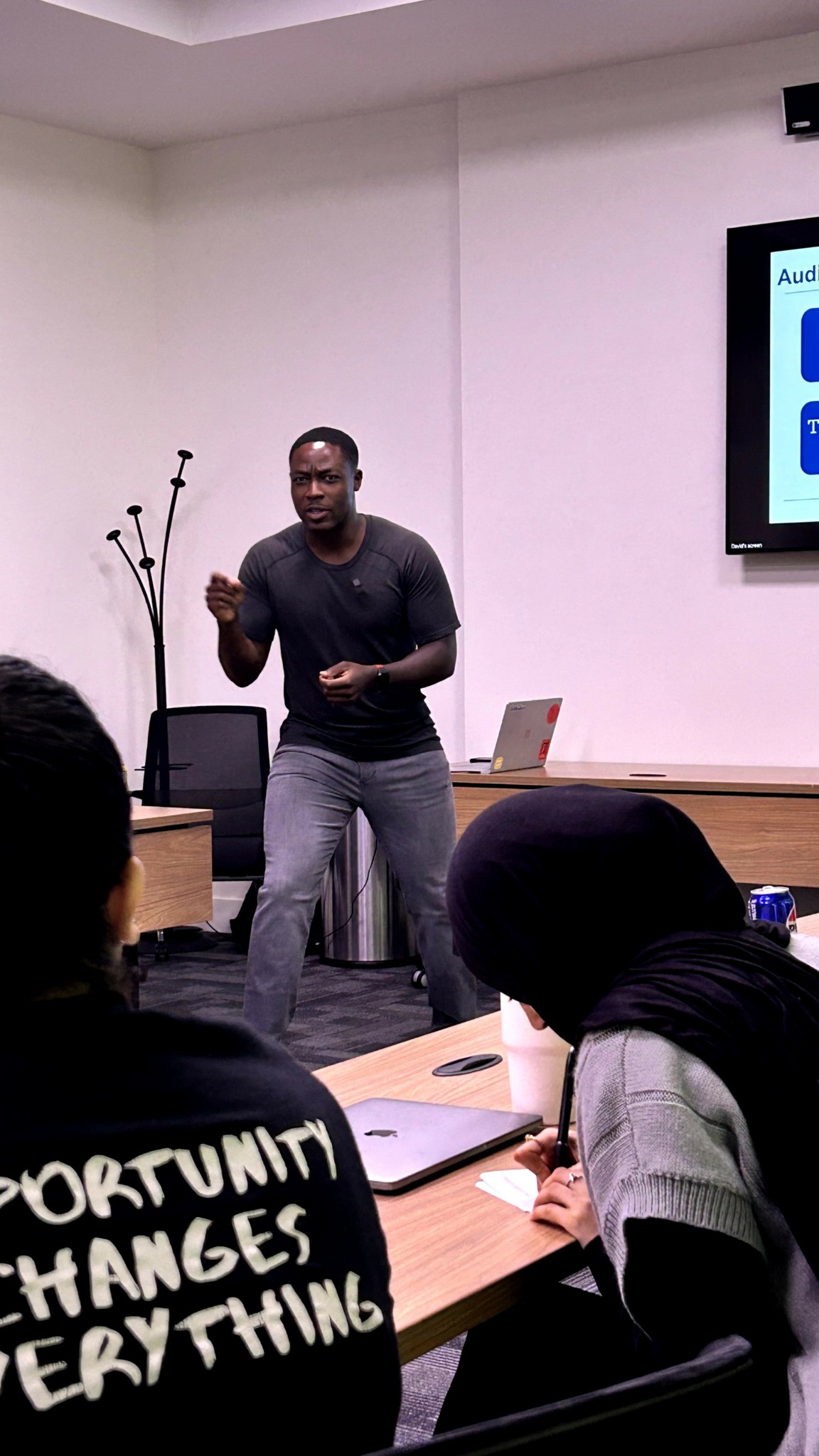
What’s a lesson you had to unlearn and what’s the backstory?
Before: There is a right answer, and I can find it.
Now: Grades are for school, not for business.
As a senior in high school, I wore many hats—honors and AP student, decent athlete, and student body president. Beneath the accolades, though, I had perfected a mindset that revolved around finding “the one right answer.” In school, this worked. The stakes were clear, the rules were written, and success was measured with letter grades. But as I transitioned into leadership and business, this mindset became a stumbling block.
In the real world, holding onto the belief that there’s always a “perfect” answer led to analysis paralysis. I found myself stuck, overanalyzing options and procrastinating for fear of making the “wrong” decision. This hesitation didn’t just slow me down—it hindered my ability to move forward confidently and lead effectively.
These days, I’m rebuilding my decision-making muscles—a core component of Leader Fitness. I’ve let go of the need to find the perfect A+ answer. Instead, I strive to make conscious, informed decisions based on the best information I have at the time. I’ve learned to trust the process and practice Detached Involvement rather than obsess over the outcome. And, most importantly, I’ve embraced the understanding that every choice is an opportunity for growth, regardless of the result.
Real quick: Detached Involvement is a practice of being fully engaged emotionally in a situation while remaining completely non-judgmental and objective is a wonderful achievement. I learned the phrase during my coaching certification and have been practicing it since.
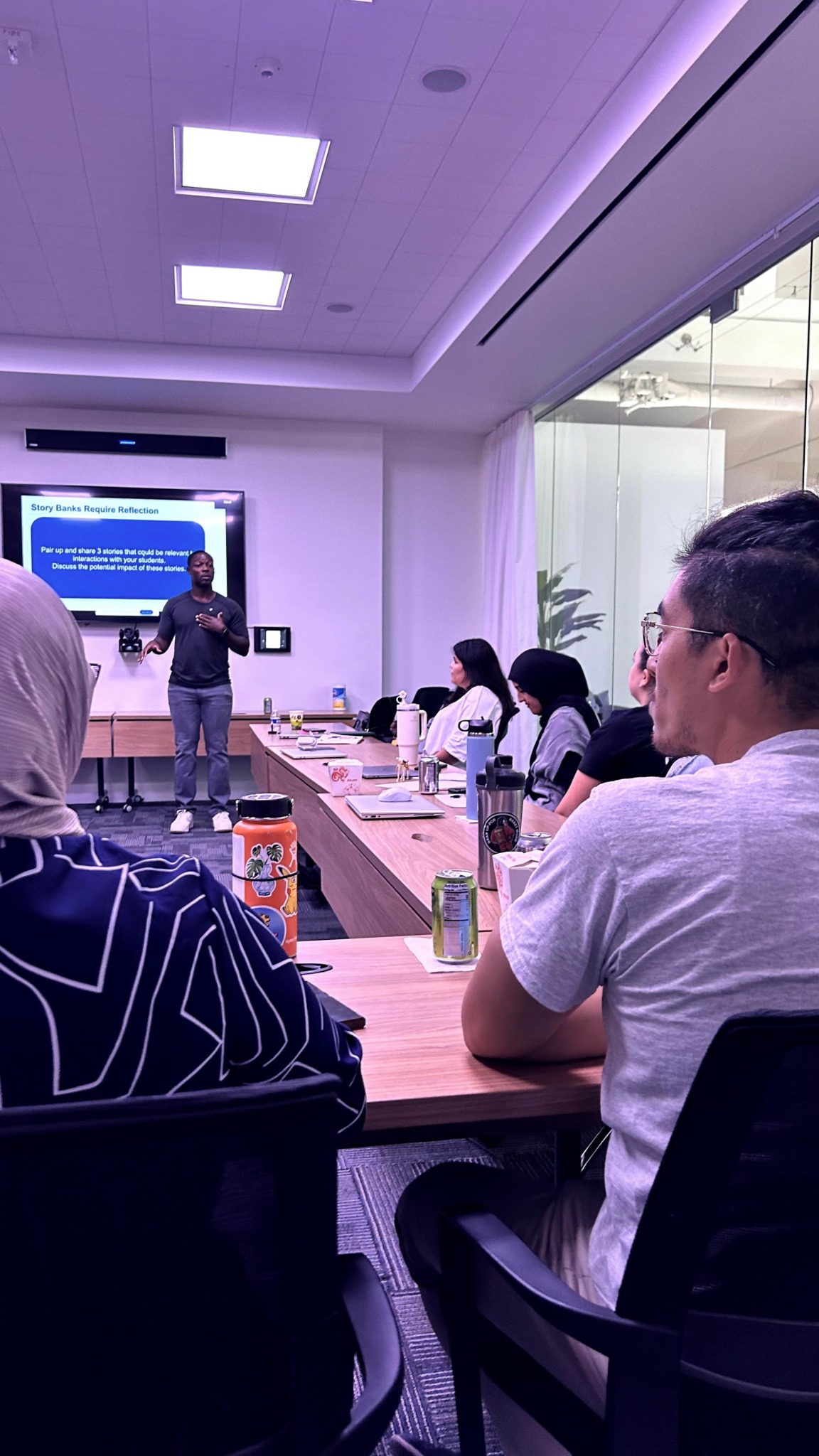

Do you have any insights you can share related to maintaining high team morale?
Managing a team and maintaining high morale starts with creating an environment where honesty thrives—not just “corporate honest,” but truly open and vulnerable communication. When people feel they can be authentic, they bring their best selves to work, contributing to a stronger, more connected team.
Here’s how to cultivate this environment, leveraging the Leader Fitness framework of mindset, emotional intelligence, decision-making, and communication:
Communicating Clearly
Communication is the foundation of trust. Set clear expectations early so your team understands what success looks like. Regularly give, receive, and track feedback—it shows you’re invested in their growth and keeps everyone aligned. Establish meaningful goals and cast a compelling vision that inspires. Importantly, create space for your team to share their perspectives. Their insights are invaluable, and encouraging their input fosters ownership and commitment.
Emotional Intelligence (EQ)
Managing morale means managing emotions—yours and your team’s. Start with self-awareness: recognize how your mood and actions impact the group. Demonstrate empathy by understanding and validating your team’s challenges, both professional and personal. Build trust by responding thoughtfully, not reactively. A leader with high EQ turns moments of tension into opportunities for growth, creating a culture where people feel supported.
Decision-Making
Decisions affect not just outcomes but morale. When you involve your team in decision-making, you show that their opinions matter. Be transparent about the “why” behind your choices to build alignment. And when mistakes happen, own them. Modeling accountability teaches your team to see setbacks as learning opportunities rather than failures.
Mindset
Your mindset sets the tone for your team. Approach challenges with optimism and resilience—it’s contagious. Focus on growth, both for yourself and your team, and embrace a mindset of stewardship: you’re not just leading tasks; you’re leading people. Recognize their unique strengths and find ways to elevate them. A leader who prioritizes their own development inspires others to do the same.
Remember, your team will only go as far as you lead them. Leadership, like physical fitness, requires consistent effort. If you’re not working to improve your Leader Fitness, you risk atrophy. Prioritize your growth in mindset, emotional intelligence, decision-making, and communication, and your team will thrive under your leadership.
Some book recommendations:
The 5 Dysfunctions of a Team by Pat Lencioni
Outwitting the Devil by Napoleon Hill
Energy Leadership by Bruce Schneider
Three Feet From Gold by Sharon Lechter
The Entrepreneur Rollercoaster by Darren Hardy
Buy Back Your Time by Dan Martell
Secrets of the Millionaire Mind by T. Harv Ecker
ReCulturing by Melissa Daimler
Enduring Urgency by David Brown-Dawson :)
Contact Info:
- Website: www.ownyourgrowth.ai | www.leadcommgym.com
- Instagram: @ownyourgrowth @leadcommgym @david.a.bd
- Linkedin: https://www.linkedin.com/in/david-bd/
- Youtube: https://www.youtube.com/@David.Brown-Dawson
- Other: www.leadcommgym.com
The Leader Fitness Podcast presented by LeadCommGym
@leadcommgym
@david.a.bd
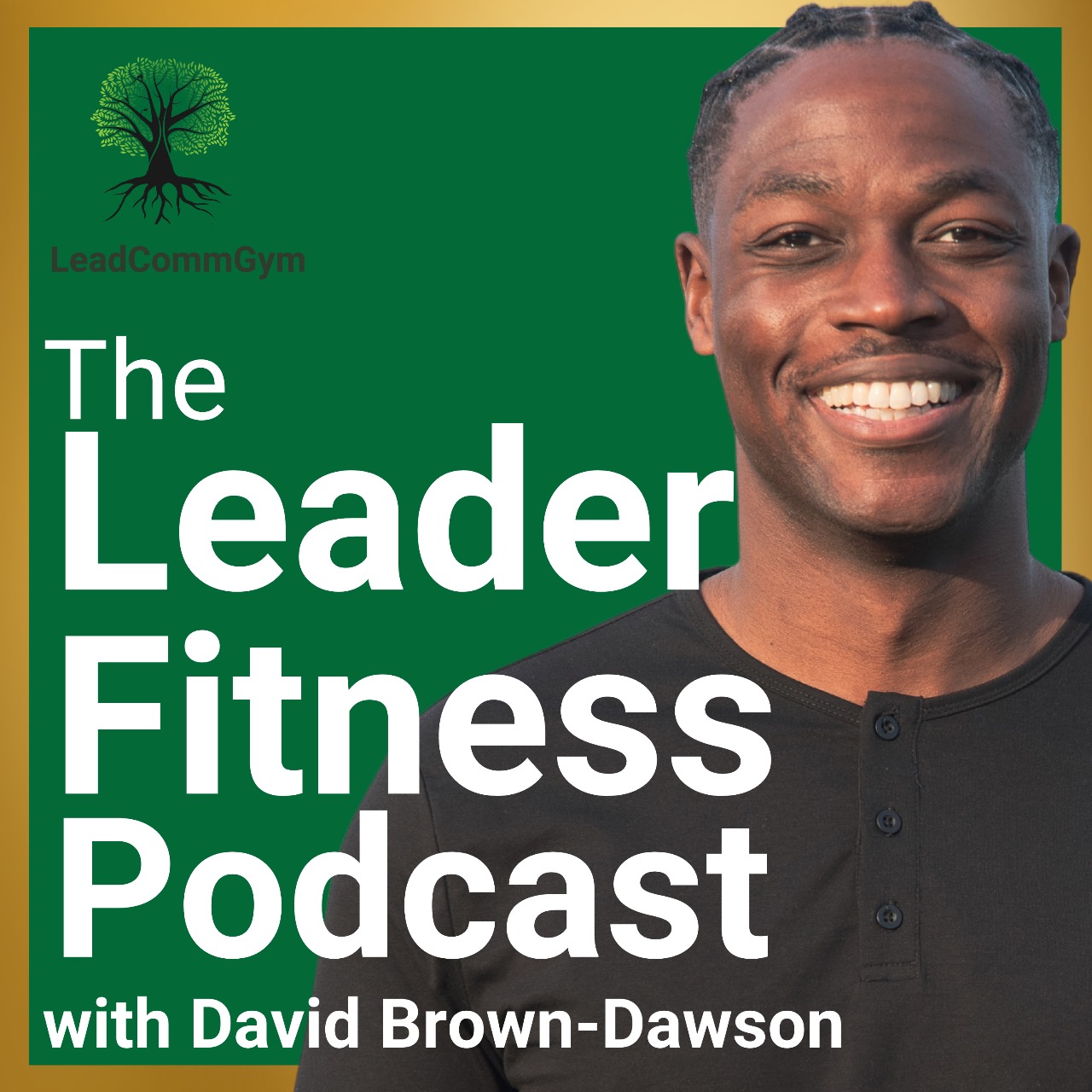
Image Credits
NA