



We recently connected with Stella Li and have shared our conversation below.
Hi Stella, thanks for joining us today. So, let’s imagine that you were advising someone who wanted to start something similar to you and they asked you what you would do differently in the startup-process knowing what you know now. How would you respond?
If I were starting over today, knowing what I know now, the one thing I would absolutely do differently is to start earlier. When I was younger, I didn’t fully appreciate how much the journey of building something entrepreneurial is about learning through doing. I used to let my lack of a technical background hold me back. I assumed that starting a company or building a product meant I needed to have deep technical skills in software or hardware development, and that belief delayed my leap into entrepreneurship.
Looking back, I now realize that this mindset was a self-imposed constraint. Today, technology is more accessible than ever, and the barriers to entry are lower. With AI tools and platforms, anyone can learn, prototype, and test ideas at an incredible speed. The tools available now empower non-technical founders to create functional prototypes in minutes or hours. Technology should no longer be a roadblock—it should be a launchpad.
Another misconception I would challenge earlier is the belief that entrepreneurship has to revolve around groundbreaking technologies like AI or SaaS. It doesn’t. A great entrepreneurial idea can come in many forms—it might be an innovative approach to e-commerce, a new way to foster social connections, or even a compelling social experiment. The key is solving a real problem or creating something people didn’t even know they needed, and the execution can take so many forms. Entrepreneurship isn’t just about the “what” (the technology)—it’s about the “why” and the “how” that make your idea stand out.
If I were starting over, I would also leverage resources much earlier and more fully, particularly during my student years. Schools and universities are goldmines of opportunity for aspiring entrepreneurs. From pitch competitions to hackathons to student venture capital clubs, these experiences are invaluable for practicing how to think creatively, find product-market fit, and communicate your ideas effectively to a diverse audience. It’s not just about honing your idea—it’s about learning how to connect with potential users and investors early. The sooner you practice pitching, listening to feedback, and iterating, the better you’ll become.
Lastly, I would focus on building a network of mentors and peers sooner. One of the most valuable lessons I’ve learned is that entrepreneurship is not a solo journey. Surrounding yourself with the right people—those who challenge you, inspire you, and hold you accountable—makes all the difference. If I could go back, I would actively seek out communities where I could exchange ideas, collaborate, and grow, even before I thought I was “ready.”
In short, the biggest lesson I’ve learned is to just start. Don’t overthink. Don’t let perfectionism or perceived limitations stop you. The best time to start is now, with whatever resources, skills, and knowledge you have. Every step forward teaches you something, and those lessons compound over time into something extraordinary.
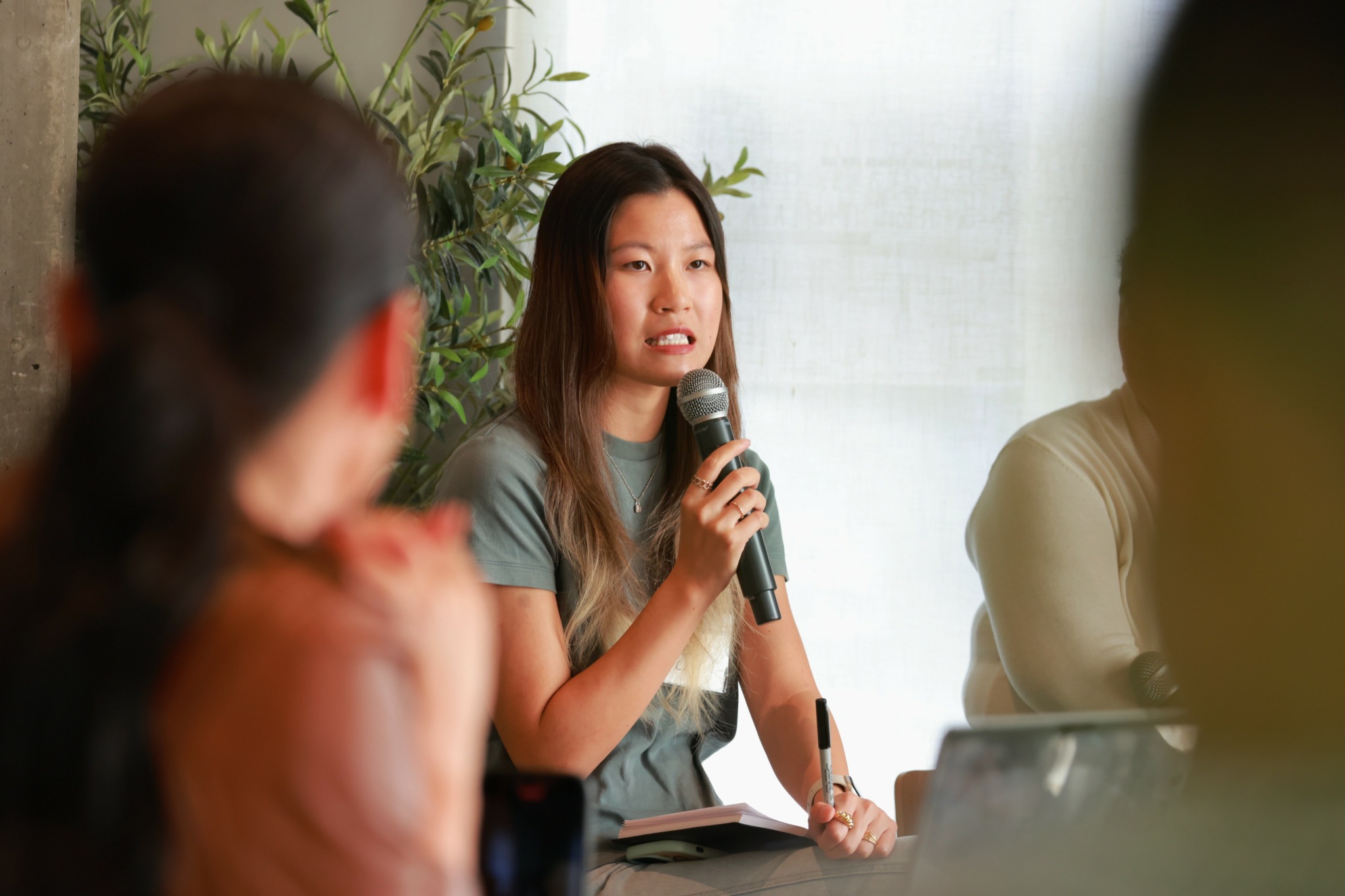
Great, appreciate you sharing that with us. Before we ask you to share more of your insights, can you take a moment to introduce yourself and how you got to where you are today to our readers.
Hi! This is Stella, some of my coworkers called me InterStella or StellaGPT as i’m always messing with the latest AI tools or coming up with memes when working. Well, you gotta have some fun while building B2B Financial Operations software! This is my day job. I am the Lead Product Manager leading the Mobile Platform team at BILL, focusing on helping SMBs manage accounts payables, accounts receivables and get access to cashflow faster while on the go.
From Shanghai but based in Cali now, PM during the day, and doing a bunch of random things at night (VC Scout, Content Creator, StartUp Advisor, playing Valorant……)
Feel free to reach out to me! Especially if you are a founder working on D2C, B2B SaaS or Elderly Tech things, I’d love to chat and see how I can be of help to you!
Can you tell us about a time you’ve had to pivot?
My journey from Product Marketing Manager (PMM) to Product Manager (PM) was one of the most challenging yet rewarding pivots I’ve made in my career. It’s not I had to pivot but more of I wanted to pivot. As a PMM, I thrived on understanding customer needs and crafting strategies that told the story of our products in a compelling way. But over time, I realized that while I loved bringing products to market, what excited me most was shaping the product itself—deciding what to build and why.
Making the leap wasn’t easy. I didn’t come from a technical background, and I knew that shifting into product management would require me to learn a whole new set of skills. I started by immersing myself in the technical side of things. I worked closely with engineers, asking questions and learning how to speak their language. At the same time, I leaned on the strengths I already had—my ability to understand customers, think strategically, and connect dots between business goals and user needs.
The biggest challenge was earning the trust of technical teams. I knew I didn’t have a coding background, so I focused on building credibility by demonstrating a deep understanding of the customer and using data to back up my recommendations. I also made a conscious effort to listen more, ask thoughtful questions, and show that I was willing to learn.
Looking back, the skills I honed as a PMM—like storytelling, stakeholder management, and understanding customer behavior—became my superpowers as a PM. They allowed me to approach product management with a unique perspective that complemented the technical expertise of my teams.
Pivoting from PMM to PM wasn’t just a career change; it was a growth experience that taught me the value of adaptability, humility, and persistence. It’s a decision I’m proud of, and it shaped me into the product leader I am today.

Any advice for managing a team?
One of the most important things I’ve learned about managing a team and keeping morale high is to foster a sense of trust and purpose. Teams thrive when they feel their contributions are valued, and they understand how their work connects to a bigger picture. I always make it a priority to clearly communicate our vision, goals, and the ‘why’ behind what we’re doing. When people see the impact of their work, it energizes them.
Another key is building a culture of recognition and empowerment. I try to celebrate wins—big or small—and make sure individuals feel seen for their efforts. But it’s not just about celebrating success; it’s about creating a safe space for learning. Mistakes happen, and when they do, I encourage my team to view them as opportunities for growth rather than setbacks.
I also believe in leading with empathy. Life outside work matters, and acknowledging that goes a long way in showing your team that you care about them as individuals, not just contributors. Checking in regularly, asking about their well-being, and being flexible when challenges arise can make a world of difference.
Finally, as a leader, I think it’s crucial to model the behavior you want to see. Whether it’s maintaining a positive attitude during tough times or demonstrating a commitment to collaboration and inclusivity, your team looks to you as a guide. By being authentic and consistent, you can inspire your team to stay motivated and connected to the work they do.
Leadership is about more than just managing tasks—it’s about creating an environment where people feel empowered to do their best work and excited to be part of the journey.