



We were lucky to catch up with Kate Pickle recently and have shared our conversation below.
Kate, thanks for joining us, excited to have you contributing your stories and insights. What was the most important lesson/experience you had in a job that has helped you in your creative career?
With a 25-year career in business, “The Iron Triangle” is the most important rule I learned. And it can be applied to just about anything. Here’s how it works: I tell clients (and sometimes remind myself) that there is Fast, Good, and Cheap, but you can only have two of the three.
Fast + Good = compromise on cost (it will not be cheap).
Cheap + Fast = compromise on quality (it will not be good).
Good + Cheap = compromise on speed (it cannot be prioritized).
Kate, before we move on to more of these sorts of questions, can you take some time to bring our readers up to speed on you and what you do?
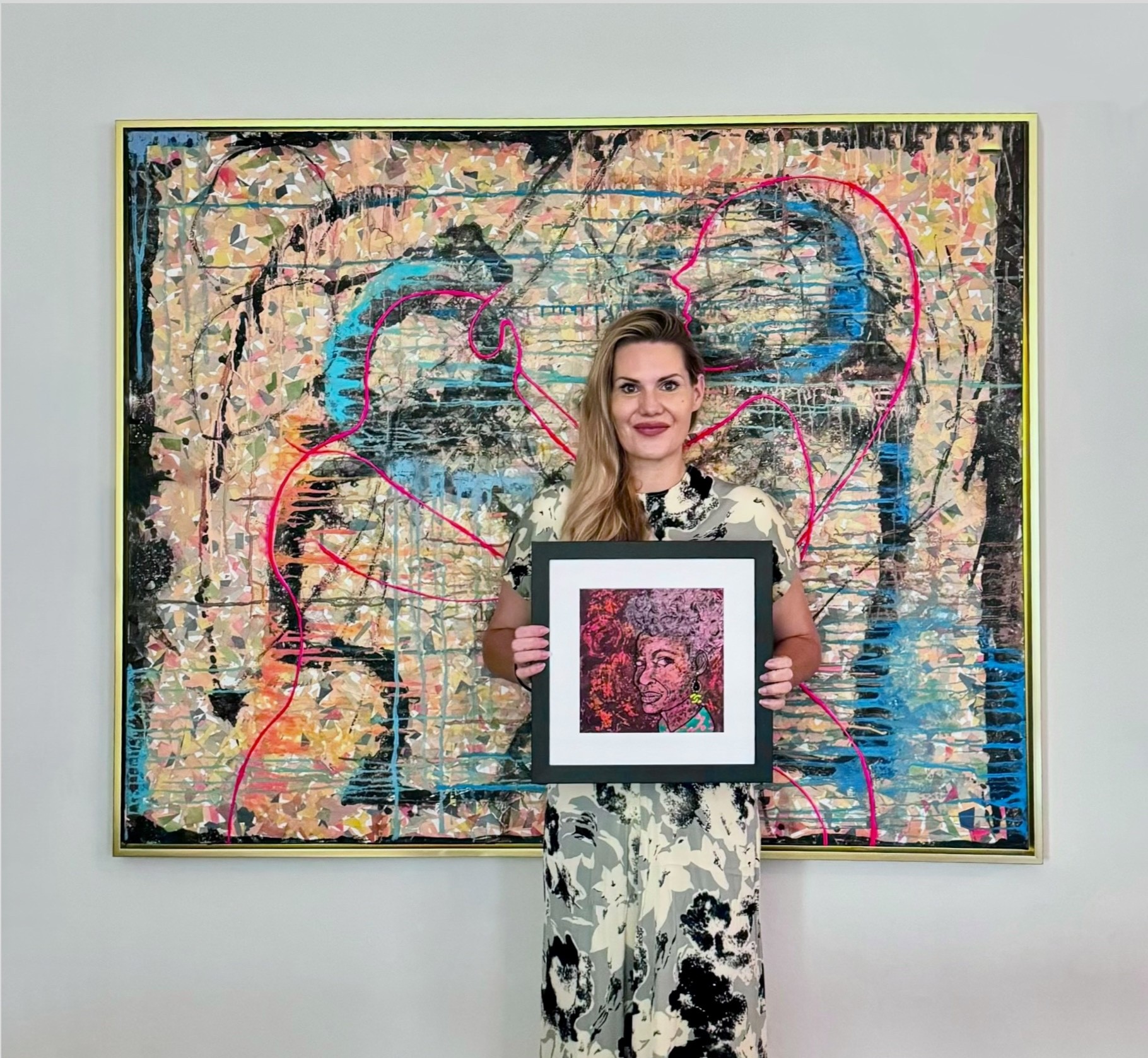
An art enthusiast all my life, I took an accidental 20-year hiatus. Busy building a successful career in entertainment marketing, traveling, and living in three countries (originally British, I moved to Australia at 24, then landed in Los Angeles 14 years ago), not to mention making two beautiful humans; I gave myself a hall pass from painting. Truthfully, the excuse of being too busy to create left a huge hole. So, at age 40, I said, “fuck it,” and not only when back to the proverbial drawing board but decided to build a business out of it, too.
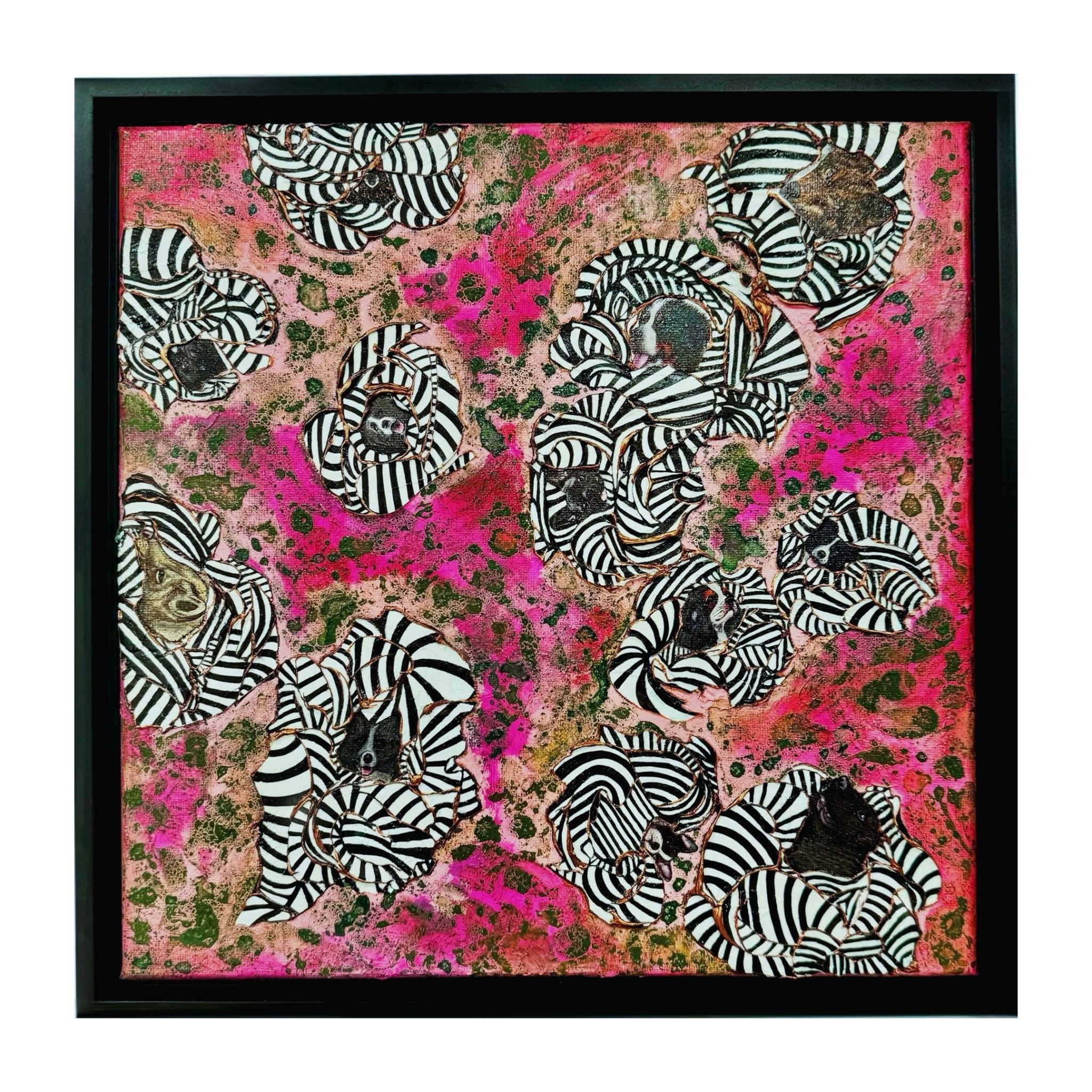
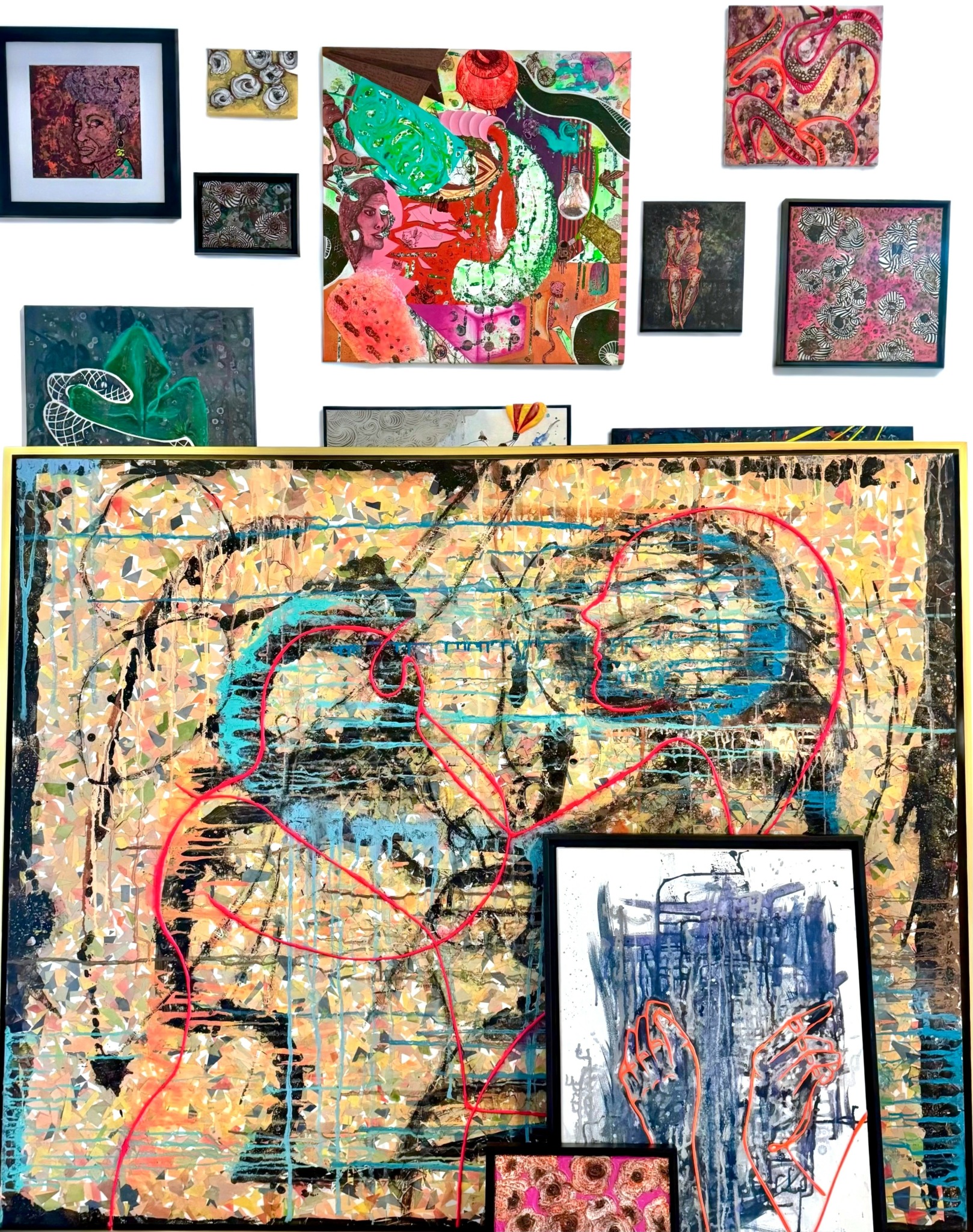
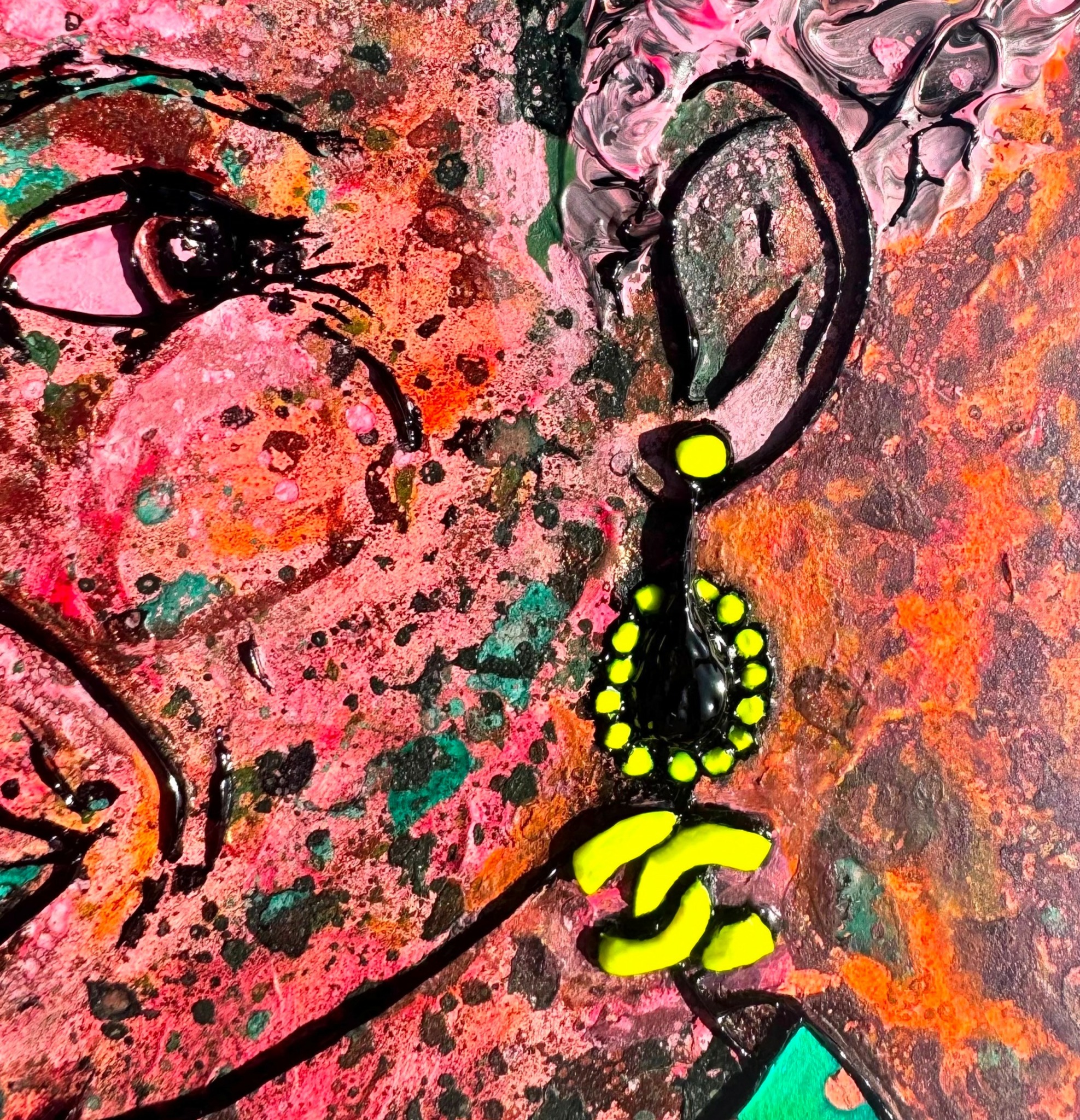
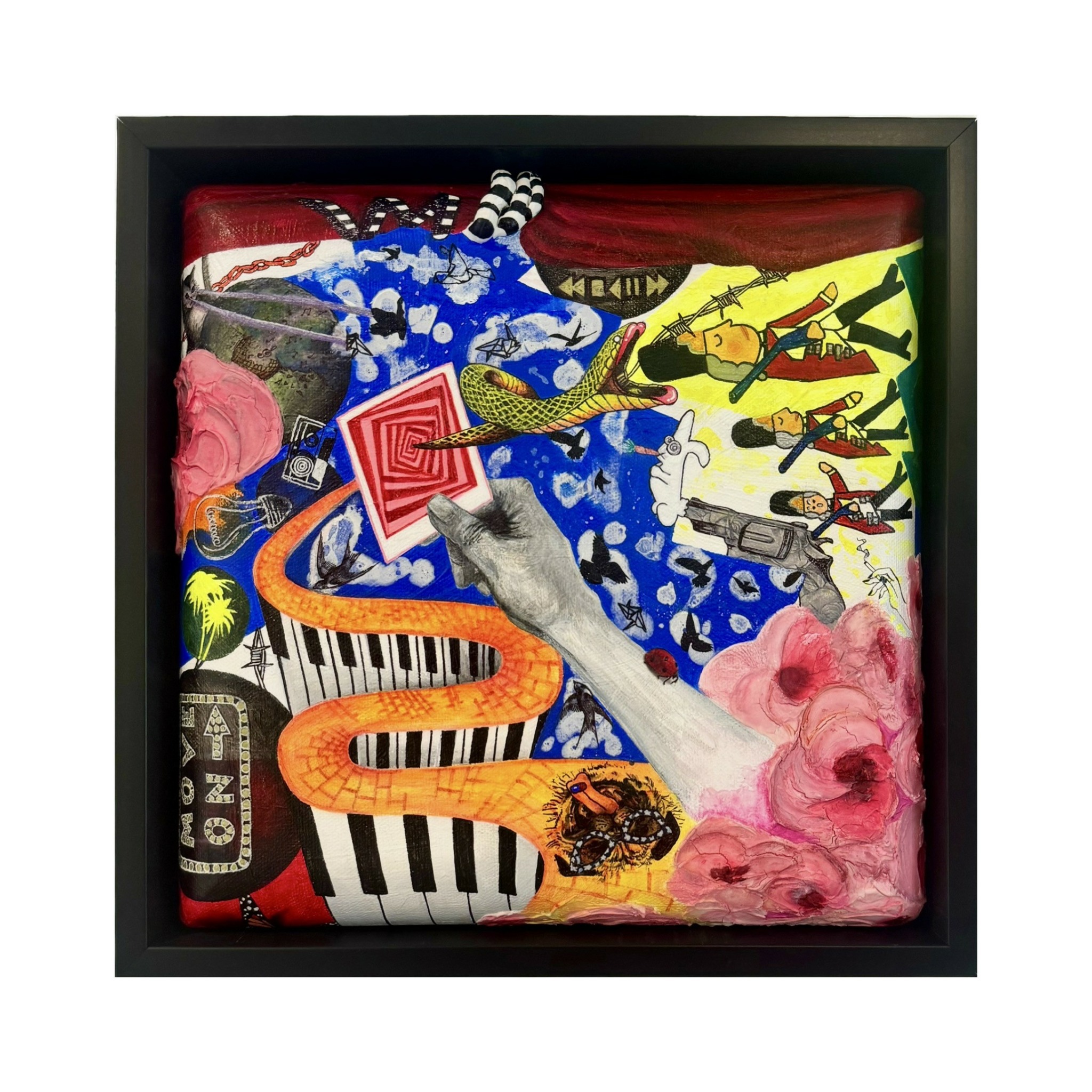
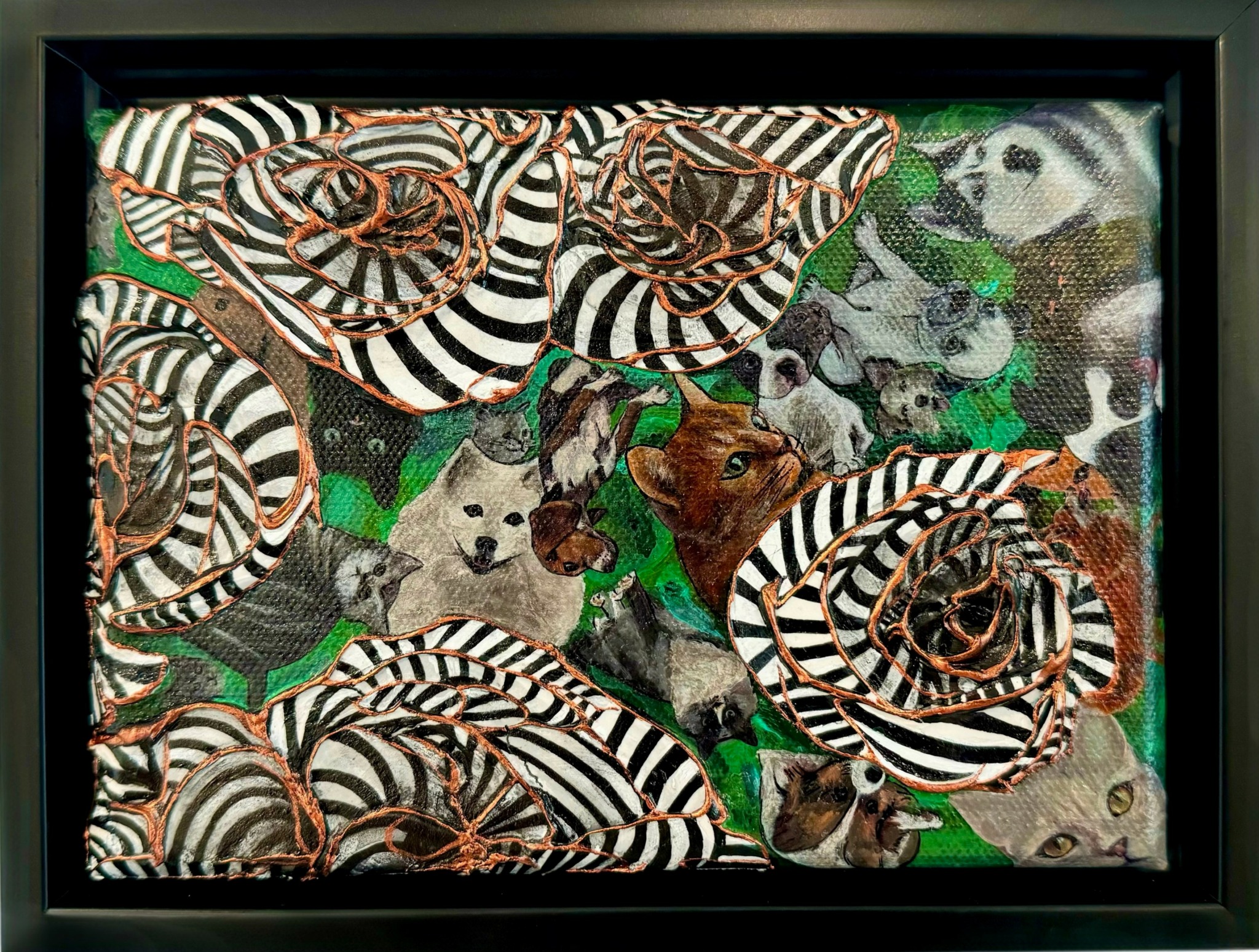
My art offers clients a bridge between abstract, realism, and surrealism. From a distance, each piece looks like an abstract battle of color, texture, space, and subject matter. As you get closer, still-life images and everyday objects emerge, as does the work’s theme. I get an unhealthy kick out of peppering hidden details into every piece for the eyes (and imagination) to seek out and obsess over. With an intentional mashup of styles and techniques, I mix media and include neon pigment in every piece, so when the light changes – from room to room or day to night – so does the focal point.
It took a giant leap of faith to get back in the game. Frankly, nervous doesn’t touch the sides of the apprehension I had sharing some of my first pieces. That was a year ago, and I am extremely humbled to have received such positive feedback so far – my art is represented by three Los Angeles-based galleries; another piece was selected as “Art of the Day” by the Visual Art Open, a global exhibition and awards program. Most recently, I’ve been fortunate to receive a sizable, commissioned project, which I’m currently working on.
Do you think there is something that non-creatives might struggle to understand about your journey as a creative? Maybe you can shed some light?
Firstly, it’s hard to align with the term “non-creative.” Maybe that’s a personal trigger word, having ditched painting for two decades before finally “growing a pair” and getting back into it. I like to think we all possess creativity in different forms, without defining one another as creative or non-creative.
Now, to answer your actual question – For someone investing in original artwork but who doesn’t create pieces themselves, one area I find hard to navigate is online retail. Yes, it’s a game-changer, enabling creatives to establish businesses and gain exposure they otherwise couldn’t (myself included). Not to mention consumer convenience, increased revenue potential, and global access. But there is one elephant-sized drawback: Artwork experienced in real life can’t be replicated by an image online. The texture, 3D visual, or color (even if the artist is careful not to color-correct or filter photos) are rarely truly represented. I’m acutely aware of this each time I post a new picture of my work. Does the photo do it justice? Does it look different, better, or bigger than in real life? Will its owner be disappointed or delighted when they hang the piece?
Sometimes, I catch myself making my art look a little less online to avoid possible buyer remorse. That is definitely not the answer. I ask remote clients to engage in a video call to see the piece(s) from multiple angles and to show the art hung on real wall space. I also share multiple images featuring the art at various times of day and in different rooms. It’s not a perfect solution, and it is a time investment for creatives to offer live Q&As / video calls with prospective buyers, but so far, it’s the best fix I’ve found.
Learning and unlearning are both critical parts of growth – can you share a story of a time when you had to unlearn a lesson?
In life, there is this constant pressure to do more, be more, and all the while, be present! It’s exhausting, not to mention impossible. I often succumb to feeling the need to post more on social media, produce more pieces, and update my portfolio so I have new content to promote to galleries and sell online. But the fast-paced churn of consumerism does not apply here. Art is not like other industries. How established you are, how many sales you’ve made, or the years you’ve been doing it does not define talent or the quality of your work. Creativity is an ebb and flow. Yet, it’s an almost daily challenge not to give in to the “do more” compulsion and instead trust in the process, no matter its timeline. A year ago, I committed myself to tackle one art-related task per day. It may not involve picking up a paintbrush. It could be reading about another artist or revisiting my pricing structure. This way, I ward off the fear of falling behind without forcing the work.
Picasso famously said that works of art are not completed; they are abandoned. This sentiment certainly rings true for me. Unlike other roles I’ve had in my marketing career, art is the only area where it’s acceptable, important even, to leave a job “unfinished” without holding yourself in contempt. Candidly, this is a lesson I’m still learning.
Contact Info:
- Instagram: argent.major
- Other: kate@littlebulldogpr.com
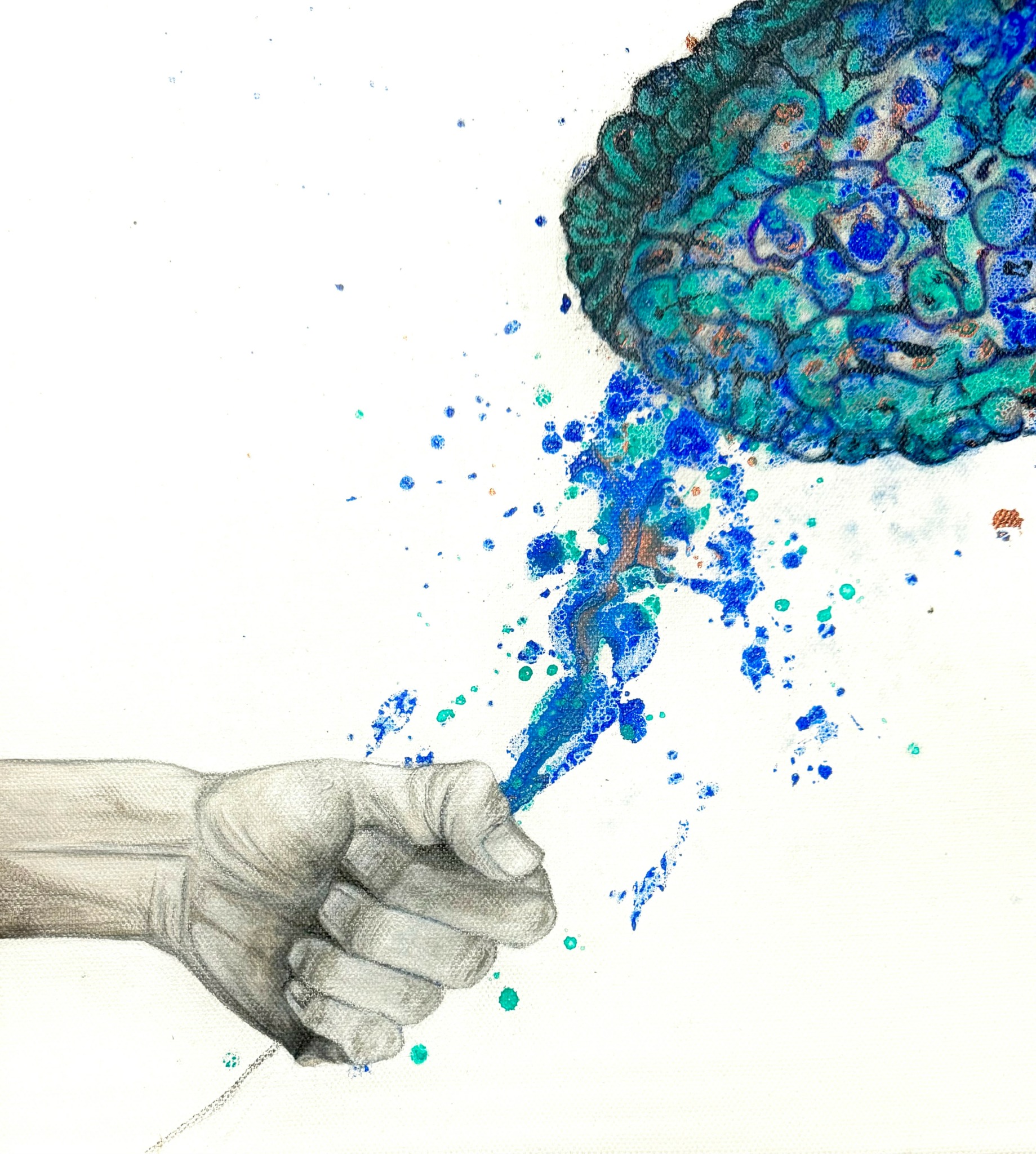
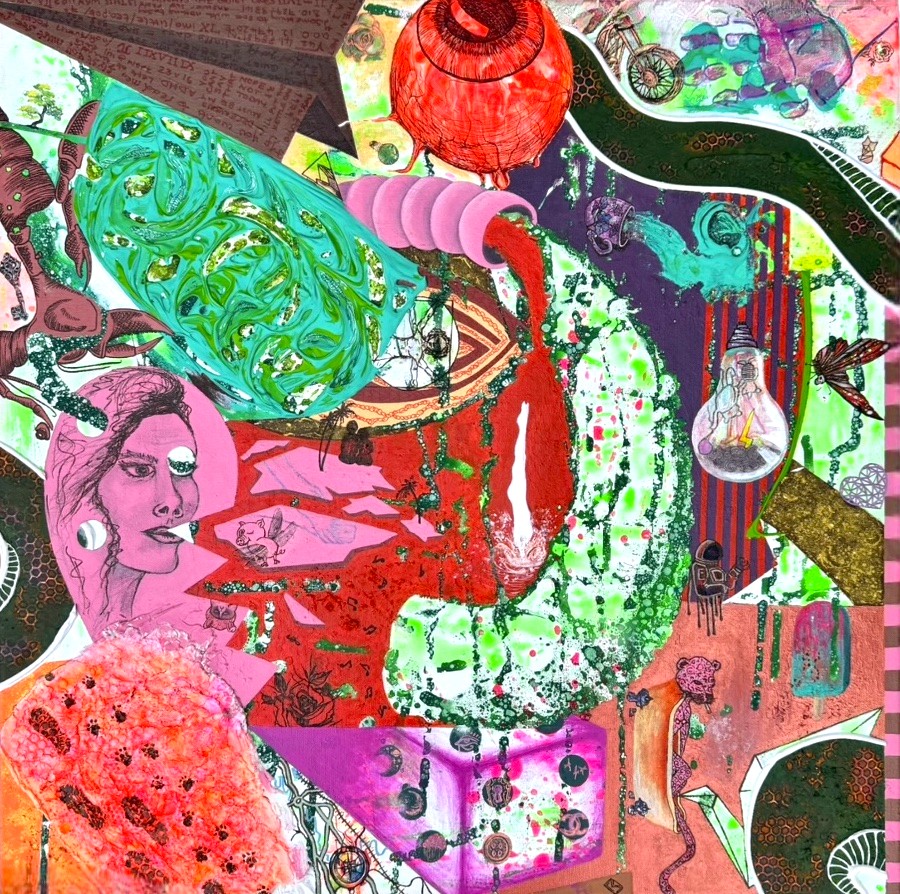
Image Credits
Kate Pickle at TAG Gallery Los Angeles