

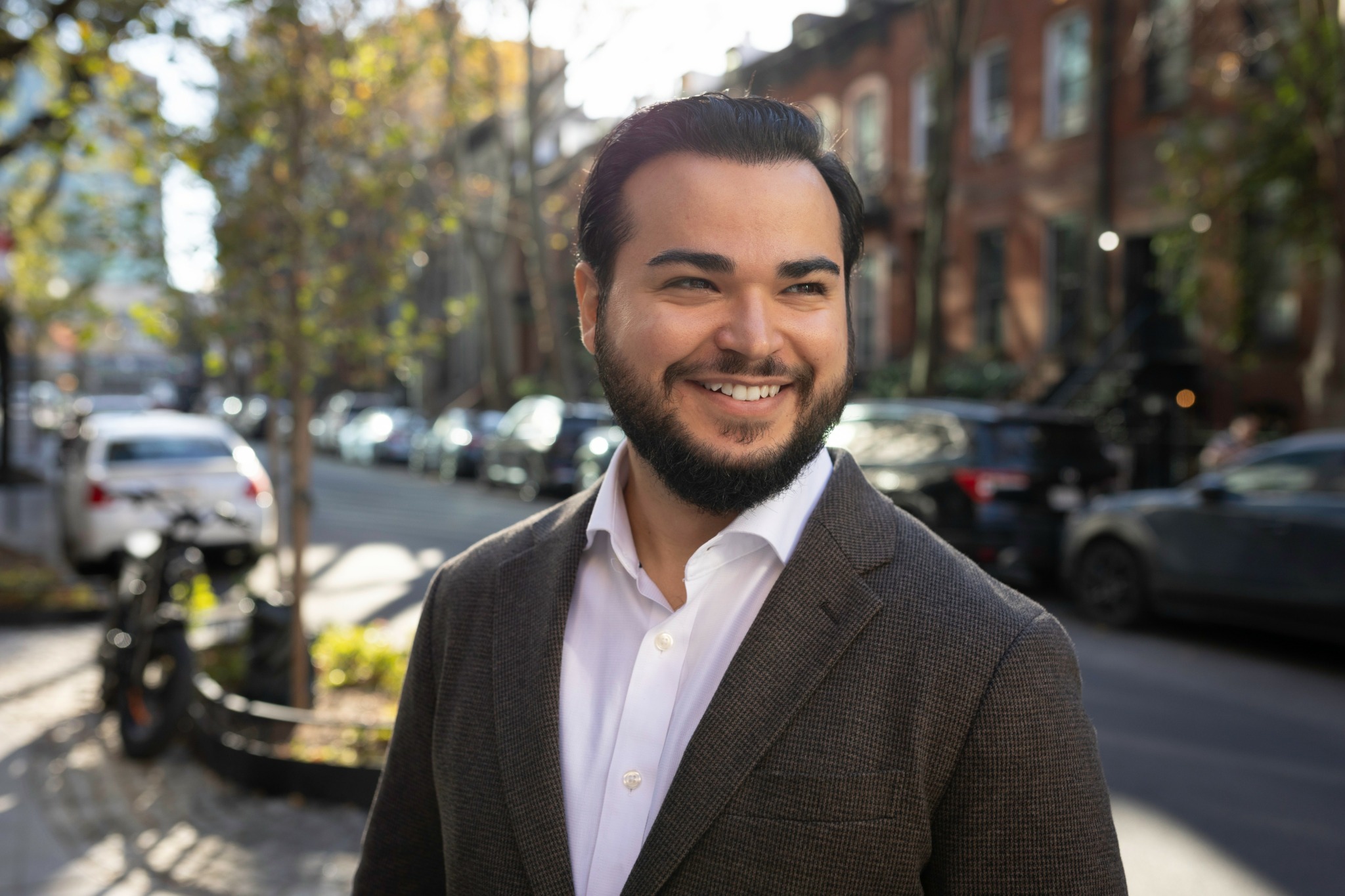

Today we’d like to introduce you to Michael Matos
Alright, so thank you so much for sharing your story and insight with our readers. To kick things off, can you tell us a bit about how you got started?
Personal Protective Concepts (PPC) started as a response to a call for help. During the COVID-19 pandemic, I was asked by activists from Brooklyn who were concerned about rising hate crimes and violence to teach self-defense. That moment wasn’t just a teaching opportunity but a wake-up call to the gaps in safety education and resources available to communities facing real threats.
What began as grassroots self-defense workshops quickly grew into a mission-driven organization focused on safety education and empowerment. PPC isn’t about fear; it’s about equipping people with the knowledge and confidence to navigate a world that often feels unpredictable. From consulting with organizations to running hands-on safety workshops, PPC focuses on making personal safety accessible to everyone, no matter their background.
This journey has taught me that creating real change starts with meeting people where they are. Whether it’s helping a single individual feel more secure or guiding an organization to build safer spaces, PPC is about impact—one person, one group, one moment at a time.
Alright, so let’s dig a little deeper into the story – has it been an easy path overall and if not, what were the challenges you’ve had to overcome?
It definitely hasn’t been a smooth road—building something meaningful rarely is. When I started Personal Protective Concepts (PPC), it was just me, teaching self-defense classes in borrowed spaces and trying to spread the word. One of the biggest challenges was proving the importance of safety education in a way that resonated with both individuals and organizations. Many people don’t think about personal safety until something happens, so shifting that mindset has been a constant uphill battle.
Another challenge was scaling PPC without losing the personal connection that made it impactful in the first place. Balancing the day-to-day logistics, funding, and outreach while staying true to our core mission required a lot of trial and error.
On a more personal level, I’ve had to confront my own limits—whether it was managing stress, overcoming imposter syndrome, or navigating how to grow as a leader. There were moments when I questioned if I was doing enough or if PPC could make a real difference.
But every challenge brought lessons. It forced me to get creative, lean into partnerships, and stay focused on why I started this journey in the first place: to empower people and create safer spaces for everyone.
As you know, we’re big fans of Personal Protective Concepts. For our readers who might not be as familiar what can you tell them about the brand?
Personal Protective Concepts (PPC) is more than just a business—it’s a movement to redefine what safety education looks like. At our core, we’re about empowering people to feel confident and secure in their everyday lives. We specialize in personal safety training, consulting, and education tailored to meet the needs of diverse groups, from individuals and nonprofits to corporations.
What sets PPC apart is our focus on practical, real-world solutions. We take a trauma-informed approach to everything we do, ensuring our programs are inclusive, accessible, and relevant. Whether it’s teaching someone how to de-escalate a situation or helping a workplace create a culture of safety, our goal is always the same: to provide tools and knowledge that truly make a difference.
Brand-wise, I’m most proud of how we’ve stayed true to our mission while expanding our reach. PPC has grown from small community workshops into a trusted partner for organizations and individuals across various sectors. That growth has been fueled by our commitment to integrity, compassion, and impact—values that guide everything we do.
I want readers to know that PPC is here for them. Whether you’re looking to improve personal safety, foster a safer workplace, or simply learn how to navigate the world with more confidence, we have something for you. Safety isn’t a privilege—it’s a right—and we’re here to make it accessible to everyone.
Have you learned any interesting or important lessons due to the Covid-19 Crisis?
The COVID-19 crisis taught me some of the most profound lessons, both personally and professionally. One of the biggest takeaways was the importance of adaptability. The pandemic turned everything upside down, and it forced me to rethink how safety education could be delivered in a world that suddenly became more isolated and unpredictable. It was during this time that I realized safety isn’t just about physical protection—it’s about mental resilience, community, and having a support system you can rely on.
Another critical lesson was understanding just how interconnected our communities are. As fear and uncertainty grew, I saw firsthand how acts of empowerment—like teaching a single self-defense class—could ripple outward and inspire strength in others. This reinforced my belief that safety education isn’t just about protecting yourself; it’s about creating environments where everyone can feel secure.
On a more personal level, the crisis showed me the importance of slowing down and being intentional. In a time where everything felt chaotic, focusing on purpose over perfection helped PPC grow into something meaningful. It reminded me that even in moments of crisis, there’s an opportunity to build something lasting—if you’re willing to listen, adapt, and act.
Contact Info:
- Website: https://www.personalprotectiveconcepts.com/
- Instagram: https://www.instagram.com/personalprotectiveconcepts/
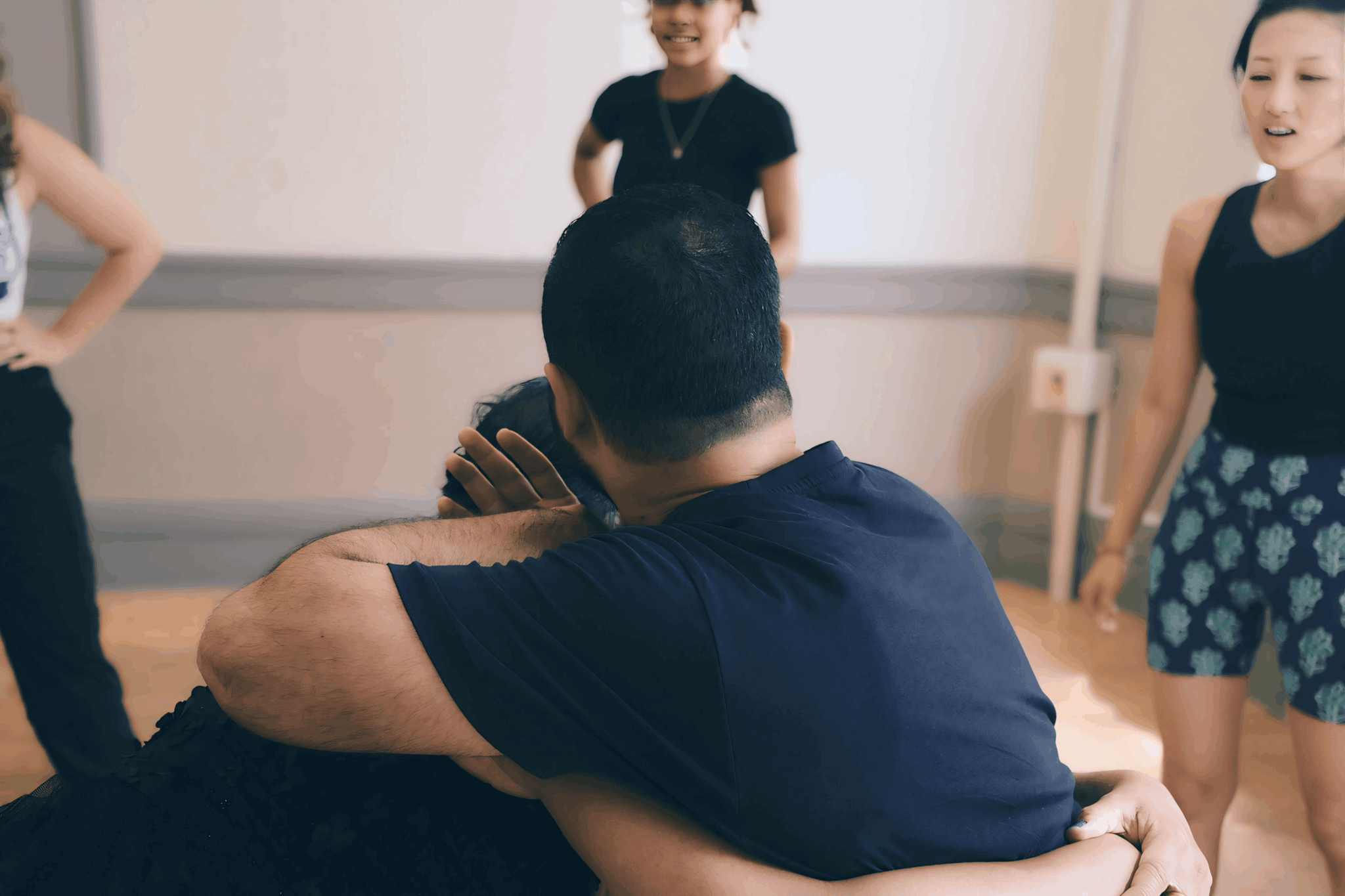
Image Credits
Edmar “Beare” Flores
Sai Mokhtari (www.saimokhtari.com)
Nick Snipes Photography