

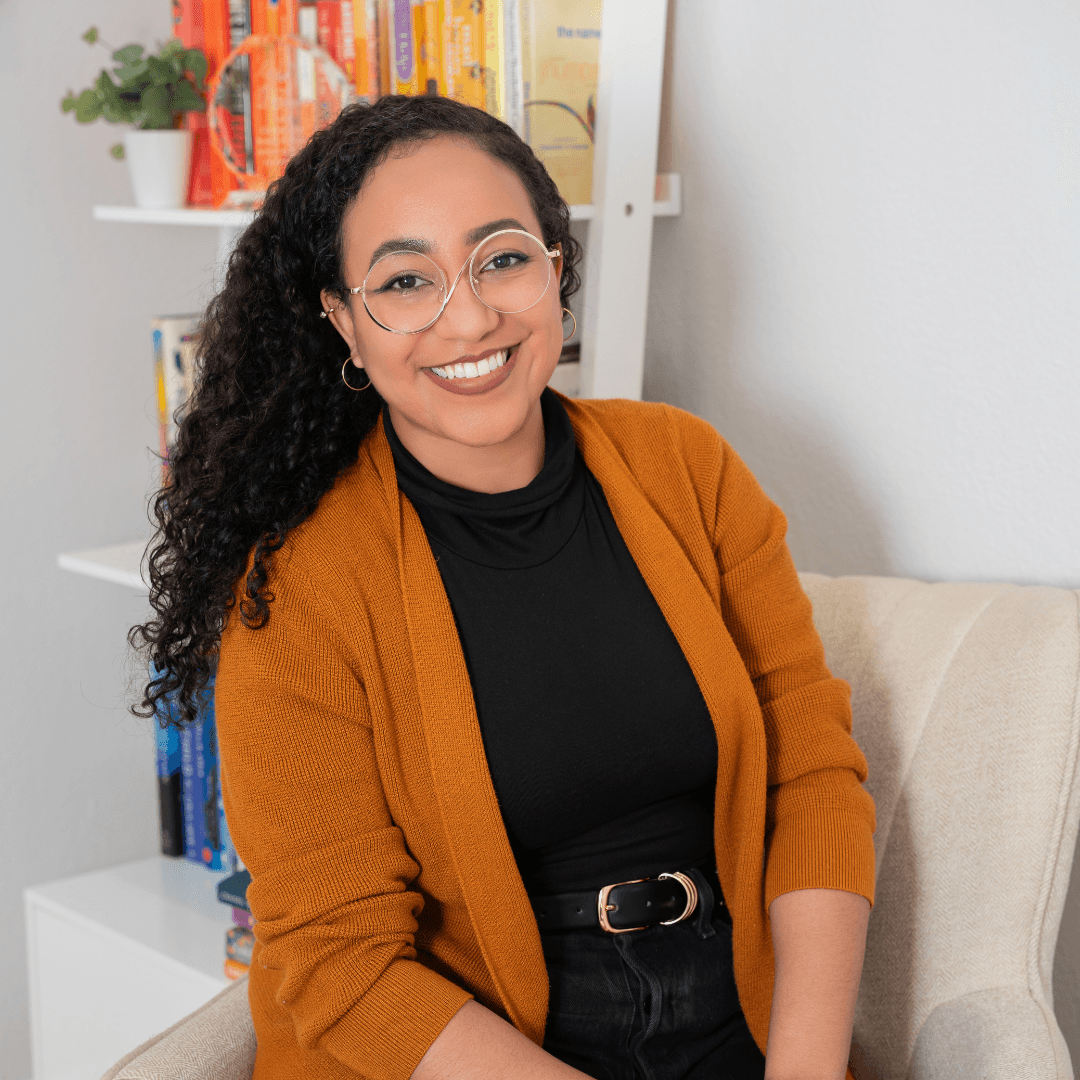

Alright – so today we’ve got the honor of introducing you to Alinne Butcher. We think you’ll enjoy our conversation, we’ve shared it below.
Alinne, looking forward to hearing all of your stories today. Was there a defining moment in your professional career? A moment that changed the trajectory of your career?
A defining moment in my professional career came when I decided to let go of the idea that I had to be a “blank canvas” for my clients. For some time, I tried the typical approach to therapy where I kept some emotional distance, avoided direct advice, and kept things neutral. Grad school taught me that my role was to provide my client with a neutral space where they could project their experiences without any interference.
But one day, my client was in a profound trench of loneliness because of a past traumatic experience, and the sadness was so tangible that it suffocated the room. I realized that staying distant, avoidant, or neutral might actually deepen my client’s loneliness. In that moment, I decided to let my guard down and share a piece of my own human experience—not to overshadow theirs, but to help them feel less alone in their pain.
It wasn’t about making therapy about me; it was about acknowledging that before being a therapist, I am first a human also navigating (similar) complexities of life. By being my authentic self I have witnessed more depth, healing, and growth in my clients than when I was blank and neutral. There is something liberating and empowering when someone is able to open up about the things they have overcome. My humanity is my strength, and it gives others permission to be witnessed and know they are not alone.
The lesson I took from that moment was that healing isn’t just about holding space for others; it’s about being brave enough to show up fully as myself. My willingness to share glimpses of my humanity allowed my clients to connect more deeply. It transformed the therapy room into a space that felt more genuine, safe, and collaborative. It became clear to me that therapy is more than just techniques or theories; it’s about the connection, and sometimes, that means stepping out from behind the therapist role and into the shared human experience.
Awesome – so before we get into the rest of our questions, can you briefly introduce yourself to our readers.
I’m a psychotherapist with a heart geared towards emotional health, justice, and decolonizing the therapy room. My journey into this field was driven by a deep desire to create safe, transformative spaces for people who feel disconnected or overwhelmed by the demands of their families, cultures, and societies. It took me a few years to figure out that I was made to be a therapist, and now life is as it should be.
My practice focuses on guiding people through their past experiences and better understanding how it impacts their identify today. I specialize in helping my clients build their identity and confidence, manage their anxiety, recover from trauma, and use effective communication skills. I’m trained in Accelerated Resolution Therapy (ART), a technique that targets PTSD, trauma, depression, and anxiety symptoms, allowing clients to experience fast-paced relief.
On Instagram, I share a variety of content on mental health topics that resonate with my audience. My goal is to make mental health more relatable and accessible while reducing the stigma around seeking help. I use humor, real-life examples, and honest reflections to engage with my audience, encouraging them to think about therapy as a journey of self-discovery rather than a rigid or intimidating process.
In the next few months, I hope to finish compiling my digital resources to help people have access to quality, yet affordable, mental health resources. I am developing a few products (coping cards, panic worksheet, posters, and journal prompts) to help people navigate their emotions in a healthy way. I also have a book that I wrote on the topic of mental and emotional health that I hope to publish in the coming year.
I want potential clients and followers to know that my practice is about more than just “solving problems”—it’s about creating space for understanding, growth, and self-compassion. I’m proud of the genuine connections I build with my clients and the safe environments I foster, whether that’s one-on-one in a therapy session or through digital platforms where people can engage with content that resonates with them. My goal is to help individuals feel seen, heard, and empowered to live in a way that’s true to themselves.
How’d you meet your business partner?
The story of when I met my business partner is a surprising one! I remember the moment distinctly. There I was, facing a decision about how I wanted my therapy practice to grow, thinking about the values I wanted to uphold, and the kind of impact I aimed to make. I was chatting with a few colleagues and was considering what kind of partner would bring out the best in me. I wanted someone who understood my vision, knew exactly what I was about, and who would be aligned with me in all my values.
It turns out, the perfect person was right in front of me all along—me. I realized that the partnership I was looking for was with myself. This wasn’t about going solo; it was about embracing the idea that I could trust my own instincts, experiences, and expertise to guide the direction of my practice. Of course, I have friends who are also private practice owners and we often come together to talk and hold each other accountable.
I have deepened the trust and confidence within myself as I’ve learned to balance the analytical and creative sides of my work, believing that I have everything I need to make my vision a reality.
If you could go back, would you choose the same profession, specialty, etc.?
Yes, I believe one of my life’s purpose is to be a psychotherapist! I love it.
Contact Info:
- Website: https://overtherugtherapy.com/
- Instagram: overtherugtherapy
Image Credits
Albert Matveev (for headshot picture)