

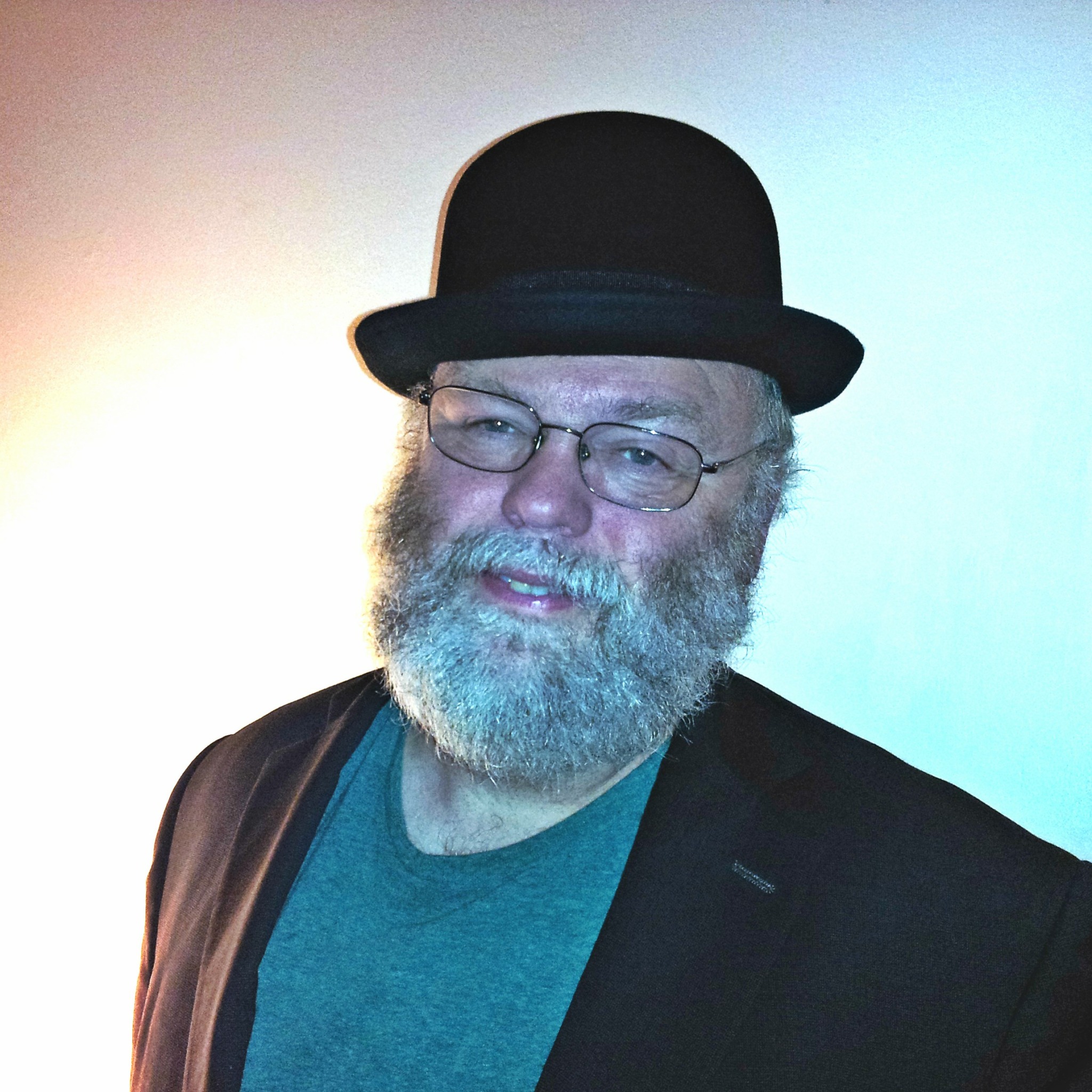

We recently connected with Robert Lavett Smith and have shared our conversation below.
Robert Lavett, appreciate you joining us today. Can you talk to us about how you learned to do what you do?
I first began writing poetry when I was fourteen, initially to impress a girl. (It didn’t work.) My early poems were the typical saccharine rhymed love poem that teenagers tend to write. In those days, I read a lot—as I still do—but was mostly exposed to nineteenth century books which had belonged to one of my great grandfathers. I began by imitating what I read there. In retrospect, I now see this as unfortunate. I would have developed a mature style more quickly had I spent more time carefully observing the world around me.
In high school, I first read Walt Whitman and T. S. Eliot, poets who still rank among my very favorites. My encounter with their work provided me with more modern models, and although at first I imitated them as well, my writing gradually became more immediate and more authentic, finally breaking free of the rigidity of the Victorian Era.
One obstacle I have spent a lifetime trying to overcome is the fact that I have cerebral palsy. This effects, among other things, my coordination, and means that for me, the actual physical acts of writing and typing are incredibly laborious and painful. I face this challenge every time I sit down to write, in addition to the usual creative challenges that we all face.
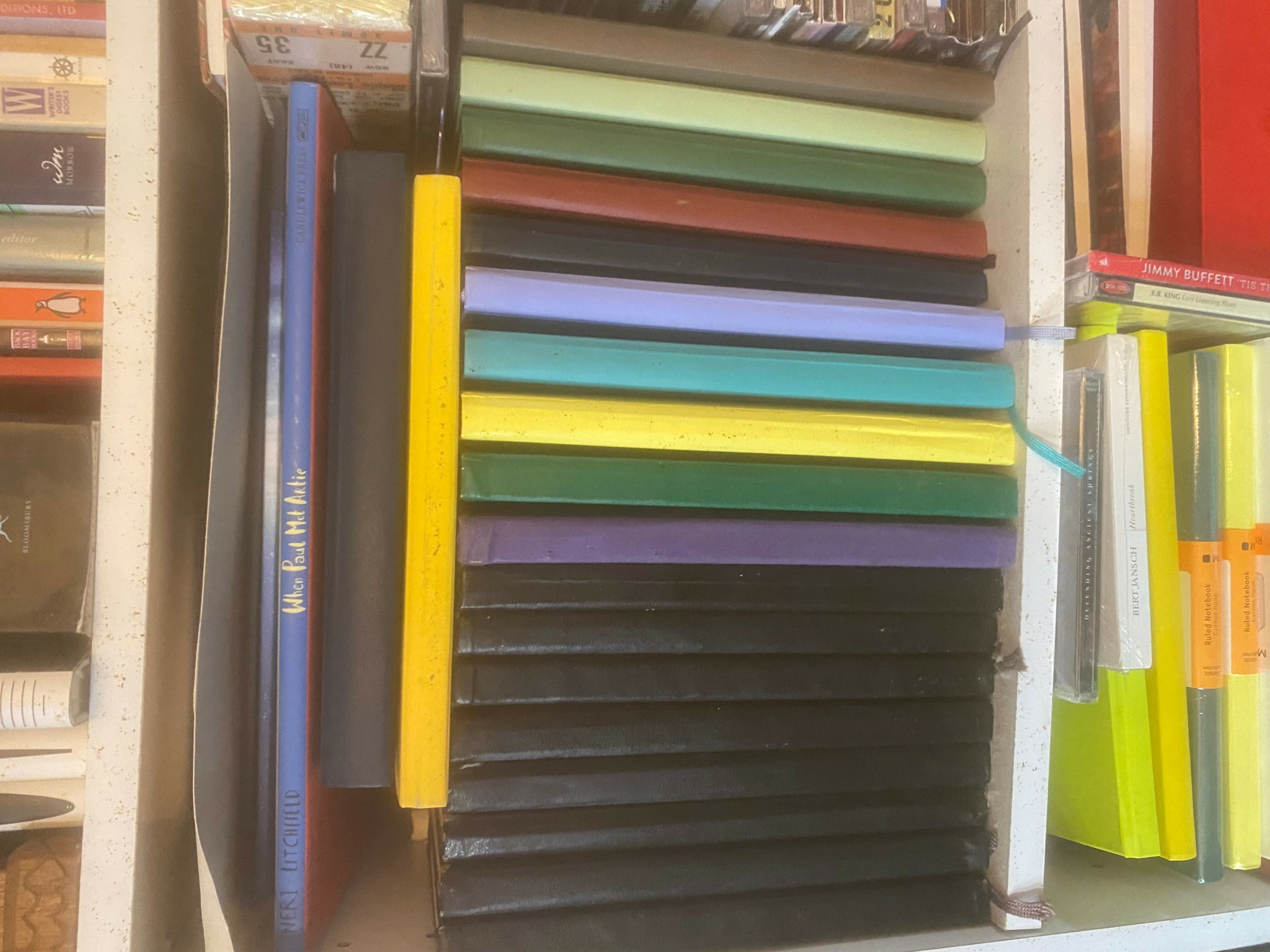
Robert Lavett, before we move on to more of these sorts of questions, can you take some time to bring our readers up to speed on you and what you do?
Over the course of the past quarter century, I have published six collections of poetry, most recently “This Late in the Season,” from Full Court Press. All are readily available online. While my first book was almost entirely free verse, about fifteen years ago, I returned to formal (rhymed) poetry, following a long writer’s block. I was relieved to find that I had matured enough since adolescence that my adult rhyming was much more sophisticated an authentic that the drivel I had written as a teen. One thing I offer my readers that many poets do not is a mix of formal and free verse poems. People have many different ideas of what poetry should be, and since I am fairly adept at a variety of styles, I like to think my books offer something for everyone. In addition, I would like to hope that my poems are clear and direct enough to reach at least some of the many people who claim that they have never understood poetry. And while my work often draws upon my own experiences, I try to present them in what I hope is a way that lends them a certain universality.
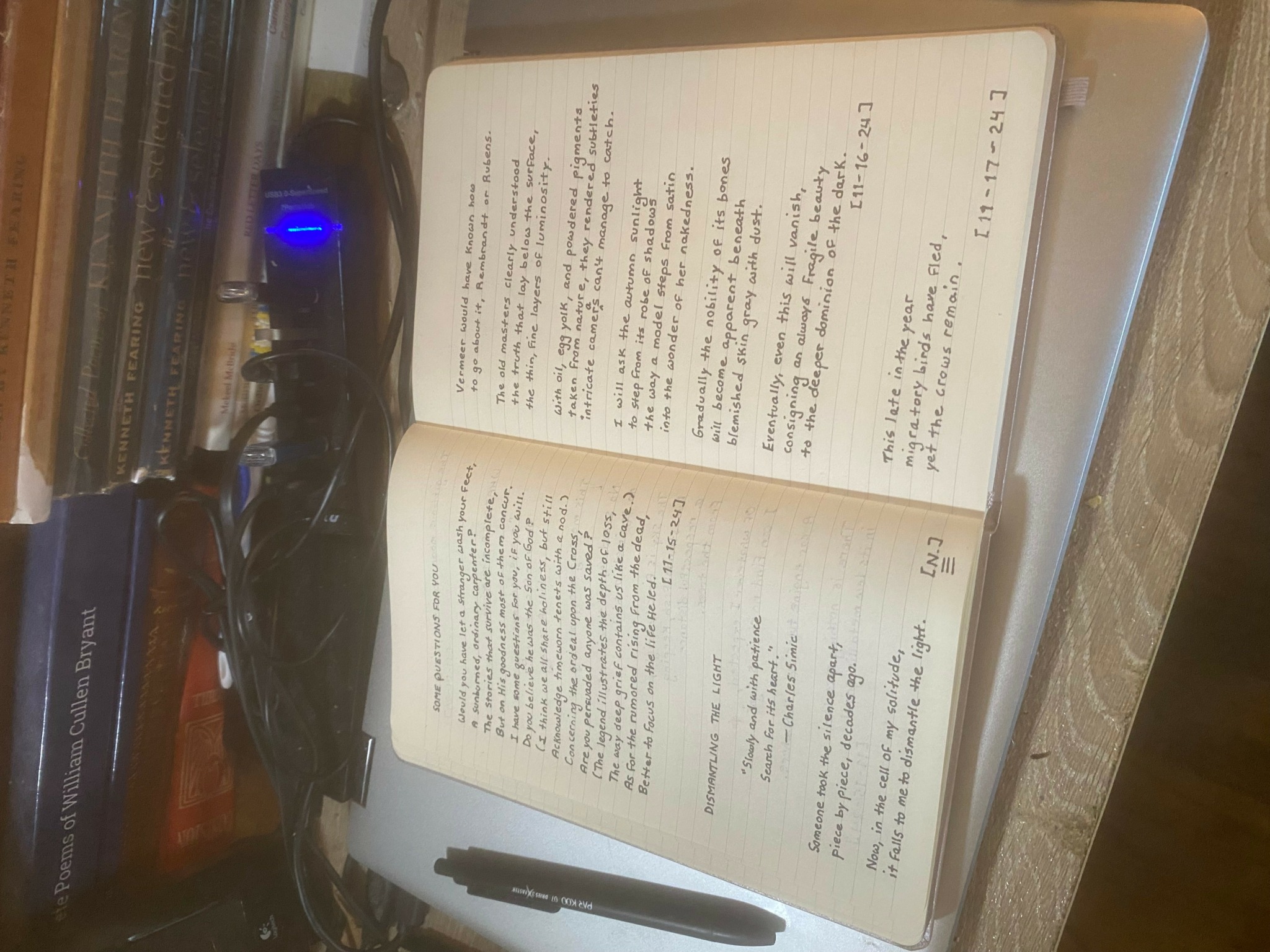
One of the things I am most proud of is that, having been essentially housebound for six years now following a serious injury, I have managed to write at least one new poem every day for nearly five years. While I am probably not the only one doing this, I think it’s fair to say that it’s unusual.
Learning and unlearning are both critical parts of growth – can you share a story of a time when you had to unlearn a lesson?
The hardest lesson for me to learn on my creative journey has been learning to reject the suggestions of others, even when I respect them, and stay true to my own vision. I grew up in a household where my parents were overly strict, and was actually told, on many occasions, that if anyone disagreed with me about anything, I would always be entirely in the wrong. As a young writer first participating in writer’s groups, I actually believed I had a moral obligation to adopt every single suggestion that any of my classmates made. I soon began to discover that it’s impossible to take all of the criticism that you’re offered; if you try to do so, the original work, and your vision of what it should be, simply disintegrates. Even knowing this, I still find it difficult to reject criticism when it’s offered, even when I don’t agree with it. Once, forty years ago, I took a chance and submitted a poem that I liked, but which a teacher of mine had disliked, to a fairly well-known journal, along with several other pieces. I received an acceptance almost immediately, and the only poem they accepted had been the one my teacher thought was badly flawed. Odder still, a few years ago I received an extremely insulting acceptance letter that went on at great length about how the poems I sent weren’t really very good before offering to publish all six of them. I’m still trying to wrap my head around that one. One must listen to criticism be feel free to reject it.
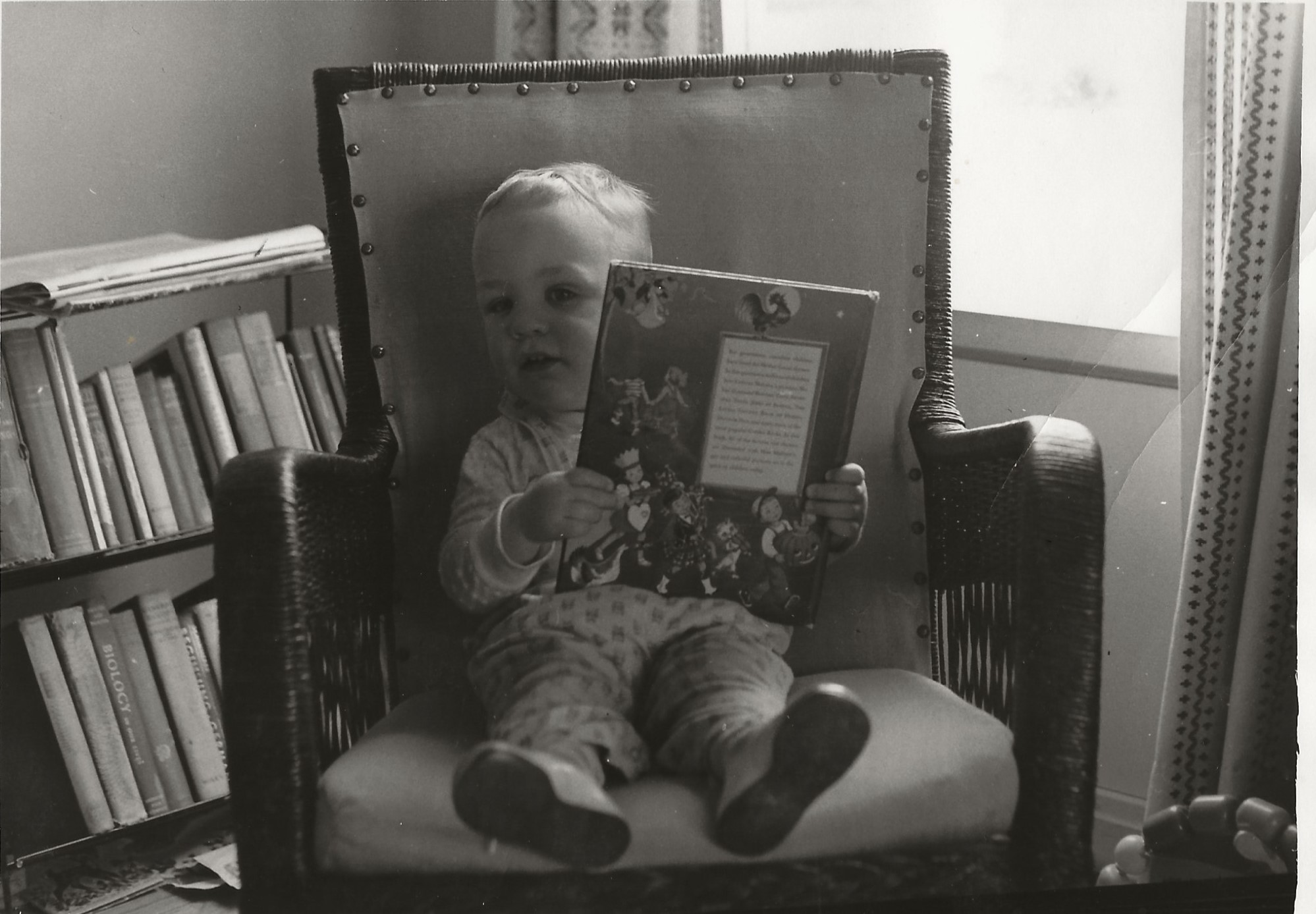
Can you share a story from your journey that illustrates your resilience?
In the autumn of 1976, as a new freshman at Oberlin College, I had my first one-on-one conference with the late Stuart Friebert, then the head of the Creative Writing Department. I was barely nineteen, and very inexperienced. When we met, Stuart slammed my portfolio down on his desk and, leaning forward until his nose was no more than an inch away from mine, screamed, at the top of his lungs, “THIS IS SHIT!” To this day, I don’t know how I knew the best way to react, but somehow I did. Meeting his eyes, I said calmly, “I really want to do this. Where do we go from here?” Stuart respected me after that, and although his classes we rigorous and often difficult, I learned more from him, I think, than from anyone else with whom I’ve studied. Of course, growing up with a disability that affected nearly every aspect of my daily life, I learned about resilience early. I think a lifetime of physical struggles definitely helped prepare me for the challenges inherent in any artistic life.
Contact Info:
- Facebook: https://www.facebook.com/robertlavett.smith.1
- Linkedin: Robert L. Smith@www.linkedin.com
- Youtube: https://www.youtube.com/watch?v=PH6kGbtlS9A
- Other: https://www.amazon.com/s?k=Robert+Lavett+Smith&i=stripbooks&crid=1OVXYK7J8CCU3&sprefix=robert+lavett+smith%2Cstripbooks%2C143&ref=nb_sb_noss_1
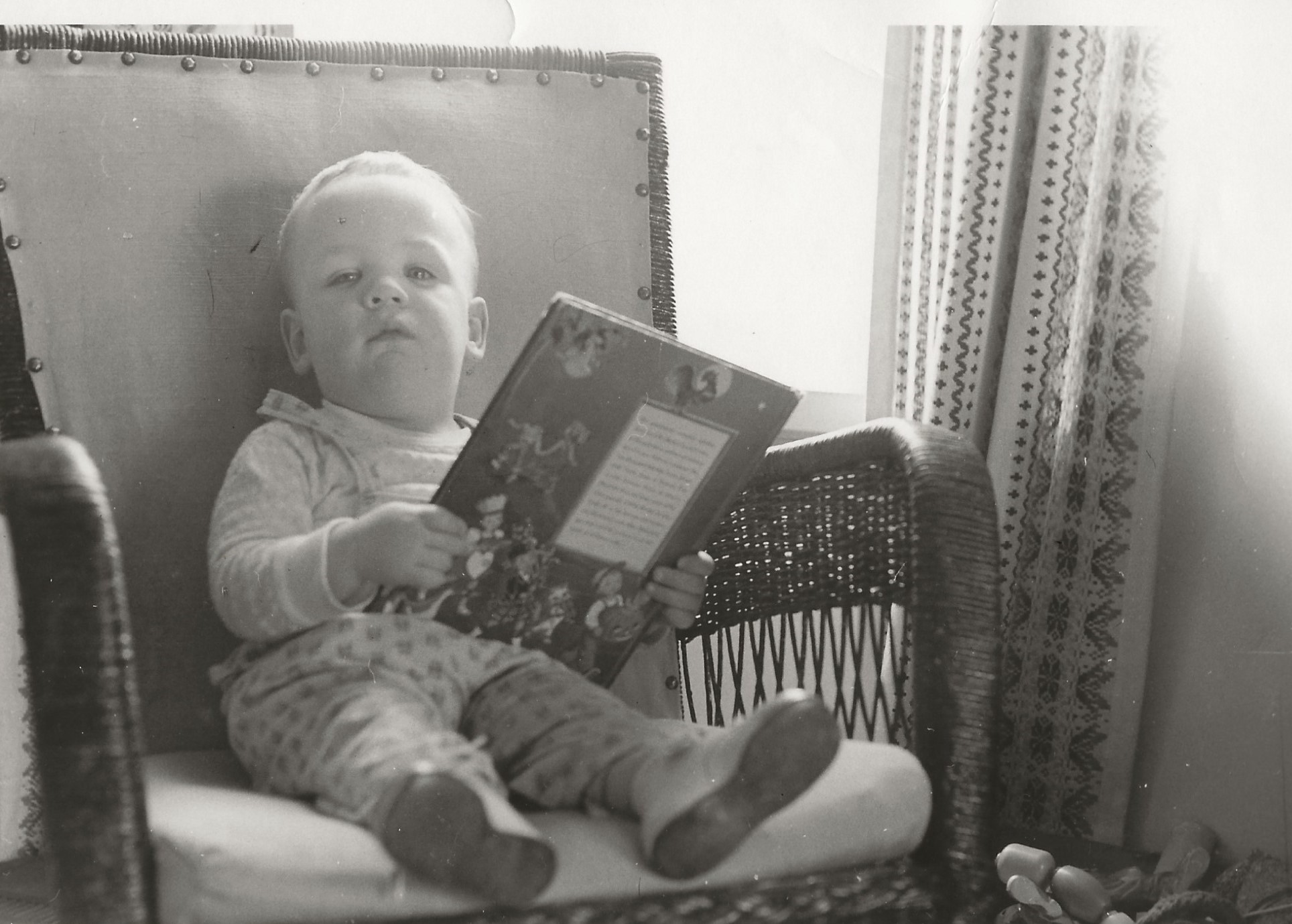
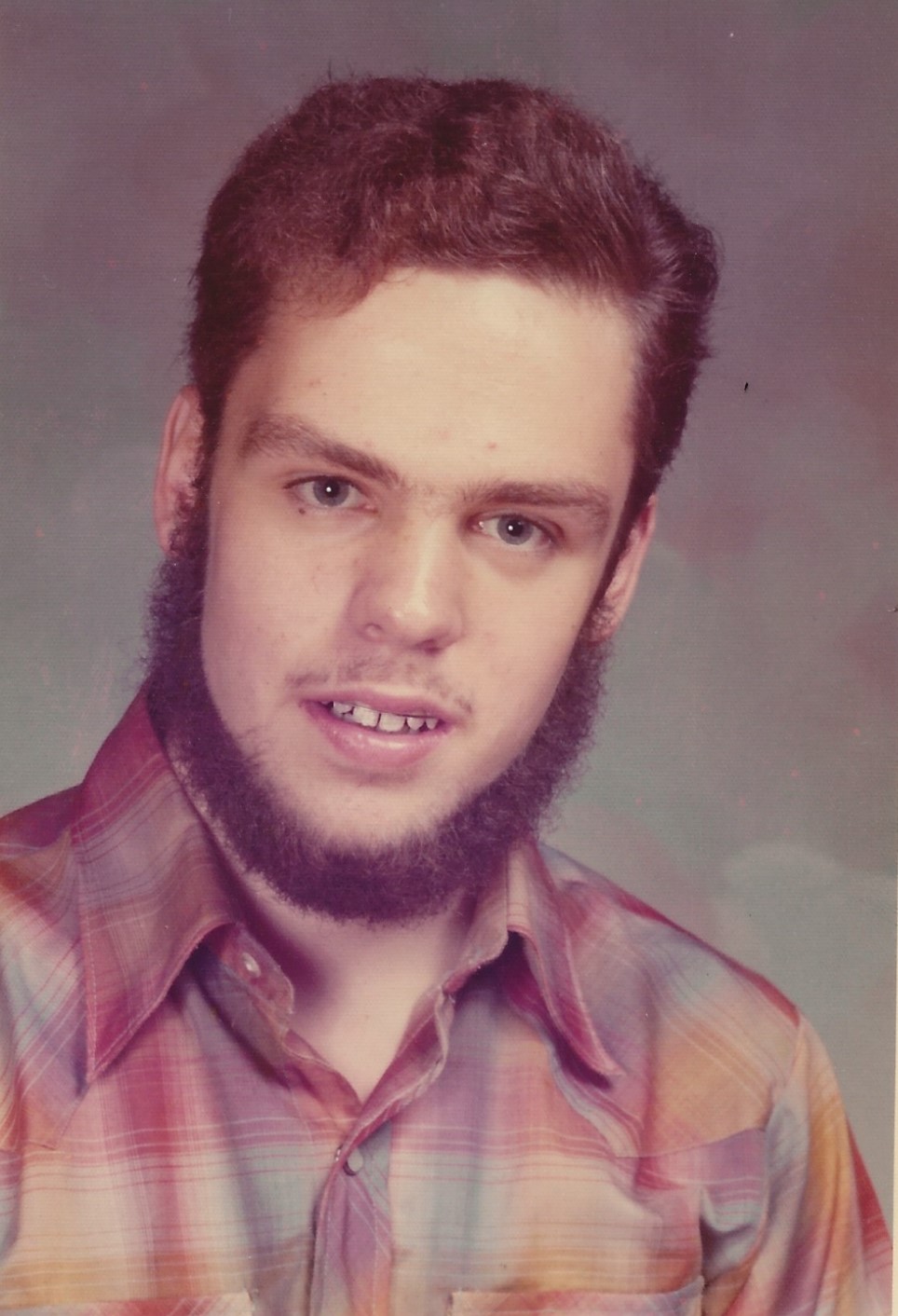
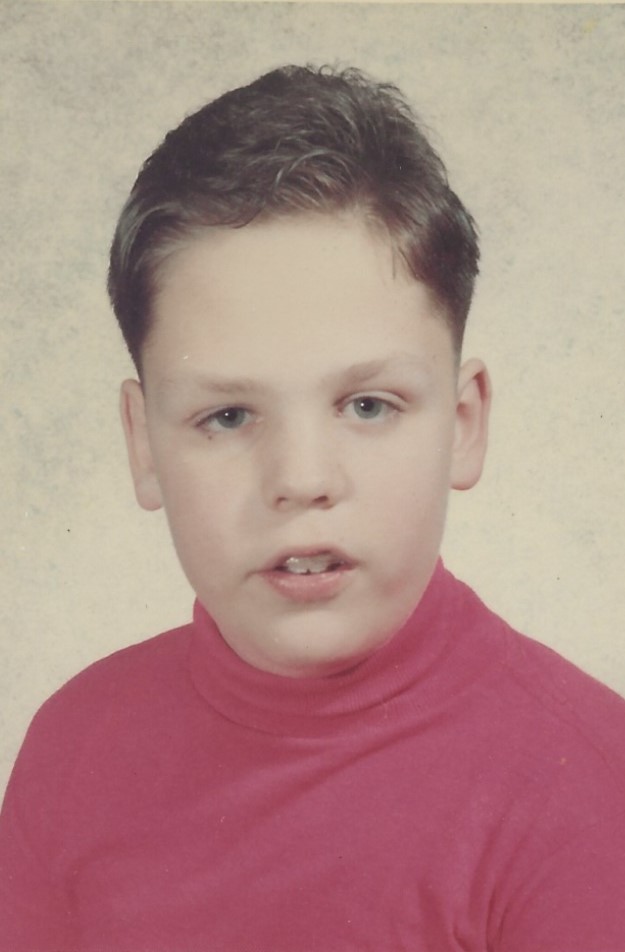
Image Credits
Author portrait by Laurie Sato
Notebook photos showing the tools of my trade by Marco Lule
Two b&w photos of me at age one-and-a-half, showing my early love of books, by Marjorie Smith
High school photo of me at age fifteen, when I first started writing seriously, photographer unknown
Elementary school photo of me at age eight, when I wrote my very first poem, photographer unknown