
We recently connected with Leah Wenger and have shared our conversation below.
Alright, Leah thanks for taking the time to share your stories and insights with us today. How did you learn to do what you do? Knowing what you know now, what could you have done to speed up your learning process? What skills do you think were most essential? What obstacles stood in the way of learning more?
My first memories of singing were for my dad’s video camera. We have so many videos in storage of me singing the ABCs or presenting a little dance I made up. I would come home from school and sit my family down to perform for them. Performing fed my soul. I’ve been curious about creativity ever since then.
A combination of passion, curiosity, resiliance, and joy has brought me to where I am today. And those are the things that will continue to carry me. I have a strong commitment to interdisciplinary education, and to me that means that every single thing I do or hear or learn must be inform the other. The things I’ve learned by keeping an open mind and exposing myself to new forms of expression have opened many doors for me. These things, along with truly overcommitting myself at points, has begun to teach me my personal direction, my limitations, and has invited me to be firm about my own self care.
It is so very important to have things outside of the creative realm that grounds you. For me that has been a vast network of interdisciplinary friendships, an intentional community of shared values, and meaningful work in human service. For many years, singing was something I did only because it gave me joy. Writing was something I did only because it calmed and centered me. Research wasn’t really research because I was just interested in learning something new, or connecting dots that no one had ever thought to connect before. All these things were outside of my formal “education” for so long.
I entered into Eastern Mennonite University as a declared Psychology major with a music minor. I was in the honors program and played varsity soccer as their goalkeeper. I was on track to finish my music minor in three semesters, and I knew that I would just keep taking the classes, so I declared it a major. By my senior year, I was finishing two majors, serving on many university-wide committees as president of the Student Government Association, and playing a key leadership role as the only goalkeeper on the soccer team. As Covid-19 hit the spring of that year, my brain hit survival mode once school finished. I stumbled into a job in adult mental health for a few years before I quit that, took a month-long road trip with a good friend, worked at a coffee roastery, and then returned to school in Baltimore at the Peabody Institute. There I studied both Historical Performance Voice and Musicology, and worked in Reslife as a supervisor to the Resident Assistants. My path has been non-traditional, and that has been the most important thing in getting me to where I am today.
The biggest obsticle I run into is my own mind. Sometimes I truly believe that I have not done enough or will never do enough to warrent calling myself an artist. I started too late, or I’m not doing the right programs, or everyone is just pretending to like my stuff. The imposter’s syndrome is real. Most of the time I feel like I’m the only one who has ever faked their way through four degrees.
What would I change? I would maybe give myself more grace. Resilience is an important piece of being an artist, but being resilient enough to damage ones own health? Not as great. I would have told myself to be patient. Things come. Fall in love with the process instead. And the most important thing? Be kind along the way.
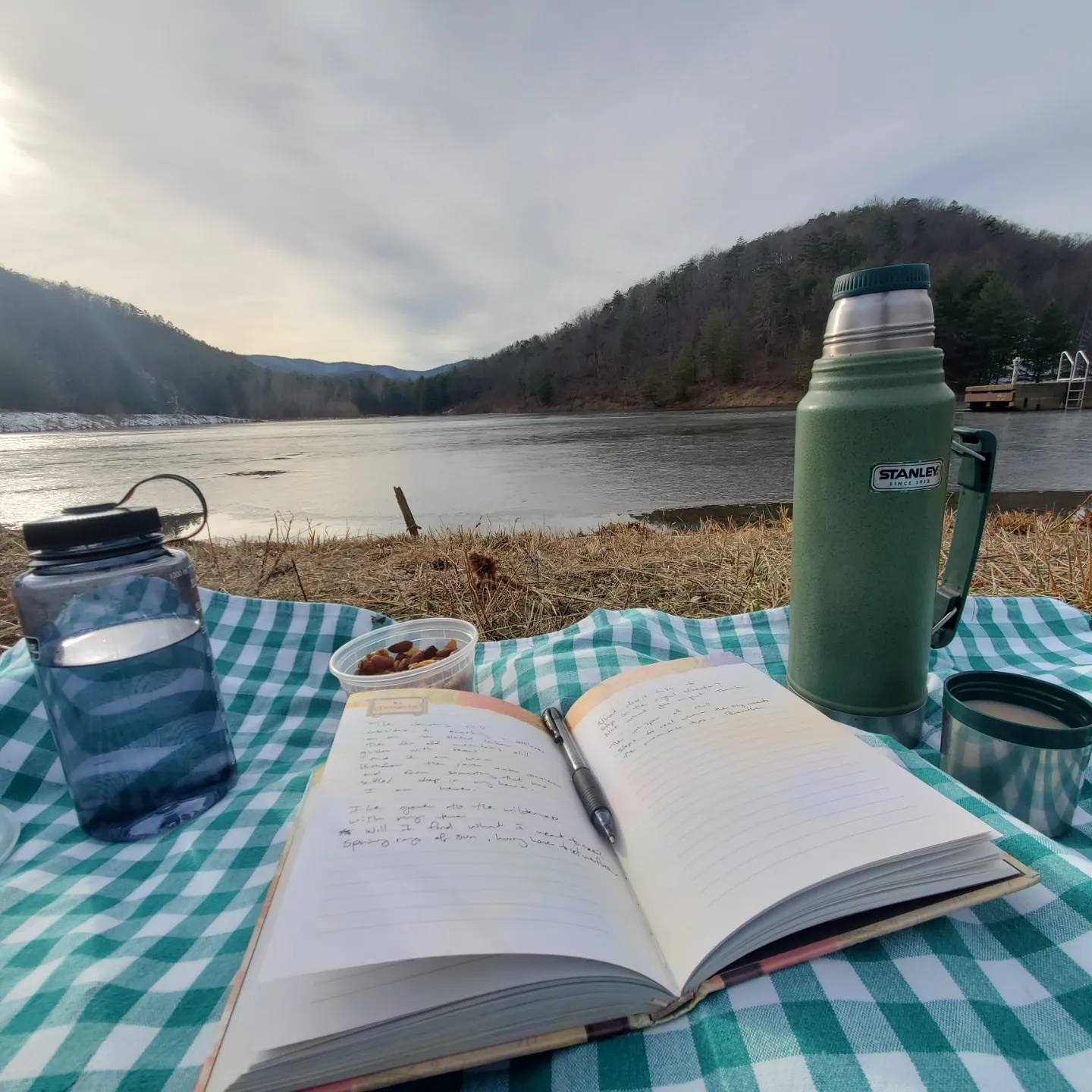
Leah, love having you share your insights with us. Before we ask you more questions, maybe you can take a moment to introduce yourself to our readers who might have missed our earlier conversations?
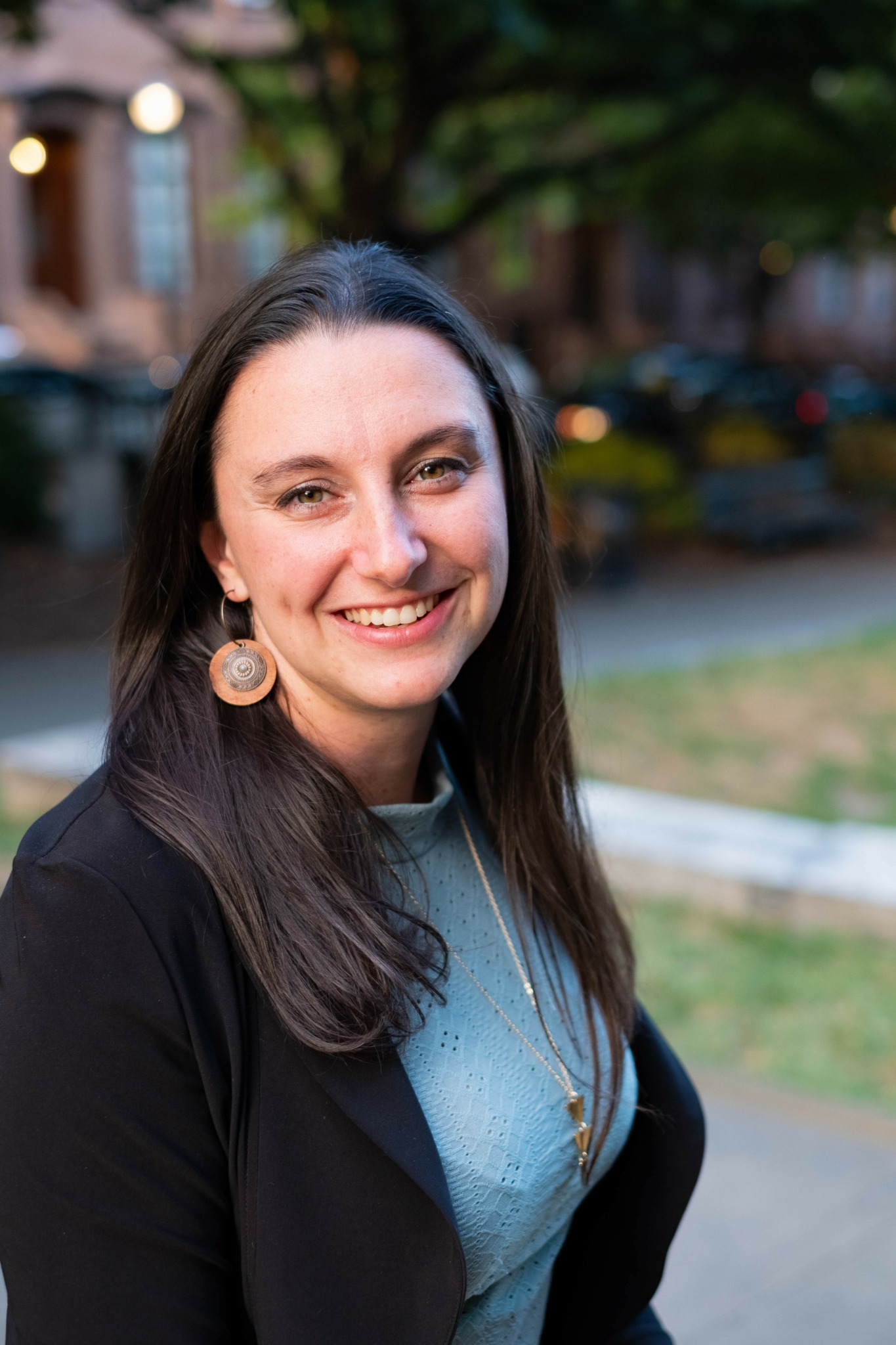
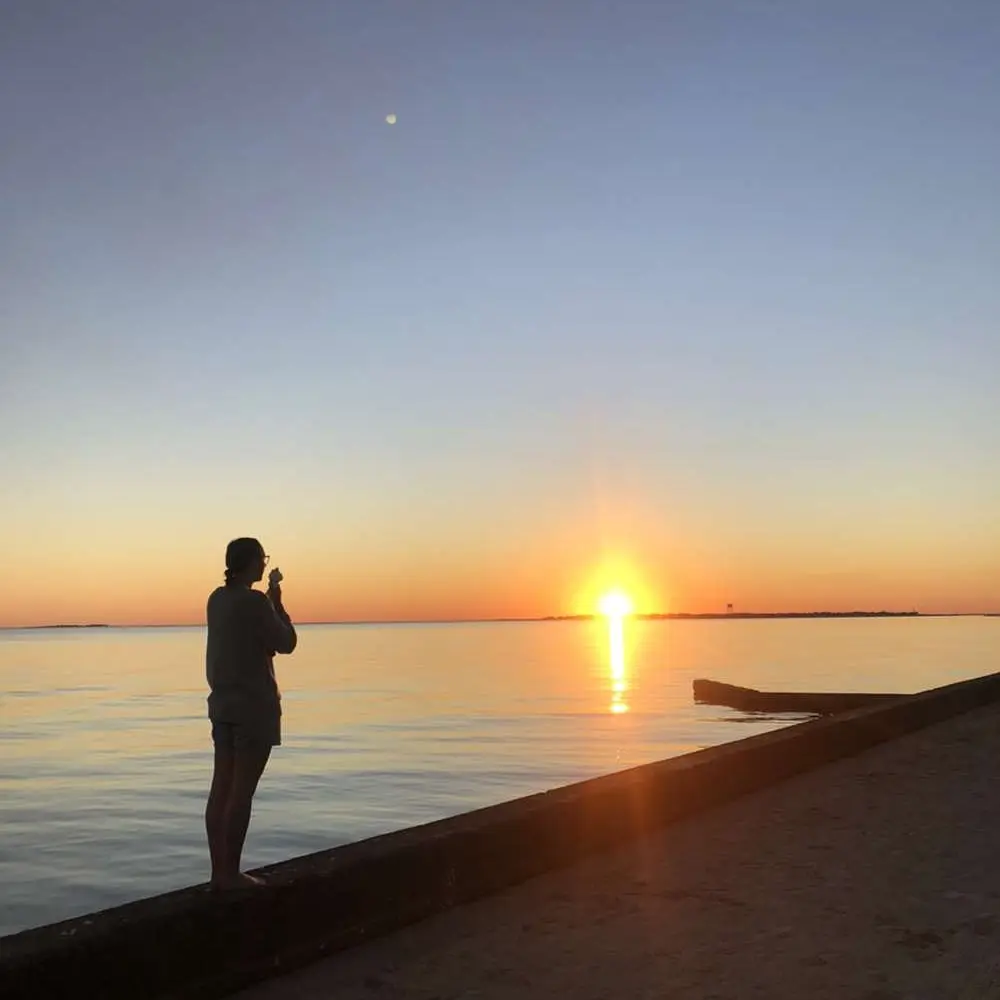
My primary focus is to create spaces where, artistically and otherwise, each person can bring their whole, authentic selves. Collaborators and audience alike need to feel welcomed and wanted in a rehearsal or performance space, or they will not want to come back. I am inspired by the uniqueness of each individual with whom I come into contact.
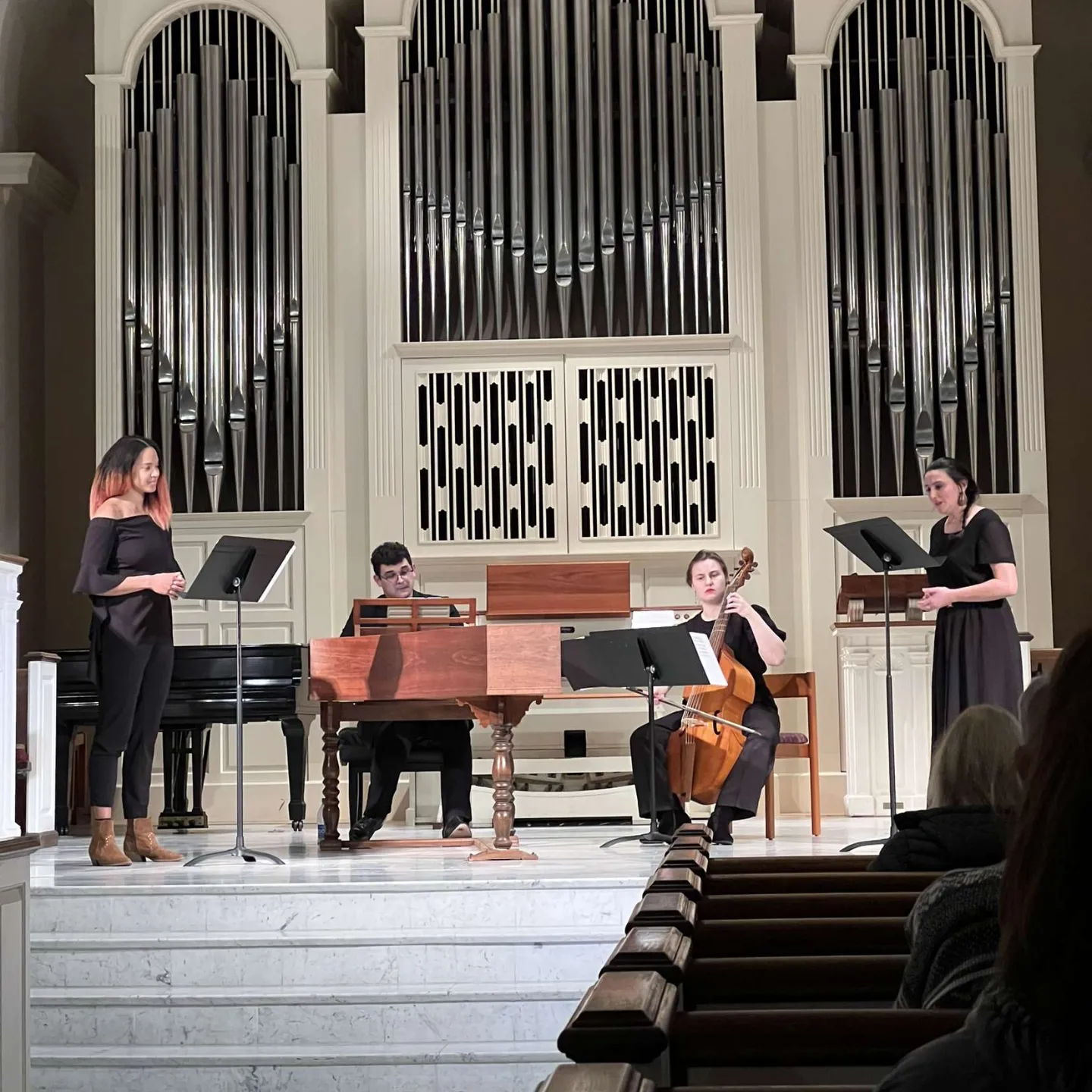
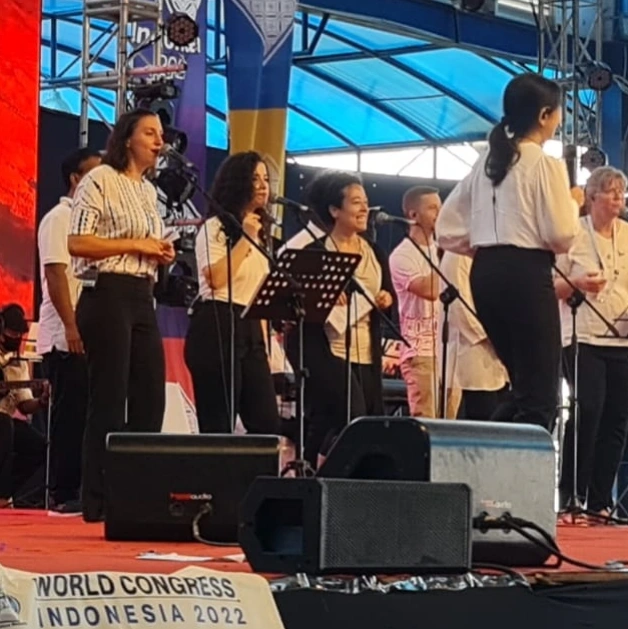
Professionally, I have appeared as a choral musician with Shenandoah Valley Bach Festival Choir, Mennonite World Conference International Choir, Bach in Baltimore, and the church choirs of Grace & St. Peter’s Episcopal Church, Emmanuel Episcopal Church, Saint Alphonsus National Shrine and Cathedral of Mary Our Queen in Baltimore, and Saint John’s of Lafayette Square and the Washington National Cathedral in DC. I am also a founding core member of two early music groups in the DC/Baltimore area – Ignota, focusing on music for the middle ages, and Basso Celestia, focusing on music of the baroque era.
My research interests lie in the intersections of music, religion, history and psychology. My current research focuses on the creative responses to disaster in seventeenth century England, which I have been invited to present on in multiple conferences. During my undergraduate studies, I conducted experimental research on musically-evoked autobiographical memories, which I presented in a poster session during Eastern Mennonite University’s Academic and Creative Excellence Festival. In the same festival, I was chosen as one of two music students to give a lecture recital, where I presented research on the connection between mental illness and artistic genius as exhibited in the life of Robert Schumann. Additionally, I was the only student invited to talk during the EMU music department’s annual Colloquium Series, presenting a lecture recital on the music of Charles Ives.
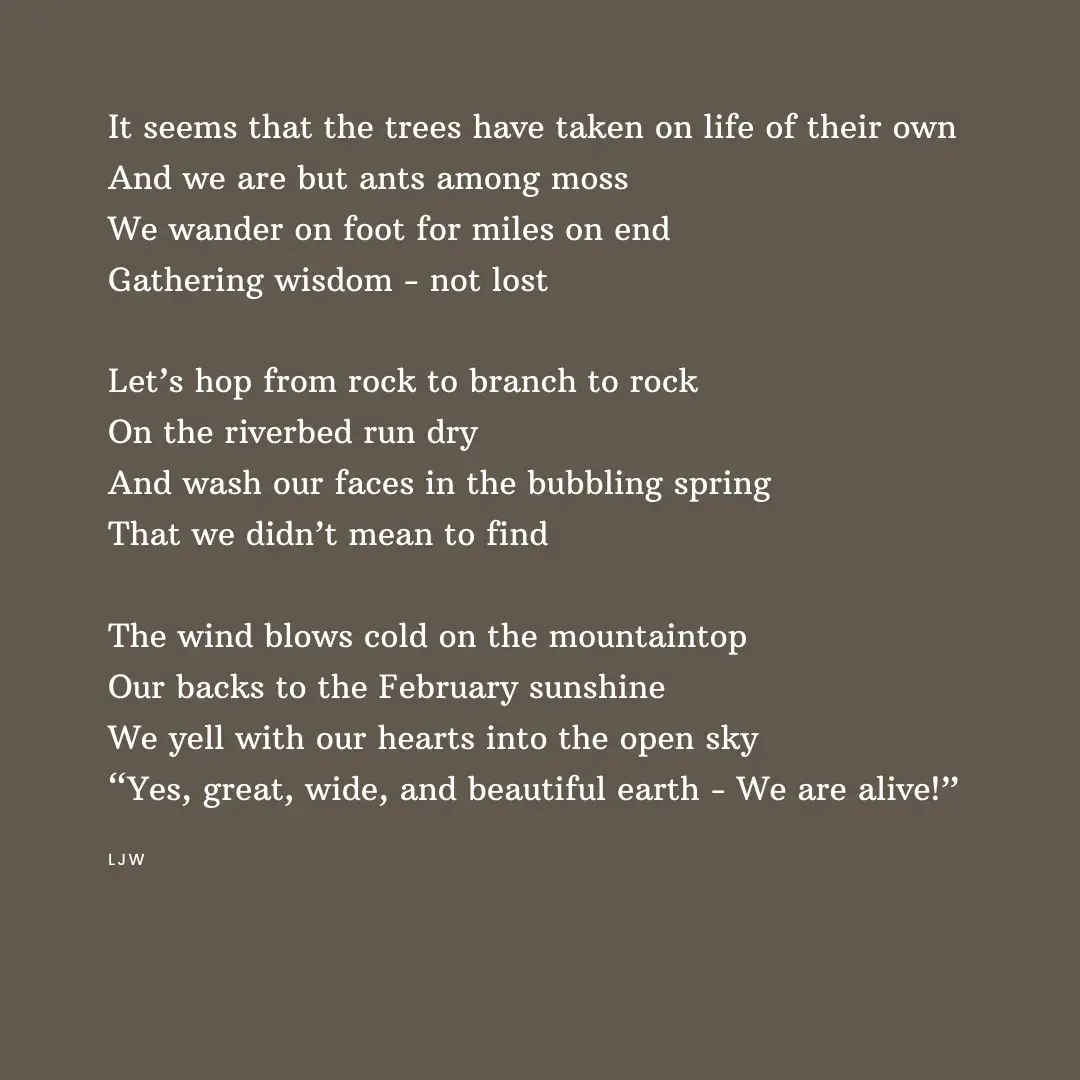
My poetry reflects this deep desire to mold the spaces that we exist in, offering commentary on the often-overlooked parts of life. My poetry has been used for worship in Mennonite, United Methodist, and Presbyterian Churches, and has been published in Eastern Mennonite University’s The Weathervane, and The Phoenix, a newspaper and arts journal, respectively. In 2024, my poetry appeared in new publications of Glacial Hills Review through Choeofpleirn Press, and an independent anthology titled Tales of Migration.
Outside of my artistic endeavors, I pursues a career of human services in mental health, student life, and psychology. During my time at Peabody Institute, I worked as a Graduate Hall Director for the Department of Housing and Reslife, offering supervision and leadership development to student leaders on campus, and serving in a primary on-call role for responding to campus emergencies. Previously, I worked in adult mental health care as an advisor for a residential unit, assisting adults in building skills necessary for independent living. I care deeply about understanding and supporting the people around me.
I currently recieve offers for projects that range from writing a poem to be used as a worship resource, to digging through archives to find useful information for a performance, to guiding groups through interpersonal conflict. My main presence in the creative industry is as a freelance soprano in the DC-Baltimore circut. I dream of having freelance opportunities to work with arts organizations in persuing interdisciplinary programming, molding supportive workplace dynamics, and building artist mental health resources, all while performing vocally at the highest level or excellence.
Are there any books, videos or other content that you feel have meaningfully impacted your thinking?
I’m currently working at a book store/coffee shop (Shout out to The Ivy and Bird in Hand!) in Baltimore that has some incredible author reading events. I feel privelaged that I get to interact with such an incredible artistic writing community. The first book that comes to mind that has recently shaped the way I think about the power of poetry is Boneyarn by David Mills. This collection is an incredible work of research that uses poetry to speak across three hundred years of silence about the African Burial Ground located in lower Manhatten. This book and the talk that I was present at has rekindled my faith in the necessity of art in an ever polarizing world.
A book that has had an ongoing impact on me as an artist is Anna Deavere Smith’s Letters to a Young Artist. My older brother gifted me this book as I was starting out in graduate school. He is a post-doctorate in bioinorganic chemistry, and mentioned that someone gifted him a similar book for the sciences when he was first starting his graduate studies. This book has helped reassure me at times when I am down, and has given practical advice for pursuing such a fluid career. The handwritten note from my brother in the front page that says “Find your own path.” along with the letter from my grandmother that I use as a bookmark, remind me of the neverending support network of my extended family – something I hope to never take for granted.
Do you think there is something that non-creatives might struggle to understand about your journey as a creative? Maybe you can shed some light?
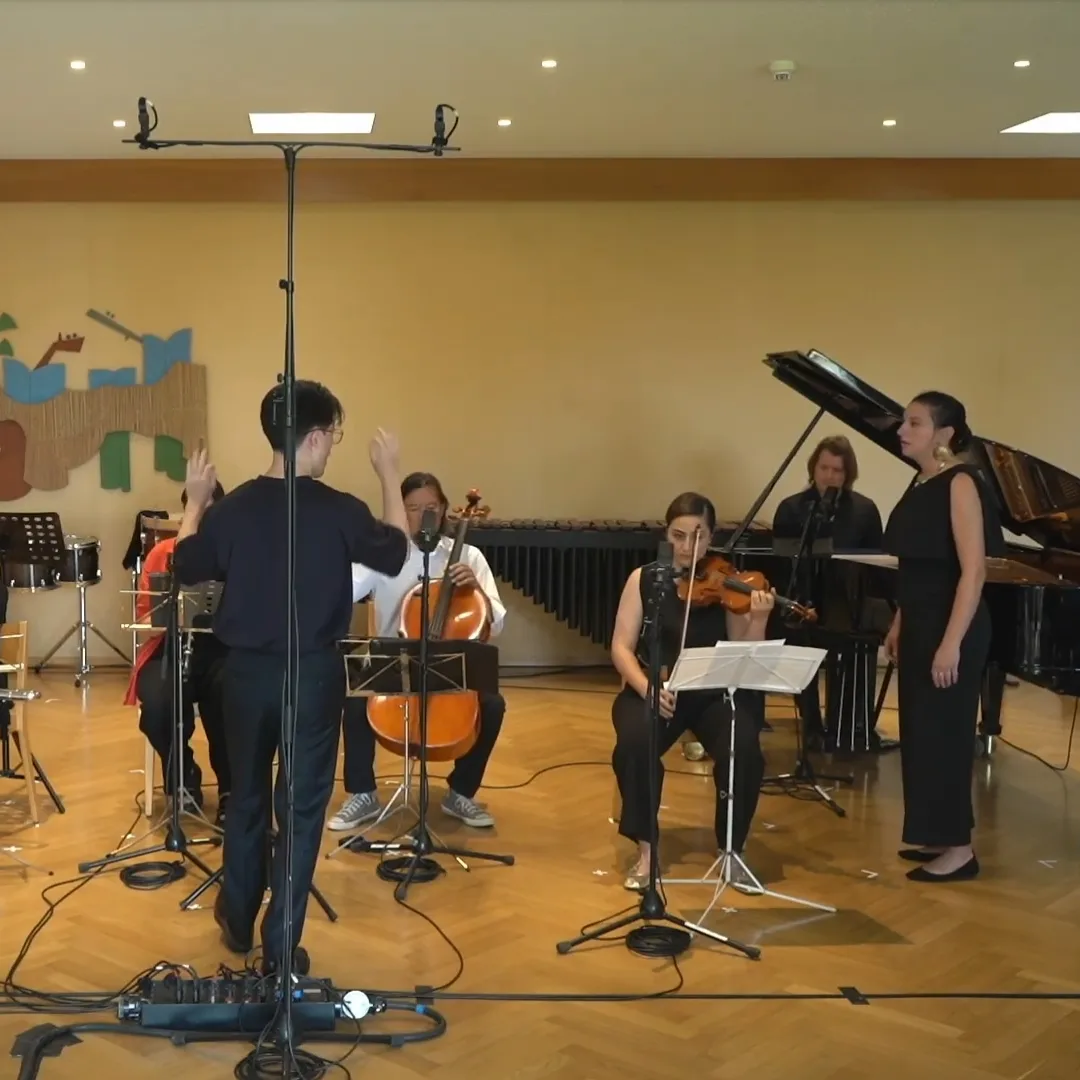
So often the only thing that an audience member sees is the concert. The hours of preparation are not seen: administrative, interpersonal, rehearsal and other. It is the audience’s luxury to enter into the creative process at the end. Sure, the audience is an intigral part of the performance – and ask any actor – the audience breaths a new breath of life into the work in ways no one expected. The whole process is much deeper than that. Where an audience member only takes two hours out of a Friday night to take in a performance, so many people have dedicated their lives for weeks, months, sometimes years to make sure that experience was worthwile. At the end of the day performing is about so much more than the performance.
I would love to see new ways of holding the creative process in high regard, just as we do a final product. Seeing community spaces (coffee shops, libraries, bars) build their offerings of co-working sessions for creatives to learn from each other, or arts organizations inviting audience members into the creative process can do so much.
Being an artist is inherantly vulnerable. When our job on stage is to connect to hundreds of people like we are personaly talking to them, the vulnerability can be overwhelming. But it can also be the most beautiful part of the craft. The intimacy created from performance is meant to shape the emotions or thoughts of our audience. It can be a collective journey that audience and performer go on together, entwined in each other’s stories forever because of the intimacy of merging timelines. The vulnerability is both terrifying and life-giving. It shows up in forms of imposter syndrome and stage fright, deep emotional connection and late night tears. The first time I decided to claim the identity of an artist was one of immense vulnerability that I captured in this poem that I’ll share with you:
“On introducing myself as a musician”
I stand anxiously waiting
Will he see through me?
Tell me I’m wrong?
Am I really convinced myself?
Or do I simply project my insecurity?
Surely I can’t be the one to claim this label.
He knows I’m a fraud.
What does it take to know
How one wants to be perceived?
Or is it all a game one plays with oneself?
The uncertainty is so tangible
I almost stumble through the air in front of me
I hold my breath as I scour his face for something
Anything
To tell me I was wrong
A smile spreads across his whole body
“That’s wonderful! Tell me more.”
Relief floods out of all my senses
As all my tension is released.
The floodgates have opened and
My spirit flows through it
And so it begins.
Contact Info:
- Website: https://www.leah-wenger.com/
- Instagram: @ljweng22
- Linkedin: https://www.linkedin.com/in/leah-wenger-2014aa1a9/
- Youtube: https://youtube.com/@leahwenger9625?si=lb-8A6VeUYZi9Cx8