

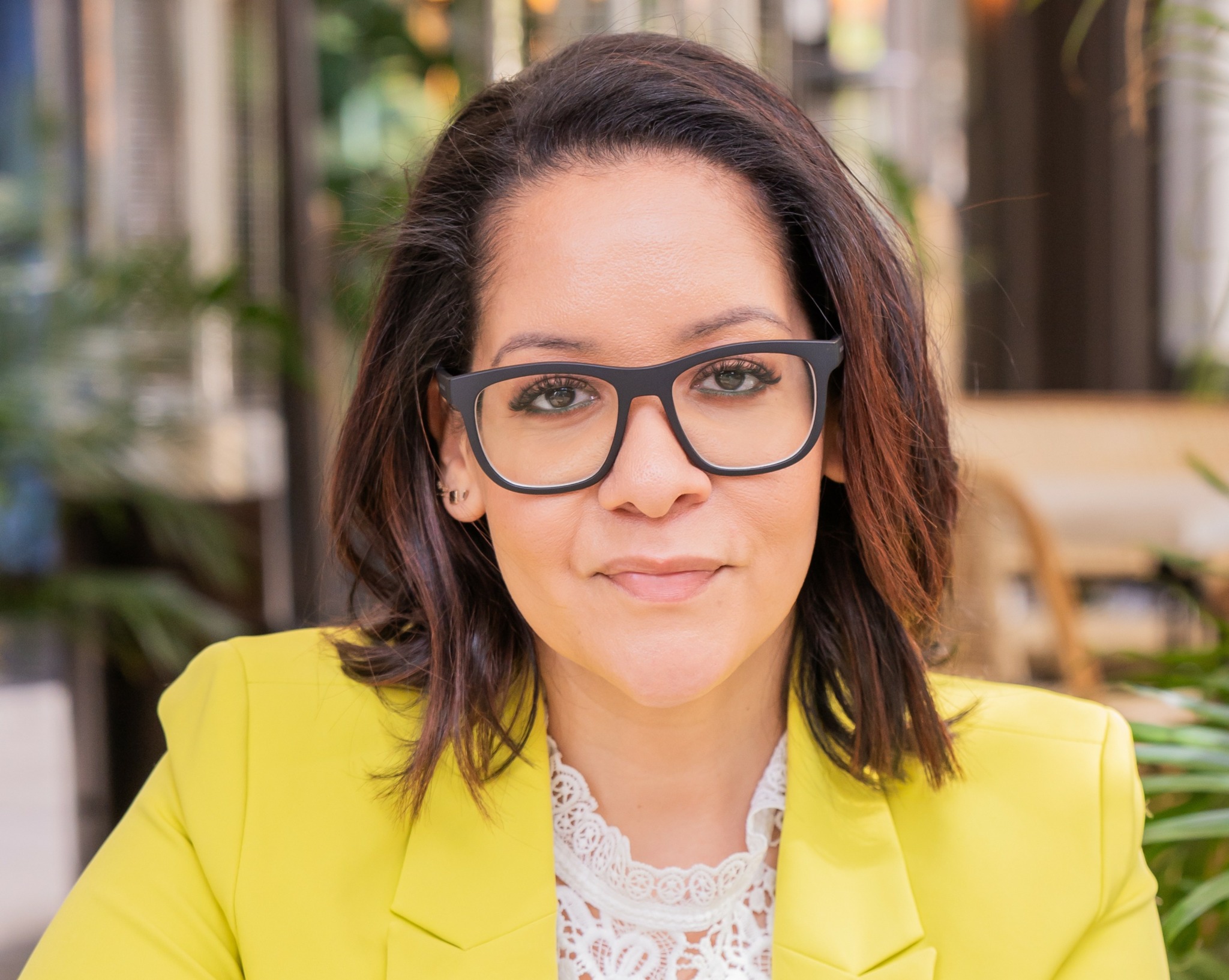

We recently connected with Natalie Rosado and have shared our conversation below.
Hi Natalie, thanks for joining us today. How did you get your first job in the field that you practice in today?
My first job in the field of mental health therapy was quite an eye-opener, to say the least. I landed a position as a mental health therapist in a correctional facility, and to be honest, I had no idea what I was getting myself into. Looking back, I can vividly remember the mix of excitement and nervousness that I experienced on my first day.
As a fresh graduate, my goals and aspirations were simple yet ambitious. I wanted to make a difference in people’s lives, to apply the theories and techniques I’d learned in school, and to gain real-world experience in the mental health field. The recruiting process had been straightforward – there was a high demand for mental health professionals in correctional settings, and I saw it as an opportunity to dive headfirst into challenging work.
When I arrived on my first day, I was overly enthusiastic. This was it – my entry into the world of mental health, a chance to put my education into practice. However, reality hit me square in the face the moment I walked into my office. The scene that greeted me was far from the professional environment I had imagined.
Some of the ceiling panels were missing, exposing a tangle of wires hanging overhead. Paperwork was strewn haphazardly across every surface. To top it off, the previous therapist had left behind a pair of shoes and a half-finished container of lemonade by the desk. It was clear that this wasn’t going to be the polished, orderly introduction to professional life that I had imagined.
The stark contrast between my expectations and reality was jarring, but it also ignited a sense of determination within me. I knew that this job would challenge me in ways I couldn’t even imagine yet.
As I settled into my role, I quickly learned that working in a correctional facility as a mental health therapist was intense, unpredictable, and often overwhelming. Every day brought new challenges, from dealing with crisis situations to navigating the complex dynamics of the correctional system. It was a far cry from the controlled environments we had practiced in during our training.
Looking back, I wouldn’t change this experience for anything. While it was far from glamorous and often incredibly stressful, it exposed me to a wide array of situations and scenarios that I might never have encountered in a more traditional setting.
So, while my first day’s impression might have been one of shock and perhaps a twinge of regret, I now look back on that experience with gratitude. It shaped me into the therapist I am today, giving me a unique perspective and a robust skill set that continues to serve me well in my practice. That chaotic office, with its missing ceiling tiles and scattered papers, was the beginning of a journey that has been challenging, rewarding, and ultimately, transformative.

Great, appreciate you sharing that with us. Before we ask you to share more of your insights, can you take a moment to introduce yourself and how you got to where you are today to our readers.
As a dedicated mental health professional, I have built a comprehensive and nuanced approach to counseling rooted in my academic background and commitment to holistic care. With dual master’s degrees in Sociology and Mental Health Counseling, I bring a unique interdisciplinary perspective to my practice.
My academic training in intersectionality has profoundly shaped my professional philosophy, allowing me to understand mental health through a complex, multidimensional lens that recognizes how various social identities and systemic factors interconnect and impact individual experiences.
Driven by a vision of comprehensive mental wellness, I founded and currently own an integrative mental health counseling practice in Tampa. My approach goes beyond traditional therapeutic models, emphasizing a well-rounded treatment strategy that considers the whole person – their social context, personal history, cultural background, and individual needs.
My practice reflects my core belief that mental health treatment must be adaptive, inclusive, and holistic, addressing not just symptoms but the intricate web of personal and societal factors that contribute to an individual’s psychological well-being. By leveraging my sociological insights and counseling expertise, I provide a nuanced, empathetic approach to mental health care that stands out in the field.

Putting training and knowledge aside, what else do you think really matters in terms of succeeding in your field?
In the field of mental health counseling, particularly when running an integrative practice, I’ve found that several key qualities beyond formal training and knowledge are crucial for success but the most important one has been “ethical Integrity.” Upholding the highest ethical standards, maintaining boundaries, and always acting in the best interest of our clients is a non-negotiable in this field.
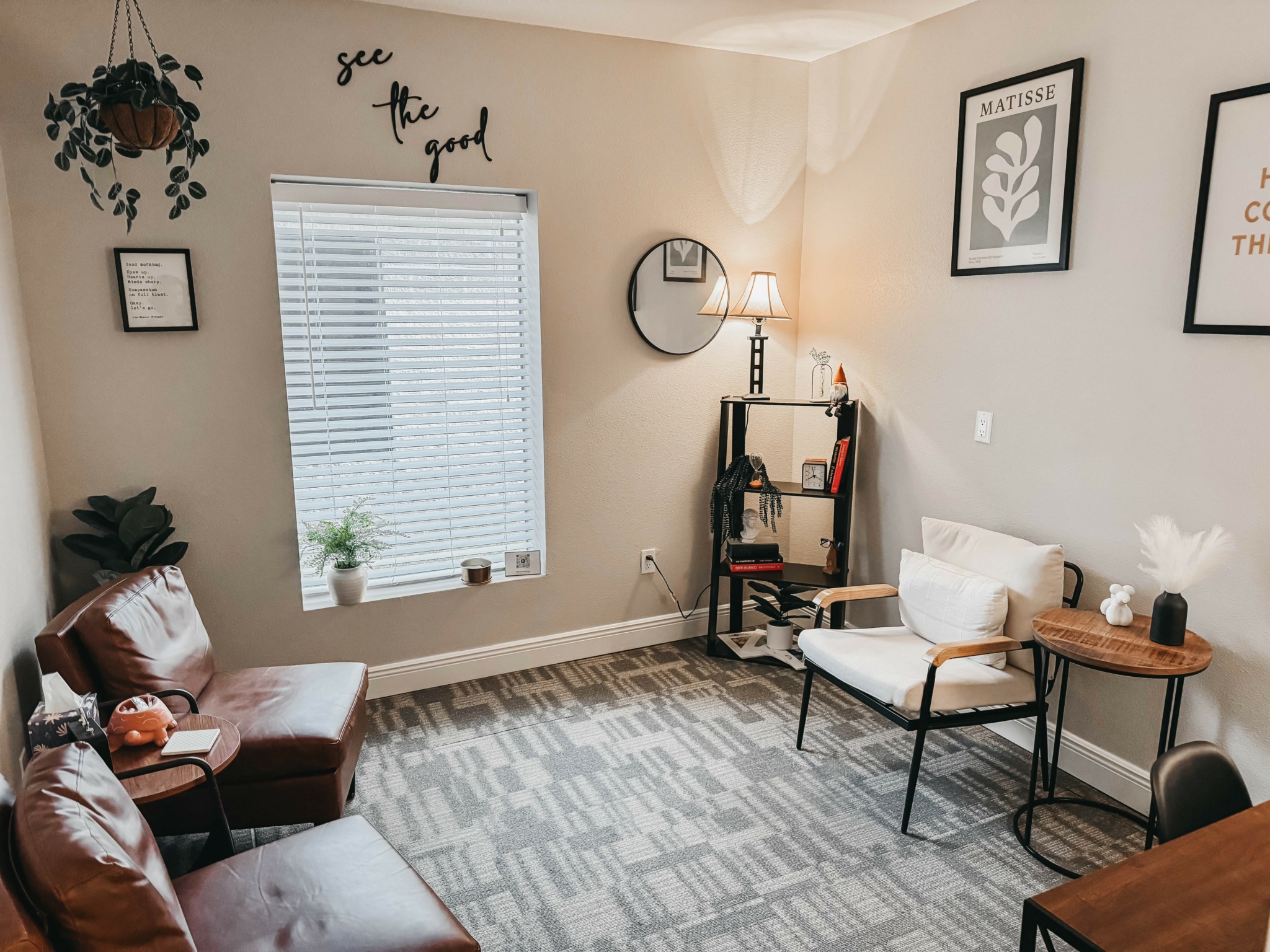
How do you keep your team’s morale high?
Managing a team effectively and maintaining high morale, especially in a mental health practice, requires a thoughtful and multifaceted approach. Based on my experience running an integrative mental health counseling practice, here’s the advice I would offer…cultivate a supportive team culture. I have learned to value collaboration and mutual support among our team members. This has included team-building activities, peer supervision, and collaborative case discussions.

Contact Info:
- Website: www.tampacounselingplace.com
- Instagram: https://www.instagram.com/tampacounselingplace/
- Facebook: https://www.facebook.com/tampacounselingplace
- Linkedin: www.linkedin.com/in/thenatalierosado
- Youtube: www.youtube.com/@TheReflectionRoom
- Other: https://www.instagram.com/thenatalierosado/