

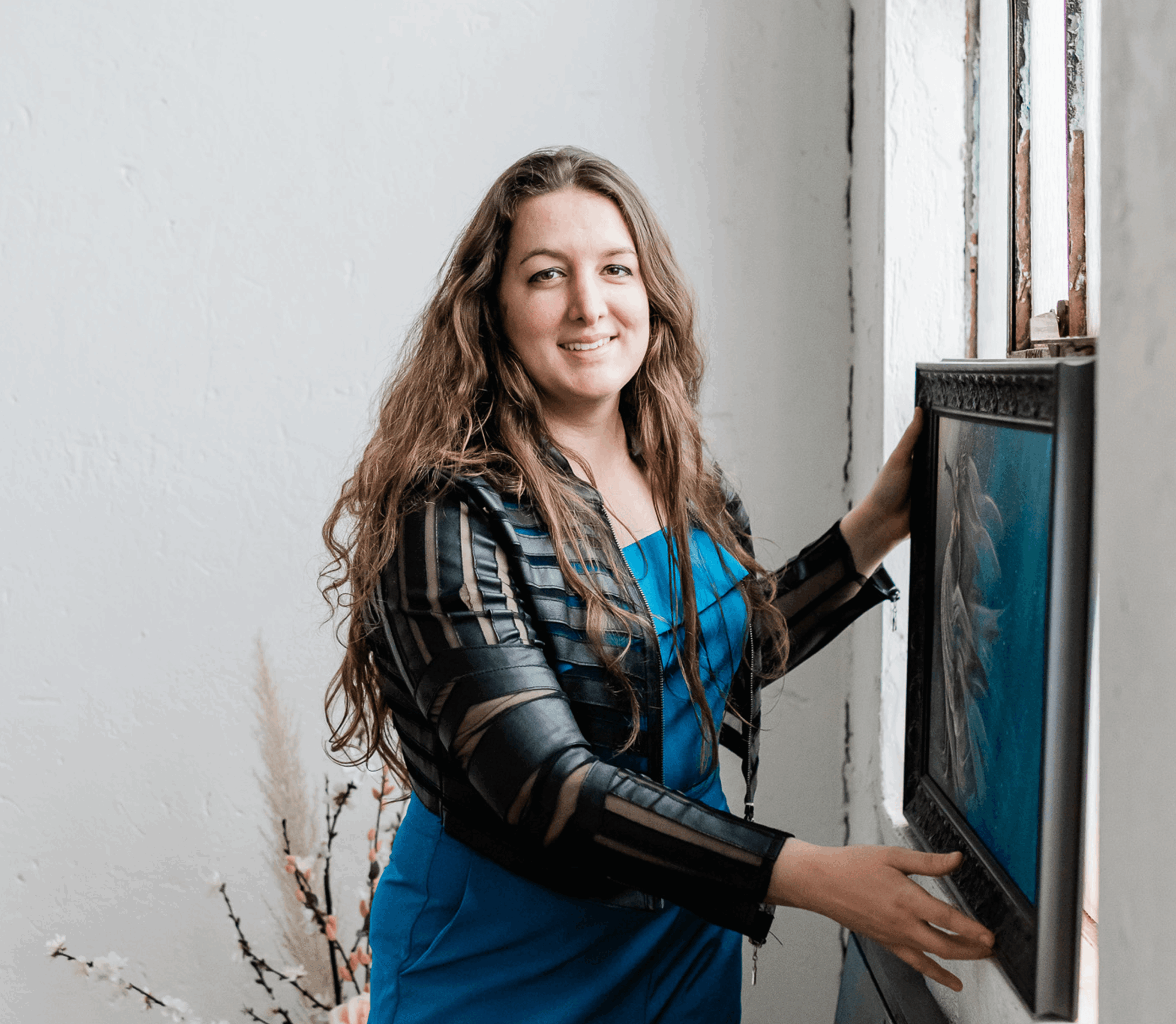

Today we’d like to introduce you to Stephanie Oplinger
Alright, so thank you so much for sharing your story and insight with our readers. To kick things off, can you tell us a bit about how you got started?
I grew up in the country, fairly isolated, but some of my earliest memories are drawing stories and yearning to be outdoors all the time. Fast forward to my adult years, I found myself just shy of 30 years old questioning what had happened, having worked a decade in jobs that were the farthest from anything I had dreamed (from a paralegal in a law firm to an NDE technician in nuclear power plants!)
I harbored a lot of anger in my childhood and in my 20s: I raged at being born a woman. I often had to question myself: did I feel I wasn’t a woman or was I just angry that everyone and the world told me that a woman couldn’t achieve anything, that she was weak, that she was powerless? I found I couldn’t answer the former because the latter was an ever present reality. Who could love themselves in a female body when everybody seemed to hate, vilify, or weaken the power of the female body? I finally came to a point where I felt I was meant to learn something in this life, and that this go-around had to do with being a woman and the way women are treated.
You can definitely see this theme in my newer work: raging, digesting, studying the challenges, experiences, and injustices of womanhood. Returning to college at age 30 gave me an opportunity to incorporate these themes into new artwork and understand its place in art history. By 33, I finished my degree, a BFA in Studio Arts, and I filmed an indie feature film with my younger brother, Samuel Oplinger. I started the new decade pursuing a creative lifetime, and it has been leagues better than the decade before.
Alright, so let’s dig a little deeper into the story – has it been an easy path overall and if not, what were the challenges you’ve had to overcome?
For about 12 years, I suffered from severe chronic migraines. They were the kind of migraines that made sound hurt, light hurt, smell hurt, touch hurt. I’d get as many as 4 migraines each week. They were completely debilitating. I’d curl up in a ball on public bathroom floors during my breaks at work because the pain was too much to even sit upright at the tables in the break room. The only thing that could made them stop was to fall asleep – but how do you fall asleep when you are dry-heaving from the pain?
They say your mind forgets extreme pain, that women often can’t even remember their labor pains. It’s true! I forget often that this was my reality for 12 years. Sometime I get angry at myself, wondering what happened to my 20s – why did I had such bad mental health and why did I make such infinitesimal progress with my art – but then I remember, ‘Oh, right, I experienced chronic pain for 12 years. Duh!’
By my late 20s, after going through half a dozen doctors who wouldn’t listen to me, I finally got the treatment and healing I so desperately needed. In some ways, it feels like my 30th year was my 20th – I was finally able to start growing again as an adult and as an artist.
Can you tell our readers more about what you do and what you think sets you apart from others?
When you look at my art, perhaps you can see some of the influences of my experiences with chronic pain and trying to find meaning in being born as a woman. While I often jump from medium to medium, I try to always bring my work to this centric theme of empowering the feminine experience.
I work with acrylic paint for my paintings, using dreamy and surreal elements to juxtapose against a figure of a woman interacting powerfully with her environment.
I work with fibers and ceramics for my sculptures. I make figural statement pieces with fibers to comment on society body shaming and negative female body imaging. With my ceramics, I sculpt busts of women, imaging the ancient faces and stories of the matriarchs who have come and gone before us, wondering what wisdom they carried with them that we could use today.
With the printmaking medium of linecut, monotype, intaglio, and cyanotype, I like to let go and use the freeing techniques to be surprised by the emotions that come to the surface about my own experiences as a woman.
I firmly believe that the narratives we weave through the images and stories we share affect how we view and treat one another and ourselves. My artistic journey is rooted in the ongoing mission of reshaping and reclaiming the historical portrayal of women in Western art. I want to share empowering images, stories, and experiences of women through my art and add to the new, better story many fellow contemporary artists are striving to tell.
Let’s talk about our city – what do you love? What do you not love?
I’ve always loved the forests and lush trees of western Pennsylvania, and how our cities are completely surrounded by them. I used to travel to Illinois for work in nuclear power plants, where the landscape was flat, colorless earth and flat, colorless sky. When I travelled back home to western PA in the spring, I cried because of the beauty of the trees. We take our landscape and the trees for granted, not just in the countryside but also in how closely surrounded our cities are by nature. It’s a blessing I remember to not take for granted now.
Contact Info:
- Website: https://www.stephanieoplingerarts.com
- Instagram: www.instragram.com/stephanieoplinger_arts
- Facebook: https://www.facebook.com/stephanie.oplinger.1
- Youtube: https://www.youtube.com/@StephanieOplinger
- Other: https://www.patreon.com/stephanieoplinger
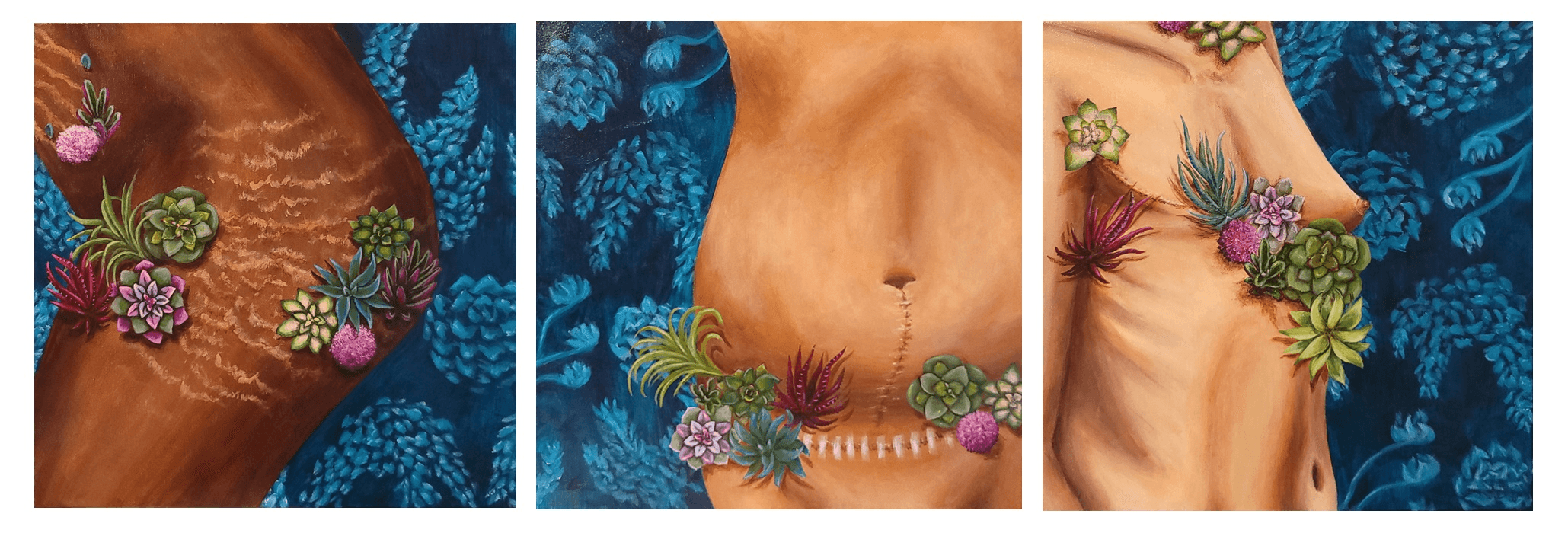
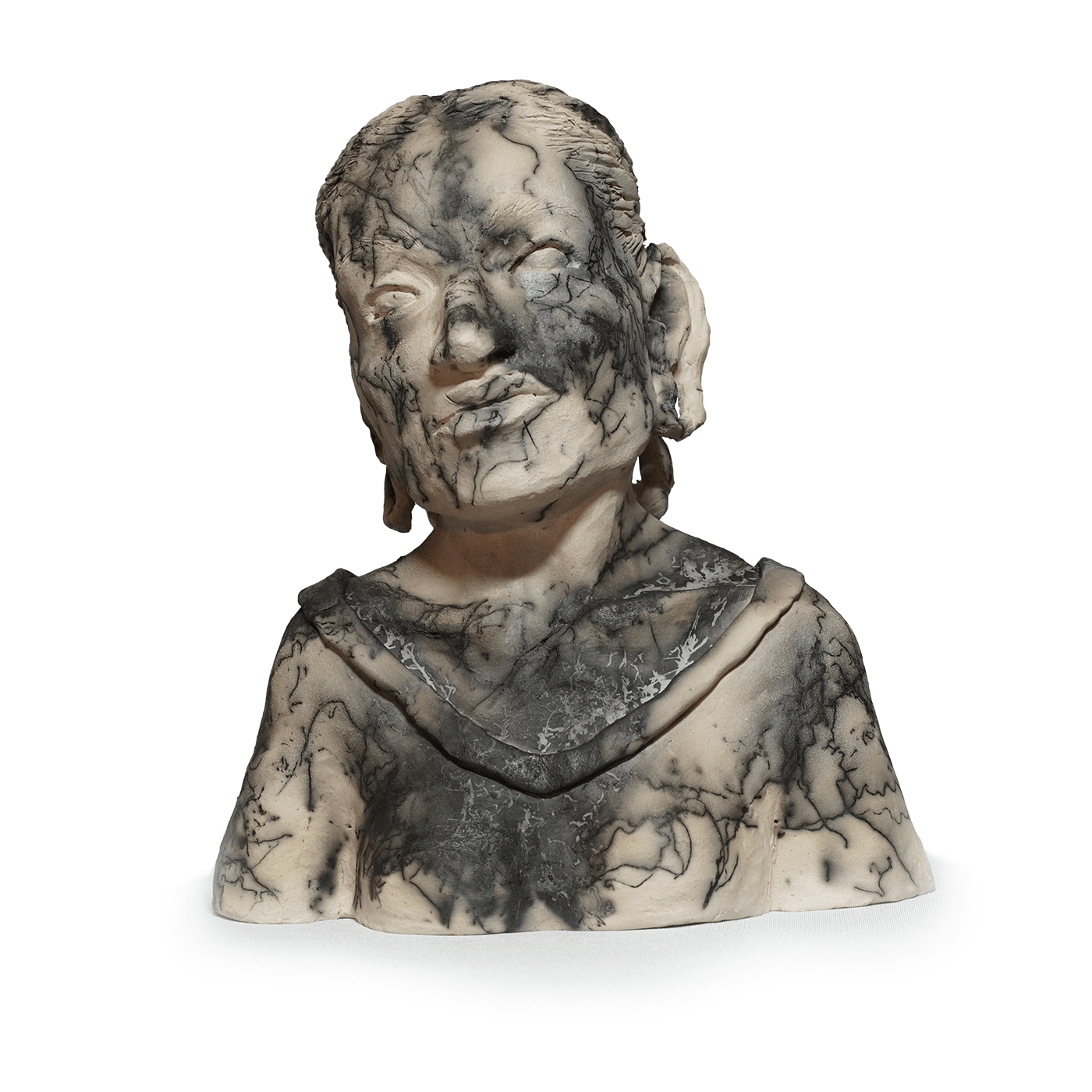
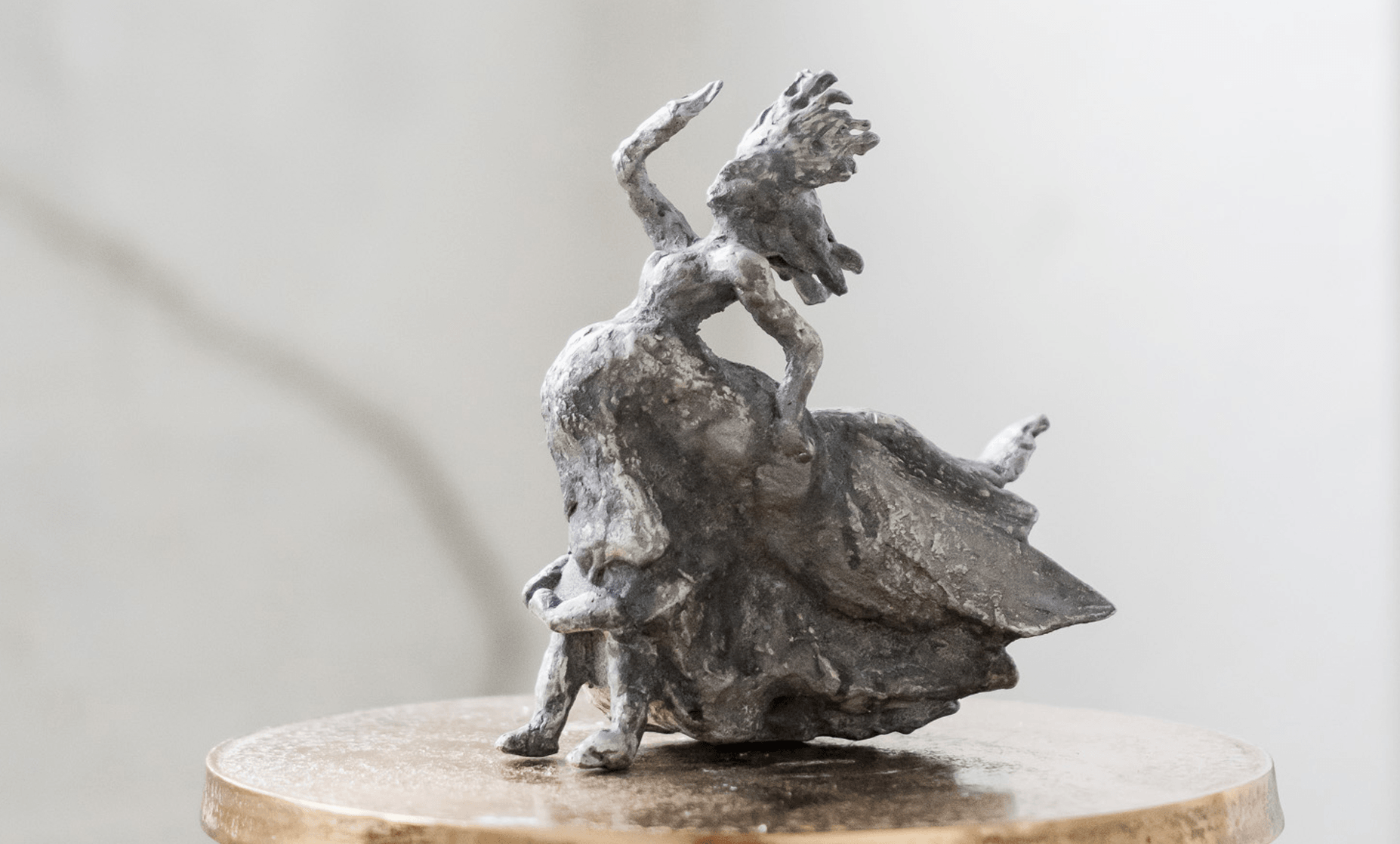
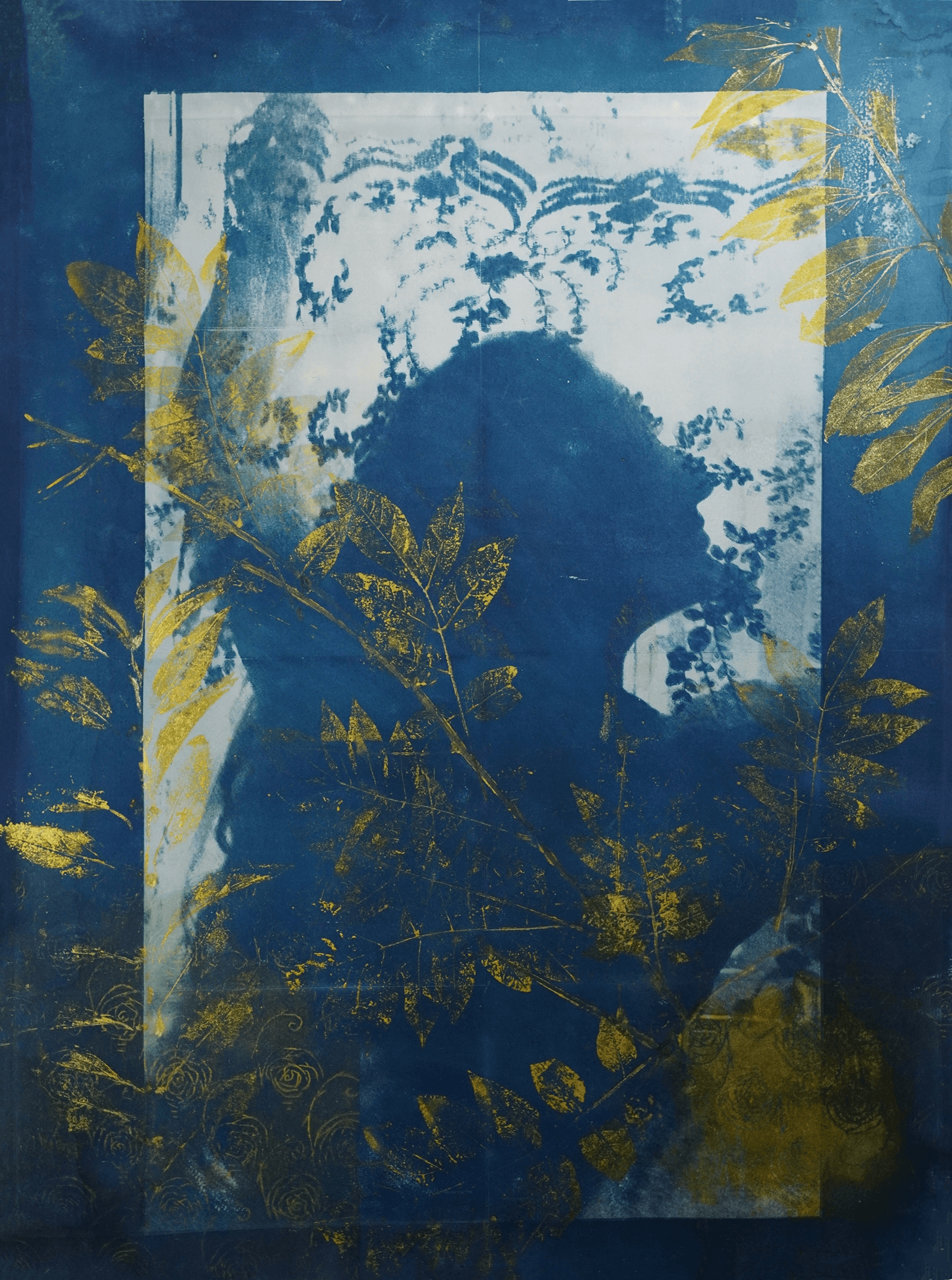
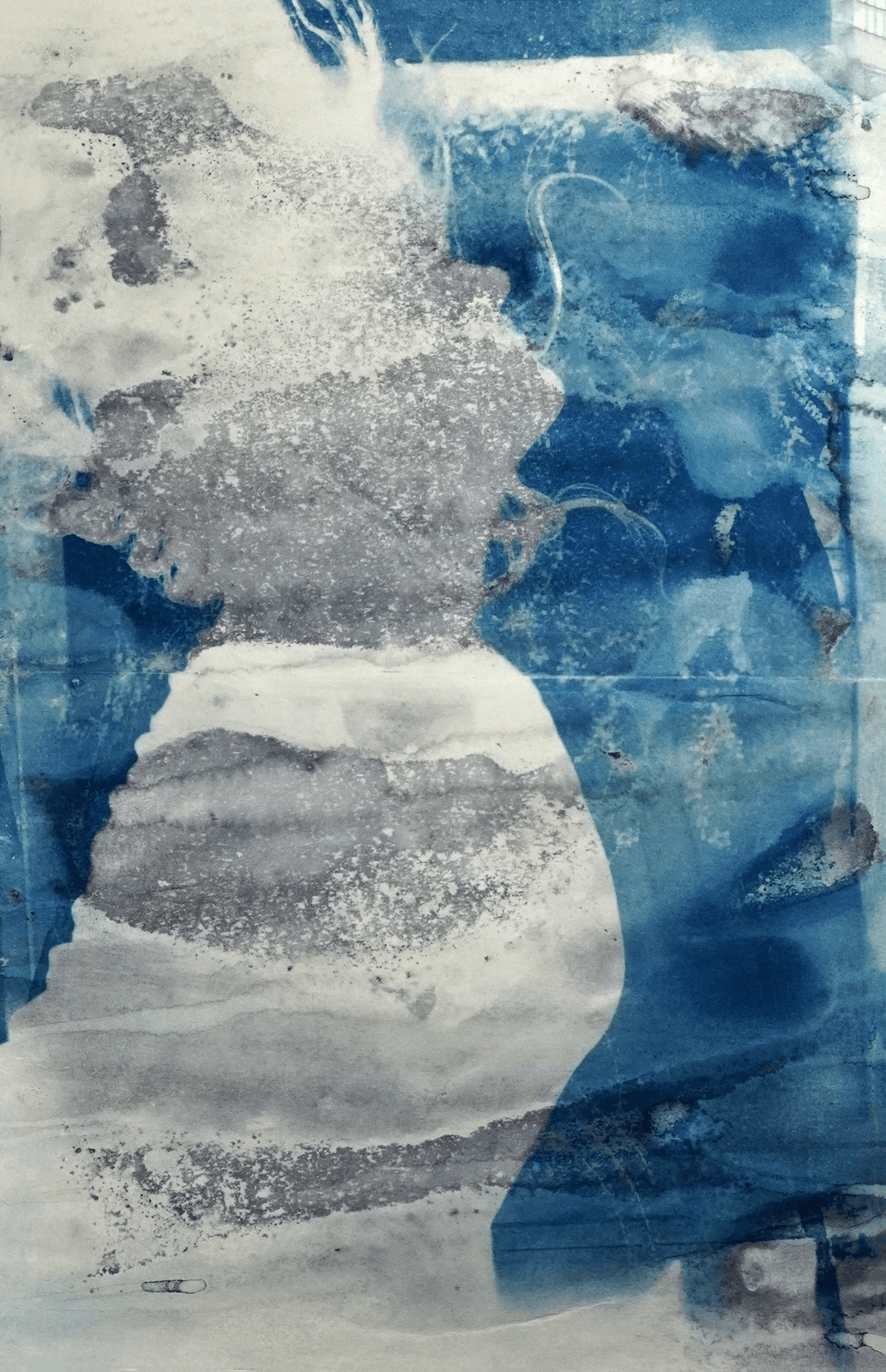
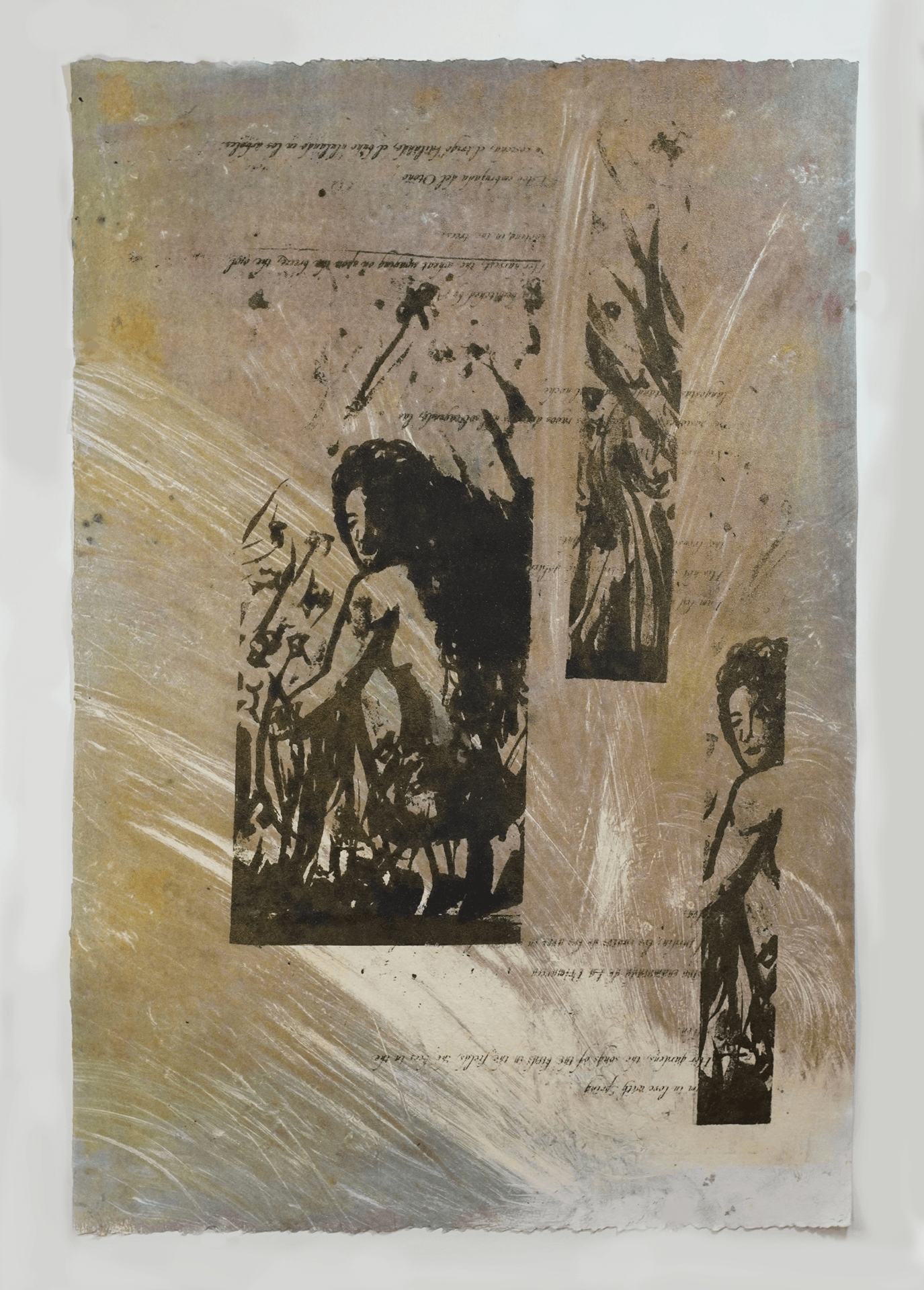
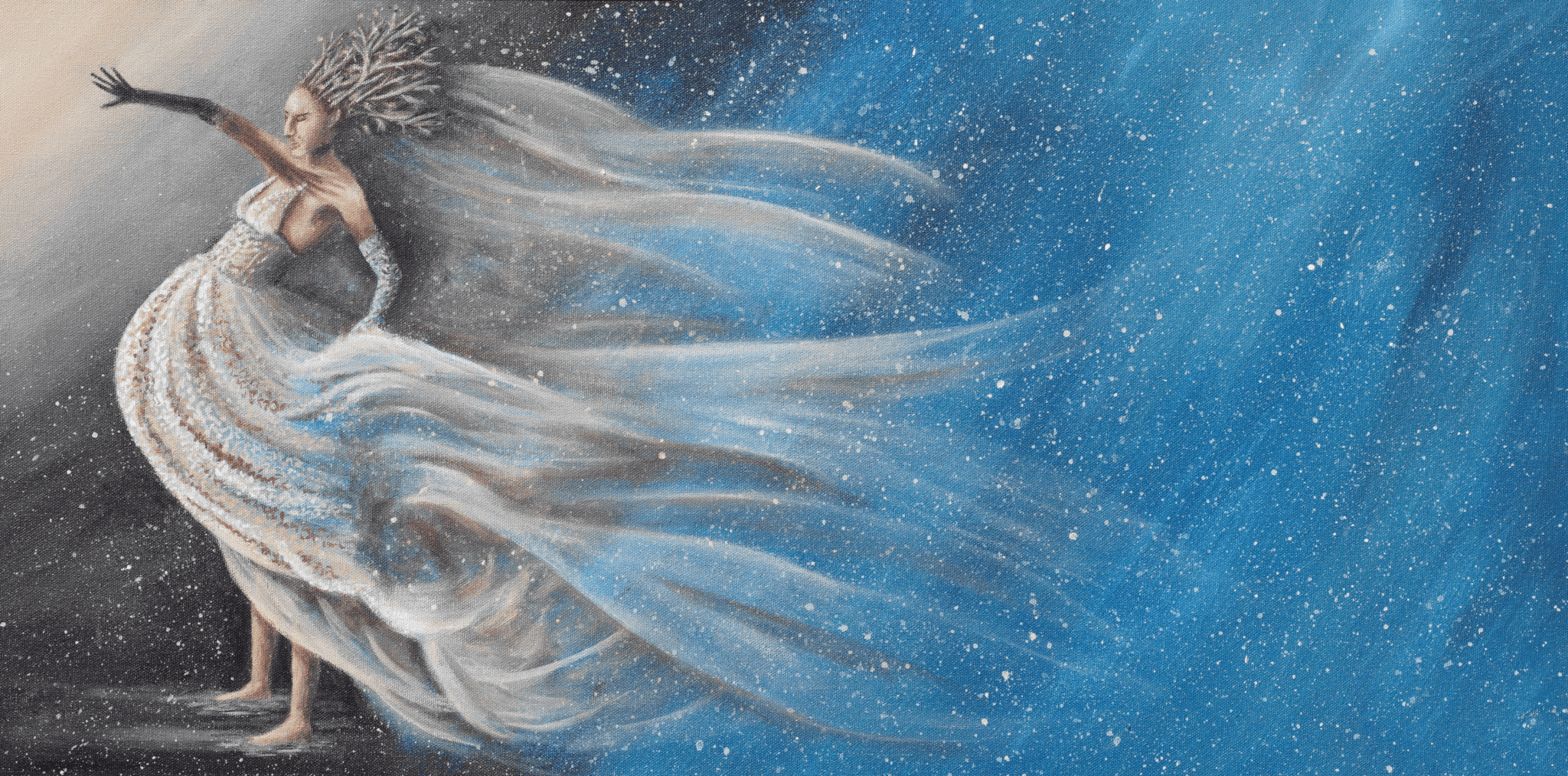
Image Credits
Artist Photo by Bridge Perspective
Photos of artwork by artist Stephanie Oplinger
“Unbound Goddess” metal sculpture photo by Bridge Perspective