



Today we’d like to introduce you to Rebecca Schultz
Hi Rebecca, we’d love for you to start by introducing yourself.
My art practice began when I had the motor skills to hang onto a crayon; these drawings evolved from scribbles to horses, to 80s album art, to fashion designs, to moody teenage self portraits. I was fortunate to have an incredible high school art teacher, as well as access to classes at Carnegie Mellon University in Pittsburgh, where I grew up. I majored in painting at Rhode Island School of Design, where my growing interest in feminist theory led to explorations in mixed media works, installation, and performance. After graduation, I moved to the San Francisco Bay Area, where I lived for 20 years. I got involved in the video and performance art community there, and became passionate about the power of the arts to address social issues and tell the stories of people who often felt invisible. I got a degree in Education at San Francisco State University and started working as a teaching artist in schools all over the region, as well as facilitating community-based theater projects.
About a decade ago, my practice shifted back to visual arts–I adapted the methods of community engagement I had developed through my theater work to this new focus. At the same time, I was engaging in environmental activism as my anxiety about the climate and biodiversity crises grew. Today, my creative practice focuses on the concept of ecology (which is derived from the Latin oikos, or house/dwelling place and ology, the study of), which drives my artistic purpose: to reconnect diverse human communities with each other, and with their more-than-human relations. In this time of polycrisis, our collective survival depends on building collective resilience. And I believe that art is a critical component of that process; we need imagination now more than ever.
Can you talk to us a bit about the challenges and lessons you’ve learned along the way. Looking back would you say it’s been easy or smooth in retrospect?
My biggest challenge is being an artist in a society that doesn’t truly value art or artists. In art school, we received zero guidance on how to build a financially sustainable art career–I feel like I’m just starting to work on that now, at the age of 53. The lack of funding and resources for artists also results in many artists applying for just a few opportunities, which means that I have to spend a lot of time applying for grants, commissions, and exhibitions–time which I’d rather spend making art–only to receive rejections by the vast majority of them. I say to younger people, if you want to be a professional artist, you have to develop a thick skin, because you will get rejected more times than you can possibly count, and you also have to be able to handle a lot of criticism! Artists are often characterized as disorganized or flaky, but we actually have to work really hard to juggle our studio practice, the business side of our career, a day job (or multiple day jobs!), and our families. It’s not easy! You have to REALLY want to be an artist to pursue this path, because the challenges and obstacles are constant. At the same time, I can’t imagine myself doing anything else.
Thanks for sharing that. So, maybe next you can tell us a bit more about your work?
I make paintings, drawings, prints, mixed media works, site specific installations, and public artworks–all centered around two interconnected themes: materiality of place and local ecologies. My practice is very much place-based, which manifests itself in a variety of ways. I incorporate natural materials, such as plants and soil, directly into my artwork in the form of pigments and colorants. I learn about the human and more-than-human history of the place, and collaborate with scientists and researchers who are working to understand the changing dynamics of ecosystems. I am particularly interested in the field of Critical Zone Science, which weaves together the study of water, rocks, soil, plants, and fungi to look at the ecosystems upon which the entire living web rests, and depends. In many places, this leads me to work in and with watersheds; where I live in Cheltenham Township, just outside of Philadelphia, stormwater runoff and flooding are some of our biggest challenges with accelerating climate change. So the resilience I talked about earlier is so tied to the health of our watersheds.
The multi-disciplinary nature of my practice is tied to my working methods–much of my work is developed conceptually, with the methods and materials following the core ideas I’m trying to convey or the functionality I want the piece to have. For example, I am currently working on an installation project that will result in what I call “sculptural habitat” for aquatic macro-invertebrates. I am partnering with the Endangered Species Coalition, my local park, and several watershed education organizations to learn more about what the role these small beings play in our ecosystems, and how to build a work of art that is both interesting aesthetically and will create additional shelter for them. As I thought about forms made from natural materials, I looked at the woven fish traps that are made in many indigenous cultures around the world. I have already been working with plant fibers to make paper, cordage, and pigments, so I thought it was time to learn some basic basket-weaving skills! At other times, I feel that painting–which I consider my primary medium–is the best way for me to express the identity of a place.
Much of my work is participatory, collaborative and community-engaged as well. Last year, I developed and implemented a project in my community called Mapping Our Watershed. Through partnerships with our local arts center and watershed organization, I led or co-facilitated a series of free workshops focusing on the concept of mapping as a creative practice, as a means to more closely see and understand elements of watershed ecosystems. More than 80 residents created artworks that I combined with mixed media map pieces I had made based on “field visits” to flood-prone sections of the creek in our township; the resulting tapestry is a collective map of our community.
Alright so before we go can you talk to us a bit about how people can work with you, collaborate with you or support you?
Given the challenges and obstacles that artists face, having a support network is so important. I am grateful to have a really supportive family, who understand how important my practice is to me and come out to see my work. I am also part of the artist collective Artessa Alliance, which I joined soon after I moved to the Philadelphia area in 2016. This group of amazing women has been a bedrock for me.
Collaboration is central to my creative practice. There are many artists whose practice is fed by working in solitude; this is sometimes the case for me, but one of the elements that carried over from my theater and performance work is the idea that other people are essential to helping me develop and carry out my ideas. And because my work touches so much on the natural sciences and community development, I am always seeking dialogue with people in these areas.
I also consider other living beings to be my collaborators–I use them to make art materials, I consider their habitat and needs when planning projects, and do my best to offer people who experience my work a window into the worlds that are all around them, but that they may not see.
Contact Info:
- Website: https://www.rebeccaschultzprojects.com
- Instagram: https://www.instagram.com/rschultzartist/
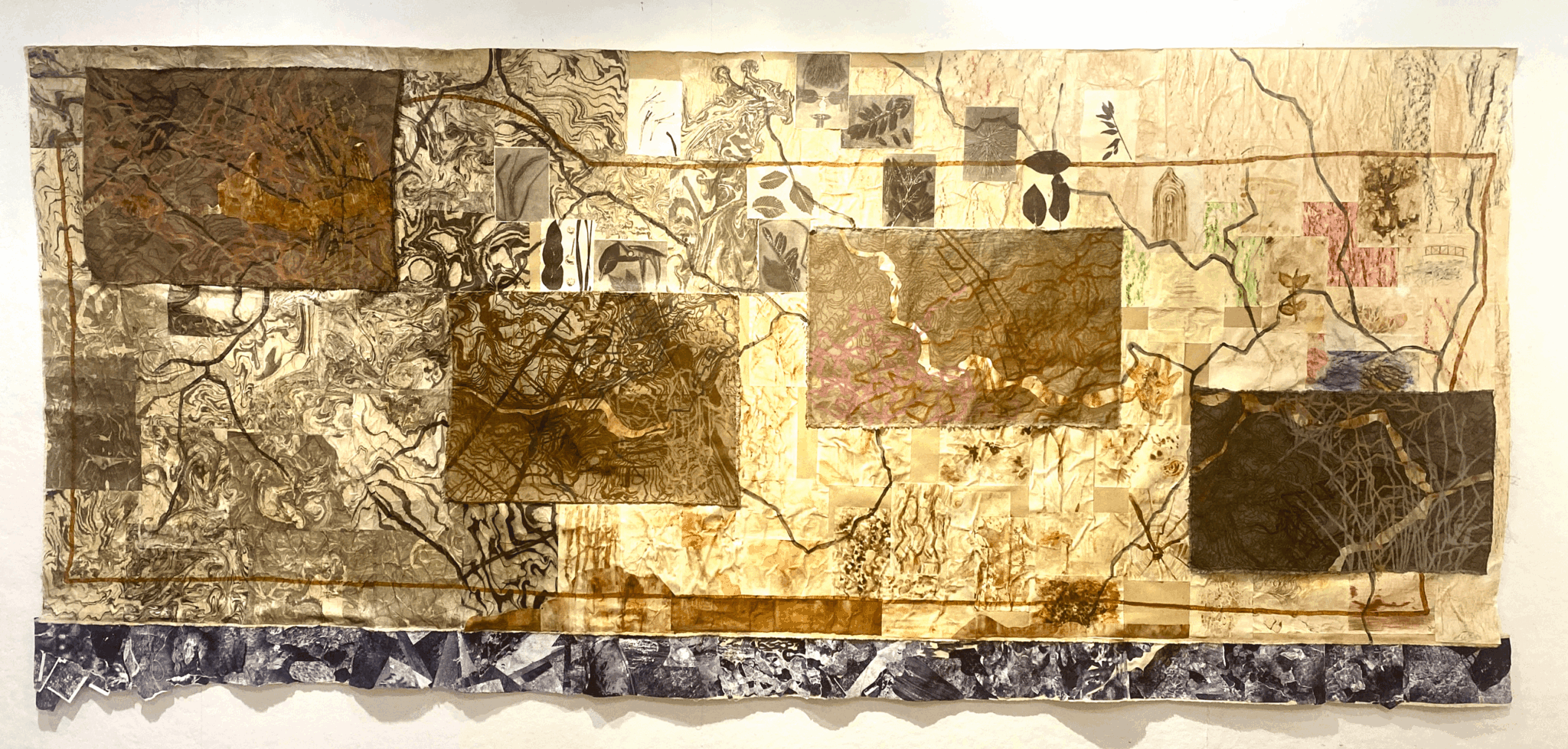
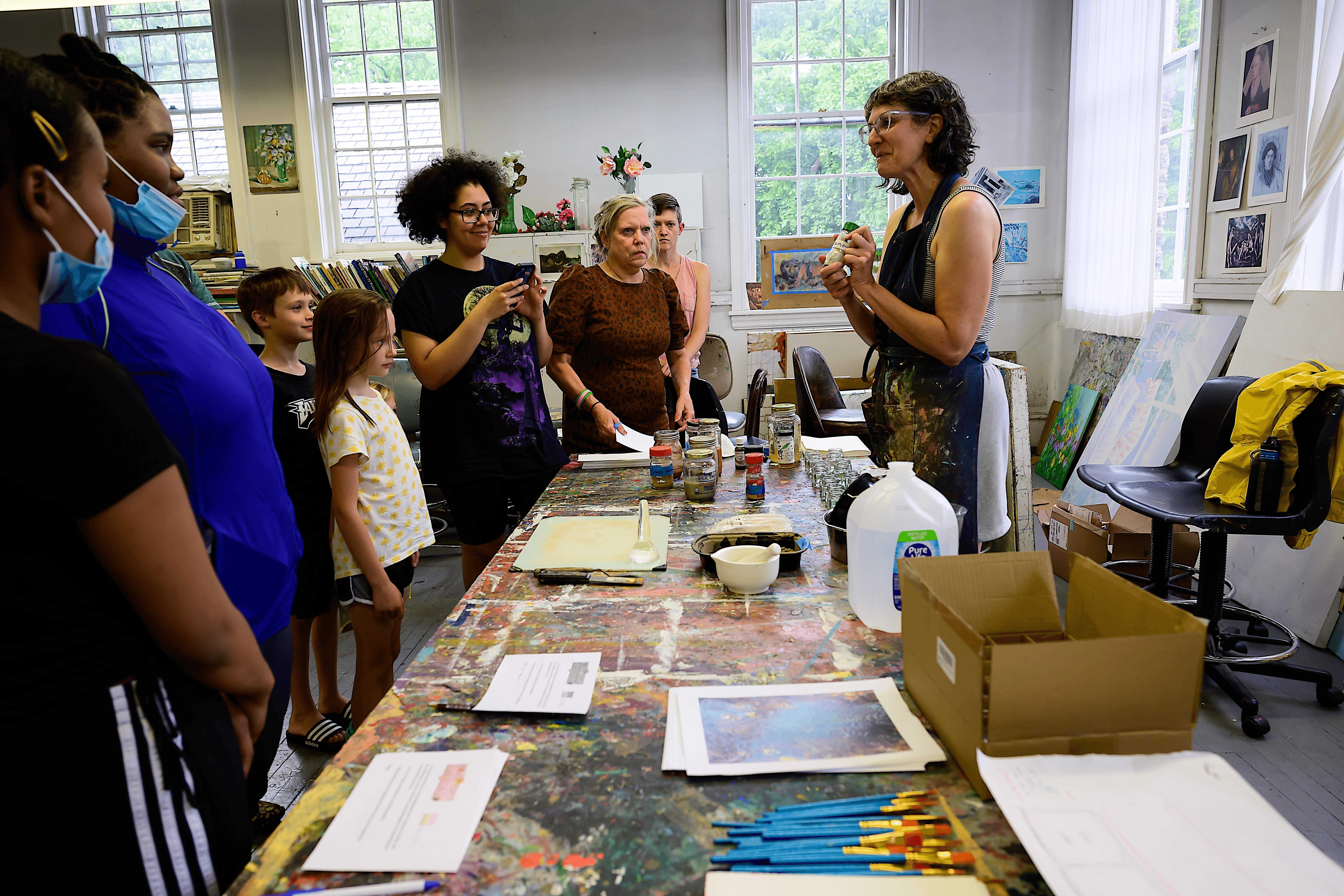
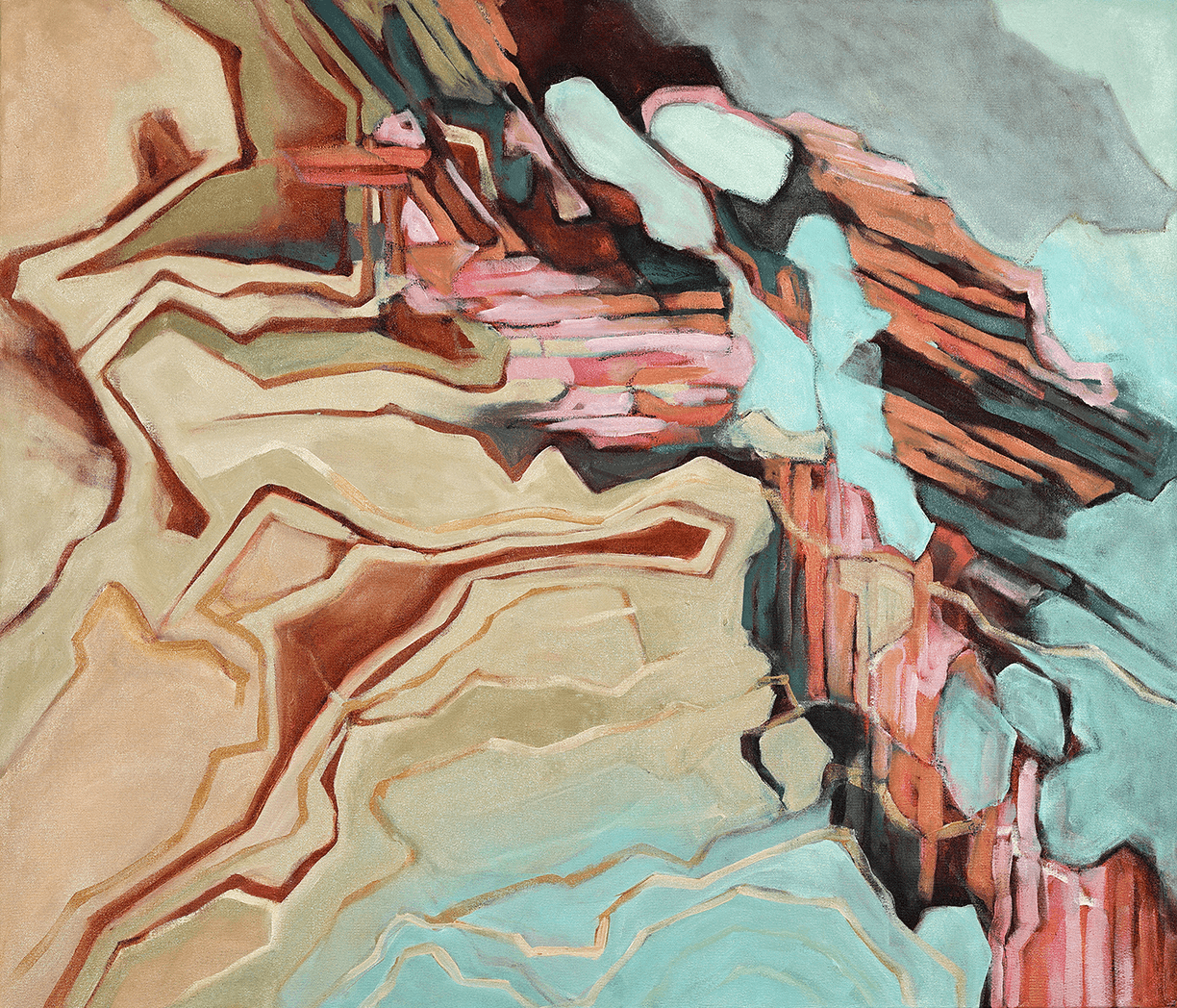
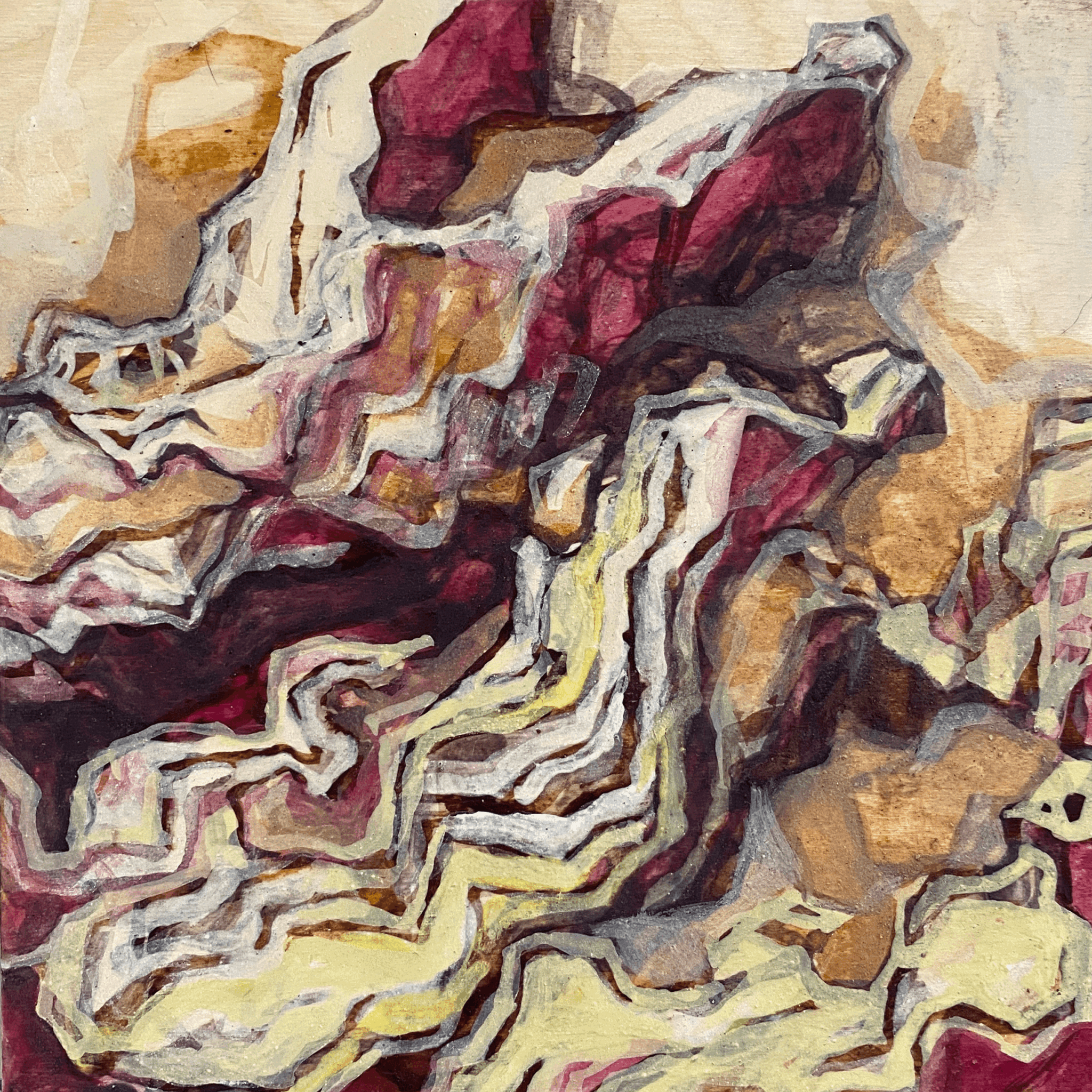
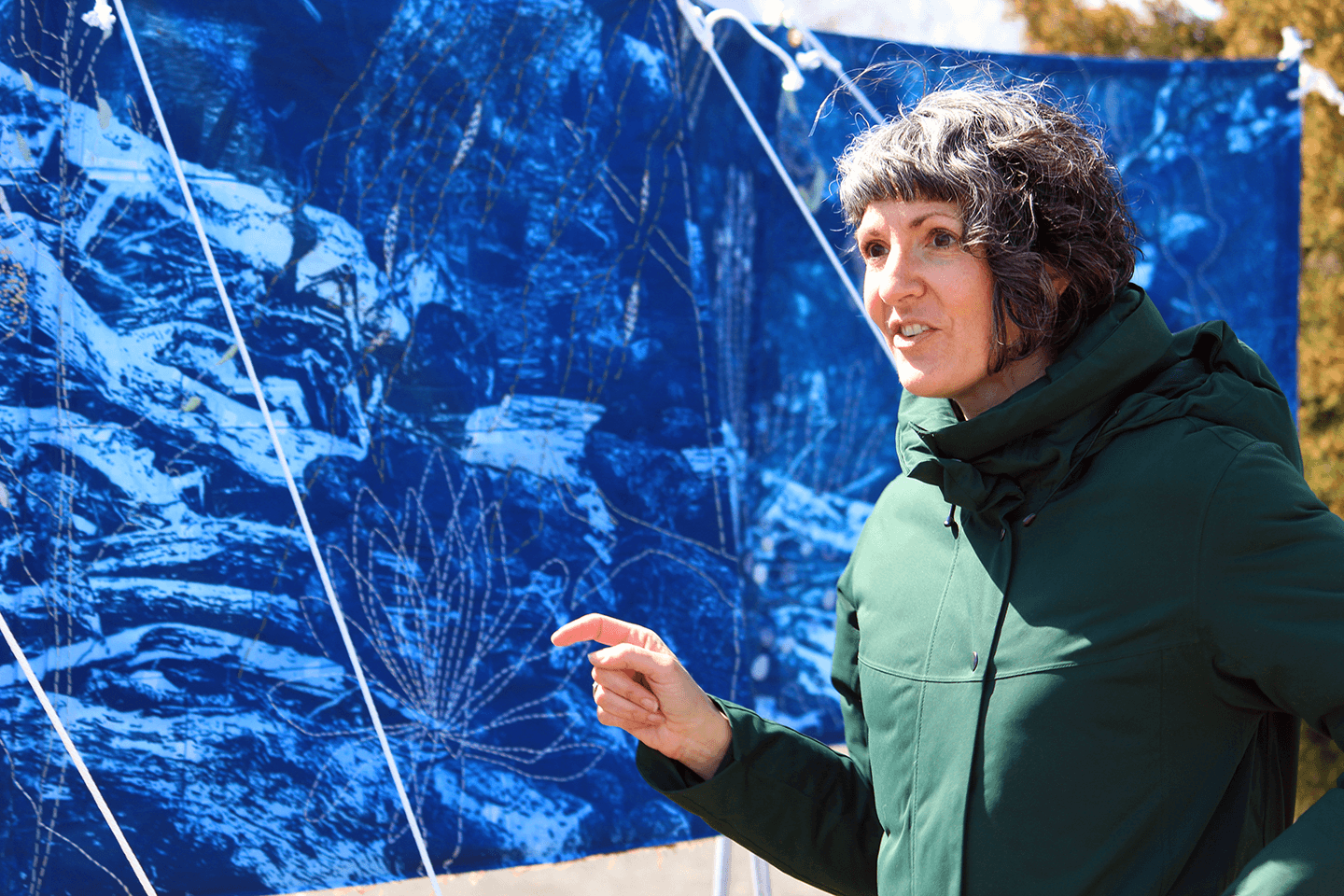
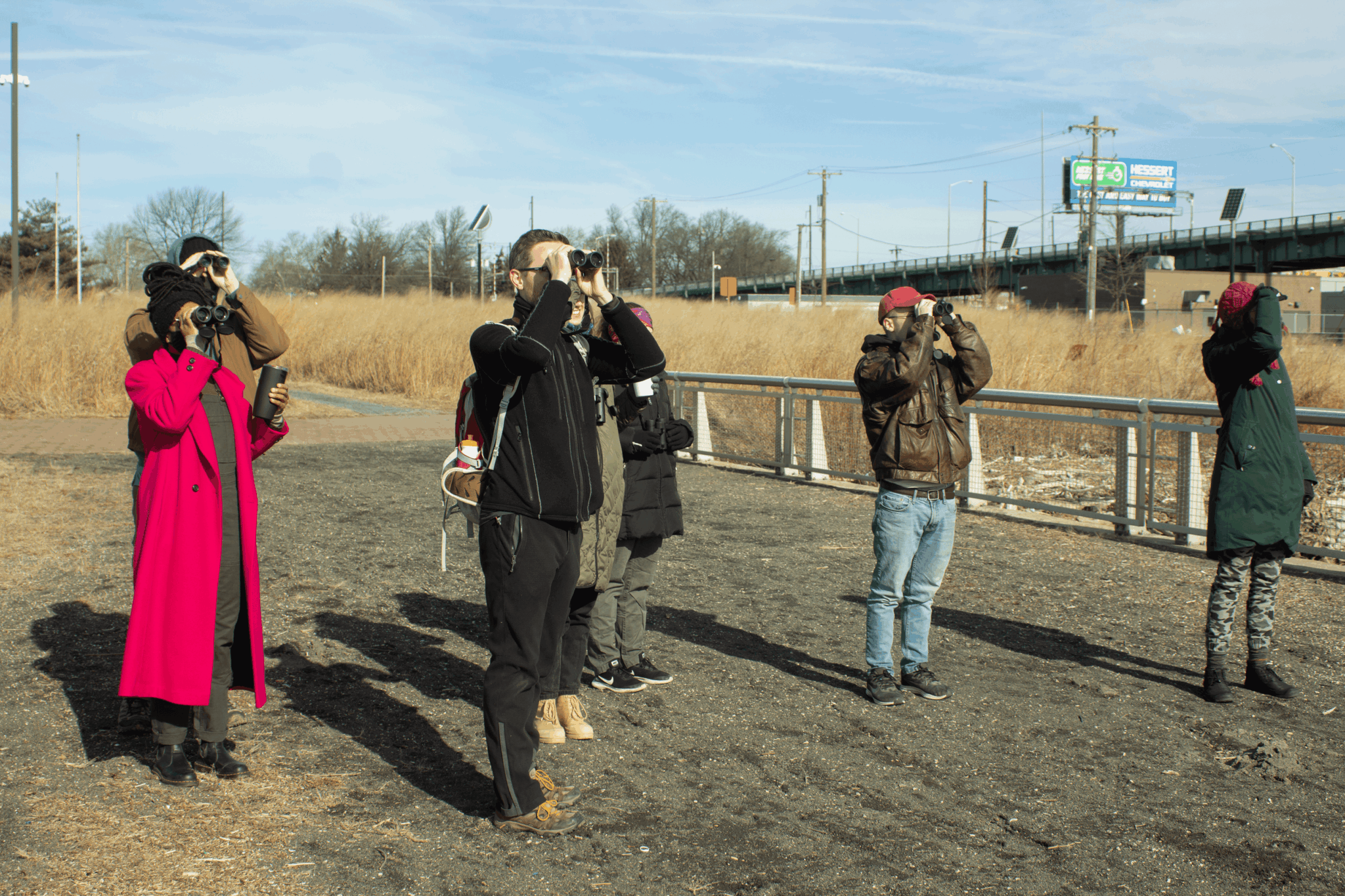
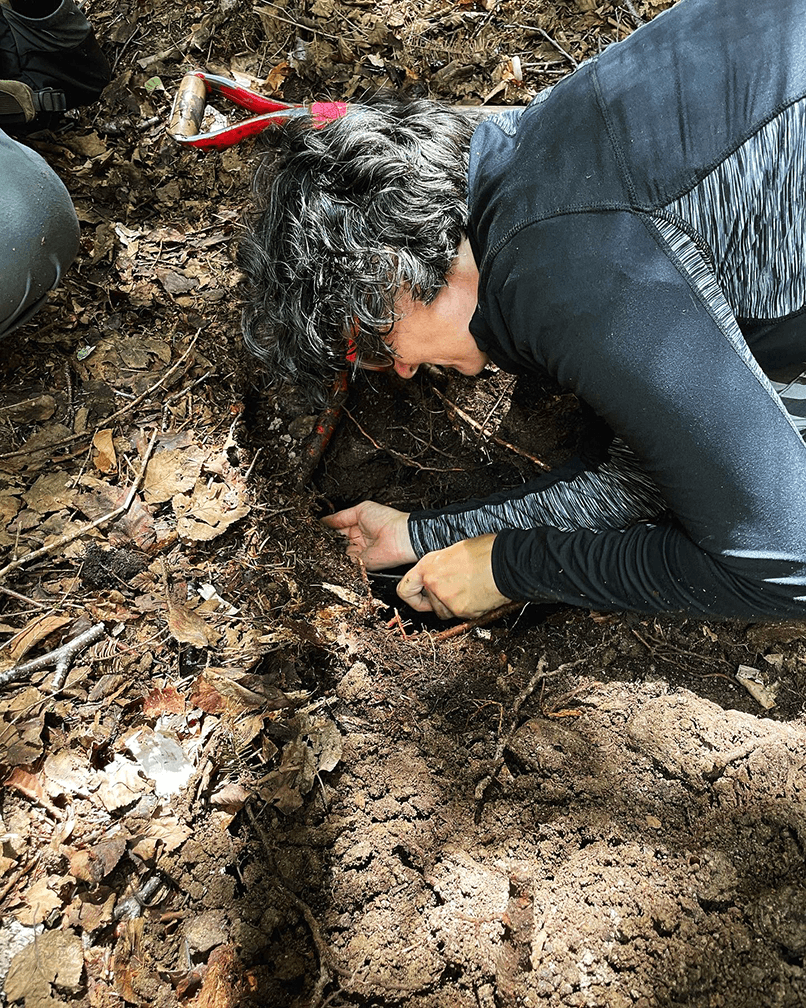
Image Credits
Personal Photo by Julia Way
Mapping Our Watershed, mixed media piece co-created with Cheltenham Township residents, 2023
The Art of Soil: Workshop for Mapping Our Watershed, 2023 (photo by Joe Simpson)
Rangeley Schist Two, acrylic and oil on hemp, 2021 (photo by Patrick Snook)–series of paintings based on research at the Hubbard Brook Experimental Forest in New Hampshire, incorporating visual data from that research
Lithostatic, egg tempera with soil, lake, and eggshell pigments, 2022
With the co-created textile work Take Us to the River, made during a residency with TaconyLAB Community Art Center and Riverfront North Partnership, 2022 (photo by Barbara Baur)
Workshop for the Take Us to the River Project, co-facilitated with Holger Pflicke from Bird Philly (photo by Barbara Baur)
Sampling soil from a soil pit in the Hubbard Brook Experimental Forest, NH, 2022 (photo by Jennifer Bower)