

Alright – so today we’ve got the honor of introducing you to Vanessa Dean. We think you’ll enjoy our conversation, we’ve shared it below.
Alright, Vanessa thanks for taking the time to share your stories and insights with us today. How did you come up with the idea for your business?
I was bored—a familiar feeling for someone with ADHD. I had completed the Dave Ramsey Master Coach training and loved all things budgeting, so I decided to help people like me, people with ADHD. When I started digging into the stats about ADHD and finances, I realized how much of a challenge it really is.
Individuals with ADHD face grim financial realities: up to a million dollars less in net worth compared to our peers, higher suicide rates among men with financial struggles, and over 38% of us dealing with debt. Sure, many people struggle with debt and saving for retirement, but for those with ADHD, the challenge isn’t just about knowledge—it’s about action. We know what to do, but implementing it? That’s where the struggle lies.
How do we stick to a budget, track expenses, or pay down debt? The more I researched, the more I realized that traditional financial coaching often isn’t enough for people with ADHD. Coaches typically work with clients briefly and then let them go. But for those of us with ADHD, ongoing accountability is critical to overcoming the unique challenges we face.
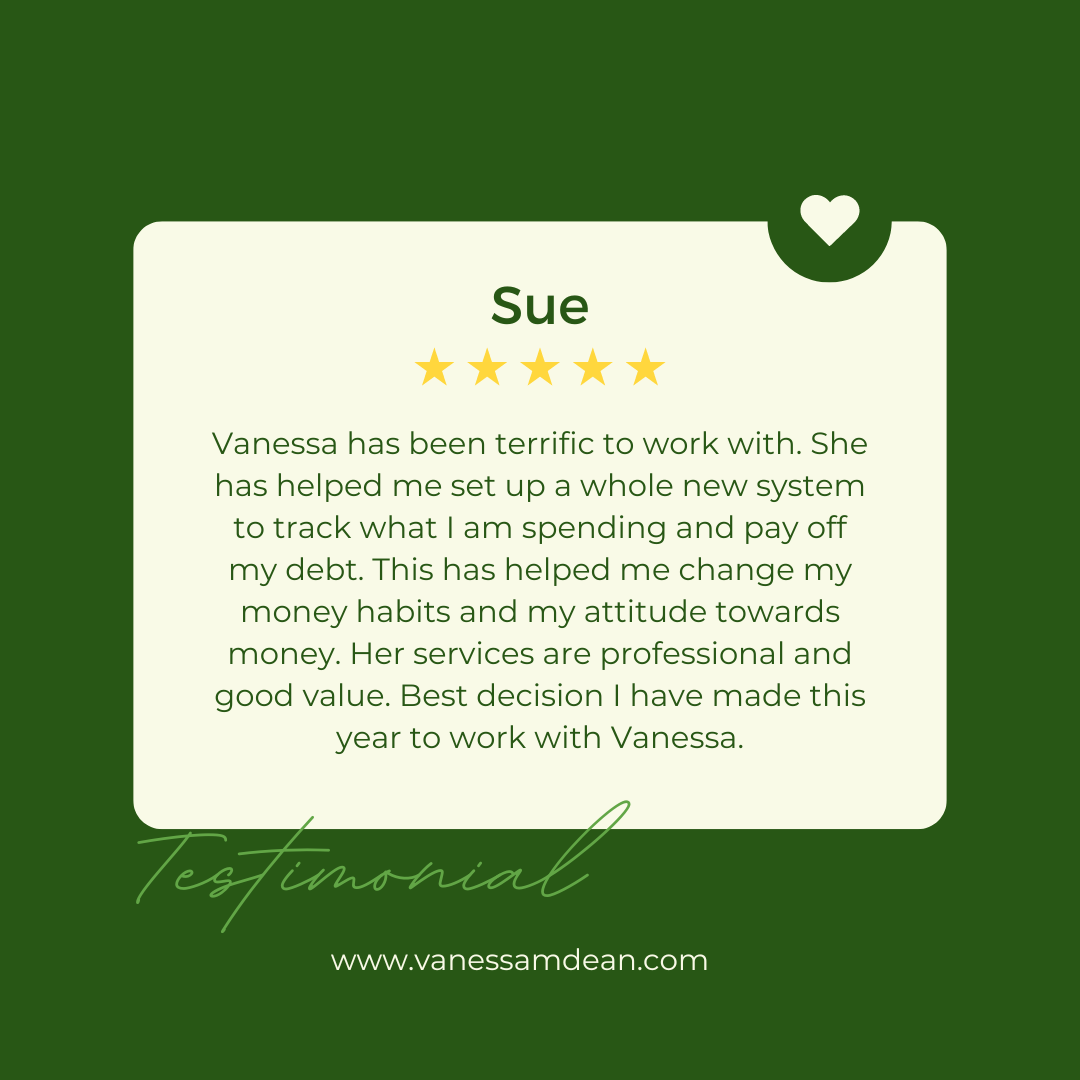
I decided my coaching approach would focus on providing that accountability and helping clients execute their financial plans. One client has been working with me for over a year and a half and wants to continue because my method works. By offering consistent support, I help my clients build the habits they need to manage their finances successfully. Accountability makes all the difference—it gives them the time and structure they need to stick with a budget and create lasting change.
Awesome – so before we get into the rest of our questions, can you briefly introduce yourself to our readers.
So, my husband and I found ourselves in $24,000 worth of debt with an upcoming move. We were on WIC (Women, Infants, Children food assistance) due to having four children under 5. We took Dave Ramsey Financial Peace University class together, and we devised a plan to pay off our debt despite the move. We had some friends who would guide us and hold us accountable, but it took 14 months to pay off the debt. This began my motivation to help others; if we could do it, so could anybody. I told everyone about our debt free journey, and well was kind of annoying about it.
My husband retired from the military, and we stayed out of debt, living on a budget. Realizing that we made lasting changes, I decided to do the Dave Ramsey Master Coach training course. I needed something for myself as I was pouring everything into my children. I completed the course and was ready to begin coaching.
But I didn’t begin coaching clients. I got a bank account, EIN, and all that fun jazz, but I needed a way to find clients. I took a course on selling through blogs; however, after that course, I knew I needed someone specific to financial coaching. I found the Financial Coaching Network (FCN). They taught me how to start my coaching business, gave me a webpage, and an information library. They taught me that Dave Ramsey isn’t correct on everything financial. I got my first two clients, and one made a $6,000 change in net worth in the first 6 months. I was amazed. I got another client or two, and I continued figuring out how to grow my business.
I stayed with FCN for about a year and a half, but my former client encouraged me to branch out independently. She helped me build my website and gave me additional guidance and encouragement.
Since starting with FCN, I’ve adjusted my program. With each client, I find things that will help others or that need to be removed.
I’m also committed to continuing to learn about finances. I have one college class left to earn my certificate in Financial Counseling, and I plan to take the Accredited Financial Counselor (AFC) test in the spring.
I’m also constantly growing my knowledge of ADHD and how the brain works. While I’m not doing formal education for this, I’m reading research articles and books and finding information through other means.
ADHD affects my family immensely. I was diagnosed after my oldest son was diagnosed at 5. From there, his younger brother got diagnosed, and his older sister and younger sister did, too. The only person in my nuclear family who does not have the diagnosis is my husband (he does have a TBI [traumatic brain injury] from his military service). I see how it affects all of us differently and how each person needs to be treated differently because while we have the same diagnosis, it isn’t the same for all of us. This knowledge helps me immensely with my clients.
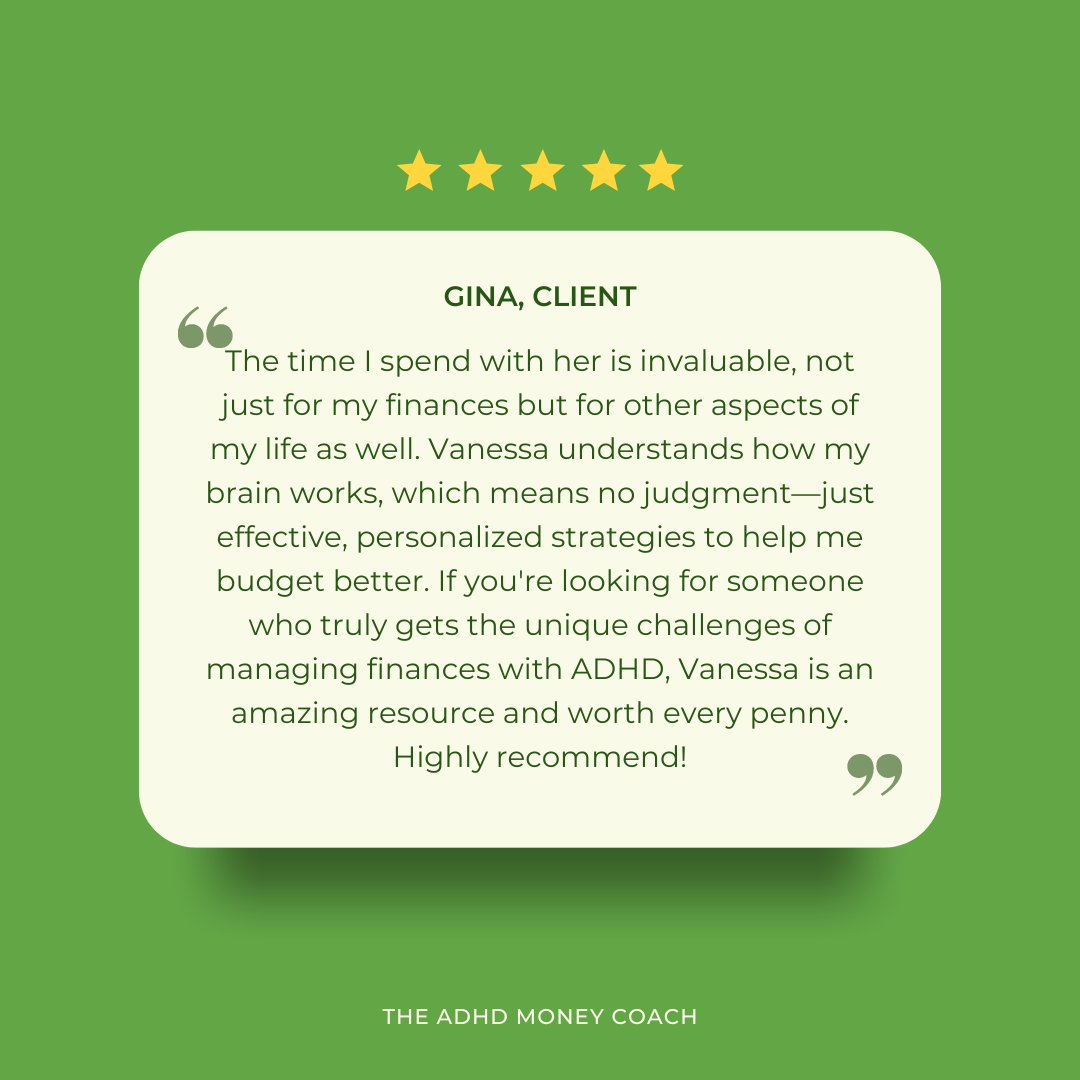
I’ve recently had a client tell me (summarized) that before working with me, she just spent her money, not a care in the world. Now, before she spends, she looks at her budget, and she loves budgeting. It made a difference in her life, and that makes my heart happy.
Can you tell us about a time you’ve had to pivot?
I joined the United States Army with the goal of becoming a medic. However, at the MEPS station, the career counselor informed me there were no medic slots available—a statement I later discovered was untrue. Instead, I enlisted to repair medical equipment. After completing my training, I decided I would make a career out of the military and serve for 20 years until retirement.
Life took a different turn when I met my husband, also a soldier, and we moved across the country together. I was assigned to a unit preparing to deploy to Iraq, but a shoulder injury made it impossible for me to wear the required protective gear. Because of this, I couldn’t deploy and was medically discharged from the military.
Though I hadn’t expected to leave the military, it was the best decision for me and my family. While my husband continued his service until retirement, I embraced a new role I never imagined: staying home to raise and homeschool our children. This unexpected journey has brought me more joy and fulfillment than I could have envisioned, and I’m grateful for the way things worked out.

We often hear about learning lessons – but just as important is unlearning lessons. Have you ever had to unlearn a lesson?
Dave Ramsey is undeniably a money genius, and his methods have had a significant impact on my family. Through his program, I learned how to create a basic budget, pay off debt, build an emergency fund, and start saving for retirement. Those lessons were invaluable.
However, over time, I realized his budgeting approach didn’t quite work for me. I didn’t want to pay for his app, EveryDollar, so while I got good at planning where my money should go, I struggled with actually tracking it—a crucial step I was overlooking. As someone with ADHD, I needed a system that worked better for how my brain functions, and EveryDollar wasn’t cutting it.
That’s when I discovered *You Need A Budget (YNAB)*. Their approach is different: instead of predicting income at the beginning of the month and dividing it into categories to hit zero, YNAB has you budget only the money you currently have. When new money comes in, you assign it to categories as needed. While both methods involve allocating every dollar, YNAB removes the guesswork about future income, which was a game-changer for me—especially when my husband transitioned to hourly work.
As I’ve gained more financial knowledge, I’ve found myself disagreeing with Ramsey on other points, but budgeting only the funds I have on hand has made the single biggest impact on my financial journey. It’s been a much better fit for me and has brought a lot more clarity and control to our finances.
Contact Info:
- Website: https://www.vanessamdean.com
- Instagram: https://www.instagram.com/vanessa_dean_adhd_money_coach/
- Facebook: https://www.facebook.com/profile.php?id=100068231148573
- Linkedin: https://www.linkedin.com/in/vanessa-dean-378347312/
- Youtube: https://www.youtube.com/channel/UCQRCbHV7qWWmf9HQdaPKbCQ