

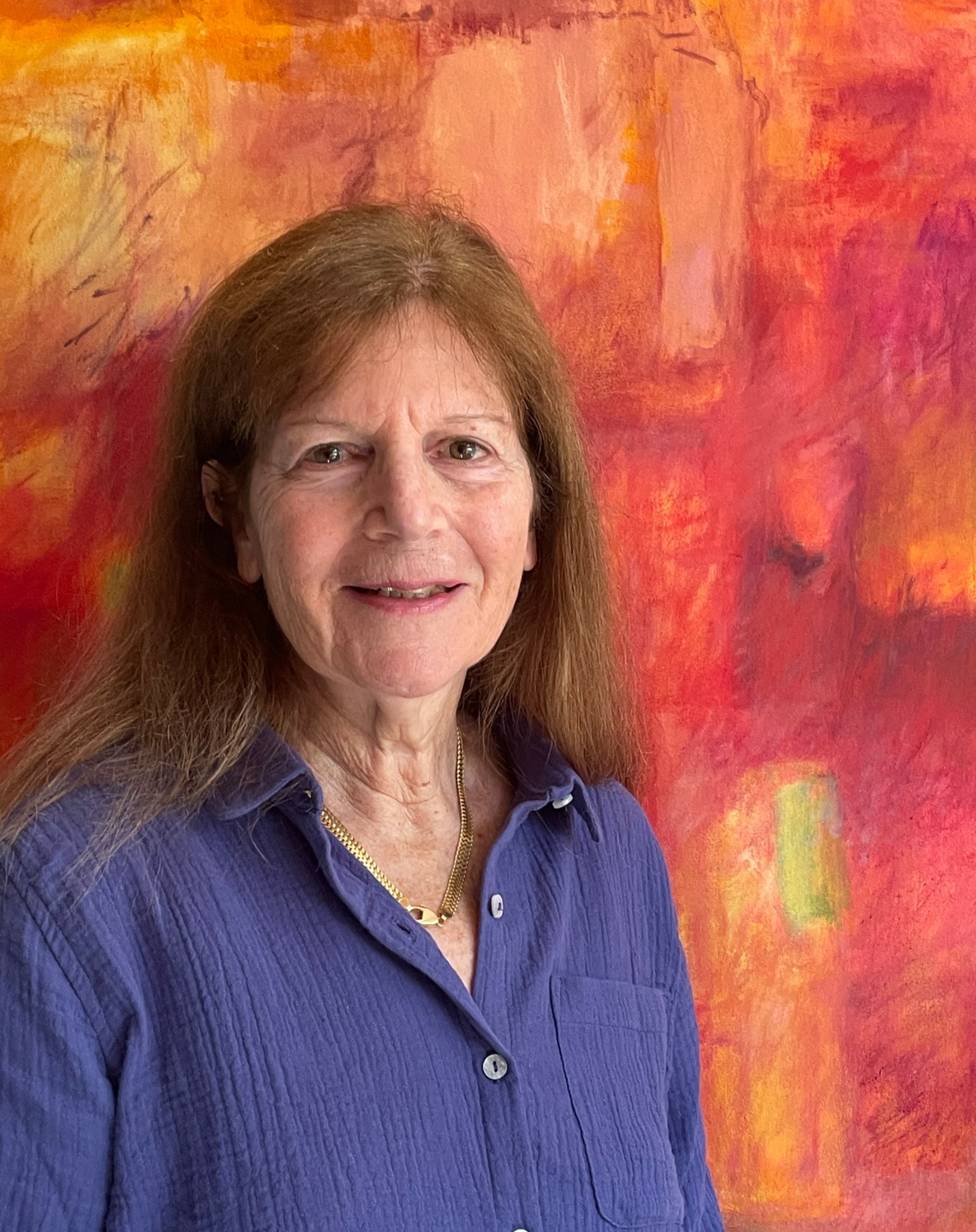

Today we’d like to introduce you to Susan Rostan
Hi Susan, so excited to have you on the platform. So before we get into questions about your work-life, maybe you can bring our readers up to speed on your story and how you got to where you are today?
Arguably, I have been an artist most of my life. At age 6, I learned how to draw and use pastels in my grandmother’s art studio. When she began teaching adults and children, I joined her classes and learned how to paint with oils. By the time I was 10, I was exhibiting my paintings in local adult art exhibitions and had started teaching painting, first in my public school class and then in my grandmother’s atelier. The New York City public schools did not have art teachers in the late 1950s, so my fourth-grade teacher asked me to teach my class how to paint a landscape. I had to break the process into steps and guide each classmate through a landscape painting, effectively creating a lesson plan and individualized teaching. It was an auspicious event.
My fine arts education continued in my grandmother’s atelier, even as I majored in Psychology as an undergraduate. I took over my grandmother’s school when she retired in 1970. After completing my MFA, studying with Stan Brodsky and Bob Yasuda at C.W. Post, Long Island University, I continued my education in a doctoral program, eager to explore giftedness and its relationship to creativity. My research and subsequent publication of my studies required that I write journal articles. As the research evolved, so did my interest in more individualized accounts of the creative process and more creative writing. Unlike my research studies of groups of young artists, I began focusing on the individual artist. With short case studies under my belt, in 2017, I embarked on a journey leading to a narrative biography of my mentor Stan Brodsky. I have drawn on my education and professional work to continue to unpack the creative process in situ. Stan’s intentions, motivation, and learning from past endeavors were documented in his intimate, journal-like correspondence. A lifetime of letter-writing informed the narrative of his early development and evolution as a painter. I had promised Stan that I would continue my studio practice while I wrote his Story. It was the condition of my accepting his request: “Do me a favor. Write my memoirs.”
I’m sure it wasn’t obstacle-free, but would you say the journey has been fairly smooth so far?
Life is not a smooth road for most of us. I have not been an exception. Making choices about managing my professional activities with my familial responsibilities has been difficult at times. Family always takes priority, and teaching and painting nurture my creative growth, so my research and writing have always been passionate interests for which I must make time. I have loved doing historical research for Stan’s Story so much that I have been writing a blog for the National Association of Women Artists. NAWA Luminaries is my attempt to educate the general public and NAWA’s membership about the exceptional women artists who have been part of NAWA in the 135 years of its existence. Luminaries is a rewarding endeavor; knowing I have brought the lives of so many women artists into the contemporary spotlight is a task I relish.
Appreciate you sharing that. What else should we know about what you do?
I am a lifelong learner. I enjoy experimenting and taking on challenging projects and tasks. My artwork engenders taking risks and exploring possibilities. My written work encourages the same for my readers. My academic research is well-cited, inspiring countless studies and discussions. Stan’s Story, in particular, has been an educational experience for me, and I hope my readers will also enjoy this benefit.
Are there any important lessons you’ve learned that you can share with us?
After completing my doctorate at Columbia University’s Teachers College, I encountered Howard Gruber, a creativity scholar who became a dear friend and collaborator. I was so focused on my investigations of creativity that I began to question whether I needed to choose between being a “scientist” or an artist, understanding the amount of energy creating and selling my artwork required. I should note that a comparison between scientists’ and artists’ creative thinking was the subject of my dissertation. Howie, as I called him, was patient, perhaps amused. He loved the duality. His question was: “Why do you think you need to make a choice?” He encouraged me to find a balance, the real issue being that if I wasn’t having fun doing what I was doing, I shouldn’t be doing it. His wisdom has guided me over the past eight years, dedicating more of my creative energy to painting and regularly exhibiting my work. That fun, or what Stan has taught me, a “thrill” shared between myself and my works’ audience, has reinvigorated my network of enterprise.
Contact Info:
- Website: susanmostan.com; rostanartschool.com
- Instagram: https://www.instagram.com/susanmrostan
- Facebook: https://www.facebook.com/susanmrostan
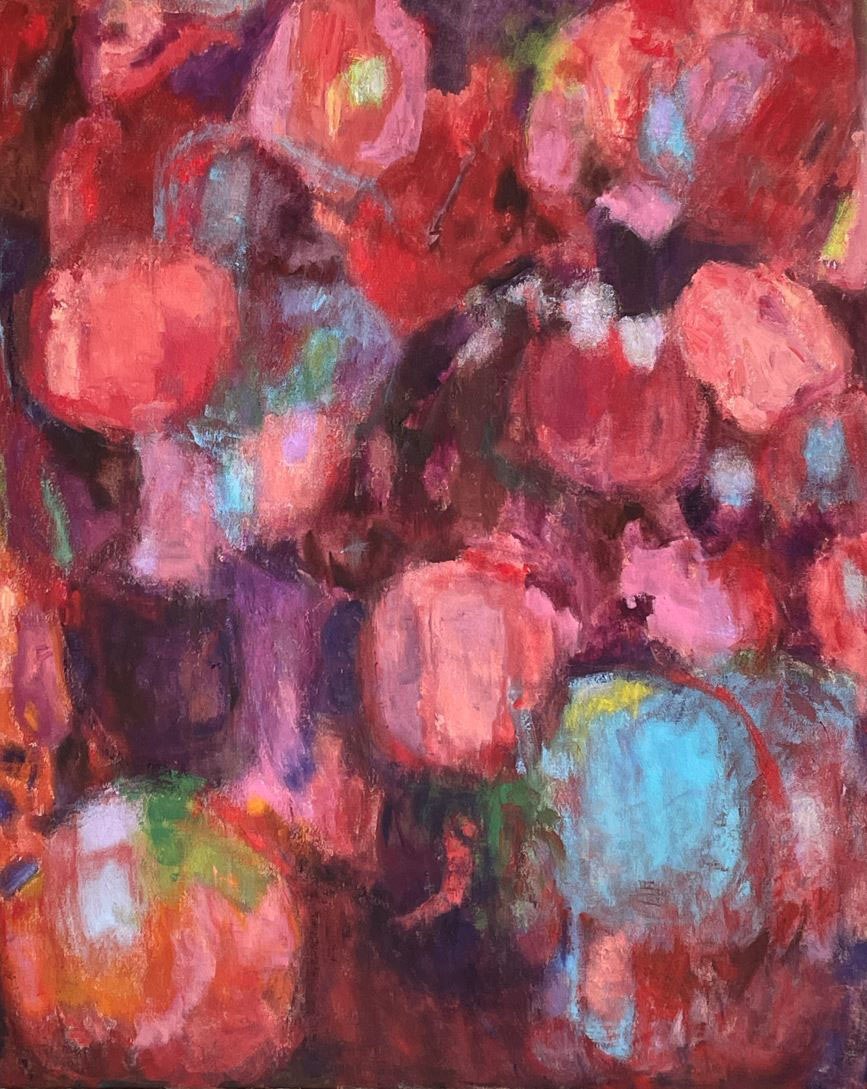
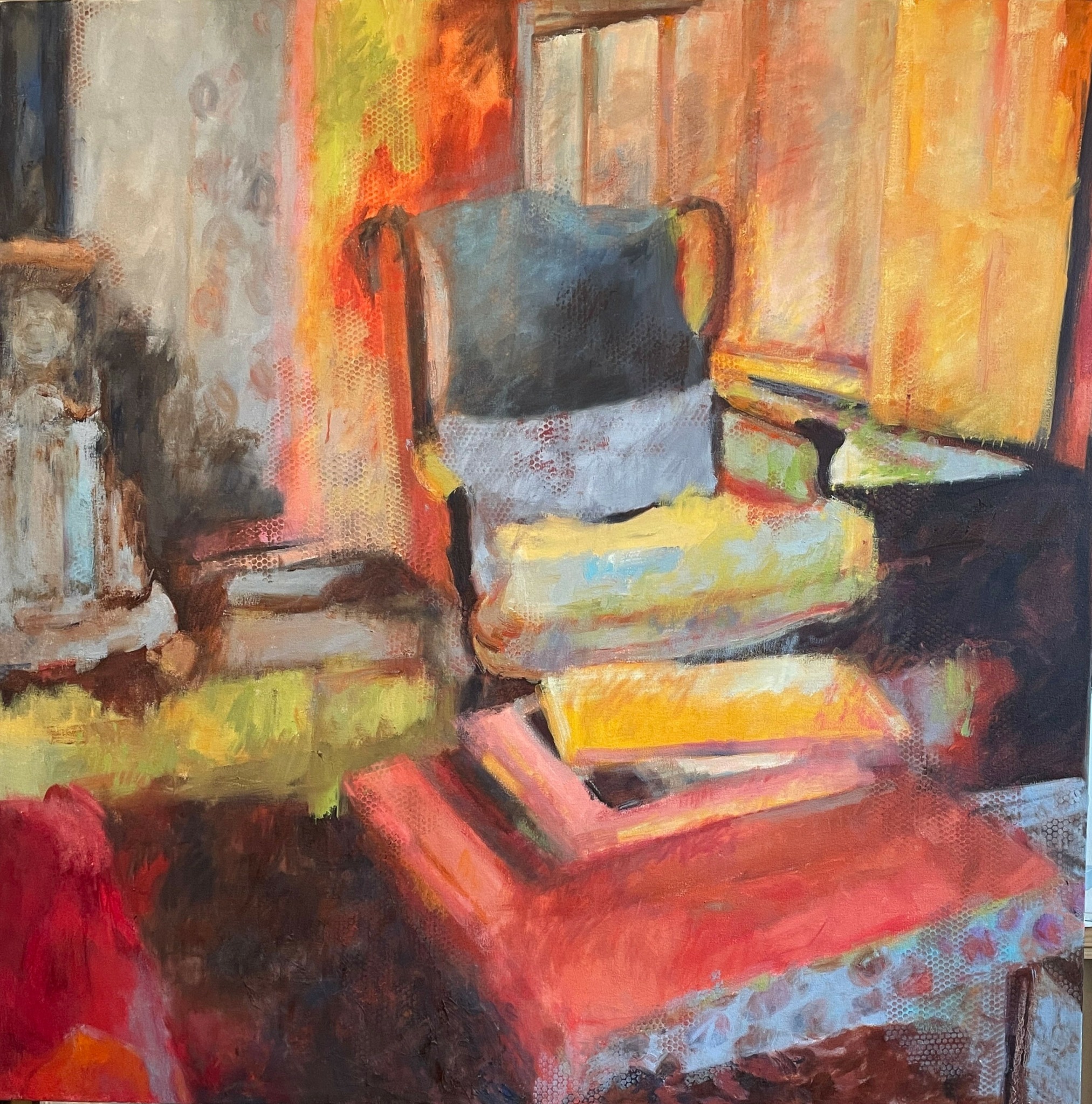
Image Credits
Susan M. Rostan