

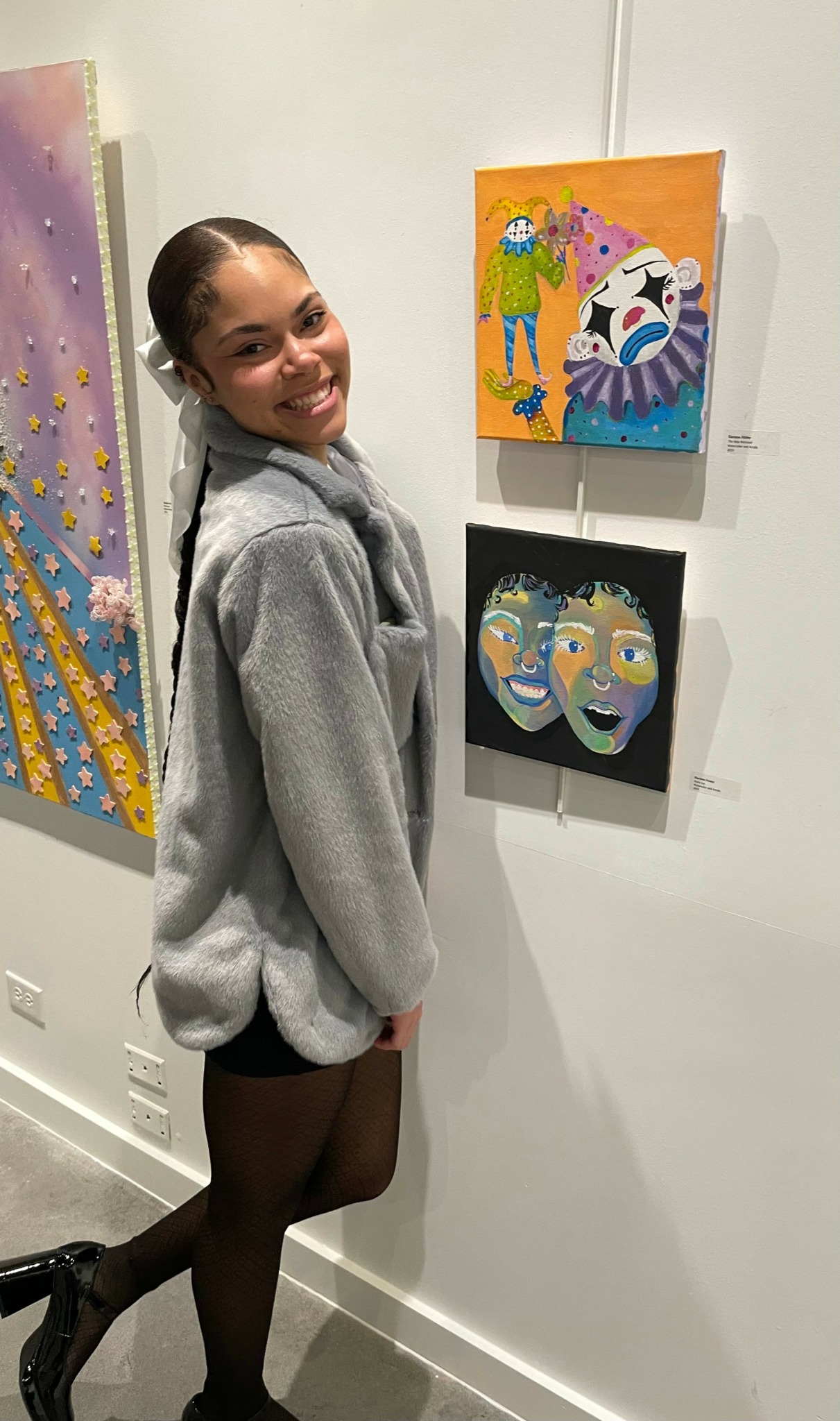

Alright – so today we’ve got the honor of introducing you to Kiersten Foster. We think you’ll enjoy our conversation, we’ve shared it below.
Kiersten, appreciate you joining us today. Let’s start with the story of your mission. What should we know?
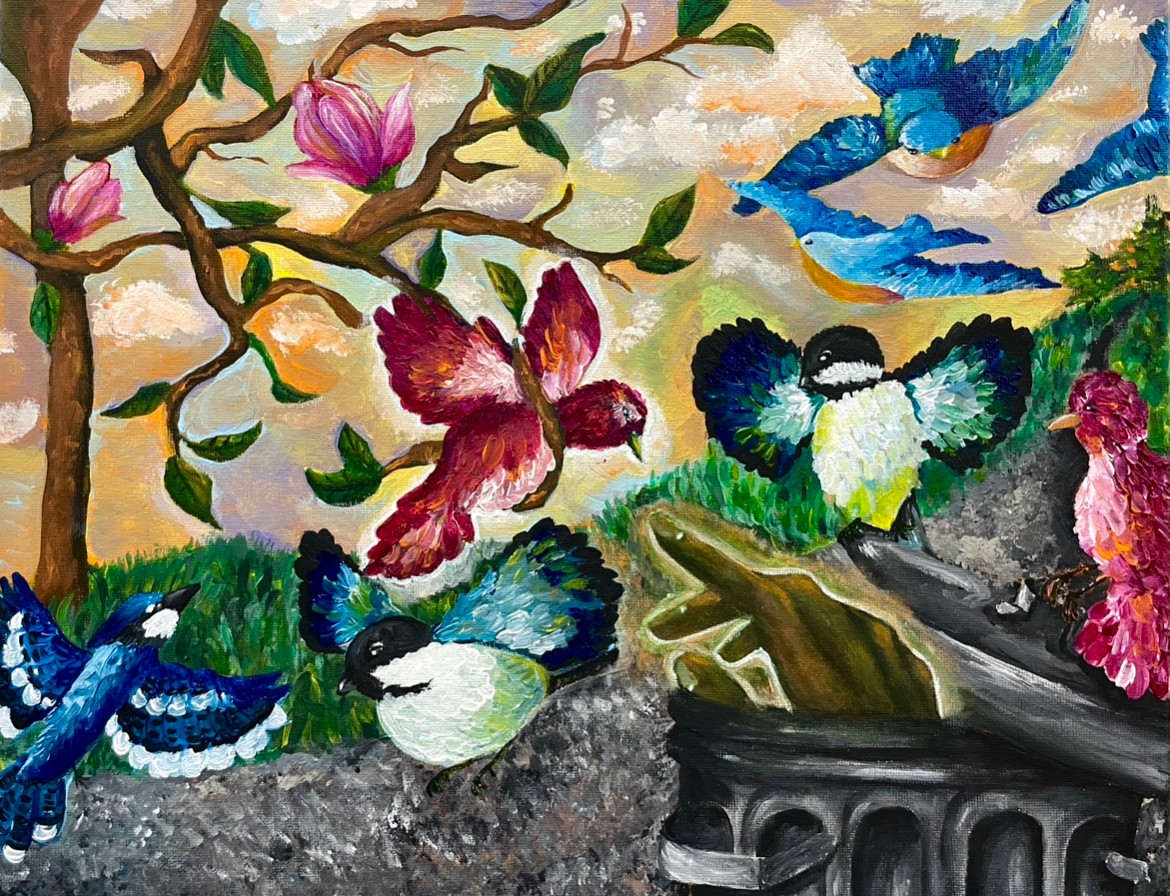
My artistic practice has traditionally centered around nature and the exploration of femininity and autonomy. I have found that diverging from these themes is rigorous, prompting me to use this semester as an opportunity to experiment and explore new directions. I want to shift towards more unnatural scenarios by changing colors and mediums. To inspire and motivate myself for this change, I turned to the idea of personal experiences, but soon realized I was unsure of which events to highlight. I have noticed the amount of criticism I give myself when it comes to my artwork and the terror I feel when that work is viewed by an audience. I wanted to work through that fear this semester as well. Ultimately, this reflective process guided me to a theme for my combined series.
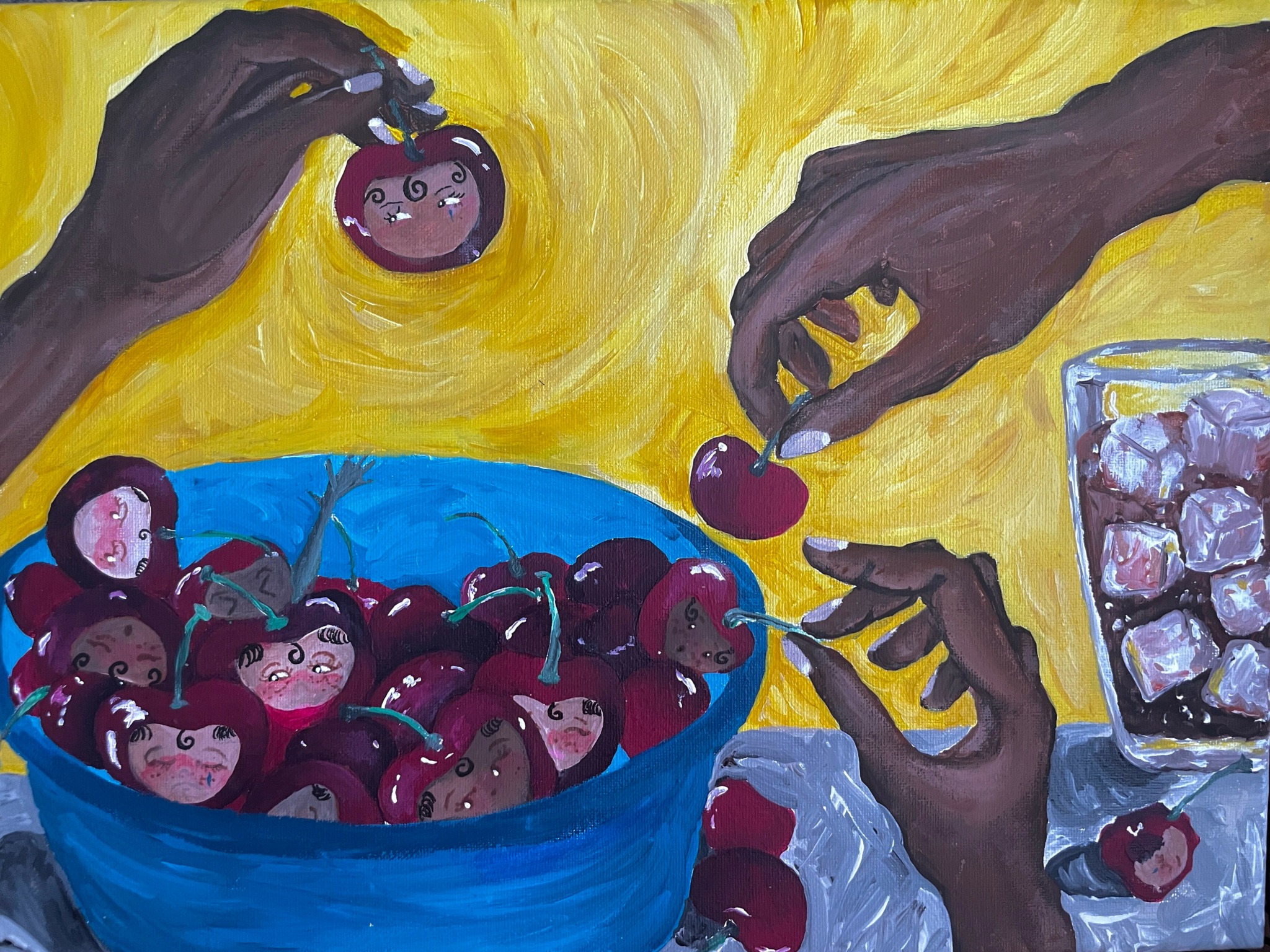
Giving thought to my identity and the experiences that have forced me to mature and evolve has consistently been a challenge. With this fall semester’s series of work, I highlighted pivotal moments and expanding events in my life that have impacted who I am through a tapestry of acrylic paints and mixed media on canvas. I first acknowledged the more sensitive topics that have taken place including relationships with my siblings, family pets, and self-induced negativity that I am accountable for. My artistic exploration then transitioned to emphasizing the more affirmative aspects of my existence and captured the elation and resilience I have developed. I ensured that this shift in emotional tone was evident as I illustrated my journey of overcoming the burdens that once profoundly weighed upon me.
As always, we appreciate you sharing your insights and we’ve got a few more questions for you, but before we get to all of that can you take a minute to introduce yourself and give our readers some of your back background and context?
I, Kiersten Foster (b. 2004) consider myself a contemporary artist. I am from Covington, Georgia and my journey into the world of art started during my childhood. This artistic craft was nurtured by my supportive parents, Helena and Carl Foster. My parents encouraged me to transform my passion into a profession. I am a graduate of Newton High School, I am currently pursuing two degrees in Education and Visual Arts with a concentration in Painting at the University of West Georgia. Over the next five years, I aim to deepen my understanding of both disciplines, with plans to graduate in 2027. Upon completing my studies, I aspire to become a high school art educator, dedicated to inspiring and mentoring the next generation of artists.
My artwork uniquely blends elements of fact and fantasy, serving as an exploration of my fears and emotional landscape. Through the creation of surreal and vivid scenes, I convey my personal narrative in a colorful, engaging manner. While I primarily work with acrylic and watercolor paints, I am eager to experiment with oil paints and mixed media in my future projects. With a commitment to both my artistic practice and educational ambitions, I stand poised to make a significant impact in the art community and the lives of my future students.
What’s a lesson you had to unlearn and what’s the backstory?
A lesson I had to unlearn was the idea that art must always be realistic in order to be valued or understood. Growing up, I was often taught that “good” art had to replicate the world exactly as we see it. The emphasis was on technical skills—capturing lifelike details, perfect proportions, and accurate perspectives. I was taught to view realism as the benchmark for all artistic success. However, as I grew older and explored more diverse styles and movements, I began to realize that this rigid definition of art was limiting. There’s a vast world of creative expression beyond the boundaries of realism. I encountered surrealism, abstract art, and conceptual art—forms that invite the viewer to engage with emotions, ideas, and fantasies rather than just visual replication. These styles helped me understand that art is more about the experience and the message it conveys than about mimicking reality. The shift came over time, and it was both freeing and challenging.
Looking back, are there any resources you wish you knew about earlier in your creative journey?
A major resource I wish I had learned earlier in my creative journey is the power of using artistic references for guidance and the importance of asking for help when needed. For the longest time, I thought that creating art meant pulling everything from my own imagination, believing that relying on reference images or outside sources was somehow “cheating.” I felt like I should be able to create everything entirely from scratch without any external input. This mindset left me feeling frustrated and stuck at times, especially when I struggled to capture certain details or proportions. It wasn’t until later that I realized how valuable artistic references can be. Looking at references, whether it’s anatomy studies, photographs, or the works of other artists, isn’t about copying; it’s about learning, understanding, and improving your craft. References help you grasp proportions, lighting, perspective, and textures in ways that would have taken me much longer to figure out on my own. They act as a guide, not a crutch.
Contact Info:
- Instagram: kierstensthings
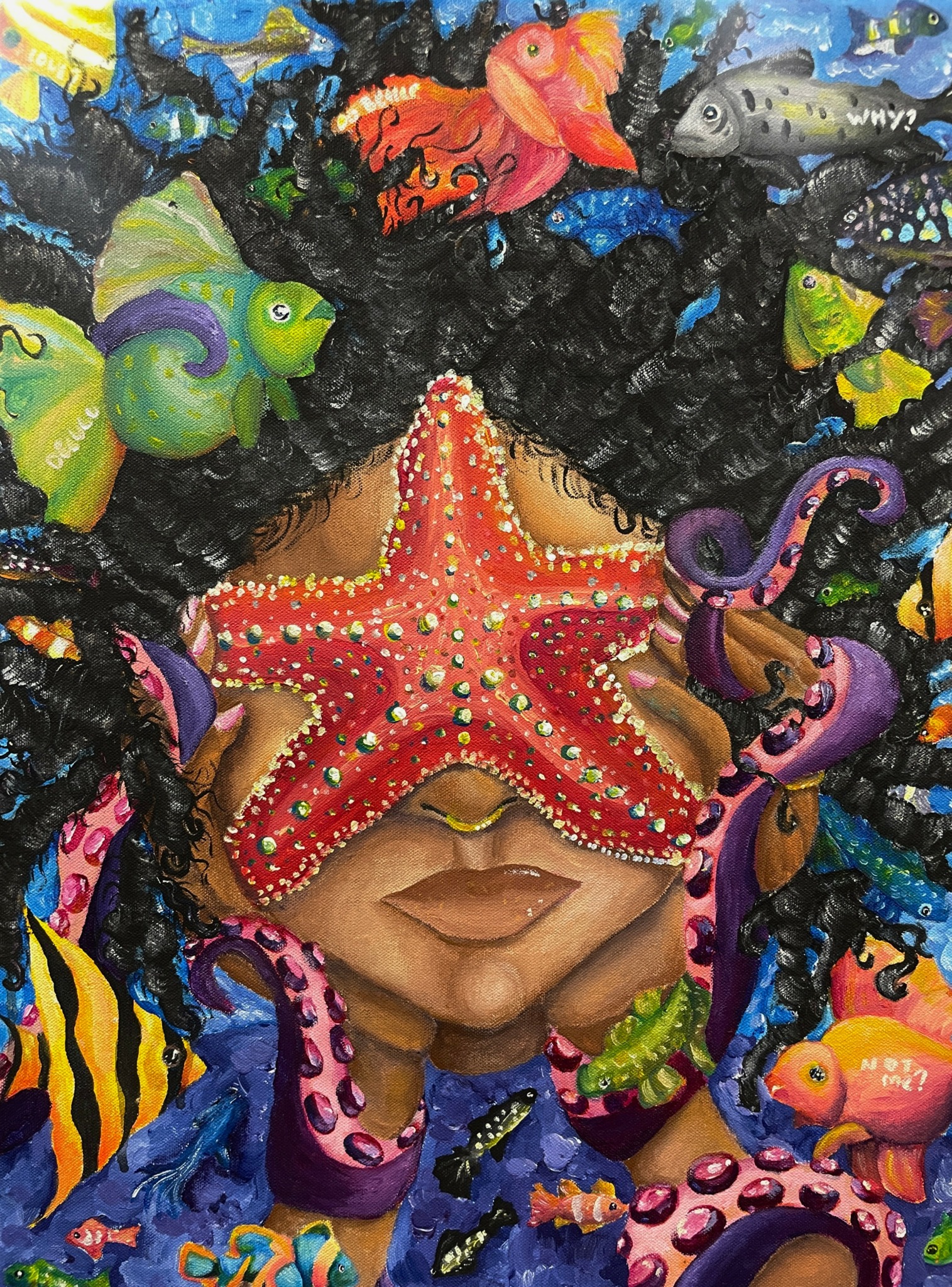
Image Credits
Kiersten Foster