We recently connected with Asterick Walston and have shared our conversation below.
Alright, Asterick thanks for taking the time to share your stories and insights with us today. Can you talk to us about a project that’s meant a lot to you?
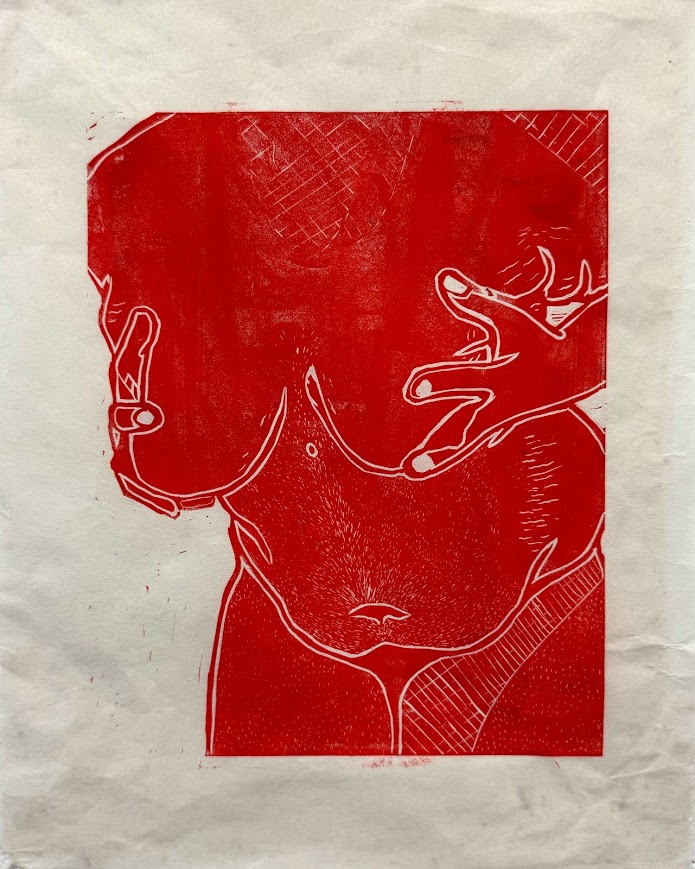
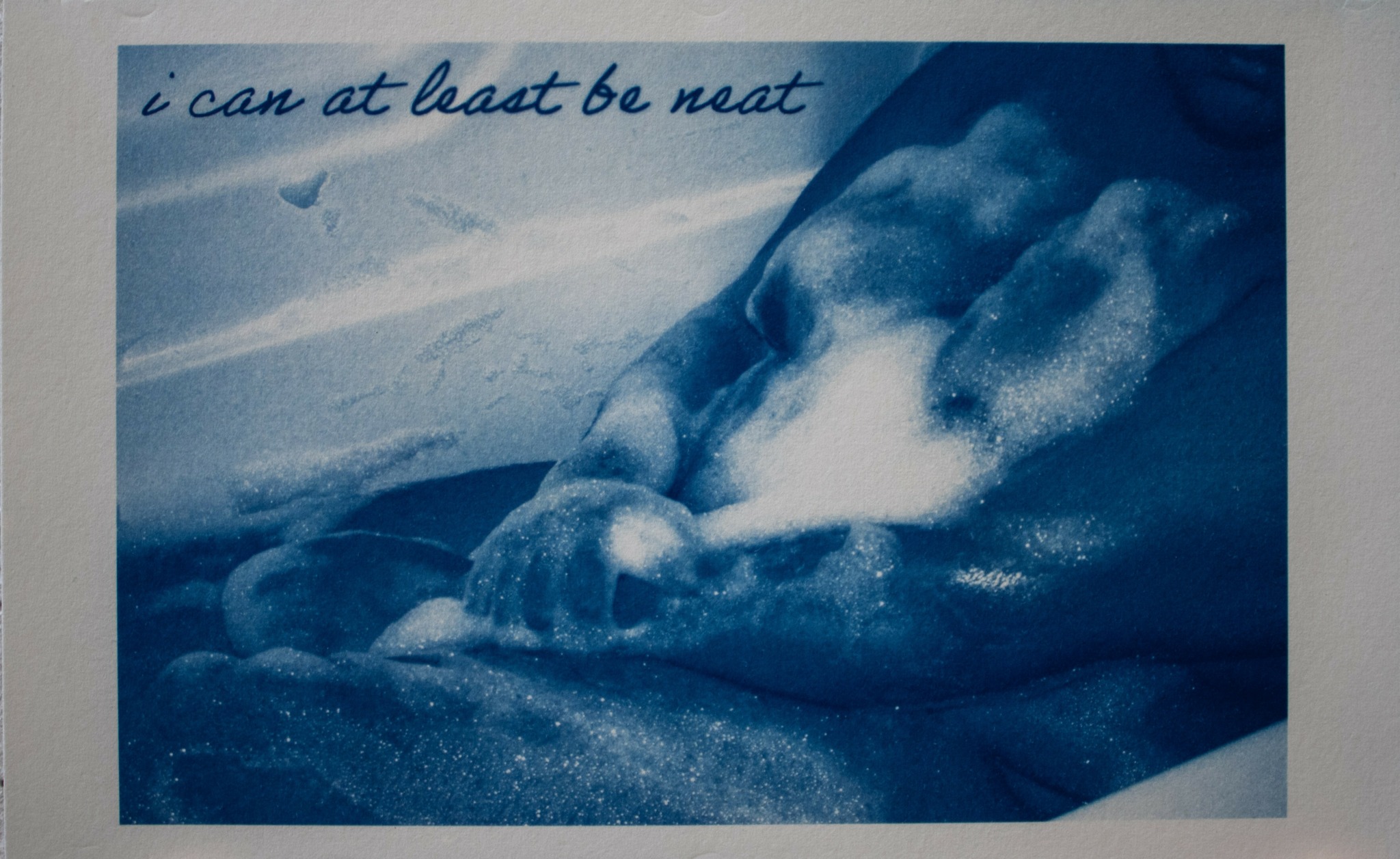
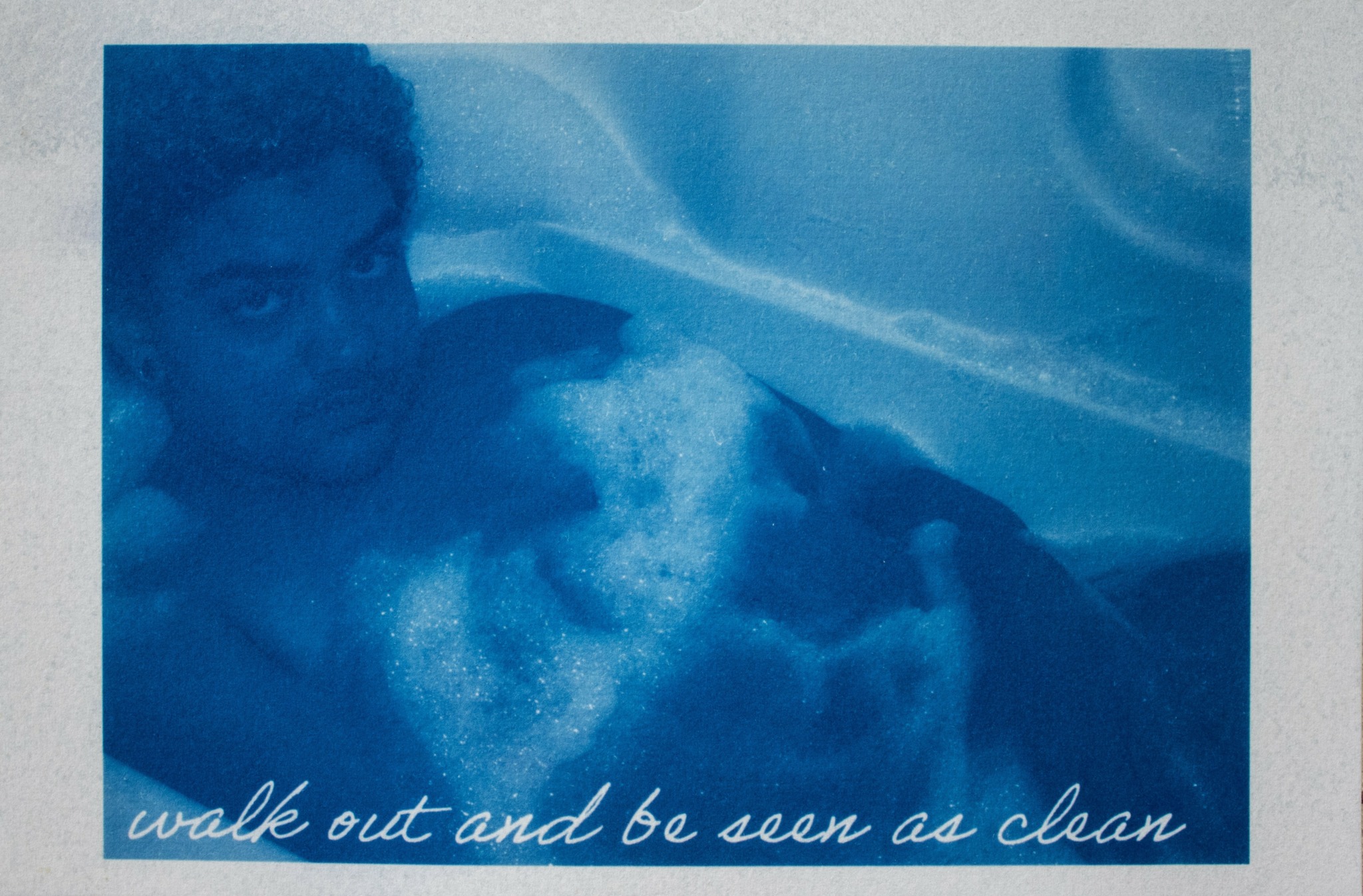
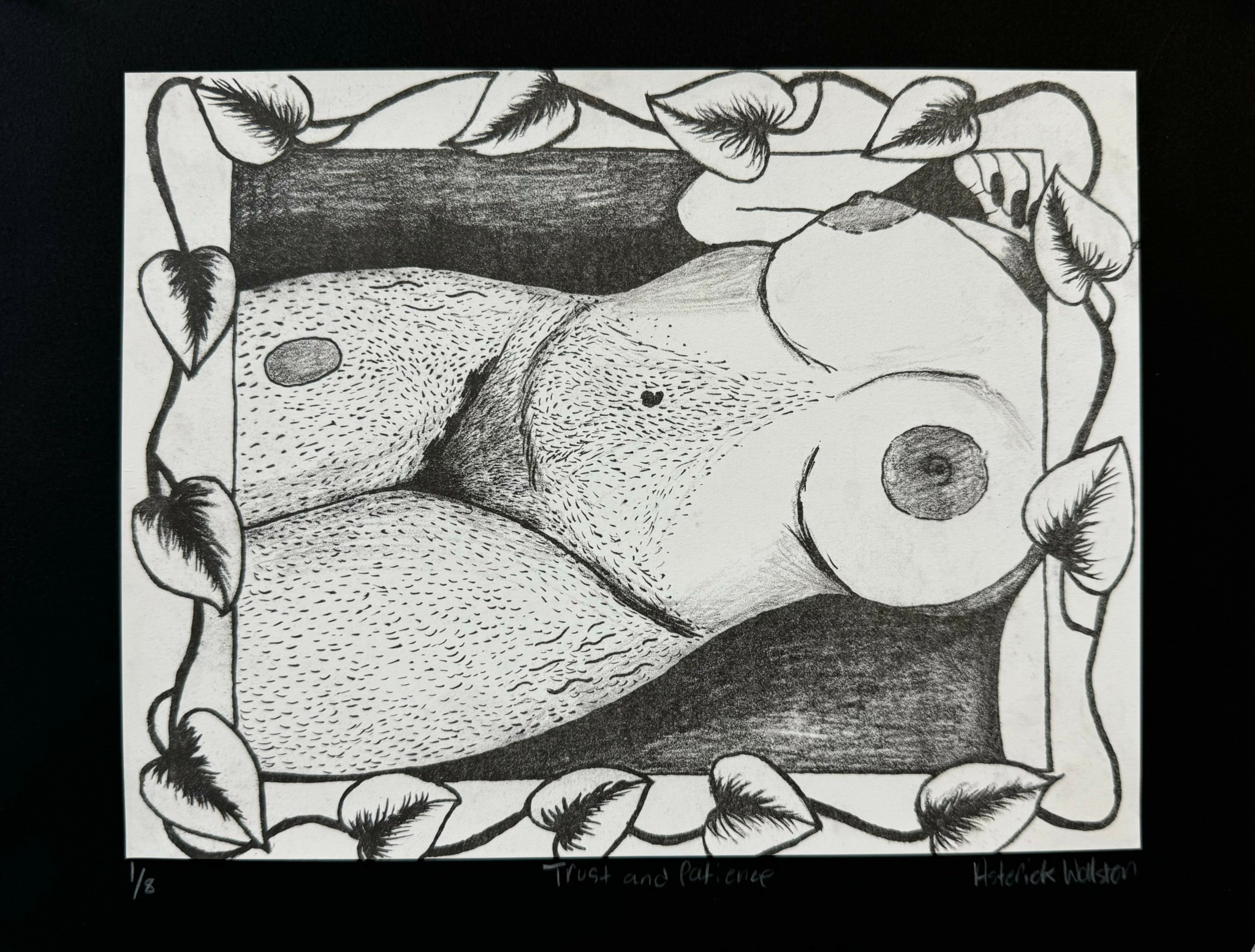
The most meaningful projects I’ve worked on is the one I’m currently immersed in, which explores queer sex and body positivity. It all started when I began creating nude self-portrait relief prints after starting hormone replacement therapy. At the time, I wanted to celebrate my body’s changes and embrace it fully. This has evolved into making prints of other queer people I know, especially through the process of lithography.
When I first started creating these nude portraits, I never imagined they would become such a central focus of my work. But after working with professors and having conversations about what I really care about and especially in art, I knew this was something that really stuck with me. I truly believe that the world could be so much happier and healthier if we had less shame around bodies and sex and more acceptance and celebration of both.
As a trans person, I know how difficult it can be to accept yourself when that acceptance is so rarely reflected back from others. It’s easy to feel isolated in that struggle. But the more I create and share my work, the more I realize how important it is to foster a space where people—especially queer people—can feel seen, heard, and celebrated for who they are, no matter how their bodies or identities evolve.
For me, this project is about creating that space: a space of radical self-love, acceptance, and a celebration of all kinds of bodies, desires, and identities. It’s a way for me to process my own journey, while also encouraging others to find pride in their own.
As always, we appreciate you sharing your insights and we’ve got a few more questions for you, but before we get to all of that can you take a minute to introduce yourself and give our readers some of your back background and context?
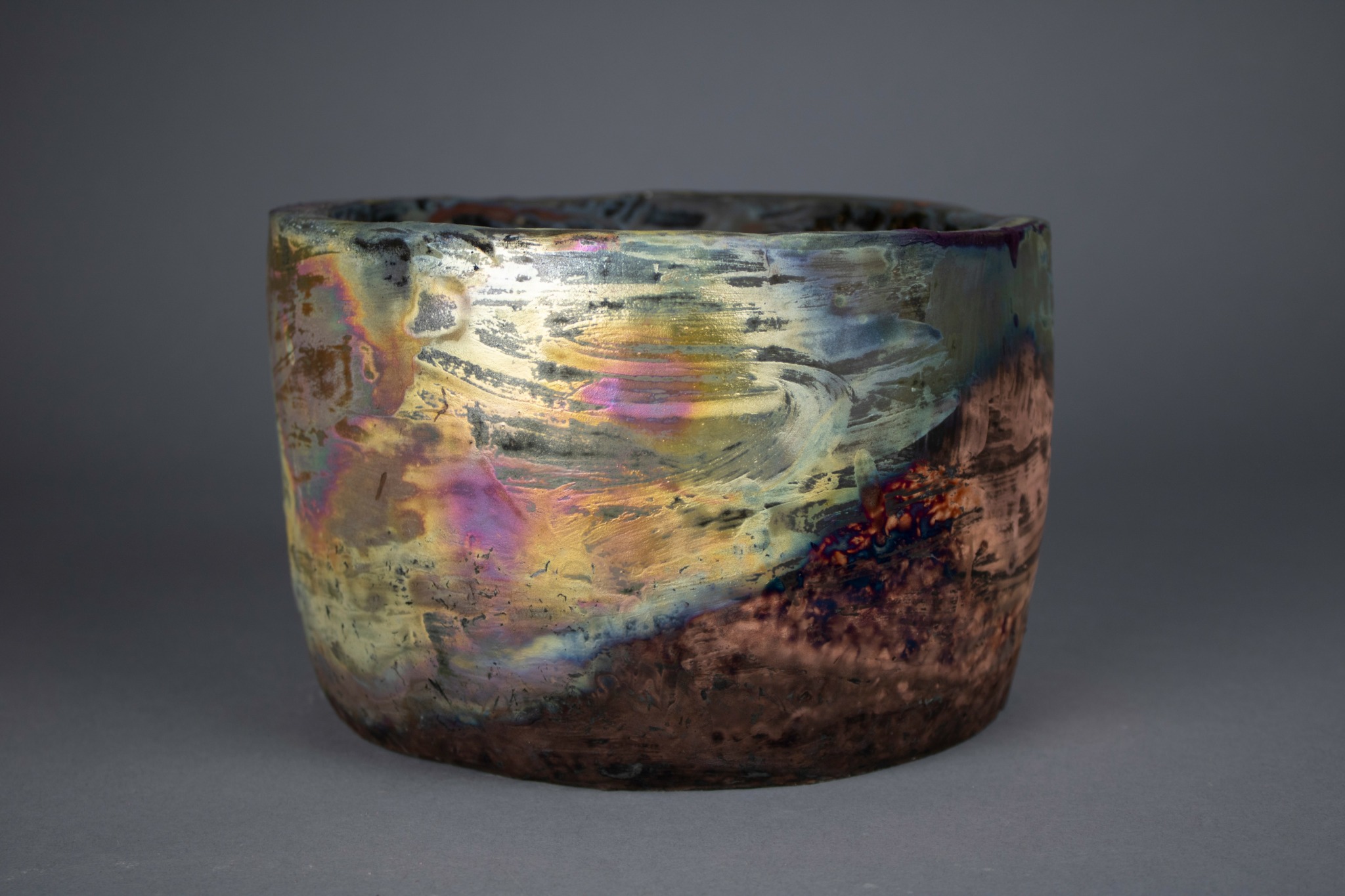
I’m an interdisciplinary artist based in Carrollton, GA, currently pursuing my BFA with a double concentration in printmaking and ceramics at the University of West Georgia. My creative journey has been a bit of a winding road, but it all started with my love for painting. Growing up, I was always drawn to painting, and even to this day, I find myself returning to oil paints. But it wasn’t until my senior year of high school that I discovered ceramics, and from that moment, my relationship with art transformed.
Until that point, I had always been pretty uncertain about my academic future. However, in my pottery class, I found working with my hands to create something was incredibly powerful and fulfilling. When my pieces were praised and I realized the potential for growth in this medium, I felt a sense of purpose for the first time. That recognition was a turning point, and it propelled me to pursue ceramics in college. The ceramics community and professors at UWG have continued and deepened my love for it.
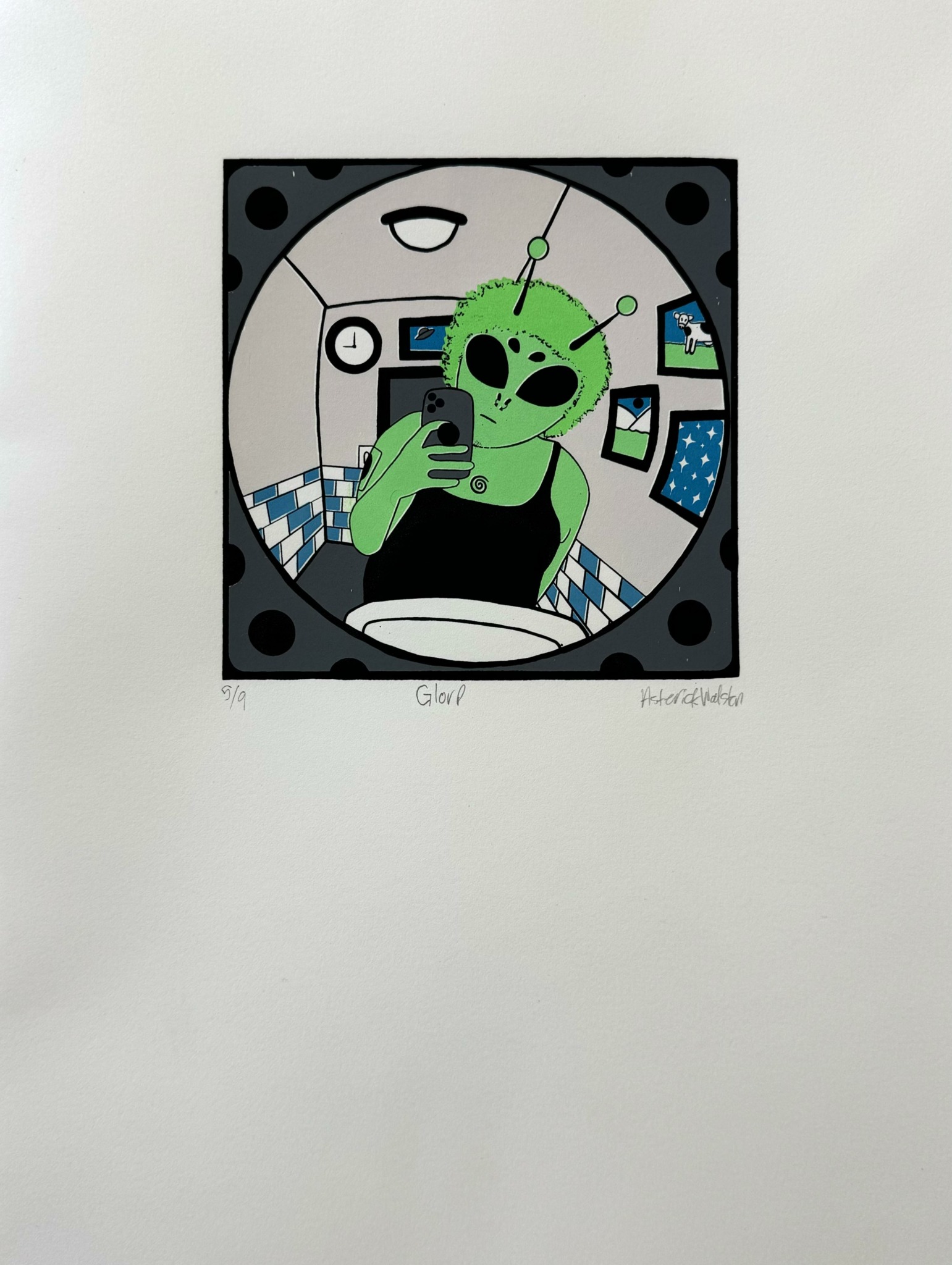
I initially came to UWG with a singular focus on ceramics, but when I discovered printmaking there, I was immediately hooked. I fell in love with the process of creating prints, the tangible result and the rich history of printmaking. I couldn’t bring myself to choose one over the other, so I decided to pursue both. I’m so grateful for the support I’ve received from my professors, especially Cynthia Lollis, who has been a constant source of inspiration and encouragement throughout my printmaking journey. She believed in me from the start, and her guidance has had a profound impact on my growth as an artist.
At the heart of my practice is a desire to create meaningful, thoughtful work that speaks to personal experience while also engaging with larger cultural conversations. My art is a space where I can explore identity, body positivity, and the complexities of the human experience, especially as a trans person. I’m most proud of is how my work has evolved over time, especially the way it’s begun to reflect both my own growth and the broader themes of acceptance, vulnerability, and self-celebration. This is a journey I’m still on, and I hope that my art can inspire others—especially those in marginalized communities—to embrace their own identities and bodies, to find pride in who they are, and to honorthe beauty in their experiences.
For you, what’s the most rewarding aspect of being a creative?
For me, the most rewarding aspect of being an artist is the sense of community. Growing up, I was often introverted and quiet, largely due to the bullying I experienced and the way I was labeled as “weird.” I struggled to find my place, feeling isolated because I didn’t quite fit into the conventional mold of what others expected. That sense of being an outsider stuck with me for a long time. But everything changed when I found myself in creative spaces surrounded by people who, in many ways, were just as “weird” as I was. People who were passionate, unique, and unapologetically themselves.
Being surrounded by other artists, I quickly realized that it was never really about me. I wasn’t the problem; I just hadn’t found the right people who truly understood and accepted me. Once I discovered that, everything clicked.
What I appreciate most about the studio experience is the way it fosters connection. The moments of collaboration, feedback, and shared energy are incredibly powerful. It’s not just about the work itself. it’s about the friendships you make along the way, the bonds that form over mutual respect and a shared passion for creativity. The conversations with other artists, whether they’re about technique or life in general, have been some of the most meaningful interactions I’ve had. There’s something about being in a space where everyone’s on their own journey, yet they’re all supporting each other’s growth and learning. It’s truly a community of shared vulnerability and strength
In your view, what can society to do to best support artists, creatives and a thriving creative ecosystem?
One of the most essential ways society can support creatives is by providing more funding and resources for the humanities, particularly in a world where financial return often takes precedence over cultural or emotional value. Art, literature, history and philosophy are deeply interconnected with what it means to be human, and yet they’re often the first areas to suffer when budgets are tight or priorities shift. Investing in the humanities not only supports individual artists and creatives but also strengthens the very base of society by preserving culture, fostering critical thinking, and offering new ways of understanding the world. More public funding, grants, and scholarships for artists, writers, and creators could go a long way toward ensuring that the next generation of artists has the opportunity to thrive.
Contact Info:
- Instagram: https://instagram.com/asterickwalstonart