


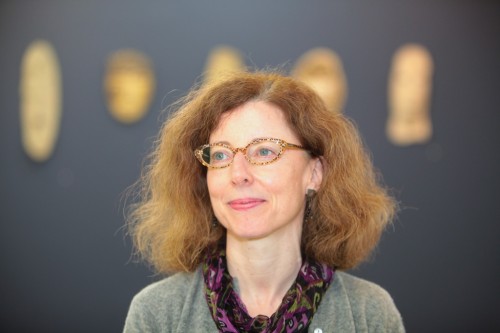
We were lucky to catch up with Janet Rothholz recently and have shared our conversation below.
Janet, appreciate you joining us today. Can you take us back in time to the first dollar you earned as a creative – how did it happen? What’s the story?
I have spent most of my adult life working a day job to support my art endeavors. For many years, I worked in the IT departments of a few different law firms affording me a steady paycheck and health benefits. My salary enabled me to study ceramics, buy materials, and make artwork.
I sold my very first piece to a co-worker who came to a show I was in, my very first, on Staten Island. He bought a hand-built coil vase for $50. At the time, I was shocked that someone would spend “so much money” on a piece I made. One hopes that co-workers will come and support a colleague’s artistic endeavors but not necessarily to put down money. But he did, and he still has that vase all these years later.
I must also mention the second show I did at which a fellow artist bought a $75 hand-built vase. This show was also on Staten Island. The fellow artist (a watercolor painter) and I were installed next to each other so we had lots of time to look at, and admire, each other’s work. I loved her watercolors, she loved a hand-built vase I was showing. I bought two of her watercolors (which hang in my bedroom to this day), and she bought a lovely white stoneware vase which she said would be a birthday gift for her sister. (It took several years for the sister to be gifted that vase.) A few years later, at a show in Brooklyn, this artist bought a second piece from me — one of my medium-sized ceramic masks.
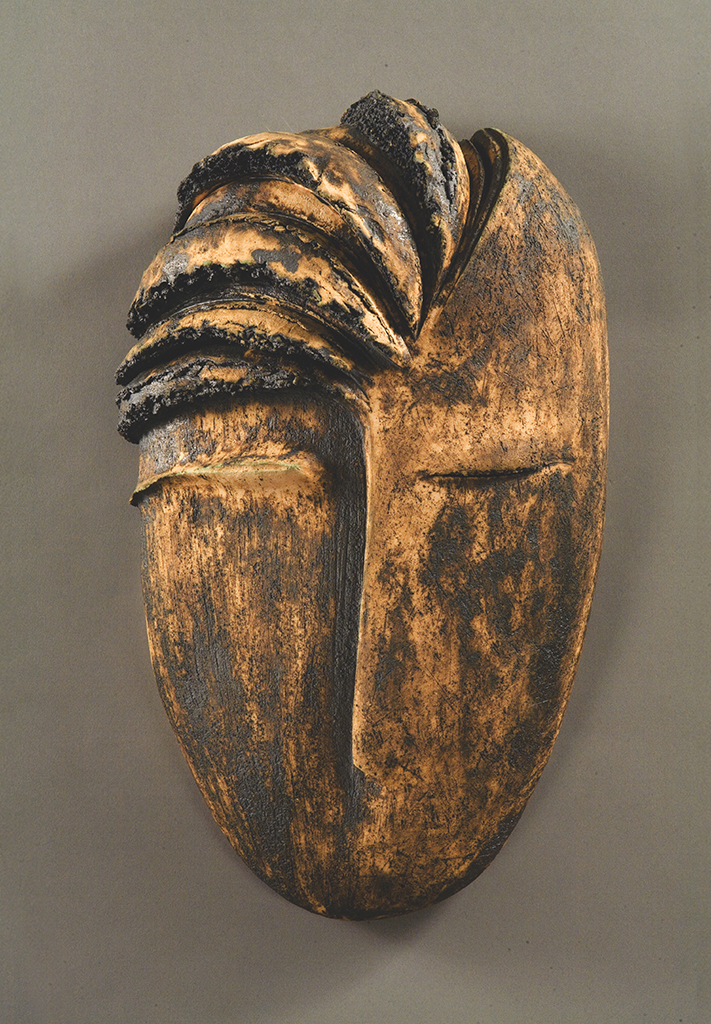
There have been other sales that I will always remember. For example, I had four small masks in an exhibit in Brooklyn that were all sold to one person. At another show at the same gallery, I sold three small mounted heads to an executive from Westchester. I sold a mask to someone who gave it as a gift to a friend of hers who was an executive with the Rainforest Alliance. (The mask was hung in one of the office’s conference rooms.) I once sold a small mask to a couple from Switzerland who happened to be visiting New York. And over the years, I have sold masks and heads to people who follow my work, people from other states, friends, co-workers, and a New York City judge.
Janet, before we move on to more of these sorts of questions, can you take some time to bring our readers up to speed on you and what you do?
I am a Bronx-born ceramic artist. While I was always a creative type, I didn’t start working in clay until I was in my early 20’s. A class at a local ceramic studio changed my life.
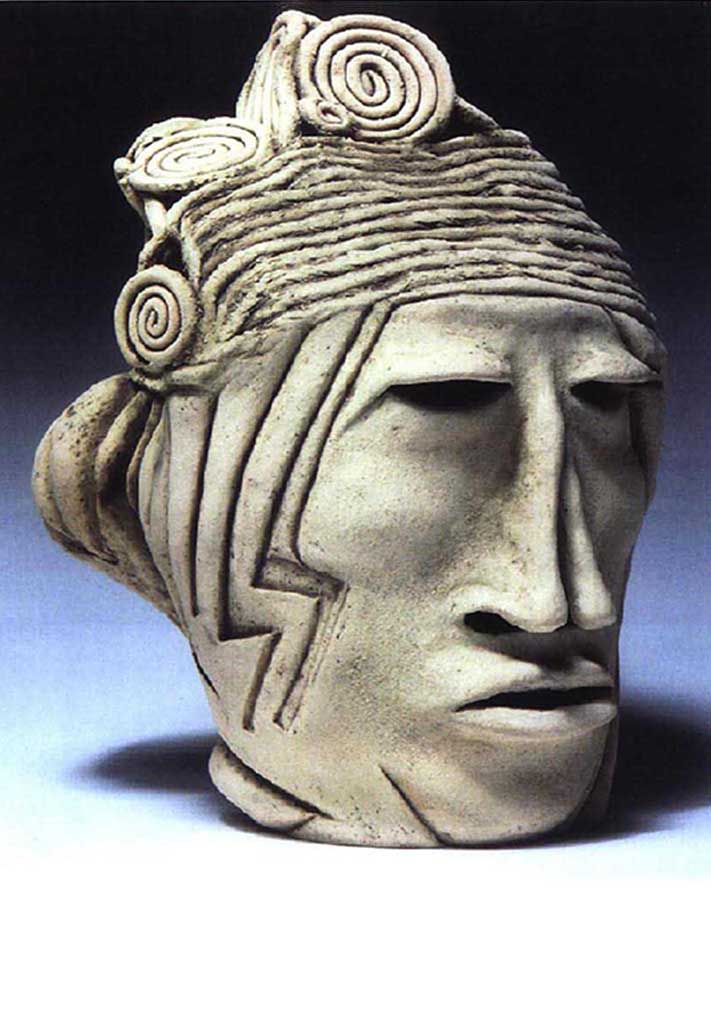
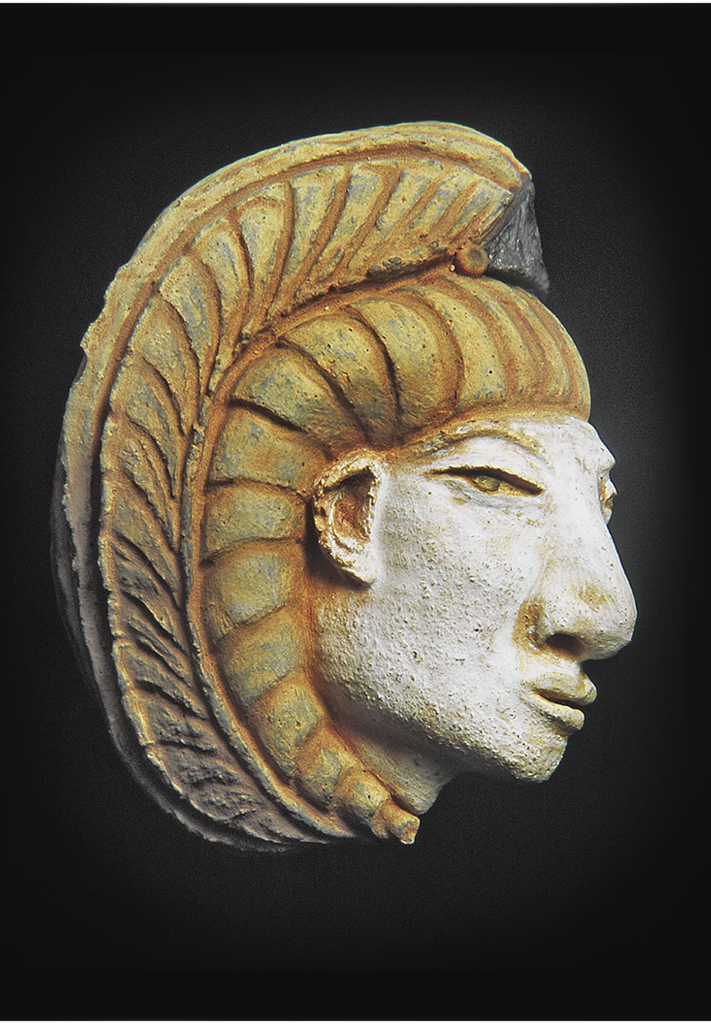
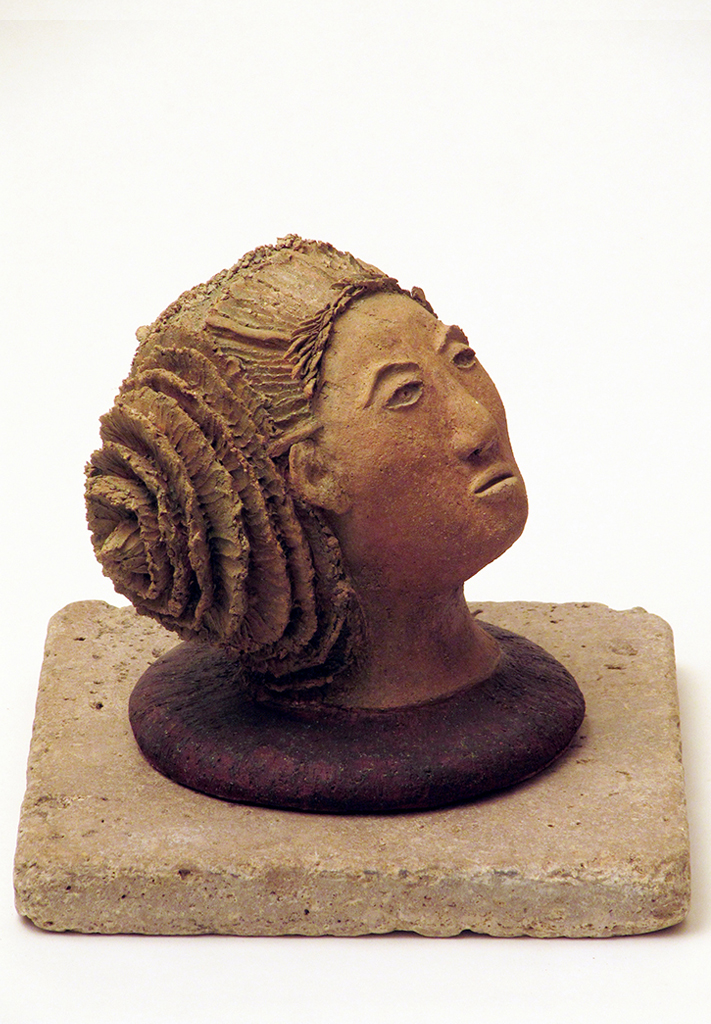
My early work consisted of functional vessels – vases, bowls, mugs. It was when I started taking a class at Greenwich House Pottery that my artistic trajectory changed. I was in a hand-building class making a rather large coil vase when suddenly the vase started morphing into a head. I went with it and finished my first head. From there, I started making masks, figures, and more heads. I came to realize that I had a world of people living inside of me and they were starting to appear as the ceramic masks and heads I was creating.
In general, I believe masks reveal as much as they conceal about who we are and where we come from. They can provide a rich framework for the expression of our inner and external lives — e.g., state of mind, emotions, experiences. One might ask if my masks and heads are art or part of my identity. I think both. They are my people and my language of creative expression.
My influences are varied. I derive inspiration from nature, music, and the world around me. I’m a people watcher and can be creatively inspired by people I see on a train, in the street or wherever I happen to be. I might see someone with an interesting face or hair or nose and make one of those elements the central part of a mask or head. I am particularly interested in cultural symbolism, or symbolic representations of cultural conventions, such as those involving fertility, life and death cycles, rites of passage, and ceremonial and funerary objects and vessels. My artistic sensibility is enriched by a “no walls” approach to art-making with my goal being to create works rich in form, texture, and depth, in the context of different cultural aesthetics.
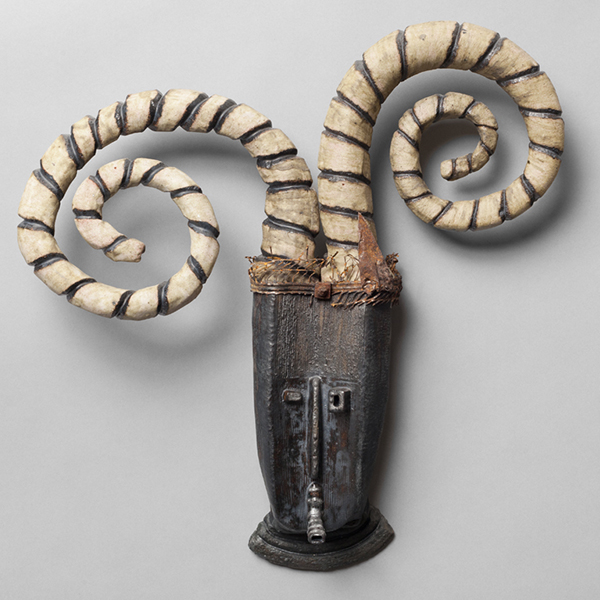
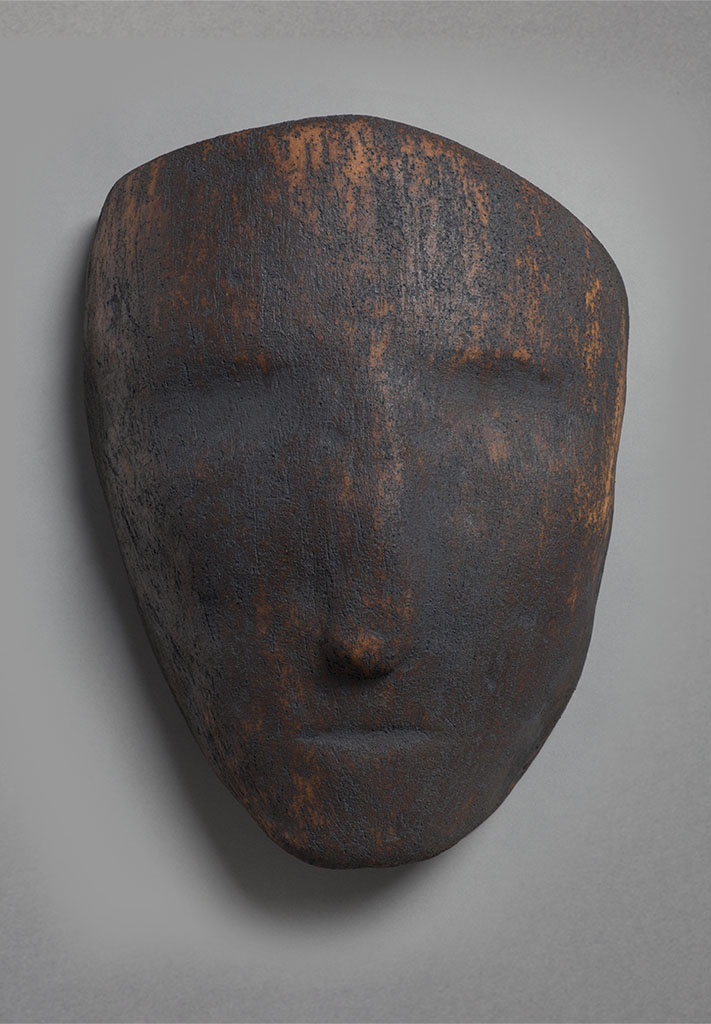
When it comes to finishing the surfaces of my pieces, I’m a non-traditionalist. I don’t like using glazes. I use them very sparingly. I mostly use washes, inks, acrylics, oil sticks, or shoe polish to add color. (I’ve been told I approach finishing my work in a very painterly way.) I tend to fire my pieces multiple times to achieve a specific look and feel. And I sometimes incorporate non-ceramic elements into my work – e.g., rusty metal, pieces of nature or other found objects.
I enjoy the sense of timelessness and ambiguity of my work. Are my pieces wood, metal or ceramic? Are they very old or new — just dug up or perhaps just made?
Can you share a story from your journey that illustrates your resilience?
I come from a working-class background and though my family never explicitly told me to give up on the arts, they didn’t understand what I was doing, equating it with kid stuff. In my parents’ minds, I should focus on becoming a teacher or a secretary, not an artist. I’ve always had to forge my own path in my own way with little support or encouragement from my family.
I never outgrew my need to create and found a way to incorporate creativity into my life. I’ve worked in the technology field most of my adult life but have always been able to find the time and energy to work full time and create art. Even through personal losses, setbacks, and the pandemic, I have always found my way back to making art because the drive to create was stronger than any grief or doubt.
I am always creating, exploring new techniques, and preparing for exhibitions and artistic opportunities.
What’s the most rewarding aspect of being a creative in your experience?
For me, the most rewarding aspect of being an artist is talking about my process with viewers. I enjoy explaining how I fire pieces multiple times and use oil sticks, acrylics, and inks to add color to some of my work, instead of glazes. I am tickled when I see viewers marvel over how I added rusty metal to pieces or how I made a piece look like burnt wood and not fired clay.
I also really enjoy watching children talk to some of my masks as though they, too, see them as people and are moved to communicate.
Contact Info:
- Linkedin: https://www.linkedin.com/in/janet-rothholz-7a62775/
- Other: jrothholz@gmail.com
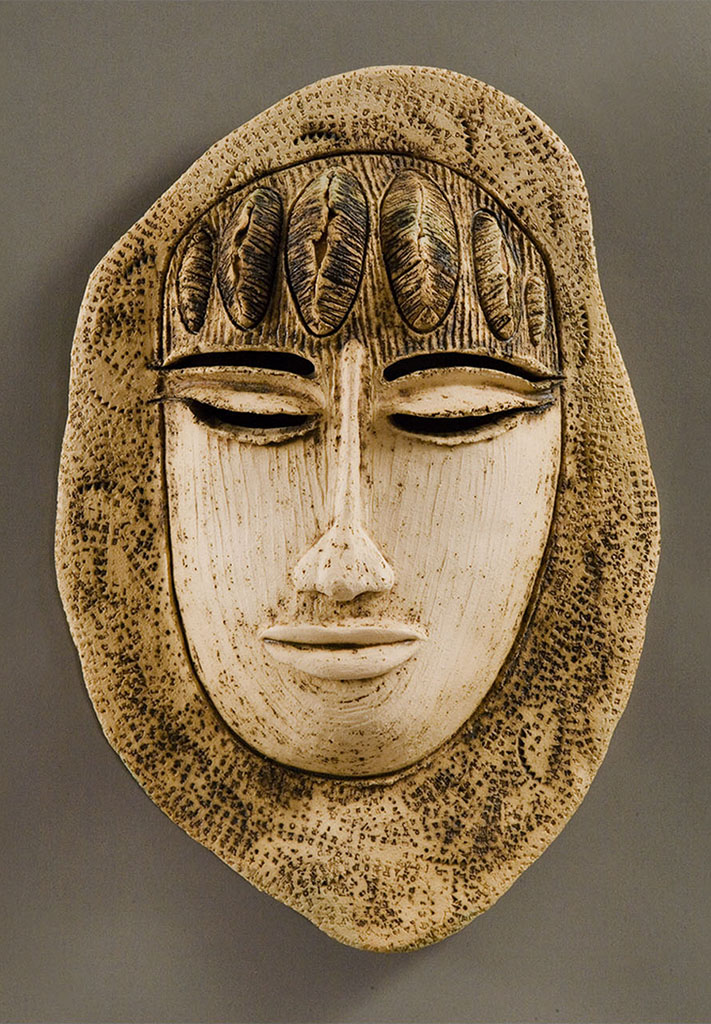
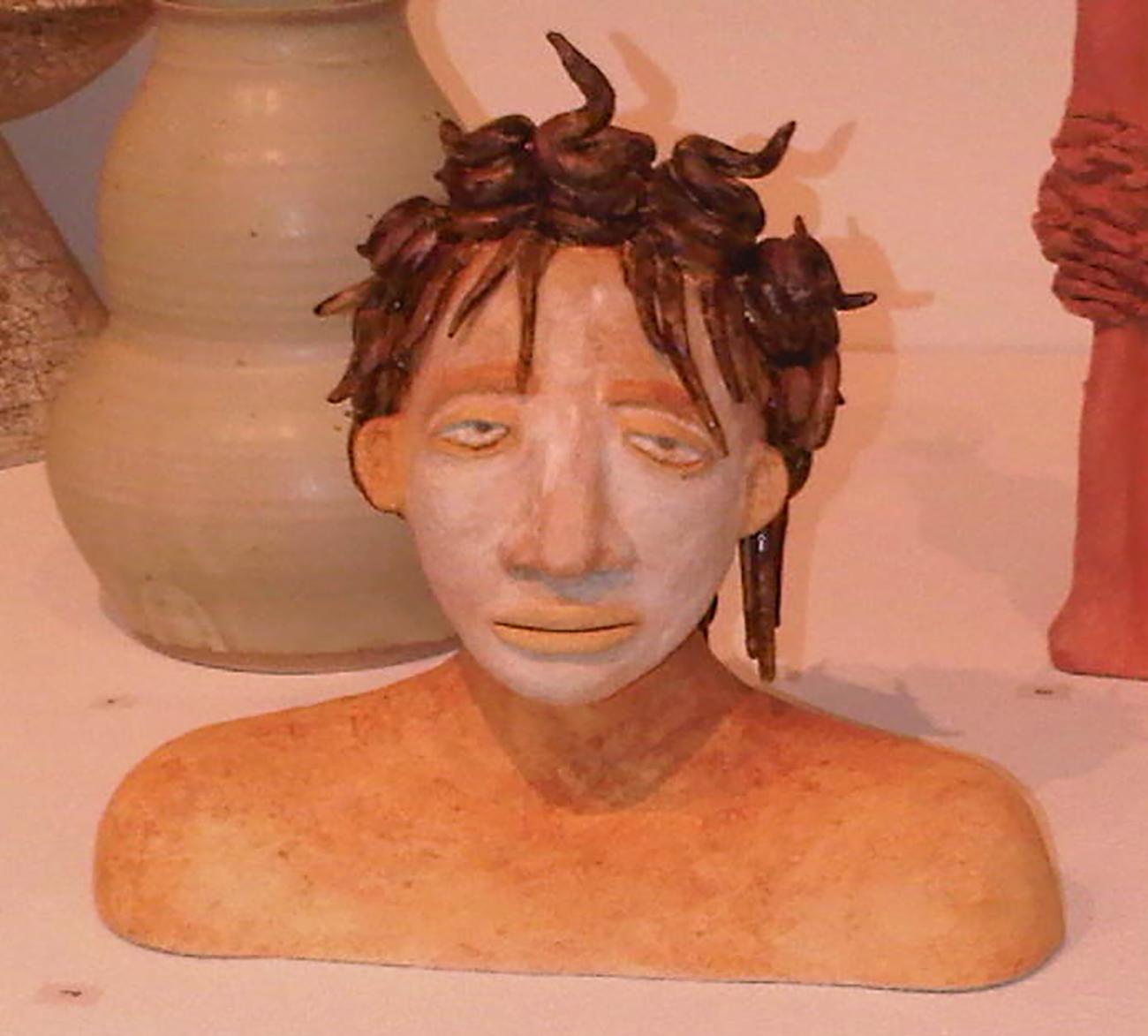
Image Credits
Steven Tucker; Kevin Noble; Fredericka Ribes