

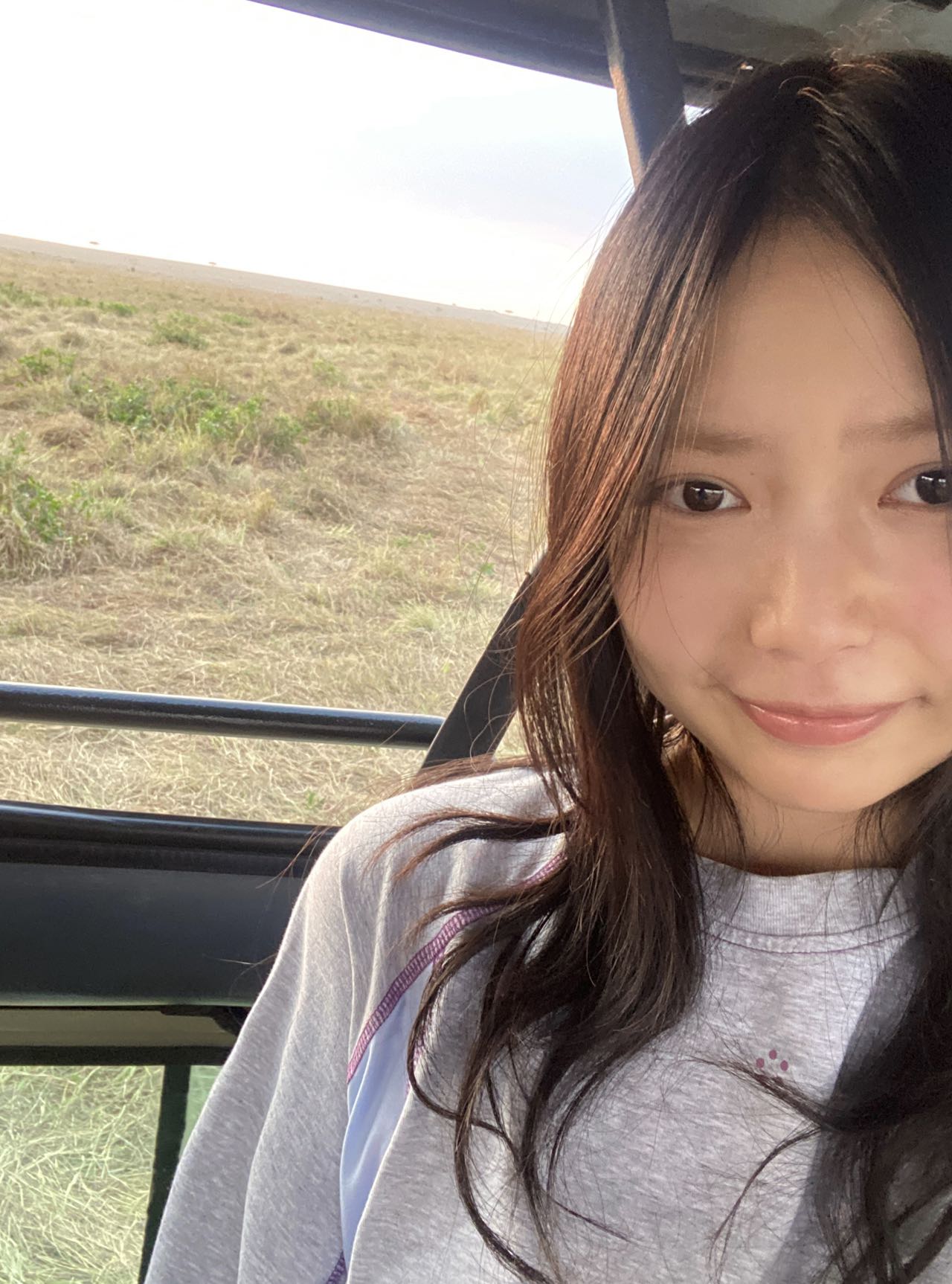

We caught up with the brilliant and insightful Yuhan Cui a few weeks ago and have shared our conversation below.
Yuhan , looking forward to hearing all of your stories today. Did you always know you wanted to pursue a creative or artistic career? When did you first know?
My decision to pursue an artistic path stemmed from a series of turning points, particularly my experiences moving between cities. These experiences profoundly shaped my perspective and creative direction. Growing up in Northeast China, a region of rich cultural diversity, I first encountered the nuances of cultural differences. As a child, I used my drawings to capture overlooked details in daily life, a sensitivity that gradually became essential to how I understand the world.
Living in Beijing, I was captivated by the tension between its ancient hutongs and rapidly modernizing urban landscapes. The coexistence revealed that cities are more than physical spaces; they embody social relationships, cultural symbols, and power structures. Later, in Shanghai, colonial architecture and abandoned industrial sites deepened my understanding of temporality and cultural layers. These environments led me to question how urban spaces shape our lives and reflect broader societal mechanisms.
Art allows me to break free from conventional frameworks and explore the complex relationships between culture, identity, and space. Inspired by Zygmunt Bauman’s concept of modernity’s fluidity and uncertainty, I sought to address how these dynamics affect individuals and society. David Harvey’s ideas also influenced me profoundly; he sees cities as spatial expressions of social relations, with art serving as a critical tool for understanding them. This perspective pushed me to see art as more than a means of creating beauty—it provides a lens through which to understand the world.
Through my work, I strive to amplify voices overlooked by mainstream narratives and use visual language to encourage reflection on our lives and environments. From that moment, my creations moved beyond aesthetics, focusing on social realities, and fostering deeper connections with the audience.
Yuhan , before we move on to more of these sorts of questions, can you take some time to bring our readers up to speed on you and what you do?
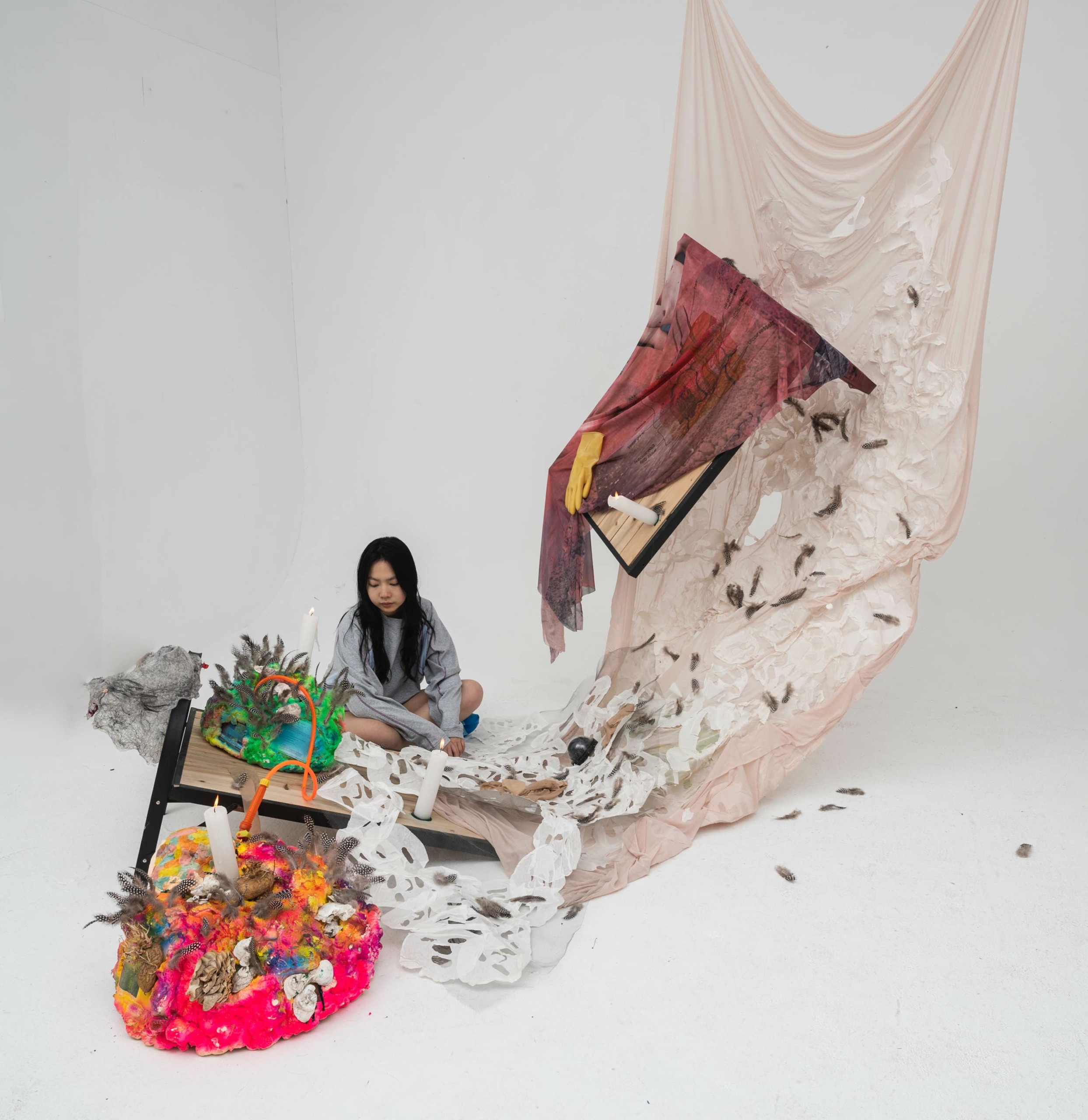
I am an artist who considers art a tool for social research. My work explores the complex relationships between society and space, culture, and identity through visual language, with a focus on how contemporary societal structures shape individuals and cultures. I am particularly interested in how urban spaces function as symbols of social power while using art to highlight the perspectives of marginalized voices often overlooked in mainstream narratives. For example, many of my project’s center on abandoned buildings, informal economies, and marginalized communities—elements frequently ignored yet rich with social and historical memory.
In my practice, I am drawn to the philosophical concept of fluidity. Its intangible and temporal dimensions offer a powerful metaphor for understanding the complexities of modern society. Through this lens, I examine how physical spaces interact with social structures. Walter Benjamin’s view of cities as archives of modern civilization has been a profound influence, inspiring me to uncover stories from the edges of these archives through art.
The strength of art lies in its ability to transcend linguistic and cultural boundaries, fostering connections among people from diverse backgrounds. Working across multiple media, I magnify subtle details of daily life to reveal larger social issues. My work serves as both a visual expression and a critical exploration of societal challenges, encouraging people to reevaluate the structural forces and power dynamics embedded in everyday life.
For you, what’s the most rewarding aspect of being a creative?
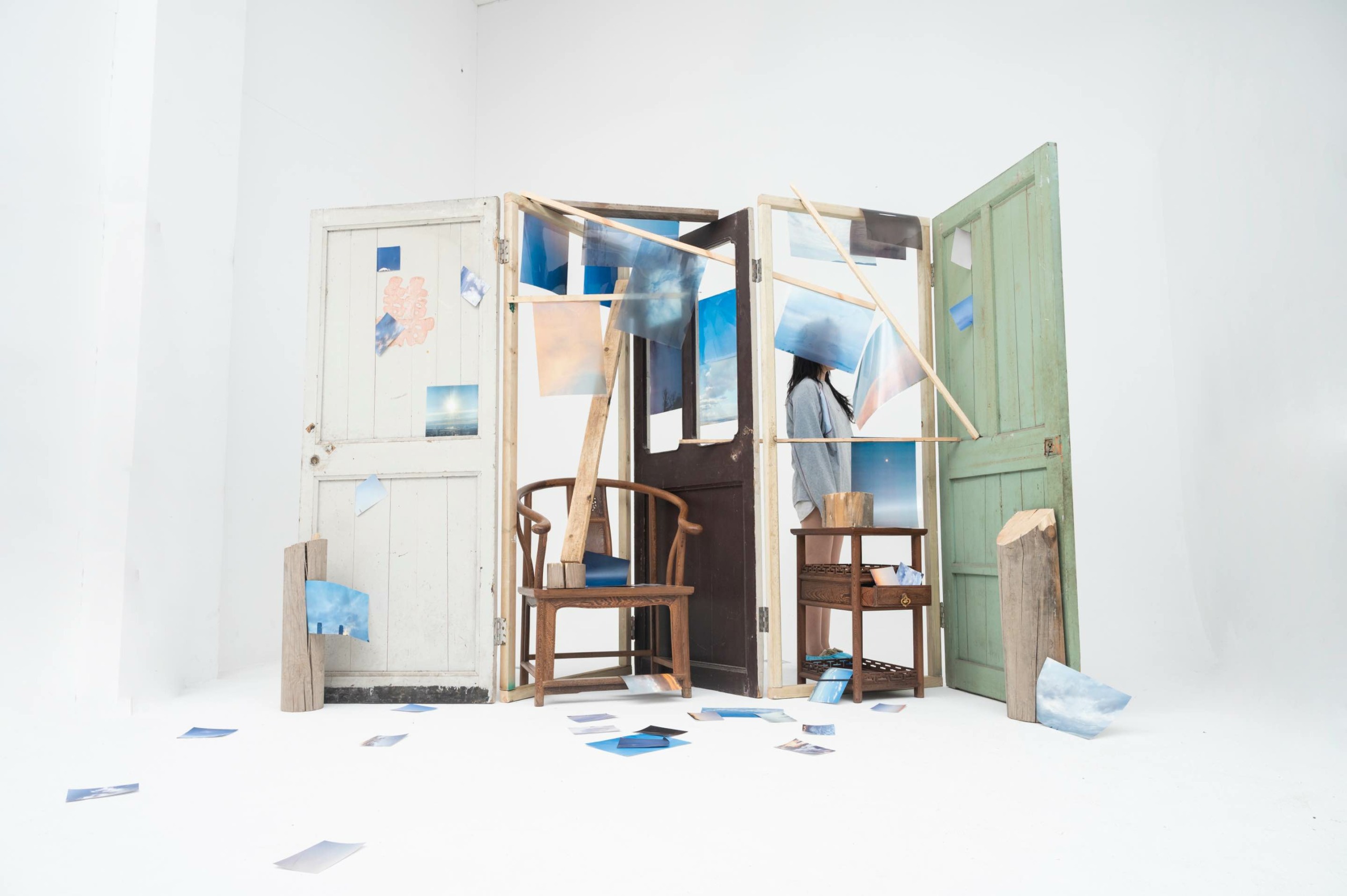
For me, the most rewarding aspect of being an artist is fostering connections that cross language and cultural boundaries. When viewers stand before my work and begin to rethink the social structures and environments they inhabit, I feel a profound sense of fulfillment. It is a connection that goes beyond visual enjoyment, sparking intellectual engagement and reflection.
I recall an exhibition where a viewer shared that she had never noticed the marginalized or overlooked aspects of her city’s spaces until seeing my work. It prompted her to pay attention to the seemingly ordinary scenes in her daily life. Such feedback strengthens my belief in art’s ability to help people notice overlooked details and rethink their place in society.
The act of creating art holds just as much value for me. While it is often filled with challenges and moments of self-reflection, it allows me to explore my relationship with the world in meaningful ways. Each completed piece reflects a more nuanced understanding of an issue, and the discovery process is irreplaceable.
Art also provides the freedom to think critically. Through my work, I challenge established power structures and societal norms, uncovering truths that mainstream narratives tend to obscure. This critical perspective pushes my work beyond aesthetics, fostering a dialogue with the realities of society.
I am confident in the transformative potential of art. While it cannot solve problems directly, it can draw attention to important issues and open pathways to solutions. The possibility of driving such change is both inspiring and a driving force behind my practice.
Is there mission driving your creative journey?
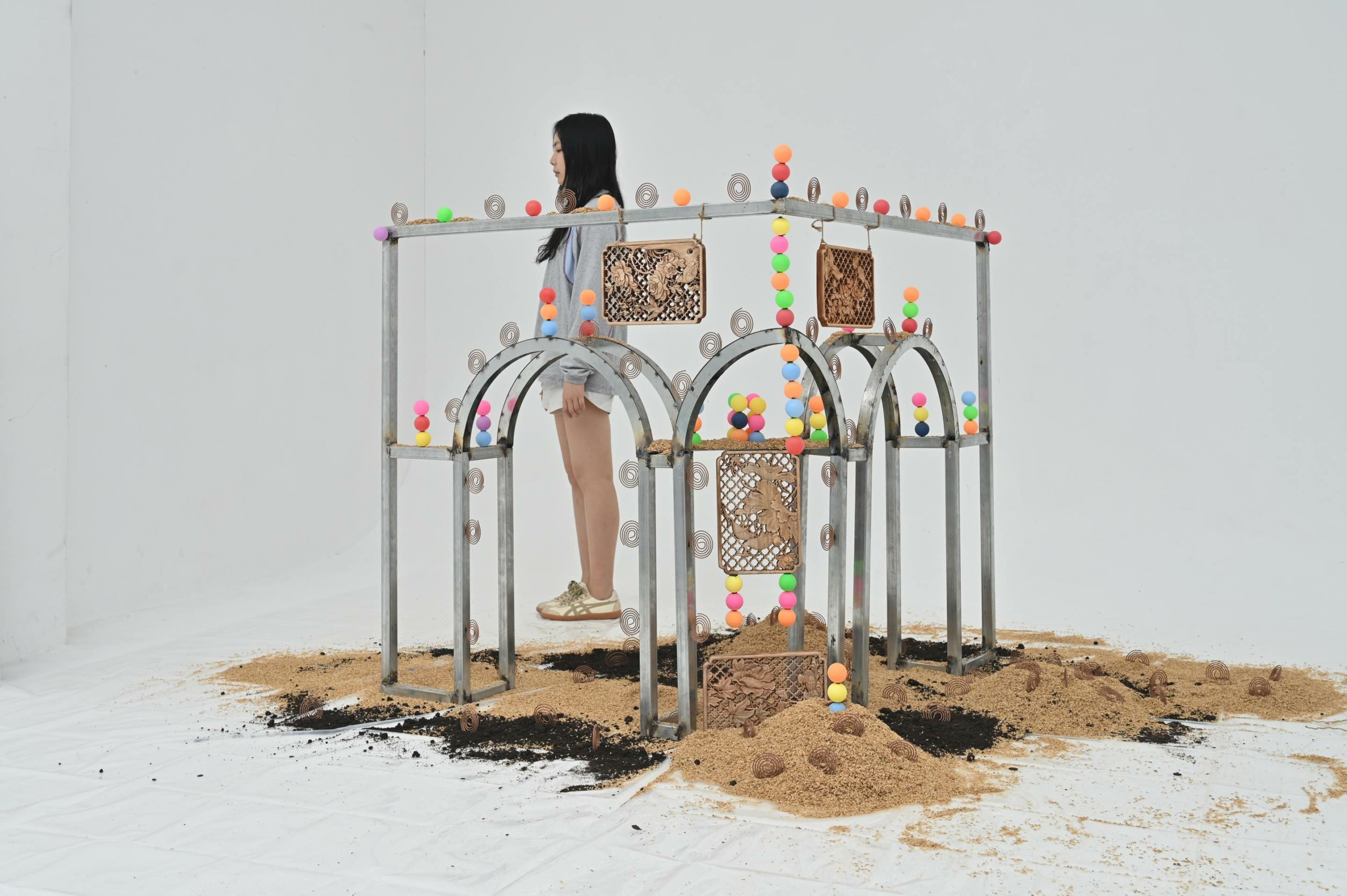
My creative practice seeks to redefine the value of marginalized elements in society and uncover the structural inequalities embedded in daily life. Through the language of art, I work to break the invisible boundaries between culture and society, providing a platform for overlooked voices.
Contemporary society faces challenges including cultural homogenization through globalization and conflicts between ecology and humanity during urbanization. Additionally, the alienation of individuals and resources under capitalism continues to shape our way of life. These issues motivate me to explore the role of art in responding to them. I see art as both a mirror to reality and a medium for engaging audiences in critical reflection on their surroundings.
One of my goals is to examine the relationship between space and society. I focus on marginalized urban elements overlooked during modernization—such as abandoned industrial sites, informal settlements, and natural ecosystems. These spaces, often neglected, hold rich social and historical meaning. Through my work, I reassign value to these places and bring their stories to light.
I also strive to challenge audiences’ ideas about cities and culture. In my projects, viewers are not passive spectators but participants in a dialogue. Through art, I create spaces where they can reevaluate their environment and reflect on their connections to social systems.
I strive to use art to foster diversity and inclusivity. I believe art can transcend linguistic, cultural, and social boundaries, offering more people opportunities for expression. In future projects, I will continue to explore these themes and use my work to foster conversations with the world.
Contact Info:
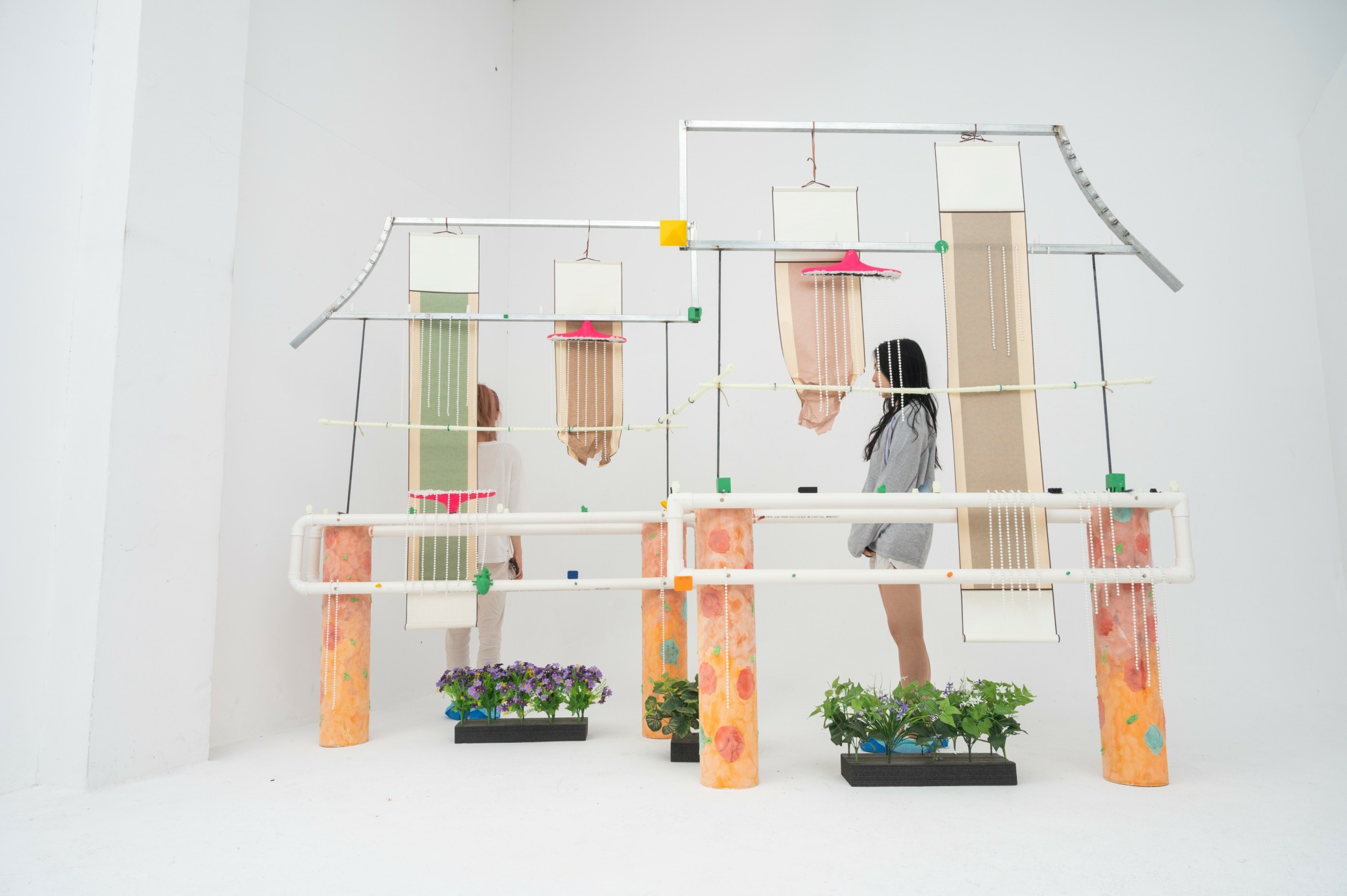
Image Credits
n/a