Today we’d like to introduce you to Aaron Wisniewski
Alright, so thank you so much for sharing your story and insight with our readers. To kick things off, can you tell us a bit about how you got started?
My story might sound a bit chaotic, but the one constant has always been my passion for taste and smell. It all started when I fell in love with cooking as a kid, which led me to start working in a professional kitchen by the time I was 13. From there, I went to culinary school and studied food science, spending the next 10 years as a professional chef, sommelier, and bartender/mixologist.
What intrigued me most, though, wasn’t just food and drink—it was the science of aroma and how it affects not only flavor but our thoughts, feelings, and behaviors. After a decade of exploring that in the culinary world, I founded my first company, Alice & the Magician, which used my expertise to create unique flavors and beverage formulas.
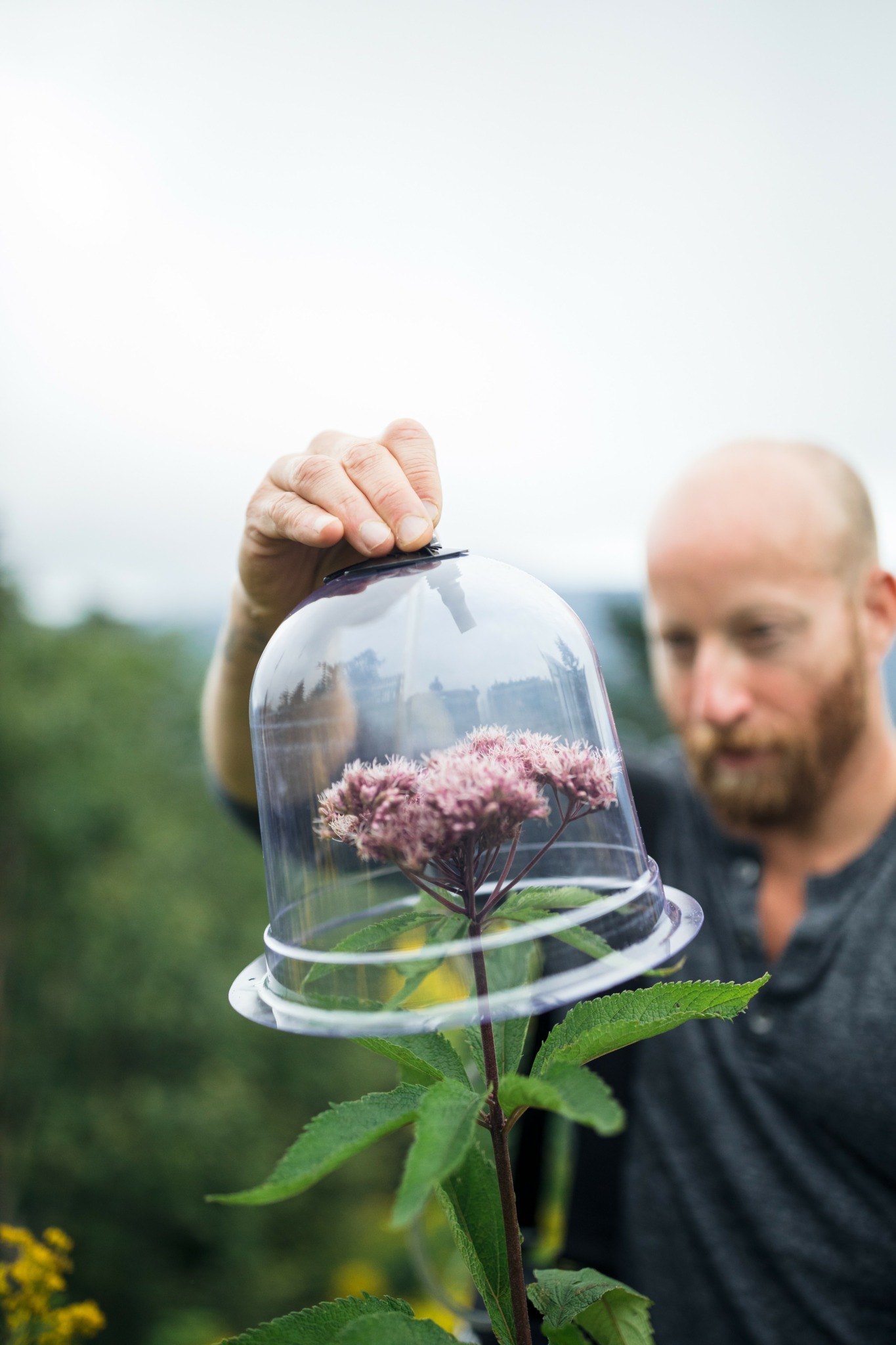
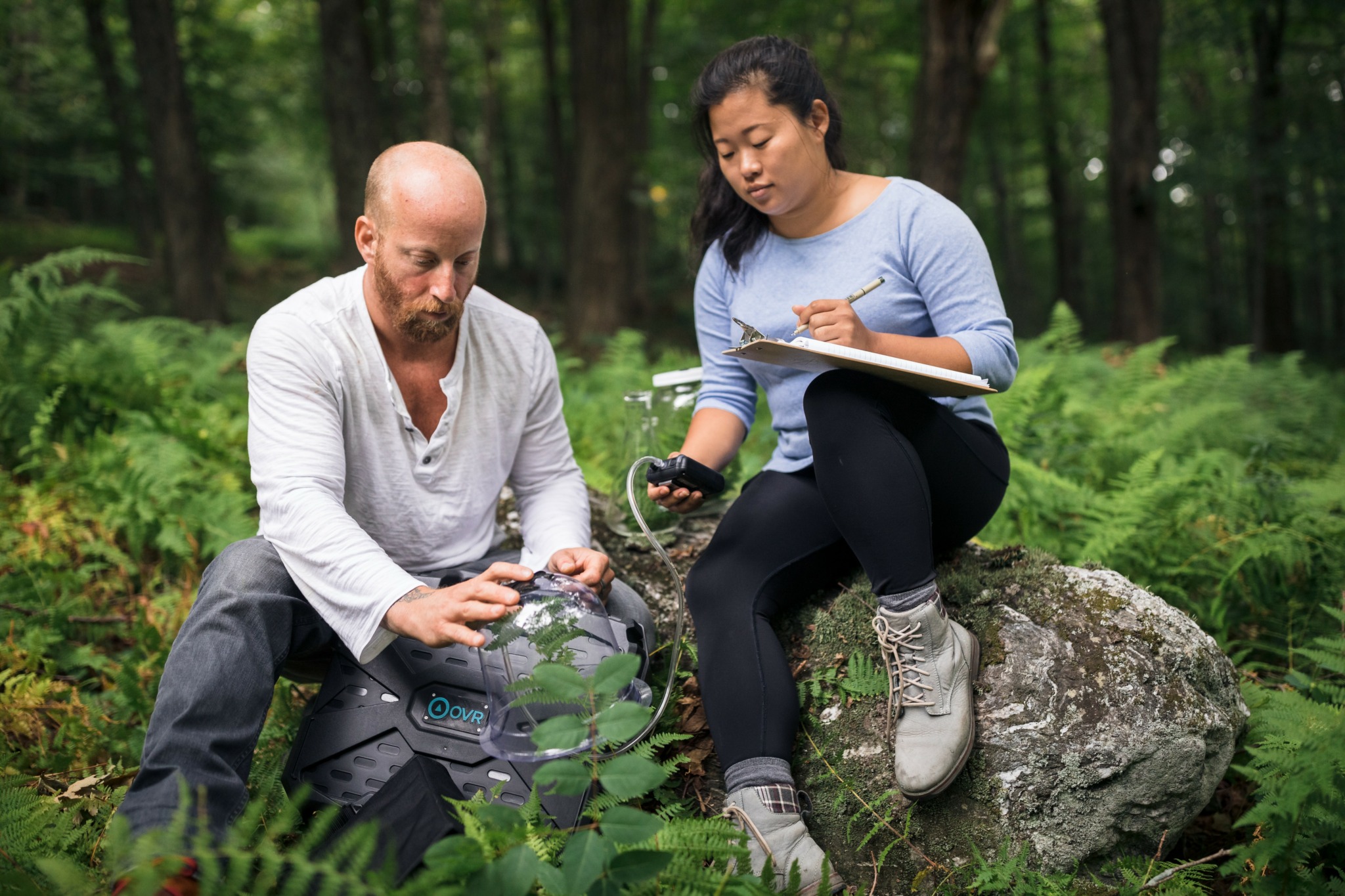
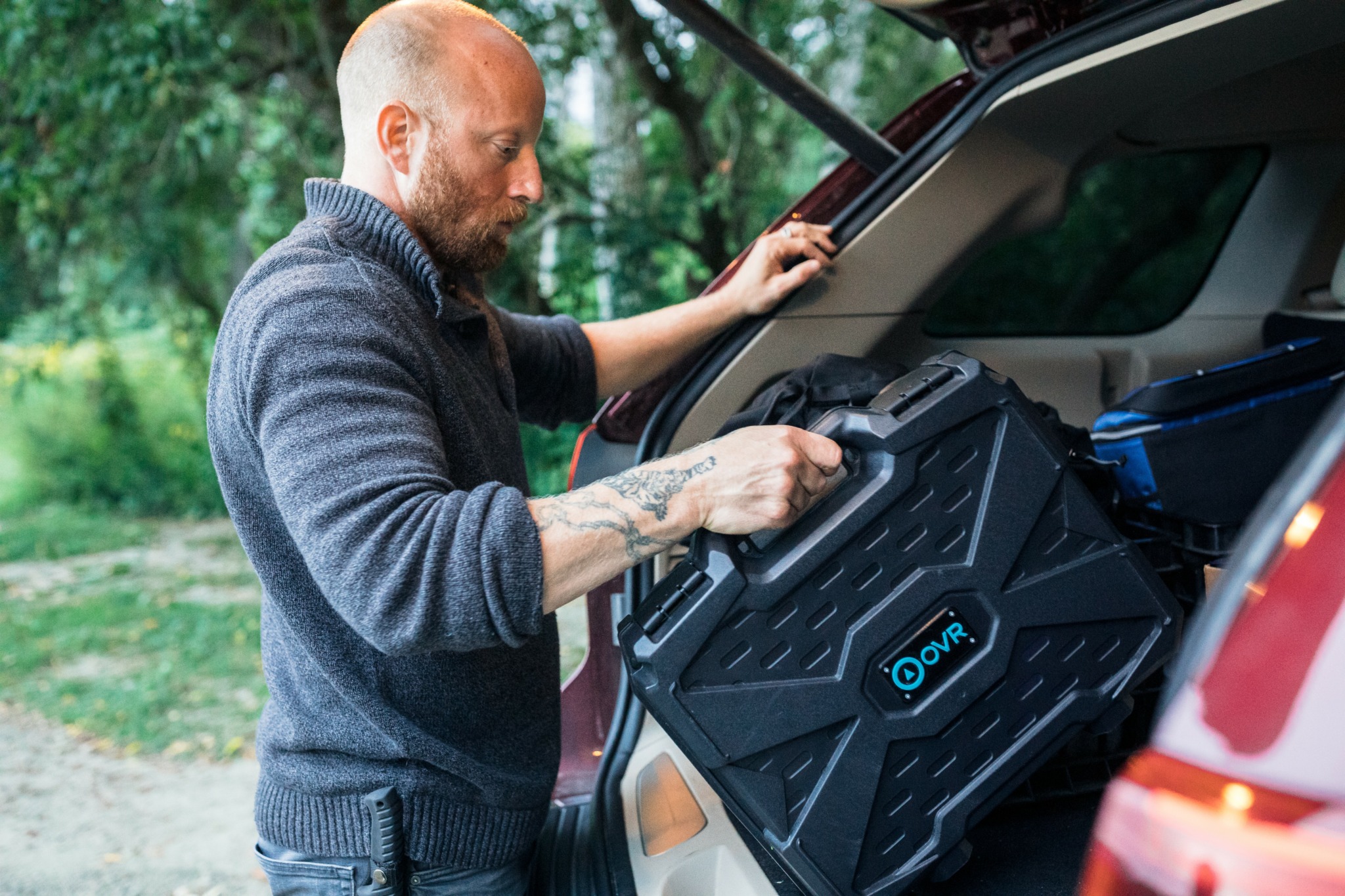
Over time, I began to see connections between food, beverage, technology, and immersive experiences, which pushed me into new territory. In 2018, I launched a tech company called OVR, where we successfully digitized the sense of smell for the next wave of digital media. After a partial exit from OVR, Alice & the Magician evolved into a “sensory design lab,” expanding beyond beverages to create multi-sensory experiences and products, from consumer goods to immersive art.
Today, our mission is simple: to enhance lives through the art and science of smell and taste. In a world that’s becoming more digital by the day, I believe it’s more important than ever to stay grounded in our senses.
Alright, so let’s dig a little deeper into the story – has it been an easy path overall and if not, what were the challenges you’ve had to overcome?
The road has been anything but smooth and predictable! Starting a company in a field that blends science, flavor, and tech is a little uncommon so there was not a roadmap to follow. Early on, I faced a lot of skepticism. People didn’t always understand the deep connection between aroma and how it affects our emotions, thoughts, and behaviors. Explaining that, and convincing others of its potential, was a constant uphill battle.
On the technical side, developing technology around scent and sensory experiences was another layer of difficulty. We weren’t just creating flavors; we were inventing new technical solutions. There was no playbook, so we had to figure things out as we went, from creating new devices to digitizing scent.
Raising funding was another challenge. Convincing investors to back something they couldn’t easily grasp was tough. It took a lot of persistence to get people on board with an idea that didn’t fit into the traditional molds of food, beverage, or tech.
Balancing the artistic, creative side of sensory design with the hard business realities of running and scaling a company has been another learning curve. But every obstacle has only sharpened my focus. The struggles forced me to really understand the “why” behind what we do—and that’s what keeps me moving forward.
As you know, we’re big fans of Alice & the Magician Sensory Design. For our readers who might not be as familiar what can you tell them about the brand?
Alice & the Magician is a sensory design lab that focuses on one thing: leveraging smell and taste to create products and experiences that people fall in love with and resonate on a deep level. While our roots are in flavor and beverage design, we’ve evolved into something much more. We specialize in creating multi-sensory products and experiences, from bespoke beverages to immersive scent-based installations and a variety of different consumer products.
What sets us apart is our unique approach to integrating scent, flavor, consumer psychology and neuroscience in a way that is both emotionally impactful and scientifically grounded. We think of smell and flavor as a tool to provoke a certain thought, feeling, or behavior and by starting at that endpoint and working backwards, it creates more meaningful result.
We believe that aroma has the power to change your mood, spark memories, and create a sense of place and belonging. It’s a profound tool for storytelling and storytelling is at the root of successful products and experiences.
Our obsession with the science of sensory perception, and how we creatively apply that science to push the boundaries of what’s possible in food, drink, and sensory experiences is uncommon even in an industry that is rooted in science. As a TED speaker, published author, Researcher, and creative, I am consistently pushing the boundaries of our understanding of sensory science and how to to that to work for our customers and ourselves.
I’m quite proud that we’ve managed to be relatively successful by breaking away from the conventional way of doing things and blurring the lines between science, art, and business in everything we do. Whether it’s a custom flavor for a brand or a scent designed for an immersive event, we’re always thinking about how to tell stories through sensory elements.
Is there any advice you’d like to share with our readers who might just be starting out?
My biggest piece of advice is to know your ‘why.’ And I don’t mean on some deep, philosophical level—I mean, understand which of the two entrepreneur types you are: are you in it for the game of money or are you obsessed with creation? Others, like myself, are compelled to create for the sake of creation itself. We start with inspiration and turn it into a viable business. The other type of entrepreneur is focused entirely on the economics. Knowing which type of entrepreneur you are helps guide your decisions and keep you grounded when challenges arise.
Beyond that, understand your own risk tolerance. You need to push your limits without traumatizing yourself. Personally, I’m comfortable with higher-risk situations, but that’s not the right path for everyone. Figure out what level of risk you can manage and still thrive.
Also, trust yourself, but always listen to your customers. They’ll tell you what’s working and what isn’t, often in ways you don’t expect. But be wary of advice from anyone who isn’t a paying customer. While well-meaning, most of it is 90% useless.
Finally, fail cheaply and fail quickly. Test a lot of ideas without investing too much time or money into any single one. You’ll know when you’ve found the one that works. The faster you can identify what doesn’t work, the quicker you’ll get to success.
Contact Info:
- Website: https://www.aliceandthemagician.com
- Other: https://drinkguinep.com