

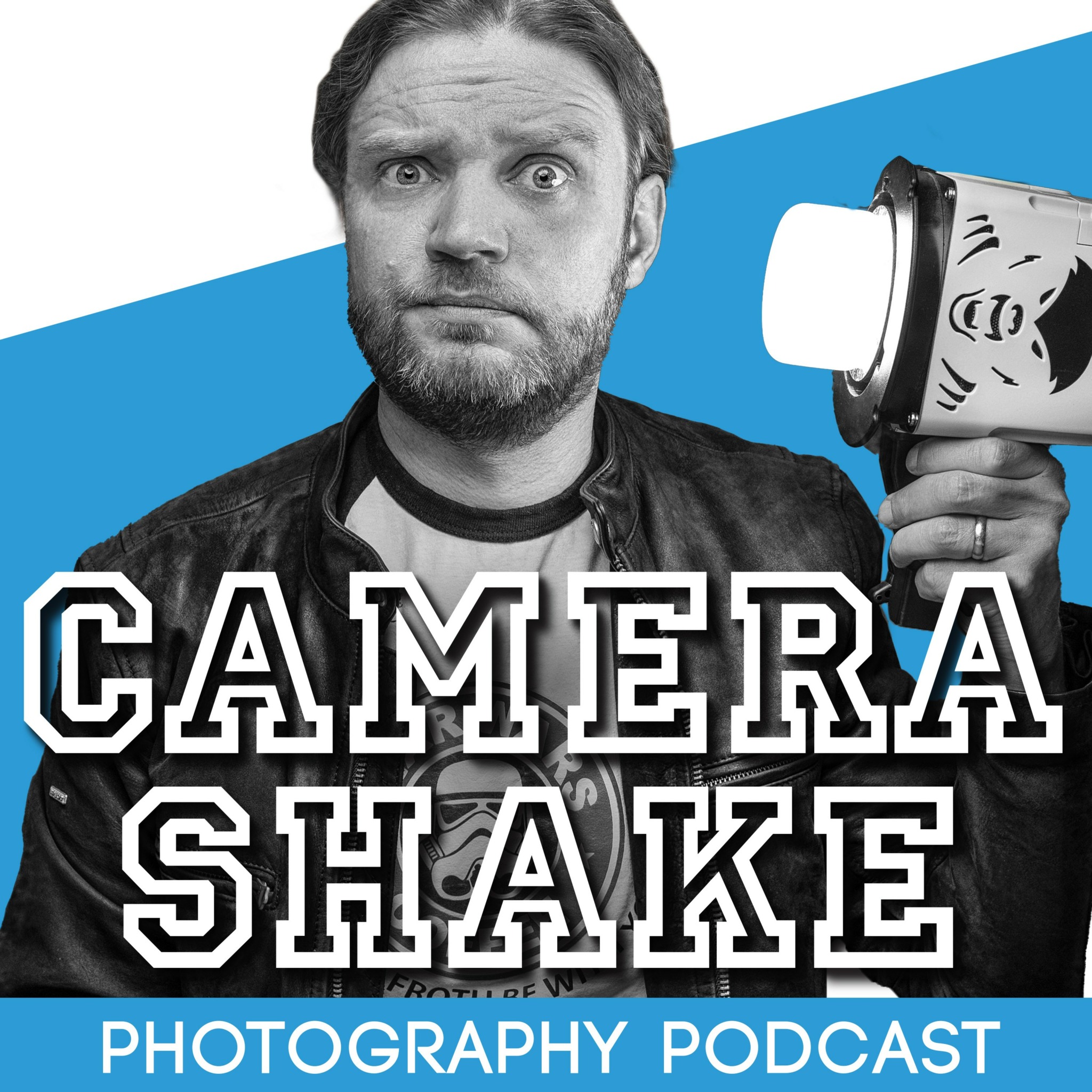

Today we’d like to introduce you to Kersten Luts
Hi Kersten, we’re thrilled to have a chance to learn your story today. So, before we get into specifics, maybe you can briefly walk us through how you got to where you are today?
Photography has been lurking in my family for at least three generations, starting with my grandmother, who dived head first into this newfangled fad back in 1938. Little did she know, this was to become a family “curse” that ensnared my dad and has left me little room for escape, even 90 years later. Now, here I am, trying to pass on this tradition to my kids, as if I’m handing them a torch that’s already burned my fingers. Before succumbing to the family legacy, I spent over 20 years in the music industry as a session musician. I really gave it my all, cranking out riffs and licks like there was no tomorrow. But then, about a decade ago, life threw me a curveball, and the “curse” of photography finally caught up with me. I found myself being dragged—kicking and screaming, mind you—into the world of commercial photography. Truth be told, I was hooked the moment I opened the box of my first camera. As a teenager, I flirted with filmmaking, rebelling against stills photography in my quest to become the next Steven Spielberg. Who wouldn’t want that? Even as I played countless shows as a hired guitar slinger, I became increasingly obsessed with lighting and visuals, so trading my guitar for a camera probably didn’t raise too many eyebrows. After a few years of shooting my friends and former bandmates performing, I had an epiphany: there’s a whole world beyond the gritty, sweat-drenched venues that deserves to be photographed. And just like that, the foundations for my life in commercial photography were laid—at least until the world turned upside down.
Fast forward to a couple of years ago when a global pandemic decided to crash the party. My business, primarily focused on the international conference sector, took a nosedive as events went into hibernation for what felt like an eternity. Suddenly, my diary was emptier than a bar at last call, and I found myself binge-watching Netflix, diving into Marvel movie marathons, and enduring countless Zoom quizzes. However, that got old VERY quickly.
After two weeks of that monotony, I realized I needed a creative outlet, and so “The Camera Shake Photography Podcast” was born. I figured there must be others out there in the same boat, and helping fellow photographers through enlightening chats with industry pros sounded like a worthy pursuit. At that point, my main audience consisted of my dog and my mum (the cat was definitely unimpressed), but at the very least they seemed to appreciate my efforts.
Fast forward four years, and the podcast has blossomed into something I never imagined. With around 230 episodes and a roster of incredible creative talents as guests, I’m continually amazed by how this little show has evolved. It’s also opened up unexpected doors for me, leading to opportunities like speaking at The Photography Show and collaborating with various brands and sponsors across the photography industry. Honestly, no one is more surprised than I am at how far we’ve come.
We all face challenges, but looking back would you describe it as a relatively smooth road?
Creating a podcast hasn’t exactly been a walk in the park—it’s more like a slippery slope greased with baby oil for good measure (who needs baby oil…?). I’m sure most budding podcasters think you just hit “record” and let the magic happen. Turns out, magic doesn’t just materialize without a little effort! The early days involved more trial and error than I care to admit, from wrestling with audio equipment that seemed to have a mind of its own to figuring out how to keep my guests from sounding like they were recording from the bottom of a well.
Then there were the technical hiccups. Let’s just say that my first few episodes were a delightful symphony of awkward pauses, accidental edits, and the occasional rogue dog bark making a cameo. There were plenty of moments where I thought, maybe I should stick to photography. Not to mention the constant juggling act of scheduling guests, many of whom had busier calendars than I did.
Oh, and let’s not forget the pressure of producing content regularly. I quickly learned that consistency is key in the podcasting world, which meant finding time to record, edit, and promote while also managing a full-time job. There were days when I felt like I was trying to run a marathon while juggling flaming torches – exciting but slightly terrifying.
But amidst the chaos, I found that each struggle taught me valuable lessons. Those early blunders turned into stepping stones, helping me refine my skills and develop a process that works for me. I learned to embrace the imperfections, recognizing that the authenticity of my podcast resonated with listeners. So while the road hasn’t been smooth, it’s been an incredible journey filled with growth, laughter, and the occasional facepalm moment. And honestly, who doesn’t love a good underdog story?
Actually, many, many facepalm moments.
As you know, we’re big fans of you and your work. For our readers who might not be as familiar what can you tell them about what you do?
As an artist, I specialize in headshot photography, with a particular flair for my signature “Three Heads in a Row” style of portraits. This approach allows me to capture the essence of my subjects while emphasizing their unique personalities in a way that’s both engaging and visually striking. My goal is to create images that tell a story at a glance, showcasing not just a face but the character behind it.
What sets me apart in this crowded field is my ability to connect with my subjects on a personal level, making the entire process feel more like a collaborative adventure than just another photoshoot. I focus on creating a relaxed atmosphere, allowing clients to shed their nerves and reveal their authentic selves.
I’m particularly proud of how my “Three Heads in a Row” portraits have resonated with clients. This style not only showcases multiple expressions and angles but also captures the essence of who they are in a dynamic way. It’s like a mini-exhibition of their personality, brought out across a triptych of frames. Plus, the reactions I get when clients see their photos for the first time—when their faces light up like kids on Christmas morning—are priceless.
Ultimately, I believe it’s this blend of technical skill, a relaxed approach, and a deep understanding of human expression that sets me apart from others in the field. Whether it’s a corporate headshot or a creative portrait, I strive to ensure that every image tells a unique story.
Where do you see things going in the next 5-10 years?
Looking ahead to the next 5-10 years, I see some exciting shifts on the horizon for the photography industry. With technology evolving at breakneck speed, we’re likely to witness a continued integration of advanced tools, like AI and machine learning, that will revolutionize how we capture and edit images. Imagine software that can intuitively enhance lighting or even suggest the best angles based on the subject’s mood! While some might fear this as a threat to creativity, I see it as an opportunity to elevate our art forms and streamline our workflows, allowing us to focus more on the storytelling aspects of our work.
Another trend I foresee is the growing demand for authentic and relatable imagery. In an age of polished perfection, audiences are craving realness—images that capture genuine moments and emotions. This shift is already evident in the rise of candid photography and lifestyle branding. For headshot photographers like myself, it means honing the ability to convey personality and authenticity in a way that resonates with clients. Clients will increasingly seek photographers who can deliver not just a picture but a narrative that speaks to their audience.
I think that the need for professional headshots in anything but the low-cost segment will continue to grow. Companies will want their employees to have high-quality images that reflect their brand identity, leading to an increased demand for personalized and engaging portraits. This means more opportunities for photographers to adapt and expand their services, whether through in-person shoots or virtual sessions.
I’m convinced that the future of photography looks promising, filled with innovation, authenticity, and sustainability. As artists, we’ll need to remain adaptable, embracing these changes while staying true to our creative visions. Never before have the tools we use evolved at such breakneck speeds. It’s an exciting time to be part of this evolving landscape!
Contact Info:
- Website: https://www.camerashakepodcast.com
- Instagram: https://www.instagram.com/threeheadsinarow
- Facebook: https://www.facebook.com/groups/camerashakepodcast
- Twitter: https://x.com/ShakeCamera
- Youtube: https://www.youtube.com/camerashake
- Other: https://www.kerstenluts.com
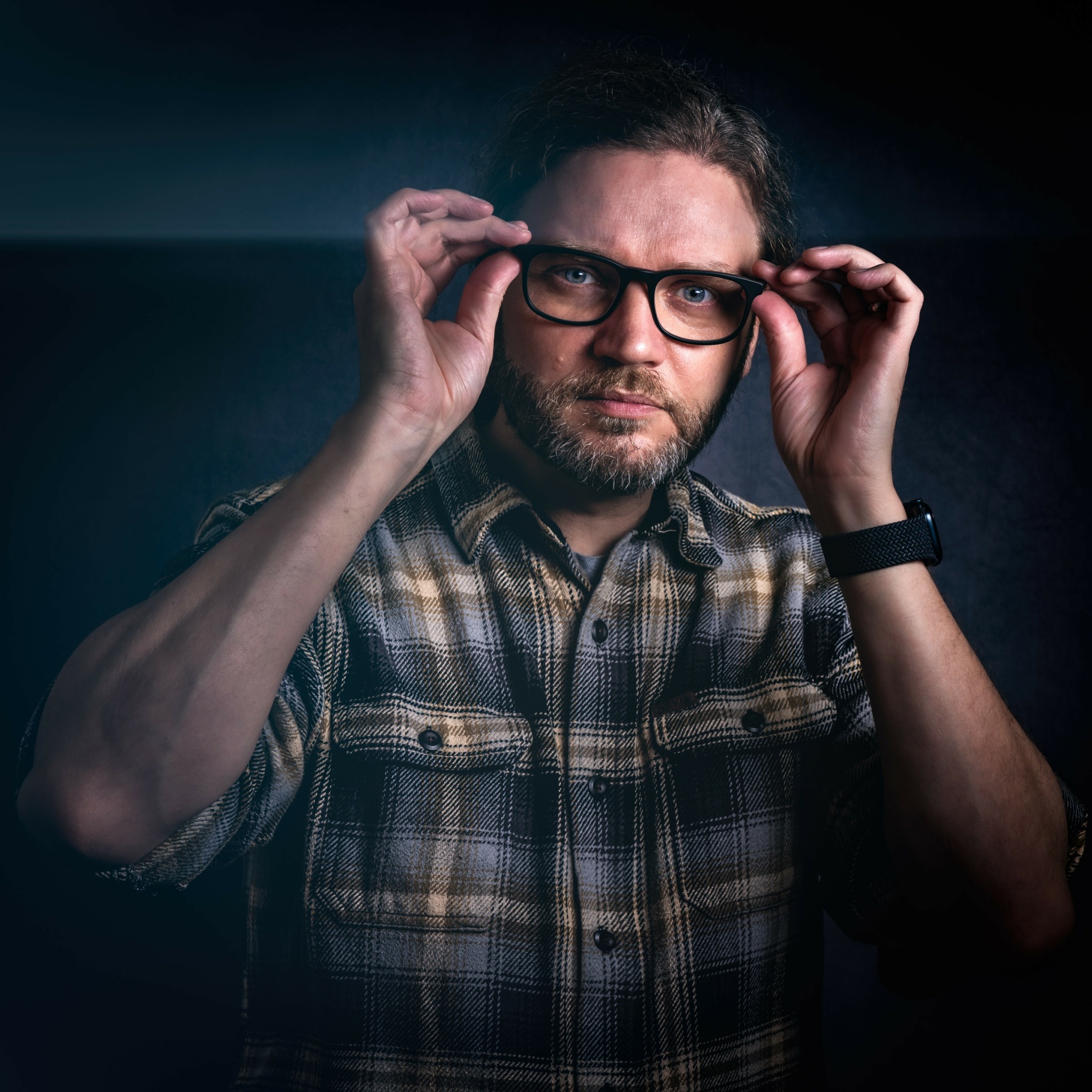

Image Credits
all images by Kersten Luts