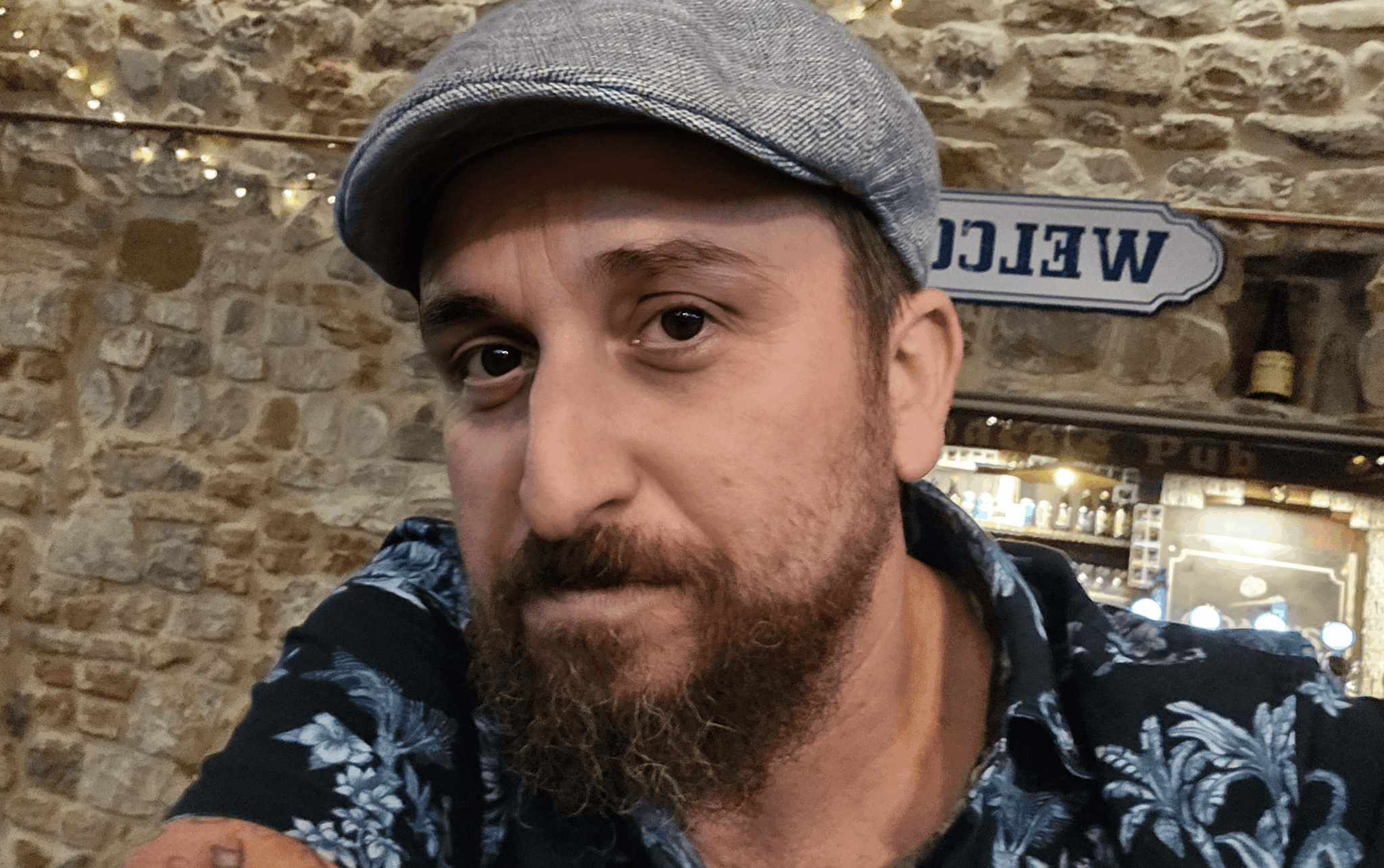

We caught up with the brilliant and insightful Joey Flores a few weeks ago and have shared our conversation below.
Joey, looking forward to hearing all of your stories today. Can you recount a story of an unexpected problem you’ve faced along the way?
I knew that fundraising would not be easy for my company, Inversion Art, as it was both a new and highly unique model, compounded by the fact that I didn’t have a lot of connections in the world of fine art.
What I didn’t expect was the role that social politics and optics would play in the fundraising process. Many wealthy people in the art world want to be seen as philanthropists, making hefty donations to art museums and non-profits. They told us frequently that, despite loving our mission and thinking it sounded compelling, that they were concerned about appearing to “profit off of artists”. Many big time art collectors, despite having an intense internal focus on choosing art that will maintain its value or increase in value, like to project that they only collect art for enjoyment’s sake, not as an investment.
I thought that wealthy museum donors and mega collectors would be very interested in establishing “the Y Combinator of the art world”, but it turns out that many are too worried about the optics of backing a for-profit art collecting organization, even though many admit that there should be more models for supporting artists early in their careers. What was frustrating about learning this is that the same people who claim to be art’s biggest supporters, are the reason why no new models or systems can be established in a market that continues to lag behind other creative fields.
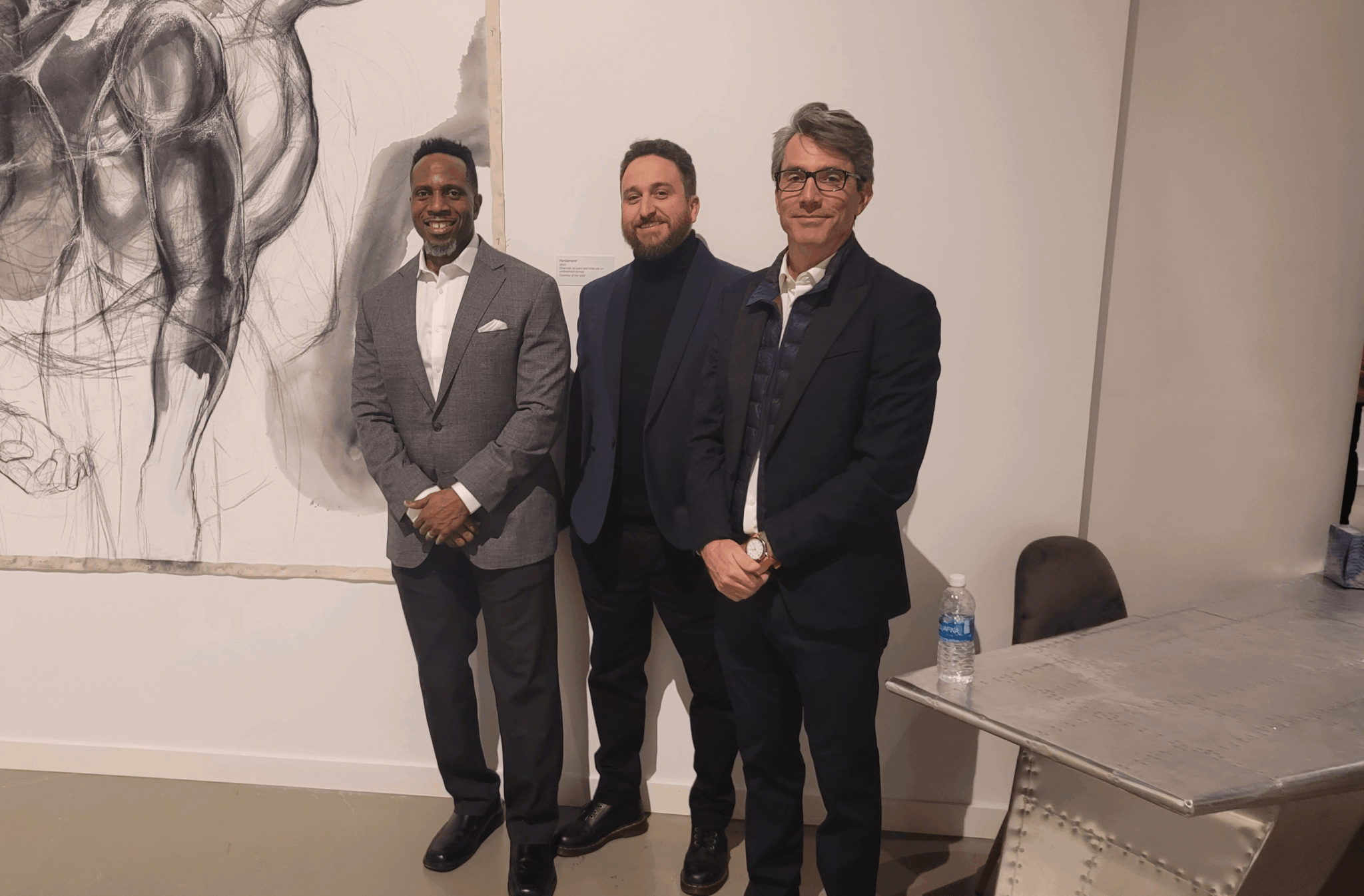
As always, we appreciate you sharing your insights and we’ve got a few more questions for you, but before we get to all of that can you take a minute to introduce yourself and give our readers some of your back background and context?
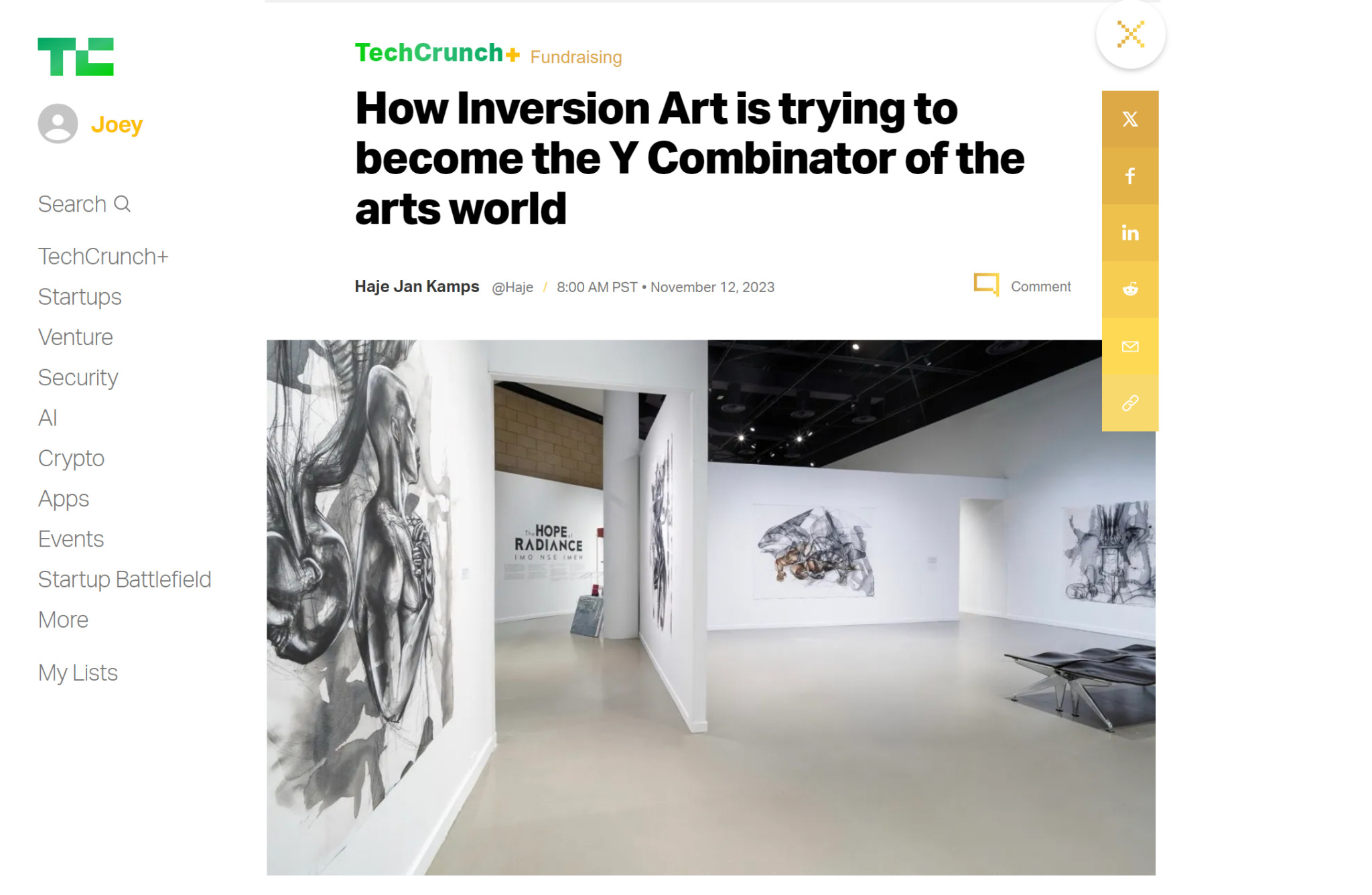
My company, Inversion Art, was established to be the Y Combinator of the art world. For those who aren’t familiar with YC, it’s a highly successful investing group that combines investment, mentorship, community and operational support to give technology startups a better chance at success. Our goal was to build a similar investing organization for fine artists.
We established the company 3.5 years ago and invested in six high profile artists, including a Guggenheim Fellow and the creator of the first ever NFT back in 2014. We were responsible for supporting a number of incredible museum and gallery exhibitions, and received fantastic press coverage in ARTnews and TechCrunch.
I started this company because I was lucky enough to go through YC with my former startup, Earbits, and their investment and support was a life and career changing opportunity. As an artist, my heart is always in the arts and in supporting other artists, so building an organization that could do for them what YC did for me was something I was highly motivated to pursue.
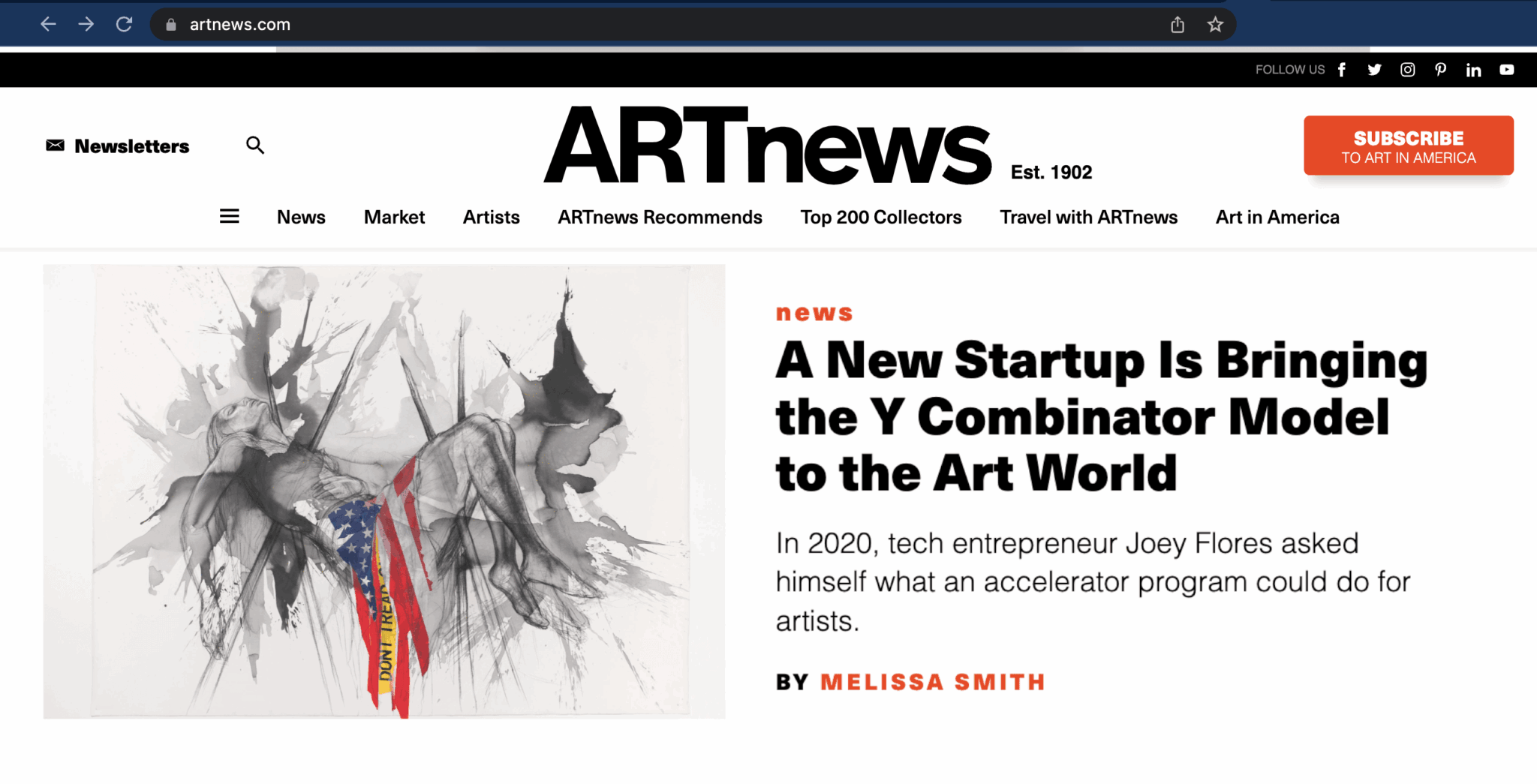
Can you tell us the story behind how you met your business partner?
My most recent co-founder was someone that a colleague introduced me to while I was conducting market research. He has a PhD in art history and spent over 10 years teaching masters degree programs in the art market and arts business management. After our first call, it was clear that he know much of what I was trying to learn in my research, so I kept asking him for more calls. After about two months of repeatedly engaging him on the phone, it was clear that we saw eye to eye on many issues of the business, and that we were driven by a similar desire to see artists succeed. I decided he would be the ideal person to join my company as a co-founder, so the first time we met face to face, I asked if he had any interest in joining me. Lucky for me, he was looking to try something new, and the rest is history.
Has your business ever had a near-death moment? Would you mind sharing the story?
In my previous startup, we were nearly out of funding. With a particularly difficult fundraising climate, we knew we could not raise more capital, so we announced we would be shutting down our apps and service. The day after we shut everything down, we received an email from a company asking us if we were still interested in pursuing the business. We told them we were, but that we had no money and no path forward. They told us they were interested in acquiring the company and having us join their team to continue building toward the vision. Two days later, they wired us enough money to turn everything back on, and within a few months, we had been acquired and found ourselves opening the west coast office of our new parent company.
- Linkedin: https://www.linkedin.com/in/joeyjflores/