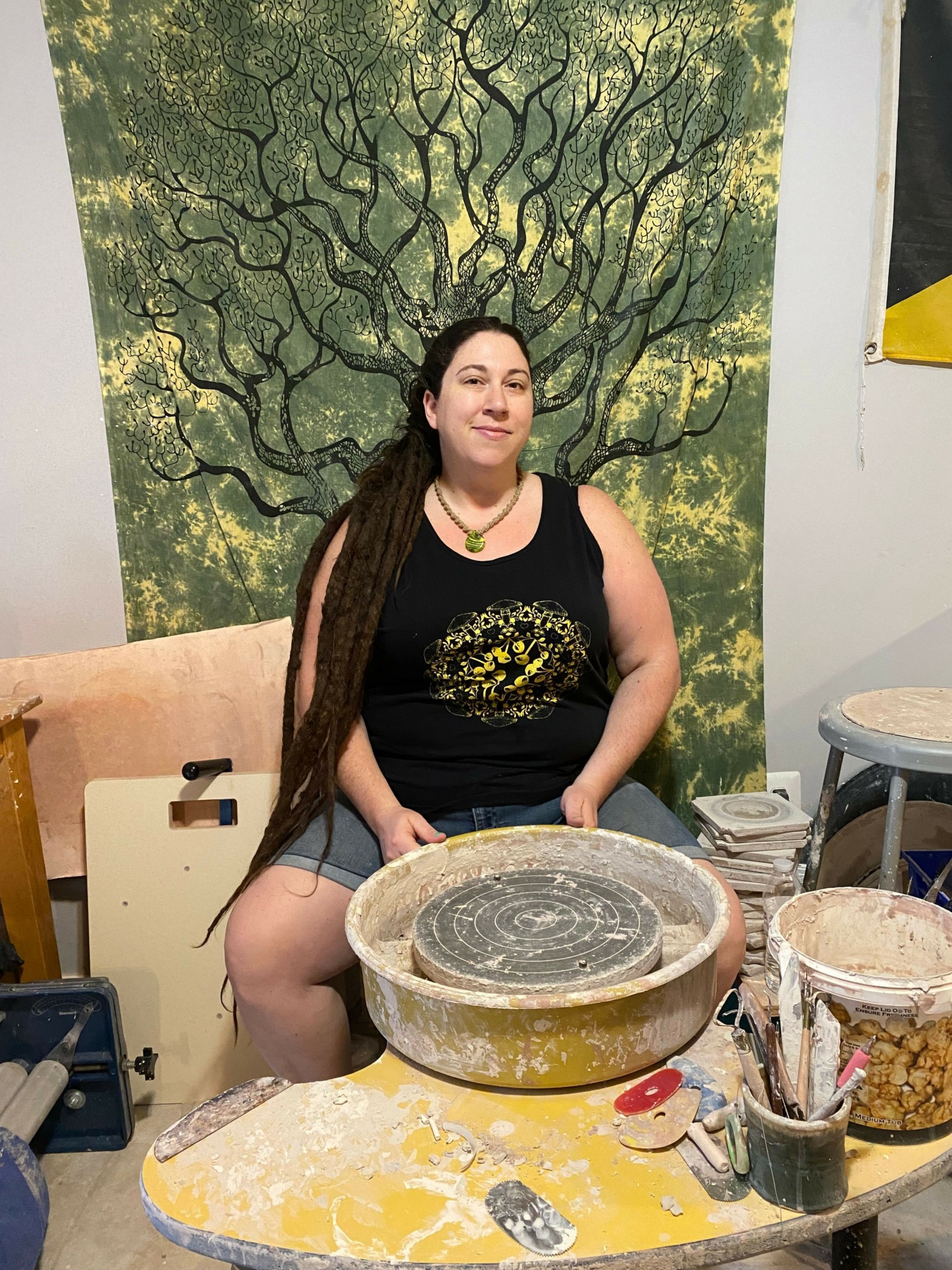

We were lucky to catch up with Theresa Musengo recently and have shared our conversation below.
Theresa, looking forward to hearing all of your stories today. We’d love to hear about when you first realized that you wanted to pursue a creative path professionally.
Both of my parents are artists. Growing up I always saw them creating, whether it was making pieces for their jewelry business, my mom painting with friends, or my dad playing music at local events. I was always encouraged creatively, but I did not necessarily imagine myself going on to make that my career. As most children, I dreamed of working with animals. Marine biologist was my thing. I would do arts and crafty things with friends and family. Of course I always loved my art classes in school because it was nothing rigid. It was always open to interpretation and free to direct it however I choose.
Though I enjoyed those classes, I did not think that was something I could make a career out of. Maybe it was societies portrayal of the “starving artists” that deterred me, but when I started college my major was Art Education. I figured, there will always be a need for teachers. I could do that anywhere, and be teaching a subject that I enjoyed and cared about. It is so important to teach children to think outside the box! However, as I went on I began to feel that I did not enjoy the structure of the education system and it would be a lot more bureaucratic that I was expecting. That lead me to change my major to Art, with a concentration in sculpture.
This allowed me to take welding classes, wood working, ceramics, and glass blowing. It opened my world to so many different materials, and so many different types of people. My intro to pottery professor, Rich Holt, let me into his class even though I did not have much previous experience, He is the most encouraging person, and I am grateful that he allowed me into this class, because it changed my life forever. At Towson University, they have a pottery sale twice a year that faculty and staff can participate in. Everyone can sell their work and split the money with the ceramics department. They have being doing it for 50 years now, so there is a large following that comes back year after year, and spreads the word to their friends and family. The first time I participated, I had a few dozen pieces I had made in class. Some were a little thick and wonky, but they were functional and had pretty glazes on them, so I figured I would give it a shot! I made $200. $200 for a college kid with no money thinking that no one would want to buy her wonky beginner pots. It was a rush, I could not believe that people wanted my work. It opened my eyes to how much other people, that may not be artists themselves, could want and appreciate hand made items. There was opportunity there, and I realized that I could make money from this and potentially a career.
After I graduated, I was looking for a job since I could no longer work on campus. I was still doing the pottery sale to make a little money, but needed something else. I mentioned needing a job to professor Holt, and he mentioned that the local pottery supply store (where he had worked for years) Clayworks Supplies was looking for someone. They only hired people with experience in clay and ceramics, so with professor Holts recommendation, my degree, and experience in the clay studio at Towson, I got the job. This was selling clay to schools, art centers, and individuals that had their own pottery businesses. I learned so much talking to these people, about how they do craft shows every weekend, they sell to local galleries or gift shops on consignment, and do commission work for people looking for a whole dinnerware set or wedding favors or sculptures to decorate their gardens. There was a world of possibilities for an artist with the skills and the drive.
So at this point, I was working 3 days a week at the supply store, still selling 2 times a year at the Towson pottery sale, and teaching beginner classes at the glass blowing studio where I took classes through Towson. I was getting by and perfecting my craft so my work was getting better and better. I was asked to come on full time at Clayworks Supplies, and my days were filled with talking to and guiding other artists with what materials to buy, and talking teachers step by step how to set up a project for their students. Evenings were teaching at the glass shop and going into my little studio basement to make pottery to sell at the Towson sale and to friends and family that were starting to ask me to make specific items for then to give as gifts. I began to make better work, sell more, make more money, buy more equipment. My studio now consists of a pottery wheel, slab roller, and electric kiln so I can make, glaze, and fire all of my work at home in my studio. I started a website, got business cards, created content for my social media accounts to put myself out there and get more people interested in buying my work. Now I am selling my glass and pottery at multiple shows per season and making more money than I ever could have imagined doing this! My business is growing and my confidence in my work is growing. There is nothing better than being appreciated for your work.
I cannot imagine ever doing anything else, and hope that I can continue working with clay and glass and other artists and expand my ideas for the rest of my life. There are a lot of artists out there, and I am happy to see the local/handmade/small business movement is alive and well. Art is therapy for many artists, so getting appreciation for that and being able to make a career out of that is so special. I definitely worked hard to get here, but I also have my professor Rich Holt to thank for getting me there and opening my eyes to the possibilities.
Great, appreciate you sharing that with us. Before we ask you to share more of your insights, can you take a moment to introduce yourself and how you got to where you are today to our readers.
I got into making functional and sculptural ceramics and glass through Towson University. The first sale of anything I made was at the Towson pottery sale. This made me realize that I could make money off of things that I make.
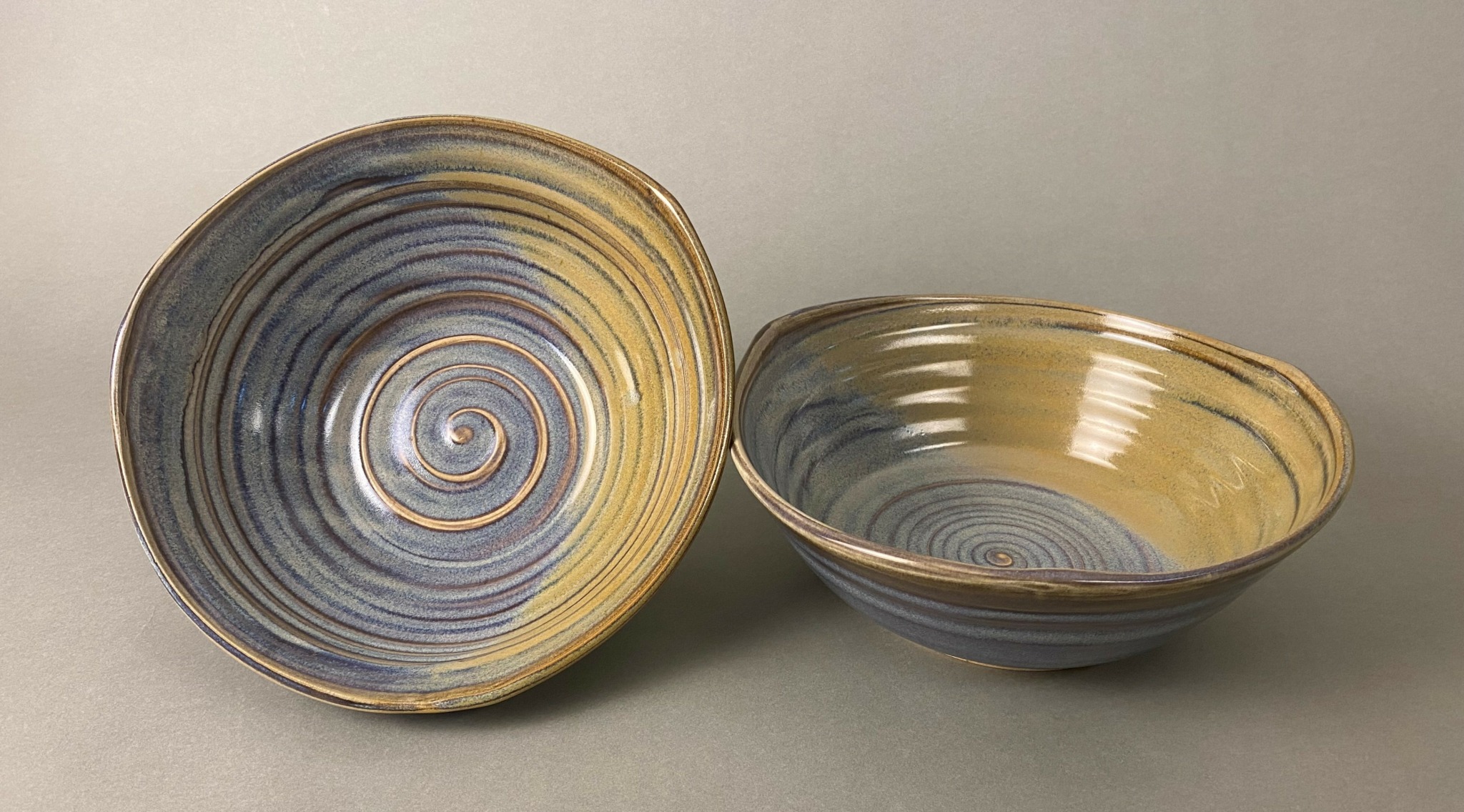
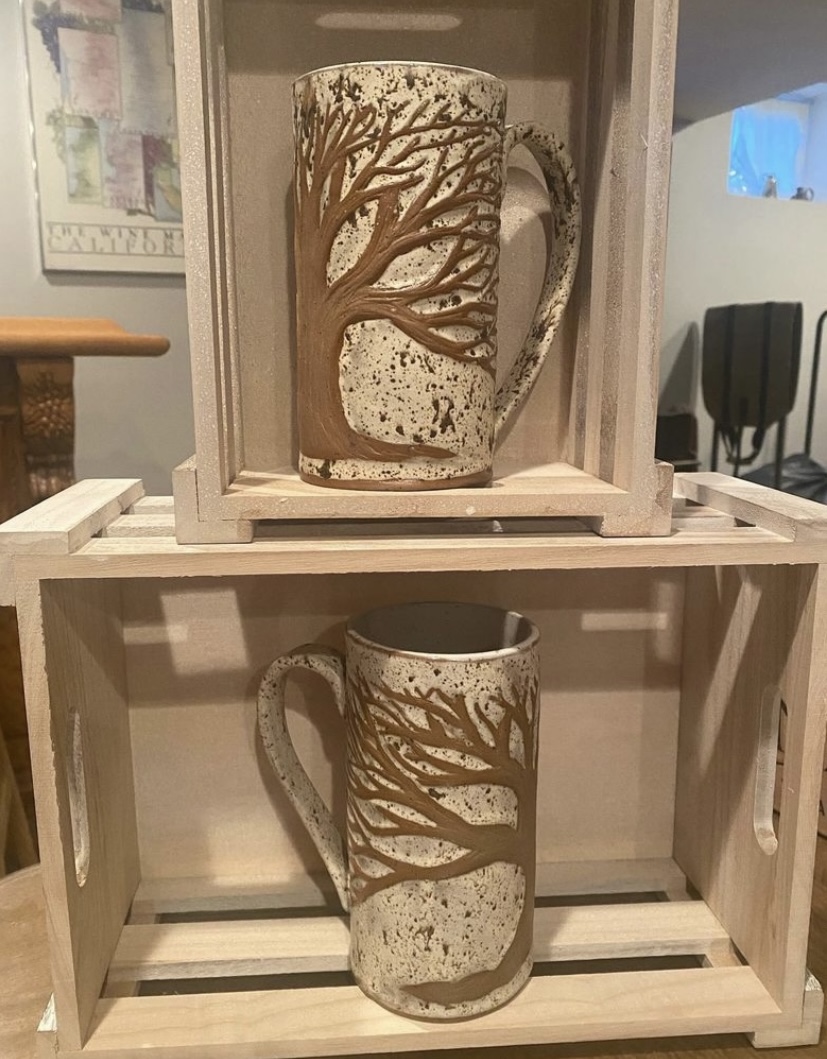
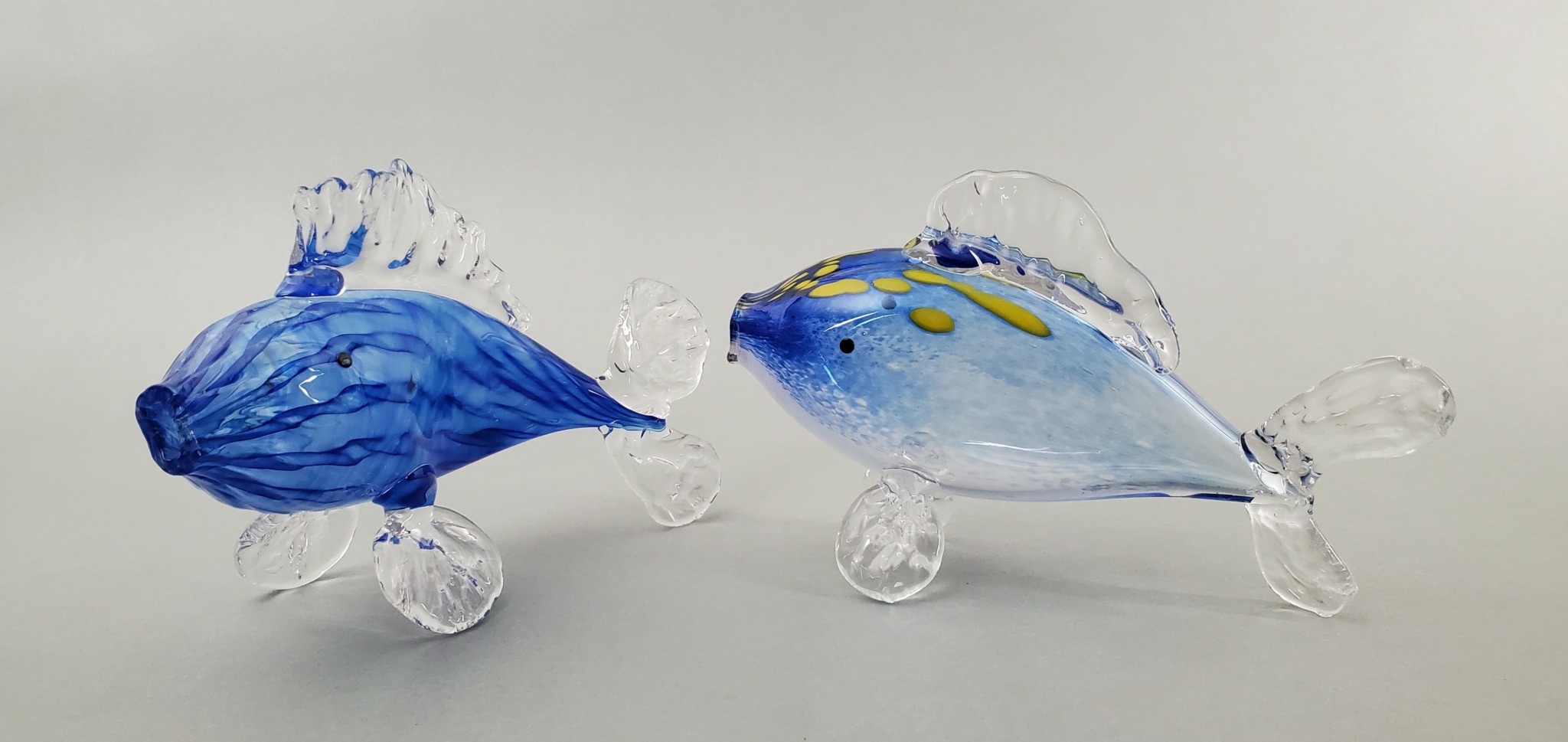
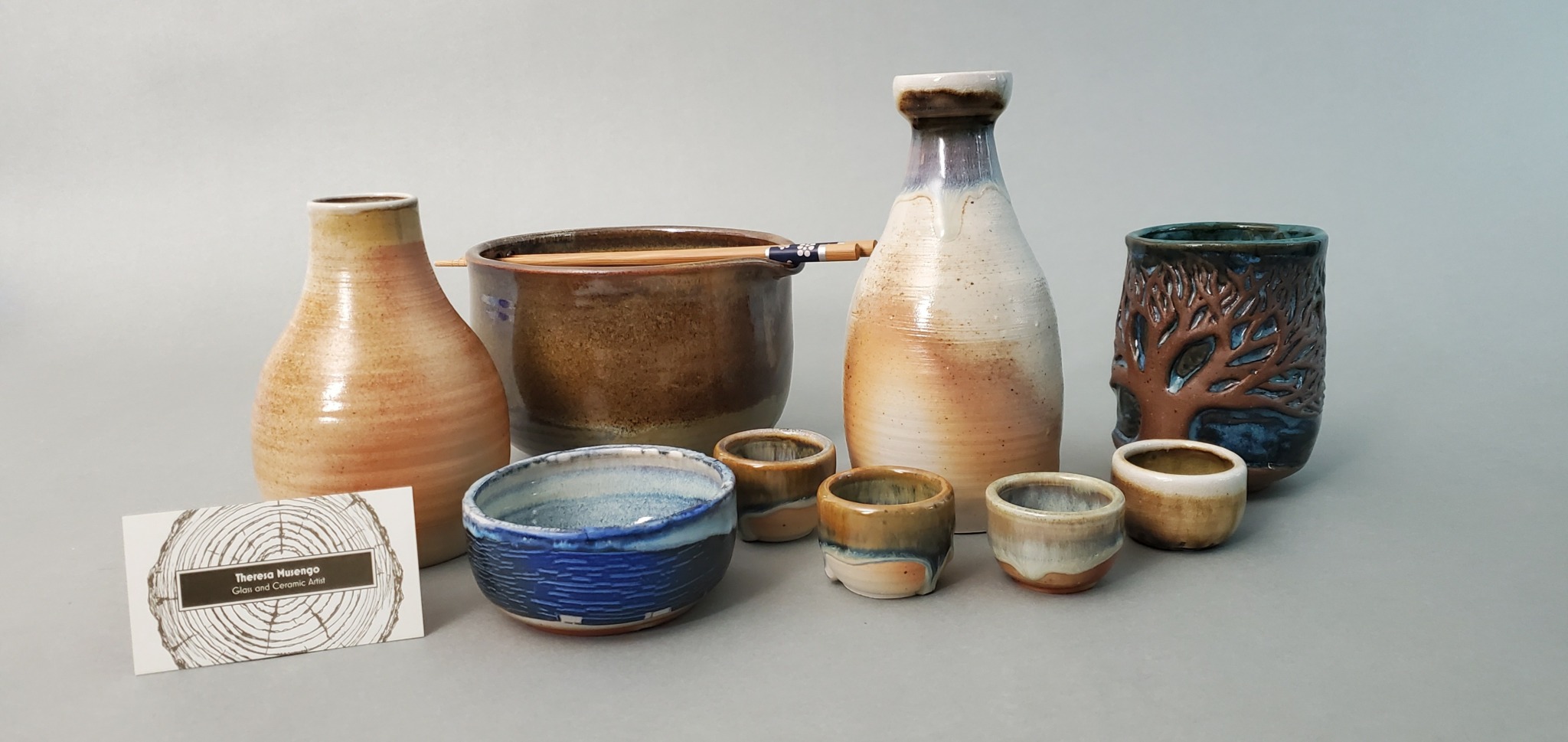
I mostly make functional pottery, like mug, bowls, pitchers, anything you would find in a kitchen. With glass, I have some functional work like cups, bowls, and stemless wine glasses, but I also make more sculptural things like glass blown fish. I enjoy doing sculptural work in glass and clay better, but functional pieces pay the bills!
I am always open for commissions from clients. If they tell me what they want, I will show them what forms I can make, what colors I have to use, so I can make them something that fits their décor but I have that I can leave my artistic imprint on as well.
What sets me apart from others is a tough question. Artists have been making pottery and blowing glass for hundreds and thousands of years. It is very hard to be original anymore, especially with clay and pottery. On thing that I enjoy about my work is that nothing is exactly the same. Some production potters go for that, people enjoy perfectly matching sets. I however, try to avoid matching sets at all costs and everything I make (even if it is something that I made over and over again, and looks similar) has a telltale sign that it is hand made and imperfect. Even if it is where my fingernail accidentally dug into the clay, or there is a handle that is slightly off center, or a little speck of black glass that found it’s way onto a white glass piece. Nothing is perfect and I want people to know that.

How can we best help foster a strong, supportive environment for artists and creatives?
I think the best thing society can do to support artists is put importance on personal connection.
This can be by buying pottery from a local clay artist that has a story behind making that piece. Or going to see a musician play or buying their music and listening to a song that they wrote from their personal experience. Just appreciating that someone put love and effort into making something that they are sharing with everyone, which is a very vulnerable thing. Everyone is afraid of being judged, or not good enough. Through supporting that artist, you are telling them you appreciate what they do and acknowledging them as an artist and as a person. There are a lot of things that are made en masse and by machines, but if people focused more locally and sure maybe pay a little more for something, they will be helping reinforce the importance of personal connection.
What do you think is the goal or mission that drives your creative journey?
My goal is to support myself financially, support myself mentally and emotionally, and encourage others to do the same.
I want to be able to sell work, so I can make work, so I can sell it, and pay to make more, just keep the cycle going.
I also use making and creating as therapy. It is something you can focus on and just loose yourself in. Open another part of your brain and use it for good. Keeping a positive atmosphere, At least that is how it is for me. I know a lot of artists use their art to export their darkness and relieve stress that way. That is the beauty, it is different for everyone depending on experience!
I also still enjoy teaching, and passing on knowledge so others can have the joy of creating. It is really a satisfying feeling, so I want everyone to be able to experience that.
Contact Info:
- Website: https://www.theresamusengo.com
- Instagram: tm_studios_art
- Facebook: TM Studios