

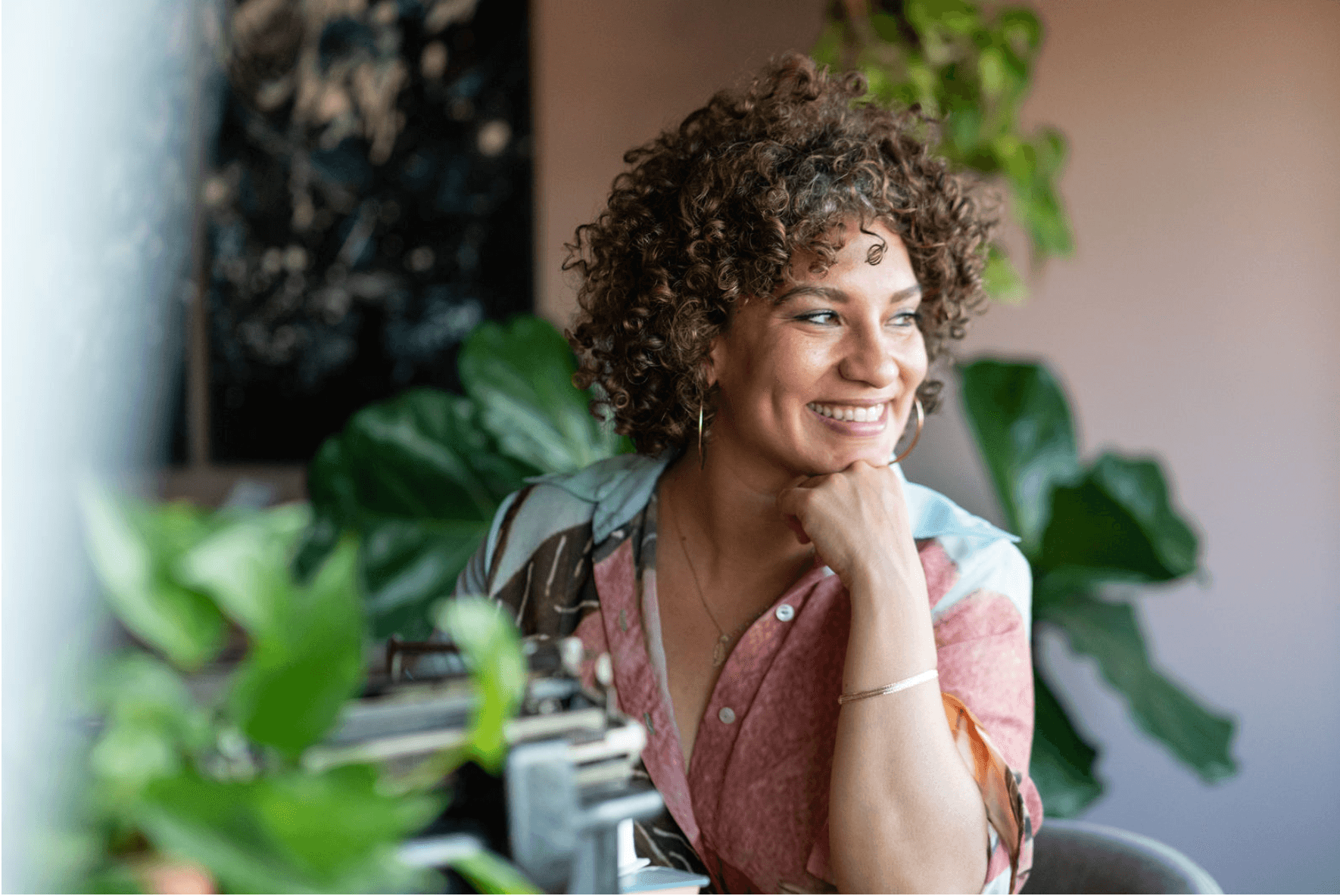

We recently connected with Eljon Wardally and have shared our conversation below.
Eljon, looking forward to hearing all of your stories today. How did you learn to do what you do? Knowing what you know now, what could you have done to speed up your learning process? What skills do you think were most essential? What obstacles stood in the way of learning more?
I’ve wanted to be a writer since I was a child, but it wasn’t until after college that I gained access to the resources I needed to truly develop my craft. Before that, I taught myself by writing short scenes—plays, short films, anything I could imagine—and keeping them to myself, hoping that one day I’d see my work come to life on stage or screen. My first formal playwriting class at Primary Stages was the key. It opened my eyes to the deeper elements of storytelling—character, world-building, structure.
In the midst of my study of playwriting, I was recovering from a stroke. That was an obstacle in my learning. Being frustrated because I wasn’t improving as quickly as I wanted to was hard but that, too, was a valuable lesson: good writing takes time. It can’t be rushed. It demands patience…and sometimes, a generous dose of comfort food to push through writer’s block.
Today, I am still learning and that ongoing journey is one of the most rewarding parts of being a writer. There’s always something new to discover, something fresh to inspire me, and new tools to add to my toolbox. In the end, the qualities that matter most in writing are simple: stay open, stay honest, and stay dedicated.
As always, we appreciate you sharing your insights and we’ve got a few more questions for you, but before we get to all of that can you take a minute to introduce yourself and give our readers some of your back background and context?
I always knew I wanted to work in the entertainment industry, and at first, I thought that meant becoming an actress. I’d watch the film trucks roll into my neighborhood for location shoots, mesmerized by every aspect of creating a film or TV show, imagining myself in front of the camera. In high school, I acted with an off-Broadway theater company, but I often found myself more drawn to the writing side of things.
After college, I landed a job at CBS Morning News as a Broadcast Associate—a dream job and a crucial foot in the door. The hours were grueling, though, starting at 1:30 a.m. and wrapping up at 10:30 a.m. but it gave me a rare, behind-the-scenes look at daily production. Although I knew I didn’t want to stay in news long-term, the experience taught me discipline, and I look back on that time with pride.
From there, I moved on to MTV, working in music and entertainment as an Associate Producer. I collaborated with all kinds of artists, and slowly, I felt myself being pulled closer to writing. Instead of wanting to be in front of the camera, I wanted to be behind it—crafting stories and watching them come to life.
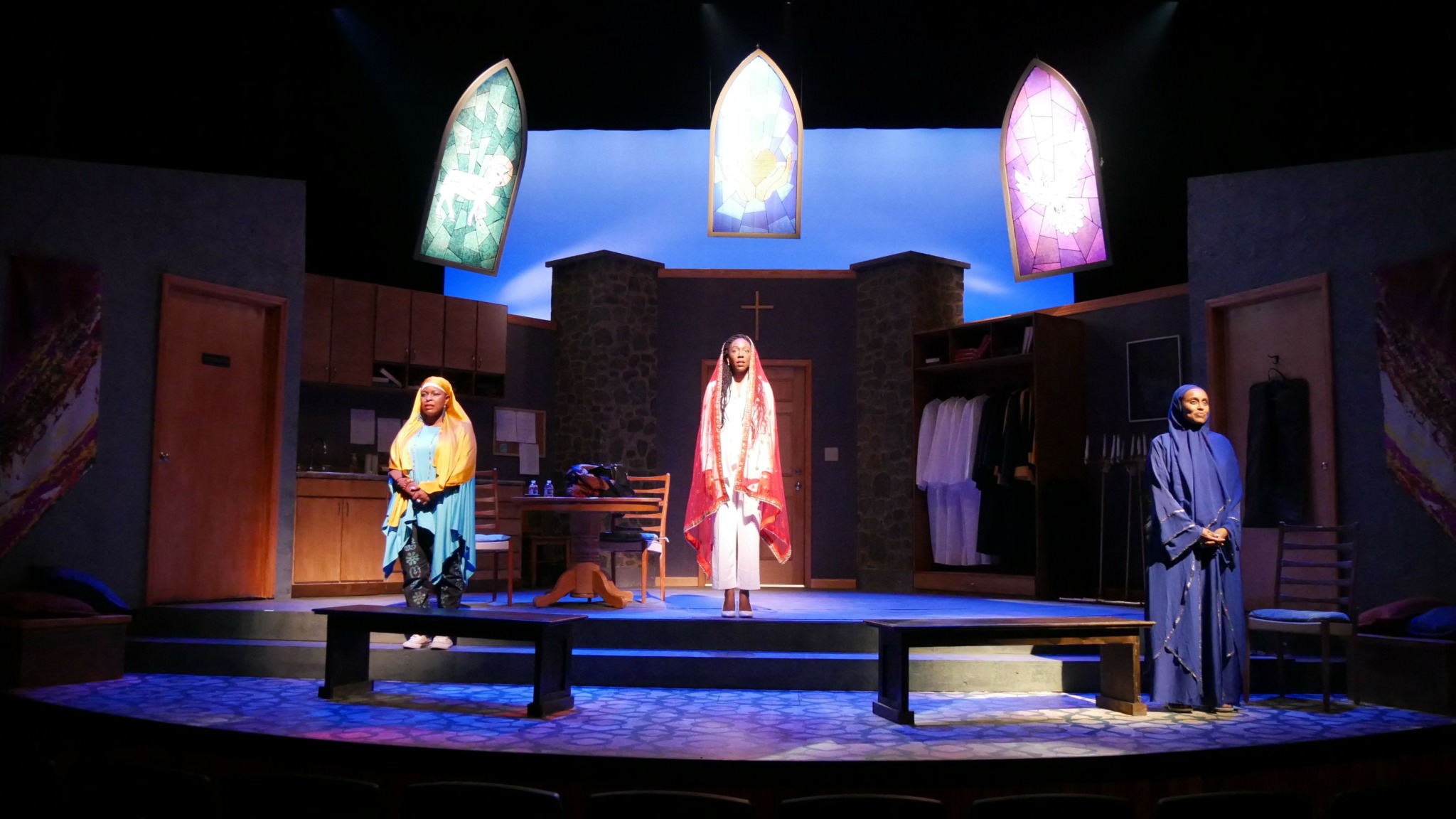
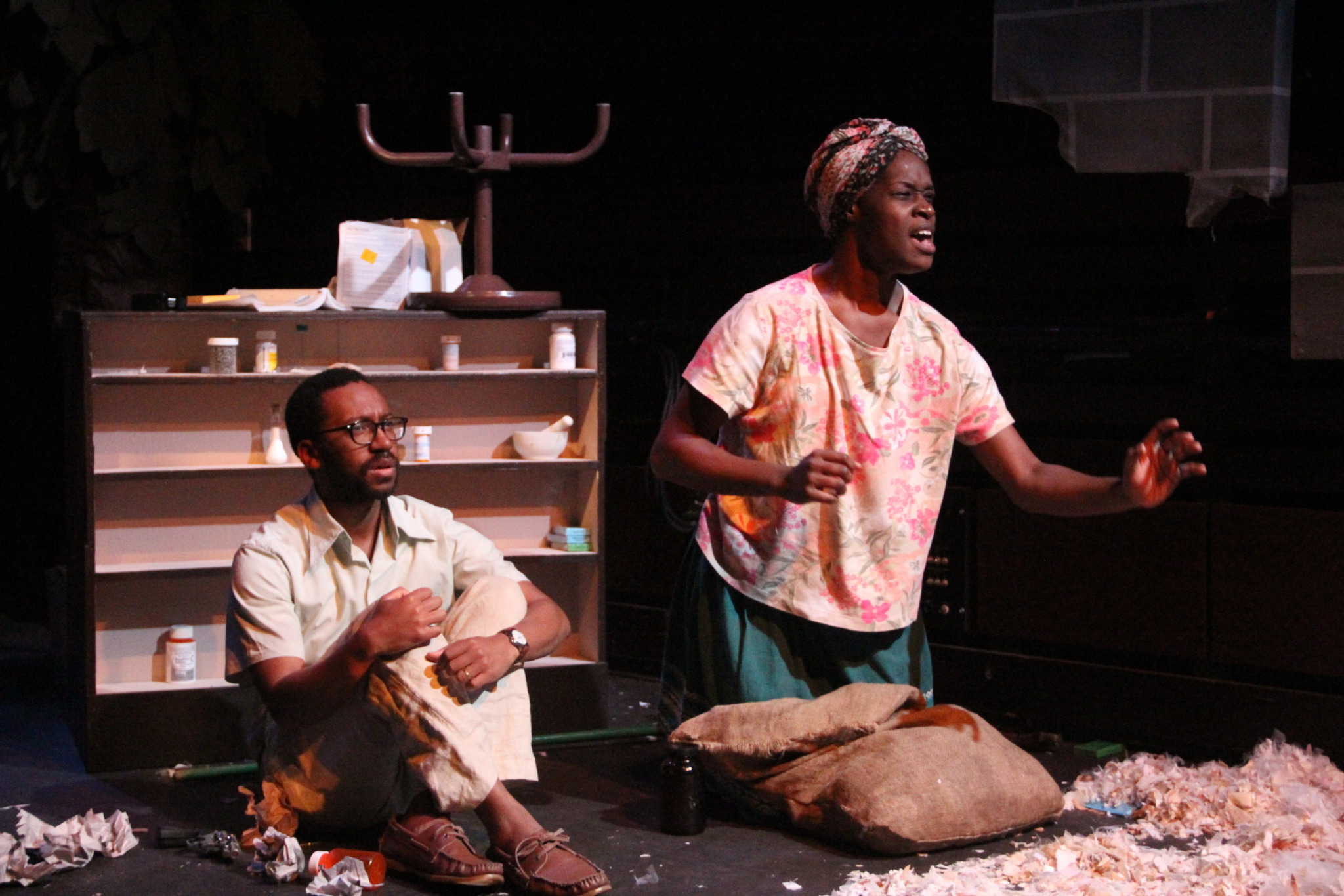
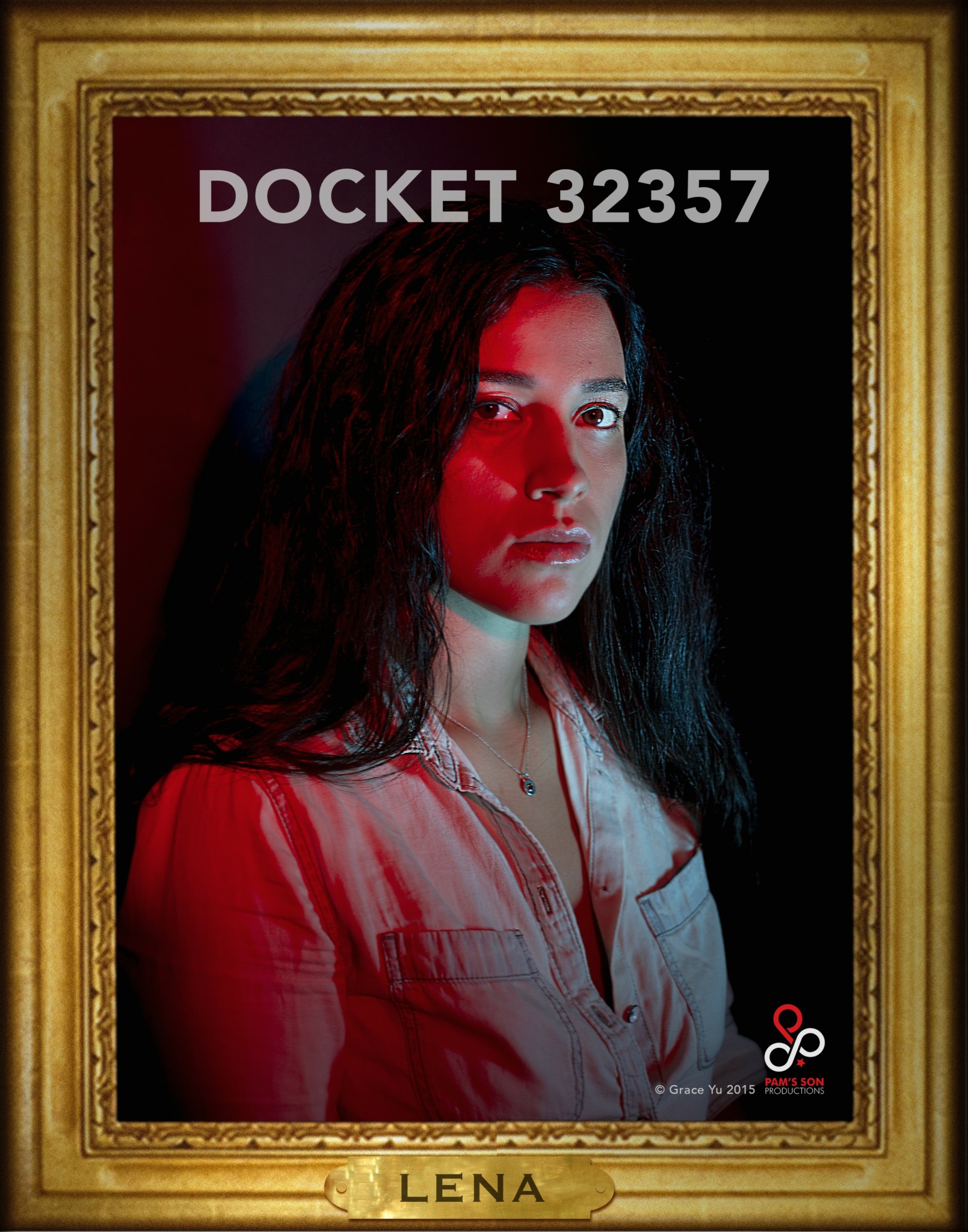
It wasn’t until a personal health scare that I truly realized I had to pursue writing professionally. The threat of losing my ability to write was a wake-up call, pushing me to follow my passion. I enrolled in a playwriting class and wrote my first short film, Docket 32357. The film was made, went on to screen at over 45 festivals worldwide, and won numerous awards. I’m incredibly proud of it—not just because it was my first professional project, but because it’s a living, breathing reminder of what’s possible when you take the leap and trust that the net will appear. Since then, I received my MFA in Playwriting. My work has been on national TV, seen on stage at Lincoln Center, and talked about in publications like Vanity Fair.
We’d love to hear a story of resilience from your journey.
If you’re a creative, you’re going to face more rejections than acceptances. It’s just part of the journey, but it can still be tough—sometimes even disheartening. A dear friend of mine, who knows all too well the ups and downs of pursuing a creative path, gave me a thoughtful gift that completely changed my perspective. She made me a colorful binder, decorated in glitter and sequins and titled it the “Rejection Binder.” The first few pages were filled with rejections from famous, well-known figures in the industry. It was a powerful reminder that even the most successful people have faced setbacks.
Now, every time I receive a rejection, I add it to that binder. It’s become a kind of ritual for me: acknowledging the rejection, accepting it, and then filing it away. Each piece of paper is a reminder that failure is not the end—it’s just part of the process. Rather than feeling discouraged, I use those rejections to fuel my drive to push harder, try again, and keep improving. The more rejections I collect, the closer I get to my goal. After all, every “no” is just one step closer to the inevitable “yes.”
For you, what’s the most rewarding aspect of being a creative?
The most rewarding aspect of being an artist is seeing your work come to life. There’s something magical about seeing your vision unfold, no matter how many times it’s been read aloud, produced, or filmed. Each time, it feels like it’s happening for the very first time—there’s a fresh wave of excitement and wonder. The words I’ve written, the ideas I’ve developed, suddenly take on a life of their own, transforming into something tangible, something real. It’s a reminder that art is not static—it evolves with each interpretation, each performance, and each audience. Each piece is something new being born and that never gets old. The joy of creation is always there.
Contact Info:
- Website: https://eljonwardally.squarespace.com/
- Instagram: misseljon
Image Credits
Celina S. Lam
Kathy Perkins
Grace Yu
Ashleigh Rae Staton
Anthony Geathers