

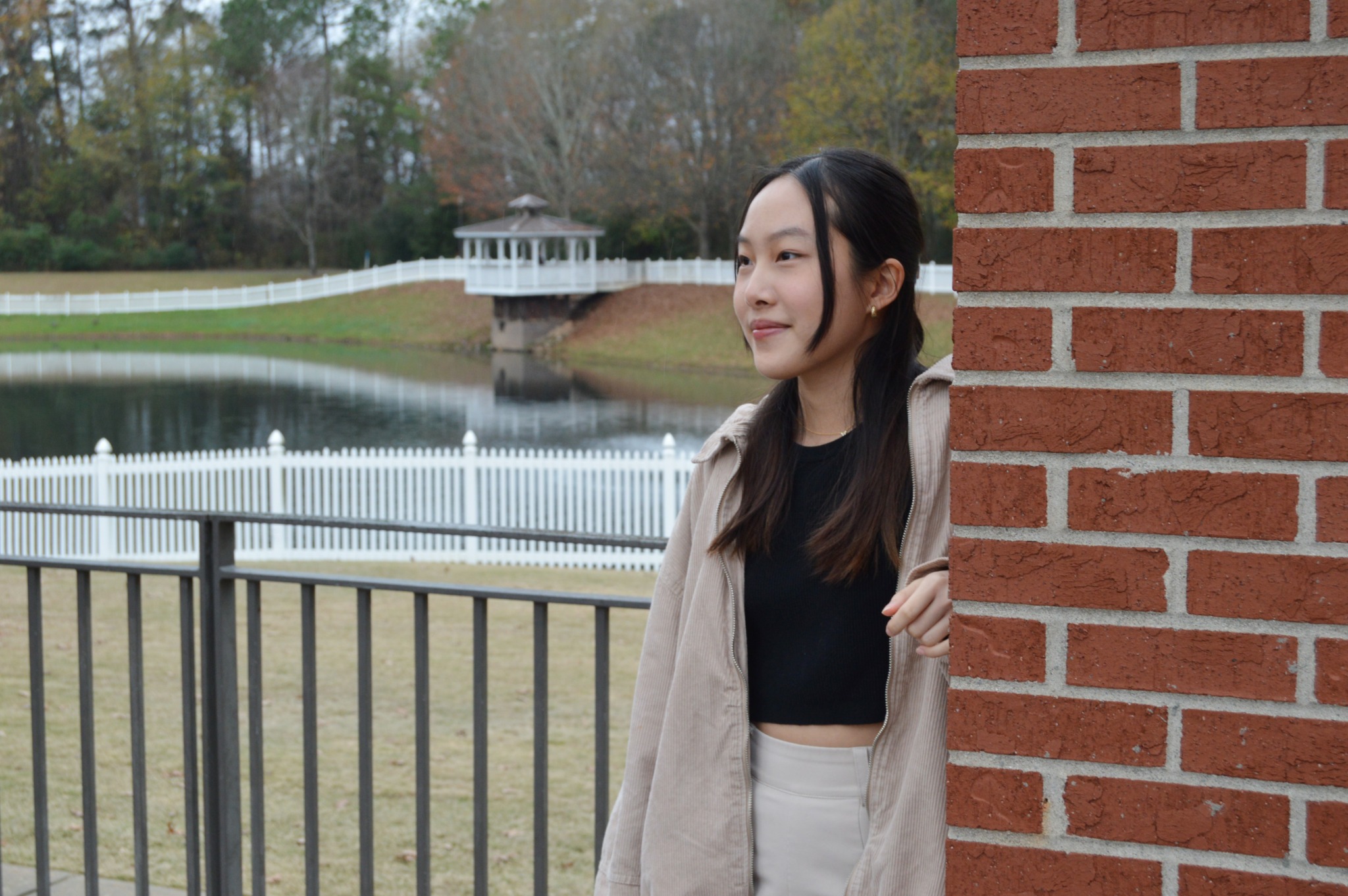

We caught up with the brilliant and insightful Bua Kanjanapongporn a few weeks ago and have shared our conversation below.
Bua, thanks for joining us, excited to have you contributing your stories and insights. Can you talk to us about how you learned to do what you do?
Art has always been an important part of my life. Growing up, I spent a lot of time drawing, often teaching myself through YouTube tutorials and experimenting with different techniques. This love for creativity eventually led me to pursue a degree in Visual Effects at the Savannah College of Art and Design. Even outside of my classes, I was constantly looking for ways to improve my craft—whether that meant diving into new tutorials or experimenting with different styles. Whether it’s 2D or 3D, I believe that a big part of growing as an artist is simply having the drive to learn in your free time.
One skill I’ve found to be crucial in my development as an artist is learning to take constructive feedback. It’s easy to take critique personally, but I think the key is being able to separate your sense of self from your work. This is especially important when working on a team, where collaboration and open communication are essential. I’ve learned that embracing feedback from others—especially fellow artists—can only make your work stronger.
Another challenge I’ve faced, and that many artists encounter, is burnout or art block. When I hit a wall, I’ve found that taking a step back and giving myself some time to recharge is the best way to overcome it. Whether it’s going for a walk, visiting an art museum, or exploring artwork from new artists, these moments of inspiration help me return to my work with fresh ideas and renewed energy.

Bua, love having you share your insights with us. Before we ask you more questions, maybe you can take a moment to introduce yourself to our readers who might have missed our earlier conversations?
Hi, I’m Bua, a CG Artist specializing in Lighting and Look Development. My work mainly revolves around lighting CG objects—often in the context of live-action plates—to ensure they stand out while maintaining a seamless integration with their environment. I also focus on crafting realistic CG materials, making sure they match real-world qualities.
I spent two years at The Mill, where I worked on commercials for high-profile clients such as Google, Pepsi, AFI, Montefiore, Nissan, and more. One of my proudest achievements was working on the Google Pixel 7 release, where I had the opportunity to light their phones, watches, and earbuds. This project gave me invaluable experience in product lighting, teaching me how meticulous the process is to ensure the products look as flattering and realistic as possible.
Another standout project for me was working on Montefiore’s There’s Magic in All of Us commercial. I was responsible for lighting the sequence where a Dachshund balloon chases a balloon squirrel on top of an ice cream truck. I was thrilled when the commercial won several prestigious awards, including at Cannes Lions, D&AD, The One Show, and Ad Age.
Lighting and look development are my true passions because they’re fundamental to achieving realism and crafting compelling CG that resonates with viewers. One important skill I’ve honed over the years is how to highlight the hero product or object while ensuring it feels naturally integrated into its environment. This balance is key in guiding the viewer’s attention and supporting the narrative elements.
What’s the most rewarding aspect of being a creative in your experience?
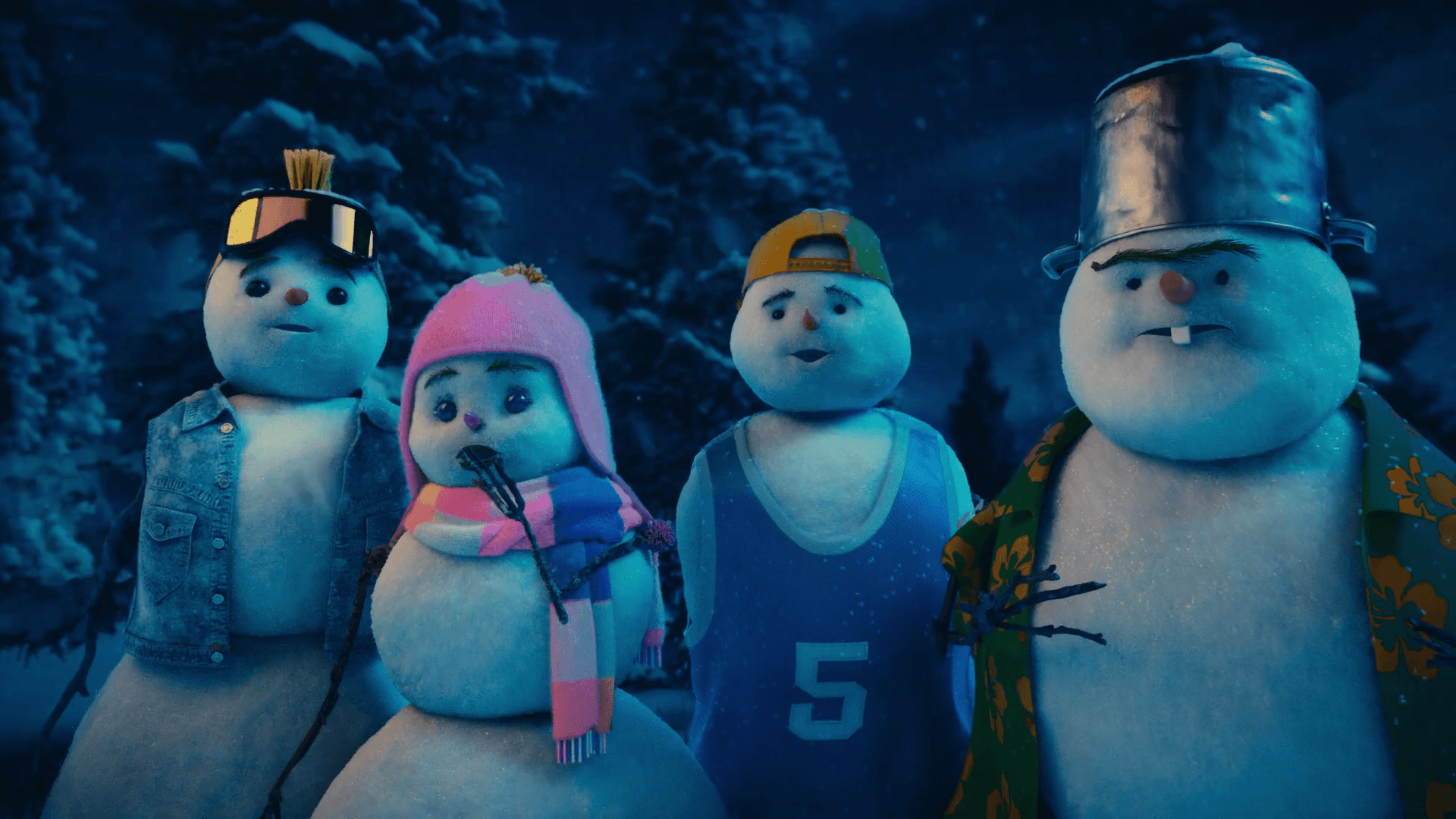
The most rewarding part of being an artist, for me, is seeing my work out in the world. I still remember the excitement of watching YouTube videos and seeing the Google Pixel 7 commercial I worked on pop up. I couldn’t help but screenshot that moment and share it with my friends and family. Or when Pepsico’s Melt for You holiday commercial first aired on November 24, 2022 at the Macy’s day parade and my friends kept saying how adorable it was. That feeling of accomplishment—of knowing your work is being seen and appreciated—is truly unforgettable.
Another rewarding aspect is seeing your own growth over the years. Looking back at my earlier art, I’m proud of how far I’ve come. It’s a reflection of the determination, grit, and self-improvement I’ve put in to get where I am today. And the best part is, it makes me excited for the future, knowing there’s still so much more to learn and create.
How can we best help foster a strong, supportive environment for artists and creatives?
It might sound cliché, but one of the best ways to support artists is simply by supporting their work. Whether it’s buying original art, purchasing merchandise they’ve created, or sharing their work online, every bit helps. With the rise of generative AI technology, many artists are being replaced by AI in various industries as companies look to cut costs. Unfortunately, a lot of artists’ work has been taken without consent to train these AI models. In my opinion, being aware of this issue and advocating for artists is crucial to protecting our creativity and livelihoods. We can all do our part by consciously supporting art made by humans.
It’s also important to offer words of encouragement to friends or family who choose to pursue a career in the arts. Unfortunately, there’s still a stigma around art as a career path, with some believing it’s less stable than traditional jobs. However, the creative industry offers countless opportunities, and I truly believe there will always be a way to thrive if you’re passionate and dedicated to your craft.
Contact Info:
- Website: https://boondarika8.wixsite.com/buakanjanapongporn
- Linkedin: https://linkedin.com/in/bua-kanjanapongporn-937b35191
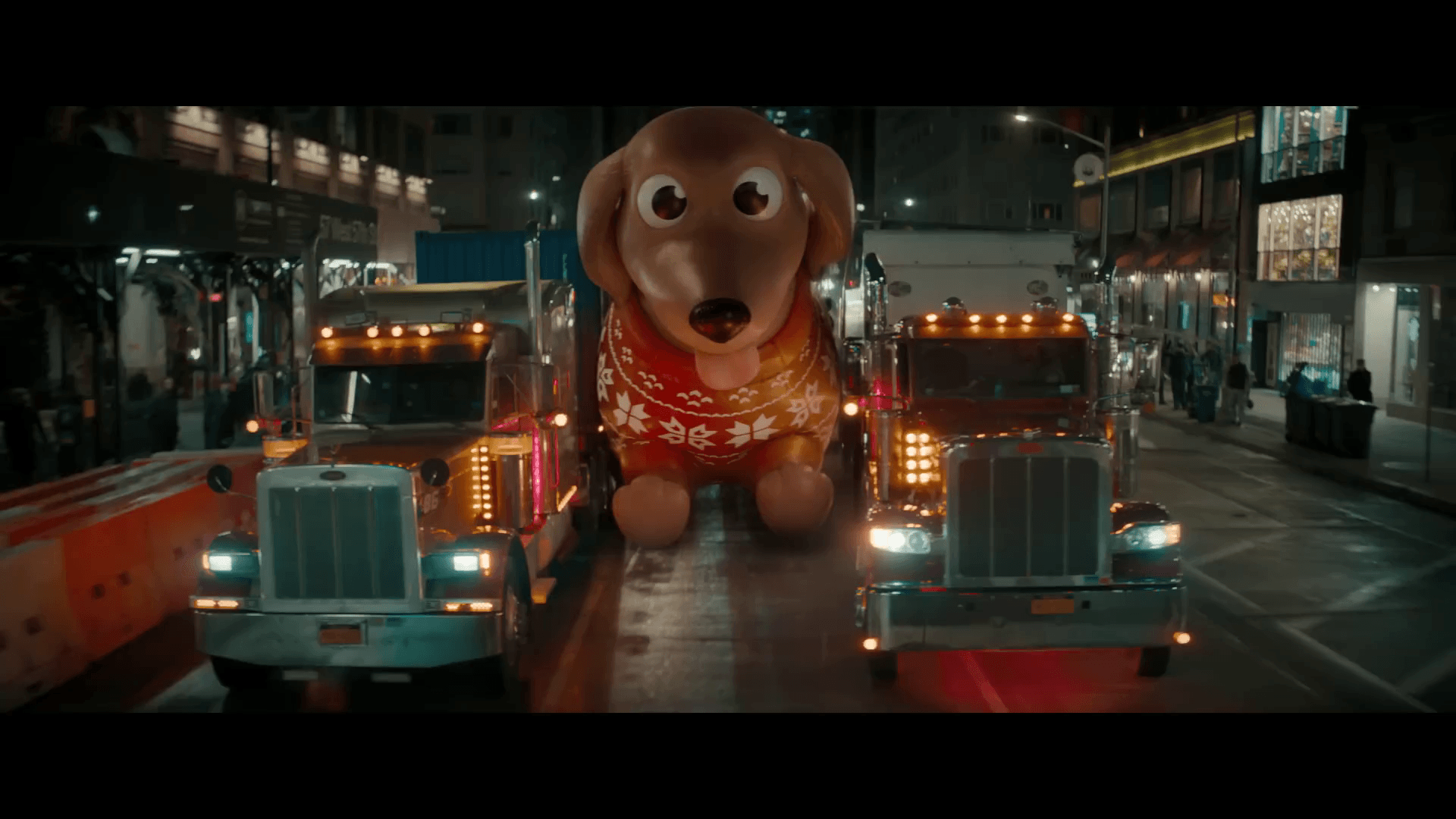
Image Credits
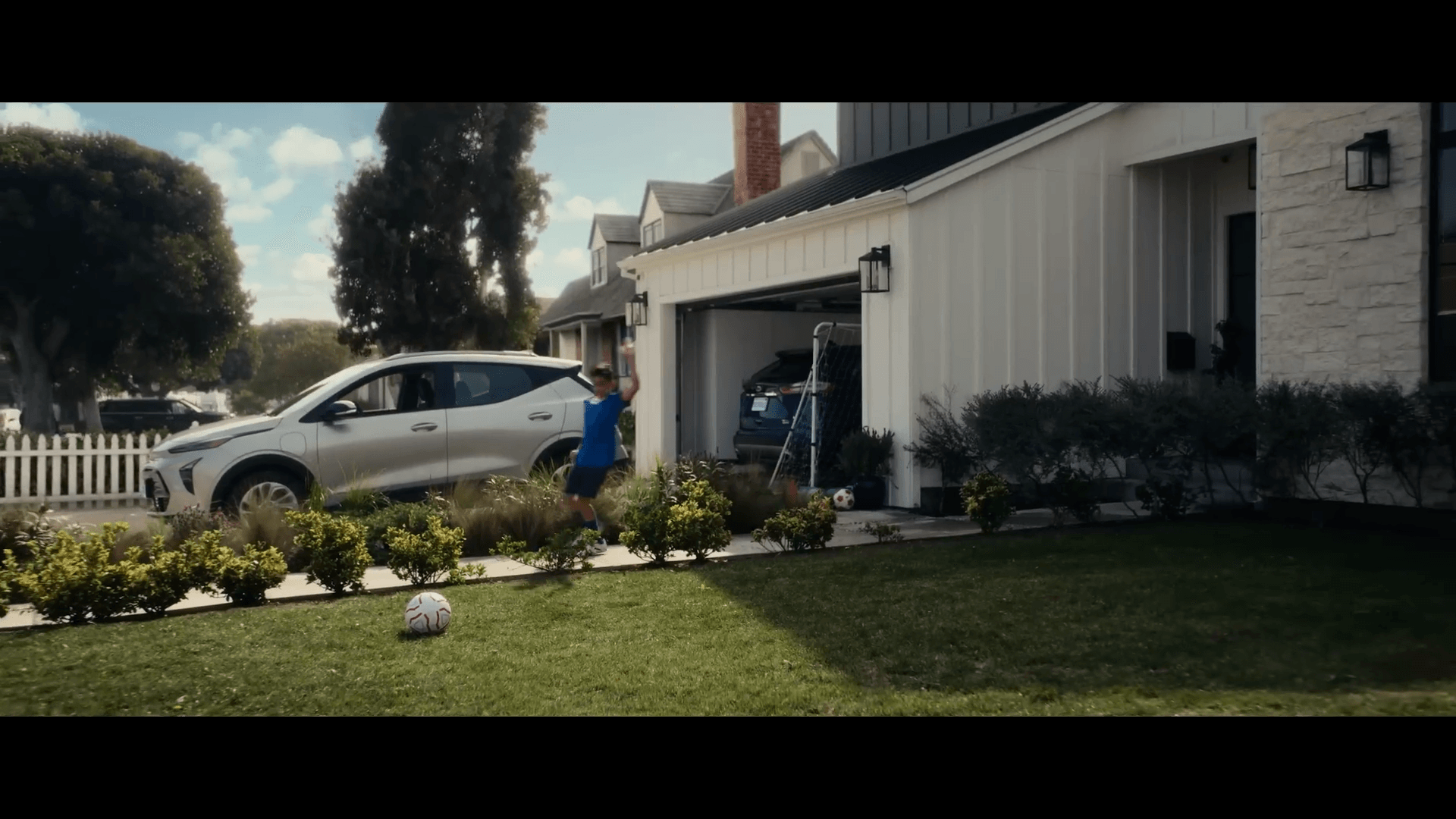
Google Pixel 7 & & Pro, Pepsico Melt for You, AFI United, and Montefiore There’s Magic in All of Us. Property of the Mill and their respective clients.