
We recently connected with Rev. Dr. Xenia Barnes and have shared our conversation below.
Alright, Rev. Dr. Xenia thanks for taking the time to share your stories and insights with us today. Was there a defining moment in your professional career? A moment that changed the trajectory of your career?
In the field of social and behavioral sciences, we often speak of “turning points” – those pivotal moments that fundamentally alter our life’s trajectory. Yet, rarely do we discuss how these moments shape us as researchers, practitioners, and advocates.
My defining moment came through a profound personal scare. While pursuing my doctoral studies in behavioral science, focusing on community violence prevention, I received the call that changed both my personal and professional path: my son had been robbed at gunpoint becoming a victim of the very phenomenon I was studying.
This collision of personal fear and professional focus created what I now recognize as a powerful paradigm shift. As a scientist, I had always approached community violence through the lens of data, statistical analysis, and theoretical frameworks. However, experiencing the raw reality of community betrayal transformed my understanding of trauma’s ripple effects through families and communities.
This experience reshaped my research methodology and theoretical approach. I began to recognize the limitations of purely quantitative approaches in capturing the full complexity of community trauma. My work evolved to incorporate more mixed-method designs, emphasizing the vital importance of narrative and lived experience in understanding social phenomena.
The intersection of personal experience and professional expertise led me to develop what I term the “Trauma-to-Triumph Framework” – a model that examines how individuals and communities transform profound loss into catalysts for social change. This framework challenges traditional trauma response models by incorporating cultural context, community resilience, and collective healing practices.
Perhaps the most significant lesson from this experience is the power of authentic vulnerability in scientific inquiry. As behavioral scientists, we’re often taught to maintain objective distance from our research subjects. However, I’ve found that acknowledging our own experiences and emotional connections to our work can enhance rather than compromise our scientific rigor.
This journey has taught me that our greatest professional contributions often emerge from our deepest personal challenges. It’s transformed how I approach research design, community engagement, and the translation of scientific findings into practical interventions.
For emerging social scientists, I offer this wisdom: Don’t shy away from the experiences that shape your worldview. Instead, use them as a lens to identify gaps in current research and theoretical frameworks. Let your personal insights inform your professional inquiries, while maintaining rigorous methodological standards.
The moment that changed my career’s trajectory wasn’t just about personal loss (losing my nephew to gun violence)- it was about discovering how to bridge the gap between academic knowledge and lived experience, between data points and human stories, between objective analysis and empathetic understanding.
In behavioral science, we often seek to understand human resilience and adaptation. Sometimes, the most profound insights come not from our controlled studies, but from our own journeys of transformation. These experiences don’t compromise our scientific objectivity; rather, they enrich our understanding of the complex phenomena we study.
This integration of personal experience and professional expertise doesn’t just make us better scientists – it makes us better advocates for evidence-based social change. It reminds us that behind every data point is a human story, and behind every statistical significance is real-world significance.
In sharing this narrative, I hope to encourage other professionals in our field to recognize how their personal experiences can inform and enhance their scientific work, while maintaining the rigorous standards our discipline demands. After all, the most impactful research often emerges from the questions we feel compelled to answer not just as scientists, but as human beings.
This is the wisdom I’ve gained: Our defining moments don’t just change us – they can change how we contribute to our field and, ultimately, to society.

Rev. Dr. Xenia, before we move on to more of these sorts of questions, can you take some time to bring our readers up to speed on you and what you do?
My path to becoming a social and behavioral scientist began not in academia, but in the streets of urban America where community violence was not a statistic, but a daily reality. I’m Rev. Dr. Xenia Barnes, and my work stands at the intersection of scientific research, community advocacy, and social justice activism.
What distinguishes my approach is the integration of rigorous academic research with real-world application. As a behavioral scientist, I specialize in trauma response, community violence prevention, and cultural betrayal trauma theory. My research and interventions focus particularly on urban communities, where the intersection of systemic inequities and violence creates complex challenges requiring nuanced solutions.
My organization provides several key services:
Research-Based Community Interventions
We develop and implement evidence-based programs for violence prevention, working directly with community stakeholders to ensure cultural competency and practical effectiveness. My approach combines traditional behavioral science methodologies with community-centered practices.
Policy Development and Advocacy
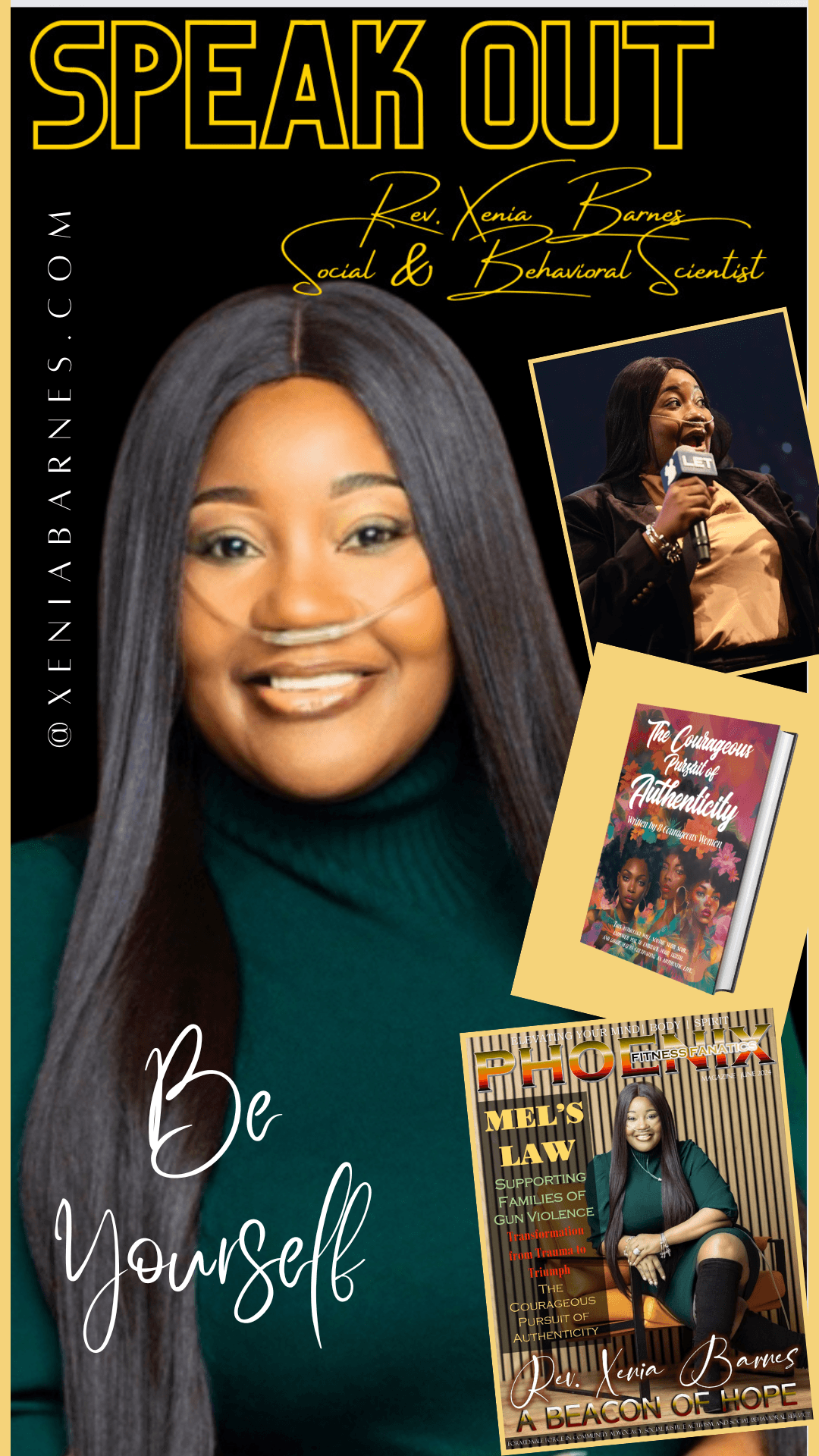
One of our proudest achievements is the recent passage of “Mel’s Law,” legislation that enables families affected by gun violence, long-term illness, and mental illness to receive posthumous degrees for their loved ones. This law exemplifies our commitment to creating tangible change through policy reform.
Training and Consultation I provide specialized training for organizations and institutions on trauma-informed practices, cultural competency, and community engagement strategies. My workshops are grounded in both scientific research and practical experience.
What sets my work apart is its foundation in what I call the “Trauma-to-Triumph Framework.” This innovative approach recognizes that effective community intervention must address both immediate trauma response and long-term systemic change. I don’t just study communities; I work alongside them, ensuring that my scientific insights translate into real-world impact.
I’m particularly proud of my track record in creating sustainable change. Whether it’s through legislative victories like Mel’s Law, community-based intervention programs, or my research publications, I’ve demonstrated that academic rigor and community advocacy can effectively coexist.
For potential clients and collaborators, it’s important to understand that my work is deeply rooted in both scientific methodology and lived experience. We bring:
– Evidence-based approaches informed by current research
– Cultural competency and community sensitivity
– A proven track record of policy change and community impact
– Innovative frameworks that bridge academic theory and practical application
– A commitment to long-term, sustainable solutions
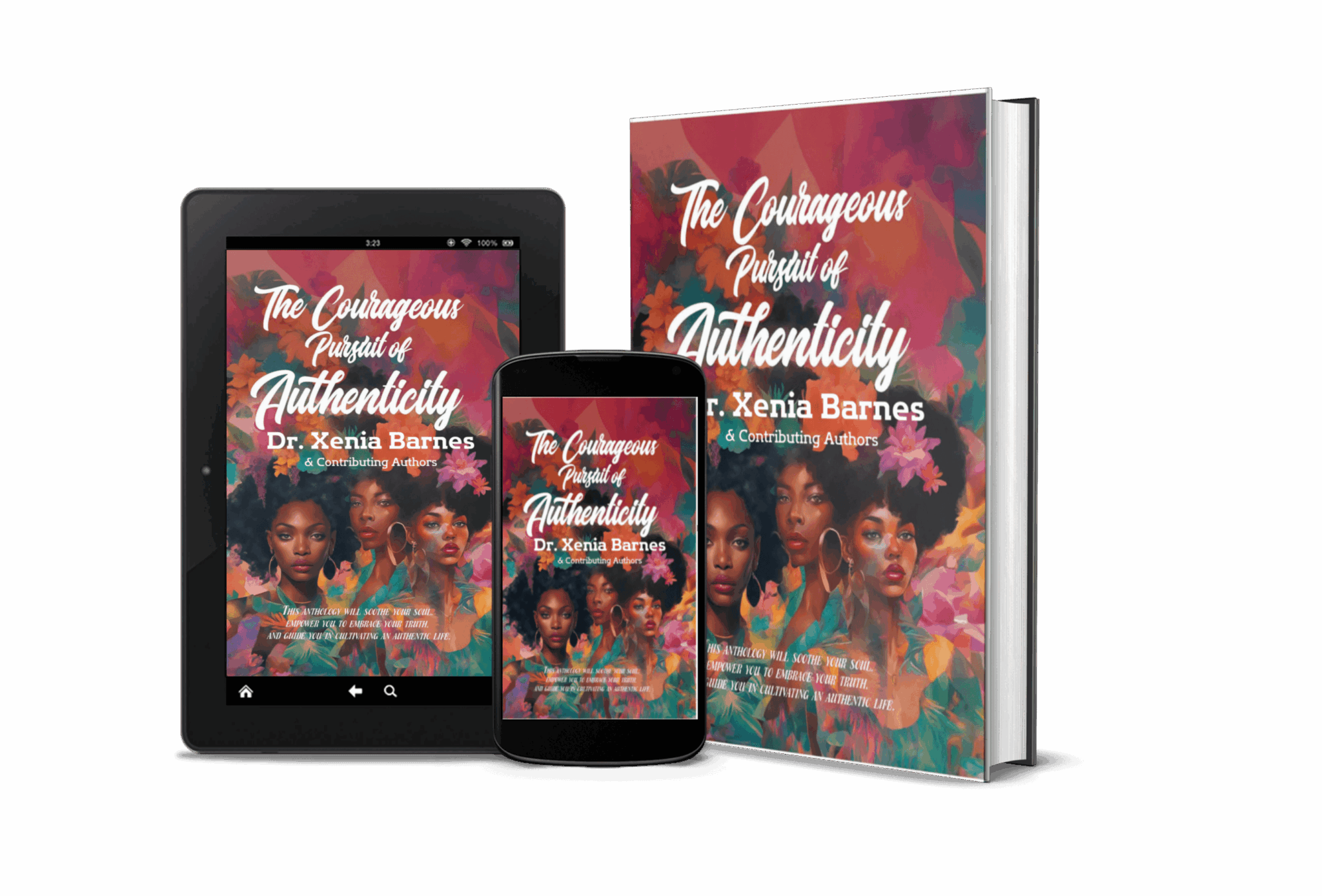
My recent project, “The Courageous Pursuit of Authenticity,” exemplifies our approach. It’s a comprehensive program that helps individuals and organizations navigate personal and professional transformation through evidence-based self-reflection and growth strategies.
Looking ahead, I am expanding my reach through:
– Digital platforms for broader access to resources
– Collaborative research initiatives with major institutions
– Enhanced policy advocacy at state and national levels
– Development of new intervention models for community violence prevention
The core message I want to convey is that effective social change requires both scientific rigor and authentic community engagement. My work demonstrates that when academic expertise meets genuine community understanding, transformative change becomes possible.
I invite those interested in my work to explore collaboration opportunities, whether through speaking engagements. workshops, research partnerships, community programs, or policy initiatives. My goal is to continue building bridges between scientific knowledge and community needs, psychological safety in the workplace, creating lasting positive change in urban communities across America.
For those seeking to understand more about my approach or to engage with my work, I welcome conversations about how we can collectively address the challenges facing our communities through evidence-based, culturally competent solutions.
This is more than a career choice; it’s a calling to transform trauma into triumph, not just for individuals but for entire communities. Through this work, we’re proving that science, when combined with authentic community engagement, can be a powerful force for social change.
Any advice for managing a team?
Leading teams effectively requires a delicate balance of strategic management and emotional intelligence. Through years of directing research teams and community initiatives, I’ve discovered several key principles that consistently foster both high performance and sustained morale.
First and foremost, authentic leadership sets the foundation. Teams thrive when leaders demonstrate transparency about challenges while maintaining clear vision and purpose. This means being honest about obstacles while showing confidence in the team’s ability to overcome them.
Critical components for maintaining high morale include:
Recognition and Growth
– Celebrate both individual and team achievements
– Create clear pathways for professional development
– Provide regular, constructive feedback
– Acknowledge effort as well as outcomes
Clear Communication
– Set explicit expectations and goals
– Maintain open channels for dialogue
– Share the bigger picture behind decisions
– Listen actively to team concerns and ideas
Empowerment Through Trust
– Delegate meaningful responsibilities
– Allow autonomy in problem-solving
– Support innovative thinking
– Stand behind team decisions
What’s often overlooked is the importance of cultural competency in team management. In diverse teams, understanding and respecting different communication styles and cultural perspectives becomes crucial for maintaining cohesion and morale.
I’ve found that the most successful teams operate within what I call a “Purpose-Driven Framework”:
1. Shared Vision: Ensure everyone understands not just what they’re doing, but why it matters
2. Individual Value: Help each team member see their unique contribution to the larger goal
3. Collective Support: Foster an environment where helping colleagues succeed becomes natural
4. Growth Mindset: Treat challenges as learning opportunities rather than failures
Perhaps most importantly, remember that morale isn’t built through grand gestures but through consistent, thoughtful leadership practices. It’s about creating an environment where people feel valued, challenged, and supported every day.
The key is maintaining this approach even during high-pressure situations or when facing setbacks. That’s when leadership truly matters – when you can keep the team focused and motivated despite obstacles.
Remember: High morale isn’t about keeping everyone happy all the time. It’s about creating an environment where people feel purposeful, respected, and engaged in meaningful work. When you achieve that, both productivity and job satisfaction naturally follow.

We often hear about learning lessons – but just as important is unlearning lessons. Have you ever had to unlearn a lesson?
As a social and behavioral scientist, one of the most profound lessons I had to unlearn was the deeply ingrained belief that maintaining emotional distance was essential to professional credibility. This unlearning journey began in the midst of my research on community violence and trauma.
Early in my career, I embraced the traditional academic paradigm that valorized objective detachment. We were taught that emotional investment could compromise our scientific integrity. “Stay neutral,” they said. “Maintain professional boundaries.” These mantras shaped my early approach to research and community work.
The turning point came through personal tragedy. When gun violence claimed the life of a loved one, I found myself on the other side of the research paradigm – no longer just the observer, but also the observed. This experience forced me to confront the artificial boundary I’d created between professional expertise and lived experience.
What I came to understand was profound: emotional connection, when properly channeled, doesn’t compromise scientific rigor – it enhances it. The very experiences I had tried to compartmentalize became valuable insights that informed my research methodology and theoretical frameworks.
This unlearning process taught me several crucial lessons:
1. Authentic engagement strengthens research validity
2. Personal experience can illuminate blind spots in theoretical models
3. Emotional intelligence and scientific rigor can coexist
4. The most impactful research often emerges from deeply personal questions
The old model of professional detachment, I realized, was rooted in a false dichotomy between rationality and emotion. In reality, our emotional experiences can sharpen our analytical capabilities rather than dull them.
This revelation transformed my approach to both research and community engagement. I began developing what I now call “empathetic methodology” – an approach that honors both scientific rigor and human connection. This framework has proven particularly valuable in trauma-informed research and intervention design.
The irony wasn’t lost on me: in trying to maintain professional distance, I had actually been distancing myself from some of my most valuable insights. The very experiences I had tried to separate from my professional work became the foundation for more nuanced and effective research approaches.
Today, when mentoring emerging researchers, I emphasize that their personal experiences and emotional responses aren’t liabilities to be managed but assets to be understood and integrated thoughtfully into their work. This doesn’t mean abandoning objectivity – rather, it means acknowledging and leveraging our human experiences in service of better research and more effective interventions.
This unlearning continues to influence my work, reminding me that sometimes our greatest professional growth comes not from acquiring new knowledge, but from questioning and releasing limiting beliefs we’ve long held as truths.
The lesson resonates beyond academia: in any field, authentic engagement often proves more valuable than artificial detachment. When we bring our whole selves to our work – thoughtfully and professionally – we often find deeper insights and more meaningful impact.
What I now know for certain is this: true professional excellence isn’t about eliminating our emotional connections to our work – it’s about understanding how to harness them in service of more insightful, impactful contributions to our fields.
This unlearning journey has fundamentally shaped how I approach research, mentorship, and community engagement. It stands as a reminder that sometimes our most important professional growth comes from challenging our most basic assumptions about what it means to be “professional.”
Contact Info:
- Website: https://www.xeniabarnes.com
- Instagram: @coachbarnesgmt_
- Facebook: https://www.facebook.com/profile.php?id=100090416637357&mibextid=uzlsIk
- Linkedin: http://www.linkedin.com/comm/mynetwork/discovery-see-all?usecase=PEOPLE_FOLLOWS&followMember=coach-barnes-gmt967bab88
- Twitter: @coachbarnesgmt
- Youtube: https://youtube.com/channel/UC8JSipA2AreaSKdODtn6vDQ
- Other: www.goldmindthoughts.com
www.mjascholarship.org