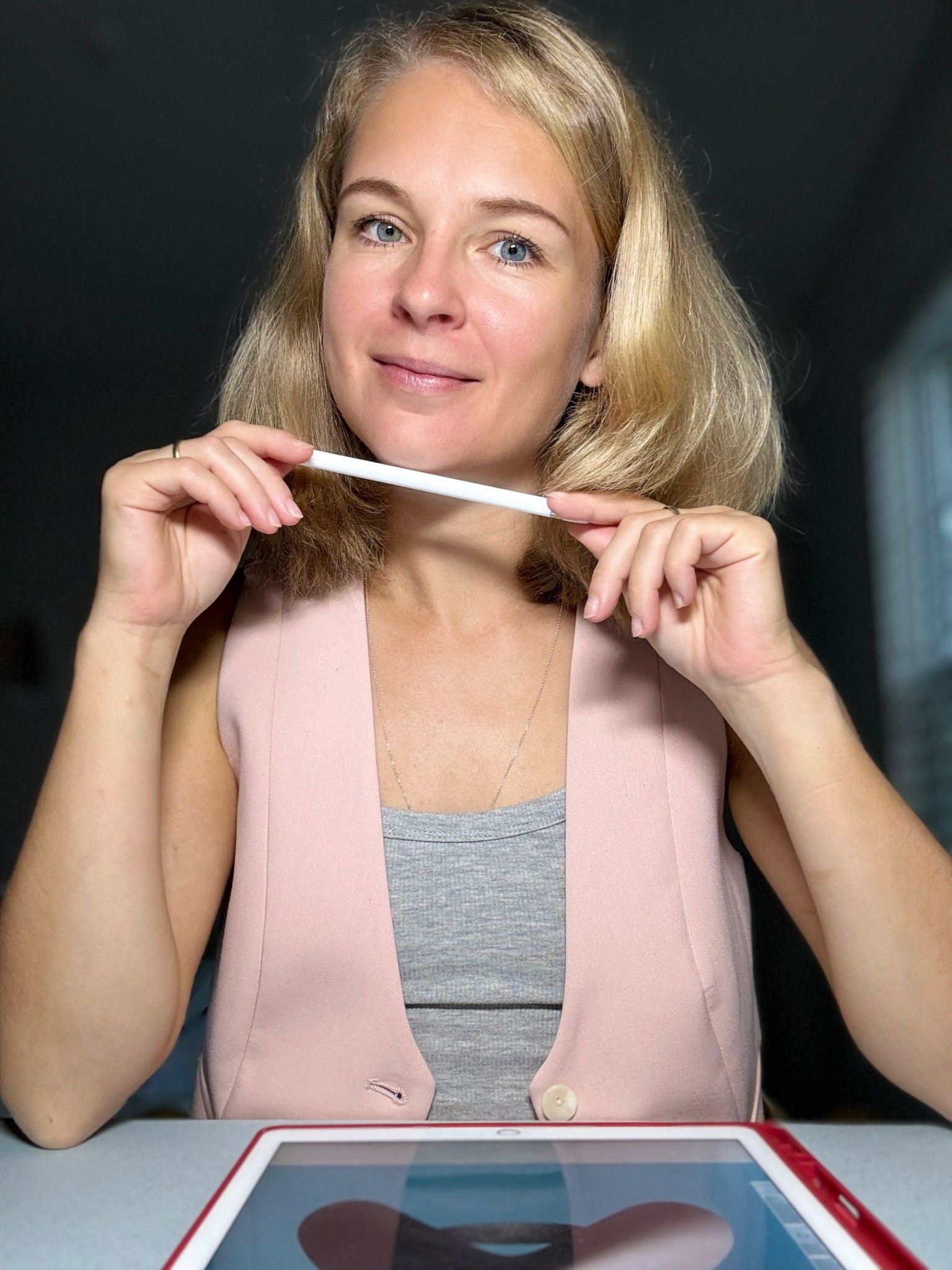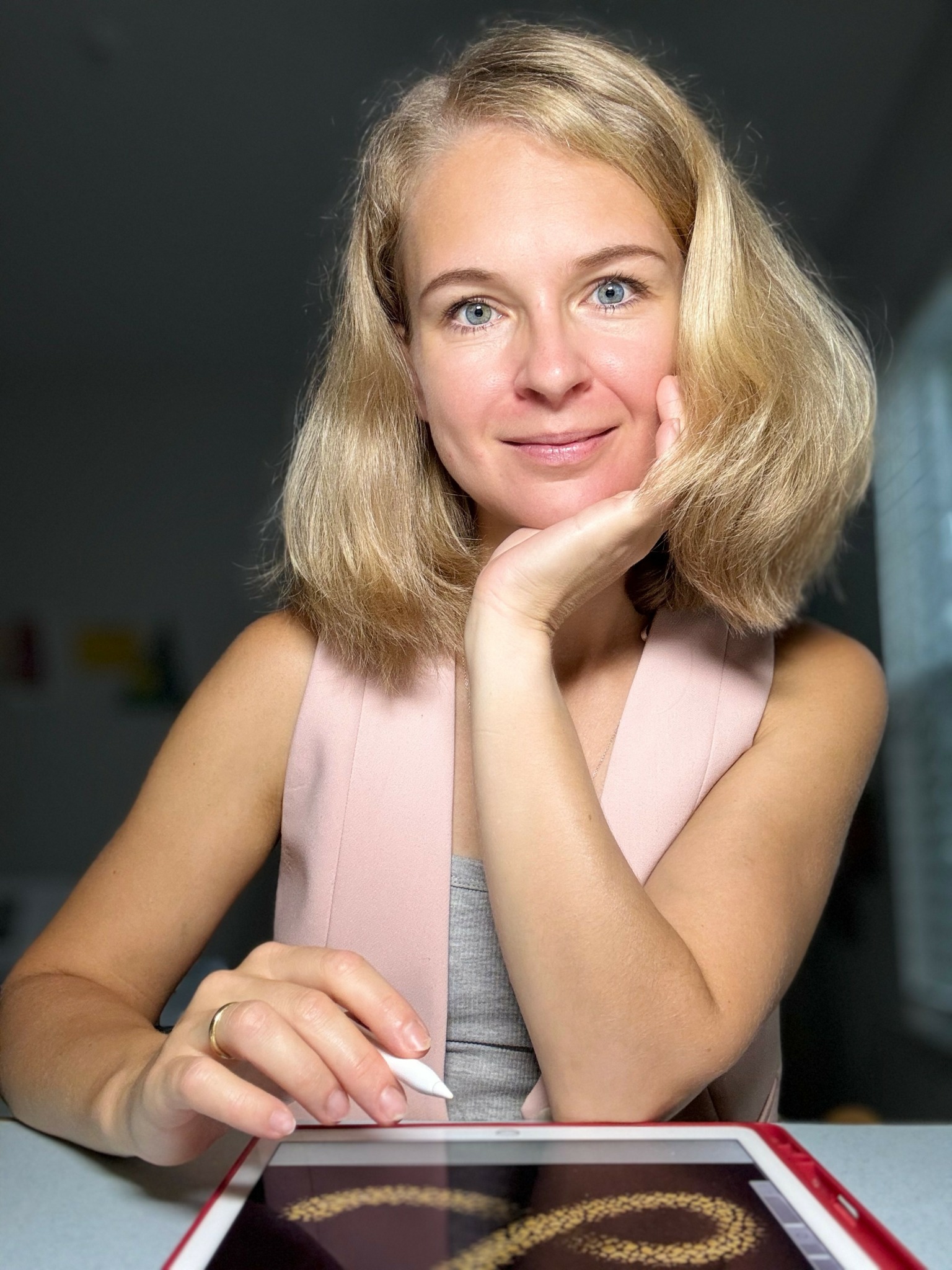

We caught up with the brilliant and insightful Dina Ruzha a few weeks ago and have shared our conversation below.
Dina , appreciate you joining us today. I’m sure there have been days where the challenges of being an artist or creative force you to think about what it would be like to just have a regular job. When’s the last time you felt that way? Did you have any insights from the experience?
Ever since I was six, I knew I wanted to be an artist or a dance teacher—it was a simple yet unwavering dream. Fast forward, and here I am, an illustrator working with major publishers, brands, and magazines worldwide. My childhood vision came true, but the reality of being a professional illustrator—and a freelancer at that—turned out to be far more challenging than I’d imagined.
If someone asked me today if I’d consider a “normal” job, my answer would be a definite no. But, if I’m honest, there are quiet periods in my work when commissions slow down, and worry creeps in about my future. In those moments, I briefly consider what life might be like with a steady job. Yet I always return to what I love most about this path: the freedom of being an independent artist. It’s not just about creating art; it’s about having the flexibility to design my own schedule, which allows me to spend precious time with my family and two young daughters.
Reflecting on my career, I realize I’ve almost never been a traditional employee. Right after graduating with top honors from university, I taught young students at the same institution. Even then, I took on side projects, teaming up with a friend to create yearbooks for local schools. Looking back, I’ve always been the one to create opportunities for myself. My childhood offered no model of entrepreneurship; I grew up in a small town in southern Russia, where my parents worked in daycare and at a factory. Yet, after finishing high school with a gold medal, I moved to St. Petersburg to study engineering, earning a top-scoring “red diploma” upon graduation.
It wasn’t long before I remembered my dream—I wanted to be an artist. So, I enrolled in a six-year university program focused on drawing, painting, and design. Those years deepened my passion for art and reinforced that I couldn’t imagine myself doing anything else. Later, I moved to the USA and began my illustration career from scratch.
As a freelance illustrator, I encounter peaks and valleys in my workload. At times, my calendar is fully booked for months; at other times, there’s an unsettling quiet, and I worry whether clients will come back. That insecurity—the fear of not being “good enough”—can be daunting, even with my extensive training and experience.
Over time, I’ve come to value the personal journey of finding and building my brand, connecting with art directors, and continually creating new opportunities. Self-promotion isn’t easy; every artist fears rejection. Hearing “no” can sting, but I’ve learned to view it as a response to my ideas, not to me personally. This perspective has helped me reach out to potential clients confidently and propose my services without taking refusals to heart.
Yes, as a freelancer, I miss out on certain benefits. I pay for my own insurance, save for retirement on my own, and handle every business responsibility myself. But, for me, one major benefit outweighs all these: no one can fire me. Freelancing brings stress, but I’ve learned to manage it and, in many ways, I’ve come to embrace it. The fulfillment I find in being an artist—despite the doubts that sometimes arise—is worth it all.
As always, we appreciate you sharing your insights and we’ve got a few more questions for you, but before we get to all of that can you take a minute to introduce yourself and give our readers some of your back background and context?
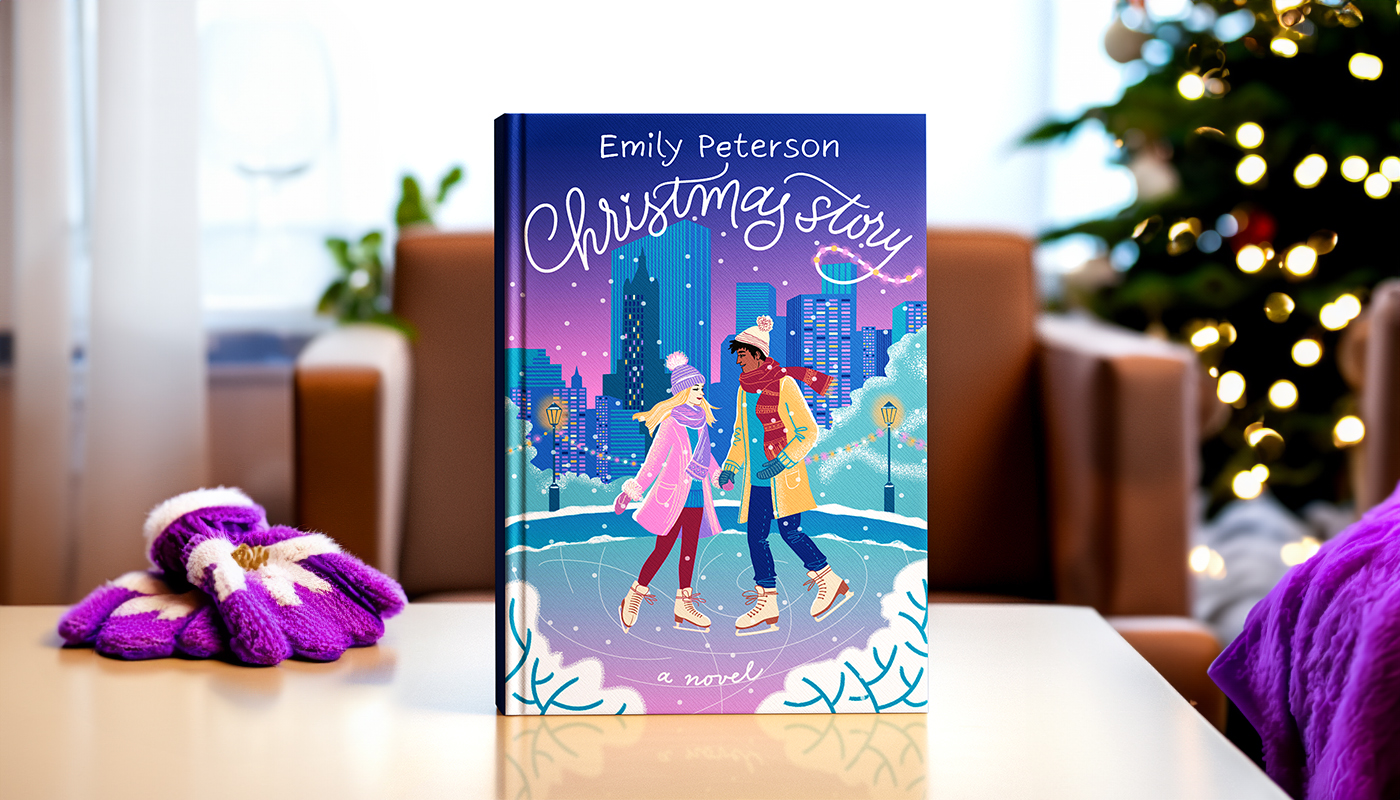
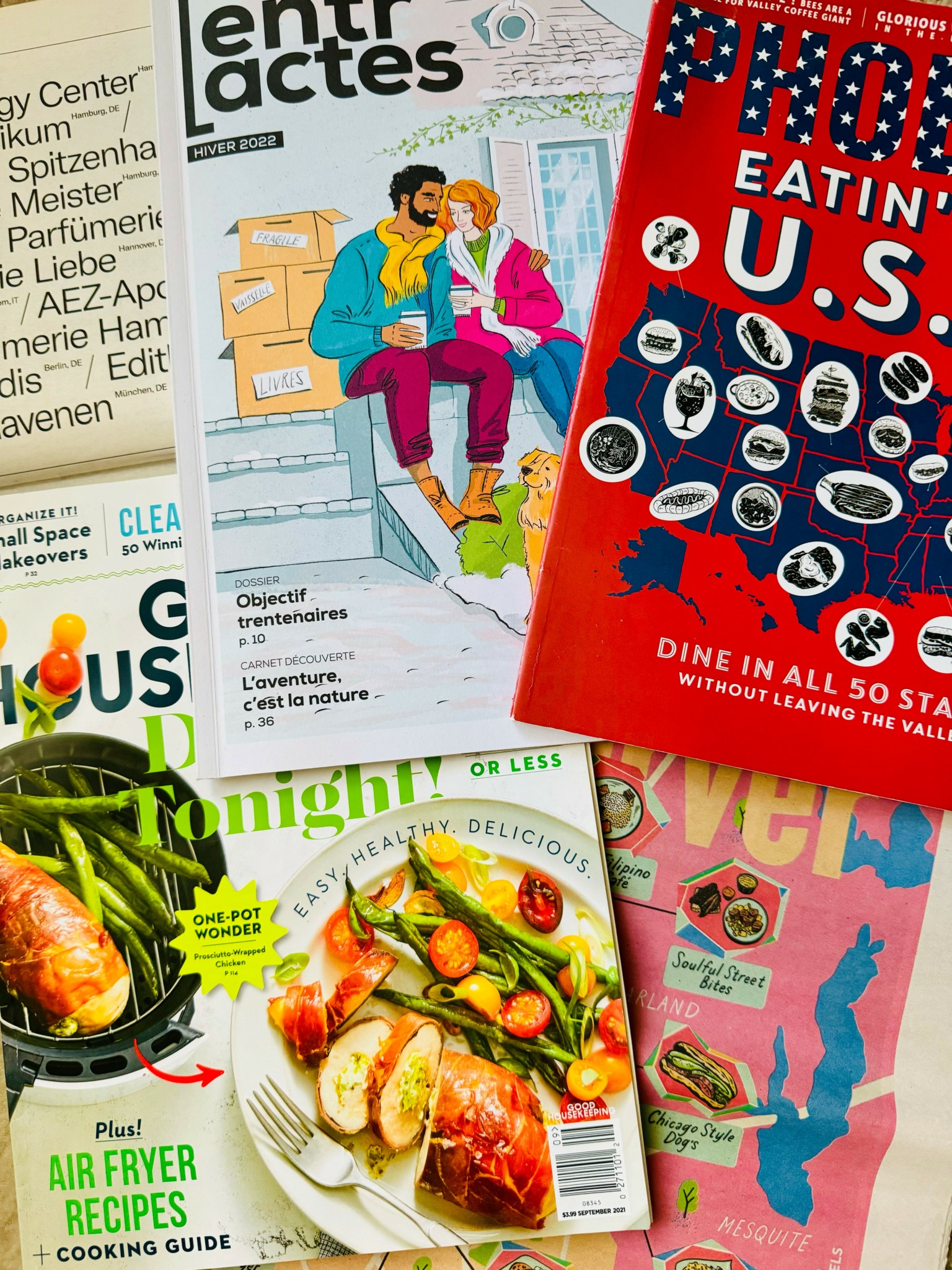
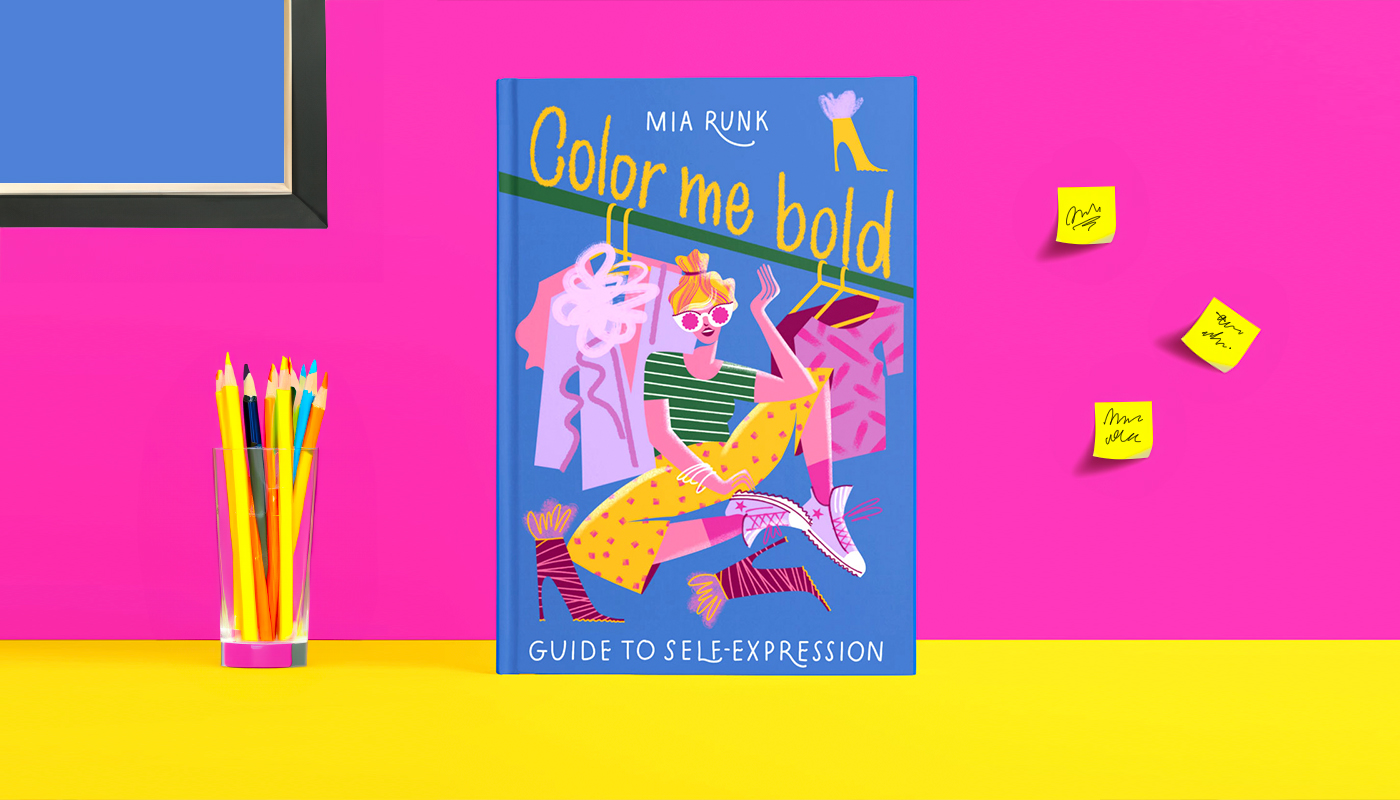
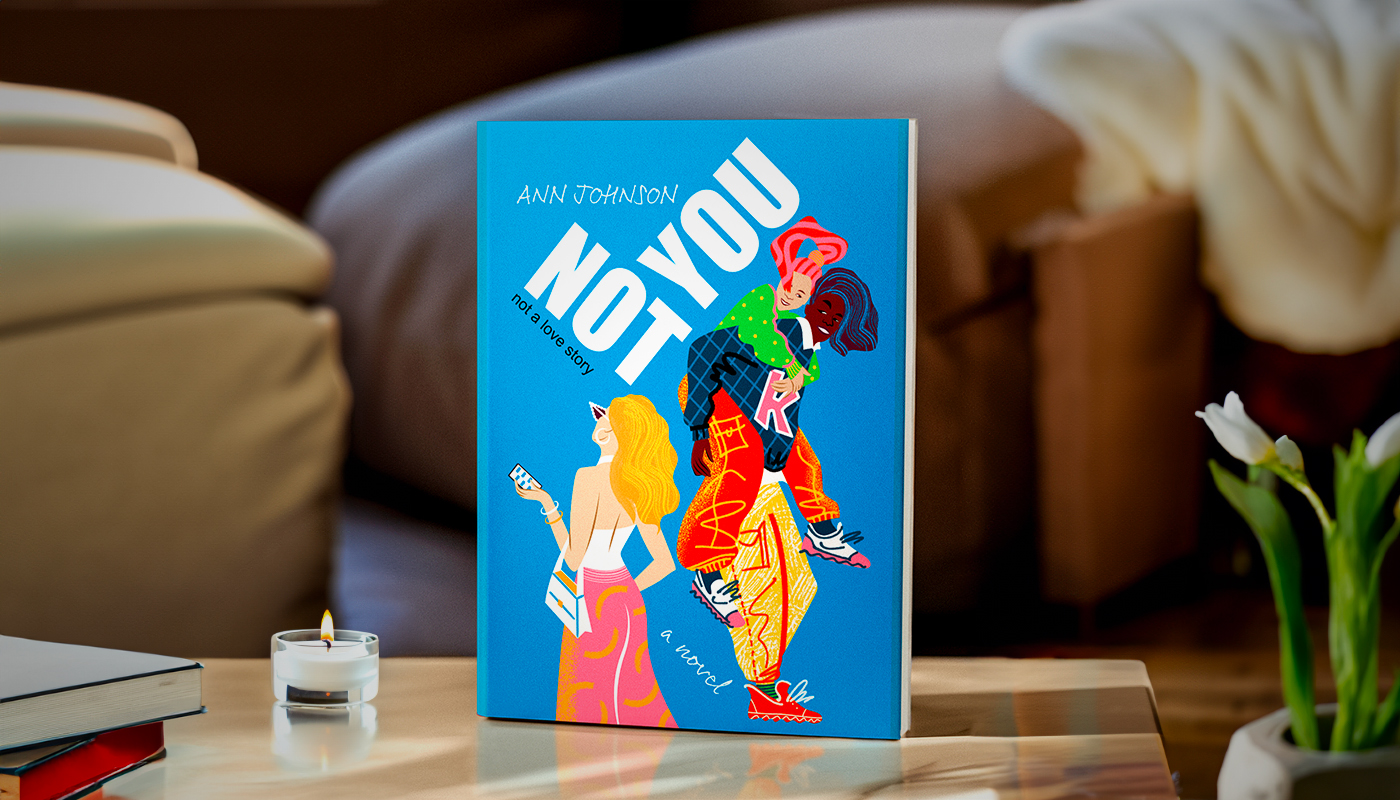
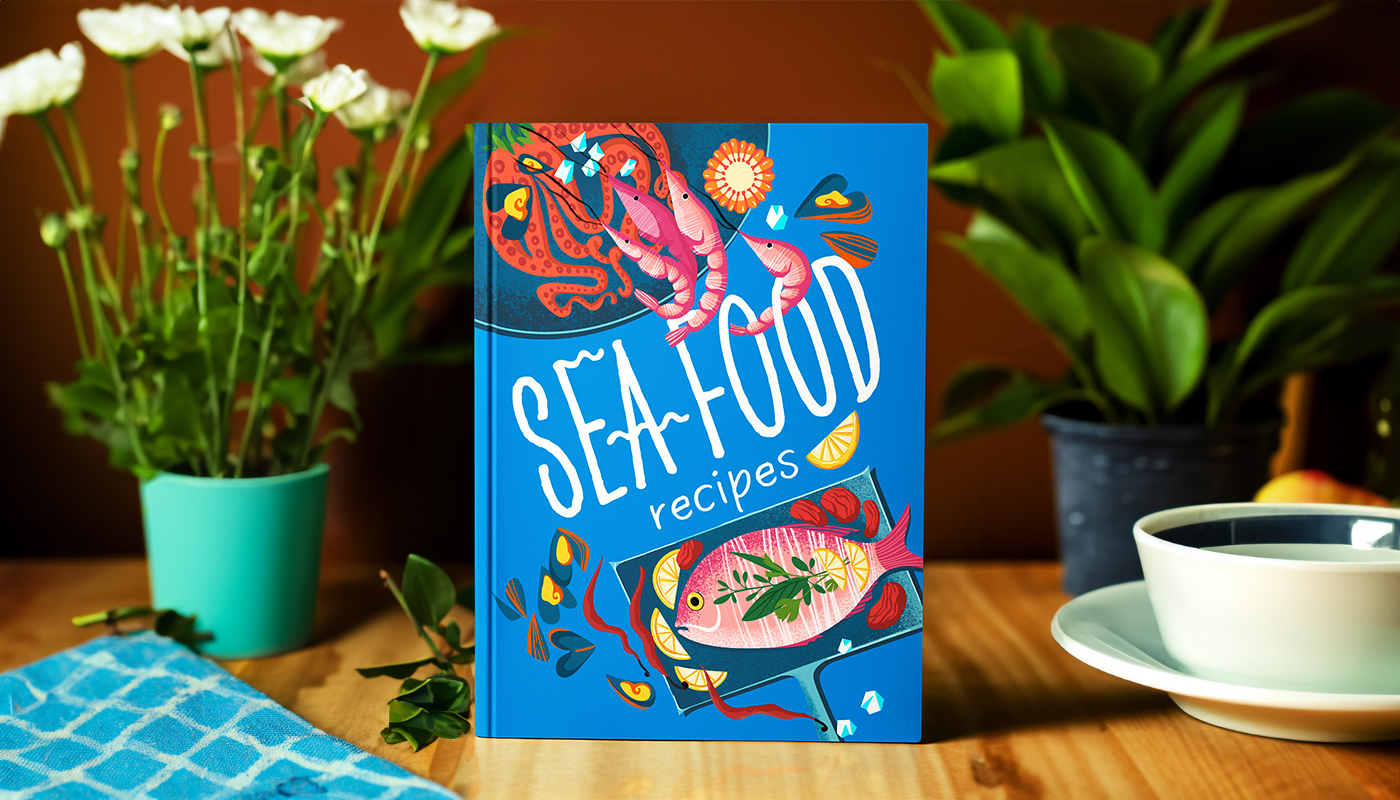
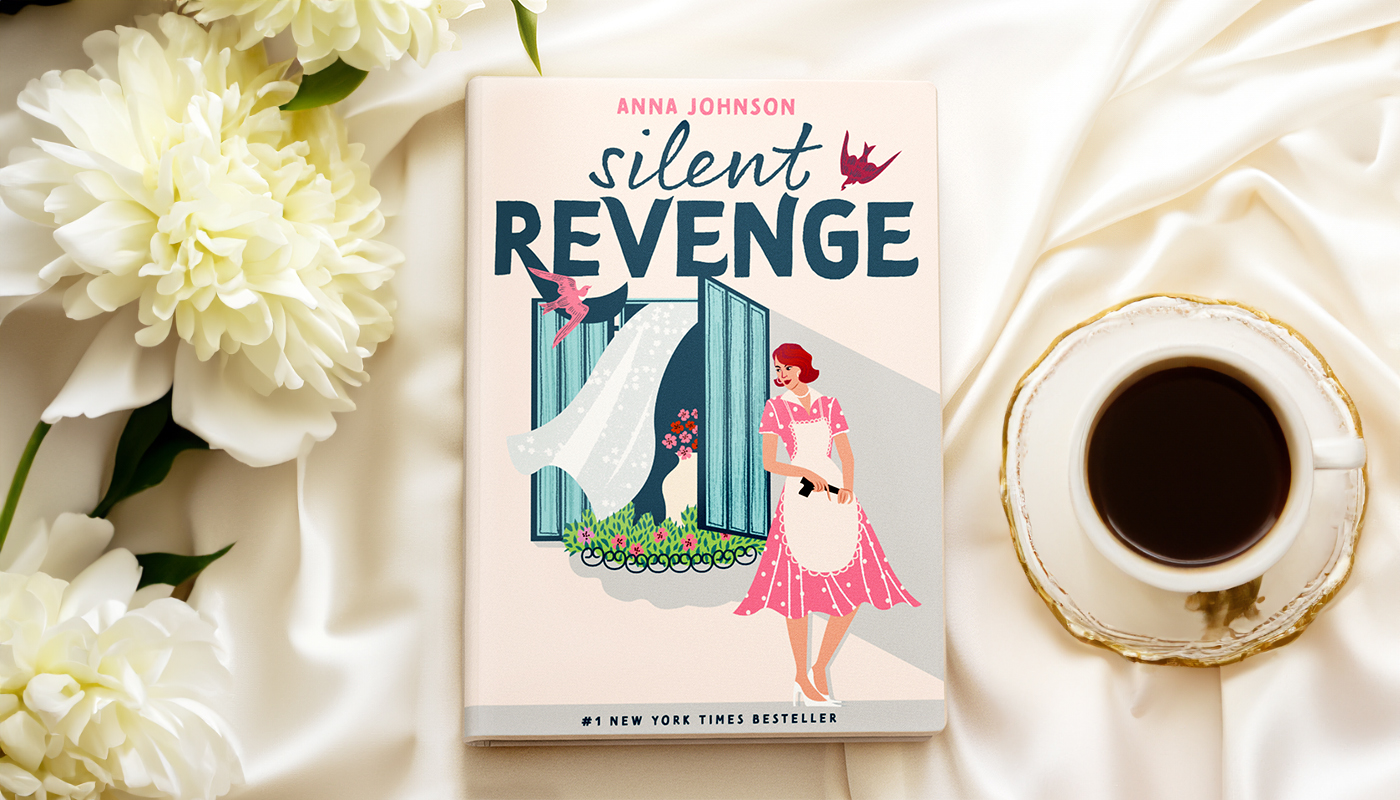
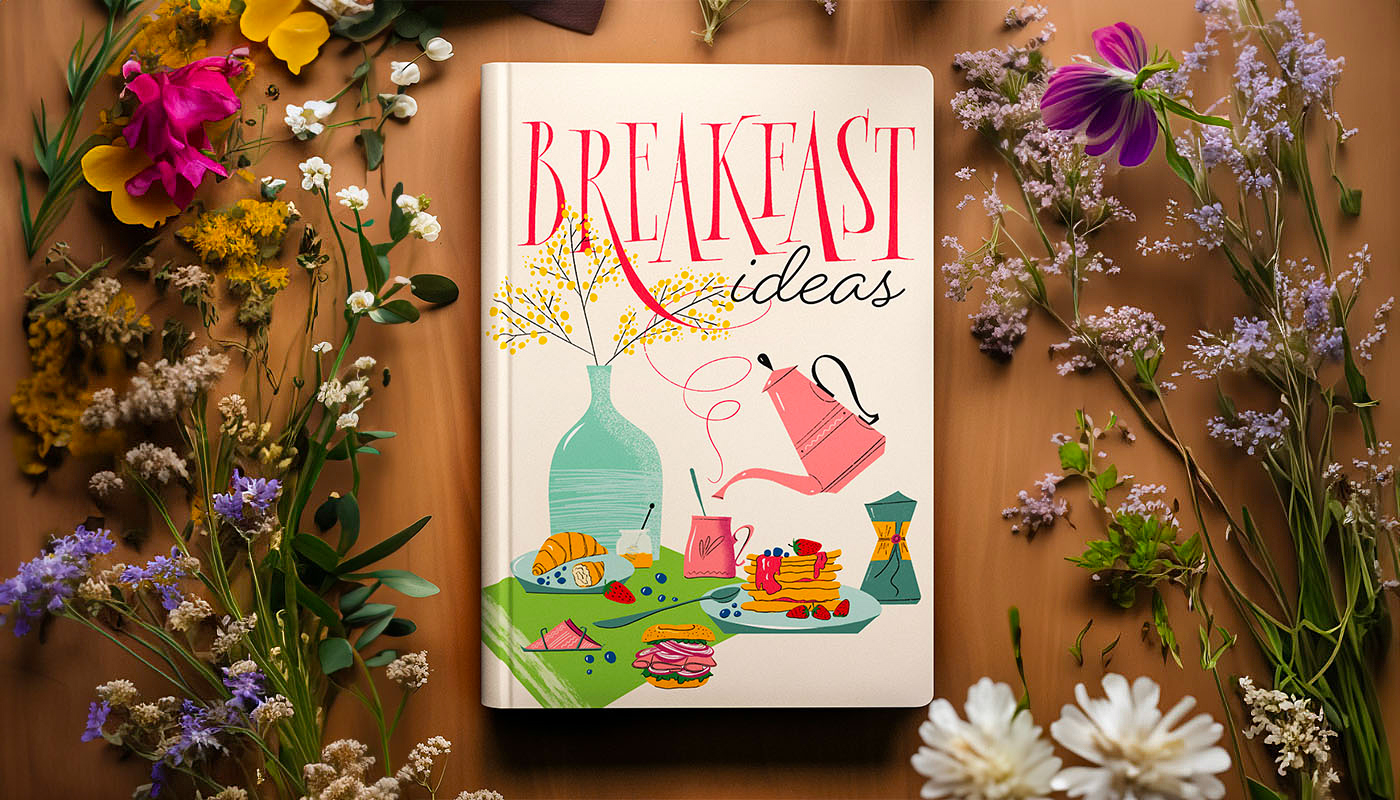
I’m an illustrator represented globally by IllustrationX, with my work featured in publications across the USA, Britain, Germany, and France. My illustrations help brands, publishers, and magazines resonate with their audiences by making products visually captivating and conveying compelling narratives through art. I’m dedicated to solving my clients’ needs with illustrations that capture ideas and emotions, whether in editorial, publishing, or advertising. My specialties include book covers, illustrated maps, editorial and lifestyle illustrations, lettering, and more.
In addition to my client work, I’m passionate about helping beginner illustrators develop their craft and build confidence. I offer online courses on topics like creating a strong editorial portfolio, illustrated map-making, and lettering tailored for illustrators. I also provide one-on-one consultations, guiding illustrators on their professional journey and sharing industry insights to help them succeed.
And here’s a fun fact about me: in my free time, I’m a powered paragliding pilot! Flying gives me a unique perspective, allowing me to experience the world from a bird’s eye view—a perspective I believe subtly influences my creative work.
What can society do to ensure an environment that’s helpful to artists and creatives?
In today’s world, artists face unique challenges, not only competing with each other but also with artificial intelligence, which often replicates art without capturing the true personal touch and emotion that human artists bring. This rise in AI-generated content risks devaluing the distinctive and deeply personal work that artists offer. To foster a thriving creative ecosystem, society must recognize the irreplaceable value of human connection in art. People need people, and supporting local artists by investing in their work strengthens community bonds. Budget cuts to the arts sector undermine creative potential, so sustaining and expanding arts funding is essential. Additionally, establishing programs that help artists save for retirement and access social benefits would provide them with a stable foundation, allowing them to focus on their craft and contribute to cultural growth without compromising financial security.
Are there any resources you wish you knew about earlier in your creative journey?
Looking back, I wish I’d realized earlier that being an artist also means embracing an entrepreneurial mindset. It’s essential to understand that creativity alone isn’t enough; artists need to study marketing, learn to network effectively, and be comfortable with promoting themselves.
Building a successful career as a creative often means stepping up as your own boss, managing not only the artistic side but also the business aspects. Delegating tasks like accounting or administrative work can free up time to focus on what truly matters. Self-promotion and resilience in the face of rejection are key—every “no” is just a step closer to the right opportunity. Embracing these business skills early on would have helped me navigate the industry more confidently and efficiently.
Contact Info:
- Website: https://www.dinaruzha.com/
- Instagram: https://www.instagram.com/dina.ruzha/
- Linkedin: https://www.linkedin.com/in/dina-ruzha/
- Other: https://www.behance.net/Dina_Ruzha
https://creativepool.com/dina-ruzha