

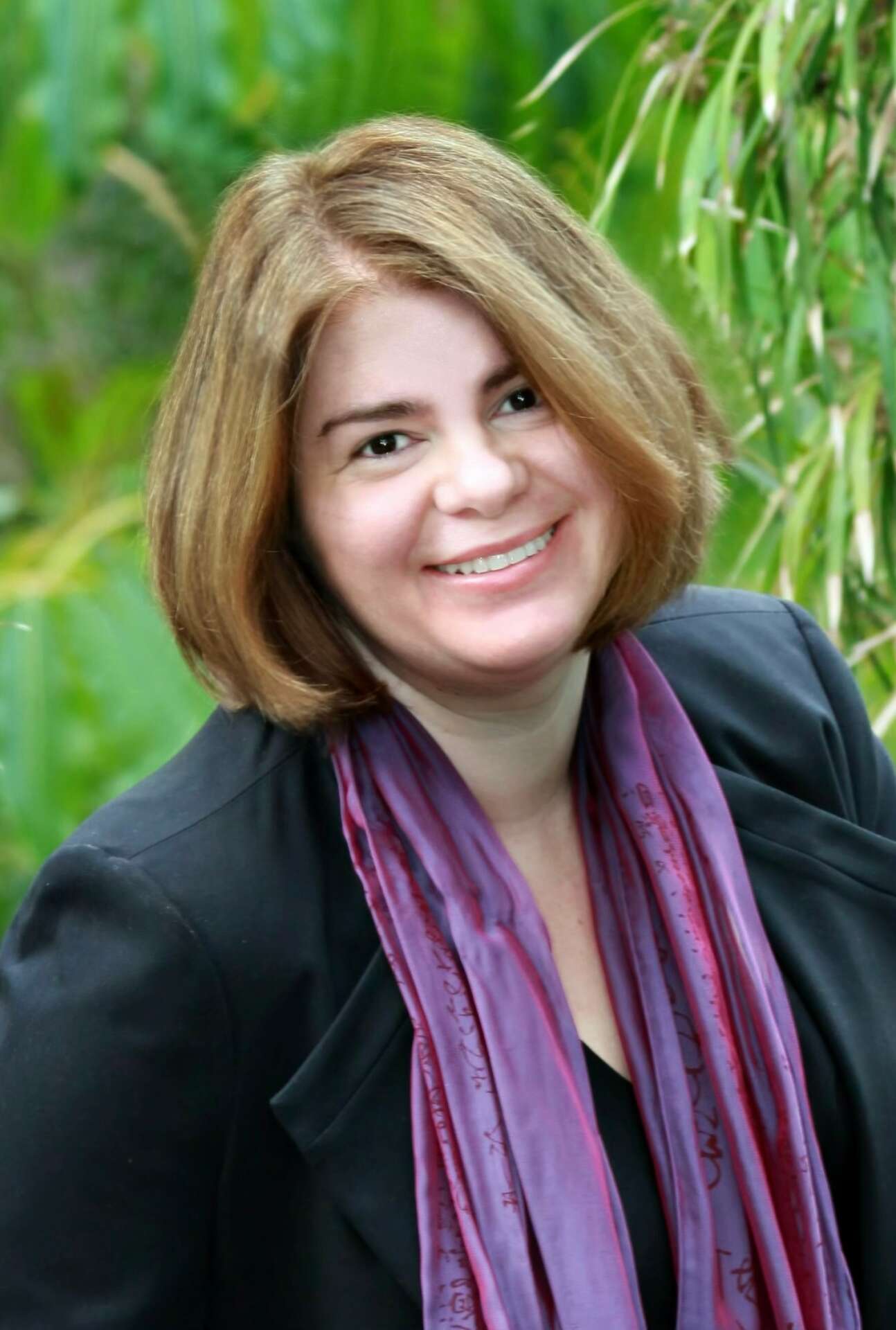

We were lucky to catch up with S.G. Blaise recently and have shared our conversation below.
S.G., appreciate you joining us today. Can you talk to us about how you learned to do what you do?
I wrote my first story at the age of ten, inspired by a nightmare that I had to take control over. Despite that experience, I wasn’t an avid reader until age thirteen, when I picked up the book my dad had been recommending to me for years. I read it standing by the bookcase within a few hours. As the years passed, I focused more on getting the education I needed for a day job that could support my writing habit. In 2001, I moved to Boston and realized that twelve years of passive English translated into very little active knowledge. I could hardly speak a word, let alone write a story in English. I thought my dream of writing was over. Right before we left for a European road trip, I experienced what felt like a mini mid-life crisis. I knew I was meant to do more, but I couldn’t figure out what. Then an amazing idea came to me, in the middle of the night, when we were in Austria. I wrote it down, with the only illumination coming from my phone. It took a year before I mustered the courage to start writing it. I spent six years learning the writing craft and polishing my story, until it was ready to be published.
My writing process could have been accelerated by jumping into writing sooner. I spent a year contemplating whether to write a book or not. My advice to others is to jump in and don’t let fear hold you back.
The most essential skills are perseverance, open-minded attitude, and growth mindset. There is a lot work that goes into making a book outside of writing the first draft. Keeping with that story, no matter what, is imperative. Learning to tell a better story is even more important so that the finished product will be the best story you could have written.
One of the obstacles that stood in my way was life itself. It’s challenging to find time to write when there are so many other commitments in life. Another obstacle was finding the team that will help you publish the book (i.e. cover designer, website designer, illustrators, etc…) Taking the time to meet these amazing folks helped to create a team that I can rely on now.
S.G., love having you share your insights with us. Before we ask you more questions, maybe you can take a moment to introduce yourself to our readers who might have missed our earlier conversations?
I grew up in Hungary, experiencing the second half of Soviet oppression first hand. My Dad rebelled against it in his own way–he smuggled in Hollywood movies that were forbidden, risking his life so that his children could experience the magic inherent in those movies. Unfortunately, I lost my Dad when I was a teen. I found some solace in reading, and later in writing fantasy stories-a genre my Dad loved as well.
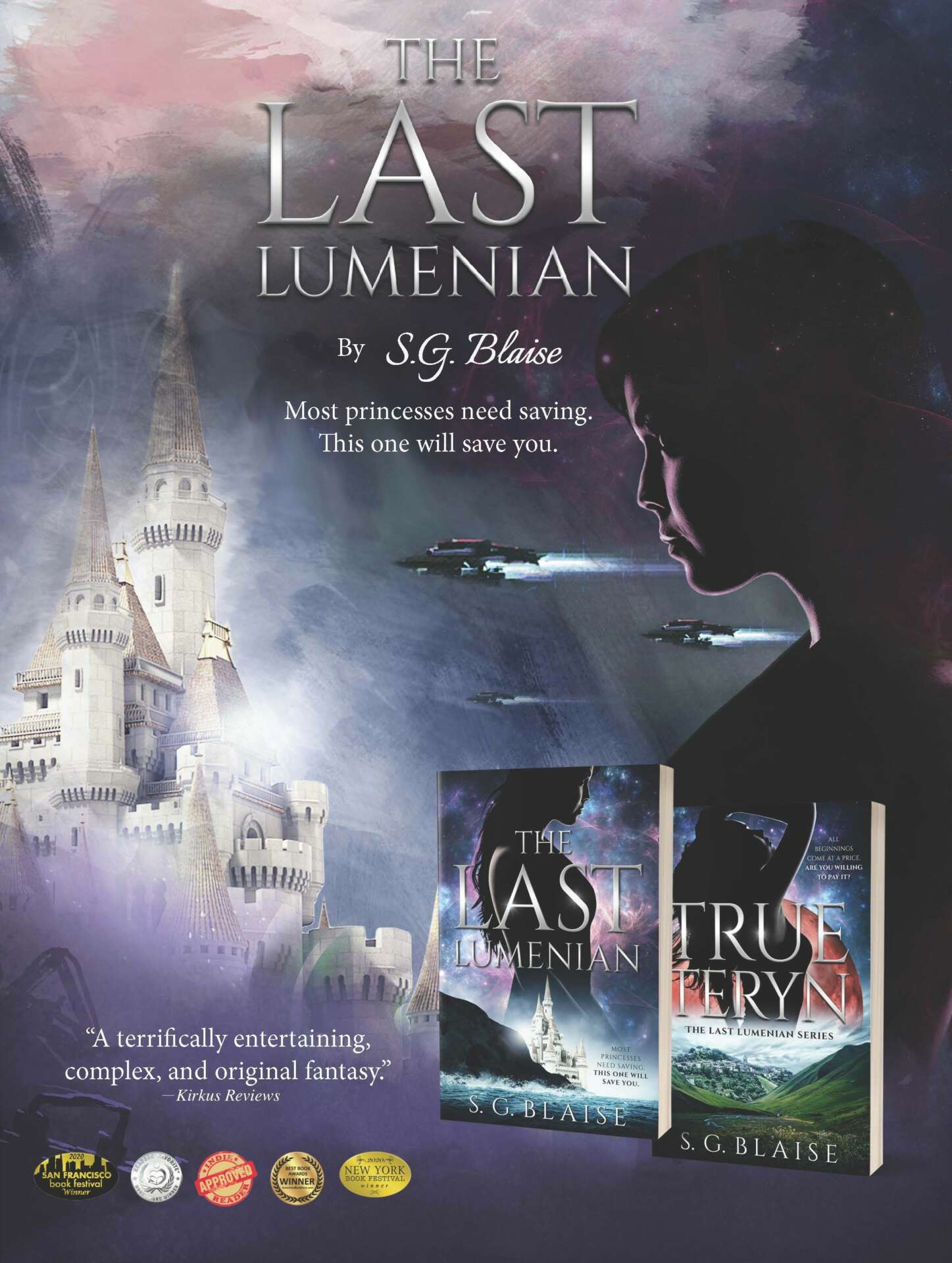
In my teens, I watched rebellions unfold in real time. As a young adult, I journeyed across the Atlantic Ocean for love. I realized that twelve years of passive English translated into very little active knowledge. I could hardly speak a word, let alone write a story in English. I thought my dream of writing was over. Right before we left for a European road trip, I experienced what felt like a mini mid-life crisis. After returning home, it took a year before I mustered the courage to start developing my idea into a story. The rest is history. Currently I am in the process of publishing the third book of the award winning Last Lumenian series.
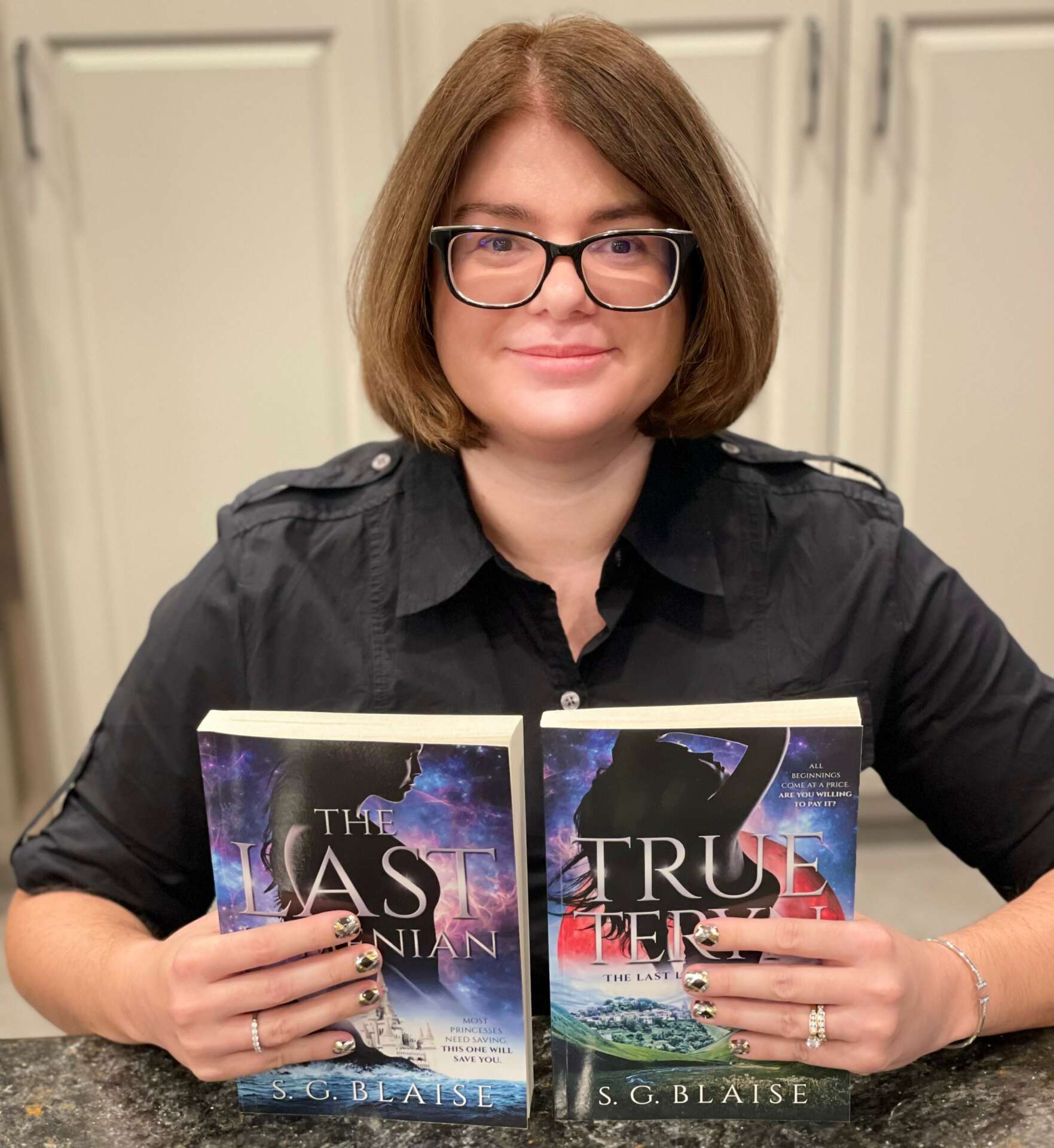
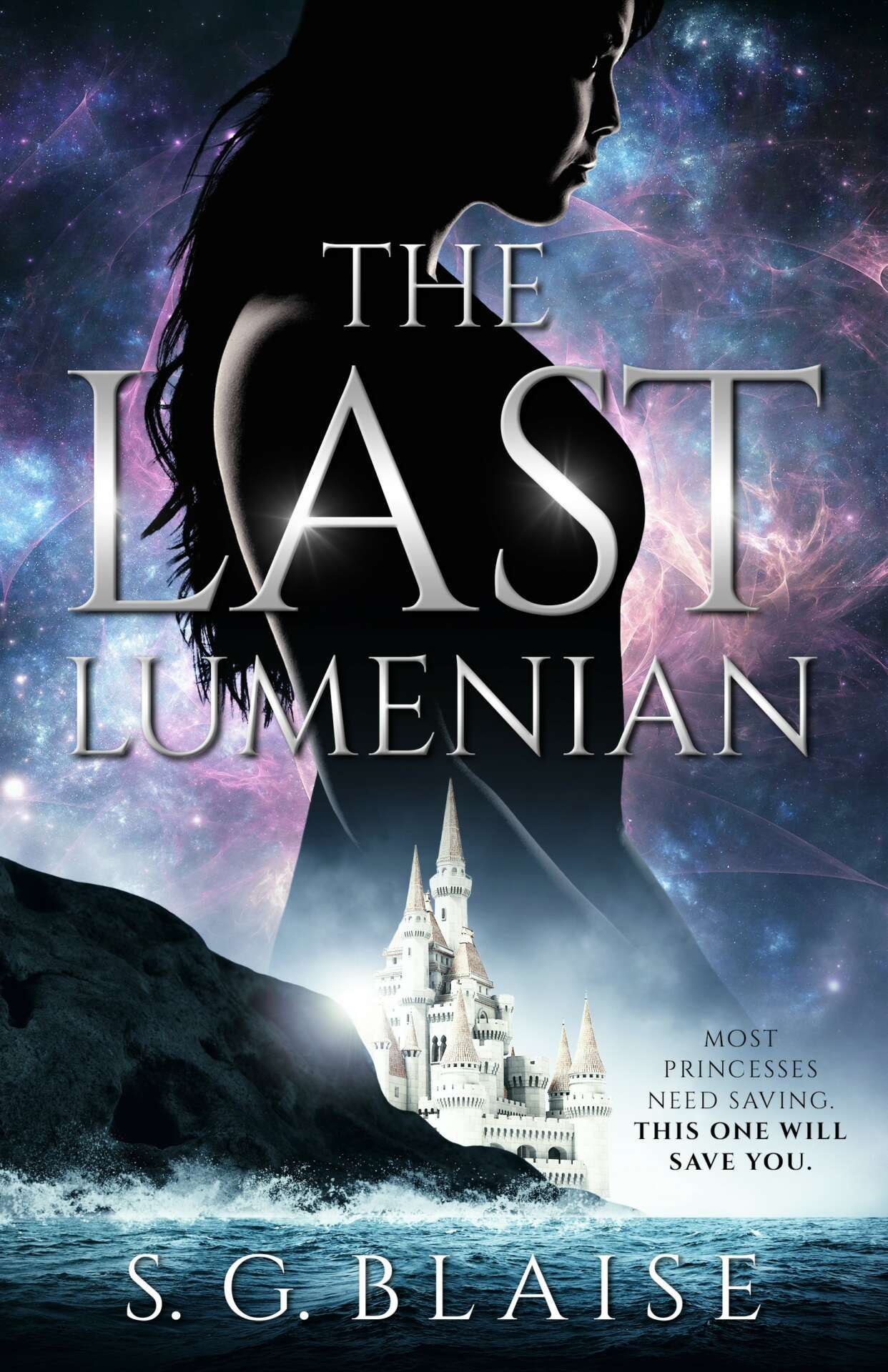
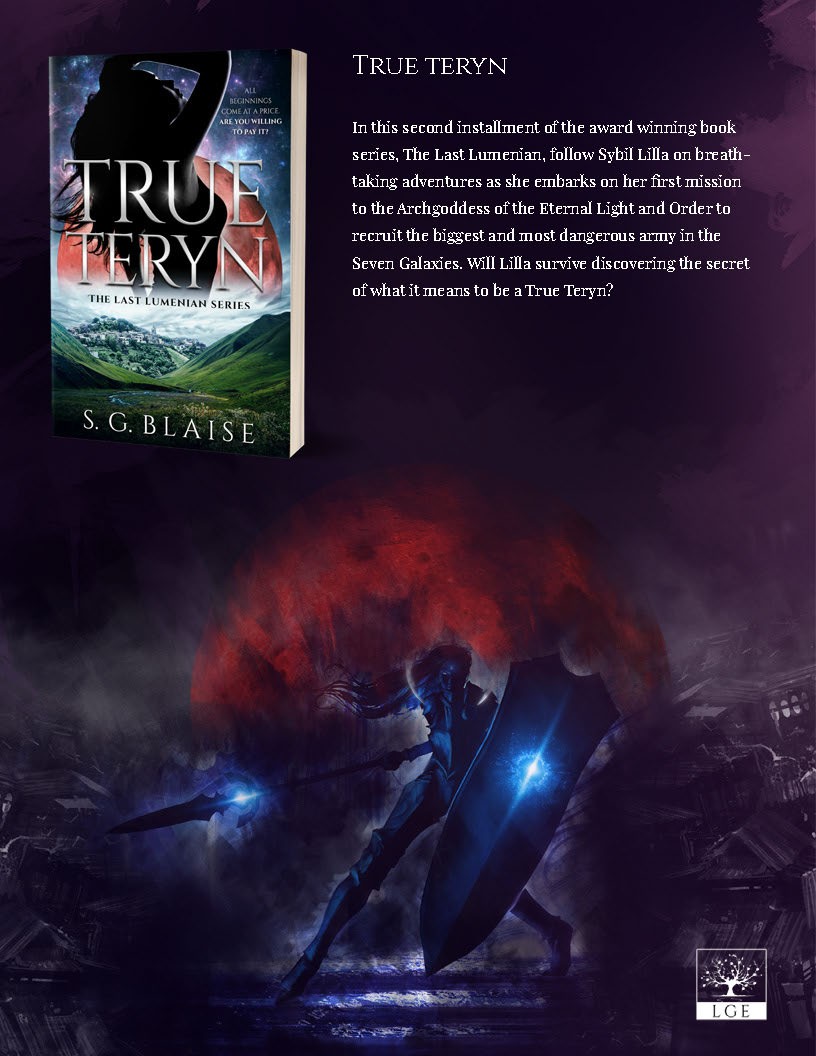
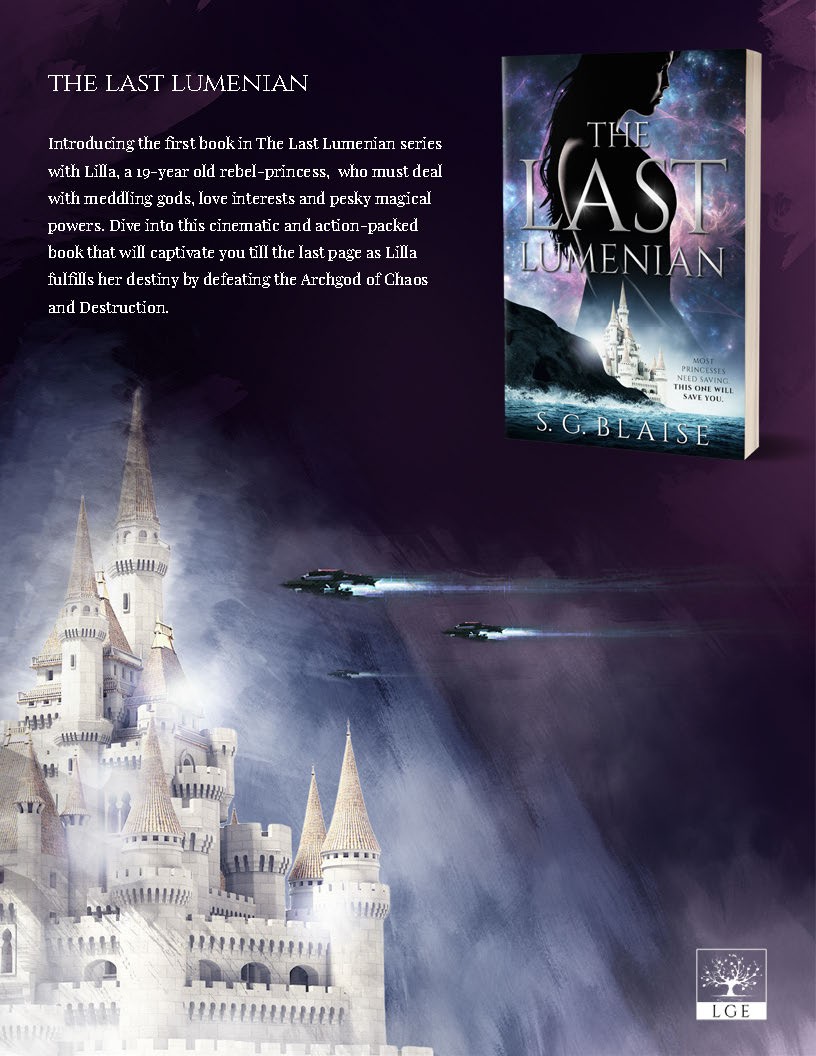
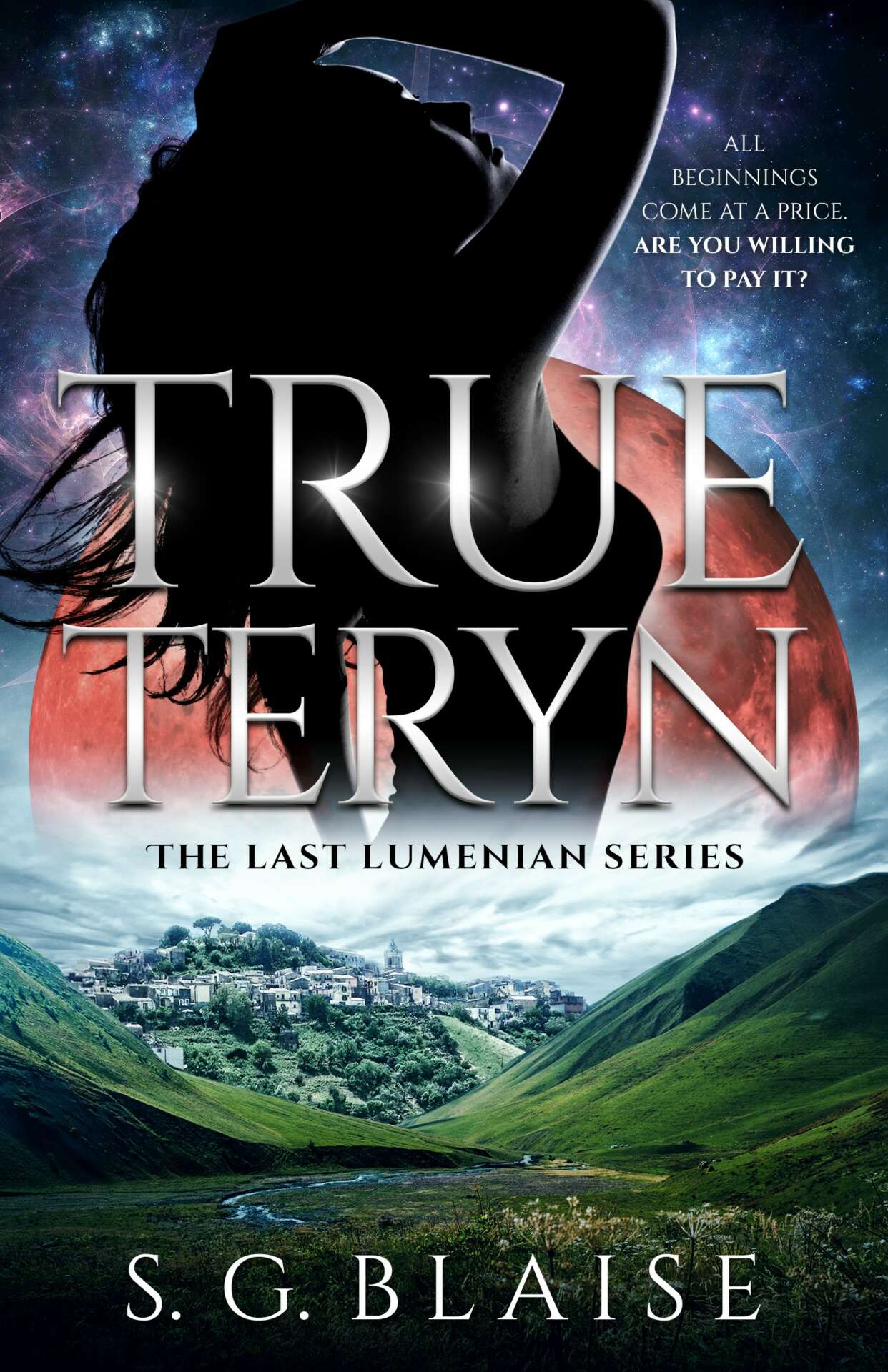
It fills me with pride and happiness that The Last Lumenian (first book in the series) had a great start—it won 20 awards and honors. The sequel, True Teryn, is keeping up with its 13 awards and honors (so far).
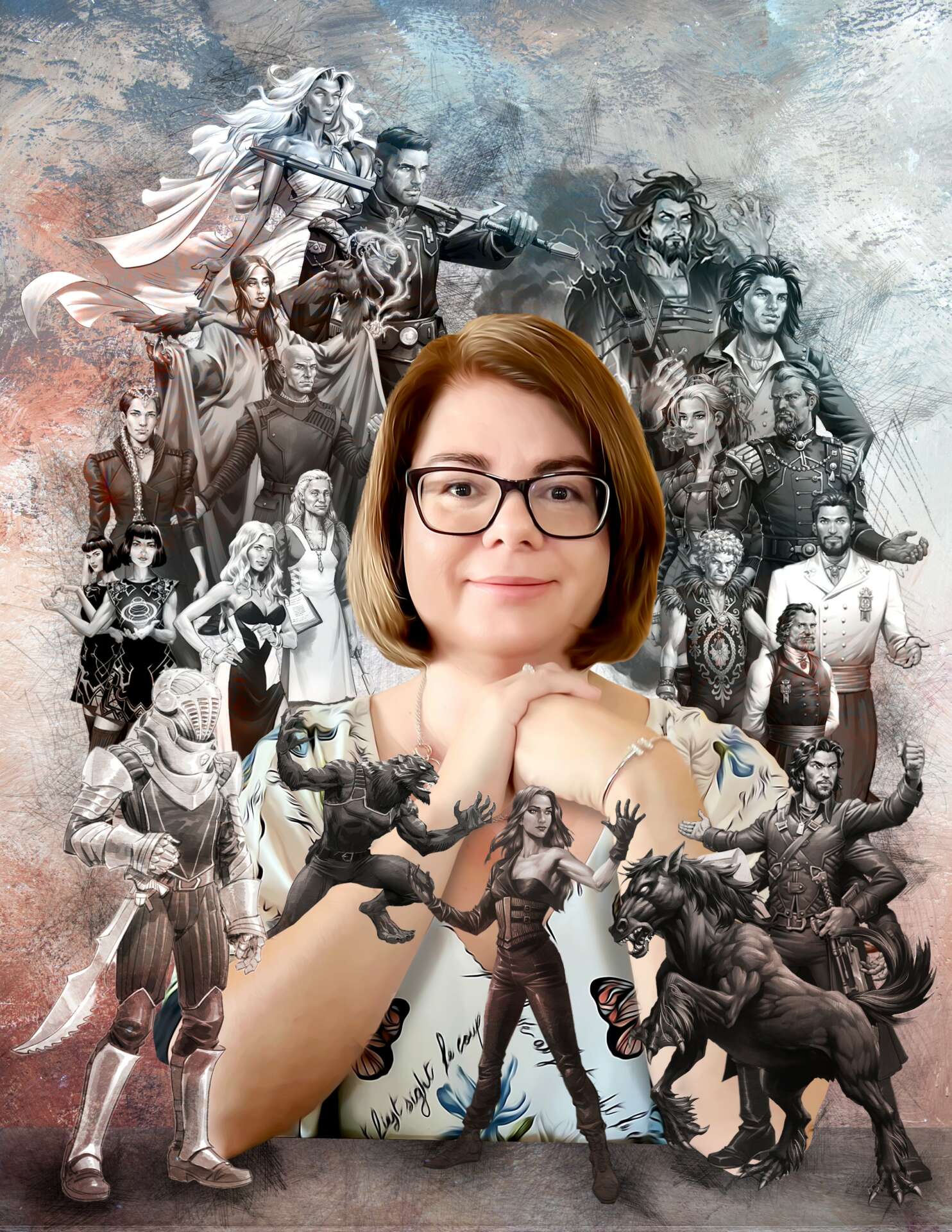
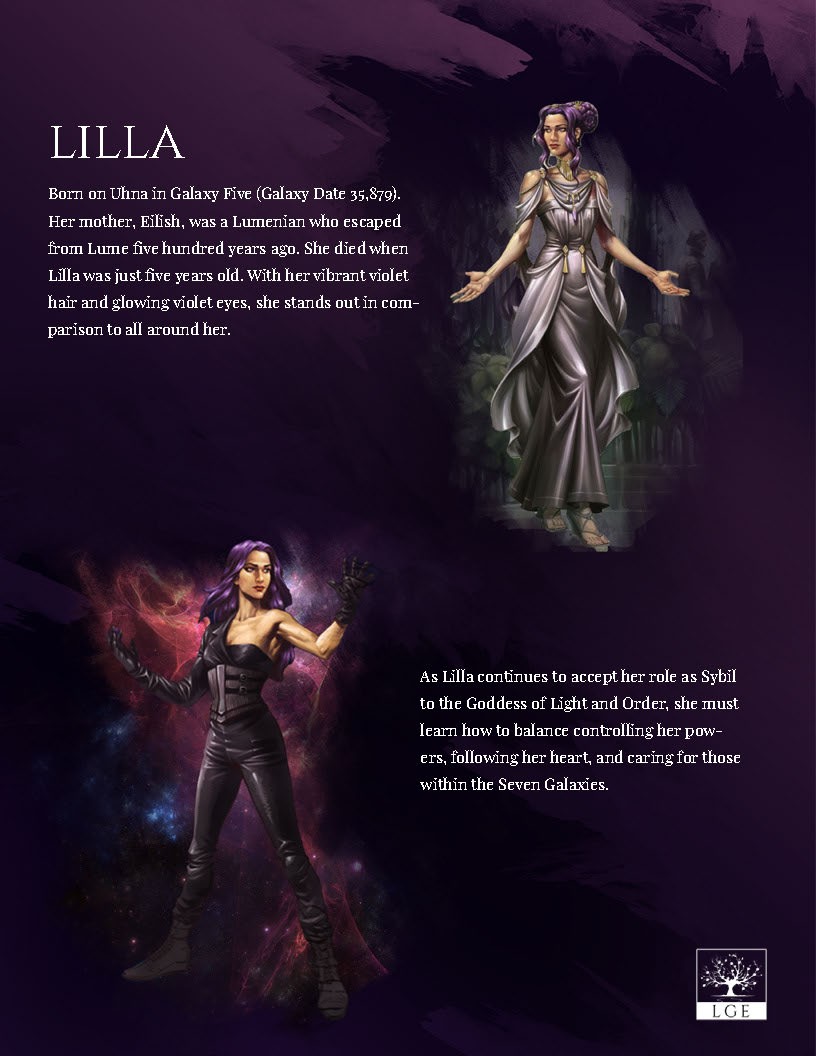
This series is important to me because it has elements of female empowerment and diverse characters. The main hero is a young woman. Although she is strong and has magical abilities, she isn’t perfect. She struggles with mental health issues—claustrophobia induced panic attacks. As the series progresses, this claustrophobia will play a vital role, tied to fantasy elements, but I can’t give away more than that. Making my hero deal with internal and external struggles and overcoming them makes her more realistic. I hope my readers come away with the message that you don’t have to be perfect to be a hero.”
Do you think there is something that non-creatives might struggle to understand about your journey as a creative? Maybe you can shed some light?
The most common questions I’ve been asked: 1) Is it really that hard to write a book?
To non-creatives, the process of writing a book often seems easy. In the movies, we have seen authors writing a book practically in a single sitting, with an old typewriter. What is not shown is the pre-work that goes into writing a great book. For me, that means spending three to four months developing the story in notes before I start writing it. I’ve learned that I cannot force the creative process of writing, nor can I speed it up or the story will suffer. It’s also imperative to include short breaks from creating the story in order to avoid burnout. The last aspect writing challenges is authors tend to learn the craft as they write. This slows down the process as well.
2) Why aren’t you publishing more than one book per year?
Releasing a new book requires a lot more than just writing it. As I mentioned before, development of the story takes about four months; writing takes about a month; editing takes five months; and at least one month of interior formatting. Add this all up and notice that it takes ten to eleven months per book.
3) Why should I leave a review when you already have ‘X’ reviews?
One of the most critical aspects of a book’s survival are reviews. Potential readers leverage reviews to make split second decisions regarding which book they will purchase. The number, quality and ratings of the reviews are the lifeblood for an aspiring author who is one in a million in an already crowded marketplace. Each review adds up, until word of month can kick in—the best form of advertising. Do not underestimate the power of even one review.
What can society do to ensure an environment that’s helpful to artists and creatives?
There is a big divide between traditionally published and self published authors, often to the detriment of the latter. The stigma of being self published has lessened over the past few years, as more higher quality indie books hit the market and more traditional authors choose to self publish as well. Yet, the community is slow to acknowledge this shift by ignoring best seller books who are indie published, even though they clearly sold more books then their traditionally published counterparts.
This problem is further exacerbated since most influencers tend to pick books to talk about that are already popular, often ignoring up and coming indie authors/books.
If every traditionally published author selected just one new aspiring indie author per month to feature, that would create a network effect where those twelve authors would have a chance to pay it forward.
Lastly, the tide raises all boats. A lot of authors consider other authors as their competition. That is not entirely true. Readers love reading books that feature their favorite tropes, characters, worlds, etc… They keep picking up these books one after the other. They have practically no limit to the number of books they will read. Authors that support each other actually create a bigger market for all books to sell well.
Contact Info:
- Website: https://www.sgblaise.com
- Instagram: @sgblaiseofficial
- Facebook: https://m.facebook.com/thelastlumenian
- Twitter: @SGBlaiseAuthor