

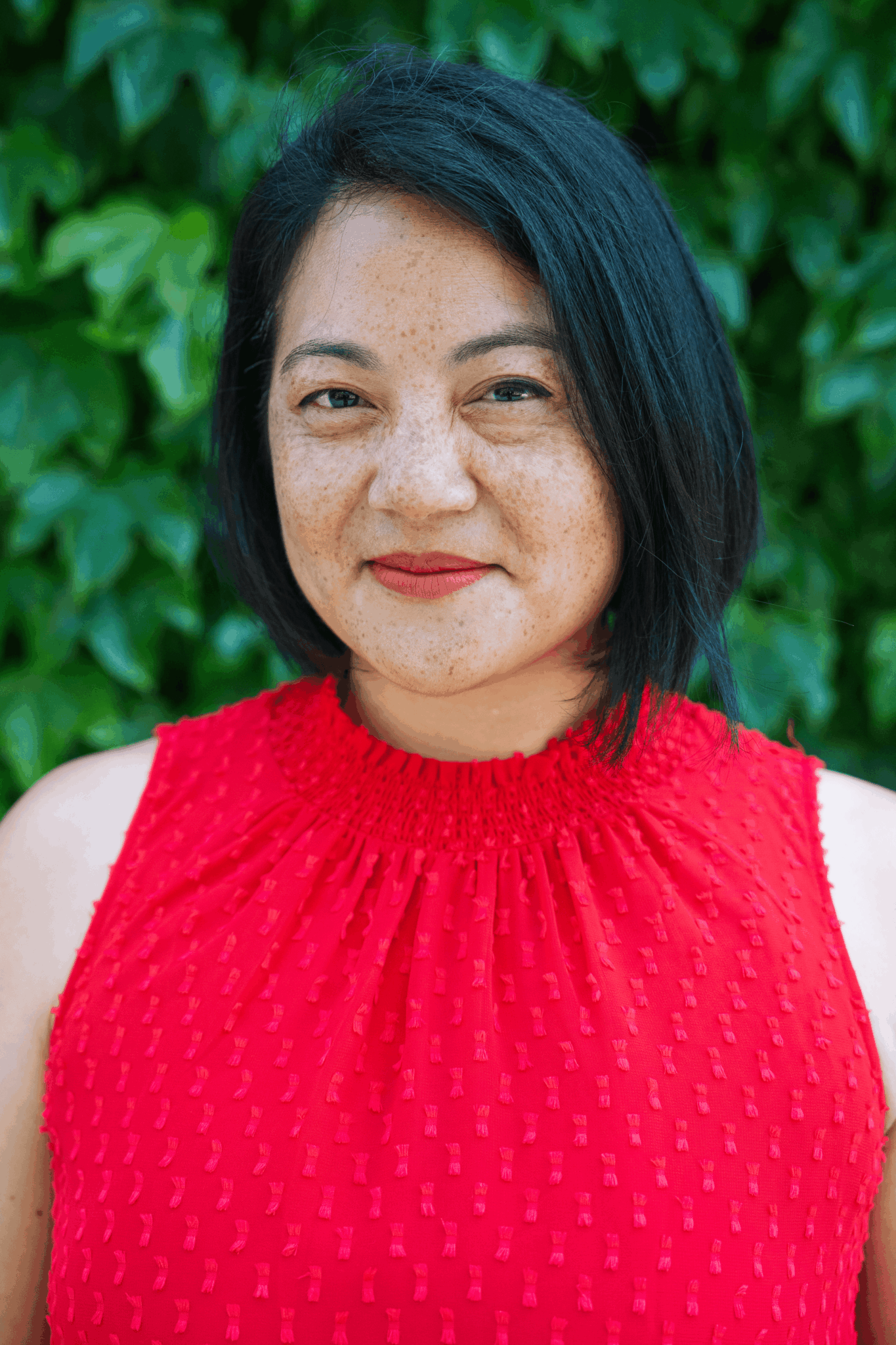

Today we’d like to introduce you to Elaine Lin Hering
Hi Elaine, it’s an honor to have you on the platform. Thanks for taking the time to share your story with us – to start maybe you can share some of your backstory with our readers?
I was born in Taipei and immigrated to the United States when I was 10 months old. I always thought I’d be a lawyer, and after a life that reads much like the model minority myth brought to life, I found myself at Harvard Law School. Instead of practicing as a lawyer, I ended up facilitating leadership development experiences helping people build skills in negotiation, communication, and conflict management. That led me to being the first non-White partner at a global leadership development firm and the first Asian American senior faculty member in the negotiation program at Harvard Law School.
As I taught these skills, I noticed that some people still didn’t negotiate, have difficult conversations, or give and receive feedback — despite the tools we were teaching. I wondered why that was, and landed on silence — the silence we’ve learned, the ways people silence us, and the how silence is baked into the systems we’re all part of. That led me to writing the USA Today Bestselling book Unlearning Silence: How to Speak Your Mind, Unleash Talent, and Live More Fully (Penguin 2024).
We all face challenges, but looking back would you describe it as a relatively smooth road?
Doing something different than what you thought is never easy, much less explaining your choices to the people around you. People wondered whether I was throwing away my career by not going to a big law firm to practice law. I figured it was at least worth a year of giving facilitation and teaching a go to see if a) I was actually good at it b) could make a living off it c) wanted to spend life and energy on it.
Showing up in spaces where people don’t look like you can be isolating and disorienting. I spent a lot of time working hard to blend in, imitating what the successful people around me did. It seemed like the safest way to try to “make it” and came with the consequence of thinking that my worth and ability came from channeling other people’s thoughts rather than having thoughts, ideas, and value of my own.
Adapting to how other people around you change is an ongoing journey. Who can you trust? What gaps are there between what people say they believe and how they act? As humans, we are ever evolving. One of the key lessons I continue to learn is how to let other people evolve — and for me to allow our relationships change and for me to make conscious choices about those relationships and contexts that are healthy for me.
As you know, we’re big fans of you and your work. For our readers who might not be as familiar what can you tell them about what you do?
I’m working to put silence on the map the way Brene Brown put shame on the map. Neither of us were the first (or will be the last) to talk about the ideas, but I want us as colleagues, family members, and society to talk about silence. To recognize and wrestle with the role that silence plays in our lives. And therefore be able to heal from the ways we’ve had to silence ourselves or been silenced by each other — and to be more in alignment with ourselves and how most of us intend to show up for each other. Day to day, that looks like speaking, facilitating workshops, writing, and continuing to have conversations about unlearning silence.
I’m known for my cross-cultural fluency and ability to educate across power and difference. I’m most proud of finally having found my own voice and choosing to use it each day.
Contact Info:
- Website: https://www.elainelinhering.com
- Instagram: https://www.instagram.com/elainelinhering/
- Other: https://hello.elainelinhering.com/newsletter


Image Credits
Cat Coppenrath for the first two images