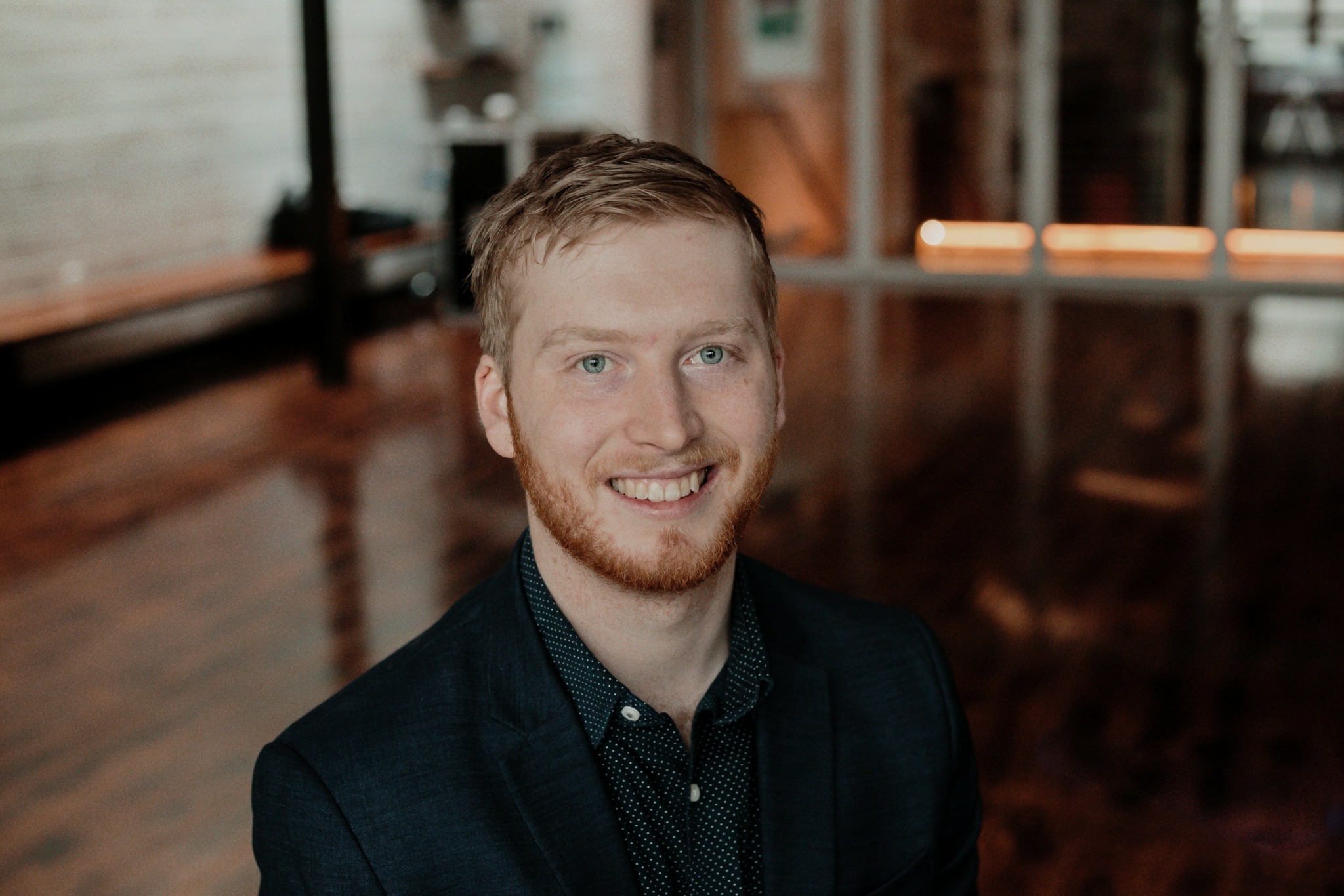

We caught up with the brilliant and insightful Daniel Neuer a few weeks ago and have shared our conversation below.
Daniel, thanks for taking the time to share your stories with us today What do you think it takes to be successful?
You have to understand what success means to you and work backward from that. Once you have the vision, determine where your gaps are. What do you have to change about your current situation to achieve what you want? What will you have to sacrifice? For example, back in 2018, success looked like moving away from where I grew up and making something of myself by getting a professional career in psychology. In 2018, I was getting my bachelor’s degree in psychology in North Carolina. I was also DJ-ing as a part-time side passion. Being able to DJ was also a sign of success as it meant I was creating a balance between being a professional, who could pursue personal passions. However, if I wanted to pursue psychology as a career, my gap was acquiring a master’s degree. If I were to get a master’s degree, this meant I had to pause my side passion of being a DJ because of the time requirement for such a degree. Starting in 2019, I spent two years pursuing my master’s degree, acquiring one in industrial organizational psychology. This success was achieved by sacrificing the pursuit of my other passions. Because I made sacrifices like pausing my personal passions, I was successful in using my degree to get a career in psychology. Getting a career in psychology re-introduced balance in my life, meriting financial stability. I was able to use the re-acquired balance and financial stability to re-invest in being a DJ. Now, I’m more successful as a DJ than when I was DJ-ing part-time in 2018. Initially, I didn’t want to sacrifice my passions to pursue what I considered success at the time. However, looking back, it was worth making that sacrifice as I’m now more secure and stable than I ever have been in my life.
Great, appreciate you sharing that with us. Before we ask you to share more of your insights, can you take a moment to introduce yourself and how you got to where you are today to our readers.
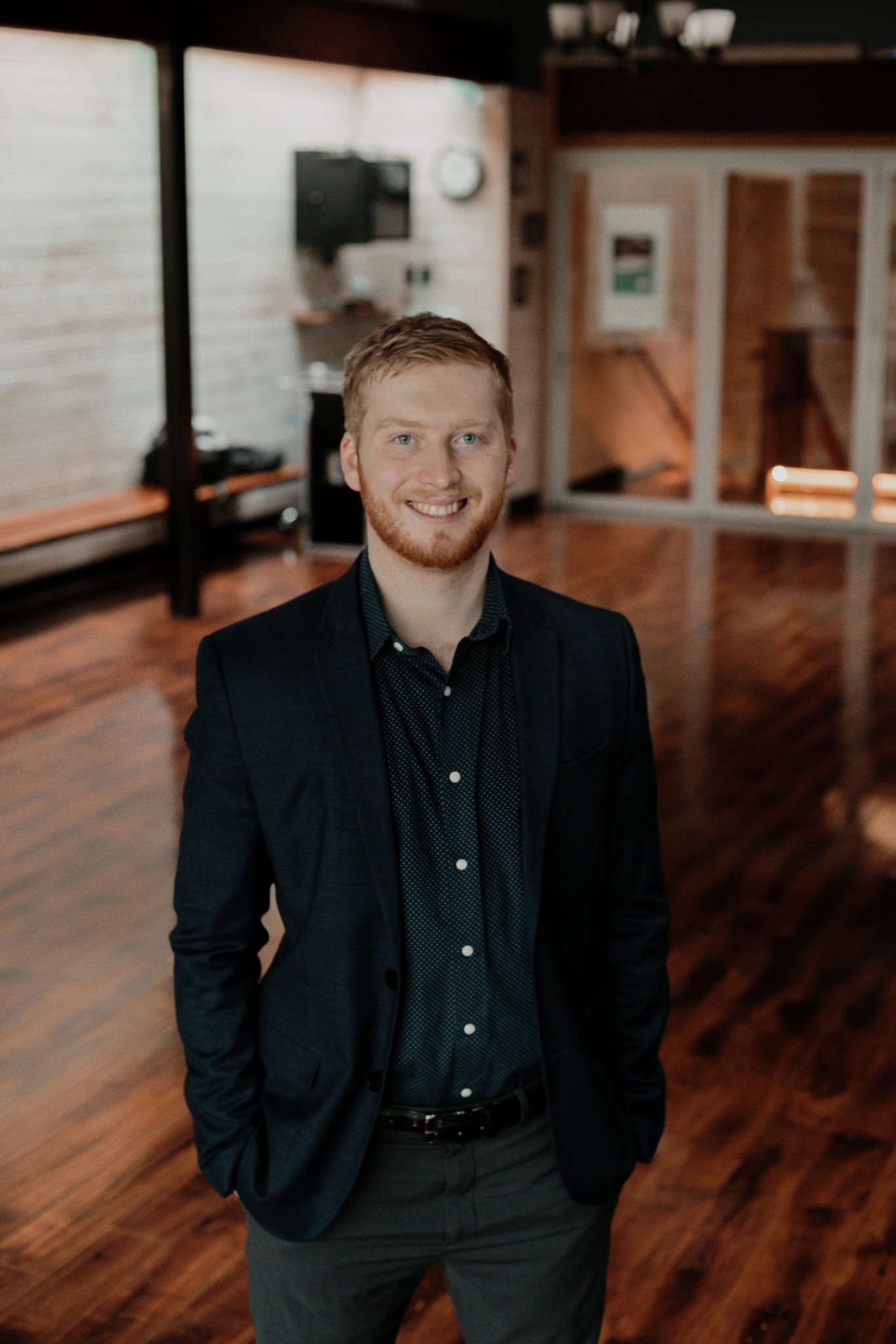
Professionally, I use my industrial organizational psychology degree as a talent management consultant at Amazon. I consult Amazon’s business leaders by helping them determine how many students they should hire as interns and how many to convert to full time employees over the next year. Coming with a degree in psychology, I bring a unique perspective centered on the human experience of talent management. I’m an advocate for students, ensuring the next generation has the opportunity to make a living.
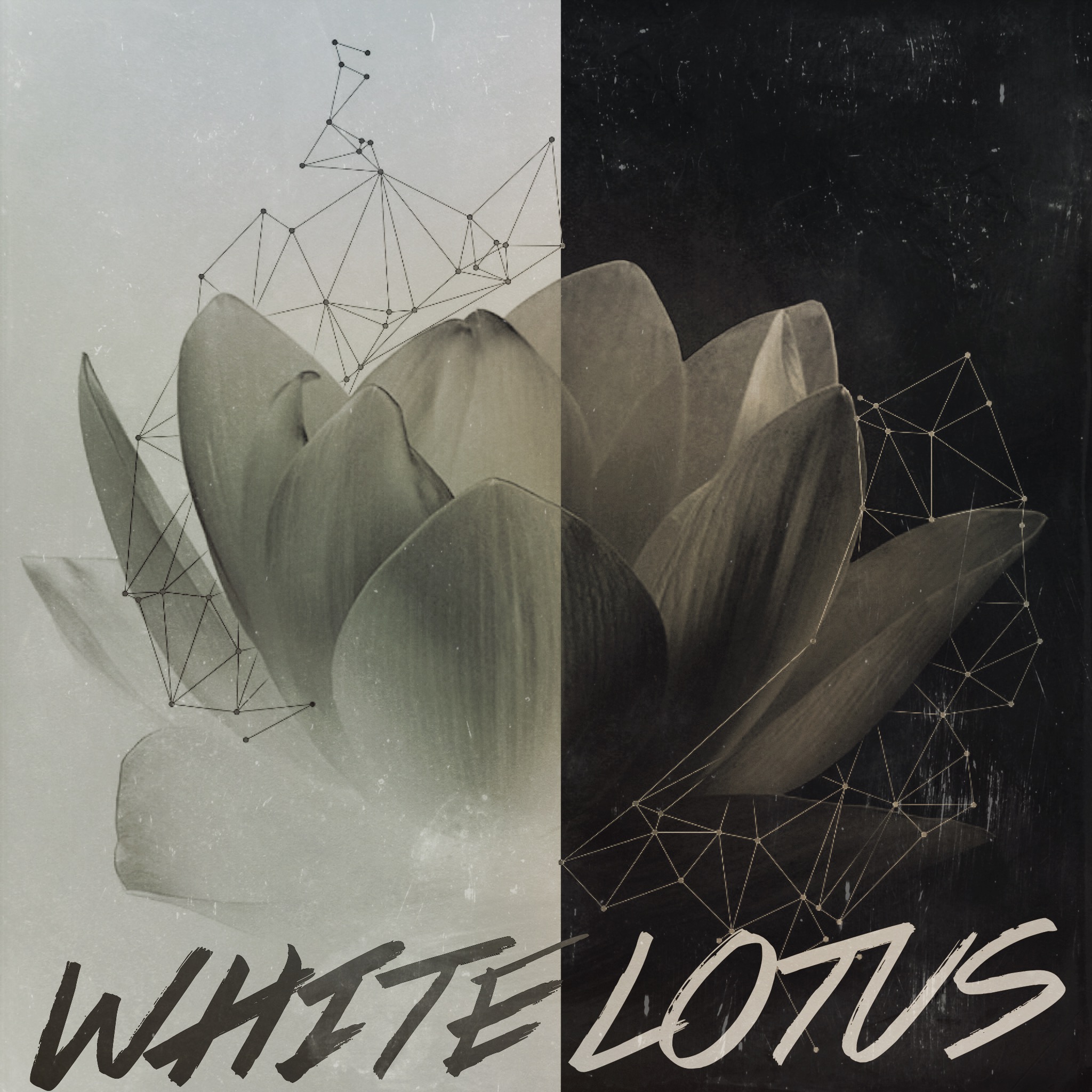
Personally, I DJ in the local Seattle area under the name White Lotus. I play shows at clubs, bars, public events, and parties. I play music pulling from genres such as EDM, Bass, House, and Trap.

Do you have any insights you can share related to maintaining high team morale?
There are several ways to manage teams and maintain high morale. Here’s three of the most well-known within industrial organizational psychology.
1. Goal Setting (Locke & Latham’s Goal-Setting Theory)
Clear and challenging goals: One of the most powerful motivators is setting specific, challenging, but achievable goals. Research by Locke and Latham shows that individuals perform better when they have clear goals that are difficult but not impossible to attain.
Feedback: Regular feedback on progress toward goals enhances motivation. Feedback allows team members to adjust efforts and strategies and provides recognition for their progress.
Goal alignment: Ensuring that individual goals align with team and organizational goals is crucial for motivation. When individuals understand how their personal contributions contribute to the larger picture, they are more motivated to engage.
2. Intrinsic vs. Extrinsic Motivation
Intrinsic motivation: I-O psychology emphasizes the importance of fostering intrinsic motivation, which is driven by internal factors such as a sense of mastery, autonomy, and purpose. Teams tend to be more engaged and perform better when their tasks are inherently interesting or fulfilling.
Extrinsic motivation: While intrinsic factors are critical, external rewards (e.g., bonuses, promotions, recognition) also play a role. However, over-reliance on extrinsic rewards can undermine intrinsic motivation—a phenomenon known as the “overjustification effect.”
Balance: The best approach often involves balancing intrinsic and extrinsic motivators, ensuring that external rewards complement, rather than replace, intrinsic satisfaction.
3. Autonomy and Empowerment (Self-Determination Theory)
Teams tend to be more motivated when they have autonomy over how they approach their tasks. Self-Determination Theory (SDT) suggests that when individuals feel they have control over their work, their motivation and performance improve.
Providing opportunities for team members to make decisions, offer input, and experiment with new ways of working fosters a sense of ownership and responsibility.
Can you share a story from your journey that illustrates your resilience?
On my path to becoming a professional in industrial organizational psychology while still working towards returning to being a DJ required me to be highly resilient. First, I got my master’s degree in industrial organizational psychology during the pandemic. Second, I was working full-time as a graduate student, full-time as a working employee, part-time as a graduate researcher, and studying for my human resource accreditation. Third, I was being physically and emotionally abused by my ex-wife. Every day of the week I would have to strategically plan every hour of the day, only taking breaks in the evening. I would work 7 days a week, approximately 10-12 hours a day. Because of the stress, my quality of sleep was poor, making it harder to get through the days. This forced me to learn better coping strategies. I learned about Wim Hoff breathing techniques, meditation, journaling, and stretching. Using these tools and integrating them into my mornings first thing when I woke up was the key to me getting through the day. Without making investments into my mental health, I would not have built up enough resiliency to get through those two years.
Contact Info:
- Website: https://linktr.ee/white_lotus_seattle
- Instagram: https://www.instagram.com/white_lotus_seattle
- Facebook: https://www.facebook.com/boonelotus2016/
- Linkedin: https://www.linkedin.com/in/danielneuer/
- Youtube: https://www.youtube.com/@WhiteLotusSeattle
- Soundcloud: https://soundcloud.com/white_lotus_seattle