
We caught up with the brilliant and insightful Margarita Bourkova a few weeks ago and have shared our conversation below.
Alright, Margarita thanks for taking the time to share your stories and insights with us today. Can you talk to us about how you learned to do what you do?
I used to think of myself as “self-taught” because I didn’t go to art school and simply tried to learn how to paint by doing (and failing, a lot). But looking back, I was never quite alone in my pursuit. There was always an art community I could engage with, get support from and where everyone would celebrate each other’s achievements. But it took me some time to realize how precious that is.
Trying to learn by isolating myself from the world, locking myself in my room and just painting all day never quite worked for me, and I wish I didn’t waste my first few years as an aspiring professional artist trying to make it on my own. For one thing, every creative can use a second pair of eyes on their work from time to time, as constructive critique and feedback can be an excellent way to improve one’s skills. I also struggled to learn some of the basics early on (like anatomy or color theory), and asking other artists for help really boosted my painting skills. We were just a bunch of young, aspiring artists hanging out on DeviantArt and other art platforms – and ultimately some chose to keep art as a hobby and not a professional pursuit – but we shared a common passion for the craft, and we supported and uplifted one another. I’m absolutely sure I wouldn’t have had the will and determination to keep pushing myself and learning year after year if it wasn’t for that support system.
With time, as I was slowly getting more and more professional gigs, I also discovered another side of this community. I was finally invited at the adults’ table : the full-time working artists. It was much more laid-back and informal than I expected – the art/illustration industry is quite small, and it feels like everyone knows each other. There’s mostly no competition or rivalries between professionals, and most people are happy to share their knowledge and techniques. It’s really at that point in my artistic life, once I started getting to know other professionals in my field, that I learned and improved the most. I started taking online classes and art mentorships with fellow painters, going to industry events and meeting up with my peers and art heroes, and that has made all the difference. Looking back, I wish I’d started asking for feedback much earlier in my career. I wish I’d realized how important it is to nurture a network of peers and friends. Not only is it the best way to quickly improve as an artist, it’s also more fun!
Nowadays, I treasure any opportunity to give back and share any resources and knowledge I may have gathered over the years. I still feel like I’ve barely scratched the surface when it comes to learning how to paint cool pictures, but I’m slowly getting there – and at least, I’m not alone.
Margarita, love having you share your insights with us. Before we ask you more questions, maybe you can take a moment to introduce yourself to our readers who might have missed our earlier conversations?
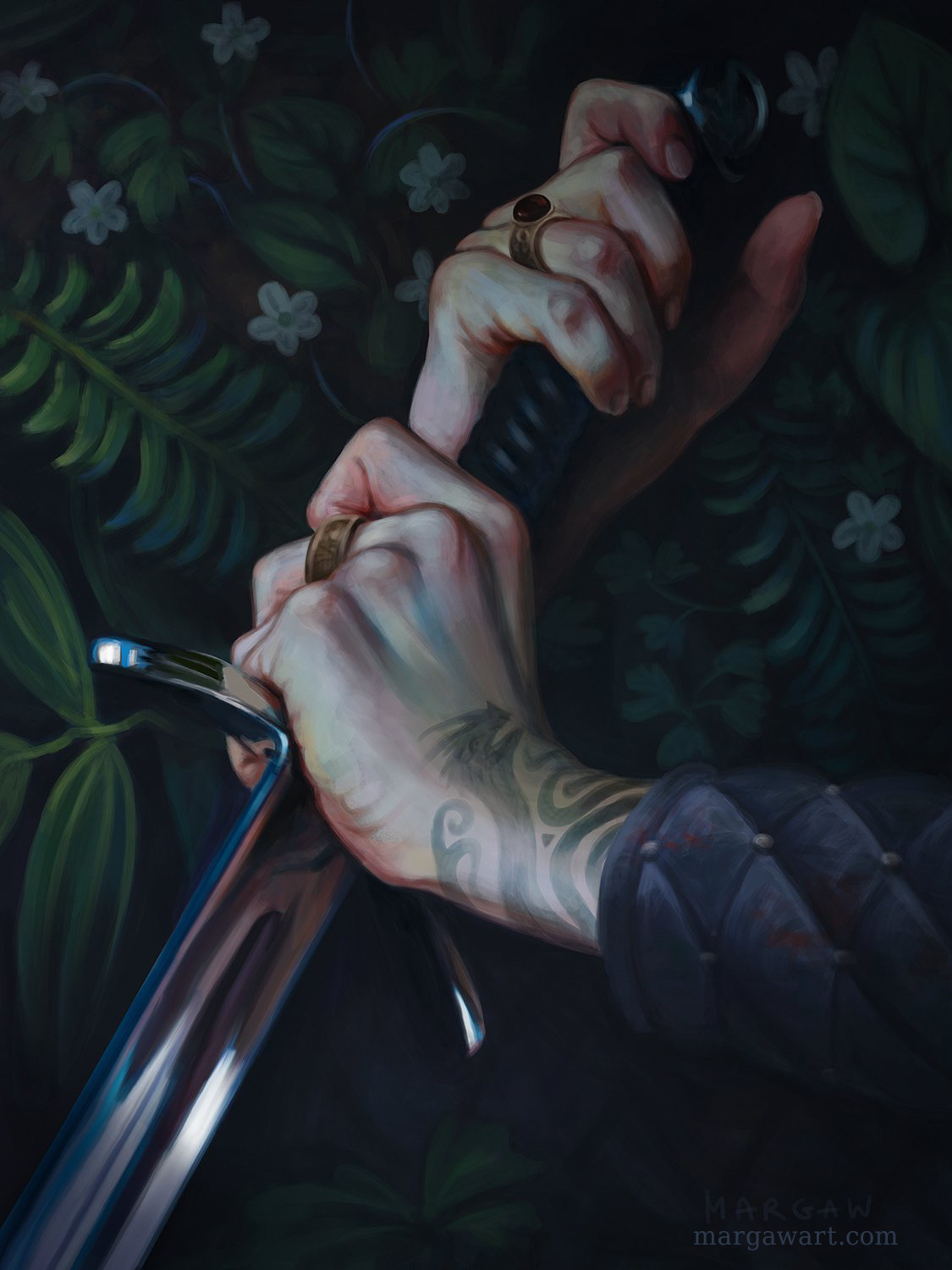
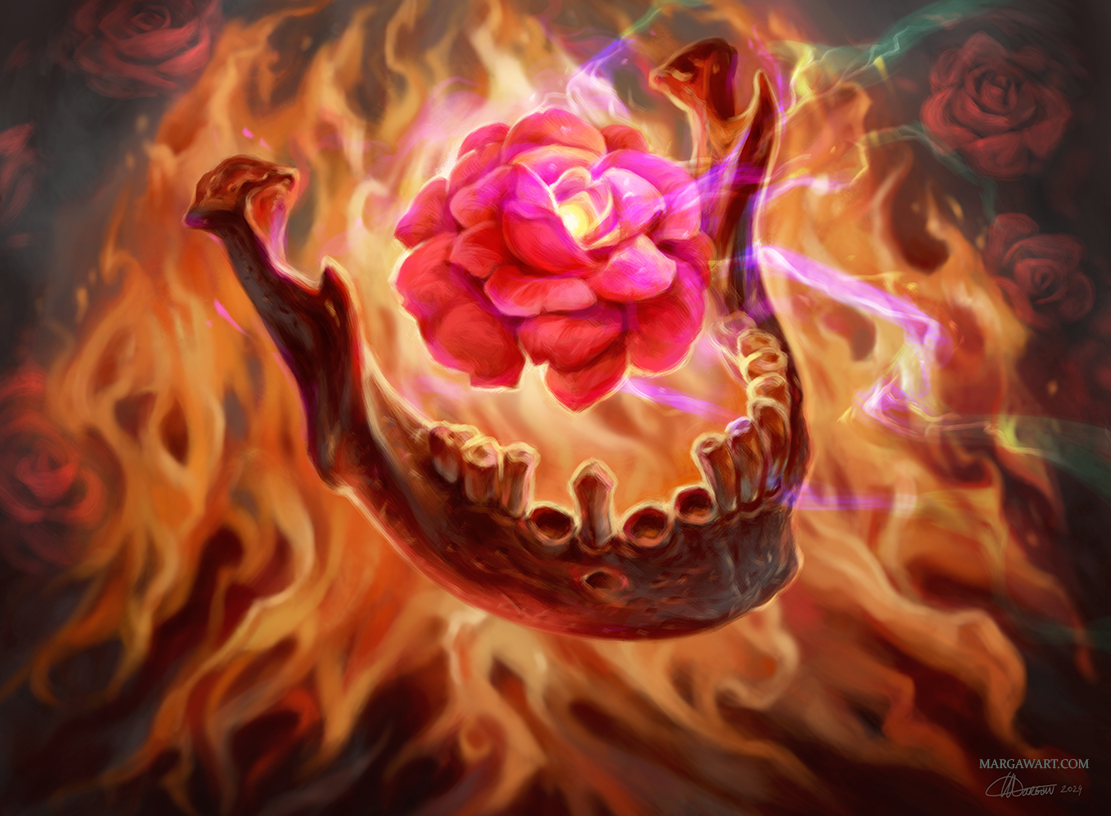
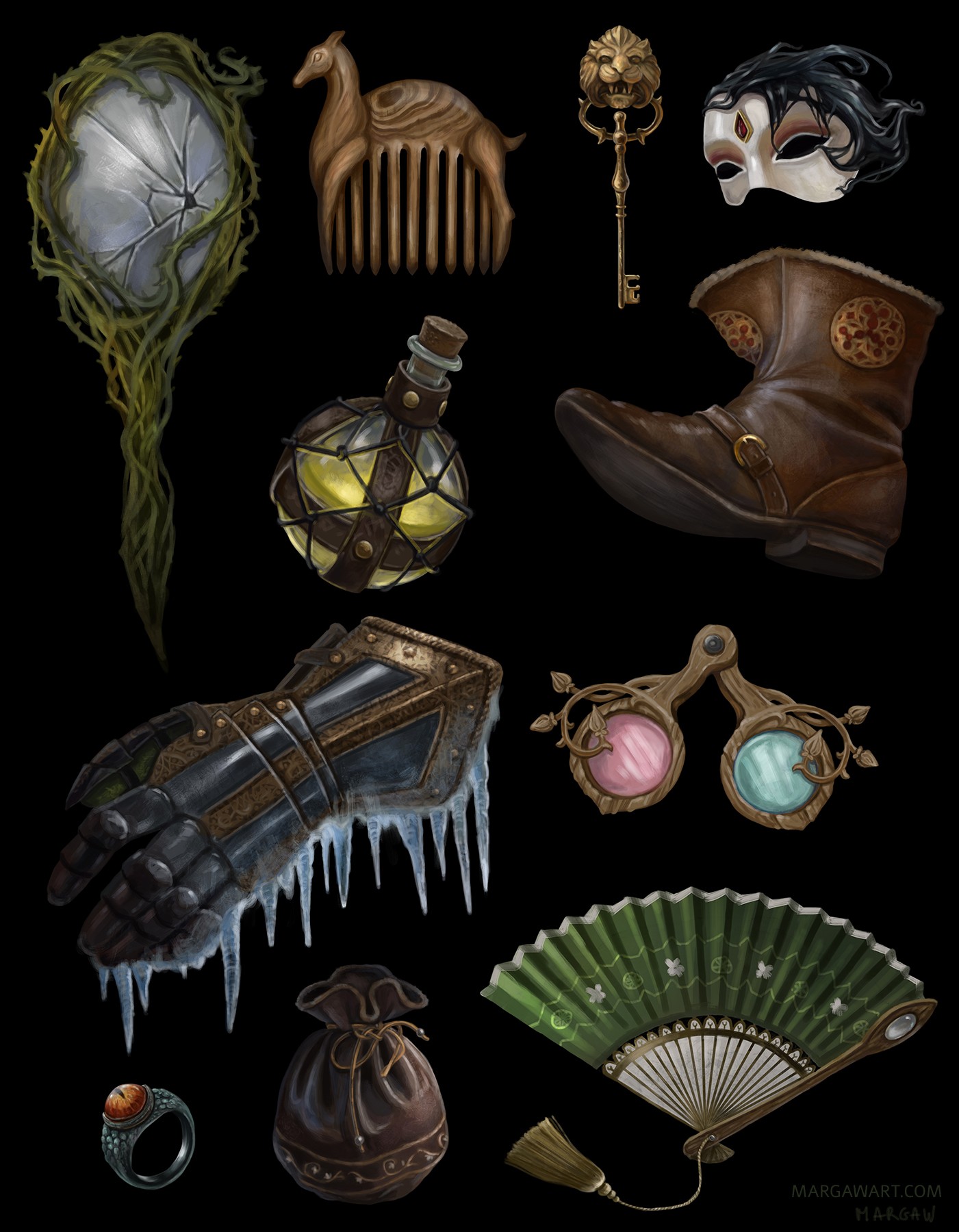
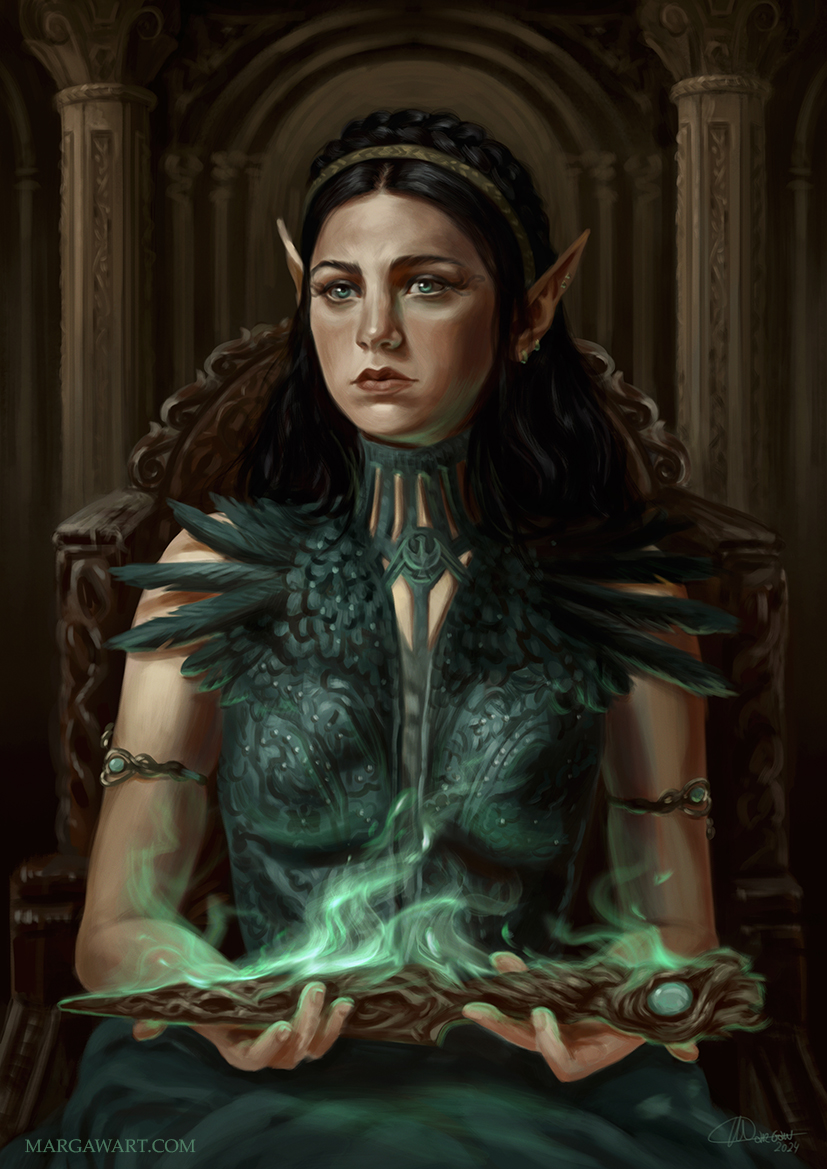
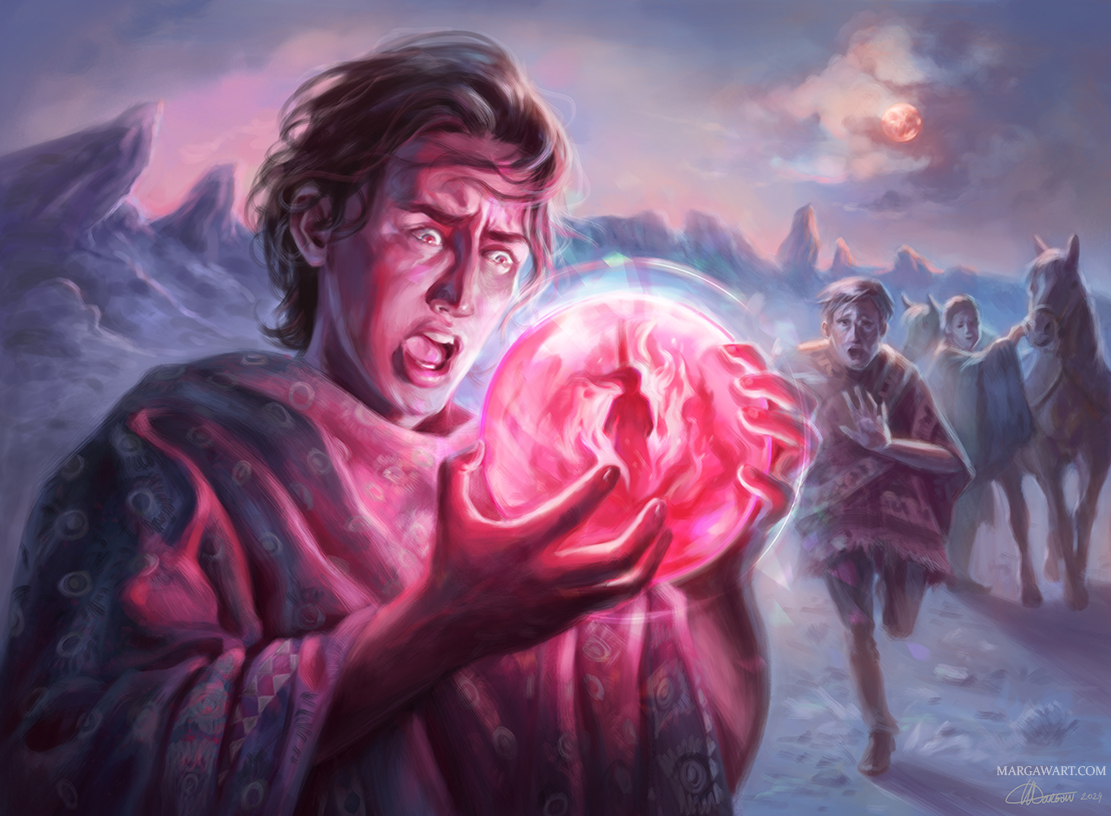
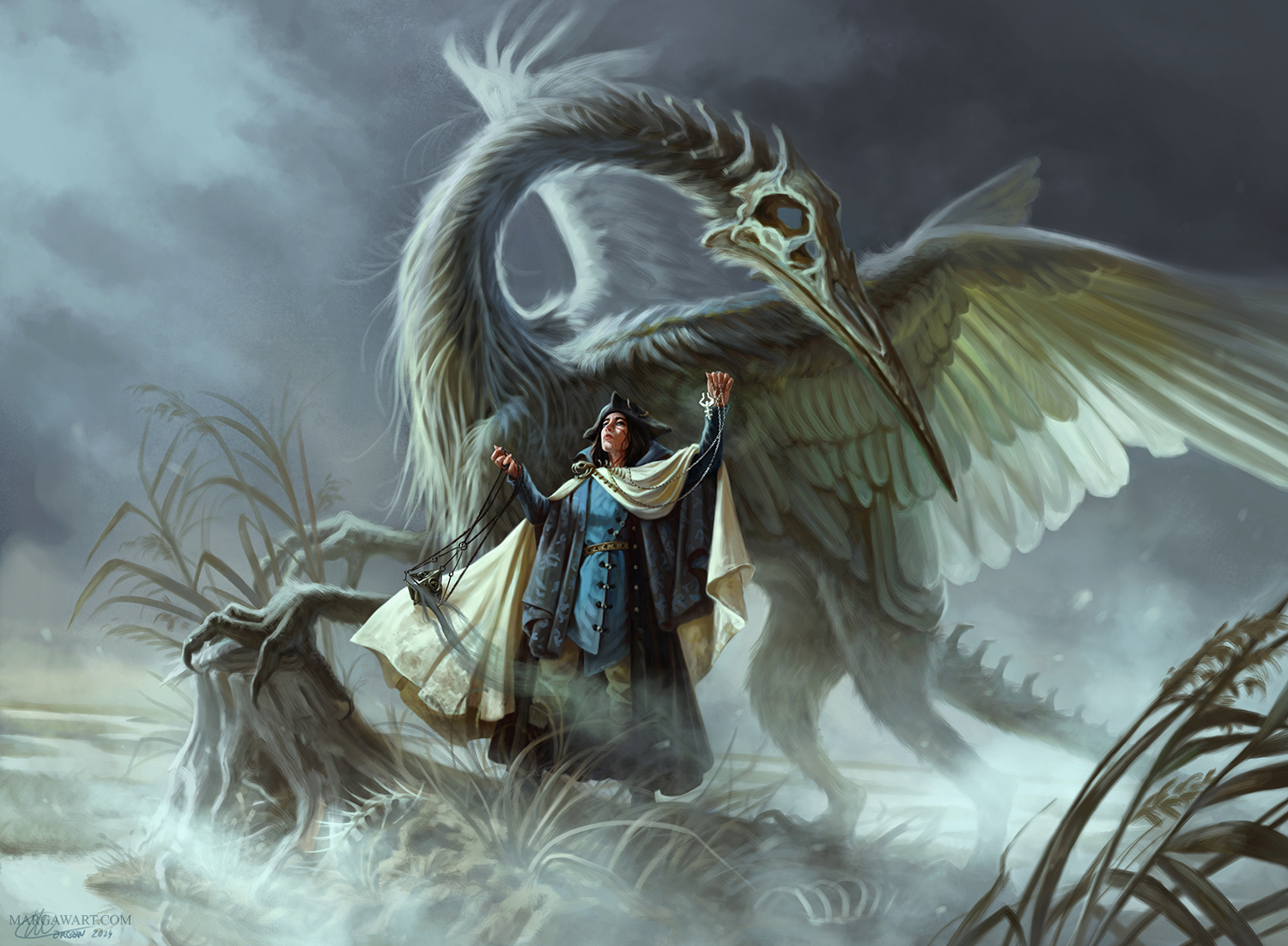
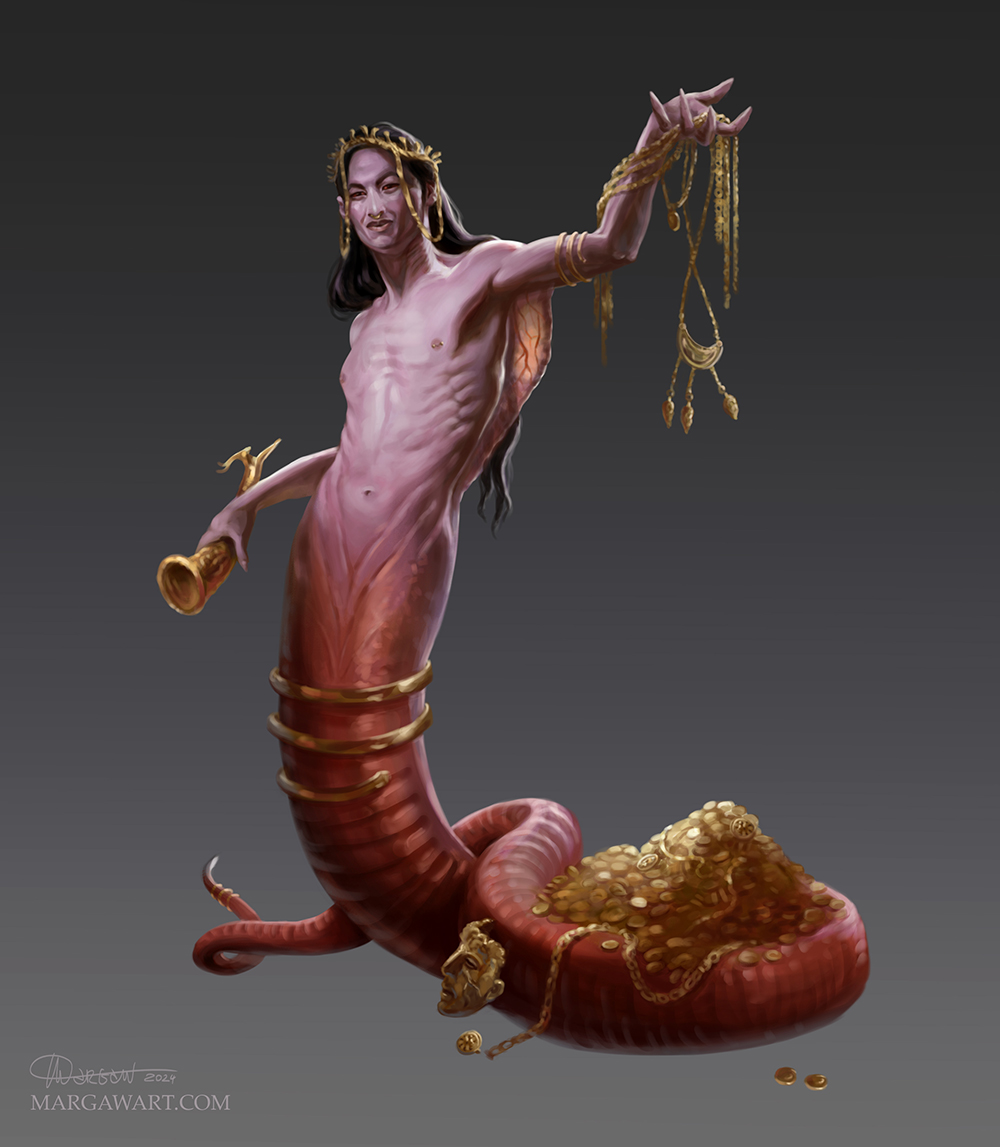
I’m a freelance artist specializing in fantasy illustration and imaginative realism. I mostly create work for tabletop role-playing games, trading card games and the occasional fantasy novel. I especially enjoy painting magical items, otherworldly creatures and I do my best to tell meaningful stories through my craft.
I’m also very passionate about storytelling in all artistic media. I have a master’s degree in screenwriting and film analysis, and while that might not translate directly into my visual work, I like to think that it helps me pay attention to detail, and develop compelling visual narratives.
What’s the most rewarding aspect of being a creative in your experience?
Telling stories, hands down! I love stories – I really, REALLY do.
I once did a journaling exercise that was supposed to help me find my core values and beliefs, I remember I had to answer some questions, retell some meaningful personal memories, and try to find the common denominator. I had a big Eureka moment – it all came down to stories for me. Every early memory from my childhood that I hold sacred, every personal achievement, every big decision, every risk and choice that lead me to where I am today was born of my love for stories. It was almost a bit spooky to realize how much sense it all made, like I was following a predetermined path that I, alone, couldn’t clearly see. My whole life has been shaped by my love for books, for films, for music, for all artistic expressions that carry a story.
Once I had this realization I made a conscious effort to keep this driving force in mind while creating, in the hopes that I could one day do for someone else what was done for me : to inspire, to uplift. It is by far the most rewarding aspect of being an artist, for me. We all tell stories to feel close to one another, to understand and love each other; art is just another language after all.
Any insights you can share with us about how you built up your social media presence?
I think like a lot of other creatives, I have a bit of a love-hate relationship with social media. I have a history of deleting entire accounts in the heat of the moment (but that’s something I used to do even as a teenager, long before I even decided I wanted to be an artist).
The story of how I built my following is not very original. I spent a few years – probably too many – chasing trends, trying to emulate what bigger, more popular accounts were doing. This led to a lot of my work feeling inconsistent. I would paint a lot of digital fan art portraits and gain some followers because of it; but then I would switch to watercolor landscapes, or still life drawings in ink. That was, of course, quite confusing for my audience, and I wasn’t really getting a lot of eyes on my work. I don’t think there’s anything inherently wrong with experimenting, trying out different art mediums and techniques. But the truth is that I was simply throwing random things at the wall, and waiting to see what would stick. My heart wasn’t in it, and I think people can usually tell when you’re not passionate about your own work.
After a while I was lucky enough to discover the fantasy art community on twitter, and especially all the Magic : The Gathering artists who were active there at the time. I had a big realization : this was the kind of art I wanted to paint! I had finally found my own creative niche, and I was deeply passionate about it. My work still wasn’t quite at a professional level at the time, but my love for all things fantasy started to shine through, and people started to take notice. It didn’t happen overnight, but switching to painting subjects I was excited and passionate about was the turning point for me. After a while, people started to recognize my work, and my audience grew organically from there.
It’s a bit of a cliché, but clichés are clichés for a reason. For anyone looking to build their presence online, I would really recommend to focus on the stuff you love. Be passionate about your own work, and others will want to find out more about it. It might take some time, especially with how fickle social media can be nowadays; but people will always gather around storytellers, around people who share their excitement genuinely.
Contact Info:
- Website: https://www.margawart.com/
- Other: BlueSky : https://bsky.app/profile/margawart.bsky.social
Other links : https://linktr.ee/margawart