
We recently connected with Kasi Lacey and have shared our conversation below.
Kasi, thanks for taking the time to share your stories with us today What do you think Corporate America gets wrong in your industry?
In my career as a psychologist, executive, and leadership coach, I’ve seen firsthand how Corporate America often underestimates and even undermines the potential of women leaders. I’ve personally experienced the doubts and assumptions that too often surround women in leadership roles. Early on, I applied for a C-suite position at an organization where I had worked for years, only to learn that the role was implicitly reserved for a male candidate. Instead of seeing this as a setback, I used it as fuel to advocate for myself. Through one of the most challenging meetings of my life, I secured the role and became the only female VP in the organization at the time. But the reality is, women should not have to continually ‘prove’ their worth in environments that doubt their capability or limit their advancement.
Beyond these biases, many corporations fail to create a culture of psychological safety—a critical factor in nurturing authentic leadership. I’ve observed how this absence of safety stifles women’s confidence, hinders innovation, and often leaves them struggling to navigate their roles without the support they need. For women in particular, psychological safety is not just about the freedom to take risks; it’s about creating spaces where they can show up authentically, without fear of judgment or career repercussions. Without this foundation, talented women are often left managing a mental load that hinders their growth and contribution.
My work as a coach has shown me that building confidence and a culture of trust must be intentional. These elements don’t just naturally arise; they are cultivated through inclusive practices and genuine advocacy. Corporations must go beyond ‘checkbox’ diversity initiatives to truly empower women by embedding confidence-building measures, support systems, and real opportunities for growth at every level. I believe that when women are encouraged to lead confidently and authentically, the entire organization reaps the benefits of increased engagement, resilience, and innovation. It’s time for Corporate America to recognize this and prioritize the development of workplace cultures where everyone can thrive.

Kasi, love having you share your insights with us. Before we ask you more questions, maybe you can take a moment to introduce yourself to our readers who might have missed our earlier conversations?
My name is Dr. Kasi Lacey, and I’m the founder and CEO of H & L Legacy Consulting, where I focus on helping high-achieving women and organizations create workplaces that foster confidence, authenticity, and psychological safety. My journey into this industry has been both personal and professional, shaped by my experiences as a psychologist, a former C-suite executive, and a leader in higher education. Throughout my career, I’ve seen the unique challenges that women face in leadership, from overcoming self-doubt and imposter syndrome to navigating environments that don’t always support their voices. I’ve lived these experiences myself, so I know how transformational it is to find the confidence and clarity to lead unapologetically and authentically.
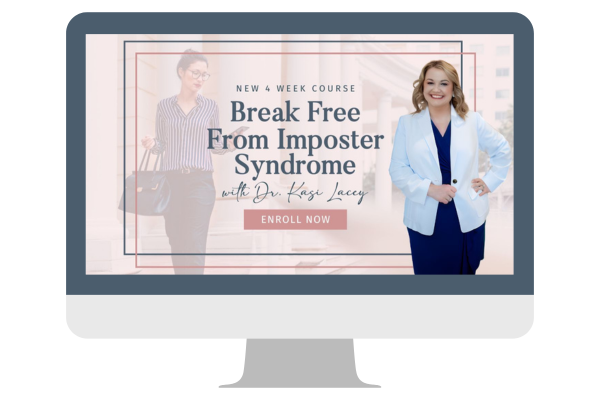
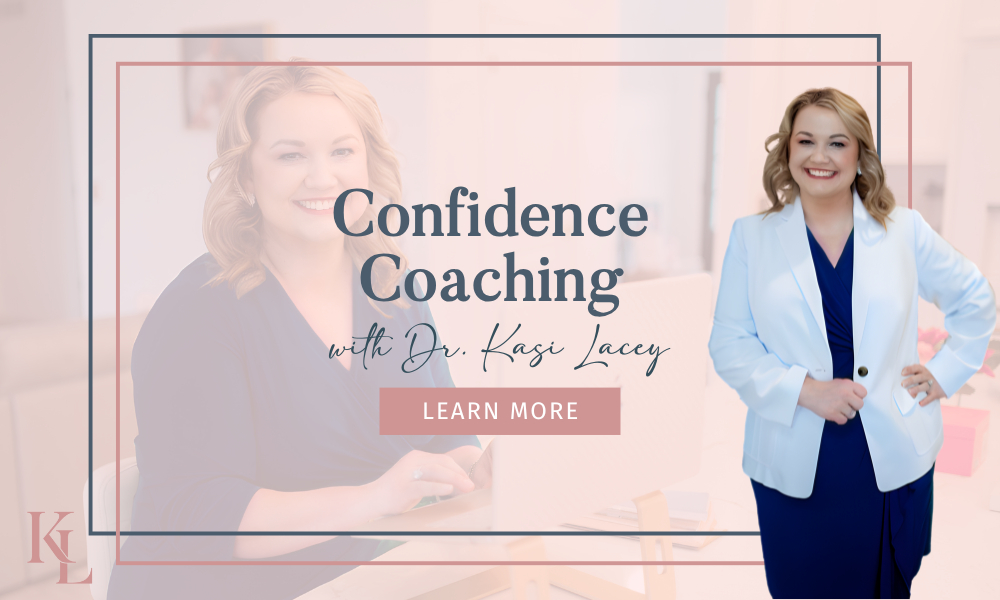
I provide a range of services, including one-on-one executive coaching, keynote speaking, training sessions for corporations and non-profits, and a suite of programs designed specifically for women who want to excel without compromising their well-being. My services are built on a deep understanding of psychology and organizational dynamics. I offer everything from comprehensive leadership courses to downloadable tools like the Confidence Roadmap and the 5-Minute Confidence Boost audio, which is perfect for grounding yourself before a big meeting or presentation. I also provide specialized resources, like a course on overcoming imposter syndrome and an upcoming program, the Authentic Leadership Accelerator, that will dive into sustainable confidence-building for women leaders.
The problems I solve often revolve around confidence, psychological safety, and personal and professional fulfillment. I help women develop self-assurance, set and communicate clear boundaries, and navigate the pressures of leadership without burning out. Through my courses, presentations, and coaching, I address both the practical and psychological aspects of leadership, empowering my clients to leverage their unique strengths and lead with impact. I’m proud to offer training sessions on values-based leadership, emotional intelligence, and burnout prevention to support organizational leaders in fostering thriving, inclusive workplaces.
What sets me apart is my holistic approach. As a former C-suite executive, I understand the organizational side of leadership, including the pressures, expectations, and culture of high-stakes environments. But my background as a psychologist adds another layer to my coaching; I don’t just focus on external strategies but also work with clients on the inner mindset shifts that create lasting change. My approach combines actionable tools with a deep emphasis on emotional intelligence and resilience, ensuring that leaders can sustain their confidence and well-being even in challenging environments.
Looking back, I’m most proud of my journey to leadership. Moving out on my own at 16, navigating college with limited resources and support, and advocating for myself in spaces that weren’t always welcoming—all of these experiences have shaped me into a coach who deeply understands the struggles and triumphs of my clients. My goal is to create a world where my daughters and all women can grow up seeing powerful, confident female leaders who lead without apology. Through my work, I hope to build a legacy of resilience and inspire women to embrace their worth, speak up, and take their rightful place at the table.
For anyone considering working with me or following my content, I want you to know that I’m here to support your growth, not just professionally but personally. I believe that true leadership is about embracing who you are and learning to lead in a way that is both confident and compassionate. If you’re ready to thrive rather than just survive in your career, my work can help you unlock the potential that’s already within you. Together, we can build a foundation of unshakeable confidence and authenticity that will empower you to lead and live fully
Can you share a story from your journey that illustrates your resilience?
“From Self-Doubt to Self-Belief: My Journey with Imposter Syndrome”
My story begins at 16 when I moved out on my own. Determined? Absolutely. Scared? You bet. Clueless about adulting? Oh, 100%. I was figuring it all out—my idea of a “budget” was simply making sure I had enough for ramen and rent. College applications? I sent two of the three to the wrong schools. It was classic teenage chaos, but I got into one. I thought to myself, “Maybe this is fate giving me a little break.”
Once in college, I dabbled in pre-med, thinking it was my ticket to the safety and stability I never had. That plan lasted two weeks. Blood was not my thing. 🩸😳 So, I switched to psychology, which felt like a form of “me-search.” I was eager to understand myself and why I often felt like I was faking it—trying to fit in and prove that I belonged.
Graduate school felt like a necessary next step, not just for the love of learning but because a Ph.D. seemed like the ultimate “anti-imposter” credential. I thought it would be my armor against self-doubt, proof that I was qualified for anything. I joked about becoming a “doctor of feelings,” since I still fainted at the sight of blood. But despite all the academic accolades, the real world felt like a different game, and I often felt like an imposter, still trying to “earn” my place.
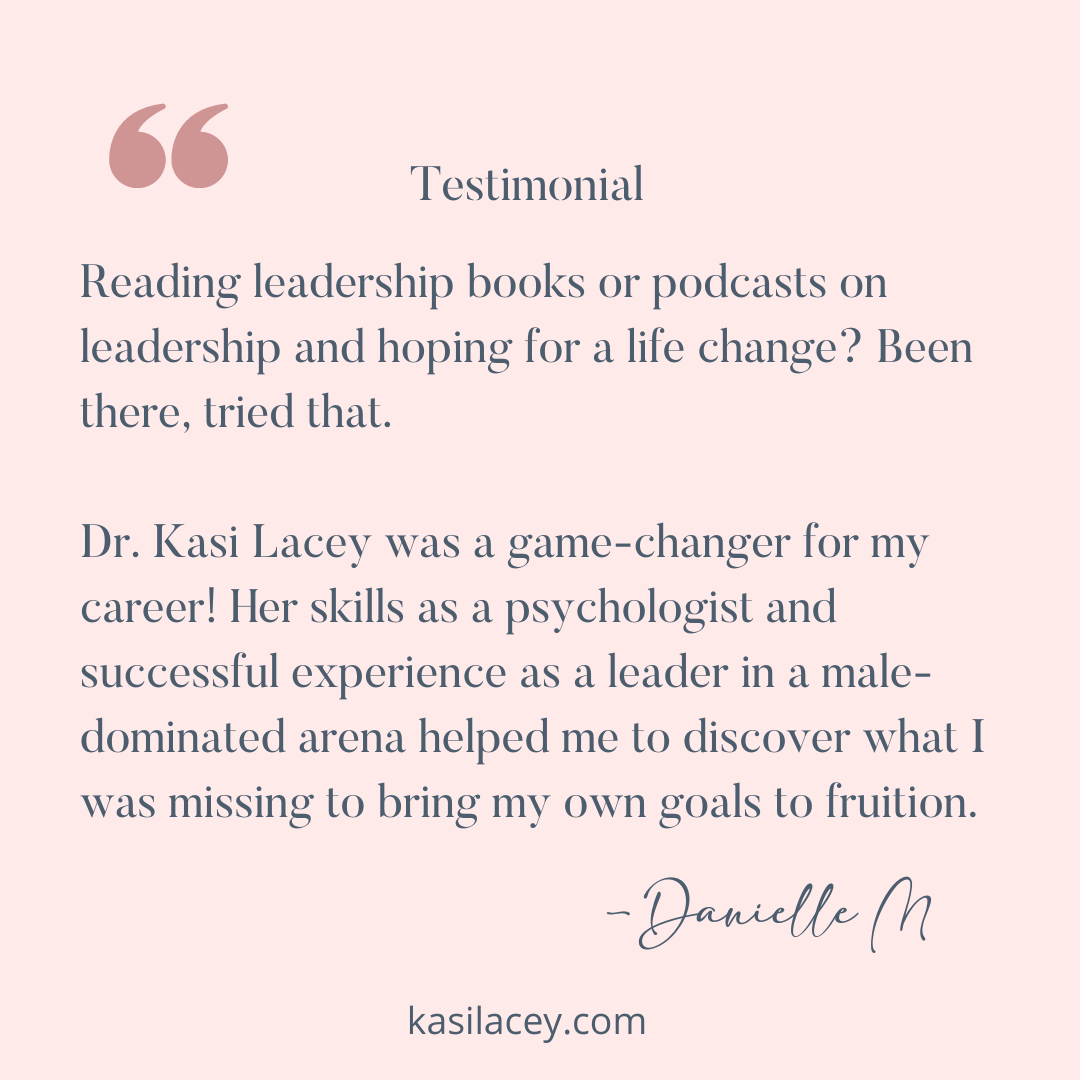
When it came to work, imposter syndrome was my constant companion. After graduation, I landed my first “big girl job” and even negotiated a small salary bump. It felt like a huge victory, given that I’d read too many articles about women not asking. But even after that win, imposter syndrome was always lurking. I overworked, took on tasks that weren’t mine, and allowed others to take credit, thinking it was all part of “proving myself.” I was terrified of being “found out,” even though I was more than qualified.
At 26, I decided to apply for an Executive Director role that I was sure was out of my league. But a strong female leader saw something in me that I hadn’t recognized myself. She believed in me when I didn’t fully believe in myself, giving me an opportunity I never thought I’d get. But even after getting the job, imposter syndrome kept me playing small. I would sit in meetings (sometimes not even at the table, but taking the outside chair) feeling like a fraud, wondering when everyone would realize I wasn’t cut out for the role.
Then came the ultimate blow—a C-suite position opened up and with encouragement from a colleague, I applied. I barely got a phone interview, despite being just as qualified as the other candidates. Later, I learned they were instructed to hire a man. It wasn’t about my qualifications, but imposter syndrome twisted it into a personal failure. Still, I kept pushing forward, driven by that same scrappy 16-year-old who figured out how to survive on ramen and resilience.
The turning point came when a male colleague boldly announced his ambition for a role in my department. It struck me: why wasn’t I doing the same? Fueled by Sally Helgesen and Marshall Goldsmith’s book on how women hold themselves back, I set up a meeting with the president. Despite my nerves, I made my pitch. I was still grappling with self-doubt, but I pushed through. To my surprise, the president was impressed, and soon I was appointed interim VP—later earning the position permanently.
But even as a VP, imposter syndrome never fully disappeared. I found myself sitting quietly at meetings, unsure whether to speak up, terrified of saying the wrong thing. But then I realized: my silence wasn’t helping anyone—not me, not the organization, and definitely not the women I wanted to inspire. It was time to show up as myself—imperfect but fully capable and confident.
How do you keep your team’s morale high?
My top advice for managing a team and maintaining high morale centers around creating a culture of psychological safety. Psychological safety is the foundation of a thriving, high-morale team. It’s about creating an environment where team members feel safe to express ideas, take risks, and voice concerns without fear of negative consequences. When employees know they can speak openly and share their perspectives, they feel valued and respected, which leads to higher engagement, innovation, and commitment to the team’s goals.
To cultivate psychological safety, leaders need to model openness and authenticity themselves. This starts with encouraging feedback—not only inviting your team to share their thoughts but also showing that you value their input by listening actively and responding thoughtfully. As leaders, we set the tone. For example, admitting when we make a mistake demonstrates that it’s okay to be human. By leading with humility and vulnerability, you show your team that perfection isn’t the goal; learning and growth are.
Another essential component is establishing clear expectations and creating a culture of respect. Make it clear that everyone’s input is valued and that diversity of thought is encouraged. Set the expectation that all voices are welcome and should be heard, and actively encourage quieter team members to contribute. When people feel seen and heard, it builds trust within the team, which in turn fuels morale.
Cultivating psychological safety also means addressing conflict constructively. Avoid brushing aside or dismissing concerns; instead, acknowledge them and work together to find solutions. Conflict can be healthy when handled openly and respectfully—it can even strengthen team bonds when approached with a mindset focused on growth and understanding.
Finally, maintain high morale by recognizing and celebrating small wins, both as a team and individually. Small, frequent acknowledgments go a long way in reinforcing positive behaviors and boosting engagement. This could mean a quick acknowledgment in a team meeting, a thank-you email, or a more formal recognition, depending on the accomplishment.
In summary, fostering psychological safety isn’t a one-time action but an ongoing commitment. It requires consistent effort, openness, and a willingness to model the behaviors you wish to see in your team. When psychological safety is present, teams are more engaged, morale is higher, and individuals are empowered to bring their full selves to their work. In my experience, this kind of environment is the cornerstone of any high-performing, resilient team.
Contact Info:
- Website: https://www.kasilacey.com
- Instagram: https://www.instagram.com/drkasilacey/
- Facebook: https://www.facebook.com/drkasilacey
- Linkedin: https://www.linkedin.com/in/dr-kasi-lacey-207815110/
- Other:
Pinterest: https://www.pinterest.com/drvpmom/