



We were lucky to catch up with Joey Mcfarland recently and have shared our conversation below.
Joey, thanks for joining us, excited to have you contributing your stories and insights. Let’s start with a story that highlights an important way in which your brand diverges from the industry standard.
Floral foam has been a staple in the floristry industry for the last 50+ years. It’s a convenient and inexpensive product. You can easily cut it to fit your vessel and it holds and hydrates the stems, at all angles. However, the cost comes later for our environment. Floral foam is a single-use plastic. In addition to filling our landfills, over time it breaks down into harmful microplastics and chemicals, which have been shown to harm aquatic life and animals.
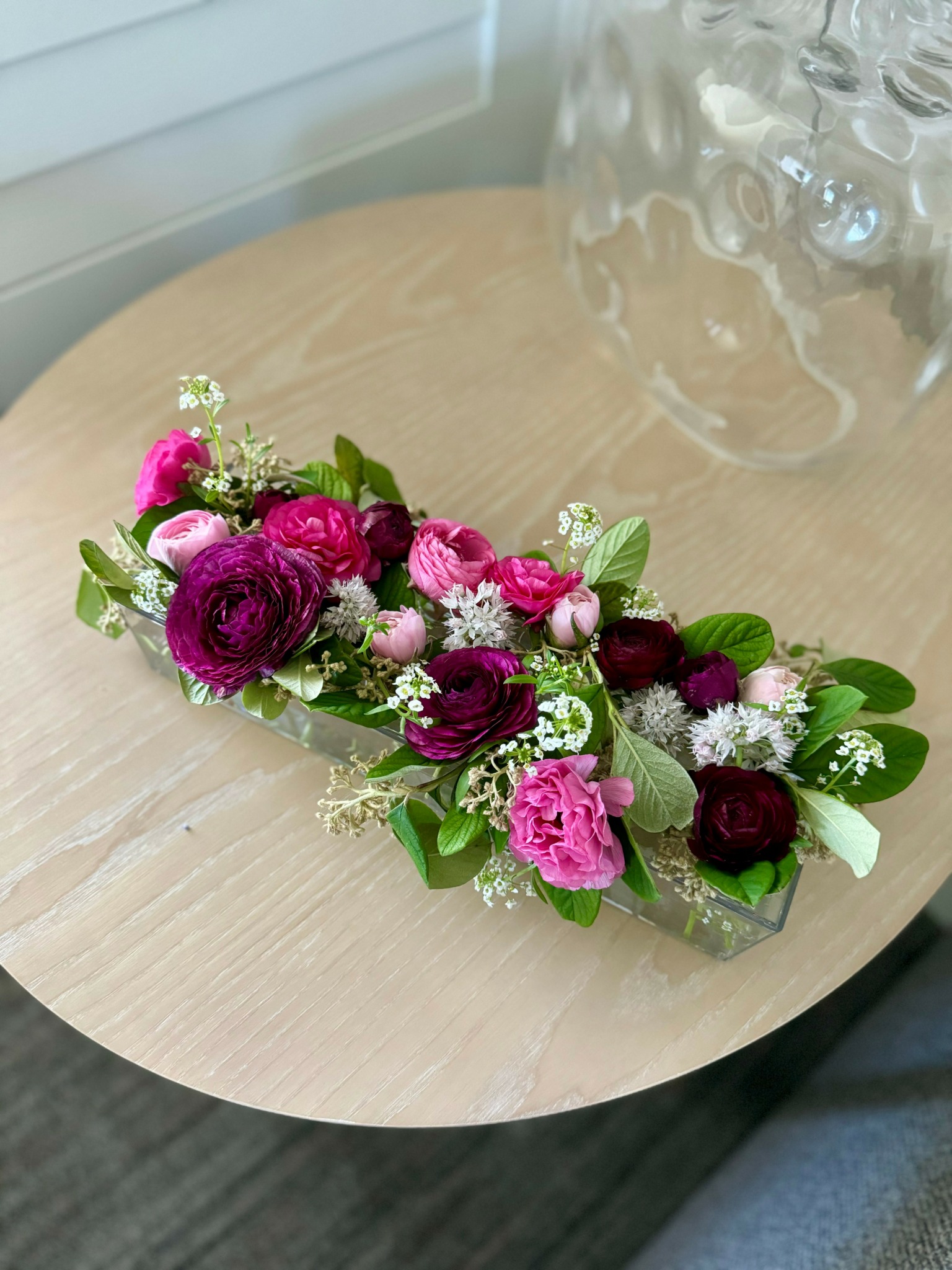
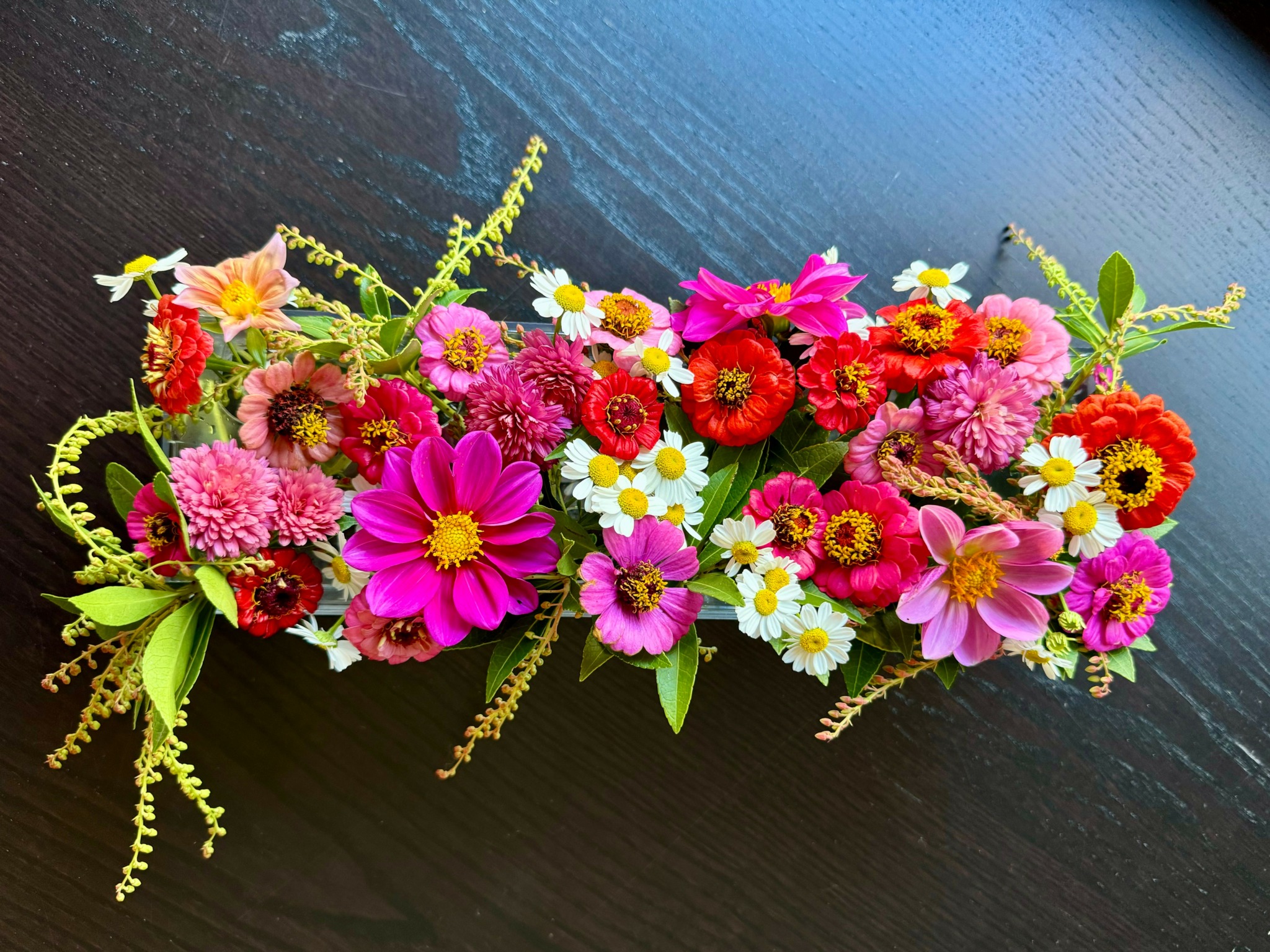
I am happy to be a part of the growing movement to eliminate floral foam from our industry. Instead I work to use mechanics that can easily be reused again and again such as floral frogs, chicken wire, and upcycled jars/containers.
I also focus on reducing the use of plastic materials in all of my work by using paper wraps, bamboo picks, twine, and compostable ribbon and stickers.
I feel that if all florists made these small changes, we could greatly reduce the waste and environmental impact of our industry across the world.
Awesome – so before we get into the rest of our questions, can you briefly introduce yourself to our readers.
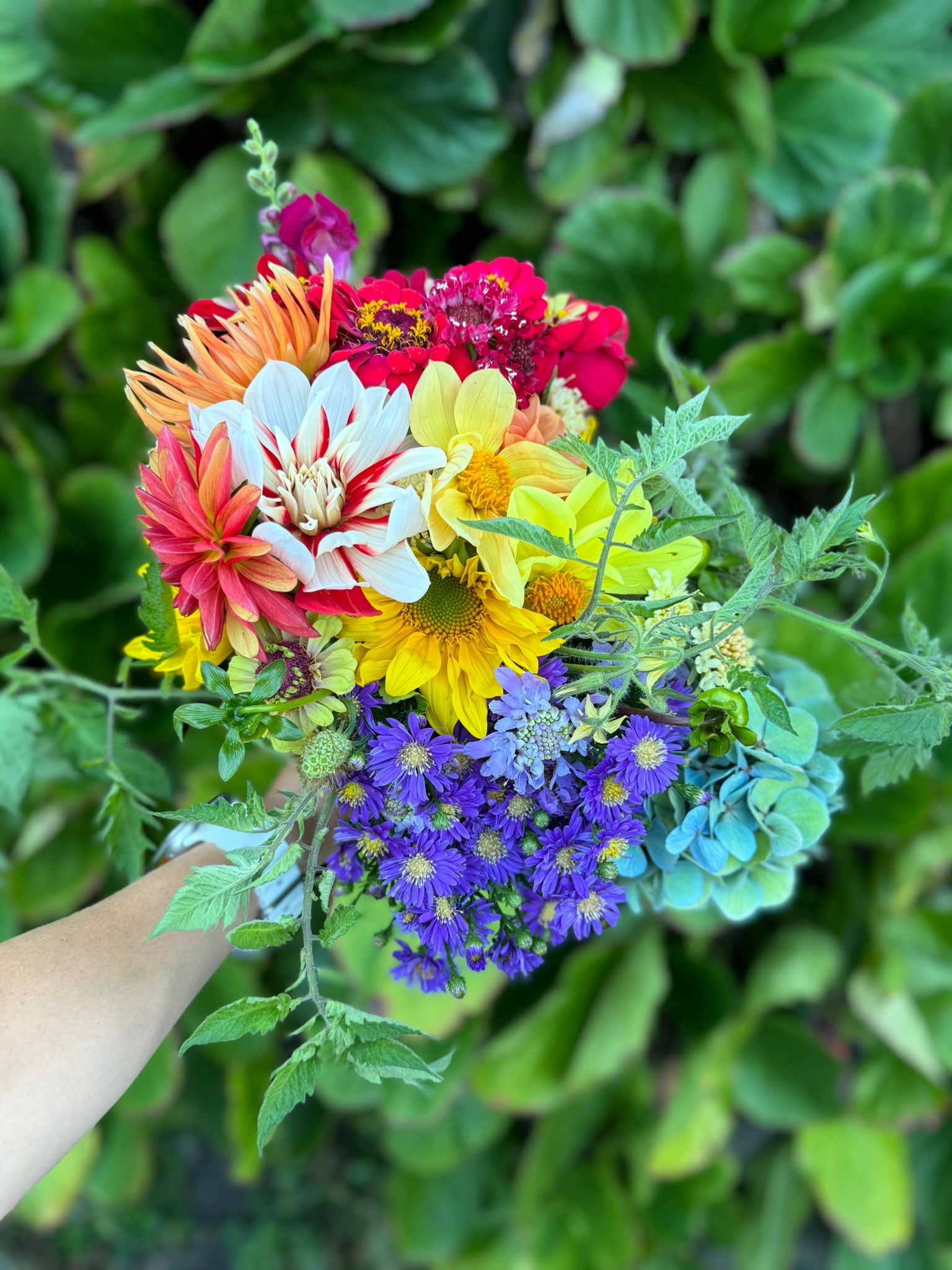
Flowers by Dr. Jo is a flower farm located in Northeast Seattle. I grow most/all of my flowers on my small urban yard using organic and sustainable practices.
I started growing flowers because I wanted to cut them and make small bouquets/posies for myself, and friends and family. I love bringing joy to others in the form of fresh-cut flowers, and that is the inspiration behind Flowers by Dr. Jo.
While you can purchase flowers from big-chain stores and supermarkets, we focus on bringing local, unique, and chemical-free blooms into your home or special event.
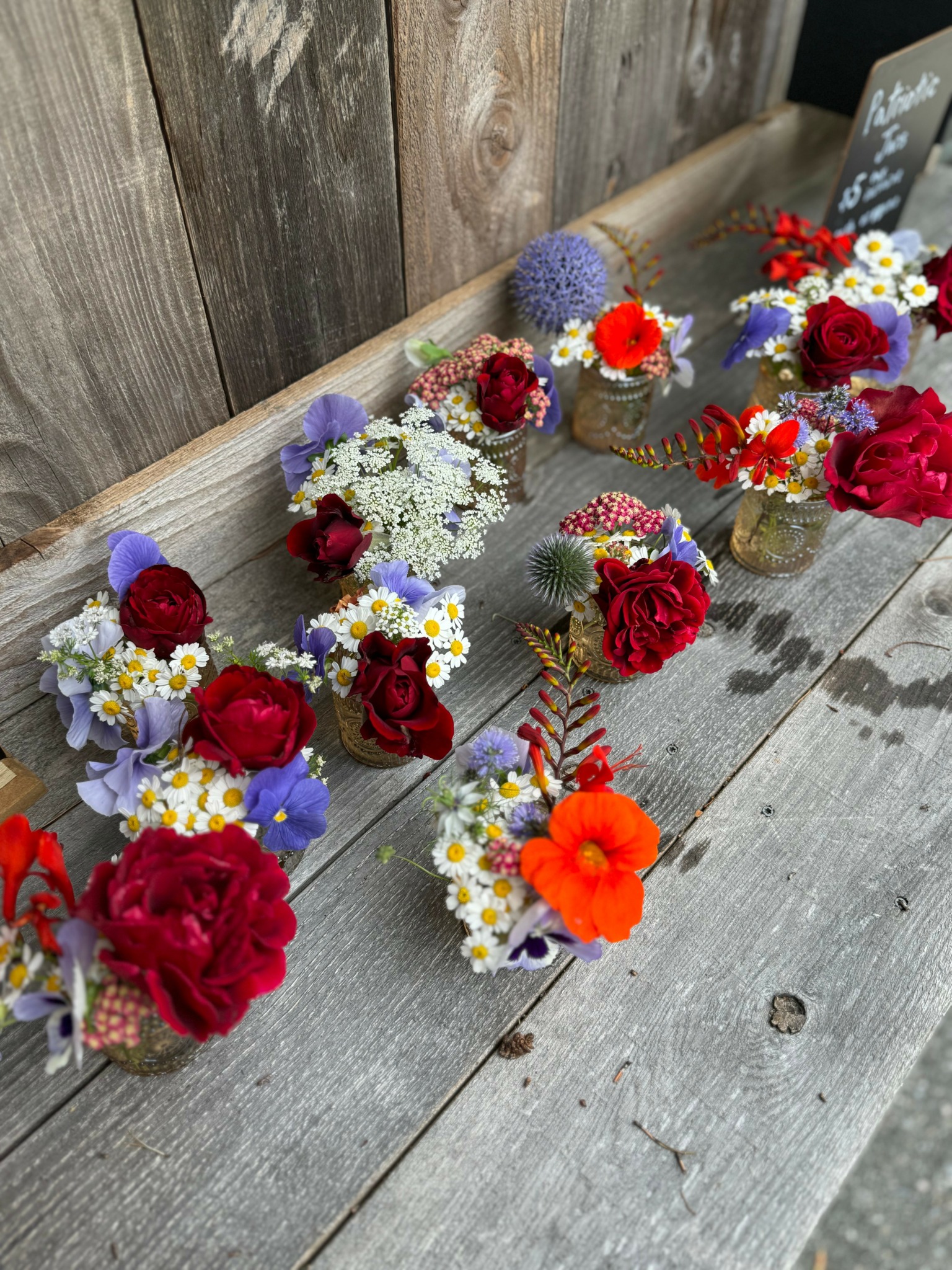
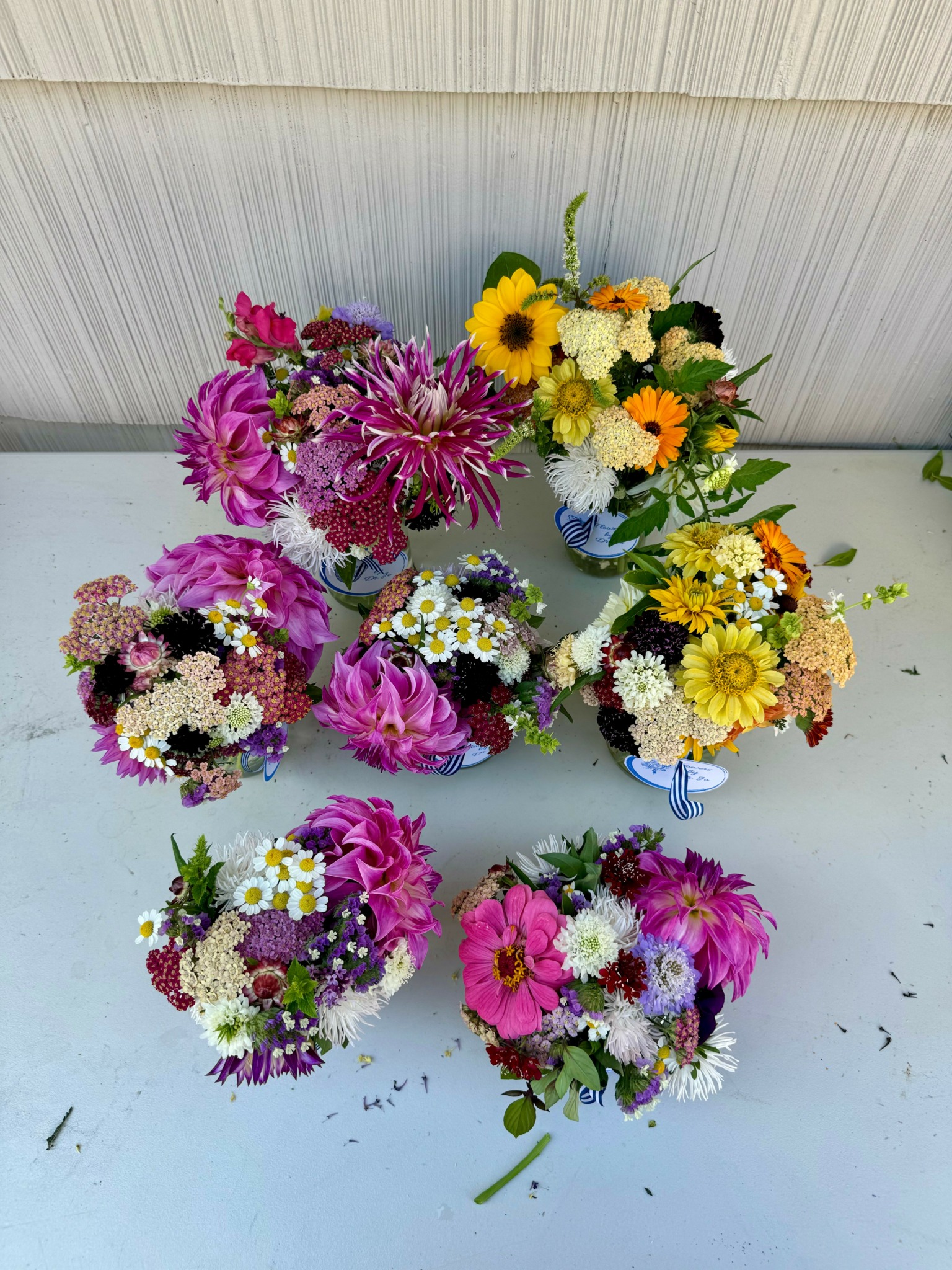
We primarily sell through our flower stand on our farm which is stocked a few times per week with fresh-cut bouquets (seasonally, March/April through October/November) and other seasonal offerings such as holiday-themed jar arrangements (4th of July, Back-to-School, Halloween, etc.), floral pumpkins, jars of paperwhites, and winter wreaths. We also offer custom arrangements, buckets of blooms, and/or bouquet bars for special events such as anniversaries, baby/bridal showers, birthdays, parties, and weddings.
Can you tell us about what’s worked well for you in terms of growing your clientele?
I think my most effective strategy has been to focus on growing my clientele hyper-locally, within a few miles of my home.
It can be hard to reach that hyper-local audience organically on a platform such as Instagram. Instead, I joined and participated in local community Facebook groups, as well as Nextdoor.
I also reached out to the editor of our monthly neighborhood print magazine and was offered the cover story to promote my business.
Additionally, I set up a free make-your-own bouquet station at our neighborhood summer picnic.
Finally, if I ever had extra bouquets/flowers, I passed them out (complete with my branding) to neighbors, librarians, teachers, and local businesses. Even if I wasn’t getting a sale at that moment, I wasn’t tossing my highly perishable product and was instead using it as a marketing opportunity.
Learning and unlearning are both critical parts of growth – can you share a story of a time when you had to unlearn a lesson?
When I was working in the corporate world, I hated the constant focus on making money and profitability. This is one of the reasons I left. However, since starting my own business, I am finding that this drive for profits is ever-present in my industry, flower farming, as well. I’ve read books and articles, listened to podcasts, and watched videos on how to run a profitable business/flower farm.
At the beginning of the season, I really took those lessons to heart and was fixated on profits, including strict stem counts in my bouquets which I was making as quickly as possible.
But now, after nearly a year of business, I would say that profitablity as the ultimate priority is a lesson that I have been working to unlearn.
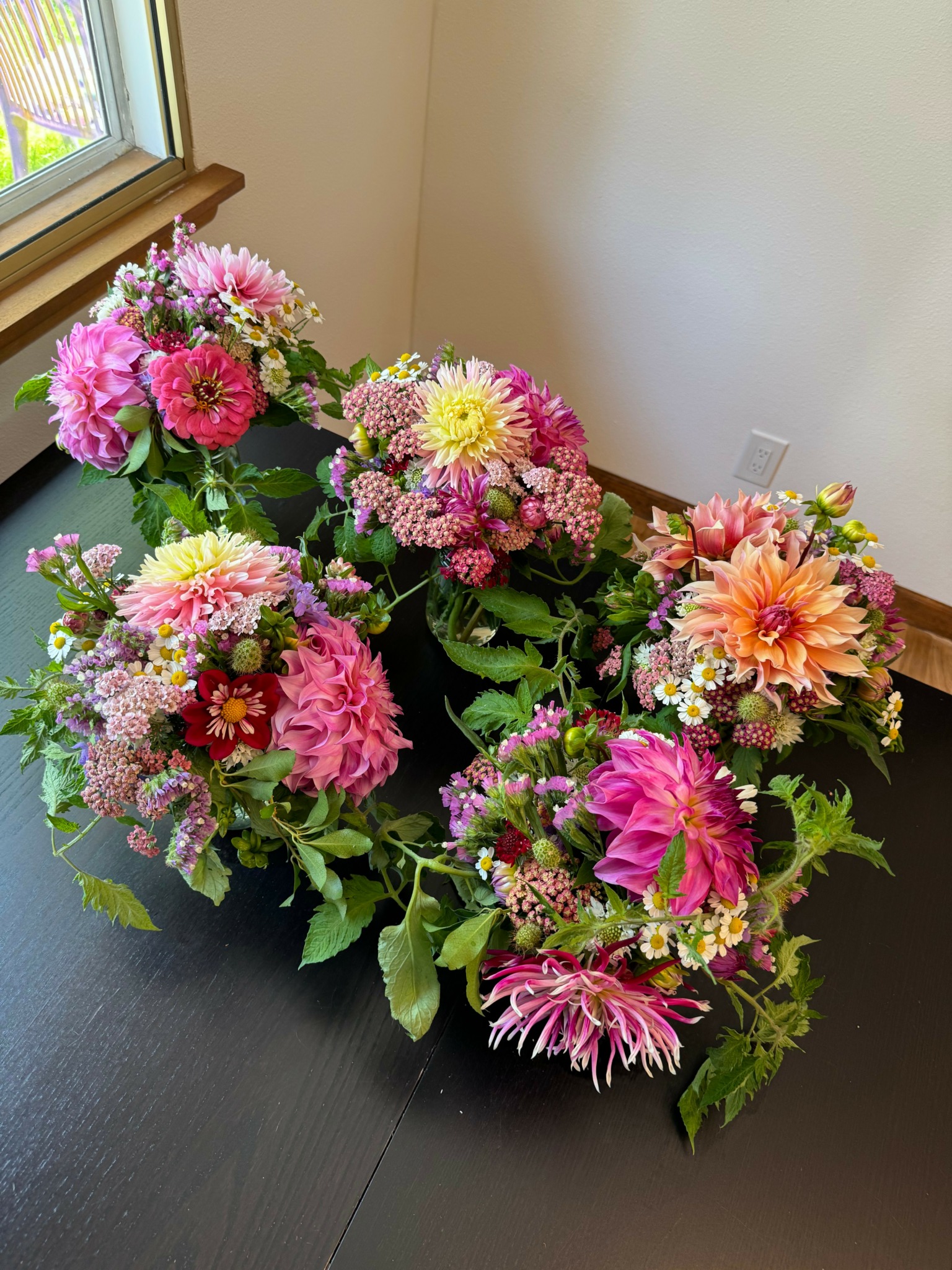
Instead, I have been focused on proving myself to the community and building my reputation as a knowledgeable and quality grower. As the season went on this year, I found I was more successful when I really focused on making beautiful products, even if the bouquets had “too many” stems in them or took me extra time to make. They sold much better and at the end of the day, working with a product that quickly loses its value, I would rather move it and have it in the hands of a happy customer. I know that it will take less time to make beautiful bouquets in the future, and thus my profits will go up.
I had an abundant supply this year and I was happy to share it with the community as I built up my brand and my reputation. As demand (hopefully) increases in the future, I can revisit my pricing structure and stem counts and think more about profitability.
Contact Info:
- Website: https://flowersbydrjo.com/
- Instagram: https://www.instagram.com/flowersbydrjo
- Facebook: https://www.facebook.com/profile.php?id=61556816101717
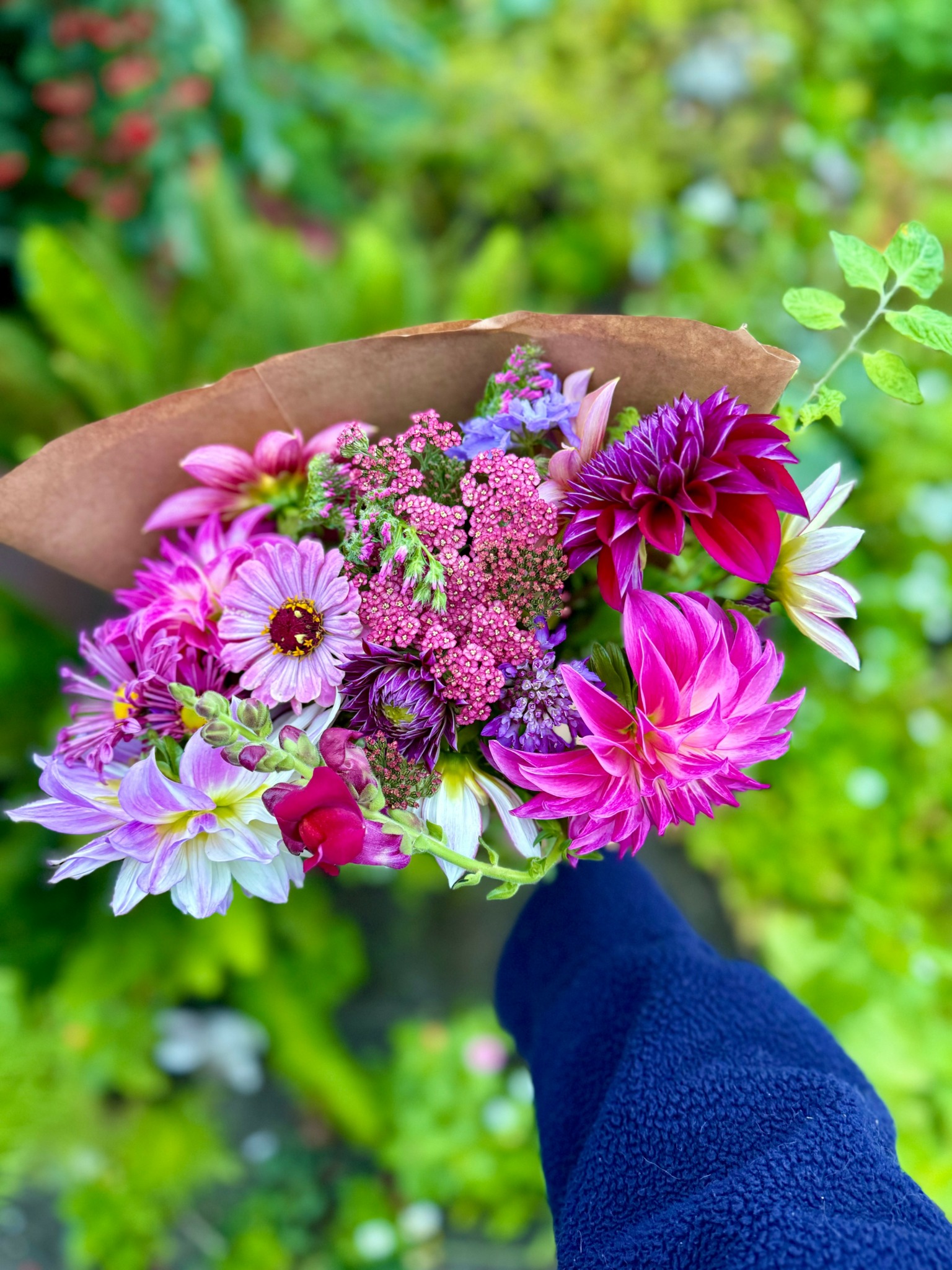
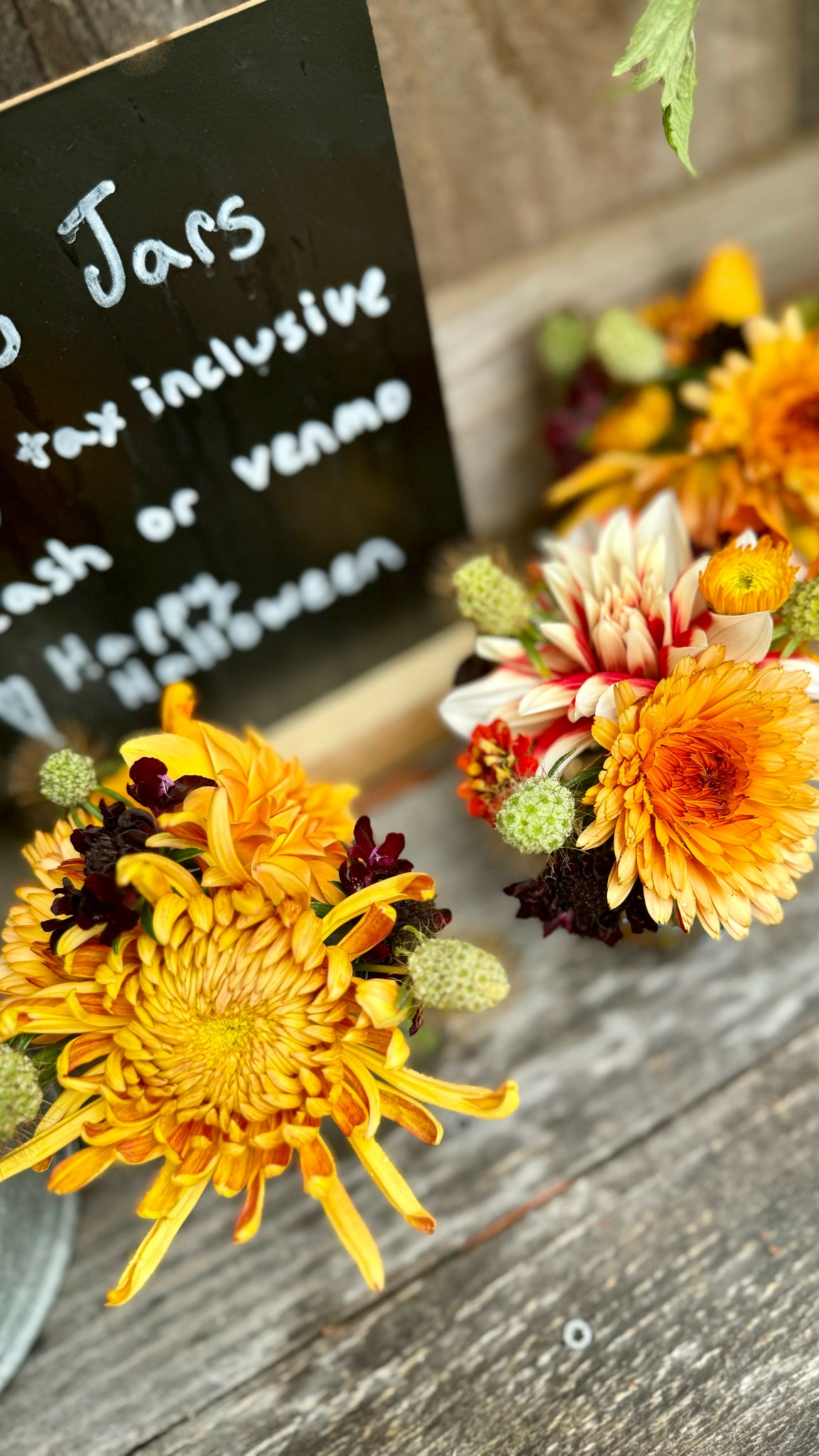
Image Credits
1st image: Heleyna Holmes Photography