

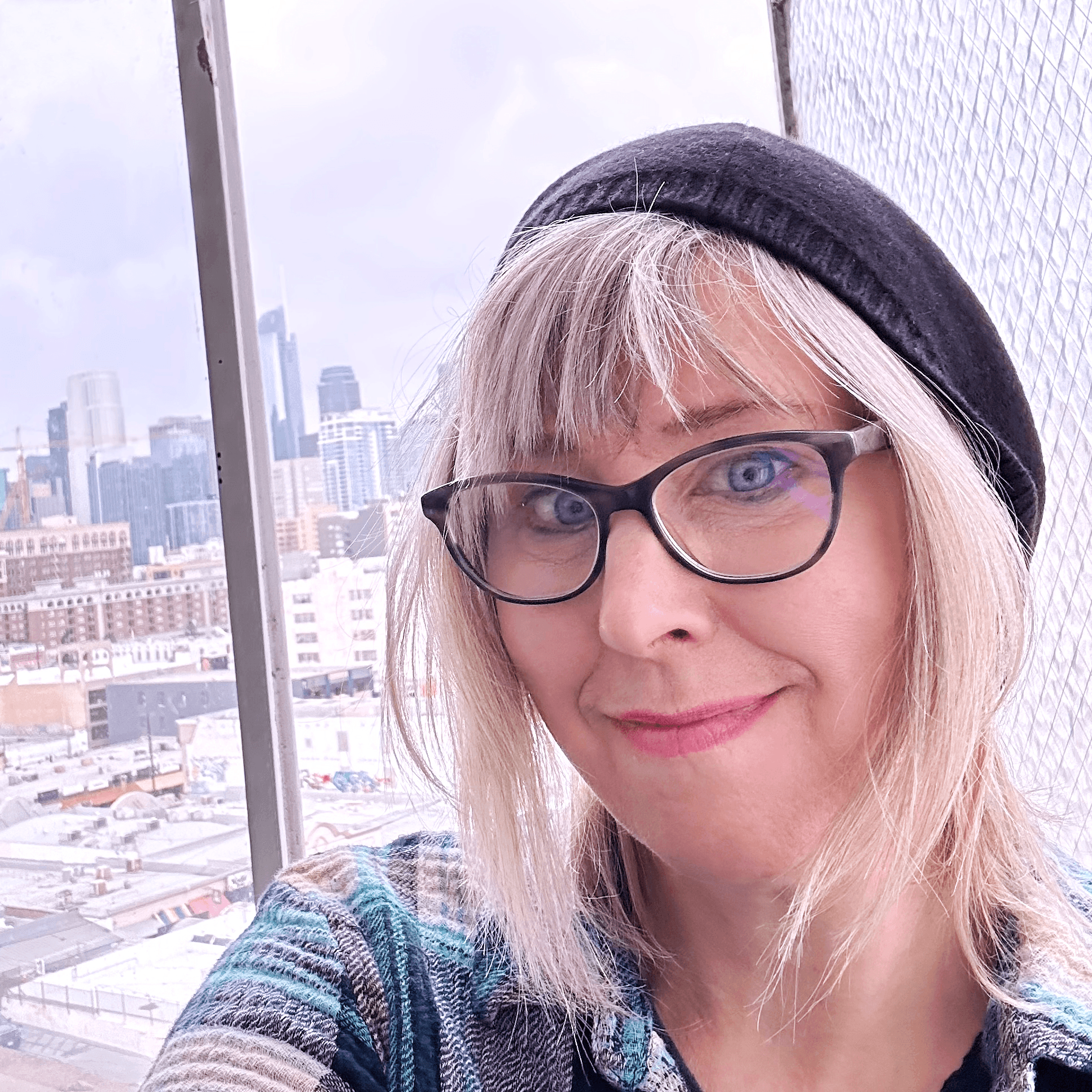

Today we’d like to introduce you to Amy Ahlstrom
Hi Amy, please kick things off for us with an introduction to yourself and your story.
I’ve always been an artist; I’ve been sewing and drawing since I was five years old. My mother sewed, my grandmother quilted, and there are several artists on my dad’s side of the family. In fact, my uncle and I both studied at the School of the Art Institute of Chicago. I began my art education in painting, but changed my major to Fiber Arts; after earning my MFA, I worked in graphic design and comic book illustration before relocating to the San Francisco Bay Area. I began developing my own personal style of pop-art appliquéd quilts in 2005, and although each series of quilts I create is very different, I have continued to work with hand-cut images and bright colors of Dupioni silk. While I still have artistic goals I’d like to achieve, I have gotten to where I am today by creating and exhibiting as much as possible. I’ve exhibited at galleries, have attended art residencies, and have created commissions for Google, Capitol One and the San Jose Museum of Quilts and Textiles, but my proudest moment was being a part of the very first deYoung Open exhibition at the deYoung Museum in 2020.
Can you talk to us a bit about the challenges and lessons you’ve learned along the way. Looking back would you say it’s been easy or smooth in retrospect?
Although I’ve mostly been able to create and show art consistently, there have been bumps in the road over the years. I was actively writing and drawing comics for ten years while working as a graphic designer, but then I was laid off from my job and didn’t make art for a year. There was also a time of transition when I stopped drawing and went back to creating quilts; it took me a few years to figure out how to make textile art again. And there have been several periods of time throughout my career where I was unable to make art due to episodic bouts of major depression. But I have persevered, and I find that making art for me is a sort of therapy, an expression of myself that is a critical part of my humanity. And though I also live with chronic anxiety, I am grateful that my physical health is good, and that I have the support of my spouse, friends and art community. These connections help to sustain and nourish me, and to remind me why I still make art.
Thanks for sharing that. So, maybe next you can tell us a bit more about your work?
I am a textile artist creating conceptual quilts in a pop-art style. My appliquéd silk and cotton quilts utilize bright pop-art iconography to reference mental health, feminism and the state of being in midlife within our rapidly changing environment. My background as a graphic designer and illustrator informs my process; I design patterns digitally, cutting the images by hand. The fabrics are then fused together and quilted by a process known as hand-guided machine quilting; I “draw” on the quilt with thread, guiding the quilt under the needle. I use the visual vocabulary of pop art, specifically playful images rendered graphically in a style similar to silkscreen, to illustrate my internal mental landscape. The objects I depict are ordinary and gently humorous, evoking the crowded emotional chaos of everyday life. Currently, I’m most proud of my new series that focuses on our collective environment; personal, political, and as it relates to climate change and weather. Specifically, these quilts visualize my internal mental state as a type of weather in relationship with external ‘weather’; the political and physical climates we live within. Visual symbols of weather, such as clouds and drips, are combined with directionless arrows, upside-down images and a vibrant color palette against backgrounds of irregular shapes to create a sense of confusion and disruption. Basically, although we are really always changing, we are currently hyper-aware of living in an era of extreme change. And yet, as the legendary science fiction writer Octavia Butler wrote, “The only lasting truth is Change.”
Networking and finding a mentor can have such a positive impact on one’s life and career. Any advice?
Find your people; align yourself with communities of artists. This can be done in a variety of ways; through volunteering for arts-based organizations, attending art shows, fairs and talks, donating art to auctions, and making art outside of your home (when possible) within a larger art studio environment. Though this may seem obvious on the surface, I’ve found that you also need to find your own space within these spaces. For example, I tend to be somewhat introverted, so I prefer attending art talks over art openings. At gallery-based art talks, I can hear directly from the artist, which helps inform how I can engage with them and their work (and there will often be lots of like-minded artists in attendance). That said, it’s still important to attend art openings, both to support local artists and to be a part of the community; it’s just that my personal preference is to have more in-depth conversations. If you don’t have physical access to a thriving arts community, there are plenty of virtual spaces online to join. But you will still need to figure out what works for you in terms of your interests and desired level of engagement. And you should still travel to see art when you can; there’s really no substitute for seeing art and talking with artists in person as much as possible. As of last year, I now create art in studios in San Francisco and Los Angeles, so I have been excited to get to know artists in LA, and to visit art spaces that are new to me. It’s always energizing and gratifying to meet other artists and to learn about their work.
Contact Info:
- Website: http://www.amyahlstrom.com
- Instagram: @amy_ahlstrom
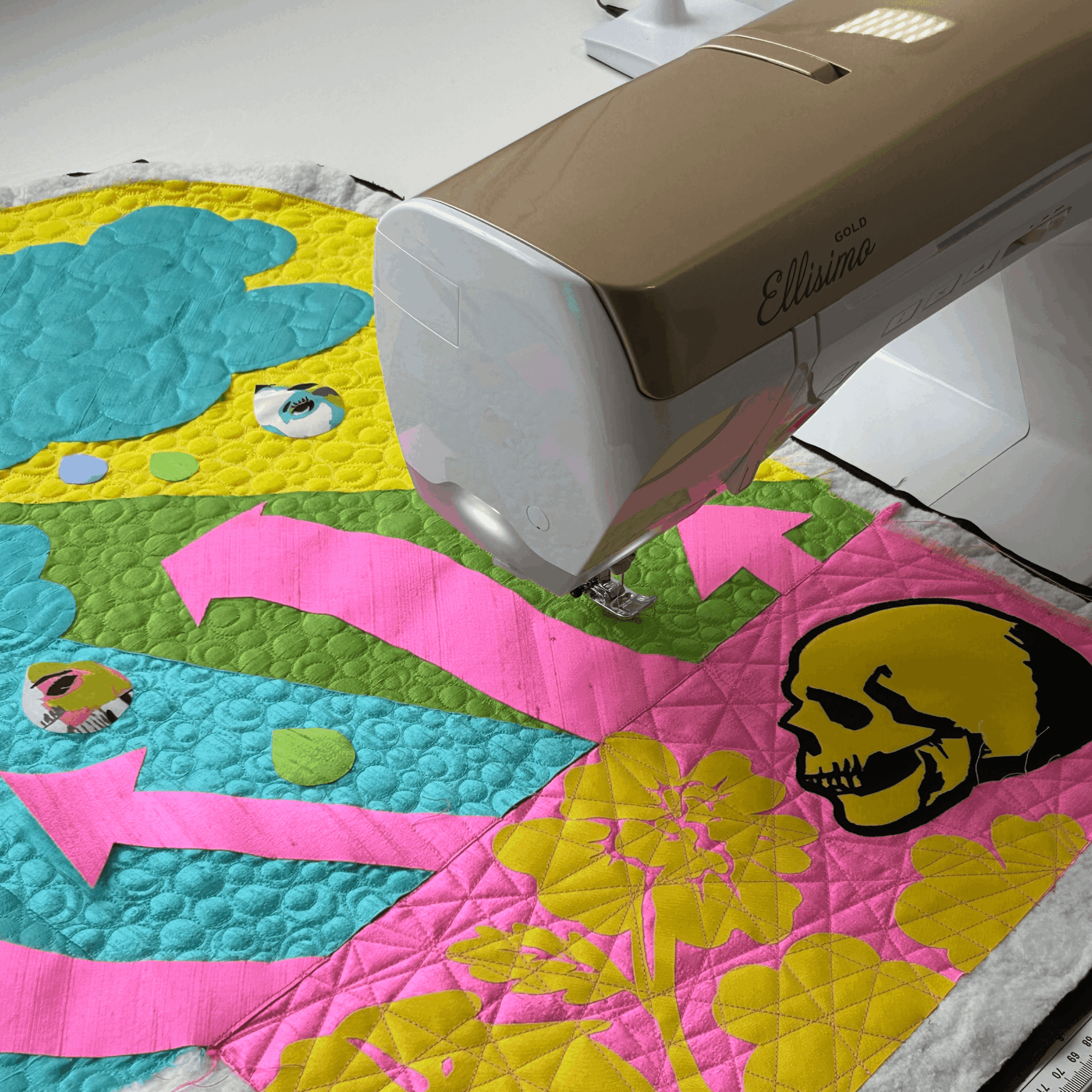
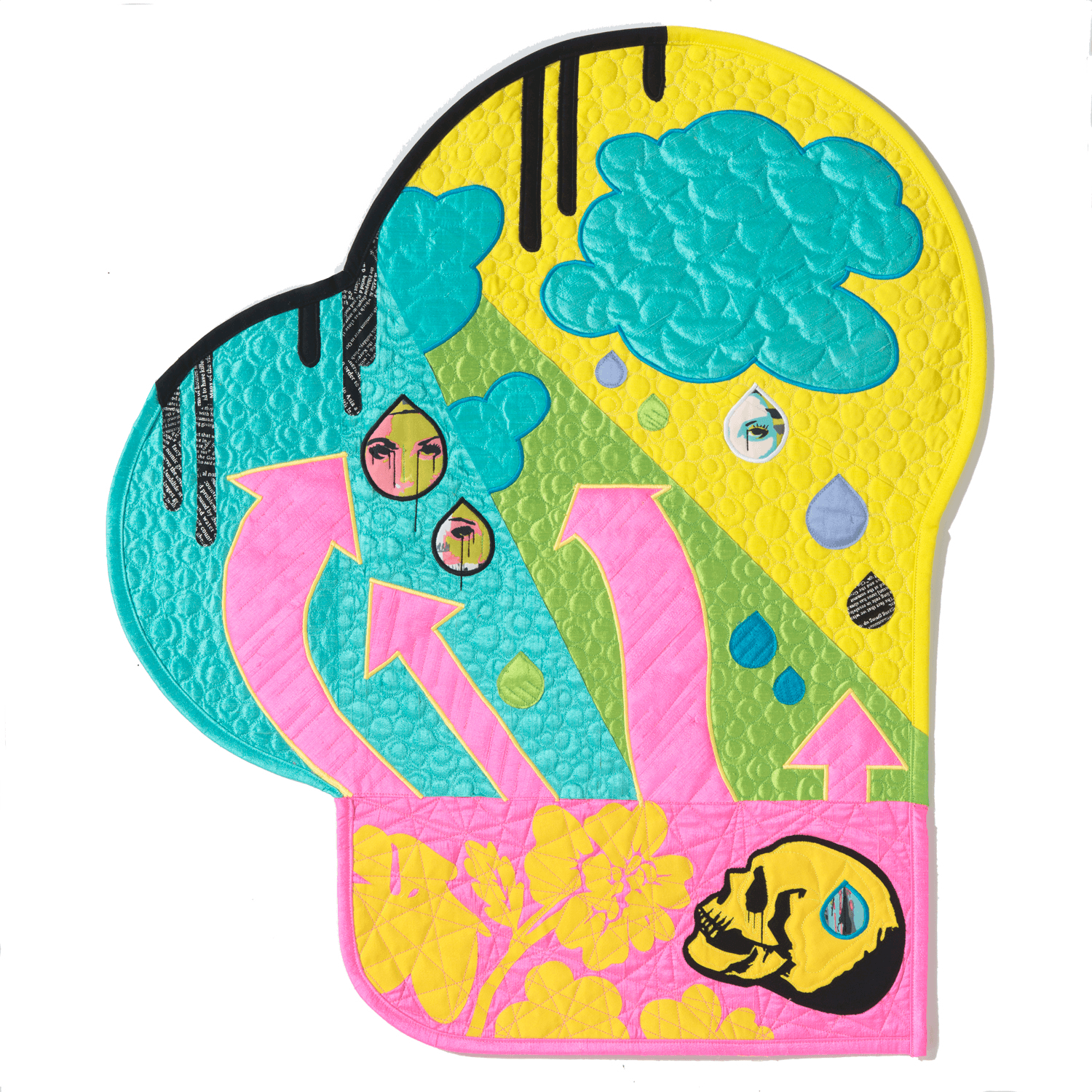
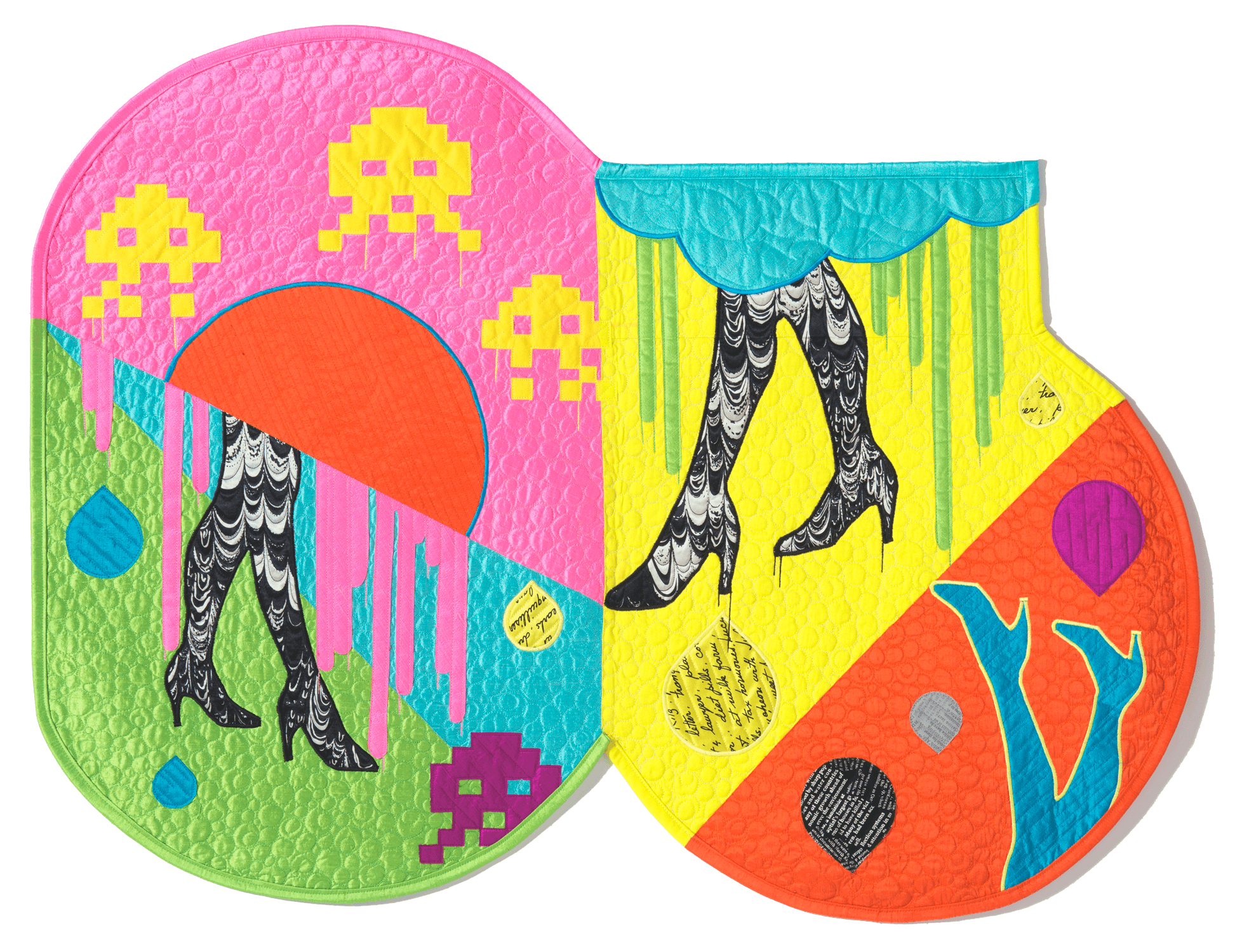
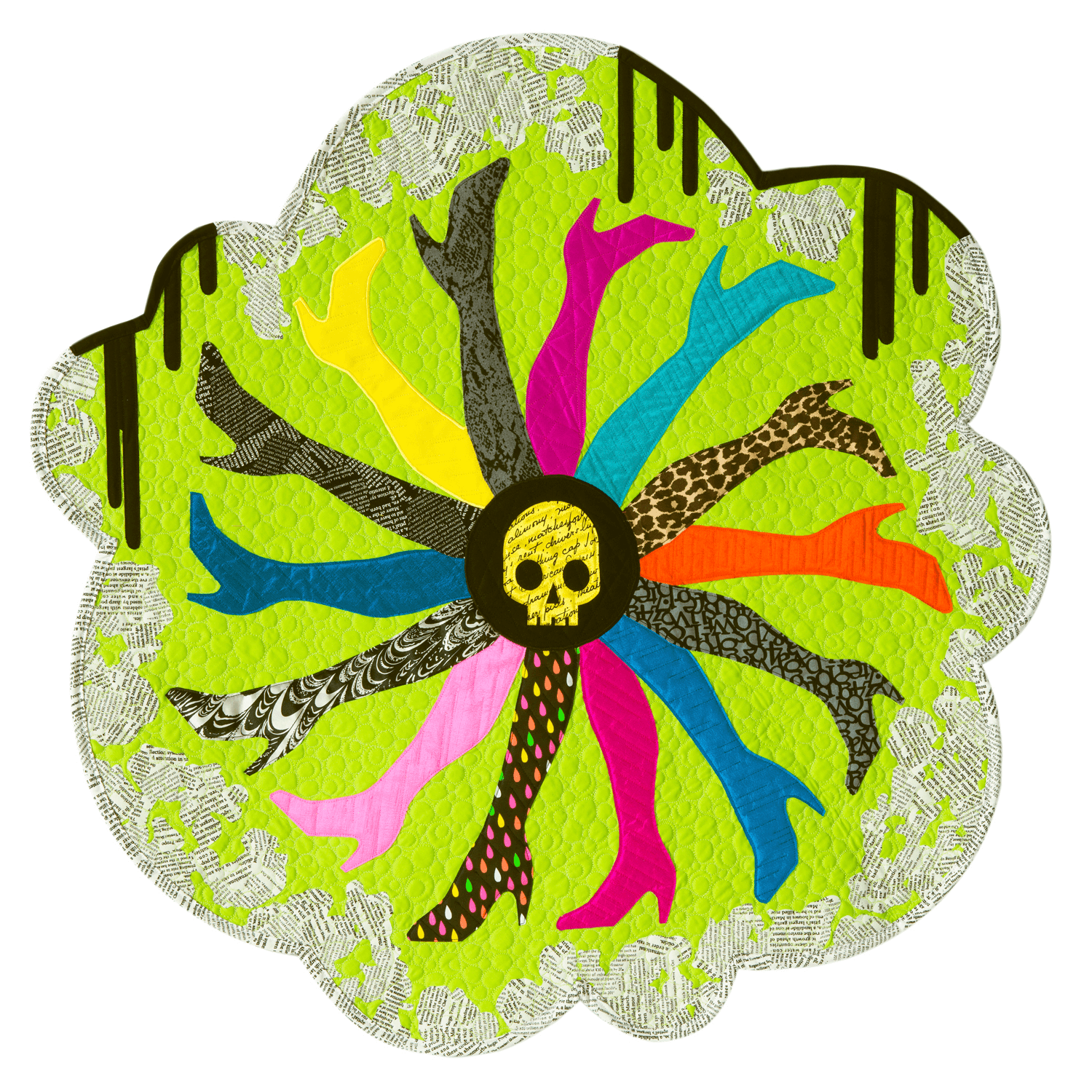
Image Credits
©2024 Amy Ahlstrom