

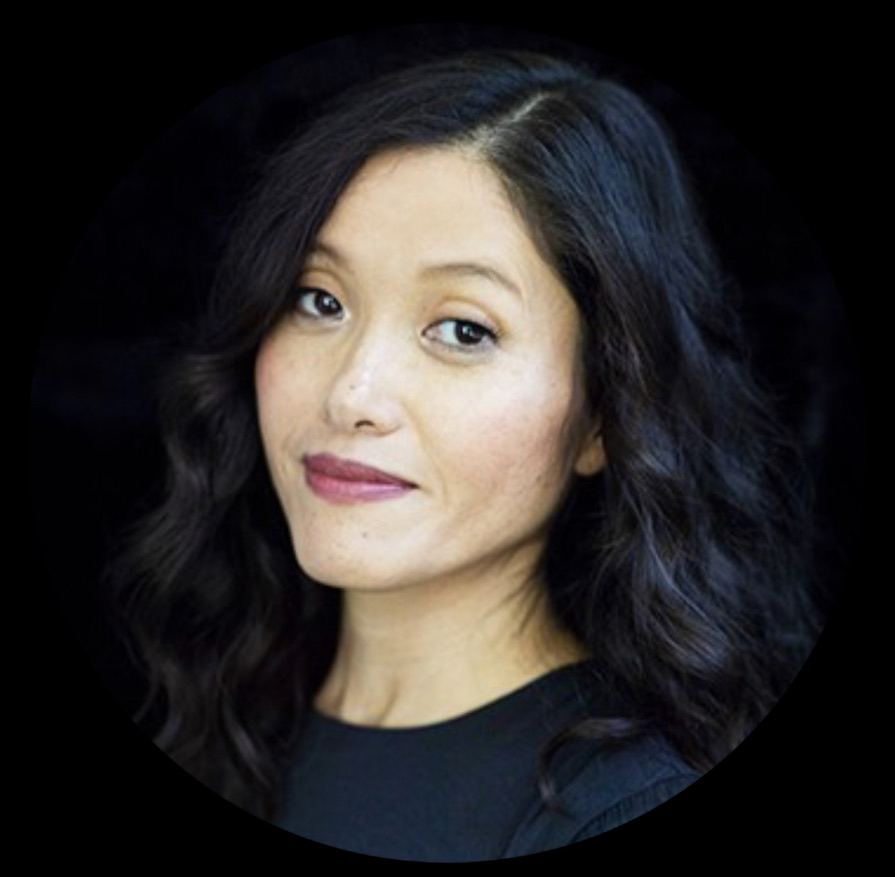

We were lucky to catch up with Yoko Morimoto recently and have shared our conversation below.
Yoko, appreciate you joining us today. Let’s go back in time to when you were an intern or apprentice – what’s an interesting story you can share from that stage of your career?
Here’s a refined and structured version of your story:
When I was 21, I worked as a studio assistant in a photography studio in Tokyo. The studio was located in a fashionable area of the city and had two different studio spaces. It handled a wide range of shoots, from fashion and still product photography to clothing catalogs and occasional video shoots. When I got hired, I had no experience in photography—I didn’t even know what an f-stop was!
After graduating from high school in California, I had planned to go to college, but a family emergency required me to return home to Japan. Without the opportunity to attend college, I decided to learn photography by working as an assistant at the studio. Despite my lack of experience, I was fortunate to assist some incredible photographers, including the famous Nobuyoshi Araki. I had no idea what photography was all about when I began, but I learned so much from that experience.
The studio had an interesting policy at the time: they only hired female assistants. The owner believed that any woman could handle heavy equipment and set up complex lighting just as well as any man—and we certainly did. With no men in the studio, we female assistants formed a close-knit group. We helped each other, learned from each other, and built a strong support system. Many commercial photographers who came to our studio became repeat customers because of the environment we created.
One particular incident stands out to me. A photographer once told me, “You can’t make it in this industry because I don’t believe in your talent.” At the time, such derogatory comments from male photographers to female assistants were not uncommon. I may not be at the pinnacle of success yet, but I am still shooting to this day, so I can proudly say that he was wrong.
Working in that studio taught me a lot, not just about photography but also about reading people. In Japanese culture, there is an unspoken expectation to “read the air”—to anticipate needs and understand the atmosphere without explicit communication. In the studio, it became second nature to sense what a photographer needed before they even asked for it. I believe this training has helped me in everyday life as well; I can often figure out what people need before they tell me.
One memorable experience was assisting Mr. Araki. He was known for being intense, and when he arrived at our studio one day, the small parking lot outside was under construction. Before even entering the studio, he started photographing the construction site and excitedly exclaimed, “This is amazing! Look! Bring my 35mm camera from my bag!” I had no idea what he found so inspiring about a simple construction site. Later, in the studio, he photographed a famous Japanese political journalist. I was surprised at how simple his setup was, but his laser-focused eyes and calm demeanor left a lasting impression on me. I had expected him to be more eccentric, but he showed me that simplicity, passion, and focus could create powerful art.
Looking back, these experiences shaped my approach to photography and my understanding of what it means to be an artist. They taught me resilience, intuition, and the value of a strong, supportive community.
As always, we appreciate you sharing your insights and we’ve got a few more questions for you, but before we get to all of that can you take a minute to introduce yourself and give our readers some of your back background and context?
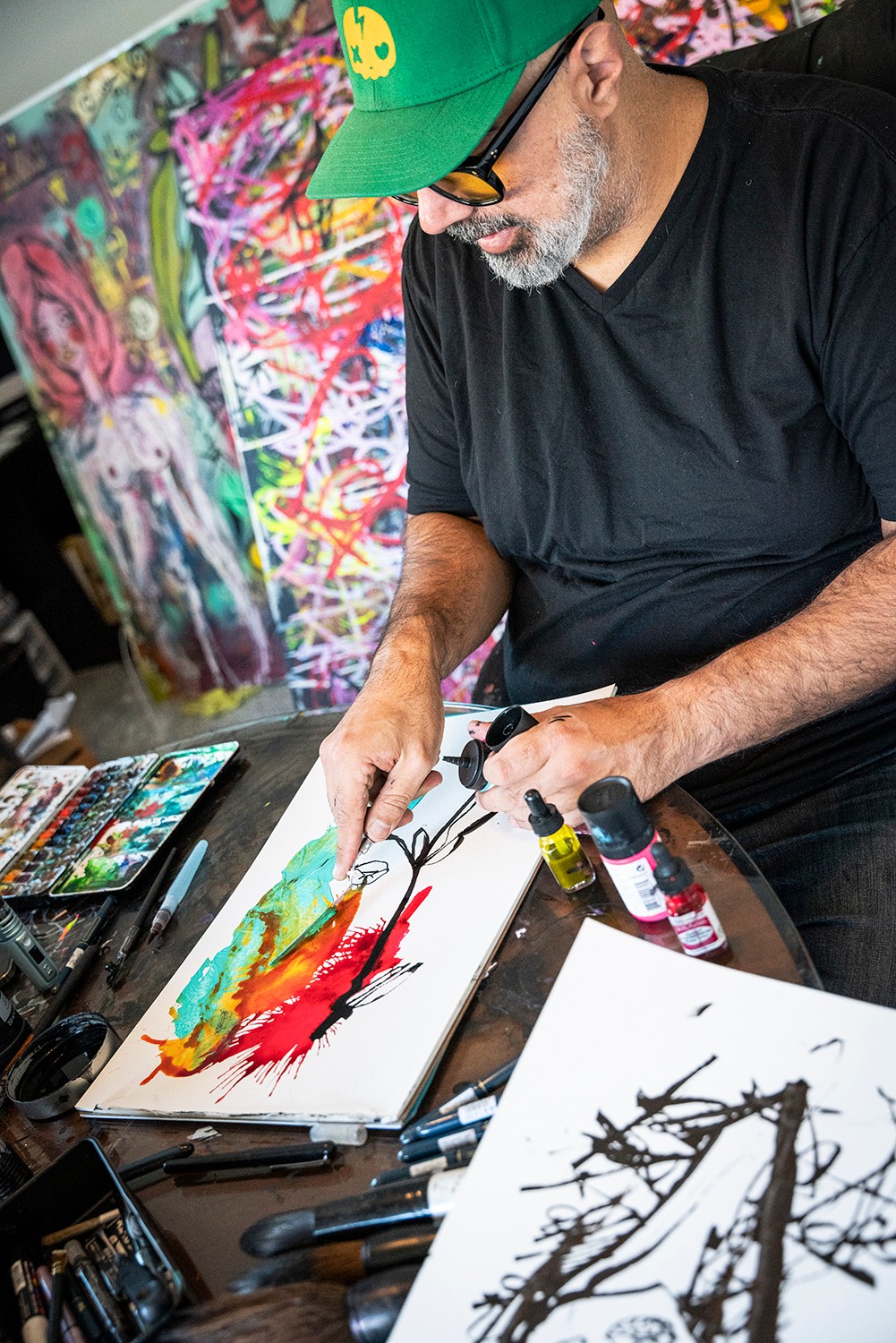
My brand is all about storytelling—for artists, individuals from all walks of life, products, or brands. I’m passionate about learning how people have built their lives or brands and showcasing what they do or create for their audience. I’d say my strongest skill lies in lifestyle imagery; it’s where I bring stories to life in a way that feels authentic and engaging.
I’ve been fortunate to meet a wide range of inspiring people: from X Prize winners and mural artists to Olympic gold medalists, asylum seekers from Russia, activists, clothing brands, and even an automobile parts retailer, to name just a few. Each of their stories has deepened my commitment to capturing the essence of their journeys and sharing their unique paths with the world.
Is there a particular goal or mission driving your creative journey?
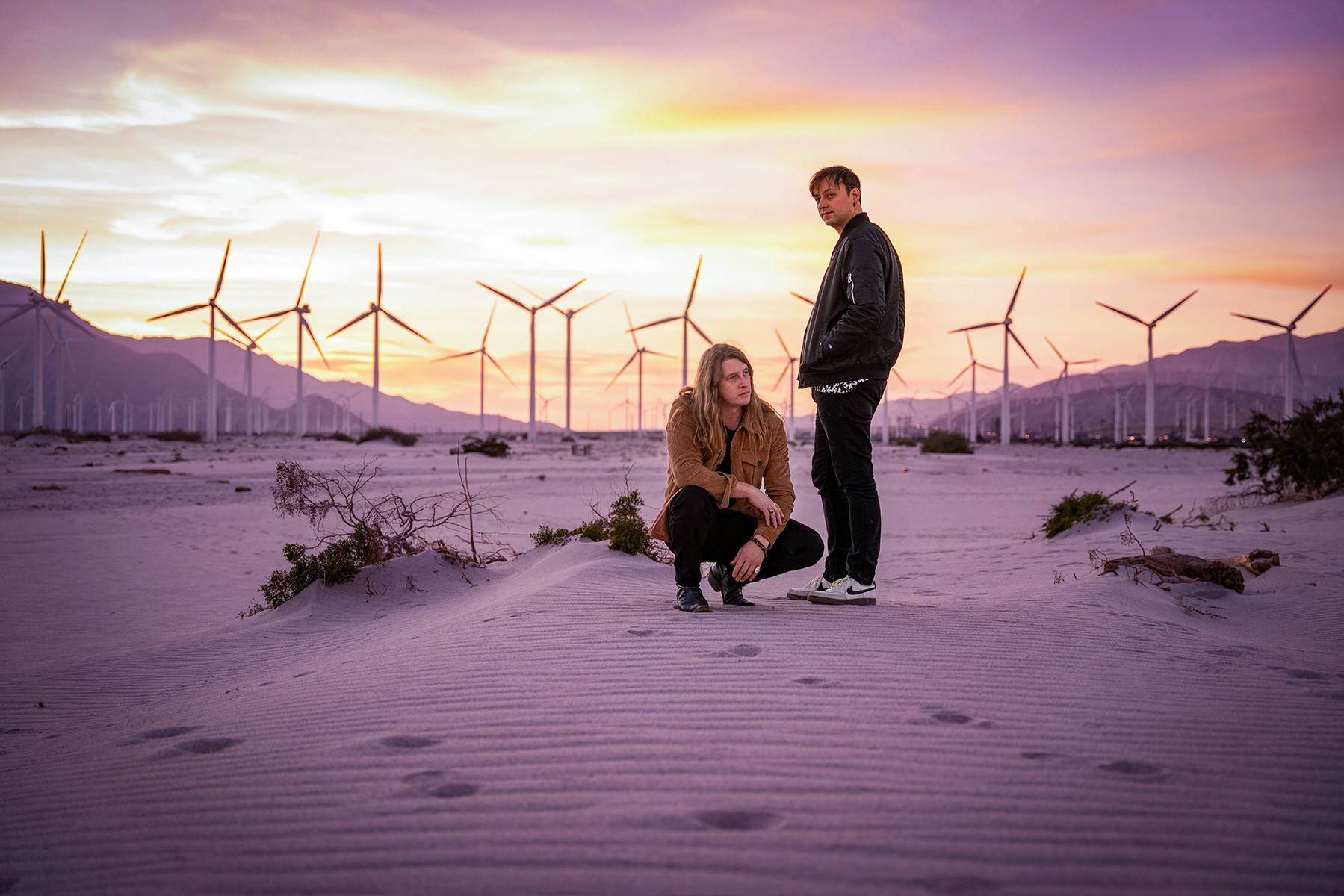
My goal is to be a voice for people, animals, or causes that may not have the reach to tell their stories on their own. Whether it’s a brand with a unique purpose or a story that needs to be heard, I’m driven by a desire to give visibility to those who can’t always speak for themselves. Through my work, I aim to shed light on their journeys, struggles, and achievements, ensuring their voices resonate with a broader audience.
Looking back, are there any resources you wish you knew about earlier in your creative journey?
I wish AI and YouTube had been around when I was starting out. AI is a great tool that helps me write complex sentences, especially since English is my second language. Nowadays, you can learn so much from YouTube, but back then, it didn’t have nearly as many channels or the abundance of knowledge it offers today.
Contact Info:
- Website: https://www.yokomorimoto.com
- Instagram: @yoko_morimoto_photogrpahy @yoko_m_art_photo
- Linkedin: https://www.linkedin.com/in/yoko-m-06004216a
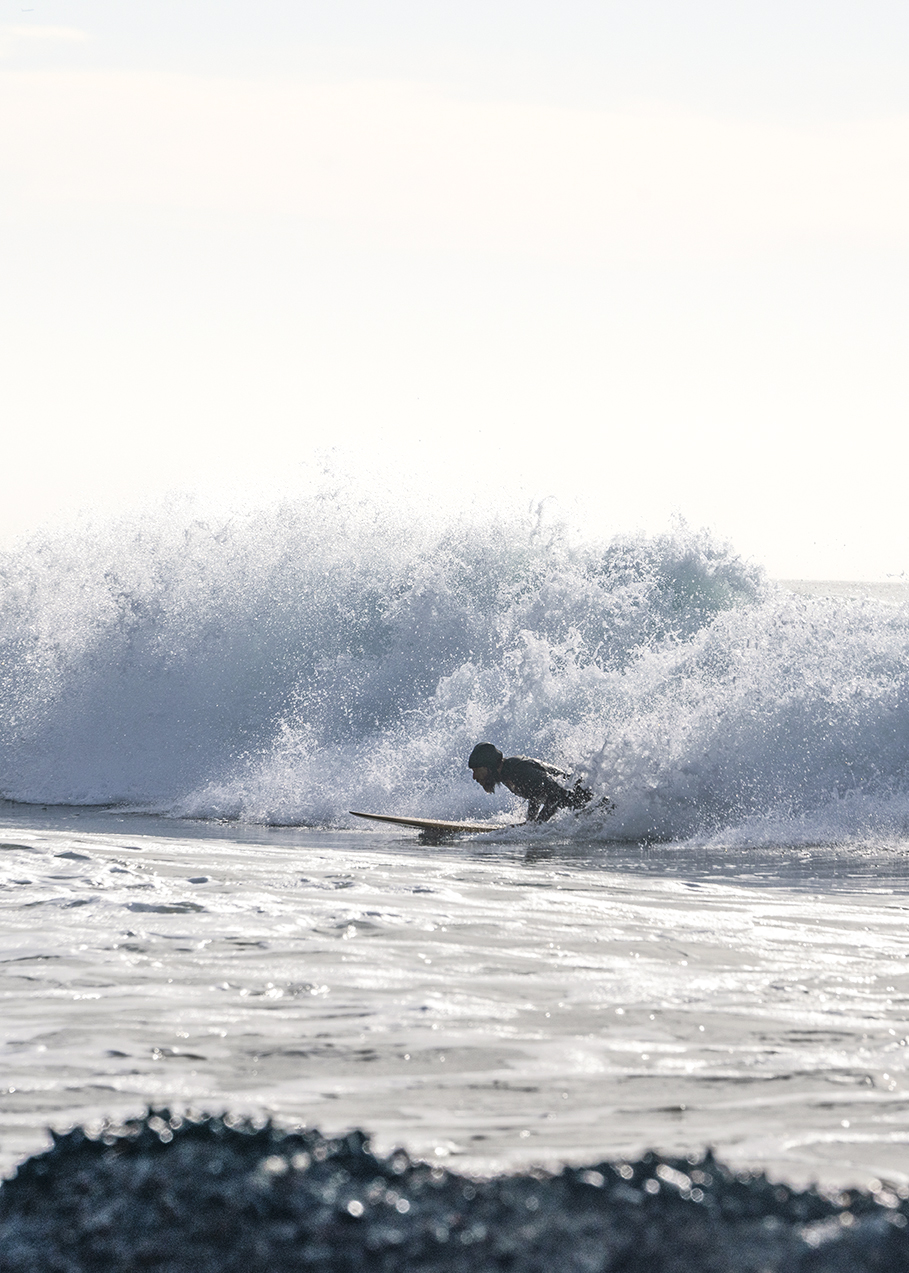
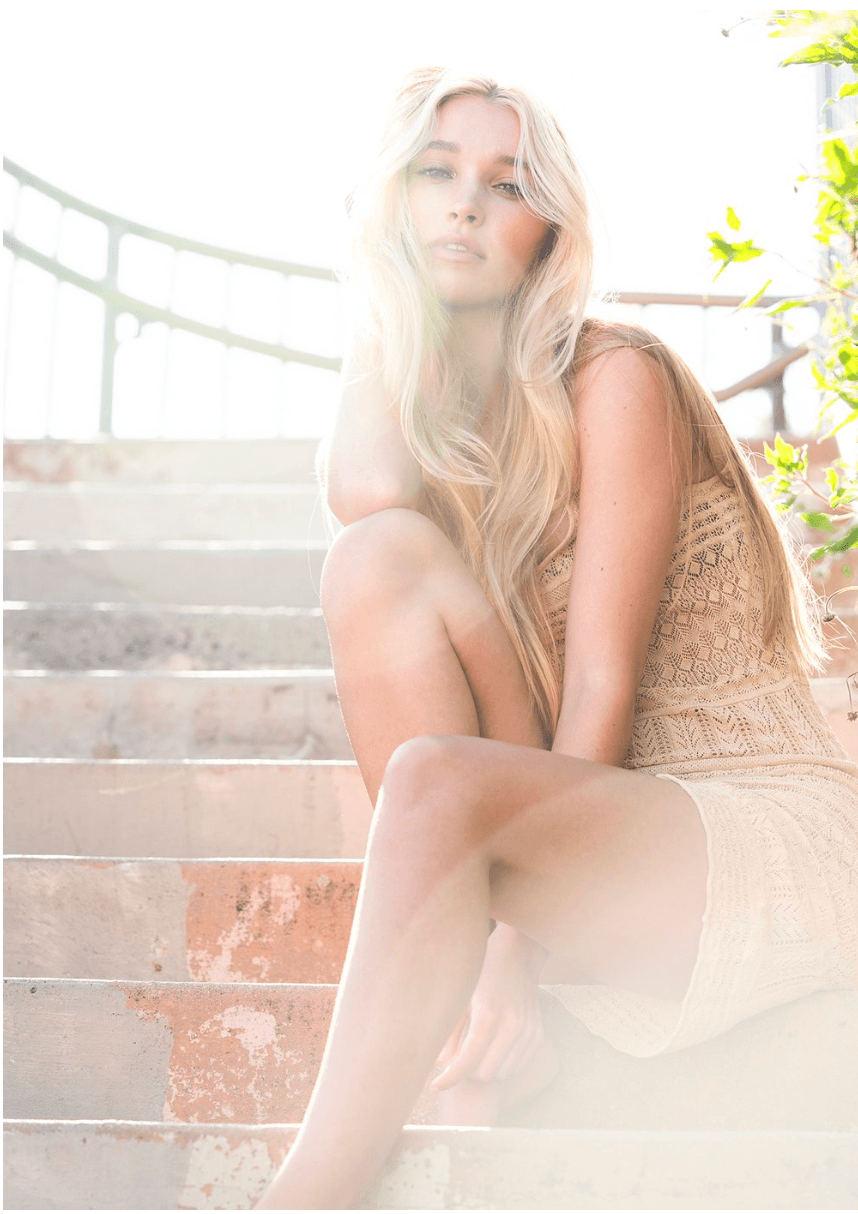

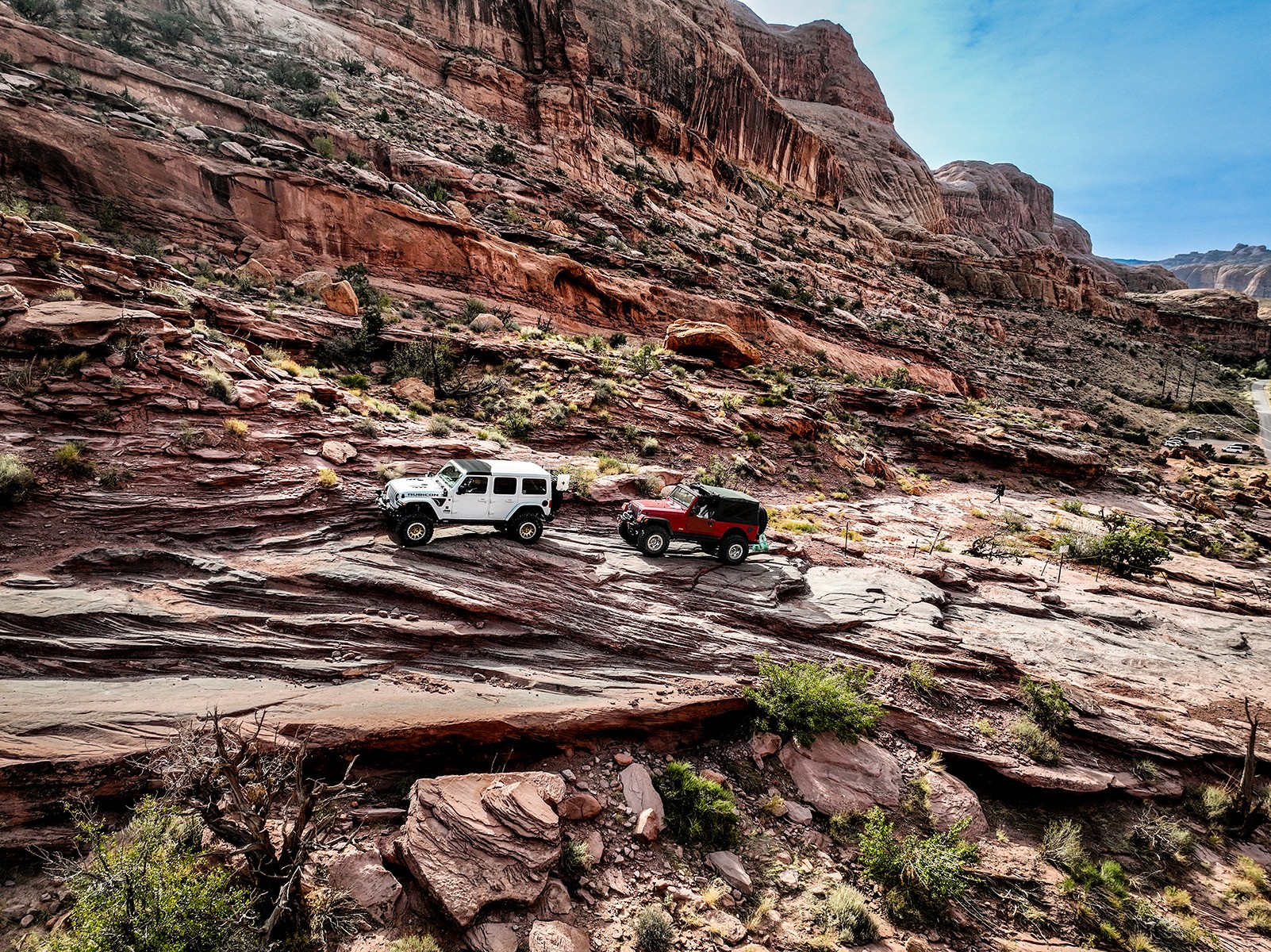
Image Credits
Yoko Morimoto Photography