



Alright – so today we’ve got the honor of introducing you to Shannon Higgins. We think you’ll enjoy our conversation, we’ve shared it below.
Shannon, thanks for joining us, excited to have you contributing your stories and insights. Setting up an independent practice is a daunting endeavor. Can you talk to us about what it was like for you – what were some of the main steps, challenges, etc.
Starting my private psychotherapy practice was both a game-changer and a daunting experience. For many small business owners, especially in private therapy, the reality is clear: if you don’t work, you don’t get paid. There is no paid time off, and private health insurance can be prohibitively expensive. As a single parent of two very active boys, I faced additional challenges; one of my children required special services in school, which meant I had to provide daily support for his adaptive needs. Financially, this was a sink-or-swim decision.
Before starting this journey, I gained valuable experience in public health, where I was deeply involved in hands-on work in the community. I then transitioned to the nonprofit sector, focusing on domestic violence advocacy and outreach counseling. This is how I created my niche specialty, trauma recovery. I recognized that working alongside reputable psychiatrists would be an outstanding opportunity to develop strong clinical skills and establish a solid client base. Thus, I received exceptional training from field experts in providing effective trauma recovery for my clients.
My professional journey has included roles as a behavior resource specialist and a middle school counselor in both private and public school systems. I recognized the importance of diversifying my experience before working with clients independently. This approach helped me build a solid professional reputation, which led to word-of-mouth referrals that steadily grew my client base. The best advice I give to the interns and practicum students I train is to gain as much diverse experience as possible before starting a private practice. This experience can also help them identify the niche in which they want to specialize.
Unfortunately, there is little education on how to start a private practice, so I took the initiative to network extensively and interview seasoned therapists already in private practice. I was incredibly fortunate that I followed my passion and gifts, as building and growing my private practice has generally gone smoothly. While challenges remain, they motivate me to keep enhancing my skills and maintain my enthusiasm to provide the best support possible for my clients.

Awesome – so before we get into the rest of our questions, can you briefly introduce yourself to our readers.
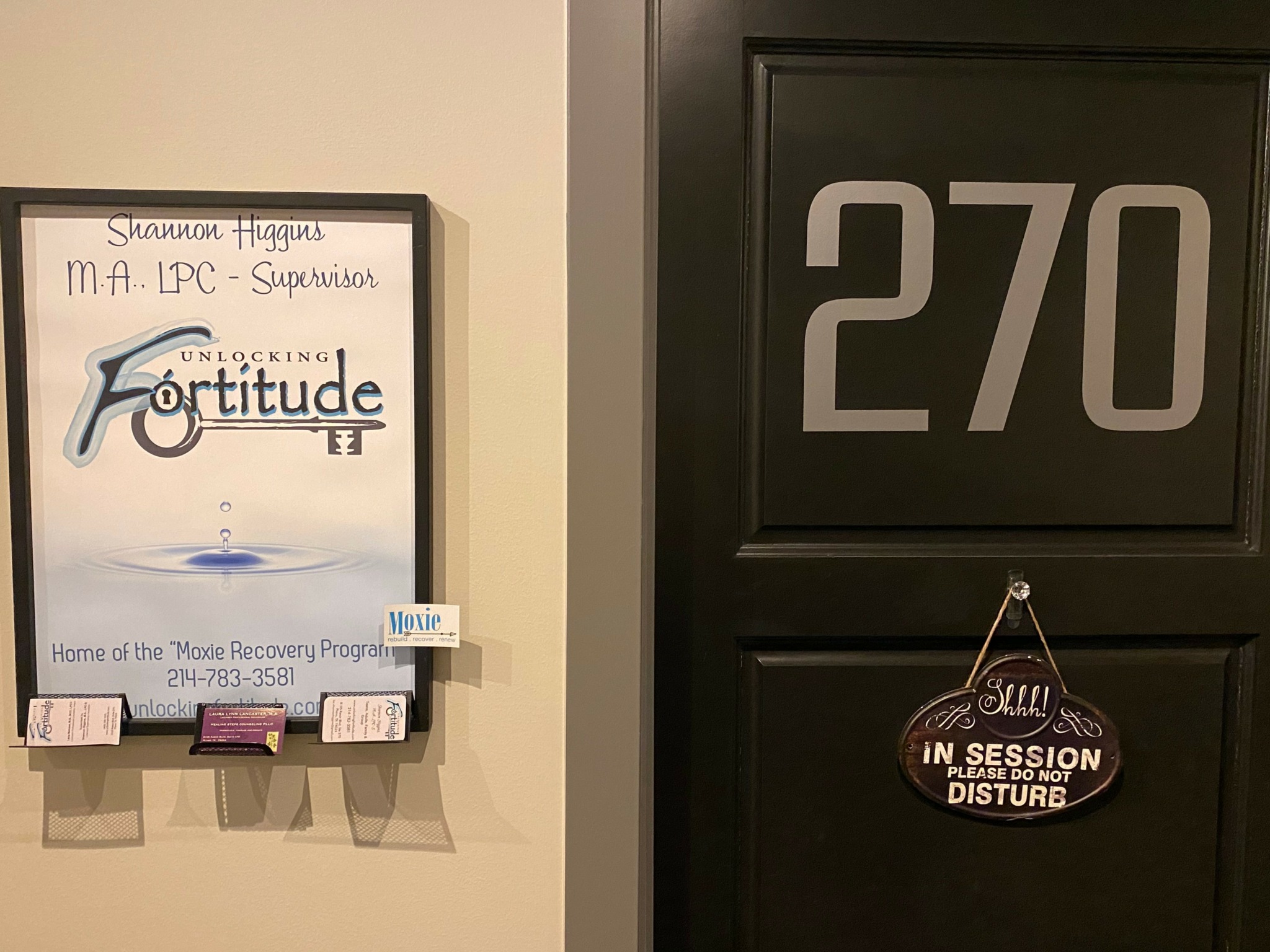
The brand I created to illuminate my skills within the mental health industry and potential clients: UNLOCKING FÓRTITUDE strength of mind that allows one to endure pain or adversity with courage ÓR Means key in Gaelic. MOXIE: “The ability to face difficulty with spirit and courage.” COURAGE is “the quality of mind or spirit that enables one to face danger, fear or vicissitudes with self-possession, confidence, and resolution; BRAVERY.”
The name of my private practice captures the essence of psychotherapy. It is both an honor and a responsibility to foster connections through safety and evidence-based techniques, helping my clients discover and embrace their authentic selves. I customize treatment approaches to meet the unique needs of individuals, families, and groups.
My colleagues often comment on my passion for educating mental health professionals about best practices for addressing relational abuse. I am recognized for my extensive experience and my commitment to staying updated with the latest techniques in the field. Additionally, I am also devoted to being a resource and consultant for my colleagues.
My specialties include Complex Post-Traumatic Stress Disorder, relational abuse, grief, divorce recovery, career issues, self-confidence, resilience, and burnout. The techniques I use are Cognitive Behavioral Therapy, Dialectical Behavioral Therapy, neurophysiological work, and EMDR (Eye Movement Desensitization and Reprocessing).
I take pride in the feedback I receive from my clients. They often express that I quickly put them at ease and create a calm, nonjudgmental, and safe environment for them to address their most challenging personal issues. Clients feel heard and empowered, receiving practical solutions that enable them to achieve true transformation in their lives.
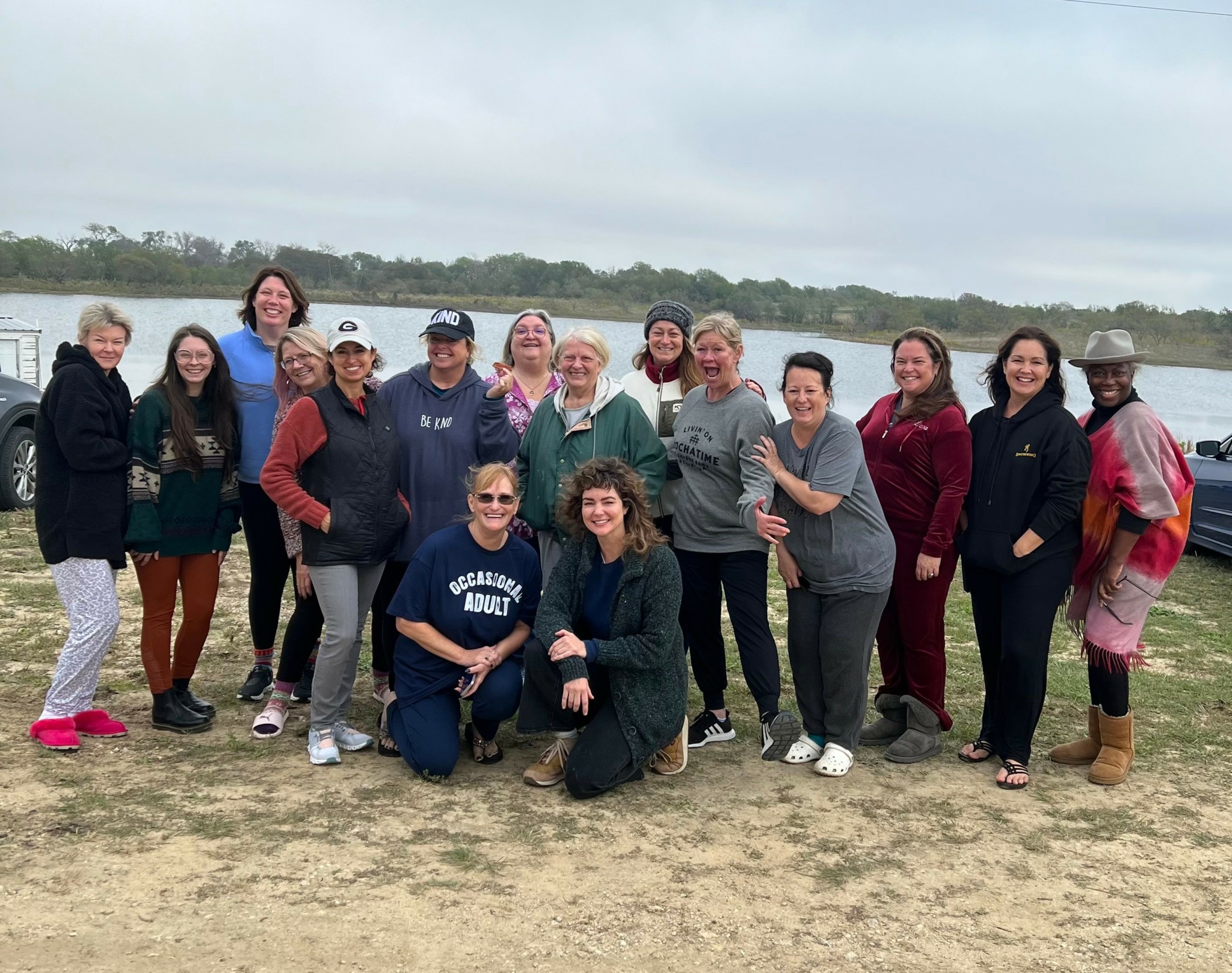
We’d love to hear a story of resilience from your journey.
As mental health professionals, our goal is to provide unbiased support and the highest quality of care to individuals facing their most personal life challenges—always aiming to do no harm. However, it’s important to remember that we, too, are human and often face the same struggles as our clients. While our primary responsibility is to remain objective, this can be extremely difficult when we are dealing with our own painful experiences.
My true test of resilience is when I finally recognized my marriage as abusive, I remember being washed over with shame. How can I face my clients? I pride myself on not being a hypocrite and practicing what I preach. In my very emotionally vulnerable state, I truly thought I was going to have to quit my vocation. As mental health professionals supporting individuals through their most personal challenges, our aim is to provide unbiased care of the highest quality and to do no harm. However, we are also human and often experience similar struggles as our clients. Our primary responsibility is to maintain objectivity, which can be excruciatingly difficult when we are going through painful experiences ourselves.
One morning a colleague who I also can call a friend, just called to casually talk. When she asked me how I was doing, I for no reason felt compelled to share the bonified truth. I just unloaded how I recently had clarity that my marriage was abusive. That it was very difficult to name as abuse because it was so insidious and sublte. When I tried to share with people in my life how I was struggling in my marriage, they just passed it off as regular marital struggles and suggested all of the changes I could make. Serendipitously, this colleague in the most compassionate way agreed with me and said the all powerful 2 words: “me too”. She also shared that several of our colleagues have experienced the very same hidden abuse; the street name being narcissistic abuse. At that moment, the seeds of resilience were planted.
I took the first step to admit my experience with abuse in my marriage, define it, and have the courage to disclose it. From that day on, this colleague and I decided to immerse ourselves in research about the intricacies of hidden abuse and to educate our colleagues about it. We aimed to help them understand our vulnerability and susceptibility as helping professionals. Consequently, I also embarked on a deep dive into my own trauma recovery before I could effectively support others.
We transformed this tragedy into a powerful initiative for ourselves, highlighting an epidemic issue that often presents in ways therapists are not accustomed to. In the mental health field, this phenomenon is known as trauma growth. This crusade began ten years ago, and since then, I have helped many men and women identify their tragic stories of abuse and transform them into triumphs.
Training and knowledge matter of course, but beyond that what do you think matters most in terms of succeeding in your field?
The journey to becoming a licensed mental health professional starts with obtaining a higher education, specifically a Master’s degree or PhD. During this training, students dedicate a significant amount of time to developing their knowledge and skills by acquiring certifications and meeting the requirements set by State Licensing Boards. There is a strong emphasis on foundational aspects such as theories, methodologies, diagnostics, and ethics related to mental health and abnormal psychology.
Additionally, a critical and time-consuming part of the training involves completing two thousand hours of direct and indirect care before achieving full licensure. However, an essential aspect that is often understated is that the therapeutic connection should serve as the core value for every mental health professional.
Many people believe there is a profound secret to assisting clients with mental health issues and life challenges. However, the most crucial tool is the ability to connect authentically with our clients. This connection should be empathic and rooted in unconditional regard for the courage they show by seeking change in their lives.
Building such a connection is essential for establishing trust and rapport. It creates a supportive environment where clients can be open, enabling them to address the unwanted aspects of their lives and cultivate the elements they desire for personal growth and attunement.
One of our key goals is to help clients forge deep and meaningful connections within their communities or even create their own supportive networks to find their “tribe.” In today’s divisive climate, this can be challenging, but it is essential to foster these connections for our clients. After all, what good is a prestigious education or a skilled therapist if they struggle to connect with others, especially their own clients? We must all be more open and mindful of others’ pain. As humans, we inherently desire acceptance, authentic relationships, and unconditional love, whether we readily acknowledge it or not. Sometimes, all we need is a gentle nudge towards a safe space to help pave the way for connection. What better support could there be than that of a trusted mental health counselor?!
Contact Info:
- Website: https://unlockingfortitude.com
- Instagram: https://www.instagram.com/shannonhigginslpc
- Facebook: https://www.facebook.com/shigginslpc
- Linkedin: https://www.linkedin.com/in/shannon-higgins-9b09a17
- Twitter: https://x.com/LpcHiggins
- Other: Podcast interviews on: “Too Old for This Shi*” episodes 28, 37, 38 & 75. The Firefly Movement Season 1 episode 9 “How to Recover from a Relationship with a Narcissist”.
Mental Health News Radio Season 4 “What is Hidden Abuse”.
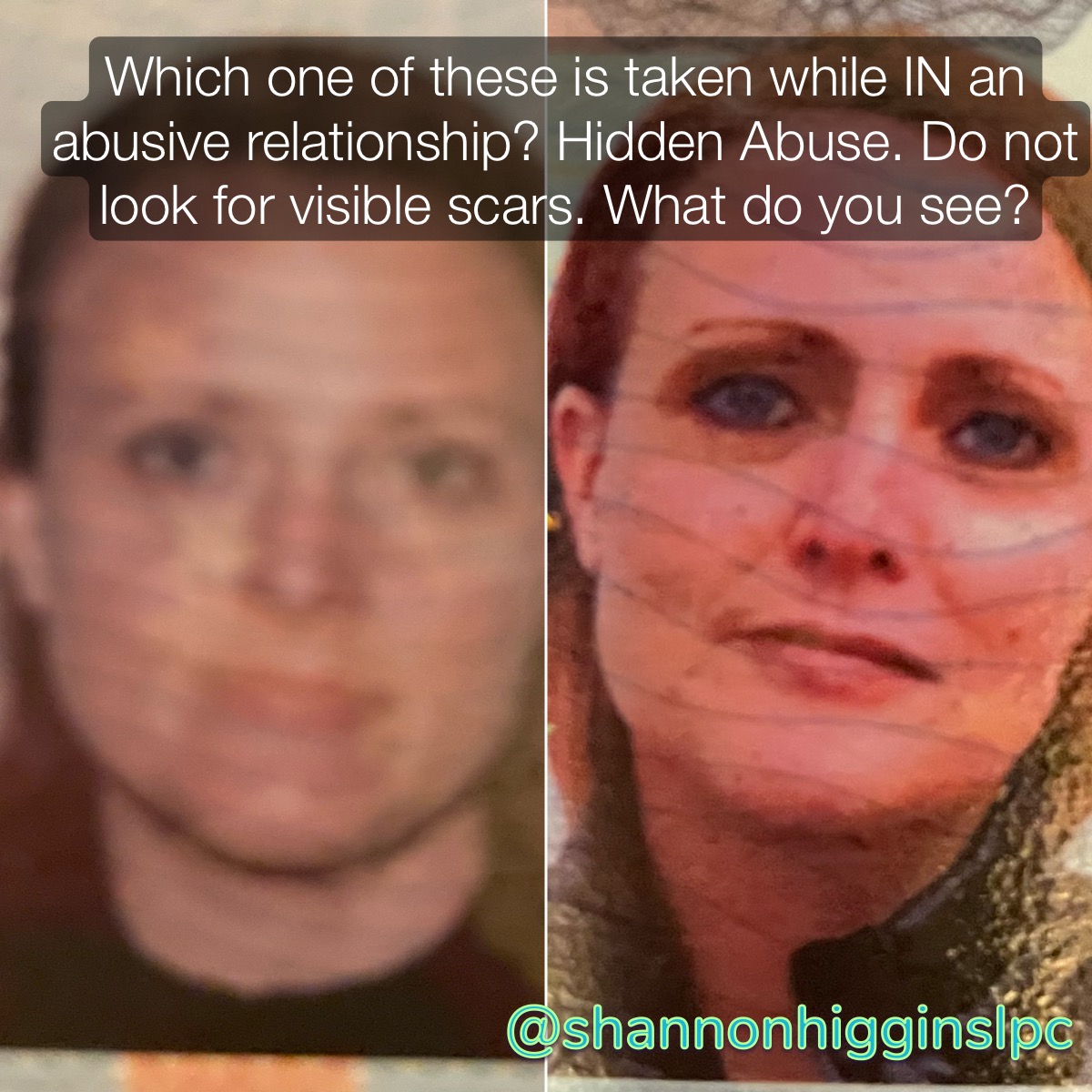
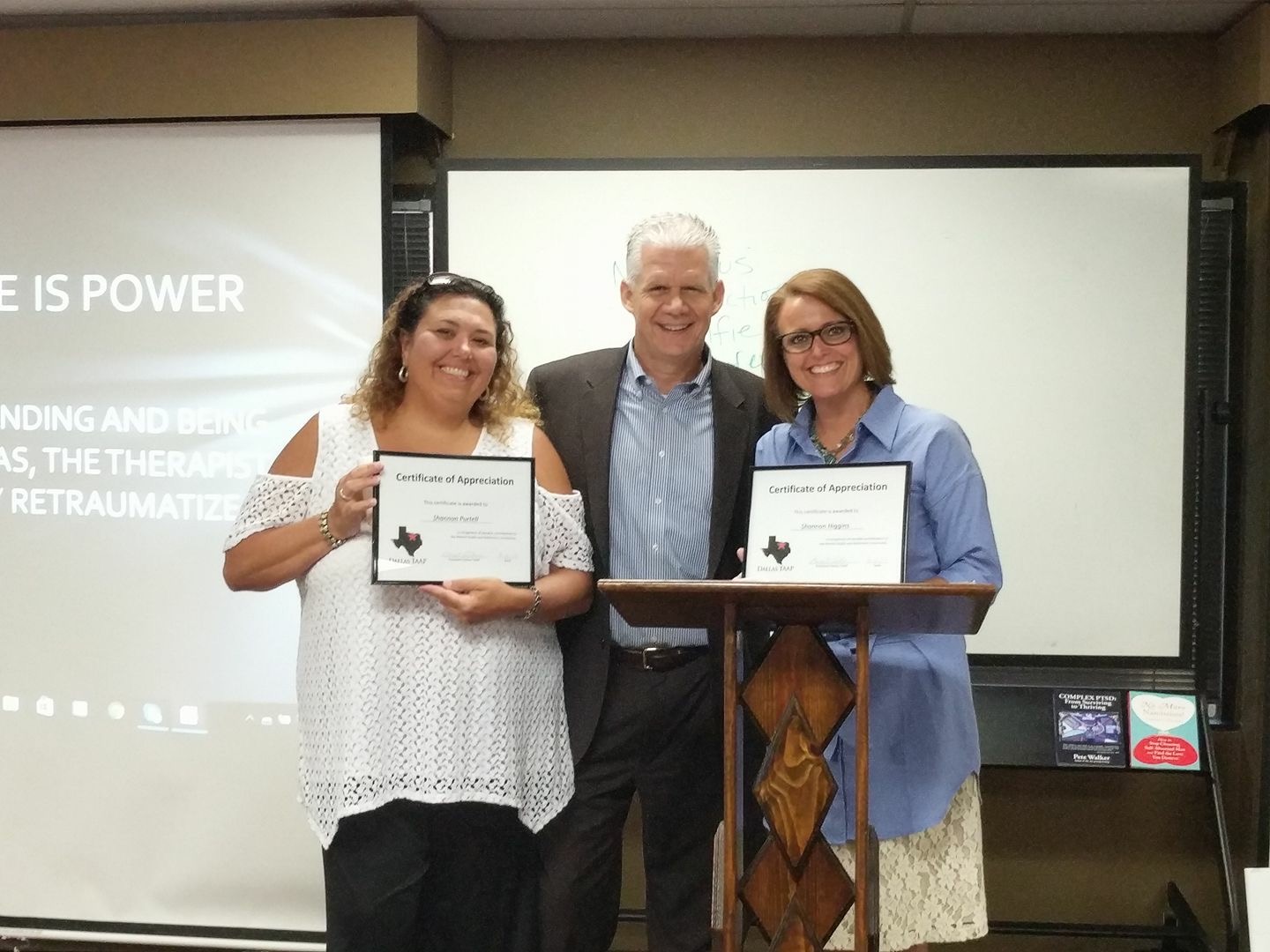
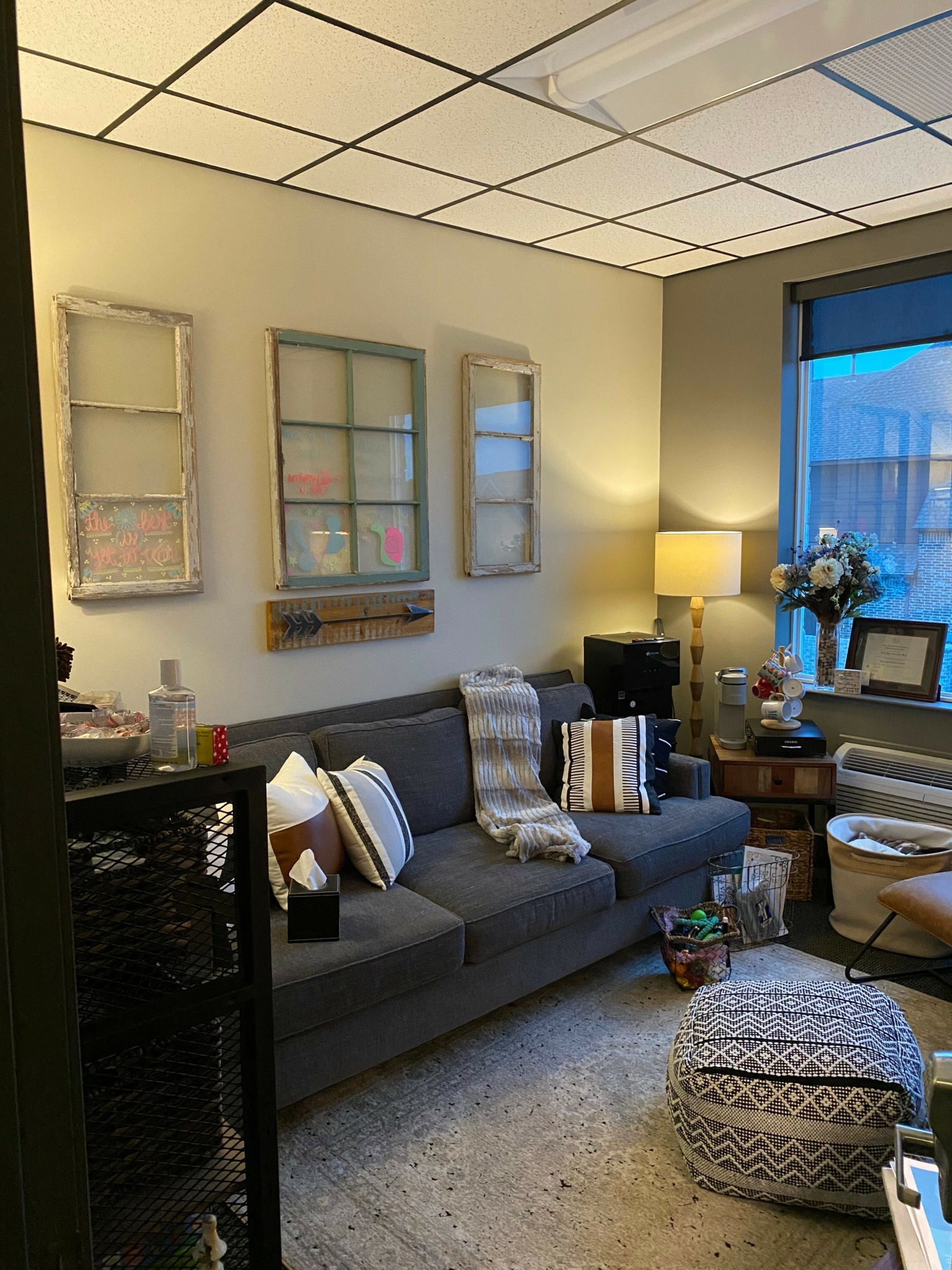
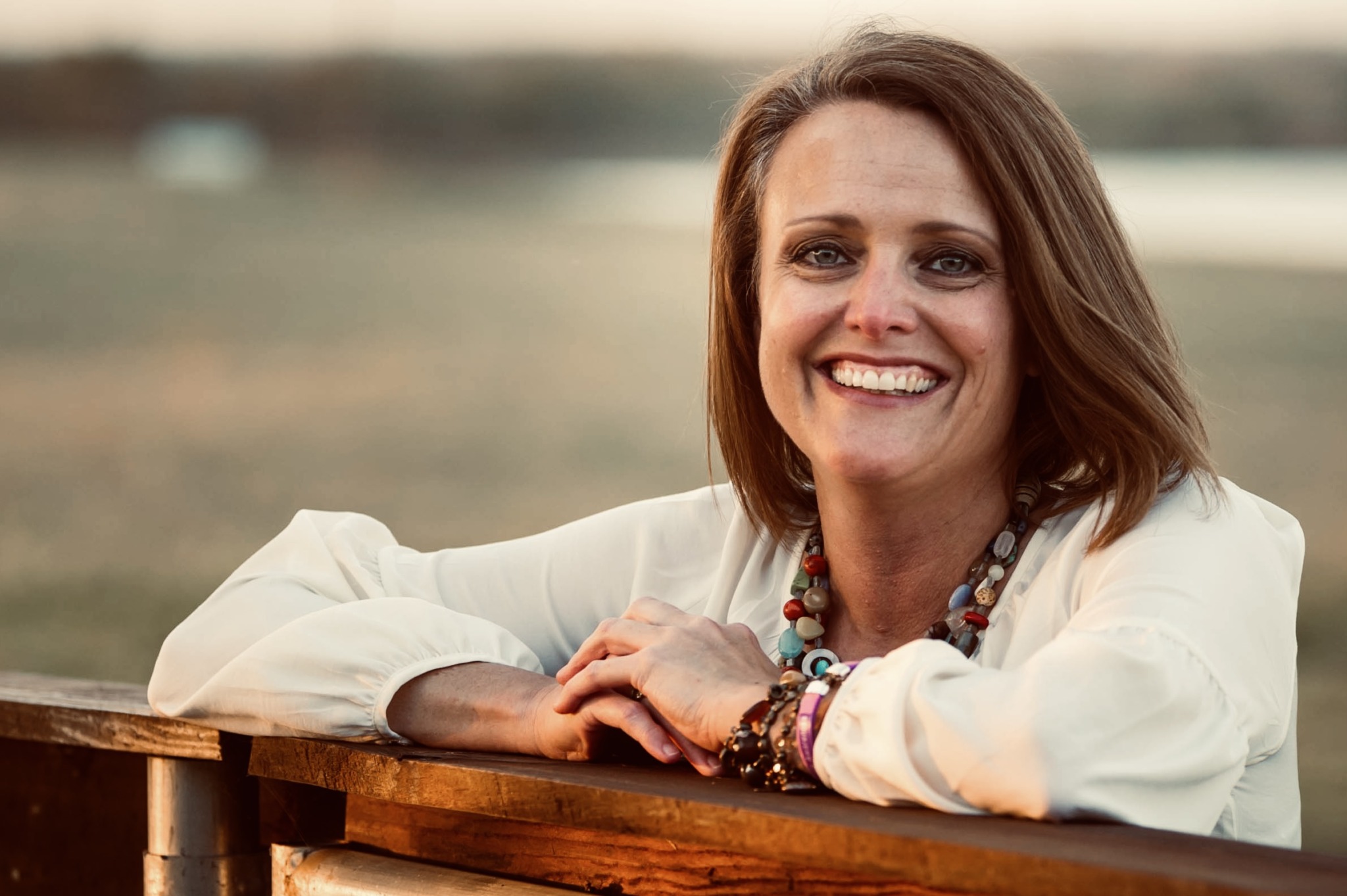
Image Credits
Choose Courage Foundation is a nonprofit that helps survivors of abuse realize the inner and outer beauty.