

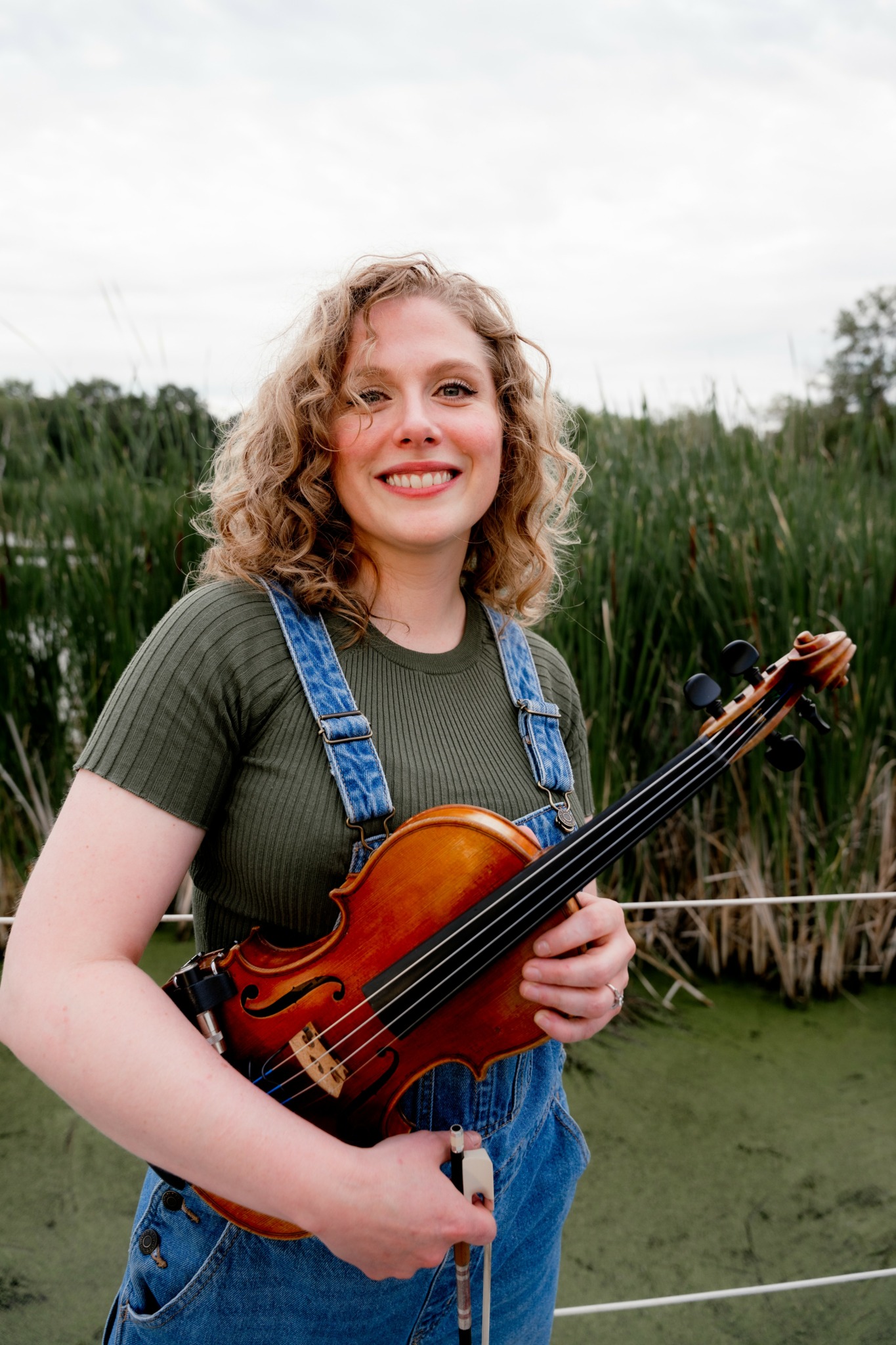

We recently connected with Rachel Felicia Calvert and have shared our conversation below.
Rachel Felicia, thanks for joining us, excited to have you contributing your stories and insights. Earning a full time living from one’s creative career can be incredibly difficult. Have you been able to do so and if so, can you share some of the key parts of your journey and any important advice or lessons that might help creatives who haven’t been able to yet?
Two years ago, I quit my day job to pursue music full-time. The band I was performing with was starting to get extraordinary opportunities, and it seemed like we were just on the brink of being able to make our project a sustainable business. Unfortunately, a variety of circumstances caused us to break up, and I was left without a job or a band. I also started to realize that extensive touring is really the only semi-viable way to make money as an ensemble. Often, selling music and merch barely covers the cost of production. I began to resent touring. I felt my relationships with my friends and family strain and weaken, and my personal struggles with health and routine became untenable with the instability of constantly being on the road. I felt I had made a huge mistake – here I was, entering my thirties with no savings, no band, no job! I began to consider pivoting to teaching, and around this time my former college roommate offered to send me her students as she was moving out of town. Time for another big risk! This time, it paid off. I absolutely love teaching violin, and the freedom to control my own schedule so that I can gig, practice, and record whenever I need to is priceless. I wish I would have started this sooner. All this is to say is that in my experience, unfortunately, creating is impossible full time unless someone else is helping to cover the bills, independent wealth is preexisting, or you win the life lottery and get an incredibly lucky break. You will need to rely on something stable – like teaching, or some other part-time work, to cover the gaps between gigs. I never really got to have the creative life I wish I did – being able to practice, write, and perform full-time with room for rest and a social life. It’s a little bittersweet, but I actually think that teaching music with the occasional performance here and there better suits my current needs and future goals (like starting a family).
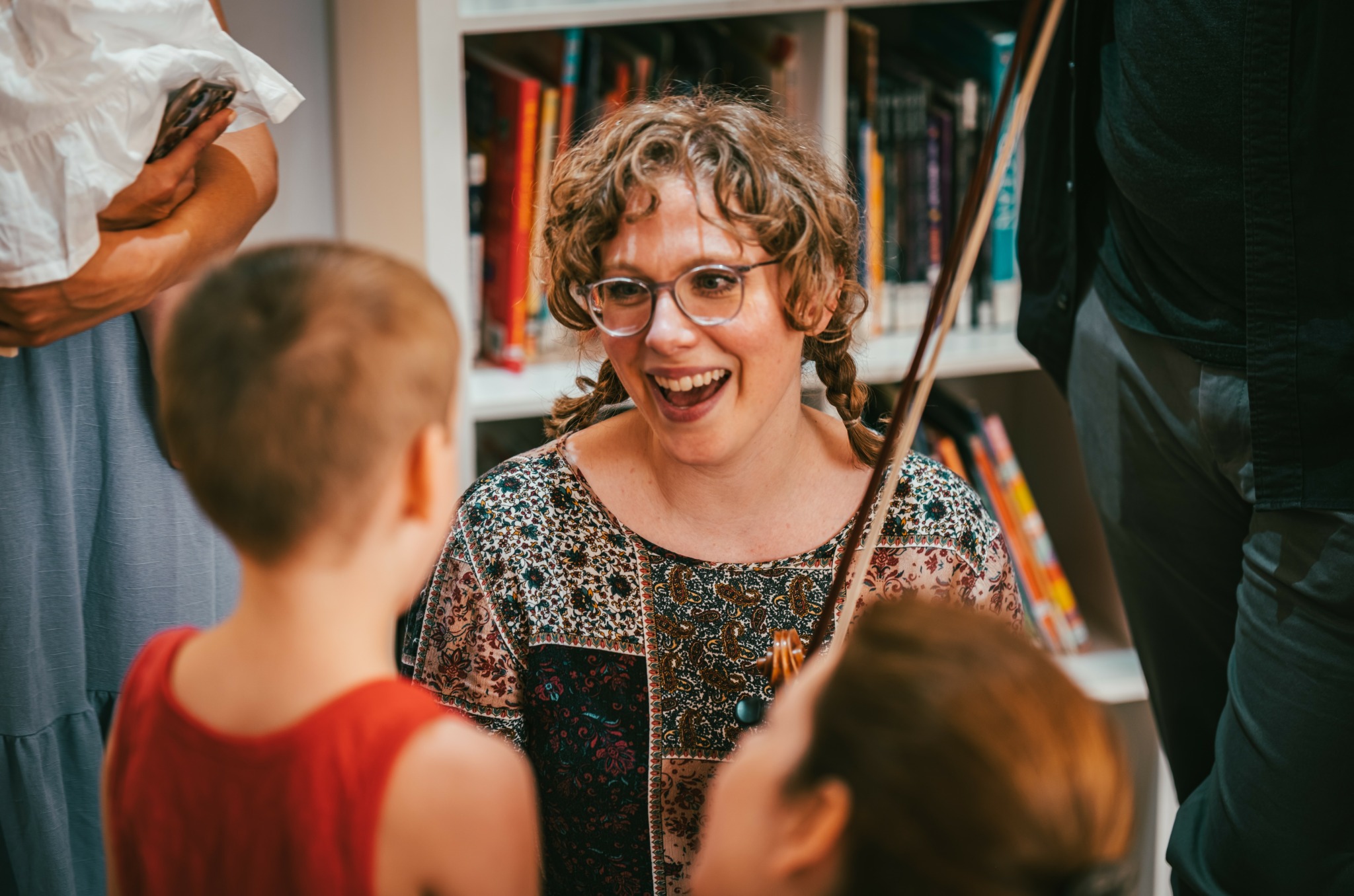
Rachel Felicia, before we move on to more of these sorts of questions, can you take some time to bring our readers up to speed on you and what you do?
I am a violinist/fiddler/vocalist based out of Minneapolis, MN. I primarily perform music under the folk umbrella, but I also enjoy opportunities to play classical music – or really whatever comes my way!
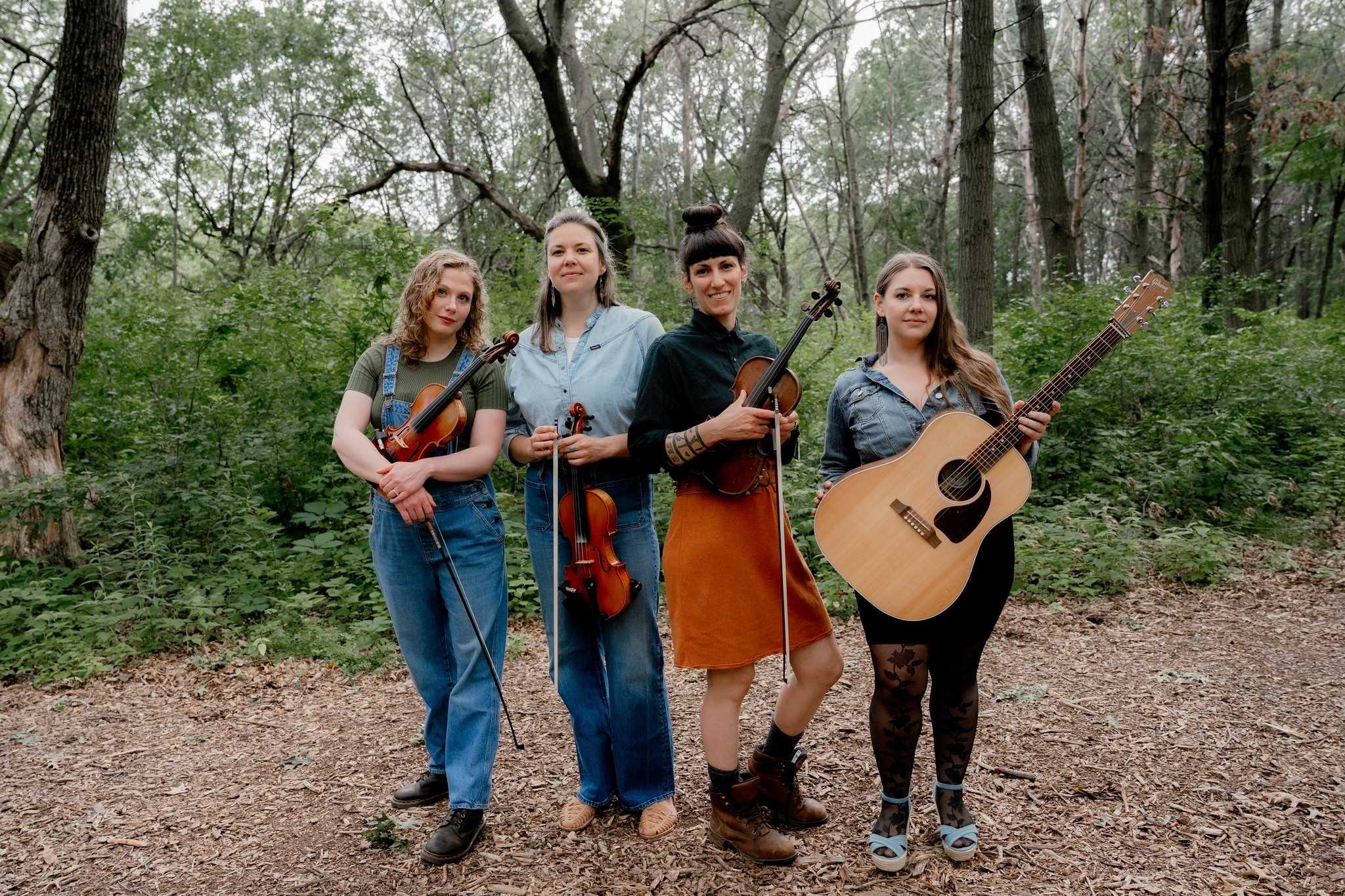
I’m very proud of how my improvisation skills have developed over the last few years. For most musicians with a classical background, this is an under-developed skill that I have been lucky enough to practice since undergrad. Being a fiddler who can read and perform complex music, and a classical musician that can improvise and learn parts by ear, is more rare than one would think! Genre-crossing is as much a part of my career as it is my playing style – my background has helped me develop a unique playing style that is both artistically and financially rewarding. For example, my band, Barbaro, stood out from other bands in the region due to our “chamber-grass” sound – a thoughtful (not tacky!) fusion of folk traditions and classical chamber music. We won state and national awards, and were accepted in the American Music Abroad program, traveling to Qatar, Turkiye, and Bulgaria to show off our project.
This genre-crossing also is also central to my teaching pedagogy. I love that my students can receive a high-quality Suzuki violin education with supplemental exercises in folk music, improvisation, and even music business.
What can society do to ensure an environment that’s helpful to artists and creatives?
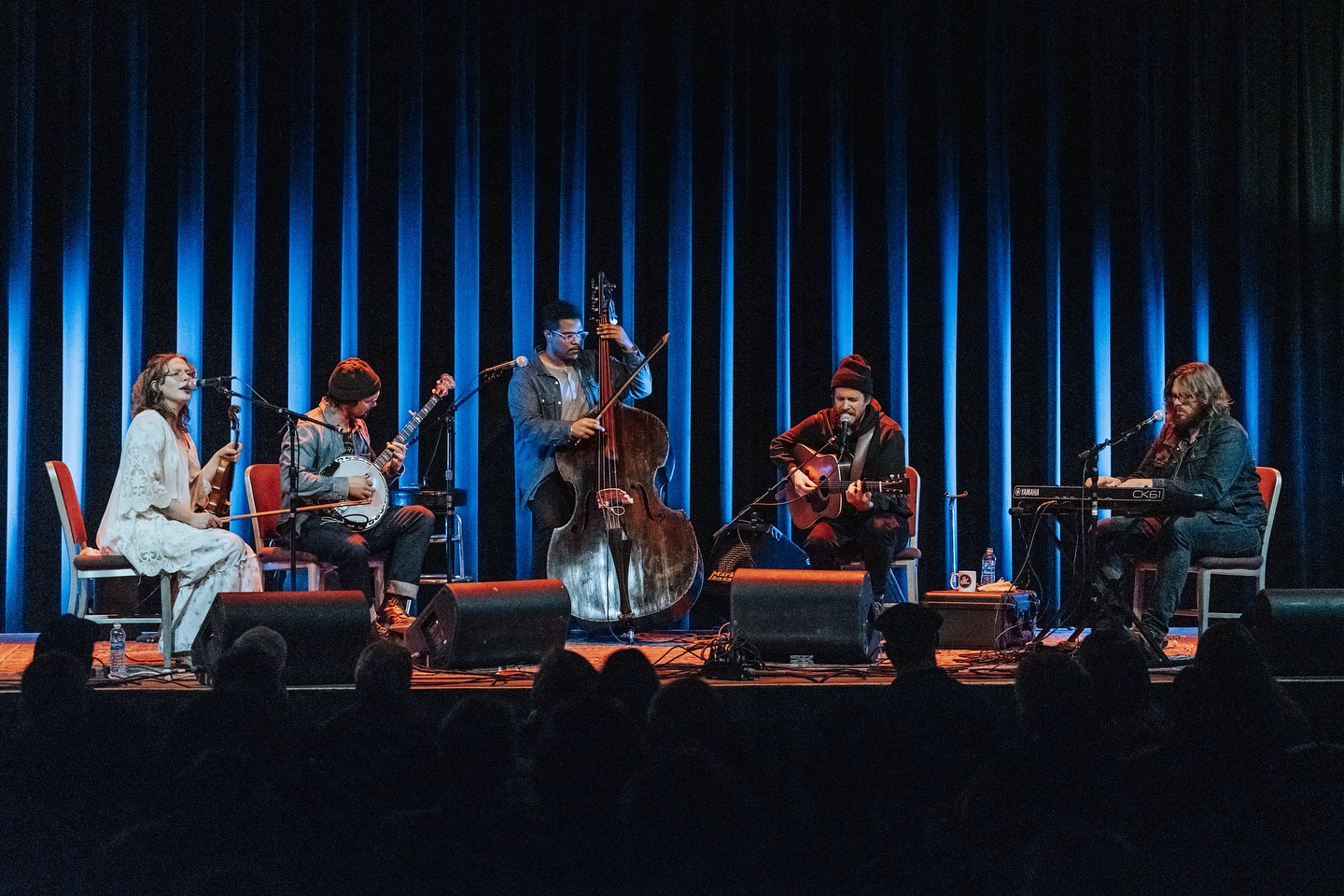
One thing I’ve been thinking of a lot is how the business model for musicians relies so heavily on touring – as I wrote in a previous question, selling records and merch barely covers their production costs. I wanted so badly to throw myself into becoming a full-time recording and performing artist – and then I realized that it would be next to impossible to make this work if I wanted to start a family soon. There are a lot of questions about how we can support women in music – and maybe the next question is how can we support moms? I don’t necessarily have any answers that don’t beg for more questions – but certainly someone wiser than me must! I think about all the money wasted on complimentary alcohol provided to the band. What if childcare was provided instead? Or when a performing mother needs to breastfeed or pump – you can’t always rely on the existence of a greenroom – and if there is one, there is no guarantee that it is actually private as opposed to a place for people to just party in. I would really like to see the industry take a vested interest in supporting moms so that they don’t have to abandon their dreams just because they would like a baby!
Do you think there is something that non-creatives might struggle to understand about your journey as a creative? Maybe you can shed some light?
Creatives NEED downtime. We need time to think, to doodle, to take a long walk, to practice, to do NOTHING. It’s hard to let the muse speak to you when you are so busy listening to everyone else. Most artists I know work harder and more feverishly than anyone I know when it is time to buckle down and produce the art – but those exciting, quasi-manic periods of creation are impossible without the ability to recover and rejuvenate.
Contact Info:
- Website: https://www.triplefiddle.com/
- Instagram: @bleepbloopbeeboop
- Facebook: https://www.facebook.com/triplefiddle
- Linkedin: https://www.linkedin.com/in/rachel-calvert-575716139/
- Youtube: @triplefiddleband
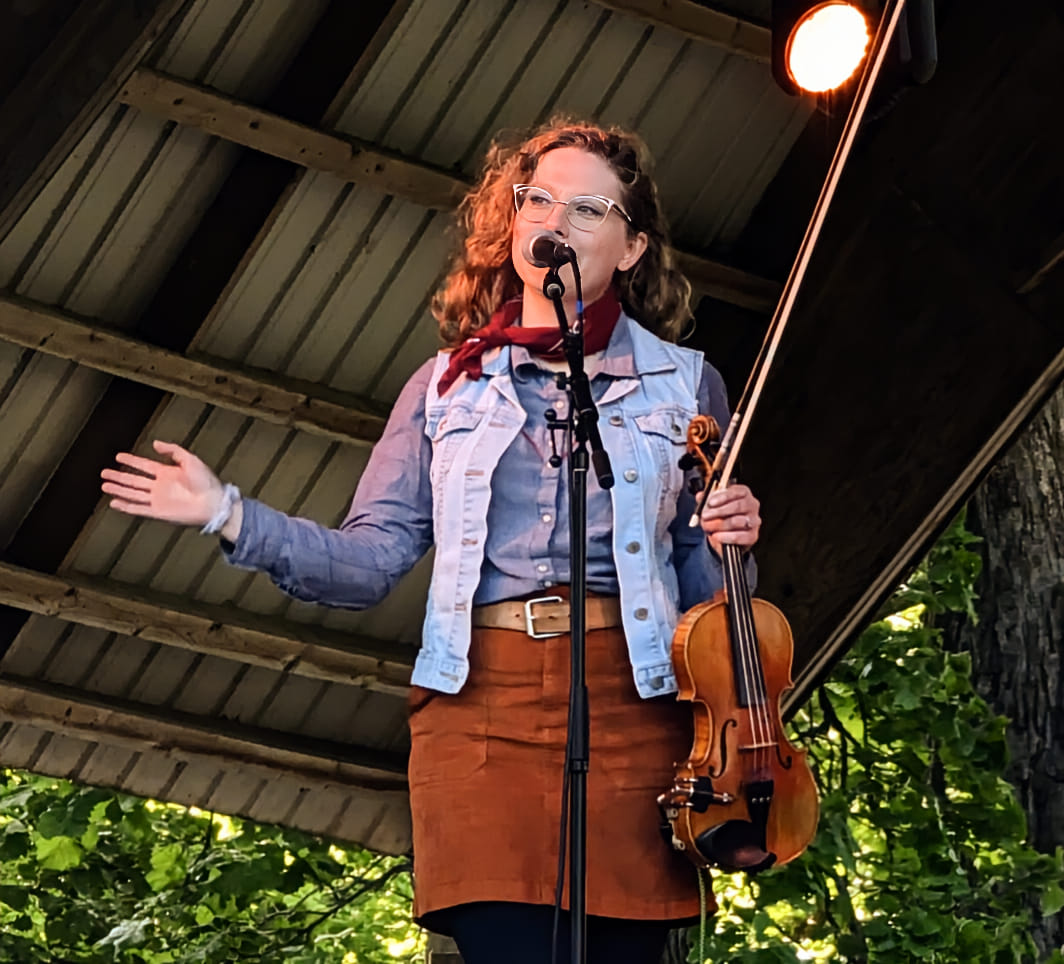
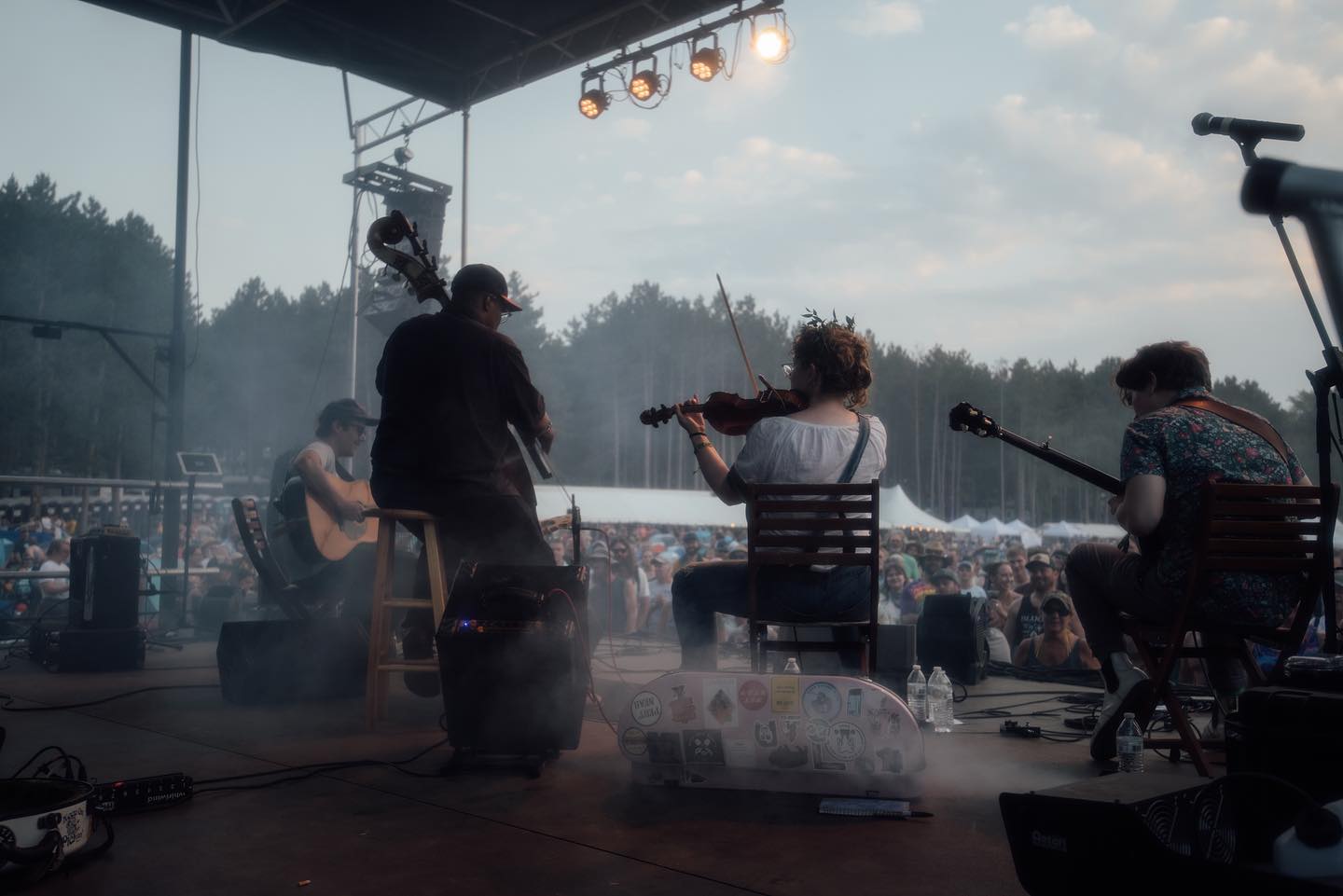
Image Credits
1. Michael Molyneaux
2. Tom Smouse
3. Sammie Jean Cohen
4. Nathan Anderson
5. Michelle Bennett