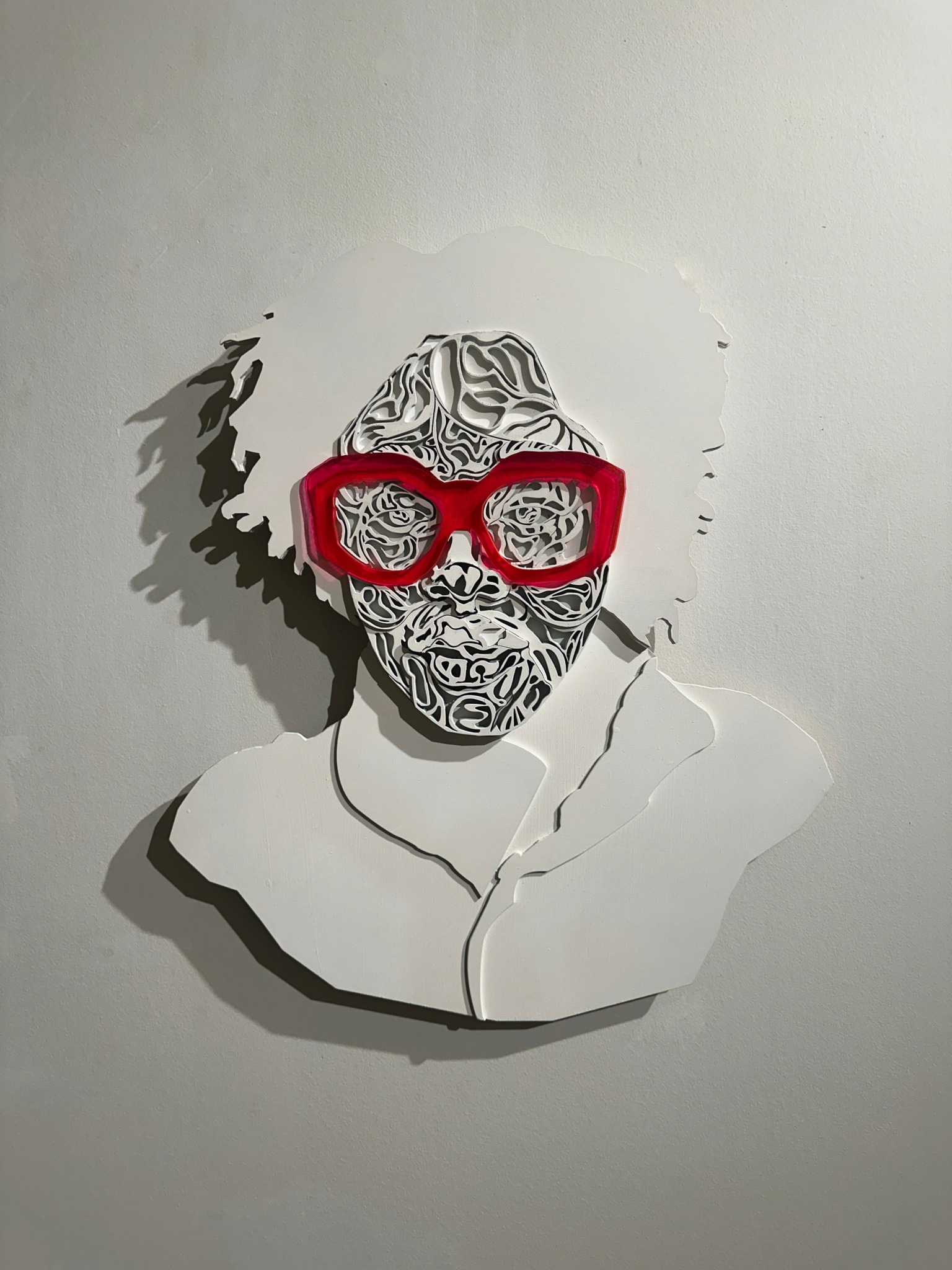
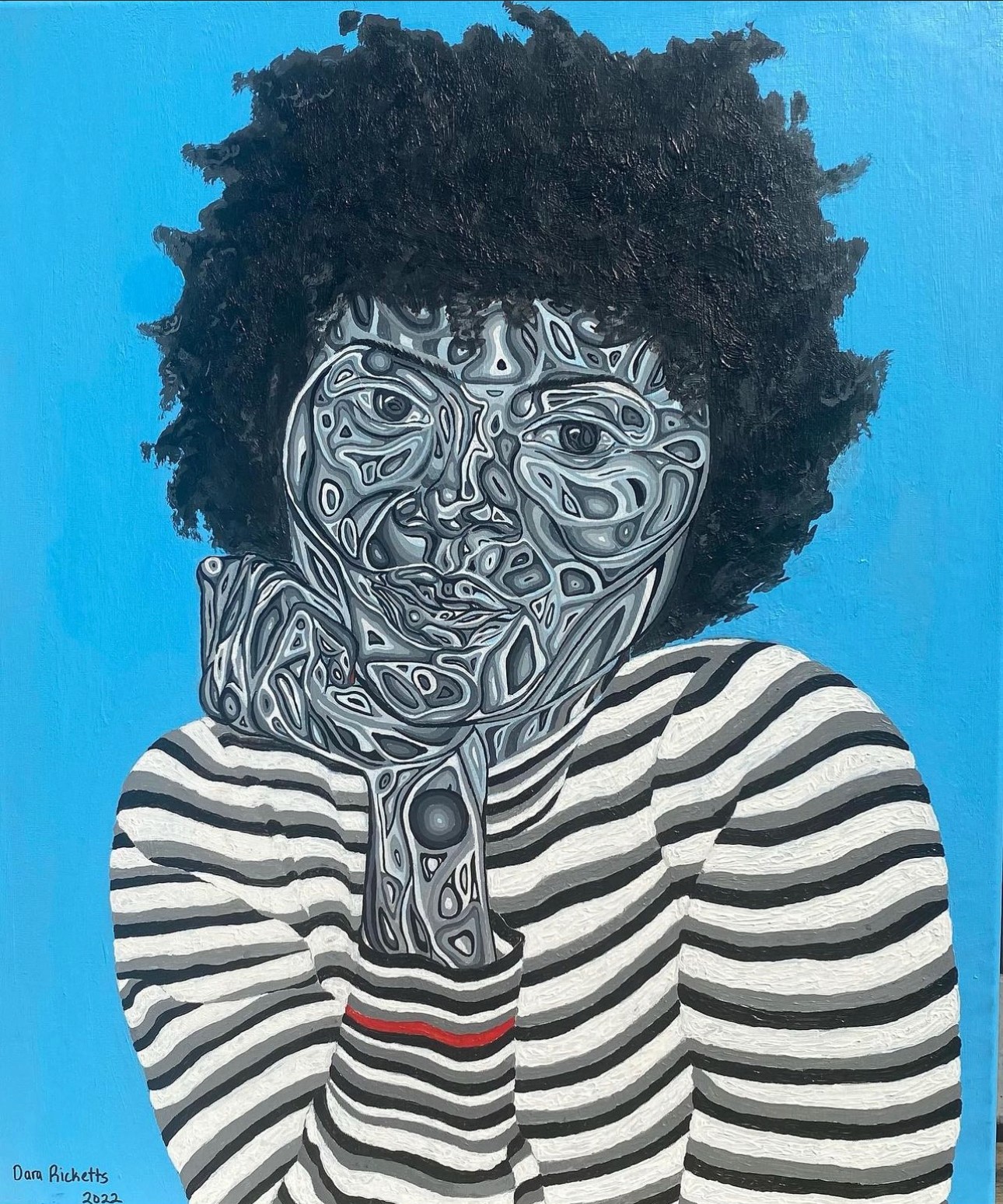
We recently connected with Dara Ricketts and have shared our conversation below.
Hi Dara, thanks for joining us today. Can you talk to us about how you learned to do what you do?
I created my first painting during the pandemic, but my passion for art has always been a significant part of my life. Before then, I primarily focused on drawing with graphite, coloured pencils, and pastels, despite my dislike for the sound of these materials against paper. When the lockdown began, I seized the opportunity to explore painting. I was in my final year of secondary school when COVID struck Ireland, prompting my return to Nigeria for an indefinite break. I used this time to teach myself to paint, recognising that I often fell behind in class because I was limited by the slow process of using pencils.
Once I began painting, I quickly fell in love with the medium, especially acrylics. Since then, I’ve devoted most of my time to honing my craft, even enrolling in one of the best art schools in America.
While I wouldn’t change my learning process, as every trial and error has imparted valuable lessons about both painting and me, I do wish I had explored painting earlier. This might have alleviated some of my anxiety about trying new techniques. Spending most of my life using pencils has instilled an important skill in my painting: the ability to recognise when my proportions are off. In my view, graphite art demands a keen understanding of proportions, as there’s no colour to distract the viewer from subtle errors. It’s easier to identify mistakes when the work relies solely on variations in value.
During the pandemic, one of my biggest obstacles was the limited access to art supplies. Finding quality materials proved challenging at times, which forced me to get creative with what I had on hand. At one point, I even resorted to painting on “Indomie” noodle cartons (the Nigerian version—definitely the best kind!) because I couldn’t find pre-made canvases, and the paper I had was too thin. This improvisation not only challenged me to think outside the box but also added a unique and personal touch to my work, reflecting my cultural background.
As always, we appreciate you sharing your insights and we’ve got a few more questions for you, but before we get to all of that can you take a minute to introduce yourself and give our readers some of your back background and context?
My name is Dara Ricketts, and I am an artist from Nigeria. I’ve been drawing for as long as I can remember, but unlike most children, I had a strong awareness of how my art looked from a very young age. I recall crying to my mom about how disappointing my crayon drawings were, which led her to teach me how to draw stick figures—a true game changer! Since then, my parents have supported my artistic journey, continually funding my materials. Initially, they were hesitant about my choice of career, as it strayed from the typical secure paths in Nigeria. However, they eventually embraced my passion when they saw my dedication and the joy it brought me (though they did encourage me to add a business minor for some security).
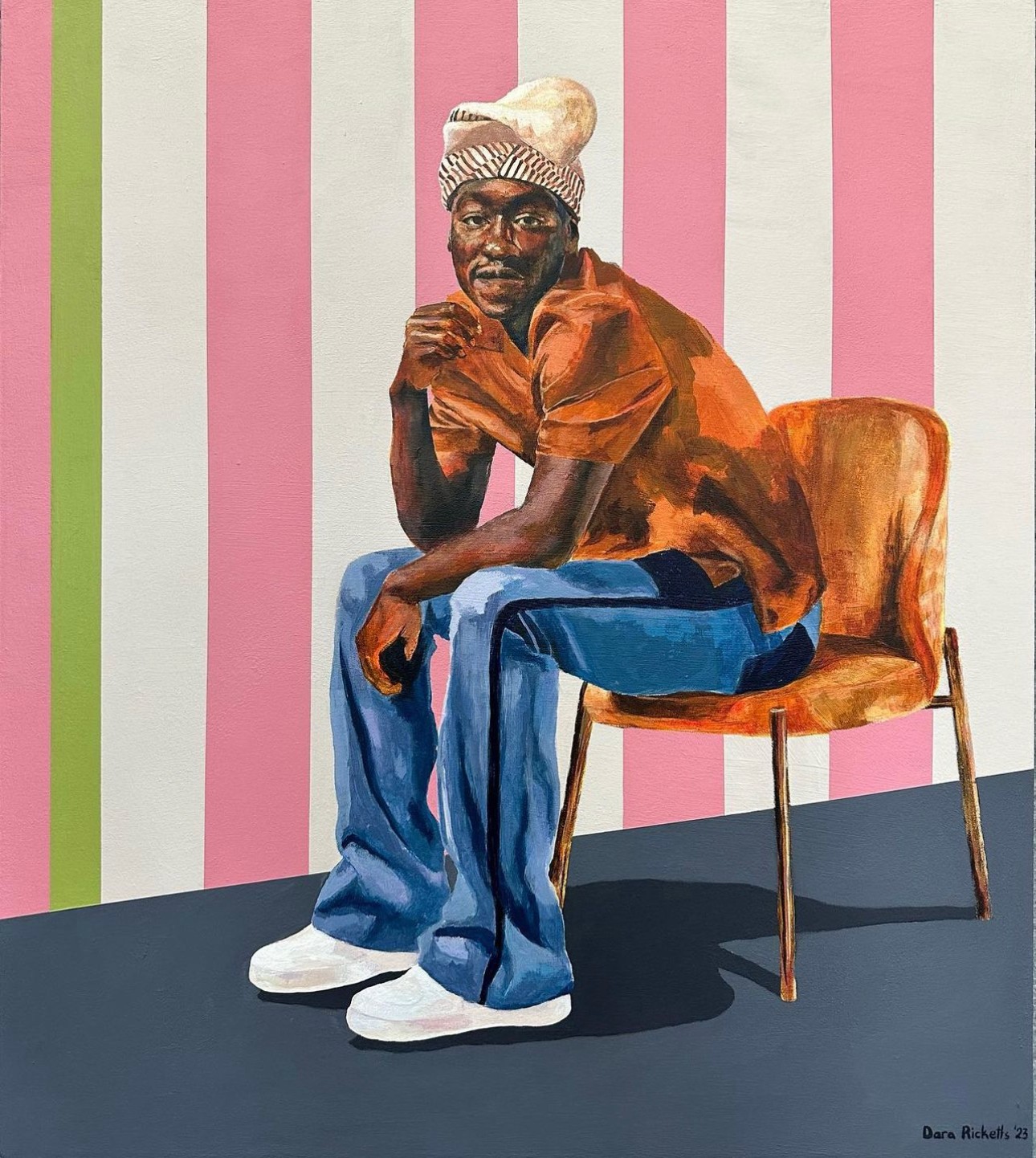
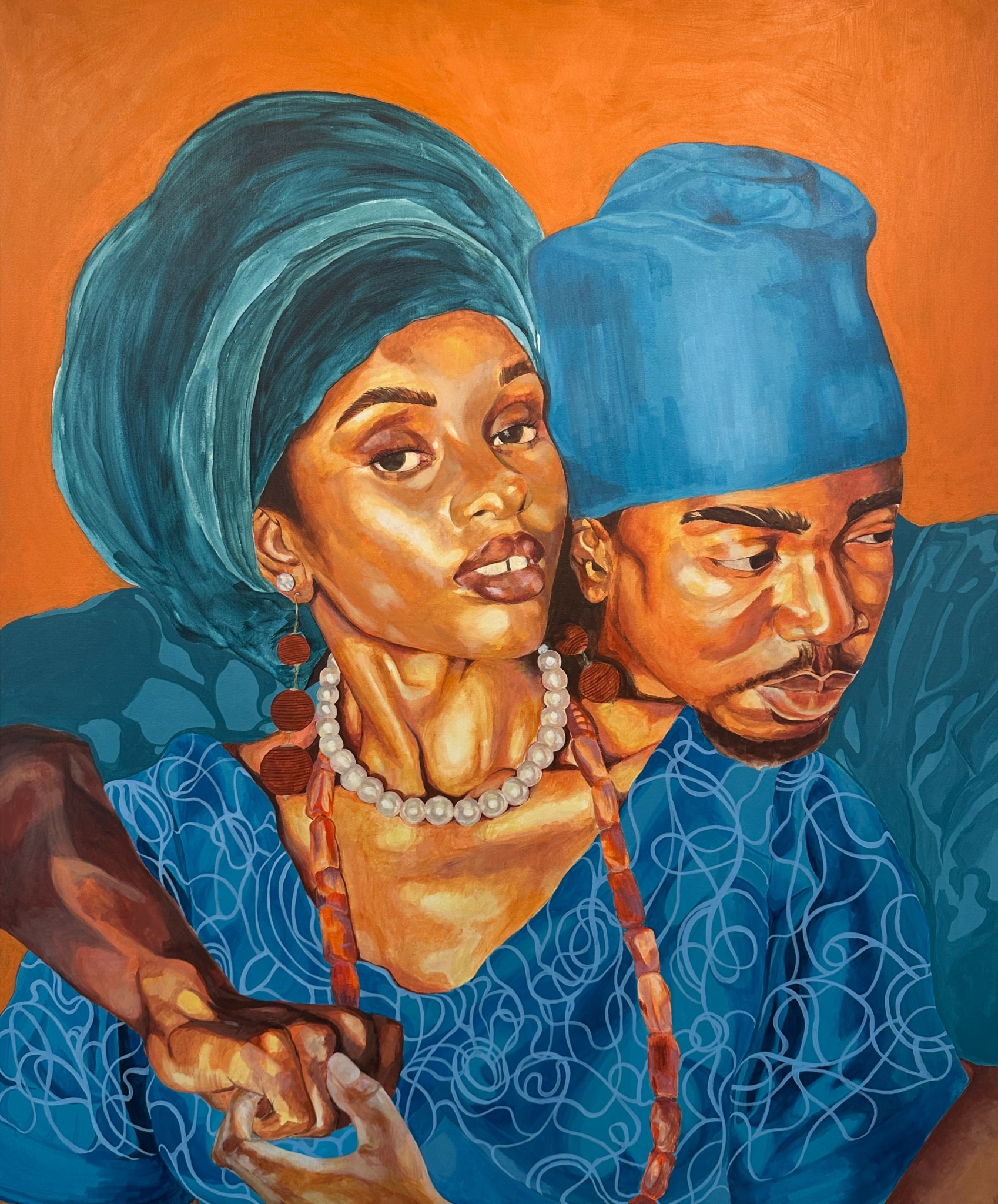
I specialize in painting portraits, which is my niche, but I’m also expanding my portfolio thanks to school—graduation requires exploration, after all! What sets my art apart is my vibrant use of colour. I didn’t realize how distinctive my palette was until it was pointed out to me. I’m naturally drawn to bold colours, both in my artwork and in my clothing. Growing up in Lagos, Nigeria, I was surrounded by a rich tapestry of clashing colours and patterns—from the clothing of street vendors to vibrant billboards and striking architecture. This lively environment has undoubtedly influenced my artistic expression.
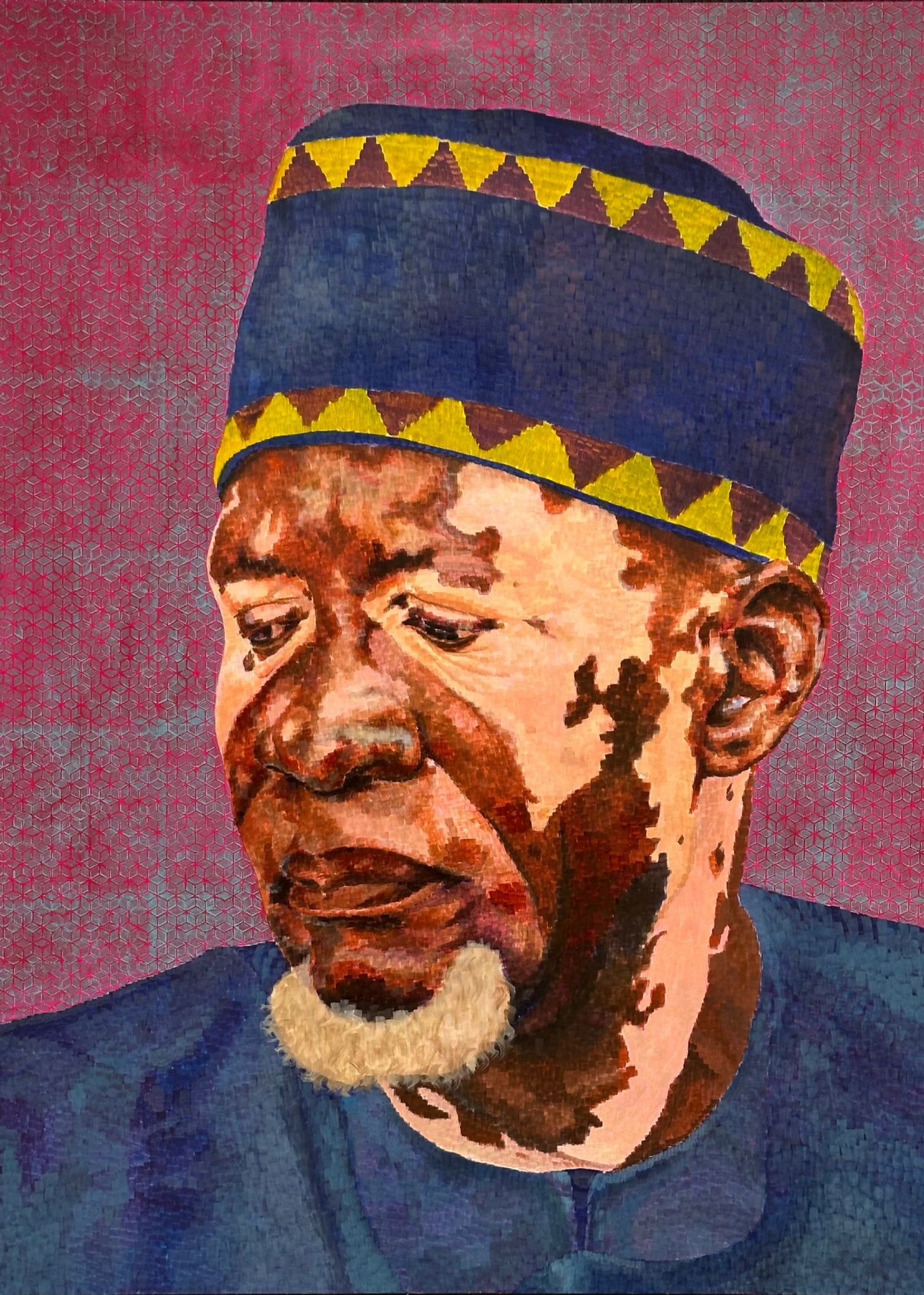
Moreover, I believe my subject matter is unique. While I often leave my work open to interpretation, I maintain a journal where I jot down the ideas I explore, and I’m always willing to share my thoughts if asked. Another aspect I’m particularly proud of is my commitment to highlighting my heritage in my paintings. Whether big or small, there’s always a nod to my Nigerian roots within my work. I feel it is crucial to create representation in a space where it is often lacking. Although the art world is beginning to recognize African contributions, there’s still much work to be done. Art history classes often overlook the vast diversity and richness of African art, even though we are the second-largest continent, filled with a wide array of art forms and practices.
I am determined to refine my craft and educate people about my country through my art. I strive to challenge the often-narrow perceptions of West Africa perpetuated by the media, using my work to portray the true vibrancy and complexity of Nigerian life.
How did you build your audience on social media?
While my following on my art Instagram is not large—I currently have about 500 followers—I find it surprising given my personality. I don’t often promote myself, not due to self-doubt, but because I haven’t yet found a natural way to bring up my painting in conversations. Most of my followers have come organically.
I created my art account for accountability, as painting was a new hobby for me. I knew I needed something to keep me committed, especially since I have a tendency to start and stop hobbies once I feel I’ve mastered them (I’m quite skilled with my hands; I’ve dabbled in knitting, crocheting, and tennis, to name a few). I remember setting up the account the day before I travelled to Nigeria for the lockdown. I didn’t tell anyone about it, and it has been growing steadily since then. It took four years to reach the 500 mark—small, but consistent growth.
I’m not particularly active on social media and often take breaks from Instagram. Nevertheless, I’ve managed to cultivate a community that I appreciate and who appreciates me in return. I believe the following I’ve built over the years reflects my talent and dedication to my craft. While I may not produce as much art as some, I prioritize quality over quantity. There are plenty of paintings that may never see the light of day, and I find that concept fascinating.
I also appreciate the idea of maintaining a hidden identity—like Batman or Banksy—in my field. As such, I keep my personal appearance and whereabouts on social media to a minimum, embracing the allure of mystery that comes with it.
What’s a lesson you had to unlearn and what’s the backstory?
I had to unlearn the idea of total independence. I’ve never been completely independent since my parents have always funded my life and tuition, and I’ve never held a traditional job. While I have sold paintings, they allowed me to save the money instead of spending it right away. However, I consider myself quite independent—more than my parents may realize. When I face challenges or feel stressed, I tend to keep those feelings to myself.
I believe this tendency stems from my years in boarding school throughout secondary education, where I learned to rely on myself. With my chosen profession, though, I’ve come to understand that no one can truly be an island, especially in creative fields. You will need support at almost every stage. I can complete a painting on my own, but I can’t expect it to sell or engage others if I haven’t built a community or made connections.
While my time in boarding school instilled a strong sense of independence, it doesn’t mean that the experience was negative; the positives far outweigh the negatives. My time at boarding schools in Nigeria and Ireland not only fostered this independence but also refined my discerning spirit, which I greatly appreciate.
In this industry, not all help is beneficial, so it’s crucial to be careful about who you align yourself with. This isn’t just about avoiding those who might wish for your failure; it’s also about finding a supportive community that can guide you toward your goals. As an international student, I understand that I can’t heed everyone’s advice regarding my career moves—only those who have faced similar situations or can connect me with someone who can help answer my questions as a foreigner.
In summary, I’ve had to unlearn my desire for complete independence while also being selective about whom I turn to for help.
Contact Info:
- Instagram: https://www.instagram.com/artofdara.r/