

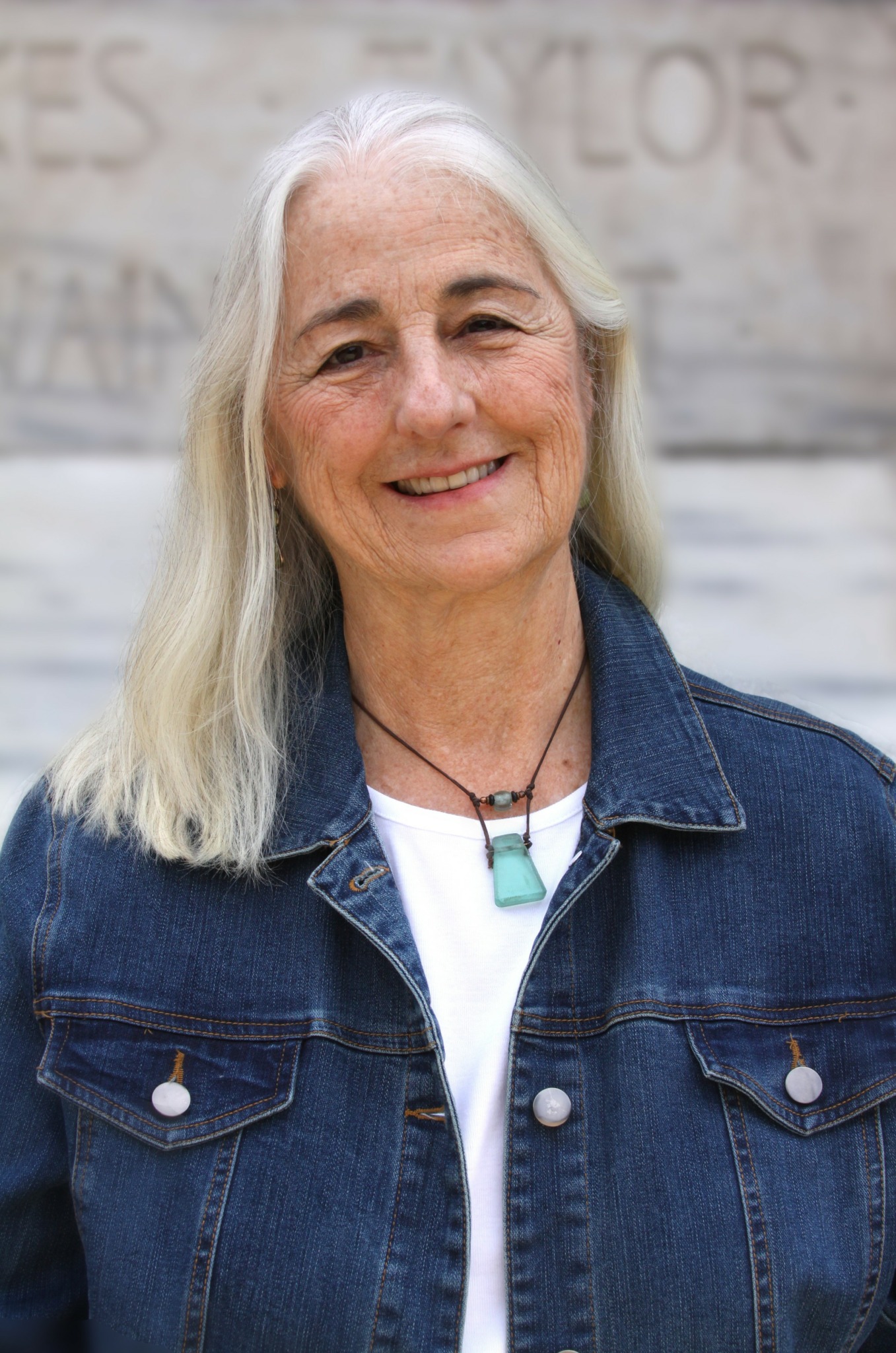

We’re excited to introduce you to the always interesting and insightful Celine Keating. We hope you’ll enjoy our conversation with Celine below.
Hi Celine, thanks for joining us today. We’d love to hear about a project that you’ve worked on that’s meant a lot to you.
The man who became my husband and I went camping early in our relationship in the small hamlet of Montauk, Long Island. I instantly fell in love with its beautiful beaches, cliffs, and woodlands. I was also intrigued by the people I saw in town – fishermen in dirty sweatshirts and rubber boots, surfers, artists painting in plein air. I felt the kind of stirring that means I want to shape a book around a place and its people. My husband and I purchased a tiny studio apartment and I began to spend halftime there (I had a compressed work schedule at a magazine) and I started writing ideas and short descriptions, but I didn’t have a sense of a story yet.
It occurred to me that to write about this place I needed to get to know it on a deeper level, and one way to do that was to become involved in a community organization. I chose an environmental group and became active. At first I was most concerned with preserving the open space of the area, but over time my interests broadened to environmentalism writ large. This issue and organization has been an ongoing project that has fed not only my writing but my soul. I’m proudest of one effort in particular in which I was very much instrumental in saving 17 acres of oceanfront land for everyone to enjoy in perpetuity.
As always, we appreciate you sharing your insights and we’ve got a few more questions for you, but before we get to all of that can you take a minute to introduce yourself and give our readers some of your back background and context?
I’m an author of short fiction, nonfiction, and novels. I began writing as a child and earned a Masters in Creative Writing when I was in my late 20s. I worked in the publishing industry as a project editor, and loved putting together books – this career also helped me learn about the industry overall.
I first published stories in various literary journals; then I wanted a broader canvas and began writing novels. Although I was able to secure agents, my work didn’t get picked up by major publishers, but I have been extremely happy with the small press publishers I’ve found for my work.
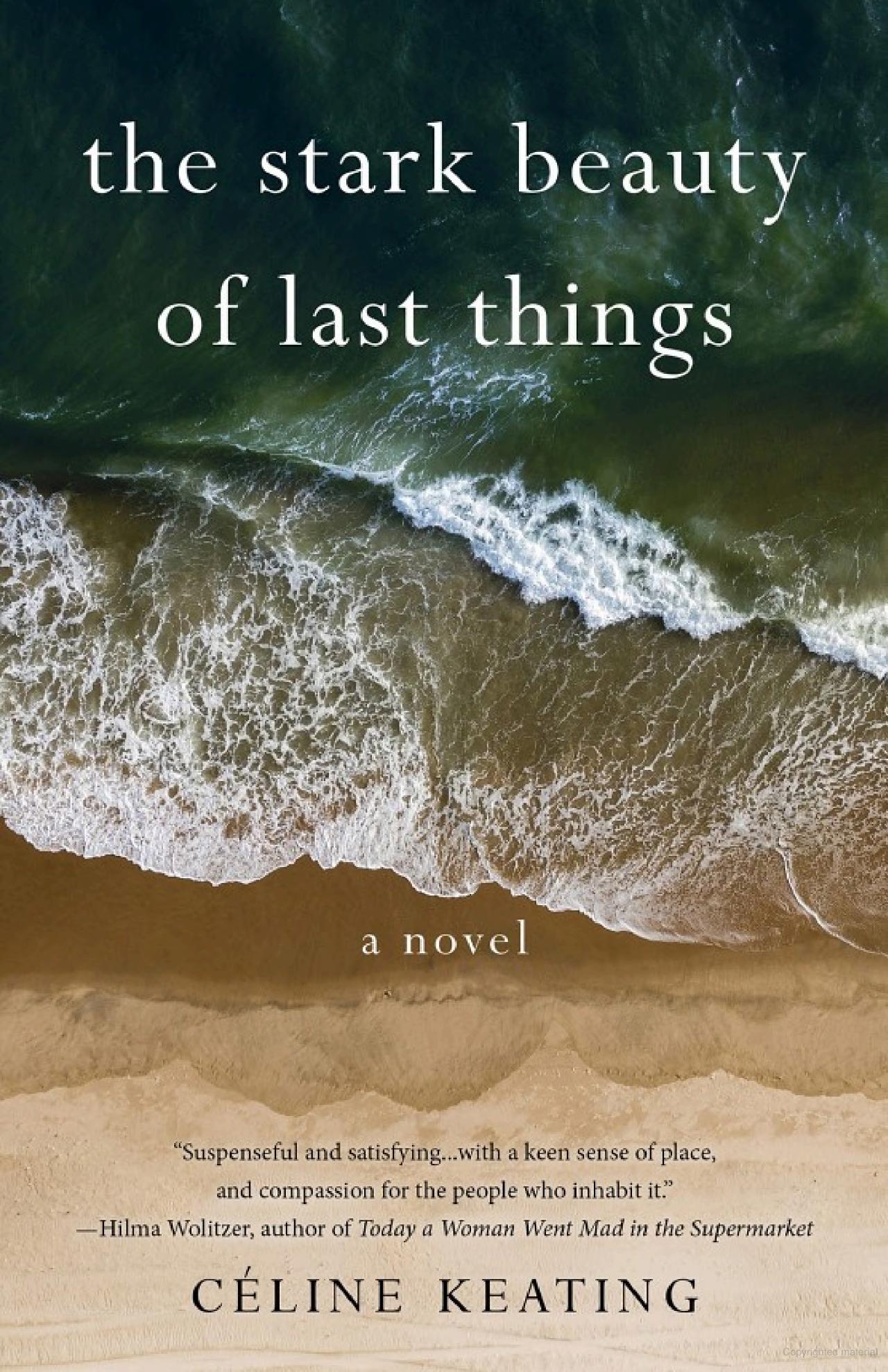
I’m most interested in fiction with a strong sense of place and those that reflect social issues. I aim to engage with the world in an authentic way. My novel THE STARK BEAUTY OF LAST THINGS is about the impact of climate change and the loss of nature on a community and the individuals within it. My novel LAYLA is broadly about 60s’ era politics, told through the point of view of a young woman impacted by her parents’ activism. My novel PLAY FOR ME focuses on women’s roles. In other words, I’m interested in exploring how big issues feel on the human level and in writing that is accessible and enjoyable.
I am proud that I have pursued a writing career despite how hard it is to weather the ups and downs of this career. I’m also proud and thrilled that THE STARK BEAUTY OF LAST THINGS has won several national and regional awards. It is a recent pick as a Great Group Read, geared to book clubs.
Can you share a story from your journey that illustrates your resilience?
I was able to get an agent for my novel LAYLA after querying 20 or 30 agents. This agent was extremely excited by my novel and I liked him and his insights into the book. He suggested some edits, which I made, and then the book went out on submission (where an agent submits to editors at various publishing houses). One after another, rejections came in. Editors were in general positive but cited various reasons for not making an offer on the book. After the agent exhausted his list of about 15 editors, we met to discuss next steps. We decided that I should do a revision that would address some of the issues editors brought up. I worked on the novel for several months, the agent approved the changes, and again he sent out the novel to a new crop of editors.
This time it looked as if we got lucky. An editor at a big house was eager to acquire the book – but she wanted it rewritten as a young adult novel and to set the novel a bit later in time to make it more contemporary. After discussion with my agent, I went ahead and did another revision, which took many many months. The agent sent the book back to the editor, and it began making its way through the process of acquisition at the publishing house. When it reached the final step – the publisher – it was turned down.
At this point, to say I was dejected is an obvious understatement. Nevertheless, after discussing with my agent, we decided to make one more attempt. I liked the new contempory setting, but I didn’t like the changes I’d made in my character’s voice for the young adult market, so this time I revised back for an adult audience. Again I returned my novel to the agent and he made a new list of editors to send to.
Time passed and I didn’t get word from the agent. When I called he’d tell me there was no news, and he didn’t share any rejection letters, so it seemed that editors were simply taking a long time to read and get back to him. Over a year went by and I finally learned, to my shock, that the agent had in fact not sent out the novel at all this time around. In fact, he was no longer agenting and had checked himself into rehab for a drinking problem!
It felt as if the universe was telling me to quit and I came very close to throwing the book in the trash. Still, I felt I had an important story to tell. After what had been five years of the submission process, I didn’t have the spirit to start over with an agent. I did, however, summon the energy to look for a small press on my own. I did a bit of research, found a reasonable press, and FINALLY got an acceptance.
A year later, I held my first published novel in my hands.
In your view, what can society to do to best support artists, creatives and a thriving creative ecosystem?
In truth, I think the best thing society can do to support creatives is in the form of arts grants. Many European countries support artists financially, and with that burden lifted, artists are far more able to do good work.
The struggle to earn a living makes being a creative tough, especially for women who earn less than men and usually assume a majority of childcare duties.
Govenment support of the arts in the U.S. is essential but underfunded.
Contact Info:
- Website: https://www.celinekeating.com
- Instagram: https://www.instagram.com/celinekeatingauthor/
- Facebook: https://www.facebook.com/AuthorCelineKeating/
- Twitter: https://x.com/celinekeating
- Other: www.celinekeating.substack.com


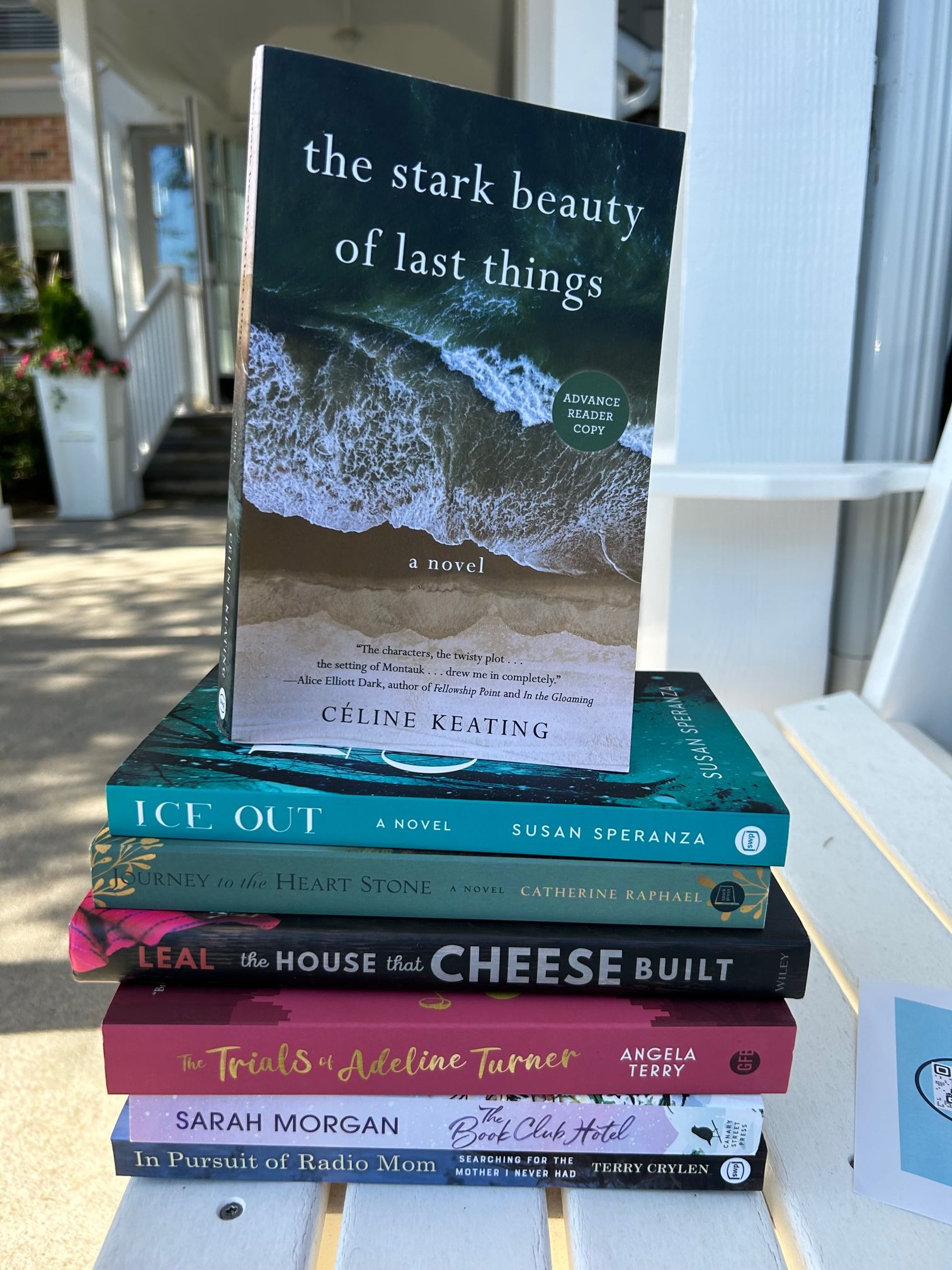
Image Credits
AlexaBrandenbergPhotography