

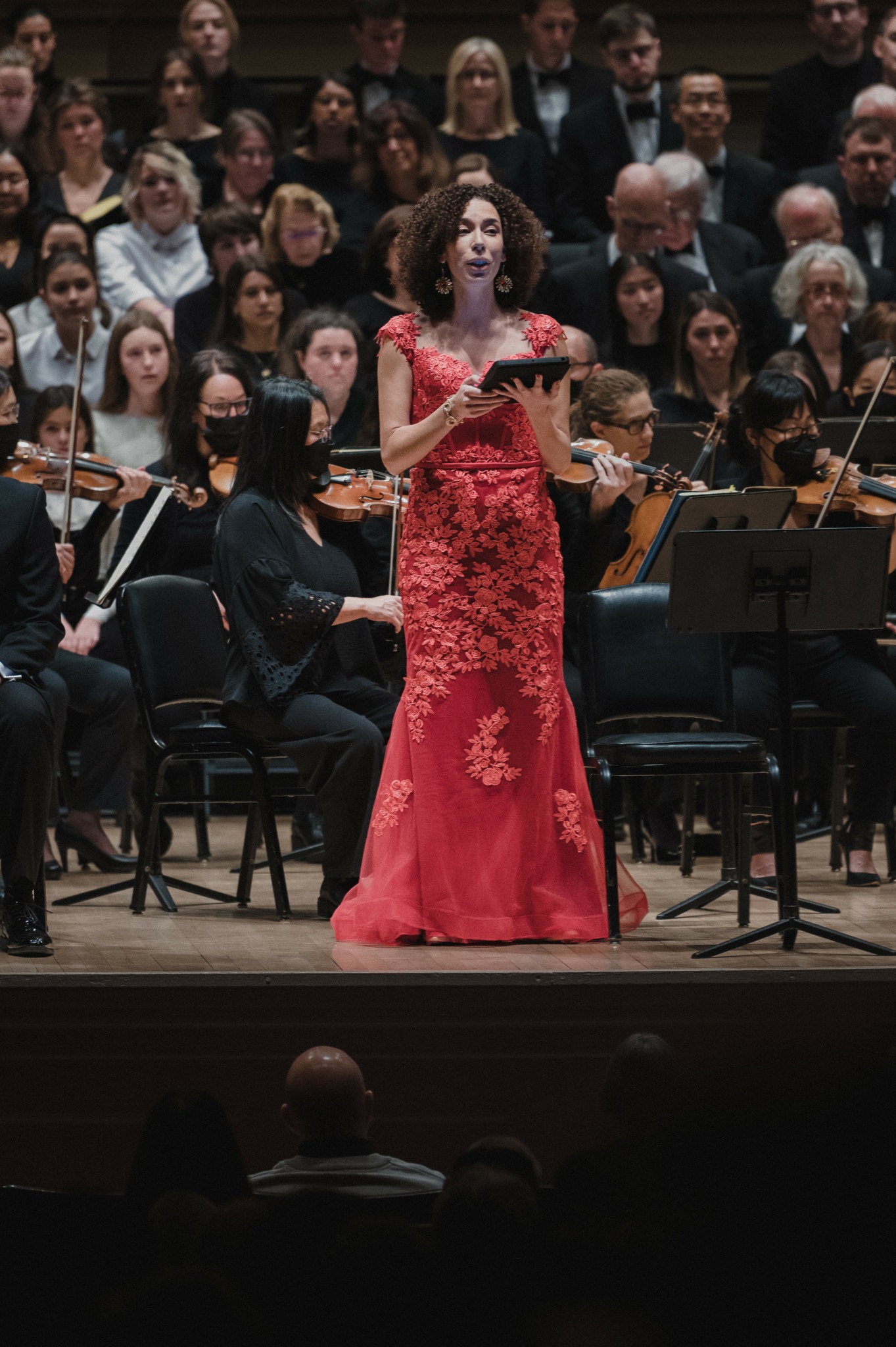

We recently connected with Melisa Bonetti Luna and have shared our conversation below.
Melisa, thanks for joining us, excited to have you contributing your stories and insights. Have you been able to earn a full-time living from your creative work? If so, can you walk us through your journey and how you made it happen? Was it like that from day one? If not, what were some of the major steps and milestones and do you think you could have sped up the process somehow knowing what you know now?
I have been working as a full-time self-employed classical singer for about 10 years. If you want to work in any field, creative or not, I believe you need one of these two pillars to get there; education or connections. If you have both, then you have the upper hand. I did not grow up with any connections in the world that I ended up working in professionally. I had to educate myself in the classical music field. Education is crucial to pursuing something that you know little about. After finishing my degrees, I proceeded to apply to various Opera residency programs throughout the United States. Being able to work with high level companies as a resident artist was a form of continuing education as well as building professional experience. From these opportunities, more began to grow. I built a network from every production that I was part of. I saw each performance as my next interview. Out of one job, I was offered two more, and so forth. I think another important component to having full time work as a creative is to have both a niche, while also being versatile.
Melisa, before we move on to more of these sorts of questions, can you take some time to bring our readers up to speed on you and what you do?
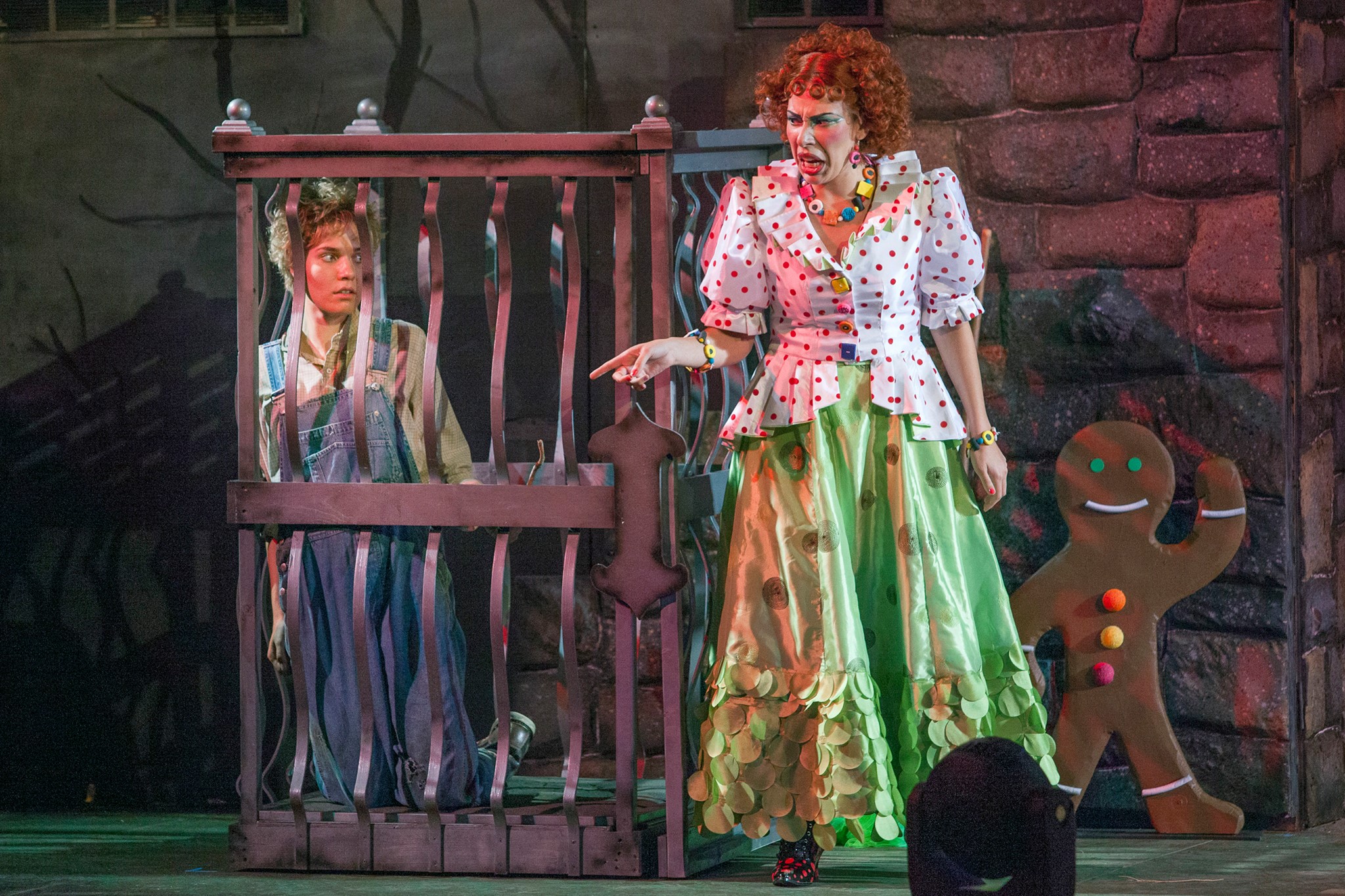
As someone who has a training in classical vocal technique, and a passion for multiple genres, I found a niche in fusion, contemporary, and LatinX repertoire. This niche allows me to focus on the music I love best, while also attracting producers and casting personnel when looking for collaborators with specific specialties. A typical year for me could include singing roles at opera companies, workshopping contemporary fusion theater pieces, teaching at music festivals, singing in vocal ensembles, writing my own music, performances with experimental/ improvisational artists, curating and programing LatinX recitals, singing traditional classical music with orchestra, and more.
Any stories or insights that might help us understand how you’ve built such a strong reputation?
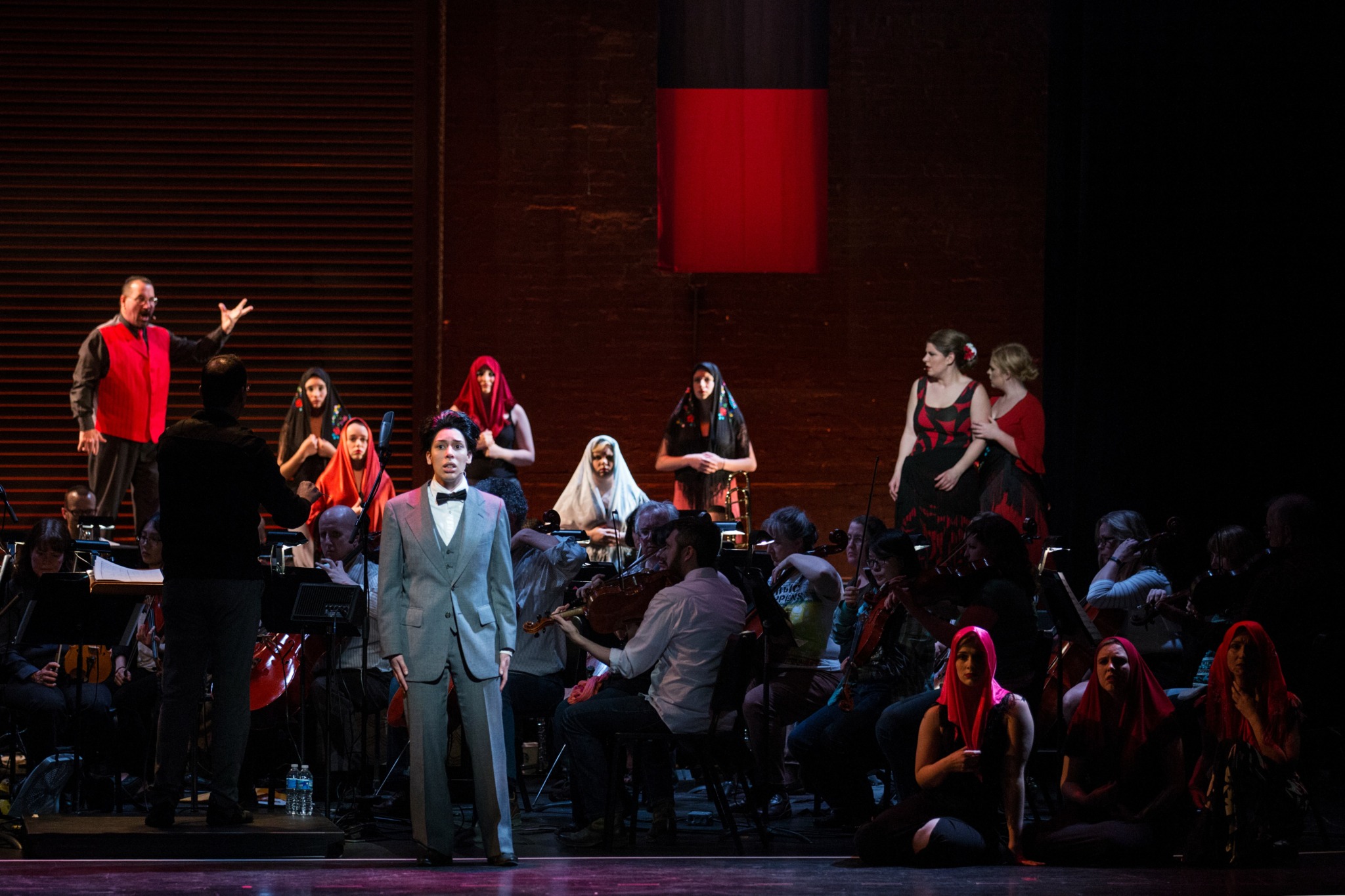
In the classical music industry, you can wait for work to come around to you, or you can enhance that by also creating some of your own. You can choose which roles and repertoire opportunities to take from offers that come your way, but I also believe in creating your own opportunities by curating events, programing the music that you want to represent, and collaborating with people that I want to work with. It is a lot of extra work, in fact it’s a whole other job, but this is how people in my industry have began to notice me as someone with a niche who is both a singer and a collaborator.
Do you think there is something that non-creatives might struggle to understand about your journey as a creative? Maybe you can shed some light?
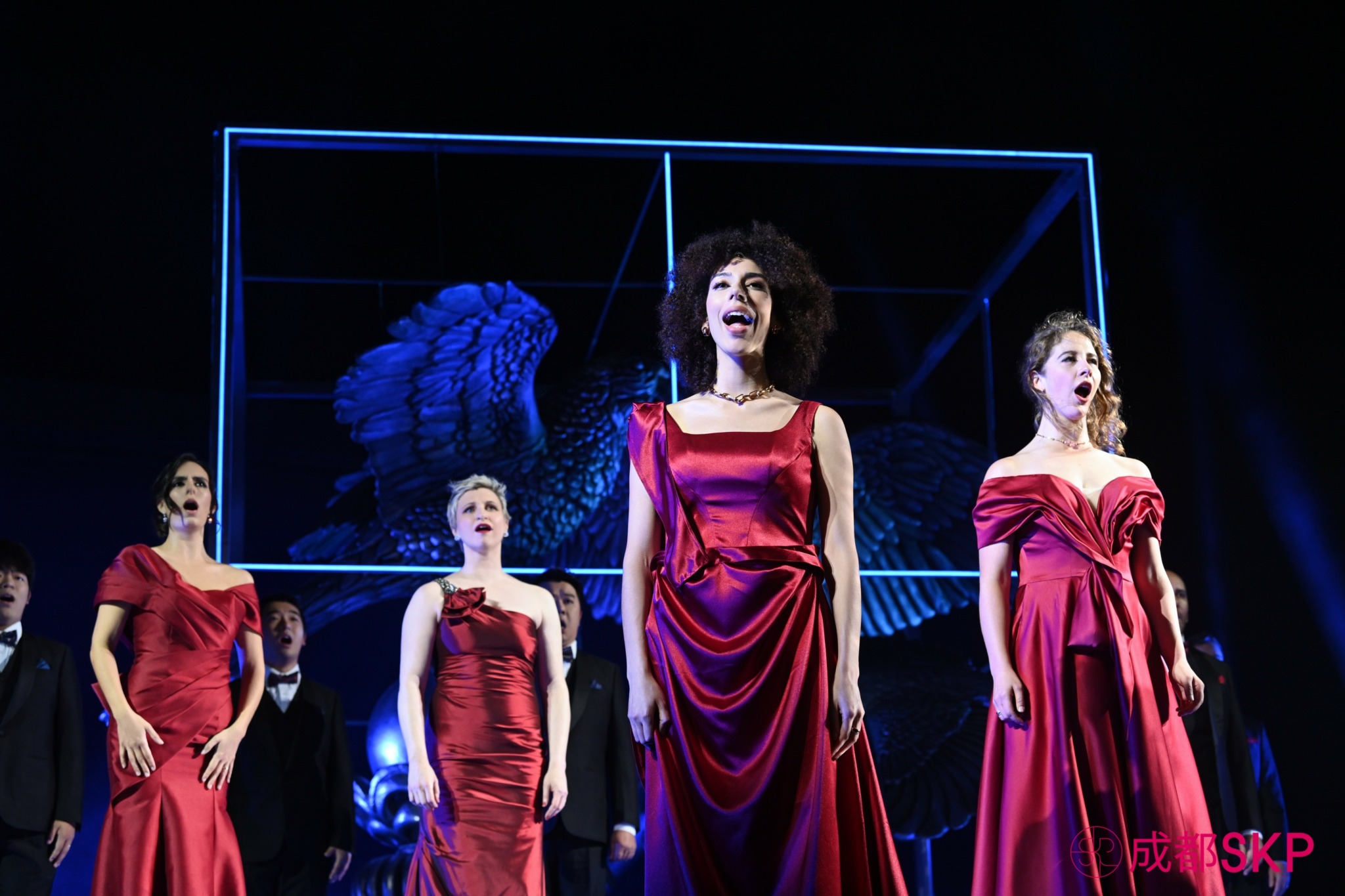
If you’ve chosen to pursue a creative career, it is your job but equally your passion. Success for me is measured both by having continuous work that I can support myself with, but also by the happiness it brings me. At the end of the day, I may not have large investment accounts to show for, but I do have a life filled with experiences that I have found continuous joy in.
Contact Info:
- Website: https://www.melisabonettimezzo.com/
- Instagram: @MelisaBonetti
- Facebook: @Melisa Bonetti Luna
- Youtube: https://www.youtube.com/channel/UCtek4wUI6glp4q2F1iyyOZA

