

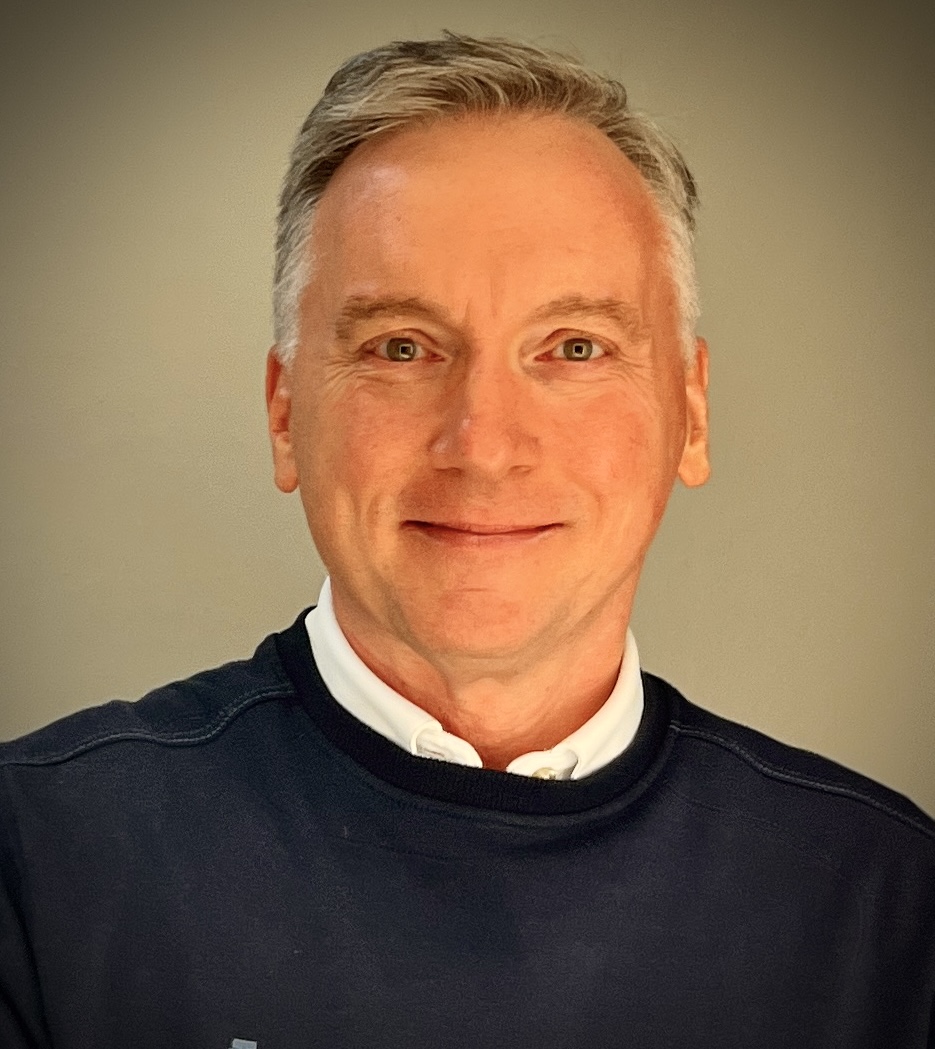

We’re excited to introduce you to the always interesting and insightful Darril Wilburn. We hope you’ll enjoy our conversation with Darril below.
Hi Darril, thanks for joining us today. It’s always helpful to hear about times when someone’s had to take a risk – how did they think through the decision, why did they take the risk, and what ended up happening. We’d love to hear about a risk you’ve taken.
I loved working at Toyota and had amazing experiences, including:
– Leading and designing the rollout of the Toyota Way at the Kentucky plant, an internal effort to identify the ‘DNA’ of Toyota. On this project, I worked with my sensei, Hiro Yoshiki.
– Being a student of OMDD, the Operations Management Development Division, where I learned the fundamentals of the Toyota Production System (TPS).
– Joining the initial startup team for a new Toyota plant in San Antonio, Texas. This experience taught me how Toyota builds a plant from a greenfield site to a fully functioning facility.
– Serving as a lead designer and facilitator of Toyota Business Practice, a global project that standardized problem-solving across all Toyota operations.
– Working in three locations: the Kentucky plant, the North American Headquarters, and the Texas plant.
Despite these experiences, I never felt like Toyota quite knew what to do with me, and I wasn’t sure what to do with Toyota. I grew bored of going to the same plant every day in Kentucky. I loved being at North American Headquarters, where I could visit and be involved with many plants. But when the opportunity to join the Texas plant startup arose, I couldn’t say no. It was a once-in-a-lifetime chance to be part of the original team—the startup club. I had always heard stories from those who were at the beginning in Kentucky, and I wanted that experience in Texas.
Once the startup was nearing completion, I began to feel restless again. Because of my experiences, especially with the Toyota Way and Toyota Business Practice, I felt confident that I could go out on my own as a consultant.
This was probably one of the most naive and risky things I’ve ever done. I’ve talked with many former colleagues about leaving Toyota to become an independent consultant, and I always say the same thing: I wouldn’t recommend it to anyone, but I wouldn’t change it for myself. The lifestyle is tough, with lots of travel and uncertainty. The chances of failure are high. I’ve seen many colleagues—people smarter and more talented than me—fail in this business.
By most measures, I’ve had a successful career, and I’m often asked how I managed it. Despite the risks, I succeeded for a few reasons. Luck played a big role—being in the right place at the right time. People say we make our own luck, and preparation plays a part, but I can count many fortunate decision points that helped me along the way.
It wasn’t just luck. I had a unique opportunity at Toyota to learn about business from different perspectives. At North American Headquarters, I learned the importance and challenges of maintaining standards across many sites. Through my training in TPS, I understood how the manufacturing floor executed plans with low cost, high quality, and short lead times. In Human Resources Development, I saw the strategy of building capability and competency for company success. Through my work with the Toyota Way rollout and Toyota Business Practice, I learned the importance of company values and the impact of standardizing practices globally. This broad experience allowed me to add value quickly as a consultant, not just focusing on one aspect like shop floor manufacturing.
That preparation was essential in reducing the risk of leaving a great company, but it wasn’t the most important factor. The key success factor for me were the personal relationships I made at before and while working for Toyota. Based on those relationships, I made two critical connections as I started consulting.
The first was with John Stewart, an assistant manager I had worked with at Toyota who rose to become plant general manager at Toyota’s top plant in Europe. John later joined a private equity firm. When I contacted him to share my plans, he was encouraging and assured me they could use my help for a week or so each month, which became a foundational client and gave me some sense of stability. John eventually founded his own private equity firm (MiddleGround Capital), and I continue to partner with them today.
The second key connection was with Sammy Obara, founder of Honsha.org and now my business partner. After connecting through my network, we decided to meet at a client’s location in Salt Lake City. Sammy tells the story like this:
“It was back in 2007 when I met Darril Wilburn for the first time. He was living in San Antonio, TX, while I was in San Diego, CA, so I proposed we meet ‘somewhere in the middle’—in Salt Lake City. I was doing a project for a client there. Darril was interested in leaving corporate life to try consulting. My plan was to just meet for dinner and then bring him to see the work I was doing the next day—no promises or long-term plans. I was always looking for people to help with overflow projects. It turns out he quickly demonstrated he could do everything I was doing. Actually, on that first encounter, if I had wanted to, I could have taken the day off and let him handle my work. He knew what to do and how to do it. Of course, that wouldn’t have been fair—asking someone I’d just met to take over a client I was nurturing would’ve been irresponsible… or so I thought. Well, it turns out I did ask him, and he did take over—for a couple of hours. When I came back and saw the impact Darril had on the group, I began considering him for more work and larger clients.”
It’s a nice story, and for the most part, it matches my memory. But the backstory gives insight into the fear that sometimes comes with big risks. Sammy and I had discussed the client and the standardized work workshop we would be doing. Initially, there were supposed to be 20 participants, with a mix of classroom and on-the-floor activities. That same week was my last at my corporate job, and I was already excited and nervous about the change. The day after I left, my family and I were celebrating Thanksgiving when I got a call from Sammy with a change of plans—there would be more than 50 people in the workshop. I tried to play it cool, but I was panicking. I couldn’t sleep for two days, thinking about how I would engage 50 people in a workshop designed for 20. I imagined my family ending up on the streets because of my decision. In the end, we split the group into two, with 25 participants each day, and managed it well. But the feeling of panic and doubt never left me. One of the major lessons I learned about taking risks is that fear should never be the reason not to take a risk. It’s okay to be scared—just do it anyway. Having strong relationships that form a network is why I’m able to say I wouldn’t change it for myself, despite the risks.
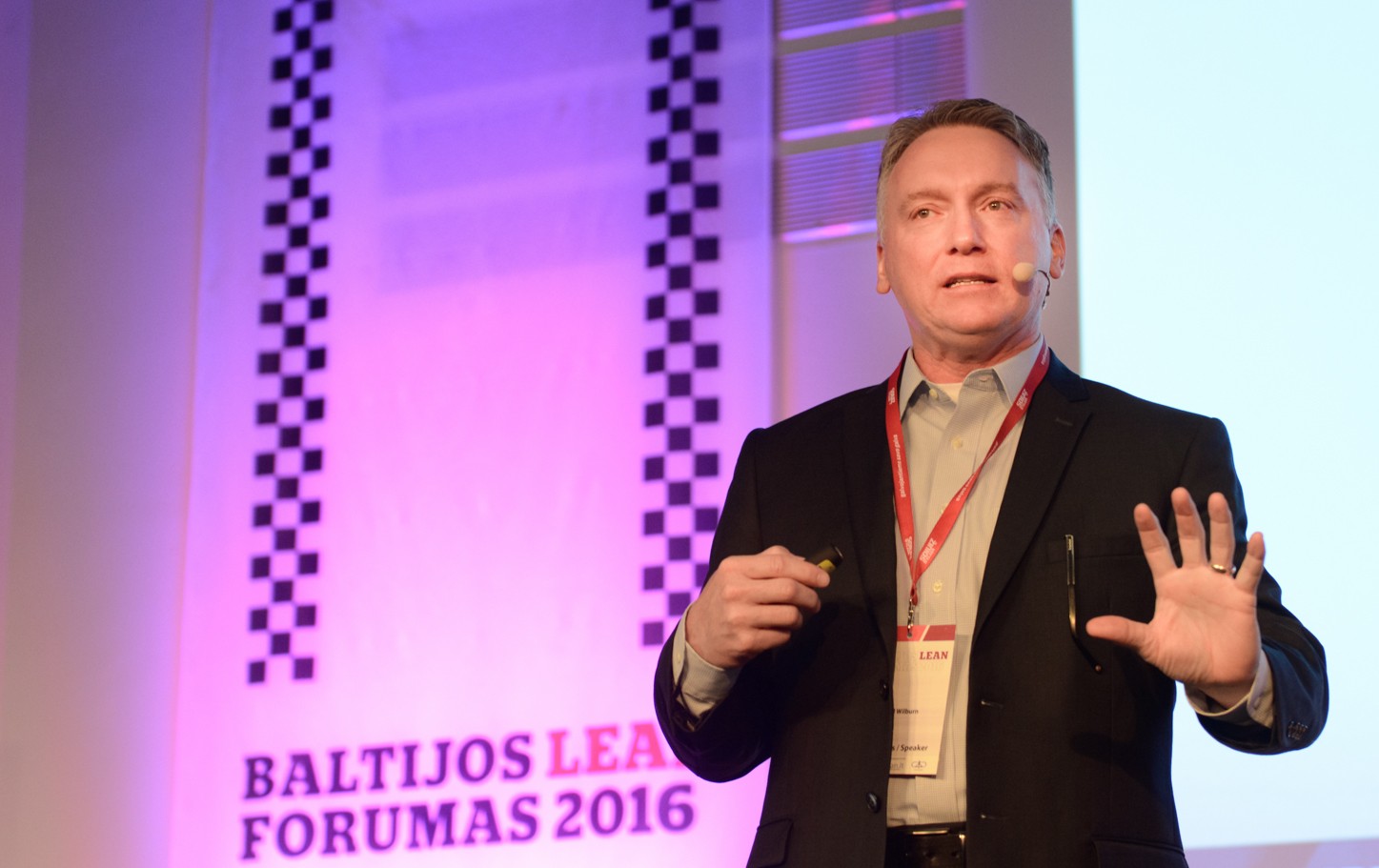
Great, appreciate you sharing that with us. Before we ask you to share more of your insights, can you take a moment to introduce yourself and how you got to where you are today to our readers.
Yes, sure. From the last question you can see I was trained at Toyota. Today, as a Partner at Honsha and a sister company called niwaki, we help organizations of implement Lean principles to improve efficiency, solve problems, and develop their people. We focus on creating sustainable transformations by coaching leaders and teams to think differently and continuously improve. Lean is not just a set of tools—it’s a mindset that unlocks the potential of every individual.
What sets us apart is our emphasis on people development. Lean is about creating a culture where everyone is empowered to solve problems, innovate, and grow. At Honsha and niwaki, we help organizations build this culture from the ground up, ensuring that changes are effective and lasting.
I am most proud of the impact we’ve made by transforming both processes and people. Watching teams grow and leaders evolve, and knowing our work makes people’s lives better, is incredibly fulfilling. Lean is a journey of continuous improvement, and at Honsha, we’re here to guide that journey, helping organizations realize their greatest asset is their people.
For the last part of my career I plan to focus primarily on midsize family owned business that are trying to set the next generation up for success.
Can you tell us about what’s worked well for you in terms of growing your clientele?
When we do great work, word spreads, often within a company and then beyond it. A good example of this is Mars, the international company we’ve partnered with for over 20 years. It all started with a single workshop in Brazil. Our success there led to more opportunities within Mars, and soon we were working across different divisions and regions.
The impact extends beyond Mars itself. Many of the leaders we worked with at Mars moved on to other companies, and one of the first things they often did was bring us in to help in their new roles. This has happened numerous times, not only with Mars but also with other organizations. I remember one instance when an executive we worked with moved to become the CEO of another company. On her first day, she called me and said, “Darril, I promised myself I wouldn’t join another company without making Lean my first initiative, and that’s why I’m calling you.” Moments like these are what fuel our growth.
Our major growth strategy has always been simple: do great work, build trust, and let our network grow as those relationships expand. The reputation we build through impactful results becomes our best advocate, allowing us to grow organically as our clients and their leaders grow.
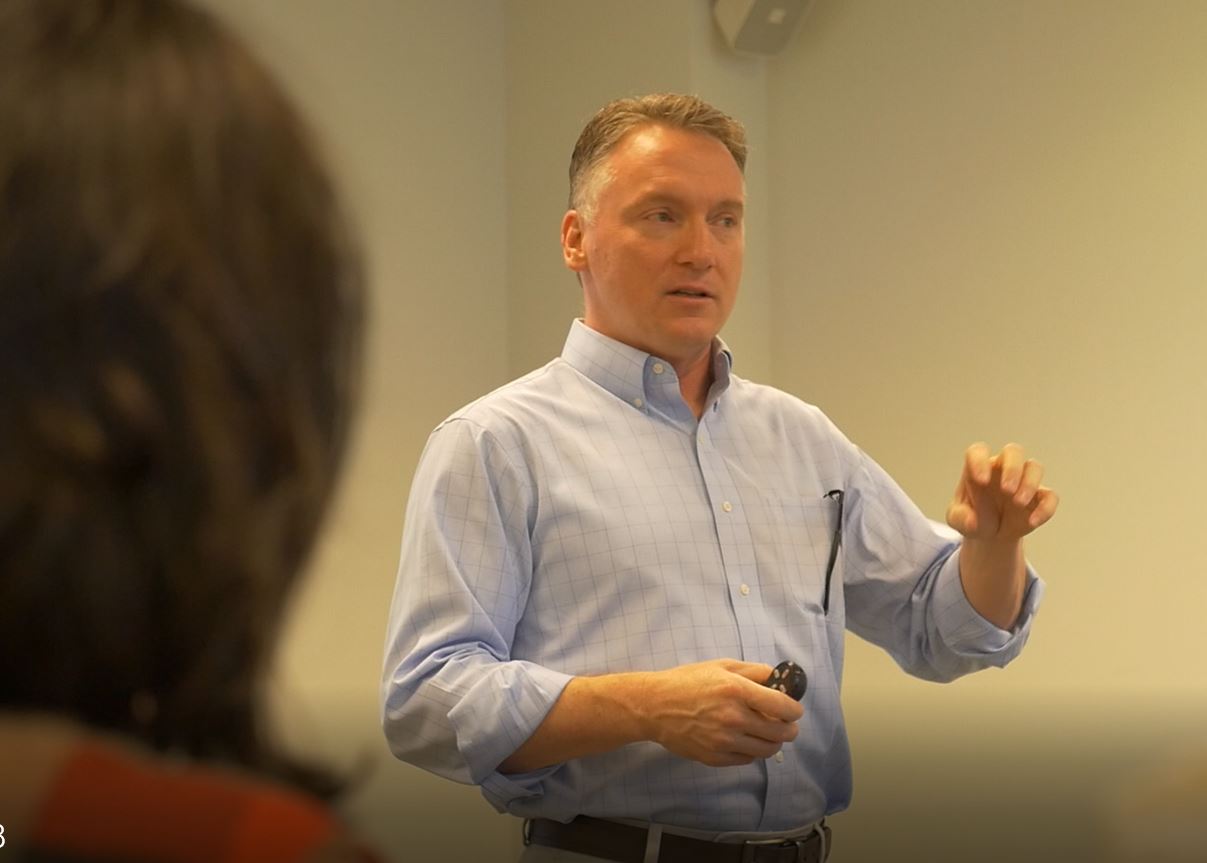
Any stories or insights that might help us understand how you’ve built such a strong reputation?
Our reputation in the market is deeply rooted in the lessons we learned at Toyota, where we experienced firsthand the power of the Toyota Production System (TPS) and the Toyota Way. These foundations have shaped not only our approach to Lean consulting but also our values. At Honsha, we carry forward the principles of continuous improvement, respect for people, and a commitment to developing others that we learned at Toyota.
The Toyota Way taught us that success is built through the growth of people, and this has been our guiding philosophy. We don’t just focus on improving processes; we focus on developing individuals and teams to create a culture of continuous improvement. Our deep experience with Toyota’s approach has allowed us to bring the same rigor and focus to our clients, ensuring that the changes we help implement are sustainable and impactful.
Another major contributor to our reputation has been our ability to adapt and meet our clients’ unique needs, just as we learned at Toyota. Whether we’re working on the factory floor or with senior leadership, we meet our clients where they are, helping them navigate their challenges with a practical, hands-on approach. This adaptability is critical in achieving real, tangible results.
Perhaps most importantly, the relationships we formed at Toyota have continued to help us grow. Many of the leaders we worked with at Toyota have moved on to new companies, and they’ve brought us with them because they trust our approach. We’re often the first call when they want to introduce Lean into their new organizations. These enduring relationships have been the cornerstone of our growth and the foundation of our reputation. Our Toyota roots taught us that trust is built through action, and that belief continues to guide everything we do at Honsha and niwaki.
Contact Info:
- Website: https://honsha.org/
- Linkedin: https://www.linkedin.com/in/darrilwilburn/
Image Credits
all photos are mine