
We’re excited to introduce you to the always interesting and insightful Matthew Bates. We hope you’ll enjoy our conversation with Matthew below.
Matthew , looking forward to hearing all of your stories today. If you could go back in time do you wish you had started your business sooner or later?
I graduated from university in 2012 and spent the remainder of my twenties either working in kitchens or travelling. I knew I didn’t want to work a ‘regular’ job but the life of a chef was becoming increasingly more unpalatable for me, and I could feel myself becoming a person I didn’t like. So at twenty six years old, I applied for the masters course at the Northern Film School, and was accepted off the back of an experimental film I made about a man obsessed with road cycling. In a two year period at film school, we made something crazy like fifty two short films. It was a baptism of fire. A total immersion into all things film, and one of the biggest times in my life for personal and creative growth.
I graduated film school at twenty eight, having written and filmed two successful films. Hungry to take on the big bad world, I quickly realised that while I was away in my happy world of film school, there were thousands of other filmmakers making incredible stuff… and to add insult to injury, they were a lot younger than me. My confidence was still strong but that demon of social comparison had started to kick in, and the thought ‘if id only started earlier’ was running through my mind. I would sometimes imagine how far along my film journey I would be if I started at nineteen… but the truth is, I wasn’t ready to make films at that age, and the stories I would have wanted to film wouldn’t have benefitted from the life experience I’d gained. The loves, losses, mistakes made and regrets held all gave my story telling, and my image making a specific truth and quality. If, as the writer and cinematographer, I can truly empathise with the characters in the film, then my depiction of them and the world around them is more emphatic.
I’m turning thirty four in December, and in terms of my years spent making films, I’m still a baby. There are always going to be people that are younger and more talented than me, but as long as I know what I want to say, and how I want to say it, then I’m on my own path to success. Rather than compare myself to other filmmakers, and worry if I’m moving ahead as fast as them, I celebrate their work and success instead.
Awesome – so before we get into the rest of our questions, can you briefly introduce yourself to our readers.
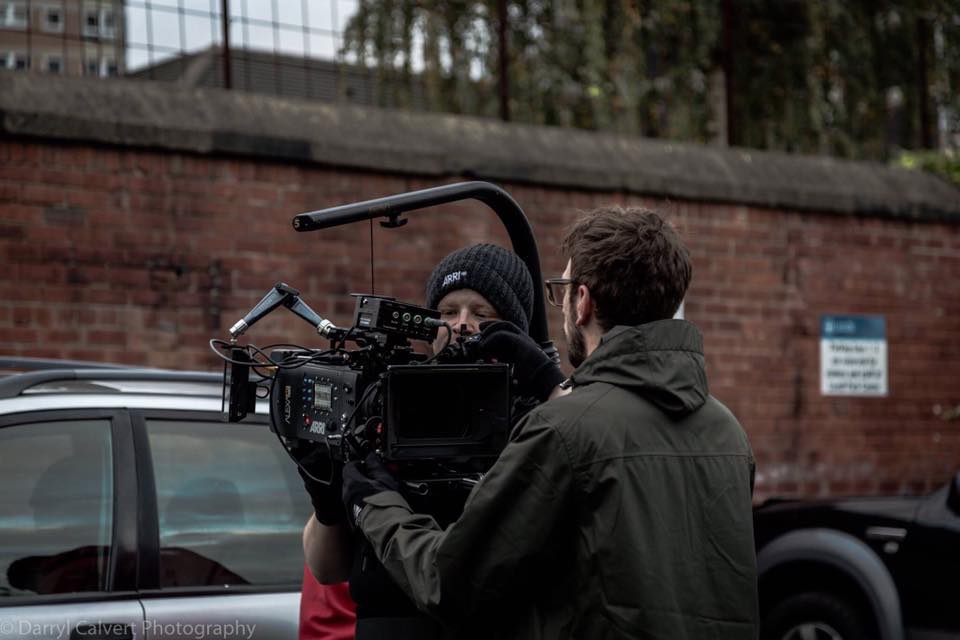
Since graduating from the Northern Film School in 2018, I have been working as a professional cinematographer and screenwriter for corporate, commercial, documentary and narrative fiction films.
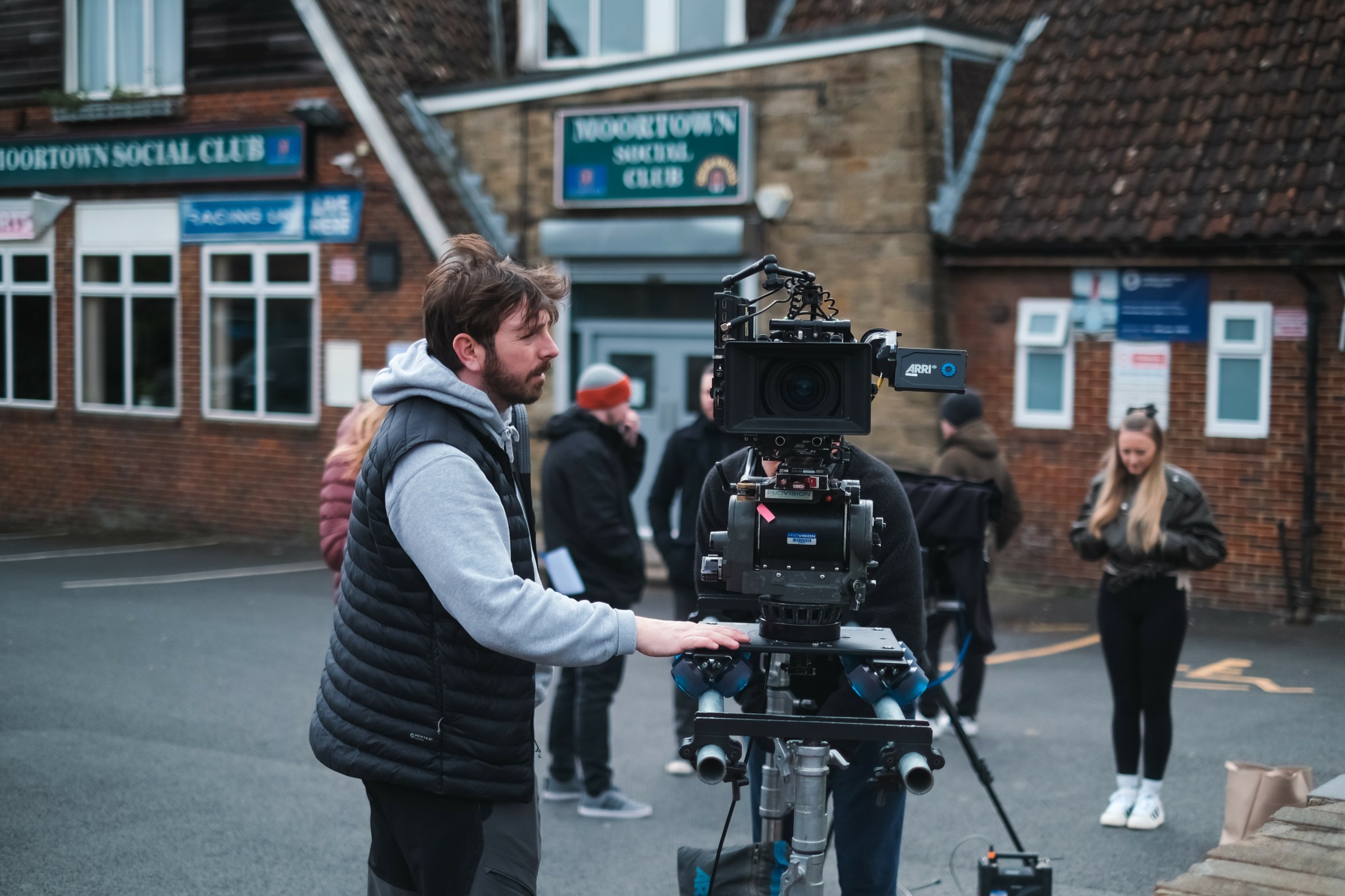
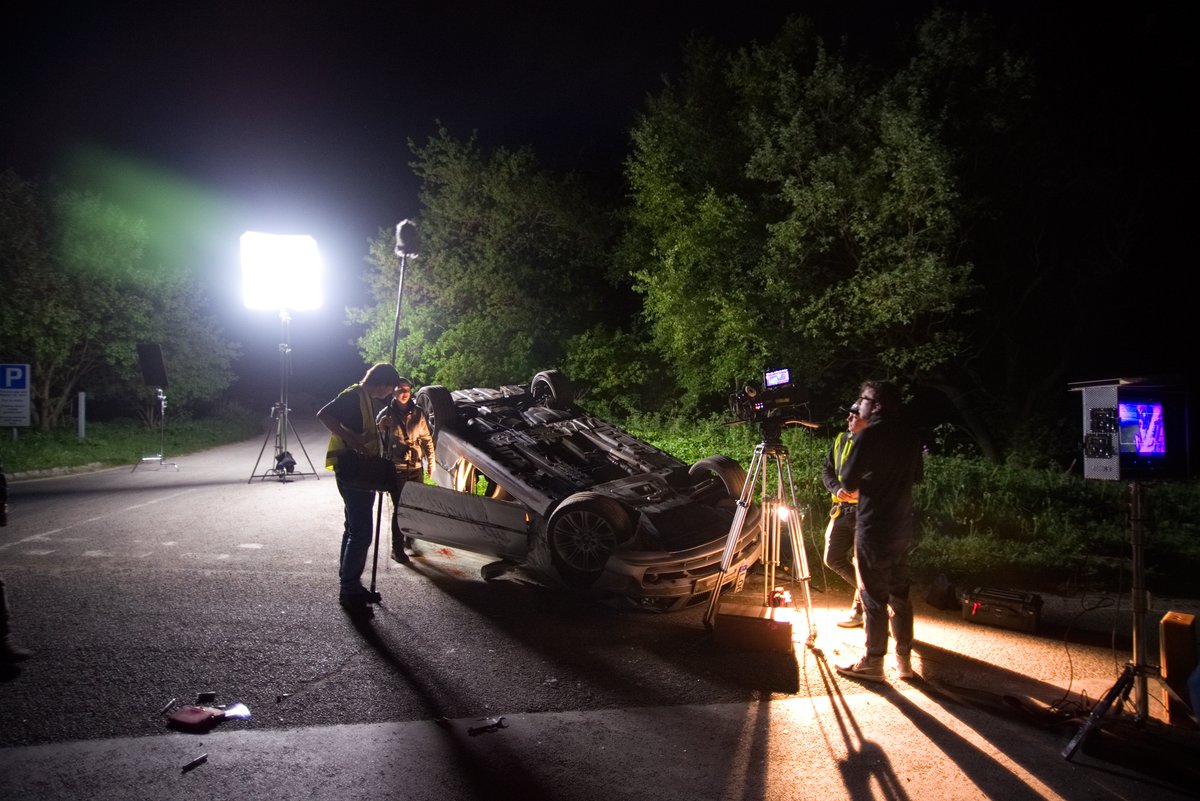
If you’re wondering what a cinematographer actually does, crucially they are in charge of the overall look of the film, but in the background there is a lot of logistical planning. I work closely with the director of the film. In our conversations we will discuss the story, the needs of the story and what we both want the film to feel and look like. From these conversations, I select the best camera and lighting equipment to achieve this and with close consideration of the restraints of the locations we film in, I begin to build an aesthetic. When the day comes to start filming, my job becomes slightly more difficult as I then have to manage different teams of people. I split my attention between a camera team, a lighting team and the director, all whilst maintaining the specific ‘look’ of the film. It’s wild and exhausting on the day, but when you find something you love, it doesn’t feel like work.
Like many other cinematographers, my journey started with short film projects. These films helped me craft my storytelling skills and develop my filming style. I achieved some success straight out of the gate in this medium, with my graduation film titled POOF, a queer coming of age story that was nominated for Best British Short at the Iris Prize, went on to be purchased by NQV media and has since been streamed around the world to millions of people. Following POOF, I received funding from the British Film Institute for another short film titled Glaciers. The story follows a father-son team of dairy farmers, whose lives and livelihoods are threatened by increasingly greater storms attributed to climate change. Since filming Glaciers, I have been writing and filming a mixture of documentary and short films, whilst working on the scripts of two feature film projects, and trying to secure funding for both.
My work across two disciplines is not a very common thing in the industry. I’m the atypical cinematographer-screenwriter, but I believe this mix helps me in my career. My deeper understanding of story directly influences the images I create, and if the story is something that I have written myself, then those parts of me that exist in the pages will manifest themselves with truth and honesty onto the screen.
What’s the most rewarding aspect of being a creative in your experience?
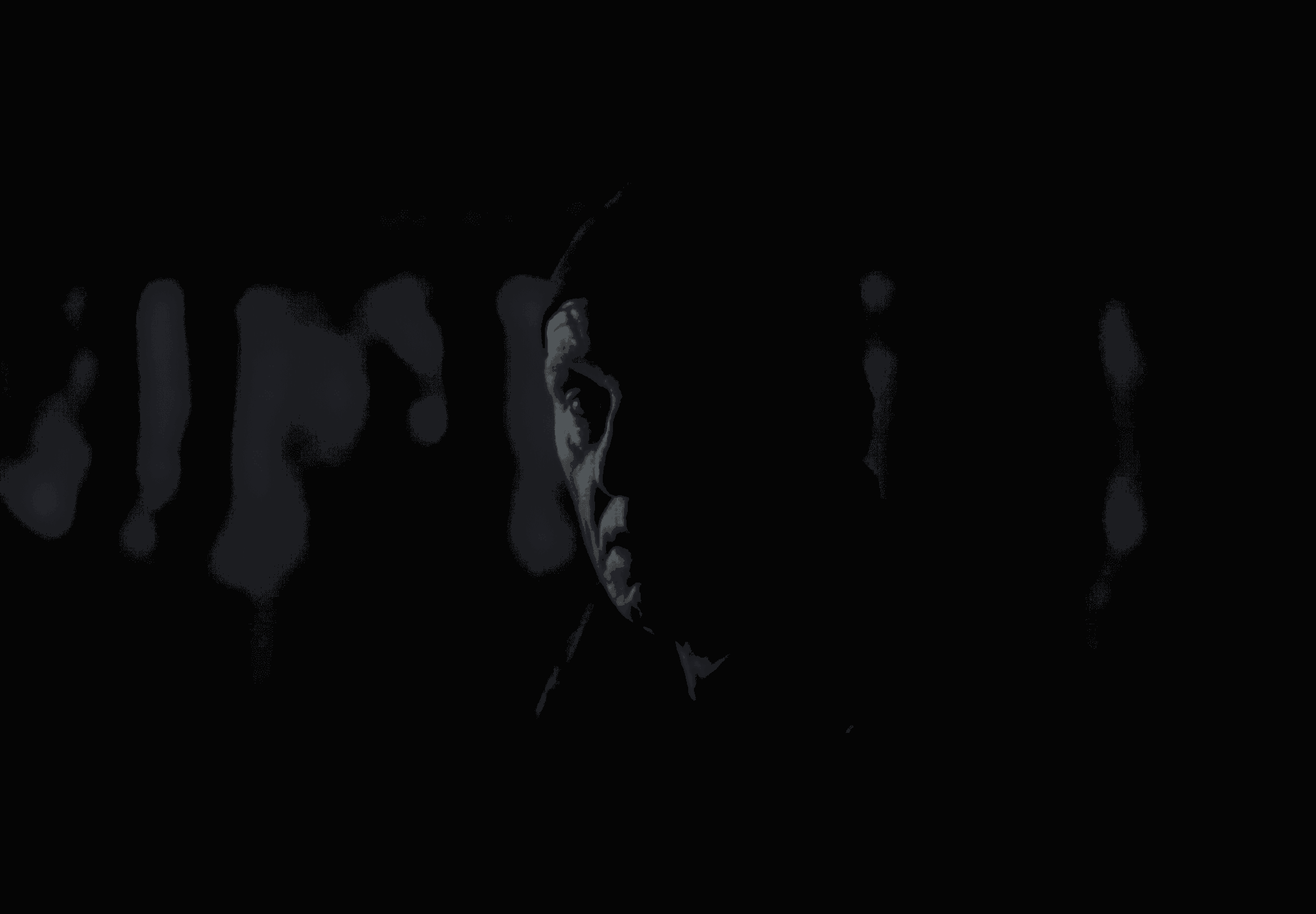
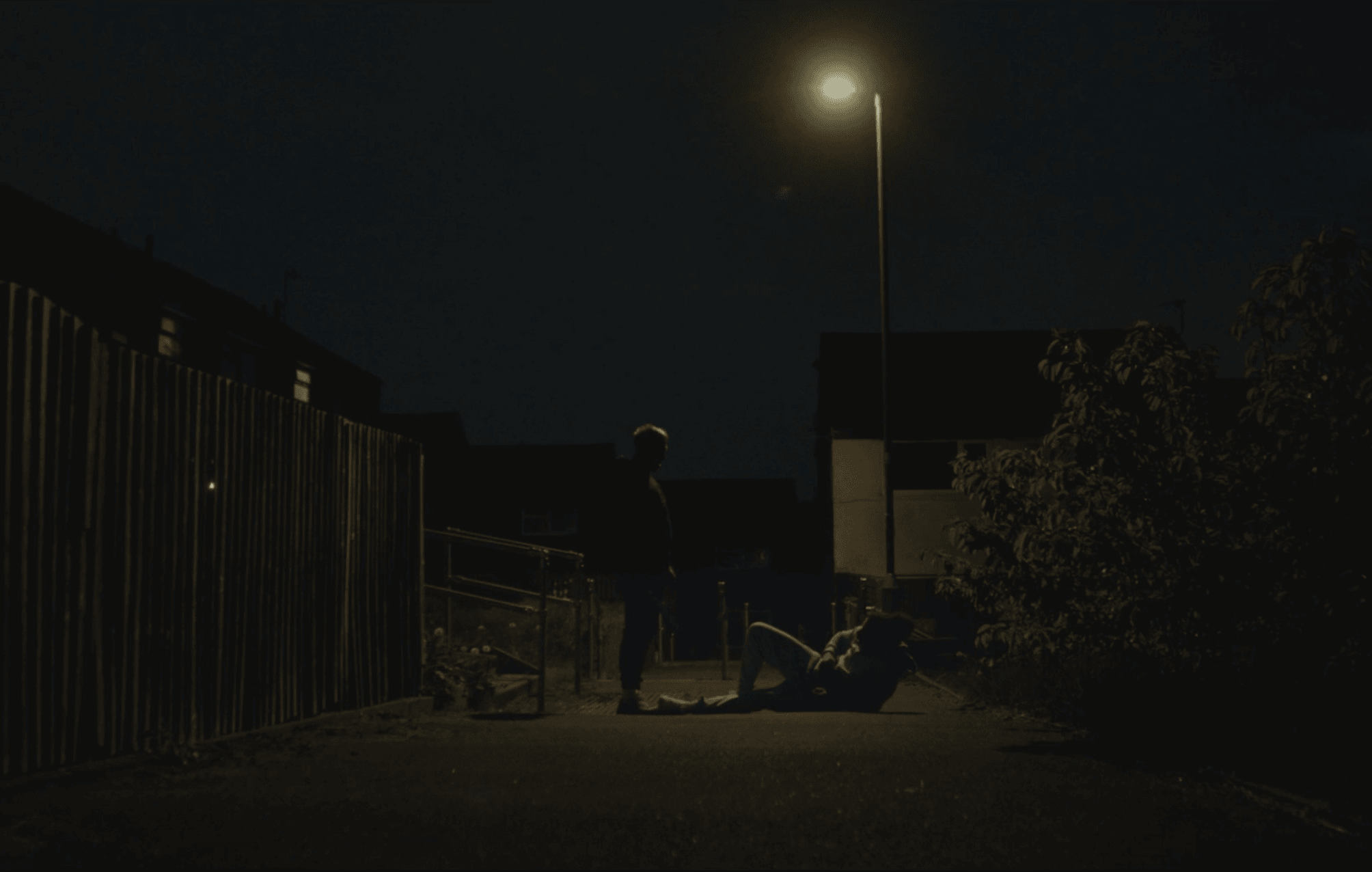
I find my work to be very cathartic. When I write a script, I’m exploring a feeling or emotion that I’m finding overwhelming at that time. Rather than making the story autobiographical, I try to find an interesting way to work those feelings and emotions into the characters, their lives and their environments. In my British Film Institute film Glaciers for example, on the surface the film is a fable about the dangers of ignoring climate change but underneath is an exploration of time, how precious a resource it is, and how eventually it takes away everything you love in life. Depressing I know, but this film was written during the nation-wide Covid lockdown when people lost loved ones, jobs or years of their life to something that was totally out of their control. In the lead up to filming Glaciers, all I could see in my head was darkness. Partly informed by the story, but also by my emotional state at the time. I decided to use this darkness in the cinematography of the film, and so shadows and under exposure was used as a pervasive tool to demonstrate the ill-fated future of the characters. I waited years to make Glaciers, and by the time the film was finished, edited and sent out into the world, I no longer worried about the same issues that informed my creative approach to the project. The film, like others before and after, acted as a sort of therapy for me. A true exploration of my emotional problems with a positive creative outlet for them. I leave a part of myself in every film I make but it helps me shed my emotional baggage and stops me from spinning off the planet.
What do you think is the goal or mission that drives your creative journey?
The ultimate goal in my creative journey is to have the chance to explore stories in longer form. So far in my career I have only been able to shoot short film projects. Dramas of up to twenty minutes, documentaries capped at five minutes and commercial content designed to engage the ever dwindling attention span of the general public. I’m extremely grateful for the opportunities I’ve had so far, but finishing those films always leaves me wanting more, and so the opportunity to film a feature film of ninety minutes or longer would be the dream. It would be a real step up in my career, but more importantly it would give me a chance to delve deeper into the stories I’m writing and filming.
Contact Info:
- Website: https://www.matthewbatesdop.com/
- Instagram: https://www.instagram.com/mattbatesdop/
- Linkedin: http://linkedin.com/in/matthew-bates-25742819a
- Youtube: https://youtube.com/@walkingslowfilms?si=IkyYC62ByNqjbhV3