
Alright – so today we’ve got the honor of introducing you to Arabella Brown. We think you’ll enjoy our conversation, we’ve shared it below.
Hi Arabella, thanks for joining us today. When did you first know you wanted to pursue a creative/artistic path professionally?
As a child, I always loved creating art. I doodled on everything I could find, whenever I could find the time to. I was always the art kid, but I never actually considered pursuing art as a career. In my sophomore year of high school, my friend and I went to a local park and she brought her camera. I had a few small point and shoot cameras to mess around with when I was younger, but I’d never really attempted photography as an actual medium. I fell in love with the art of photography that day, and that year for Christmas I asked for my very own camera. A few months after getting my camera, Covid hit so I was left with only my home and backyard to photograph. Photography was the first art medium where I thought, “Maybe I could do this forever and not get tired of it.” The closer I got to college applications, the clearer it became that photography was my future.
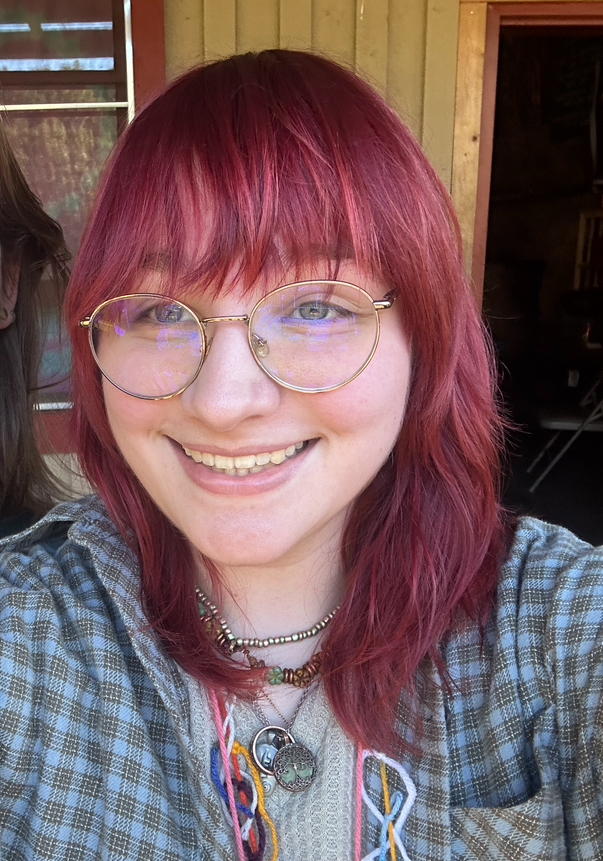
As always, we appreciate you sharing your insights and we’ve got a few more questions for you, but before we get to all of that can you take a minute to introduce yourself and give our readers some of your back background and context?
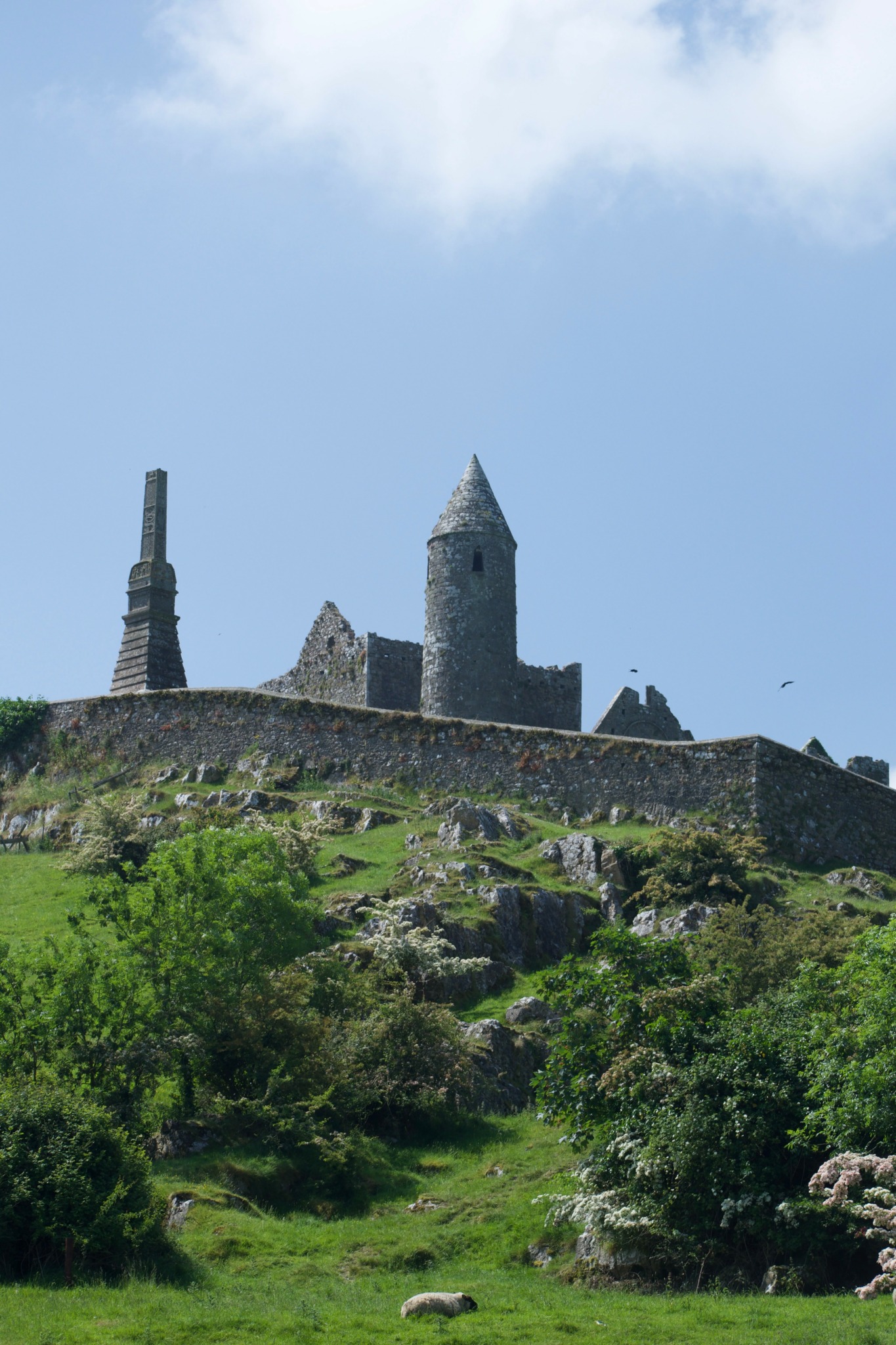
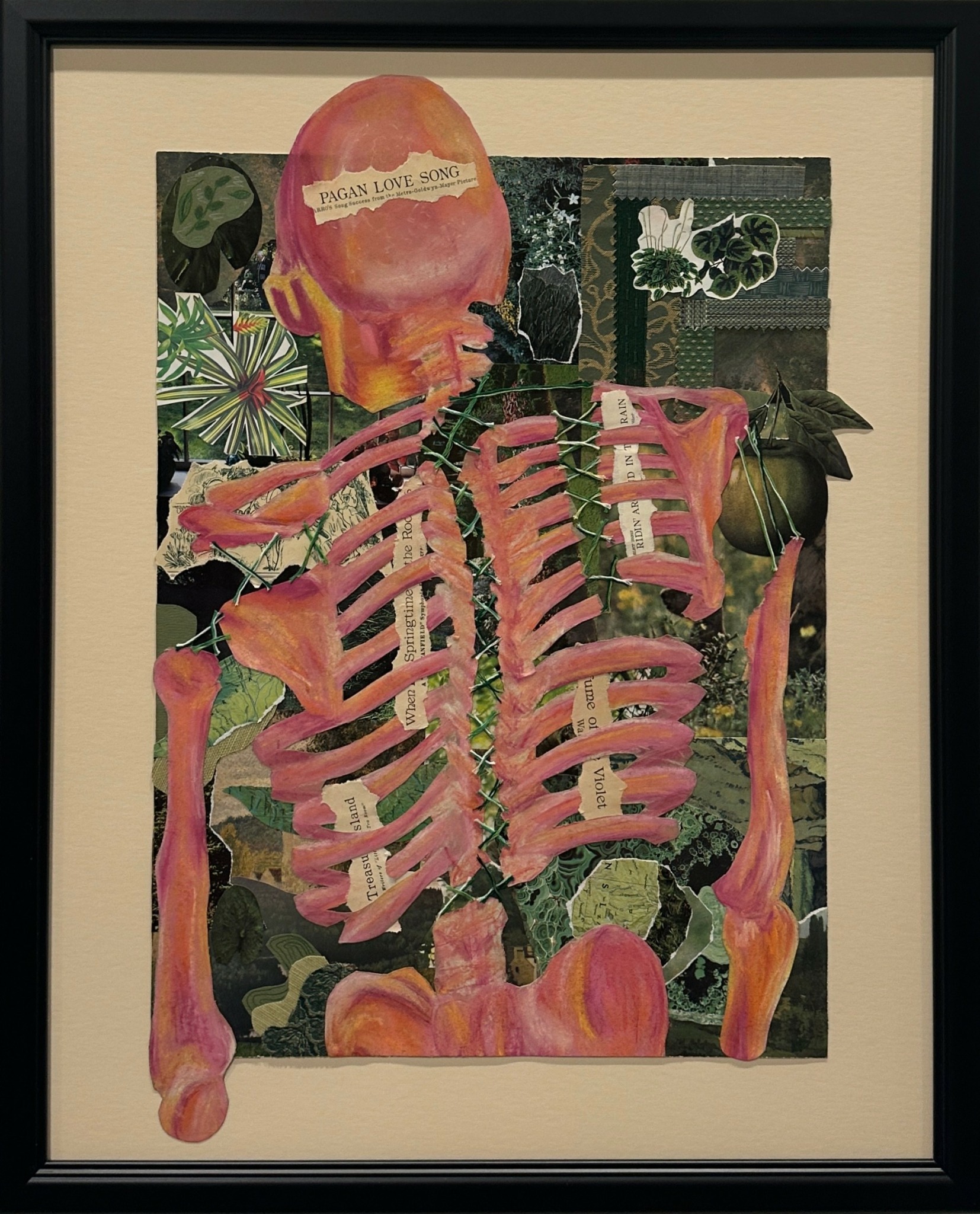
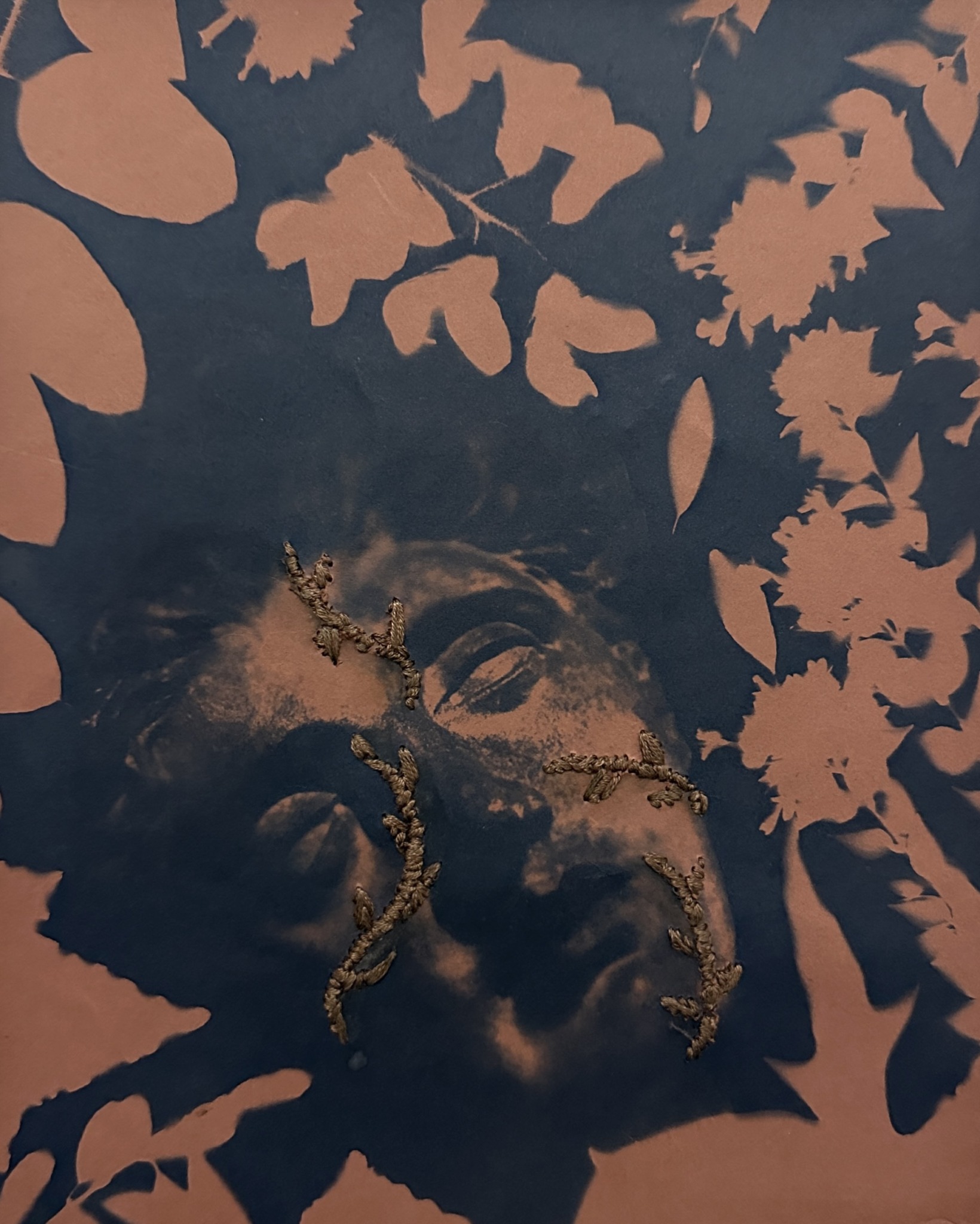
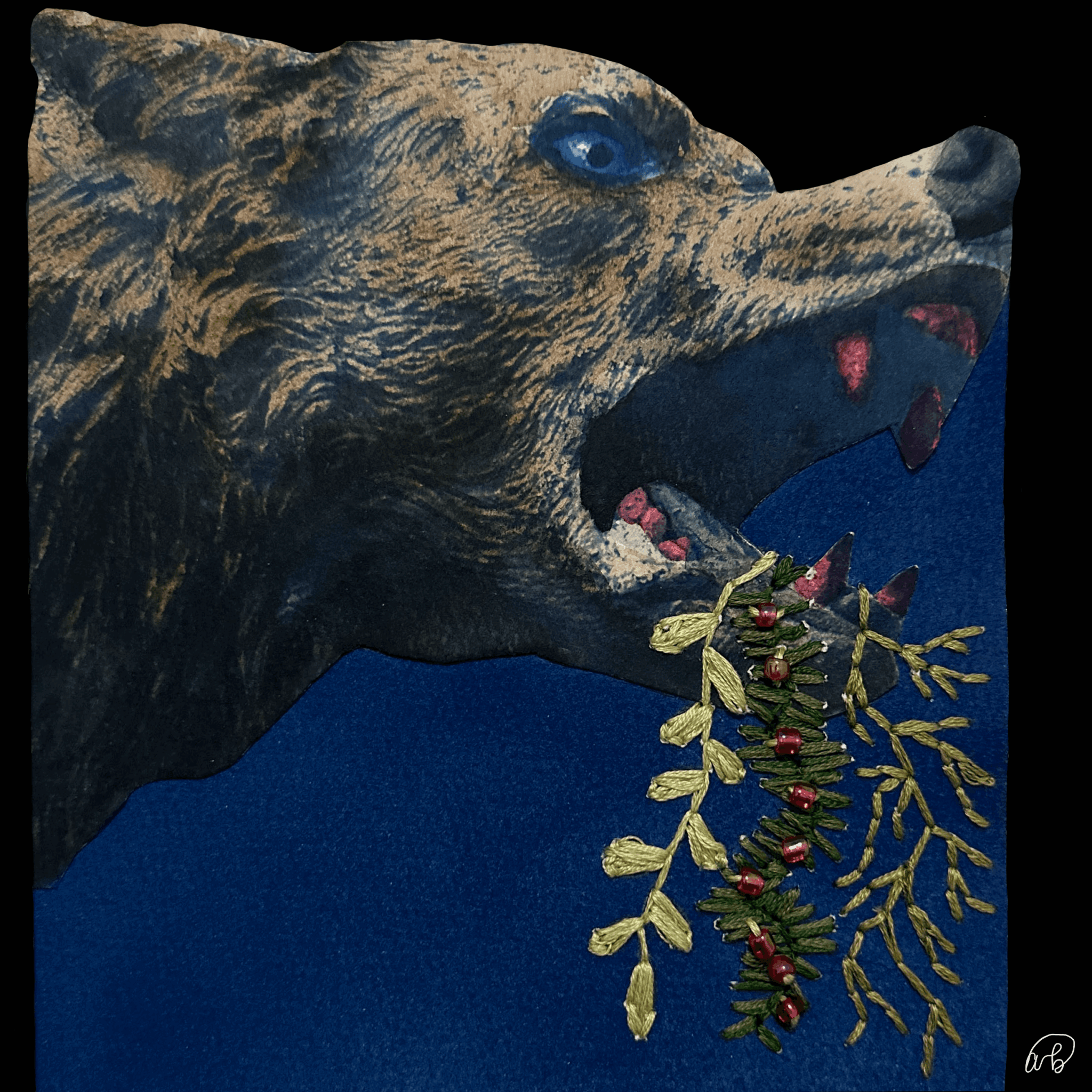
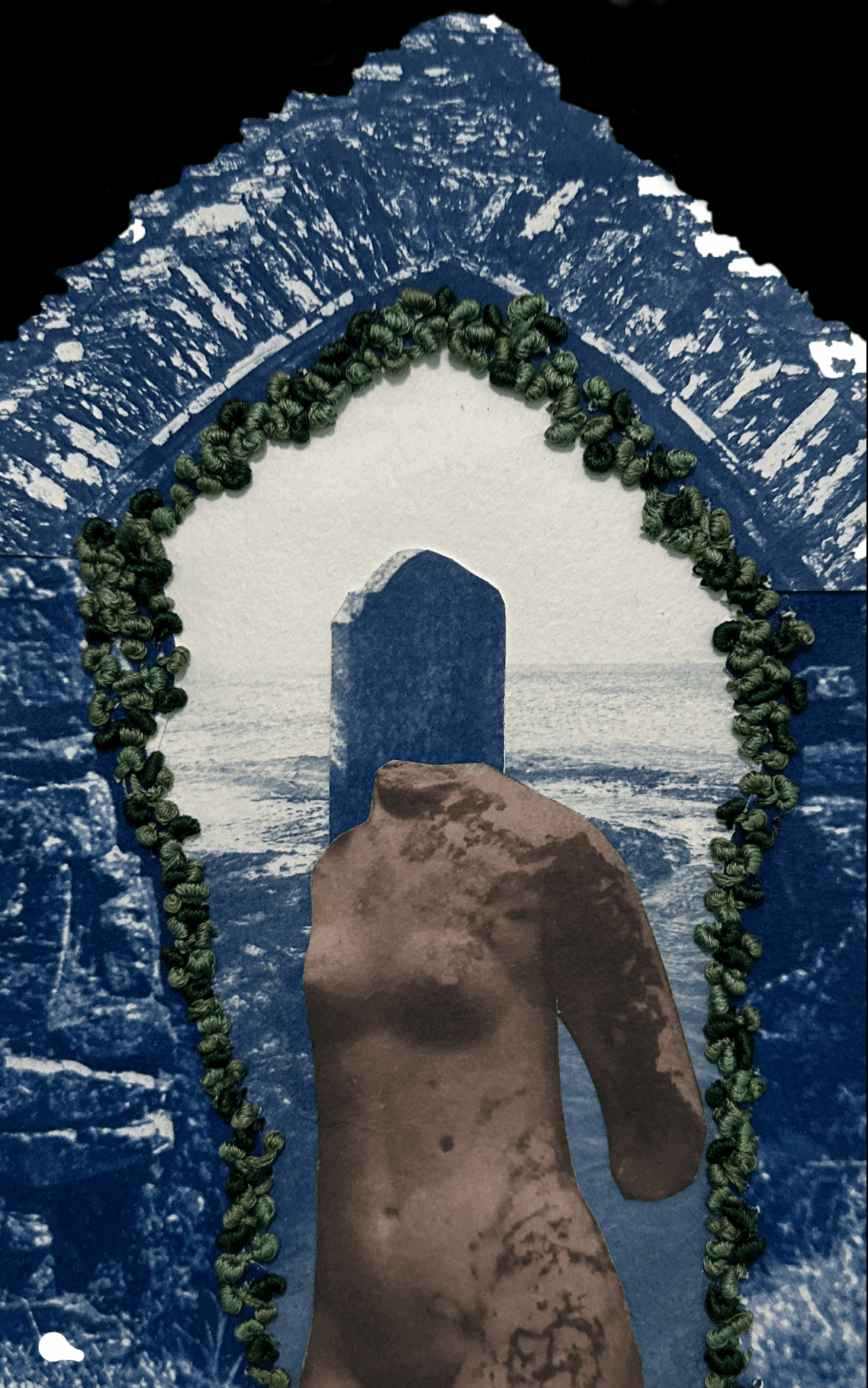
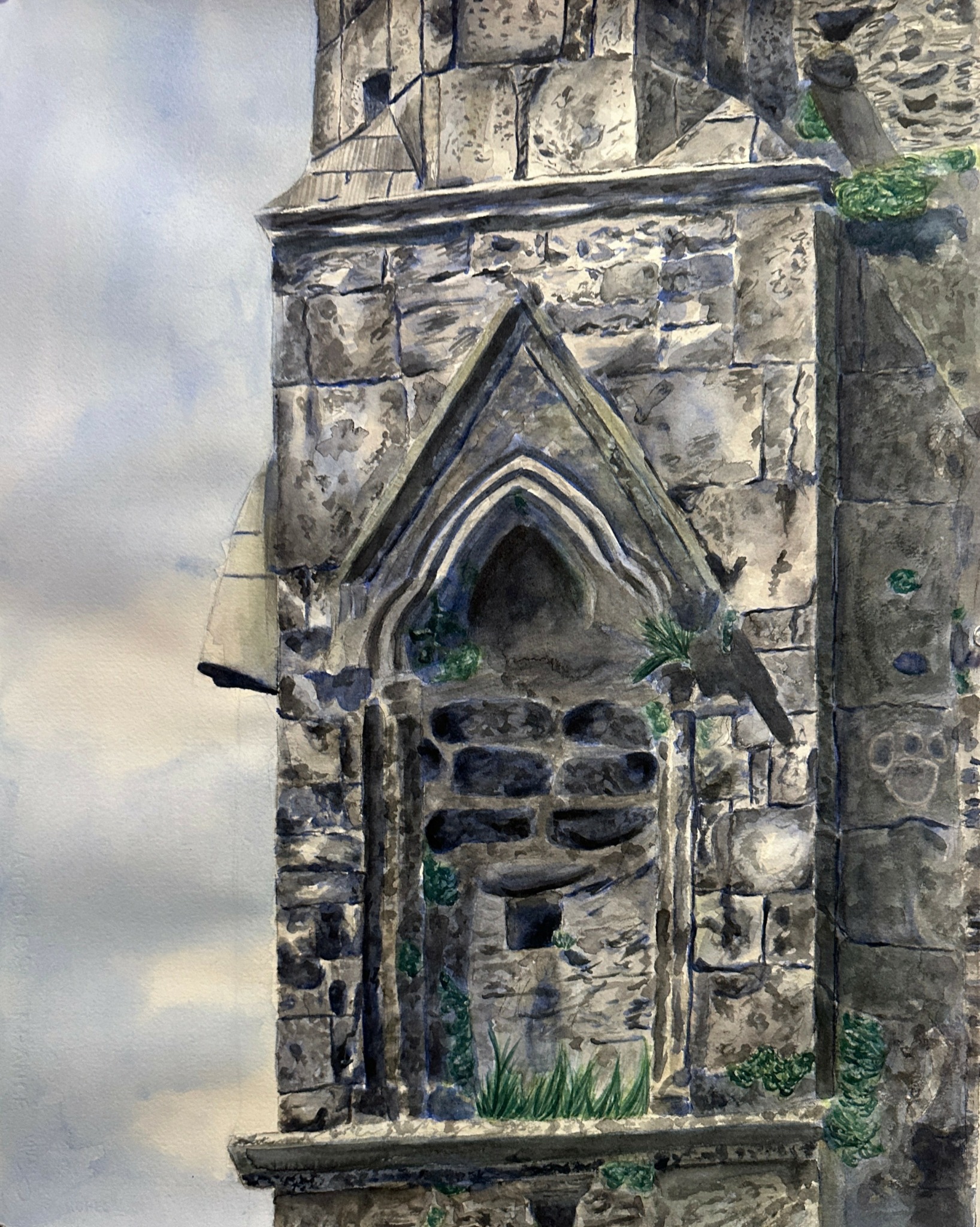
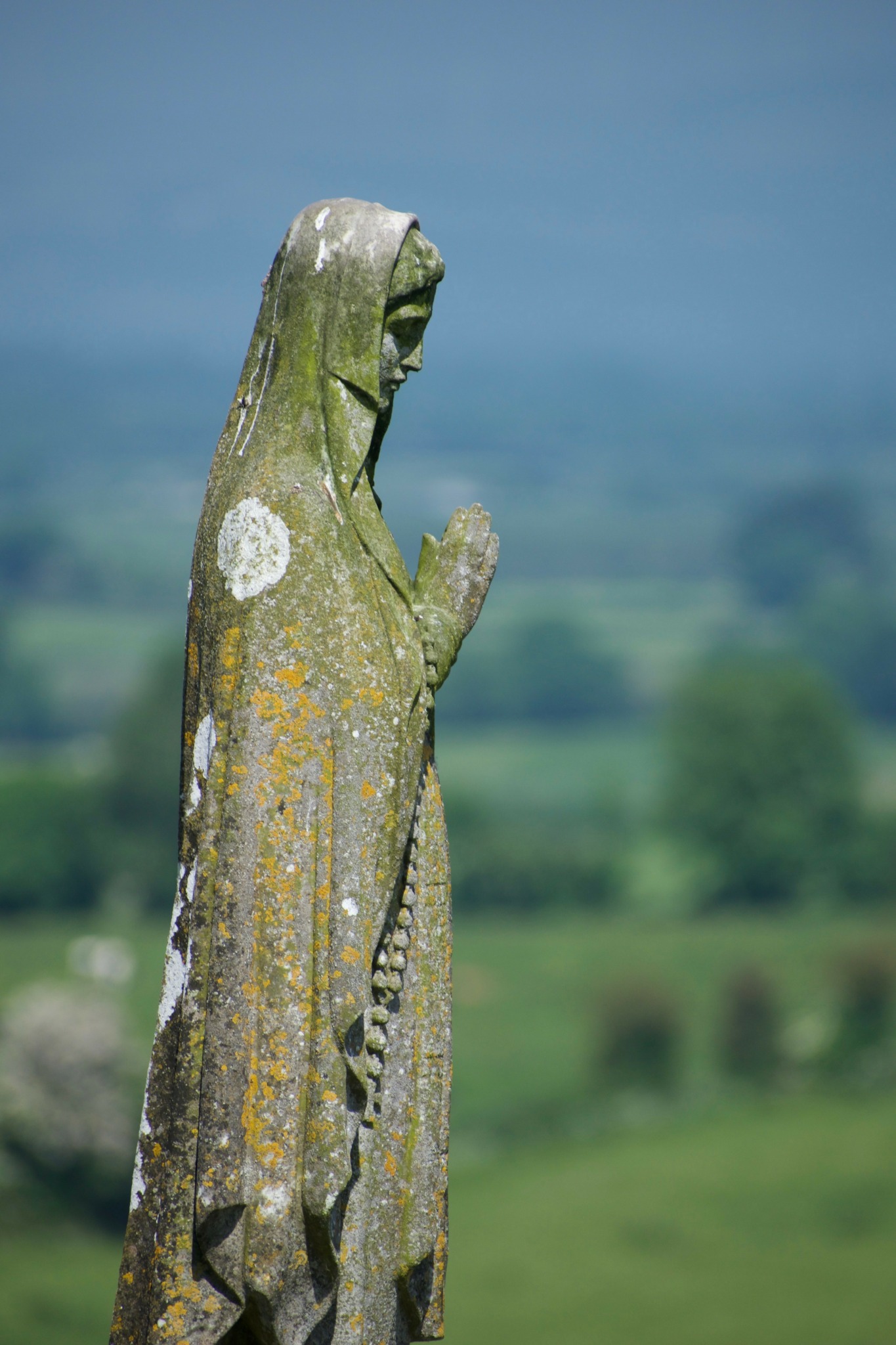
A few months after getting my camera in December 2019, Covid hit, so I was left with only my home and backyard to photograph. Due to limited subject matter, I fell in love with photographing details as well as nature. As bad as quarantine could be, it gave me a unique environment to practice and develop my photography in. Once we transitioned back to a more regular life post-Covid, I found myself still very interested in nature photography. As I began college, I quickly fell in love with my art history courses. Once travel became a viable option again, I took every opportunity I could to visit museums and photograph there. I also went on a study abroad trip with my university’s honors college to Ireland in Summer 2023, which cemented a lot of my artistic interests. We had to conduct a research project while on our trip, and I explored the experiences of Irish women within Christian settings throughout history to see how women’s roles in Irish Christianity evolved over time. This research prompted me to think a lot about my own religious experience, and I began creating art that reflected the combination of these experiences. As I took more and more art history courses in college, I became very interested in religious art, particularly the use of nature as symbols for spirituality across religious sects. Currently, I am creating a lot of work that ties nature, art history, and religious theology and experience together, and I am interested in exploring art history references and nature elements as symbols for religious experience. Though I am a photographer, a majority of my work falls into the mixed media category. I love to use my photographs as the basis for mixed media work, often working in alternative darkroom processes, collaging, painting, embroidery, and beading.

Is there mission driving your creative journey?
In terms of concept, I have been creating a lot of art that discusses my experiences with religion. I’ve seen the cruel, hateful side of religion many times in my life, but I’ve also seen the loving, peaceful aspects of religion in different spaces. Seeing such different versions of the same religion can cause a lot of confusion and questioning. I find that creating work about these different spaces helps me to better process all of my thoughts and feelings about my different experiences with religion. When I have questions about religion, I often turn to art to help me work out those complicated thoughts, and it has become a way for me to explore and question my faith without feeling guilty. I also love using art history as a reference. There are centuries worth of art exploring religious qualms in all sorts of ways, and visiting museums and studying art history help me gain a better understanding of how religion is a never ending cycle of people questioning and reforming what they have been taught.
In terms of medium, I often create mixed media work. I find that the often lengthy process behind a mixed media piece gives me more time to understand the work I’m creating, why I’m creating it, and why the subject matter is something meaningful to me. I usually start with a digital image I’ve taken. Sometimes I’ll simply use it as a reference for a painting or print. Usually, I remake the image through an alternative darkroom process, such as cyanotype or salt printing, to create a unique, physical version of the digital image. Depending on the story I’m trying to explore, I may paint, embroider, collage, bead, or try some other technique to embellish the piece. Having these physical objects at the end of the process is very important to me. It’s a tangible representation of the story and the process.
In your view, what can society to do to best support artists, creatives and a thriving creative ecosystem?
I think one of the best things society can do to support artists and creative ecosystems is to listen to what artists are trying to talk about. We consume so much media all of the time that it’s so easy to miss out on something extremely relevant to you even when it’s right in front of you. We can find connections from our lives to others in the most random of spaces, and art is such a huge contributing factor to this connection. We are able to tell our unique stories without necessarily being there physically, and one small detail about our story could change the viewpoint of someone else we would have no connection with otherwise. So, when you have the opportunity to experience art, in whatever form that is, it is so important to do that. Not only do you support the artists work, but you might find a connection that refreshes your perspective on something.
Contact Info:
- Instagram: @arabellagbrownart @arabellagbrownphotography