

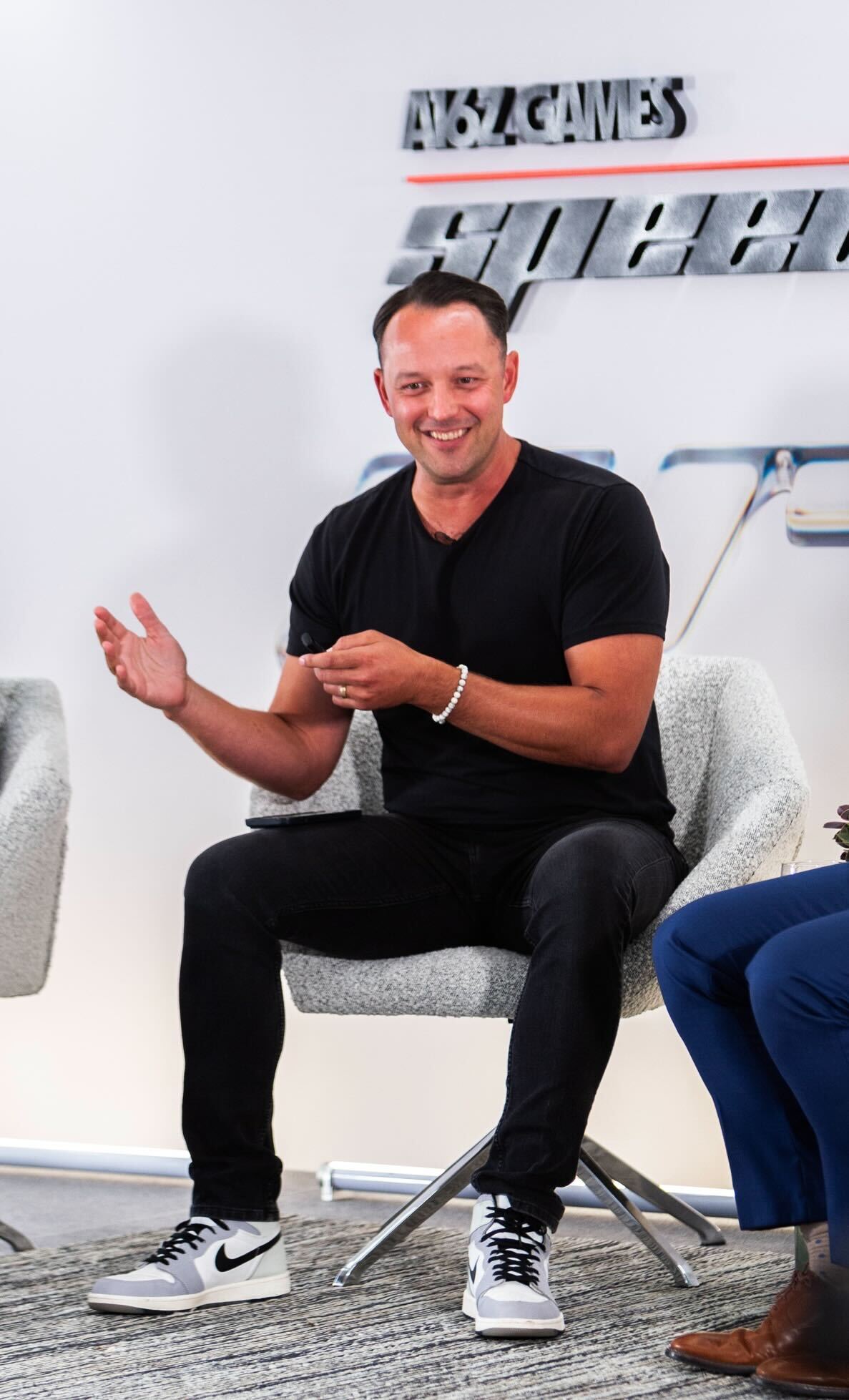

We recently connected with Eric Berman and have shared our conversation below.
Eric, appreciate you joining us today. Coming up with the idea is so exciting, but then comes the hard part – executing. Too often the media ignores the execution part and goes from idea to success, skipping over the nitty, gritty details of executing in the early days. We think that’s a disservice both to the entrepreneurs who built something amazing as well as the public who isn’t getting a realistic picture of what it takes to succeed. So, we’d really appreciate if you could open up about your execution story – how did you go from idea to execution?
My co-founder and I had worked together in a few past companies including a start-up OK Play, which was acquired by Dapper Labs where we worked on products with the NBA, NFL and Disney. During our experience together, we recognized we were incredibly complementary – Travis on all things product, game design and engineering and myself on all Business, Growth, Partnerships etc. So it really started with an alignment that we would be a solid duo. Our origin story comes from our experience learning the best way to build a products is to simply get it into consumers hands asap, then listen, learn and iterate from there. The only company value we hold sacred today is that “Feedback is a Gift!”
We huddled for drinks one evening to ideate on the idea. Travis had been closely monitoring the success rate of “daily games” with NYT Games / Wordle, Framed, Waffle and others and though the category was interesting. We focused our ideation around ‘waves’ across other industries, and clearly TikTok was the next big shift in media to short form video with attention spans getting tighter than ever. Media habits and trends come and go quicker than ever, so we knew we would need to build an experience that could constantly evolve and move at the speed of culture. We left that first ideation session coalescing around a Wordle meets TikTok like experience for consumers.
The very next morning I woke up to a simple text link Travis had text me. I opened it up to reveal a “strange image” — prompting me to “guess the image” — our very first Lil Snack game, which is now called “What The?!” Travis had built our first prototype the evening of our first convo about starting a company. Without thinking twice, I started to wildly share the link and game with everyone I suspected would enjoy it. Folks started playing, they enjoyed it, they had lots of questions but most important they had FEEDBACK. I collected that feedback, passed it Travis, he would quickly iterate, add more games, more features, and just improving the experience daily. In addition, the games stared to make their way to larger audiences organically through or blossoming community, in addition to finding our own ways to get to larger partner audiences via partners who were excited to deliver our daily games to their audiences like Amazon Prime Gaming, Buzzfeed, and others… to level-up their daily engagement and retention. Our entire company culture, and product development is deeply connected to consumer feedback, quick iteration cycles and simply focusing on the fun-first. We do our best to not over-think and just continue to make the product a lil bit better every single day.
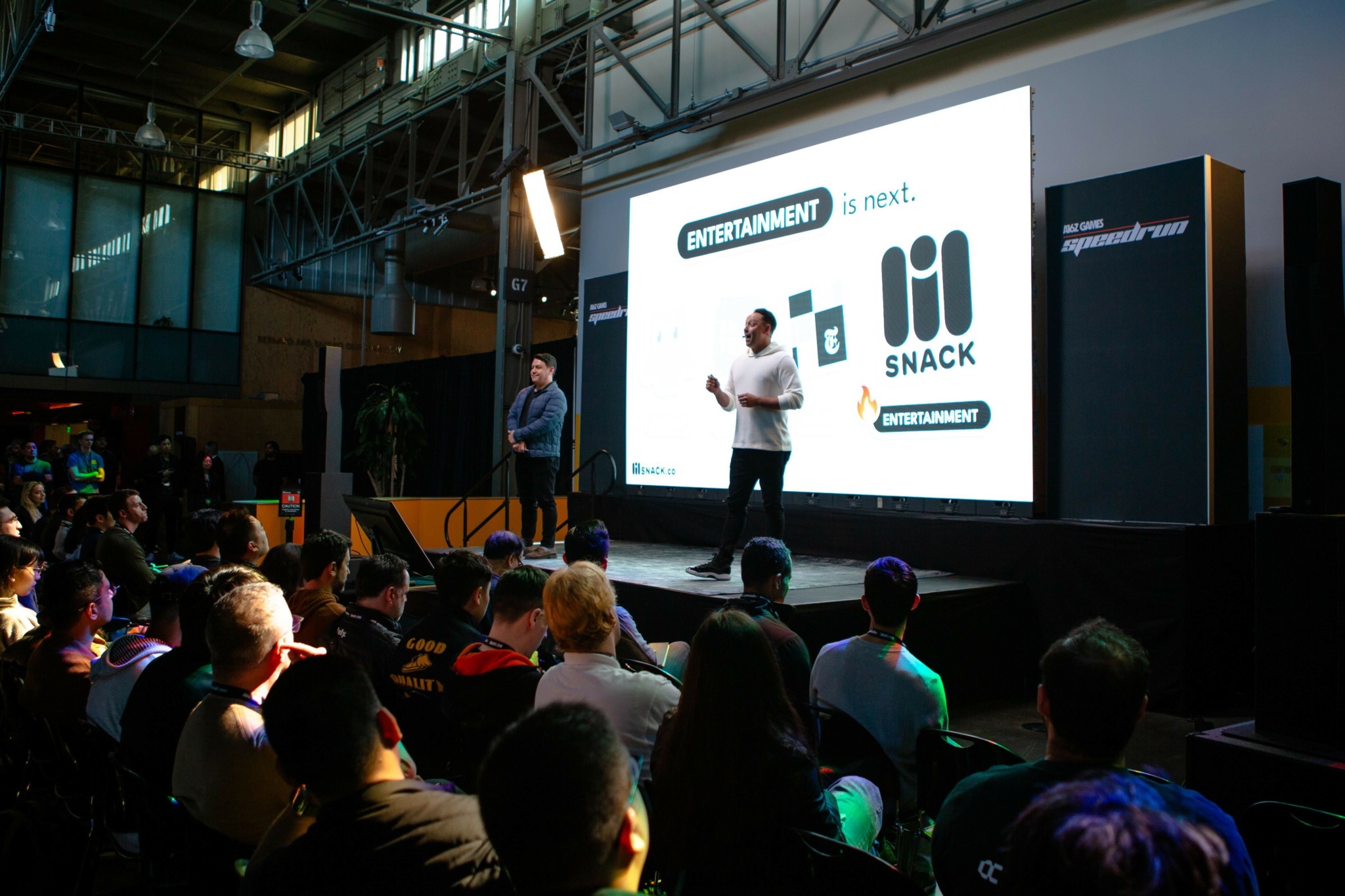
Our willingness to build in the open and share our games to our network lead us to Andreessen Horowitz and their new games accelerator Speedrun. We joined the program a month after launching the product and incorporating the company. We went heads down with the team, which culminated with a Demo Day Presentation at GDC in March, where we closed our Seed Round that week with incredible investors alongside a16z including Lerer Hippeau, Waverley Capital and Powerhouse. Their support, guidance and capital empowered us to move even quicker, make the the product better, add more games and hire two additional members of our team in Kaelyn Suh (Software Engineer from Blizzard) and Tanner Greenring (Head of Content) who lead quizzes at Buzzfeed for over a decade.
We remain more heads down than ever, continuing to drop new games every single day, actively engage with daily players to collect feedback and improve the experience and focus on simply making the product as fun as possible.
Eric, before we move on to more of these sorts of questions, can you take some time to bring our readers up to speed on you and what you do?
I started my career at Hulu during the wave that of streaming video, as part of the launch team of the Hulu Plus subscription service, then joined the The Chernin Group as they acquired Crunchyroll and other streaming services which we eventually sold to Warner Media and HBO Max. Being at he frontier of media and technology is special, and when you can catch the right wave there is nothing like it. We believe the daily game phenomenon is positioned to become the first major interactive media format to truly reach audience at scale, and the emergence of AI will empower su to move quicker than ever to build an experience consumers love. Building a product that blossoms fans is so special. The direct to consumer space is harder than ever, but if you can break through the noise your audience and community can become the strongest growth lever.
Combining my experience in media with Travis incredible backgrounds in games from designing top Mobile Games at Scopely, to working on Guitar Hero, Call of Duty, and of course at Snap leading the AR program. We both love building for consumers, and pride ourselves on being early to waves.
Any advice for growing your clientele? What’s been most effective for you?
We started with hand to hand interaction with our consumers. When building from scratch we believe it’s the moment to do things that do not scale. In success we can build systems and processes, and Travis and I know that stage of the company as well — but for us it’s collecting as much honest feedback as we possibly can, creating ambassadors, catching the smallest minute pieces of feedback and taking swift action to improve. This is our core focus with our daily players — we started with the contacts in my phone, and slowly friends, family and colleagues started sharing with their networks, then slowly we had inbound interest from creators, publishing companies, media companies and even brands that were interested in our lil daily games.
We have been able to up-level to larger established players who over the past decade or two on the internet have amassed large audiences — at this moment the name of the game on the internet is RETENTION. We designed our games to drive daily engagement and repeat daily come back behavior / retention to come and check out the new set of games. Now, we have been able to offer this efficient super power to other companies looking to entice their audiences with something new and fresh every day, and then can convert them to other products or purchases. We’ve partnered with Amazon Prime Gaming, Buzzfeed, Pepsi Co / Cheetos, Goodles, Spin Magazine, Moonbug, Tastemade, and various creators across YouTube and Tik Tok, customizing our games to help these folks to activate stronger daily retention and engagement. It’s been a win-win, empowering Lil Snack to further cultivate awareness with non-gamer audiences for this new emerging media format — Daily Games!
What’s been the most effective strategy for growing your clientele?
Build systems that scale.” We have found success leaning in into initiatives that do not scale, at this early stage. Being scrappy, creative to not expend capital, and working to jump on existing waves empowers us to collect lots of mini-data points that we can bring back into our product and quickly evolve our strategy and offering. We are hunting for mini-signals and when we find them we double and triple down on what is working, and quickly evolve and stop working on items that are not. We’ve had to force ourselves to become egoless, despite success we have had in other roles — it’s meaningless. We are focused on relentless learning and iteration. Building a product that we are stepping up to deliver new content and experience DAILY is a game changer. Weeks feel like quarters, and months feel like years. It’s an incredible forcing function to move swift, be relentless and prioritization and communicate constantly as we collect learnings and data points. And best of all we have cultivated a culture where flexibility is PARAMOUNT. What we are focused on today, will likely change tomorrow, and our team is not only OK with that but they welcome it. Systems are a waste of time for us at this phase — the relentless focus at chipping away at this giant iceberg of an idea, refining our focus daily, listening to consumer feedback and taking shots at initiatives that do not scale empowers us to get better every single day. We are betting that we’ll be able to zoom out in years time and outpaced incumbents to deliver a product that consumers love, because in the end it was really their collective idea. :)
Contact Info:
- Website: https://www.lilsnack.co
- Linkedin: https://www.linkedin.com/in/lileric/
Image Credits
A16z Games Speedrun