

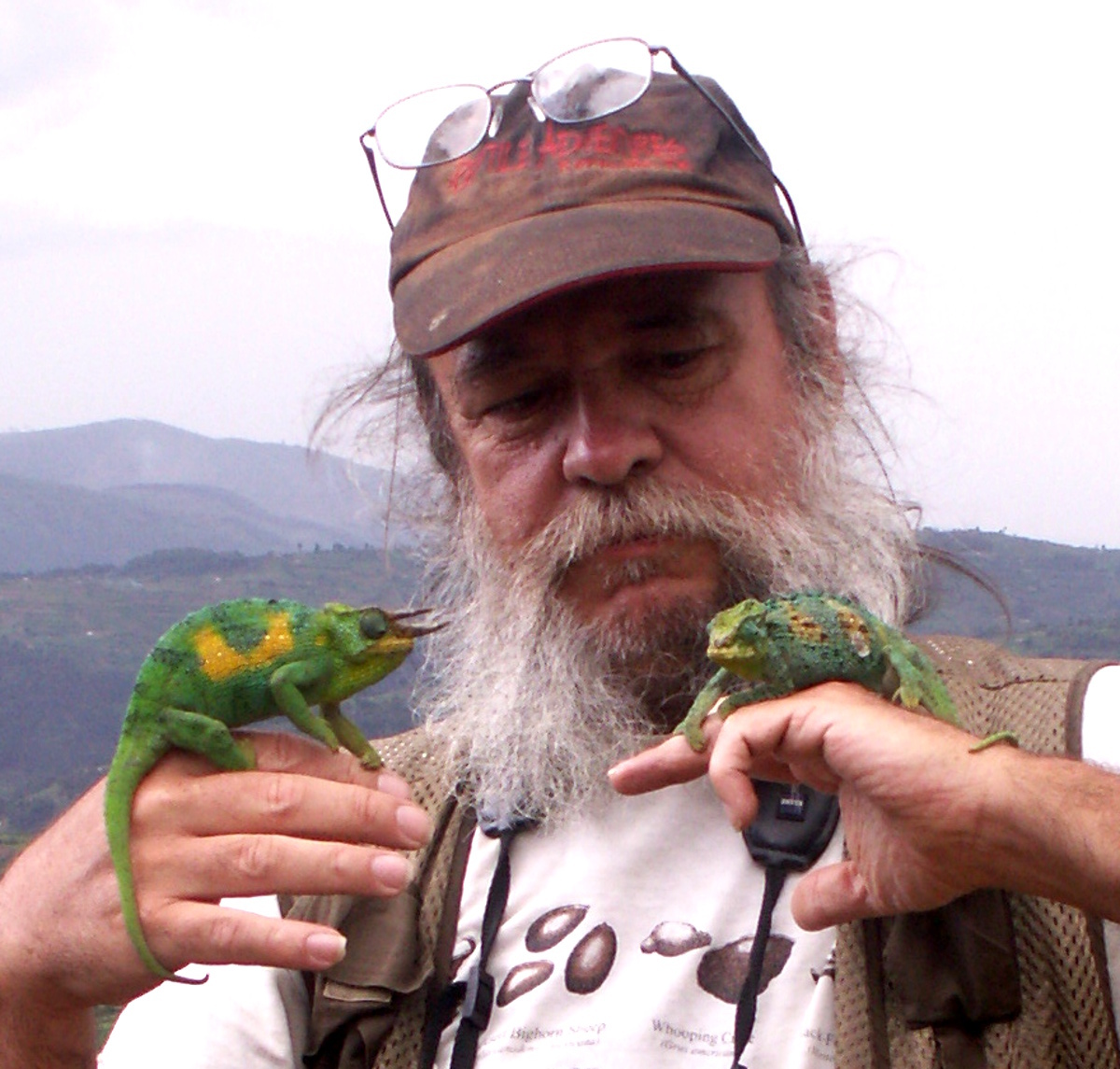

We were lucky to catch up with Carel Brest Van Kempen recently and have shared our conversation below.
Carel, looking forward to hearing all of your stories today. What’s been the most meaningful project you’ve worked on?
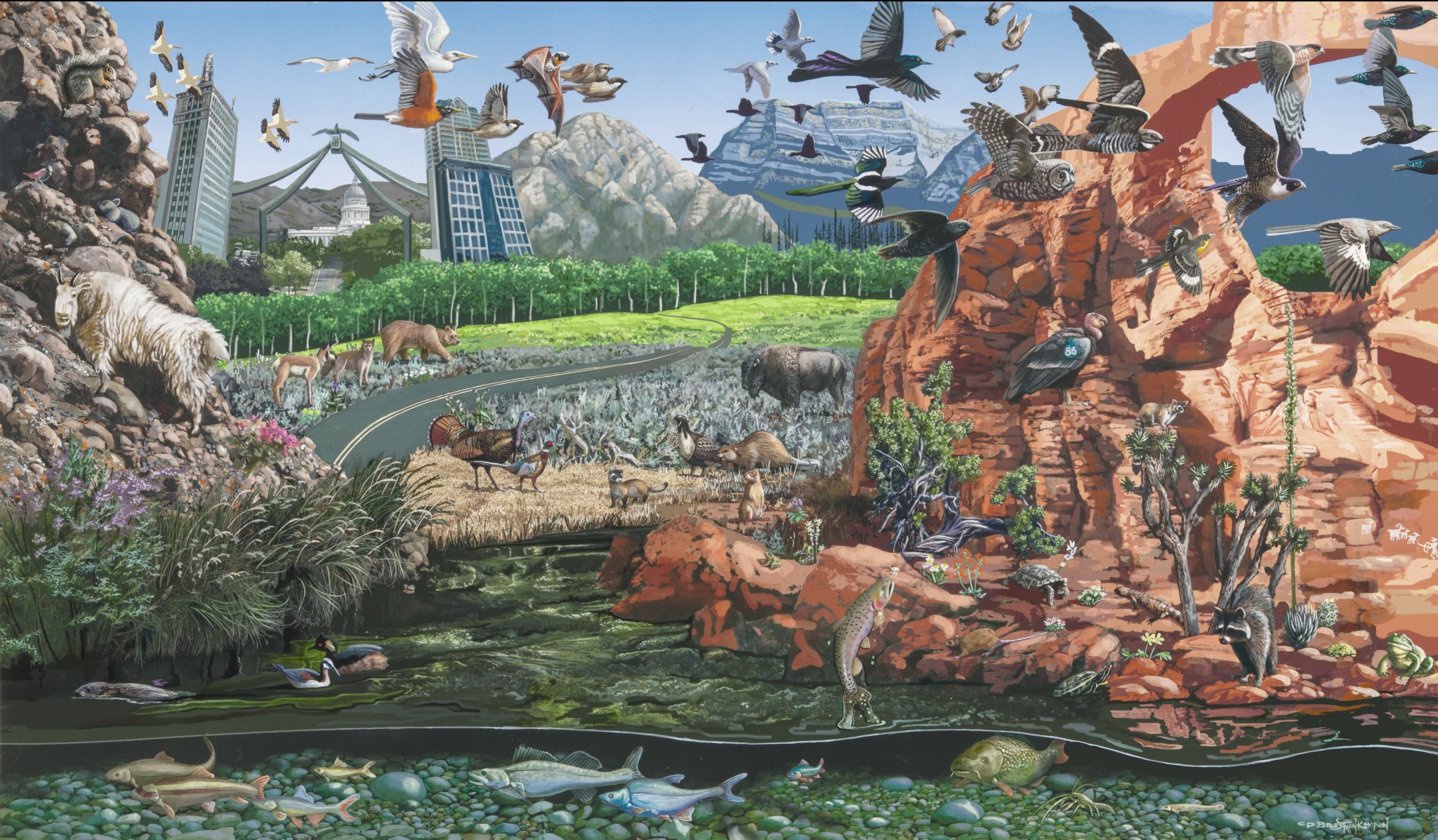
I’ve recently taken on two projects that I feel are particularly meaningful. The first one was a commission I won in 2021 from my home state of Utah, which wanted artwork celebrating the 125th anniversary of statehood. I proposed to create a painting illustrating the ecological changes that Utah has seen over the past century and a quarter. I was very gratified that they accepted the proposal, and even more so when I learned they were preparing a space for it, along with the explanatory text I wrote for it, in the new State Museum that’s currently under construction. It’s my hope that this painting and its text will help deepen many people’s awareness of the ecosystem that surrounds and supports all of us.
The second project is one of my own that I’ve been working on since about the same time: a comprehensive illustrated field guide to the birds of Utah. I expect to have it completed in a couple more years. I’m doing my best to make it a useful tool to help the people of my area explore their natural surroundings.

Carel, before we move on to more of these sorts of questions, can you take some time to bring our readers up to speed on you and what you do?
I’ve been a professional artist for about 35 years now, and my mission in that discipline has always been to try to deepen awareness of the natural world, and to inspire viewers to think about nature and their own relationship with it in new ways. My twin fascinations of art and ecology have been important parts of my psyche for as long as I can remember; I have a strong compulsion to try to make sense of the living world around me and how it functions, and I’ve found that drawing helps me crystalize my thoughts and impressions based on what I’ve seen. I was not a precocious kid, and it always seemed like my limited skills at drawing and painting would keep the possibility of a career in art out of my reach, but in my late twenties my skills suddenly rose to the point where such a thing seemed possible. At this point I put all my energy and focus into trying to build a body of work and to get it seen. After about three years of this, it became apparent that art wasn’t paying my bills. My belongings were either given away or put in storage, and on March 31, 1992, I returned my keys to my landlord and moved into the 1967 Dodge van that would be my home for the next three years, at which point I had enough income to rent a room in a friend’s basement, and a couple of years later, to buy the house from which I now type this story. That original mission of deepening awareness of the natural world has not waivered, and as Human impact on nature increases and our participation in our own ecology diminishes, so does our capacity to make good decisions about our future coexistence with nature. For that reason, I feel good about the profession I’ve chosen.

We often hear about learning lessons – but just as important is unlearning lessons. Have you ever had to unlearn a lesson?
For a long time I was afraid to tackle an ambitious project that seemed beyond my capacity to do it masterfully. The thought of spending a couple of months on a painting that would end up failing seemed a terrible waste to me when I was young. I was focused on creating masterpieces before I was capable of creating masterpieces. I should have been focusing instead on learning how to paint masterpieces, and there’s no better way of doing that than trying to reach beyond one’s technical grasp. It was when I made this realization and started taking it to heart that my technical growth as an artist really began.
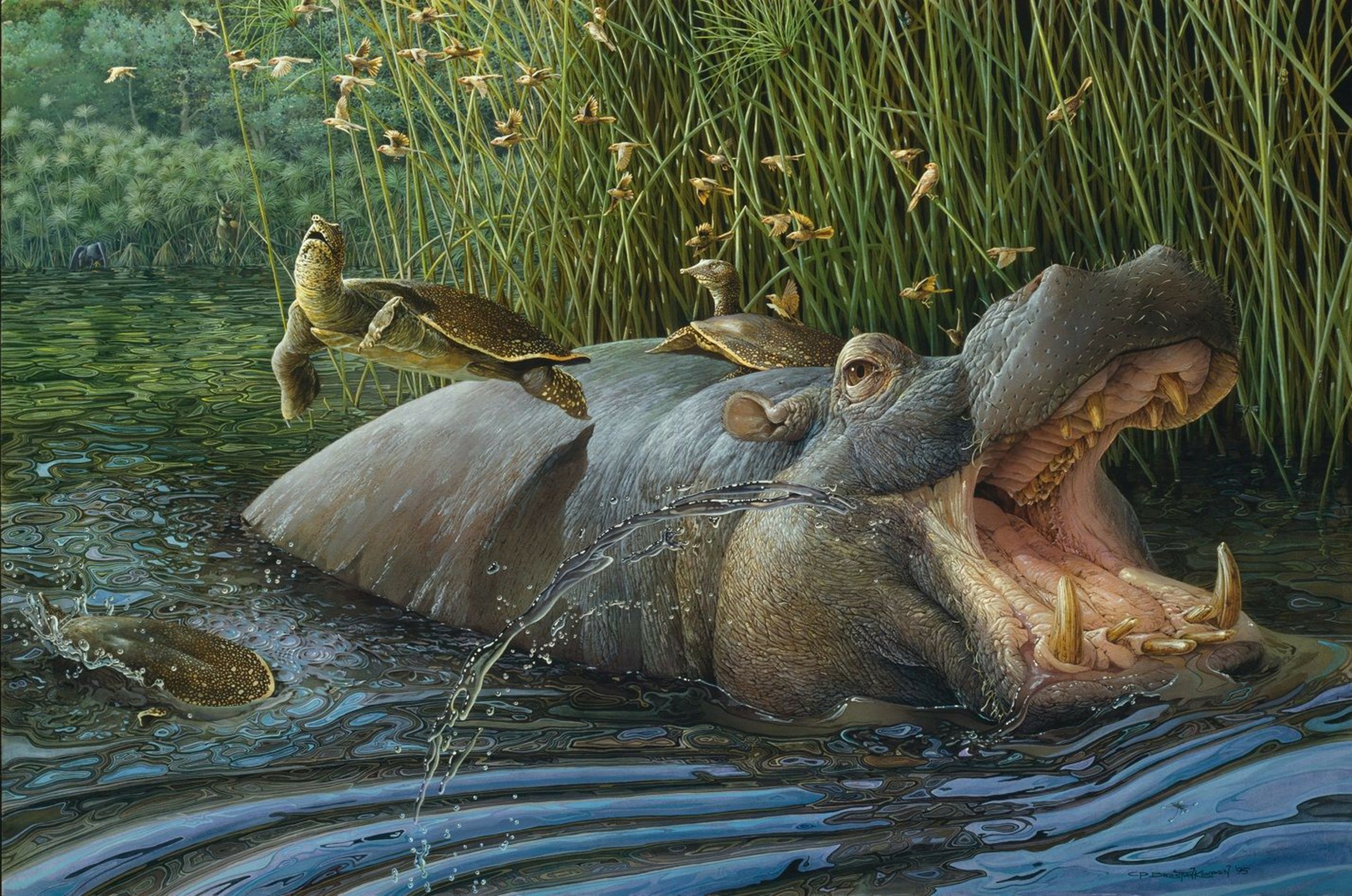
For you, what’s the most rewarding aspect of being a creative?
For me, the most rewarding aspect of being an artist is when I learn that a painting has had a positive impact on another person’s life. It often seems like a silly pursuit to devote one’s life to applying dyes to pieces of cloth and paper, but whenever I hear from someone whose life has been made better or a bit easier, and it’s meant enough to them to reach out to me, it all seems worthwhile. On the more selfish side, the life of an artist is one of doing exactly what you want; letting whatever notion strikes your fancy lead the way. There’s nobody telling me what to do, when to do it…no bullying or gaslighting. Most people spend much of their lives doing things that mean little to them, and have to put up with a lot of abuse in the workplace. I seriously don’t know anybody I’d want to trade lives with. The only downside I see to the life of an artist is the fact that you have no idea when your next paycheck is coming. I either feel like a pauper or a king, and tend to spend accordingly. After 35 years I’m starting to get the hang of dealing with this, but only starting to.
Contact Info:
- Website: https://www.cpbrestvankempen.com/
- Instagram: https://www.instagram.com/hydrocorax/
- Facebook: https://www.facebook.com/carel.vankempen/
- Linkedin: https://www.linkedin.com/in/carel-brest-van-kempen-09a7b72/
- Twitter: https://twitter.com/CarelBvK
- Youtube: https://www.youtube.com/@Hydrocorax/
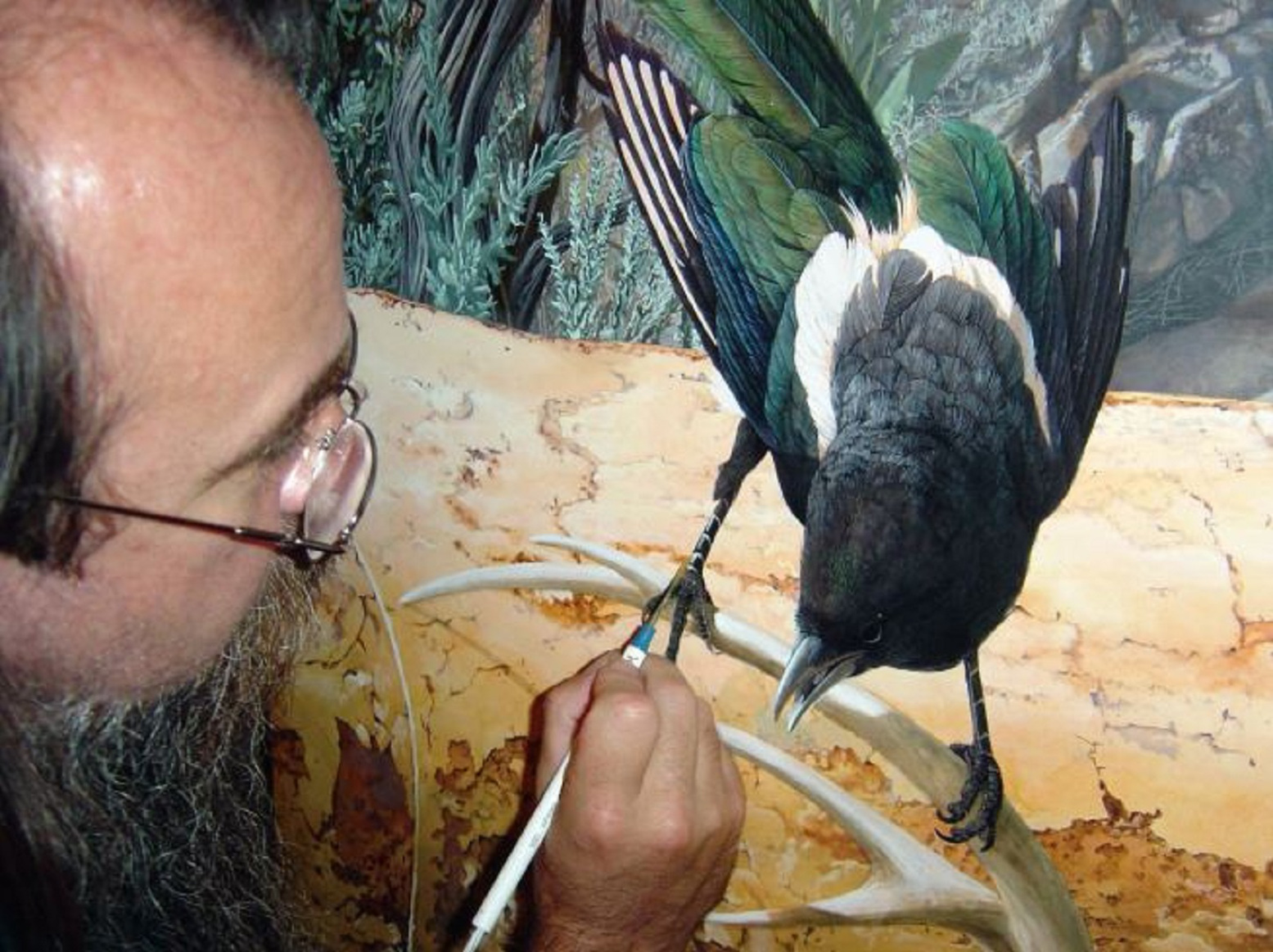
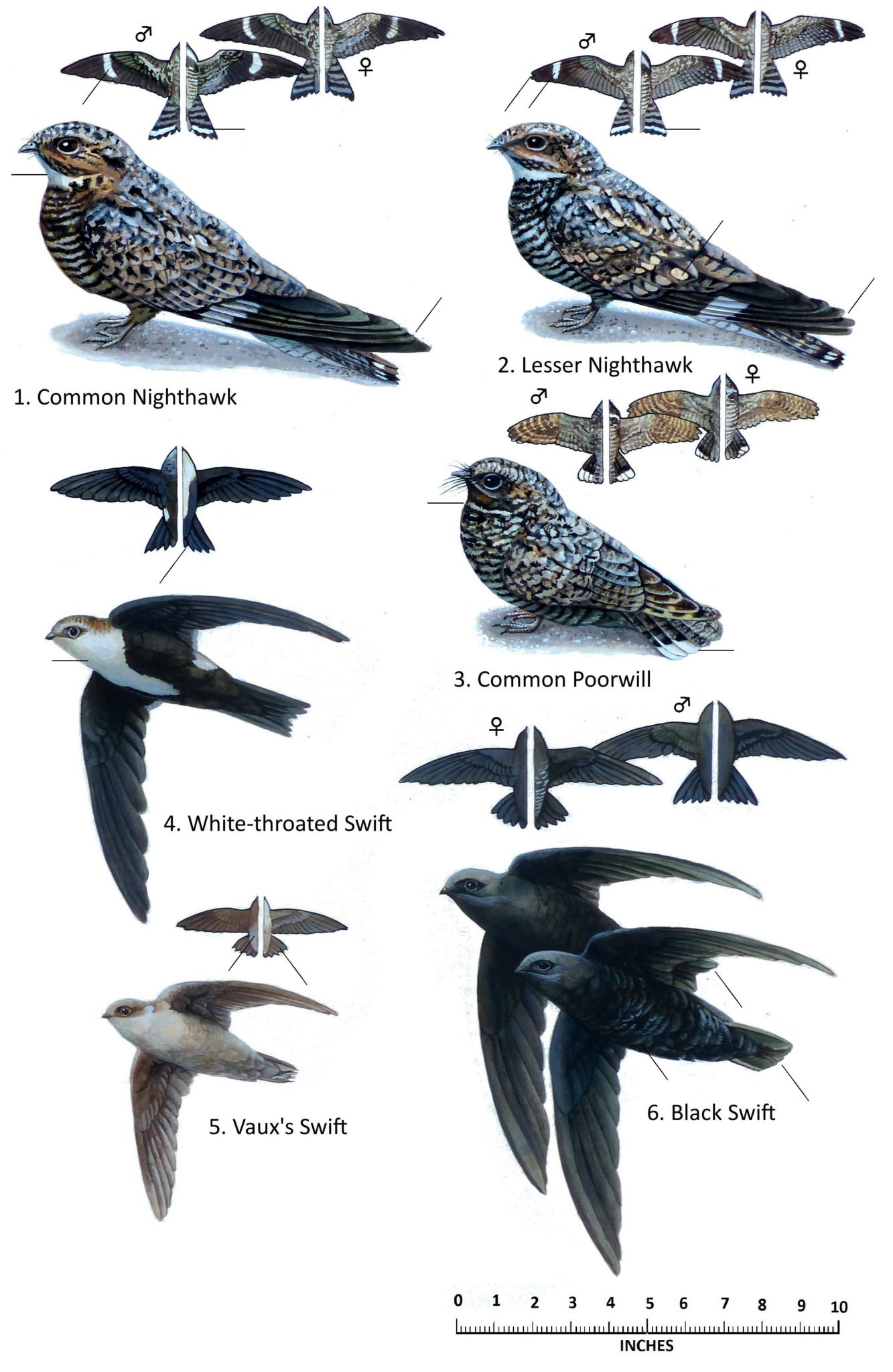
Image Credits
Jim Pether
Melissa B. Jones