

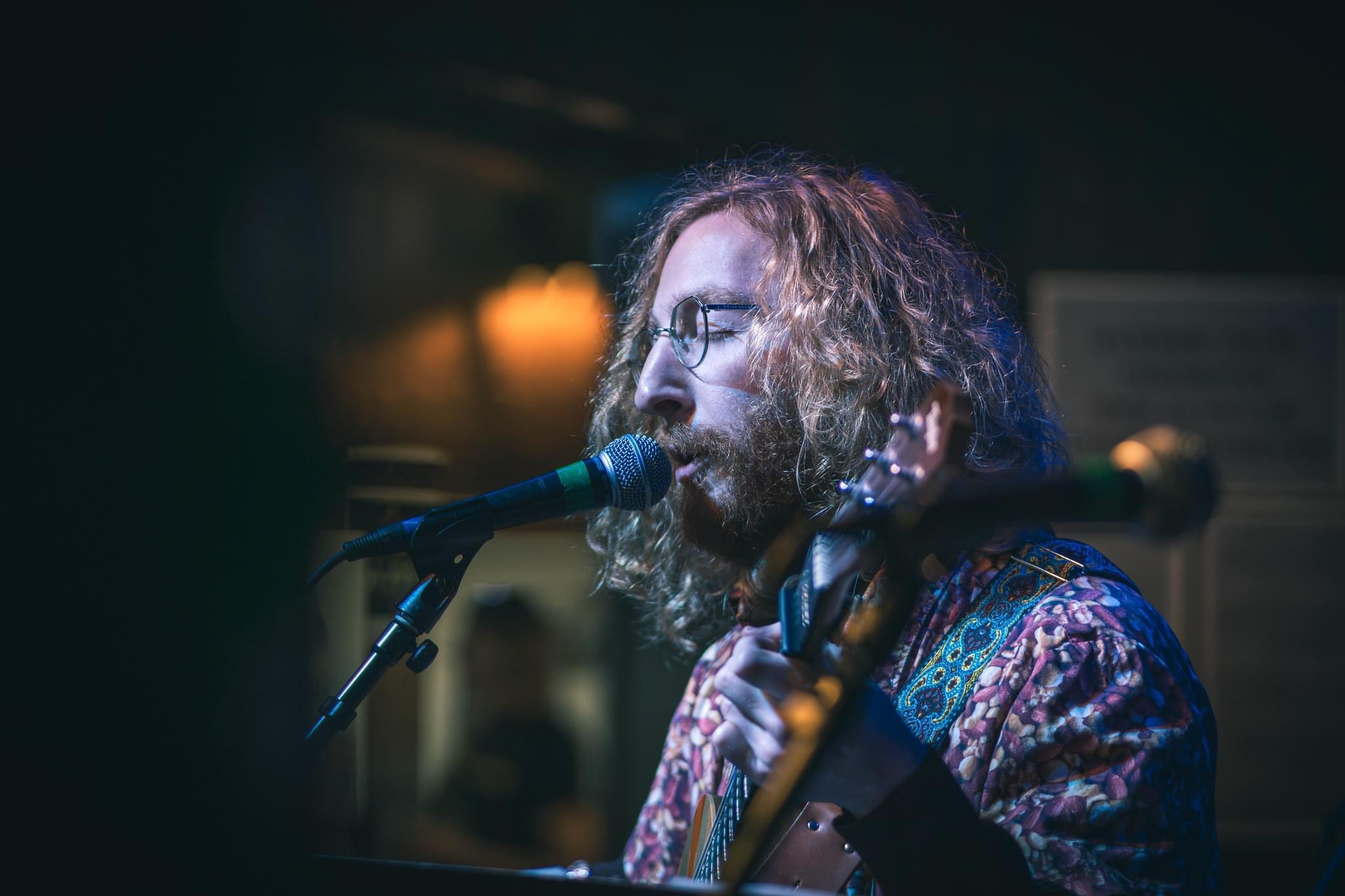

We caught up with the brilliant and insightful Graham Albright a few weeks ago and have shared our conversation below.
Alright, Graham thanks for taking the time to share your stories and insights with us today. Can you tell us about a time that your work has been misunderstood? Why do you think it happened and did any interesting insights emerge from the experience?
I feel as if the role that cried out to me in my first creative moments in music as a songwriter is often misunderstood or mischaracterized. There can be a lot to deduce from a few short stanzas or a simple rhyme scheme. That’s the practical beauty in the words we share in prose (who they touch, no one knows).
It’s almost the point, but to say it is the point would defeat the purpose in writing new words on documented or revisited feelings. Like a Je ne sais quoi or avant garde we as writers and listeners experience that is constantly redefined by our experiences, relationships, moods and surroundings.
There have been countless moments I’ve finished a set – namely solo sets. That’s where people really see your verbal heart on your sleeve. Not much to hide behind other than a single instrument and the timbre of your own voice and diction – where people have approached me with tall claims as to what other artist I sound like, an endearing reflection of what image came to mind with a certain lyric, etc. Hell, I’ve been called “Punk Zappa” at times early on in my career.
Do I take it as some curt display of ignorance? Like I’m so complex, mysterious or on the inside of my own experience that I deserve to wallow in “how dare what I showed an unsuspecting public at a farmers market be taken in that direction”? No.
If I were to reflect like that – and I haven’t always been this clear-headed as a performing artist – I would be failing someone who felt connection with what I do, and more importantly I’d be failing myself as a writer. That just creates bad writing; writing for the impression you leave on others. That’s not organic. It’s so contrived it may as well have been written for someone else. Most writing is for the writer, shared with the world, bearing mutuality between the source and its audience. I’m proud my colorful autobiographical songs can be appreciated in any way.
Point in case: yes, multiple times and it’s okay. It means someone listened.
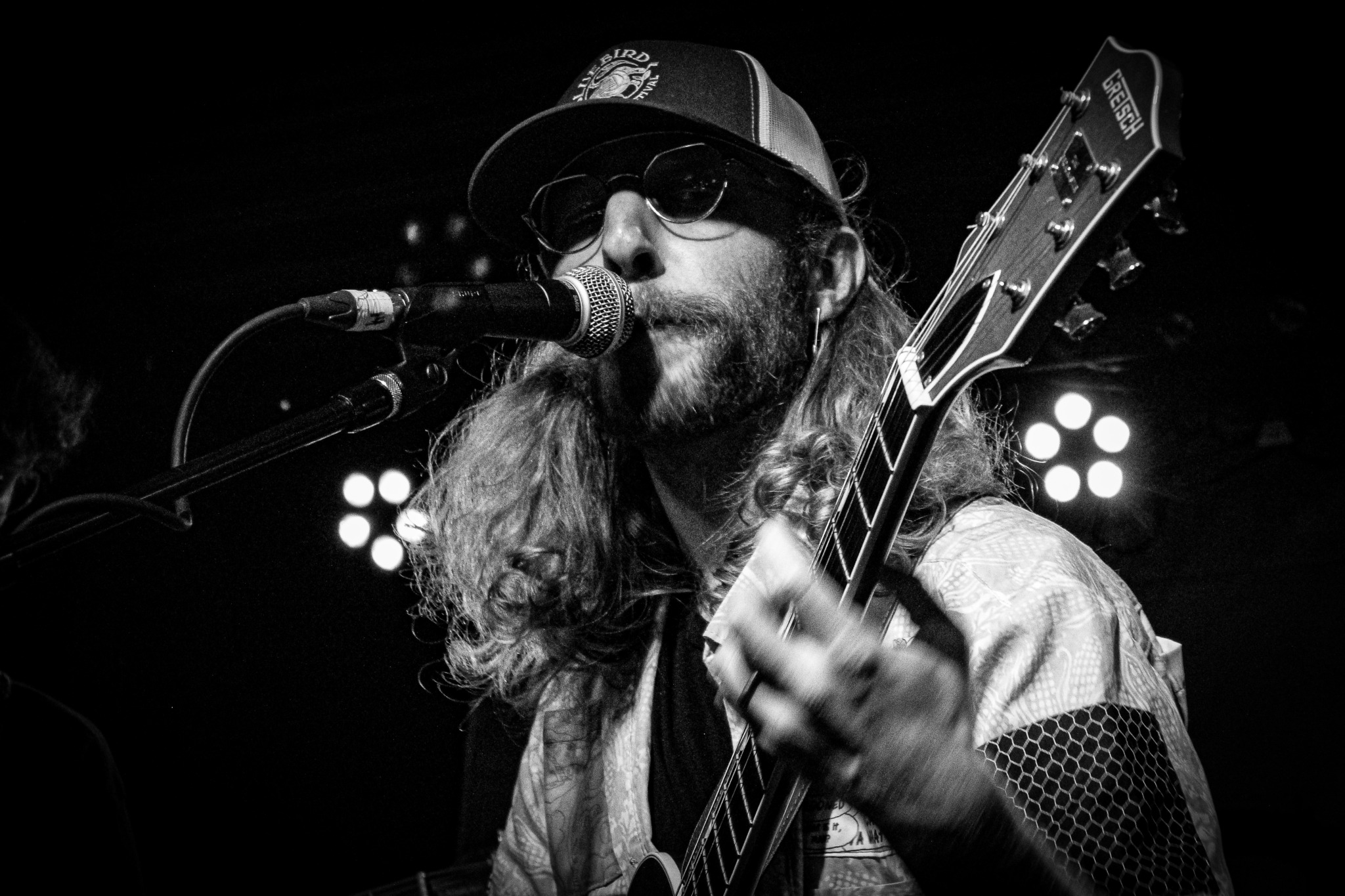
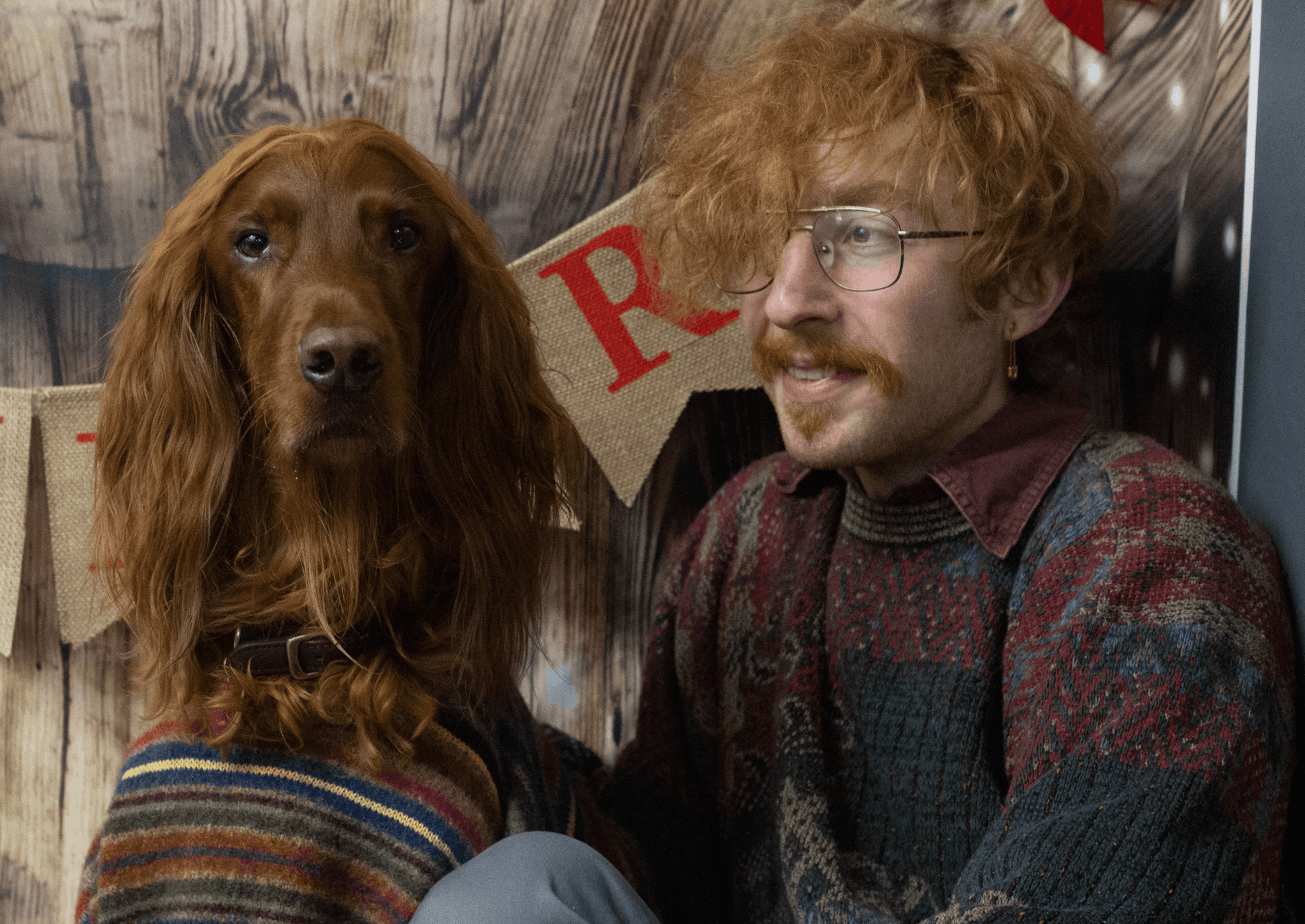
As always, we appreciate you sharing your insights and we’ve got a few more questions for you, but before we get to all of that can you take a minute to introduce yourself and give our readers some of your back background and context?
Hello, readers! My name is Graham. Is this too cover letter-esque? Should I restart? Okay, yes.
Hello, readers! Damn it! I did it again!
I’m Graham Albright, a guitarist songwriter and creative director from Pittsburgh, Pennsylvania.
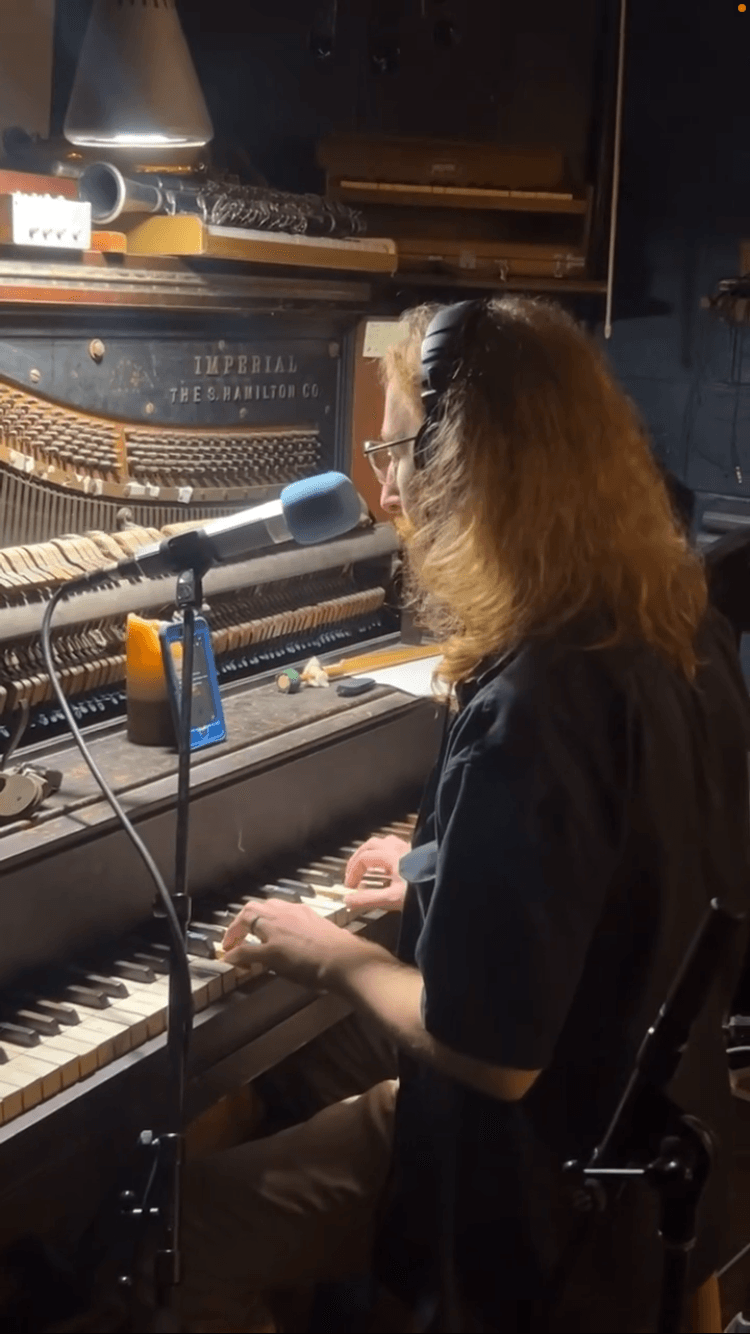
With a synesthetic appreciation for expression, I feel I’ve been in my craft since the first moments I could create. Was I activating my full artistic potential when I was cartooning in elementary school like some preteen Gary Larson? I sure hope not, but I like to believe with an autobiographical context concerning what I produce that creativity is a muscle and ideas can snowball pretty efficiently when it’s regularly exercised. There is a score in every book and a movie in every song. A good cocktail tells a story kind of thinking. When I was in some goofy music school in Boston, I had a difficult time deciding what major I was “destined” to declare. Songwriting in an academic context felt drab and remedial. Declaring guitar performance felt like I was gambling with the odds of looking at music as some athleticism wherein I’d directly compete with my peers. I decided to pursue arranging because music analysis felt like a kind of scientific method where you can be your own baker, cook or madman. One’s journey as a performing musician is always accompanied by the fact they must be well-practiced and I’ve never been much for attempting to write the perfect song (at least not in a world where “Marquee Moon” exists), but to capture my thoughts and feelings as fittingly as possible. Composition gives me the opportunity to embrace my natural imperfections with variety once I understand how certain musics work. South American music, for example, has loaded me with a world of roles for auxiliary percussion instruments; the bass too! Analysis flatters the geek in me and the amalgam of ways to blend genres or playing styles in an accompanying rhythm guitar part gives me enough sturdy ground to stand on each time I sit down to create.
I’m a writer and my product is songs, albums and shared live experiences. It’s as simple as it isn’t when you do a lot of the spearheading behind every production. In my music career, I have provided several different services: teacher, collaborator, songwriter, band leader, arranger, mix engineer, guitarist, vocalist, as well as a few others. Do I have a business card with super tiny font that lists all of that? Well, not anymore. Over the years I’ve been fortunate enough to learn these are just principles of being a good musician, or aiming to be one. It’s never quite clear: the anomaly when an expressive product is good versus “good enough” but that’s also what keeps me moving and active. If you look too far into it, you end up desaturating a lot of what you do, so it’s easier to look at it as a gift you have no choice but to keep around.
My clients are an audience willing to listen. I don’t know if I solve anything as much as try to lend a hand through the existential void of living in a world with too much information at all times. For my music network, I solve a lot at times. Preparing a recording session takes a serious, concerted approach in order to make the work that comes later easier in my case. I love writing for auxiliary instruments like string trios, keys and percussion. If I don’t prepare the song for other musicians to play over correctly, it can lose me a professional relationship when I look to record again. That said, some of my favorite records are all over the place (‘Apple O’ by Deerhoof or ‘Hi, How Are You’ by Daniel Johnston).
What am I most proud of? Probably the fact that I’ve been actively doing and pursuing this most of my life at this point. The albums I’ve recorded, produced and released aren’t just a sequence of ornery emotional growing pains of my former self onward, but also lessons in my life at which to look back in order to try something new and different each time I write a song, or record and sequence a new album, or play another big show. Somewhat deluded, but these measurements of effort are small totems of success that have built me up to understand when done carefully and authentically, the music I make can have a live string trio on stage with my current band, Beach Boise, ID, or that I could perform “Mama Mia” by ABBA amidst a set of psychedelic punk music with quartet, BILLY BALDWIN. My journey has been well-accompanied by massive failures. Fortunately a lot of them have been privatized or they were so obvious I could quickly rebound and learn what not to do, or how not to do what I love. I’m thankful for those failures. They have built me into the artist I am. Concerning my creative endeavors, it’s not so much a “hot stove” metaphor as much as it is a “not quite yet” lesson. Tracking a drum set to a full orchestra recording of an original arrangement might have been a little lofty when the judgment call was because COVID-19 happened. But hey, you live and learn. I’ll wait until Jeff Tweedy gives me a call to consider failure on a more binary basis. Does anyone have his number? I’m asking for a friend. Yeah, a friend.
I would like to mention again that I write for and operate a band called Beach Boise, ID. The song content ranges from identifying mortality to metaphors of Icarus-like personalities in small music scenes to my awkwardly-professed love for my television. I think what sets me apart from other artists and bands of similar scenes is the time I take for my audiences. If I give my authenticity in an open, responsive way and create an experience worth sharing, I get a lot back from those I was lucky enough to share it with. It’s the beauty of vulnerability. I love learning and being reminded through performances and the music I share, that despite my neurodivergence, I can have a neuro-dynamic bond with people. I’m lucky to have stayed an artist after all these years. It will always be a genuine piece of me. Stream ‘The ADHDTVEP [Attention Deficit Hyperactive Definition Television Extended Play]’ on your service of choice.
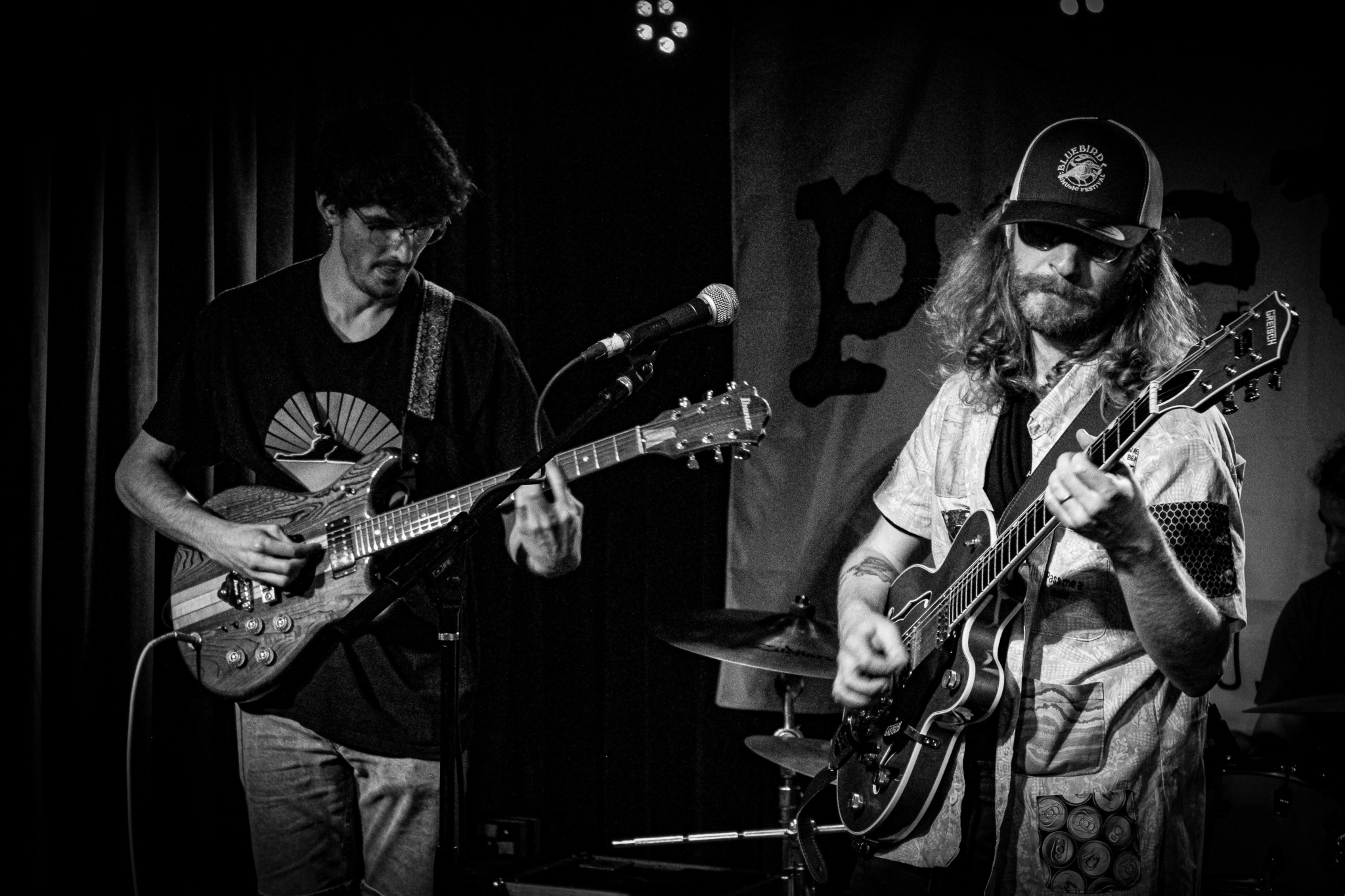
We often hear about learning lessons – but just as important is unlearning lessons. Have you ever had to unlearn a lesson?
There is only so much you can write about your problems before having to take accountability for them. I have written many a song about my struggles and realizations with alcohol. Looking back, I think it’s what stagnated some imperative creative development and what drove me mad trying to find the perfect words to describe/relive my addictions and faults. By the time I’d written the tune, “There’s No Such Thing [As Just One Drink],” I realized I’d capped myself out on my own capacity for a recurring issue and if I didn’t help myself I’d become a monochromatic caricature of someone pining to be understood when as an artist, I wanted a shareable experience that can afford to deliver some hard news.
A greater takeaway might be to not torture yourself and get the help you feel you need when you feel you need it. Life is too short to be a recurring soap opera. If you’re able to accept and endure change, there’s some good views to take in; to see a little beauty and put to use, even if they’re first cast through the lens of negative feelings. No one needs to be their own martyr and perspective is earned.
How can we best help foster a strong, supportive environment for artists and creatives?
I say this with no ill will toward hard working musicians who have earned their break, but in response to the red carpet phenomenon that ironically inspires people to make art. Take moments away from the musics that create $1,000 ticket prices. This is a near $29 billion grossing industry each year with streaming accounting for $19 billion of that. And there is more available for listening now more than ever. Spend some time soul searching for something new; something unanticipated; something unique and genuine to your ears, heart and soul.
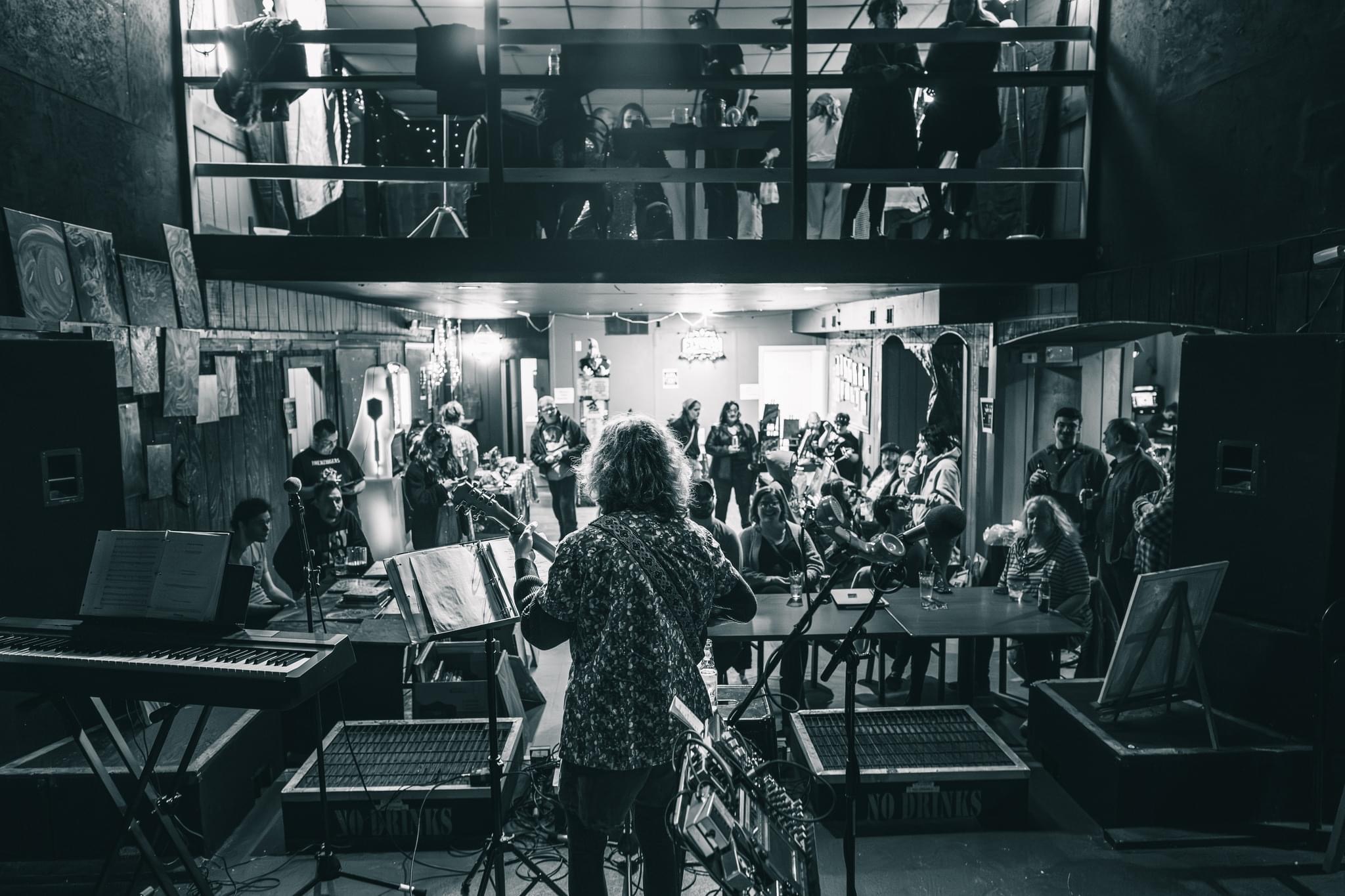
There is a history behind all music and there’s an artist worthy of hearing in every song. Take chances with live music in your town. Get to know your space and look for opportunities to support the small venues that work year-round to showcase the talent in your area and bring entertainment to you. The pandemic wiped so many awesome places off the map, and without those venues the monopoly of the live music industry has a greater opportunity to shove a homogenized, generic “Billboard Top 100” act to the arenas whose parking lots used to be culturally rich, historic neighborhoods in your city; neighborhoods whose artists built the local music economies generations ago. Don’t settle for spoon-fed art. Make your own choices and build up an archive that reflects who you feel you are. There’s a world of deep digging to do. I’m blown away every time I uncover an artist from four-to-five decades ago whose music not only helps me navigate my creative atlas, but brings me closer to understanding the characteristics behind my own taste in music.
Contact Info:
- Instagram: @beachboise.id
- Facebook: https://www.facebook.com/profile.php?id=61559896010501
- Linkedin: https://www.linkedin.com/in/graham-albright-9241bb1b0/
- Youtube: https://www.youtube.com/@sheltonjohnson3036
- Other: Beach Boise, ID: https://open.spotify.com/artist/1C1Qx6ZaZvFvlSYl2i8swj?si=u2AEzYLwSlubyQ2NdYULug
Cpt. Bisquick: https://open.spotify.com/artist/1HfvJ5RNZXL5YE3hQFjzeT?si=EUUs-prHS2GzwxjMxHBqvg
BILLY BALDWIN: https://open.spotify.com/artist/4bBihYziKiZZMBP1OcwBtf?si=DYE42Xn1RFSQVpzyDcrdMw
Mitchell Lips: https://open.spotify.com/artist/78Wpr3ZKHnTgcSzQbWySdG?si=CfK5Sr6YQcayCWRvjwpcQQ
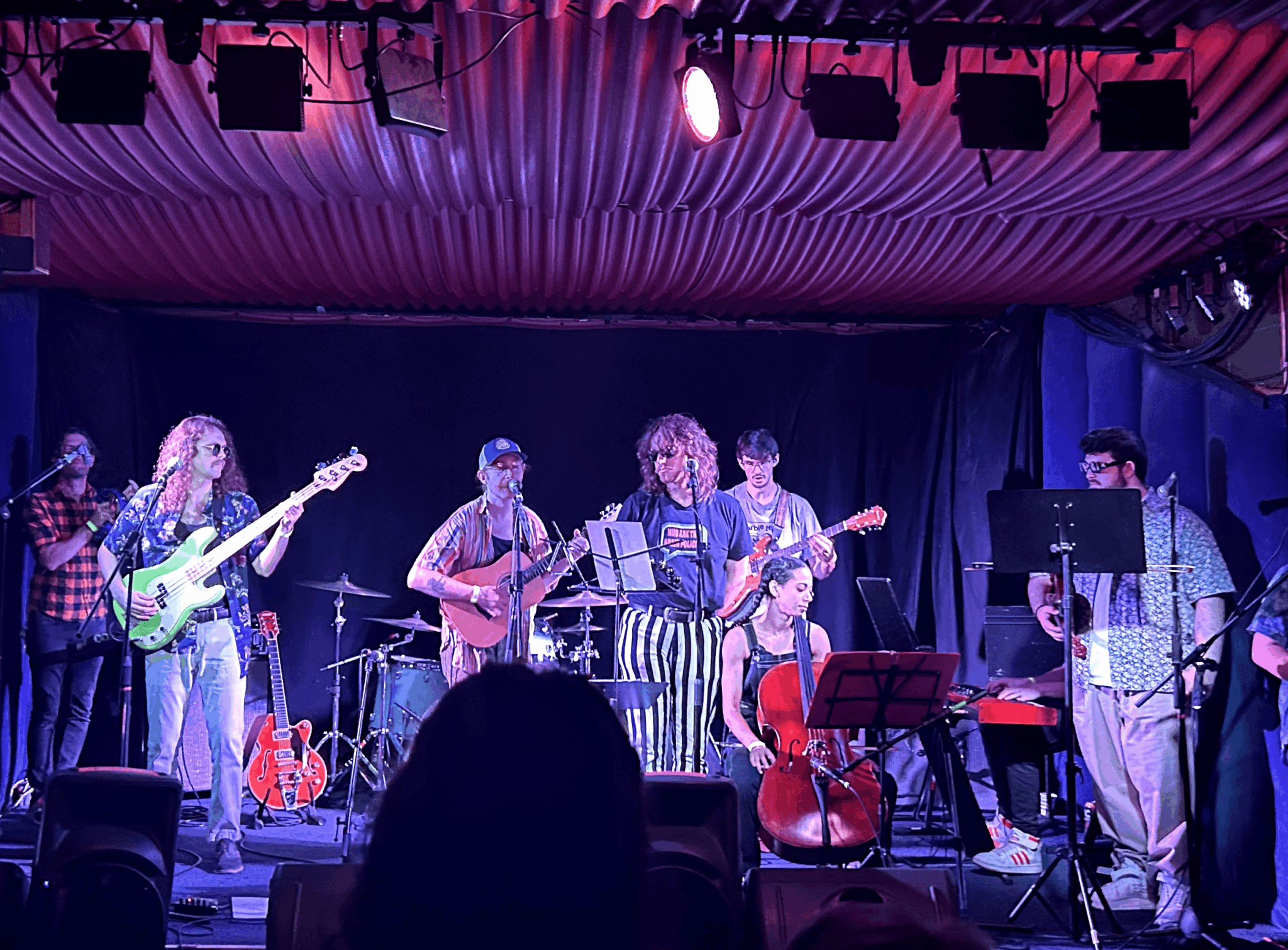
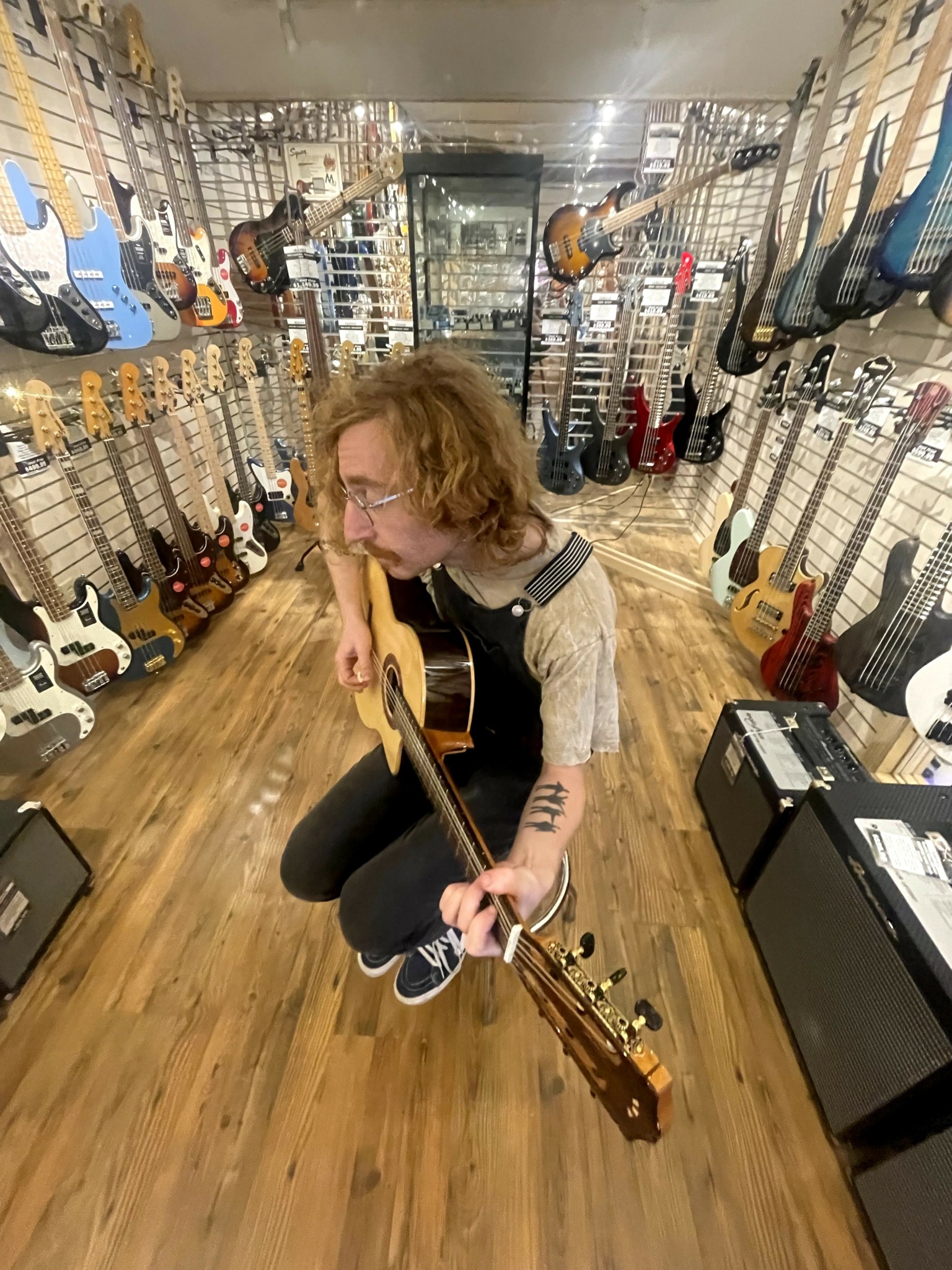
Image Credits
Photo Credits: Jason Gallagher, Jude Callous