

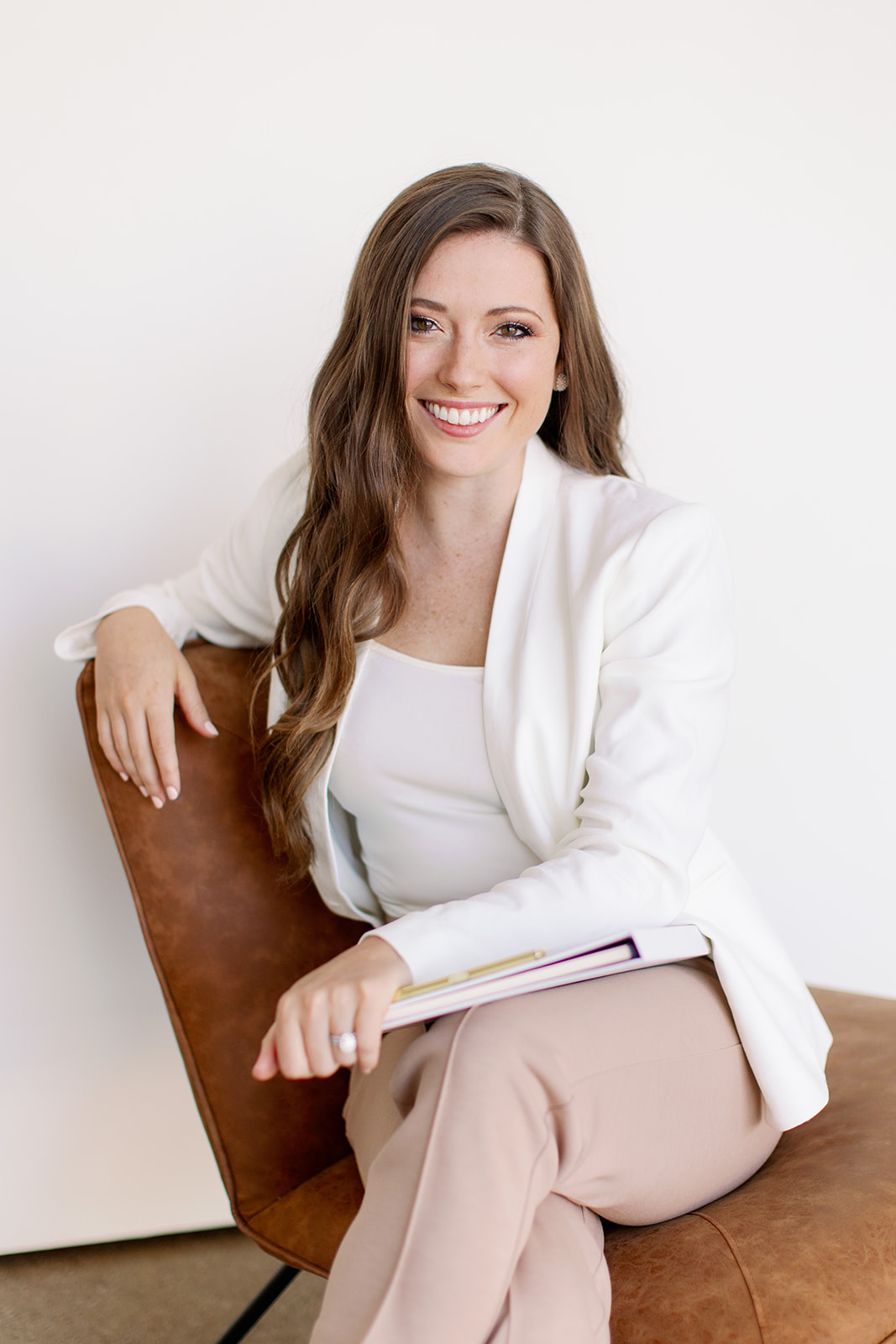

We were lucky to catch up with Stevi Pennypacker recently and have shared our conversation below.
Hi Stevi, thanks for joining us today. We’d love to hear about the best advice you’ve ever given to a client? (Please note this response is for education/entertainment purposes only and shouldn’t be construed as advice for the reader)
I have a lot of patients whose relationship with food is, well, complicated… after years of dieting and constantly reading conflicting advice on the internet, there’s often a baseline of fear around food or distrust in their body’s ability to regulate food intake.
Something I explain to clients is that, generally speaking, children have the innate ability to regulate their food intake perfectly based on their expenditure. They are nicely in-tune with their hunger cues (sometimes in an inconvenient way – parents get it). As we get older, external factors start to disrupt that intuition – suddenly, we have ultra-processed foods that are bypassing our fullness cues, or we have people telling us to finish our plate, or we eat junk food with friends not because we’re hungry but just because they’re eating it.
Somewhere along the way, we start to believe that our brains must be the boss of our bodies, and separate the two – we think we need to calculate how much food we’re allowed to eat, shame ourselves into avoiding “bad ” foods, and look at food in terms of calories alone.
It’s my goal to break this cycle with my clients – instead, I work with them to tune back into their hunger and fullness; to observe how certain foods and meals make them feel; to look at food in terms of nutrient-density rather than calories, while also honoring cravings and avoiding food rules that backfire.
For many clients, it’s a scary release of control at first that they think will leave them scarfing down donuts endlessly – but after putting in the work, learning a lot along the way and consistently putting things in practice, it’s creates such a freedom from the mental stress that food has become for them. They are able to finally eat in a way that makes them feel their best and puts them at peace with their bodies and food.
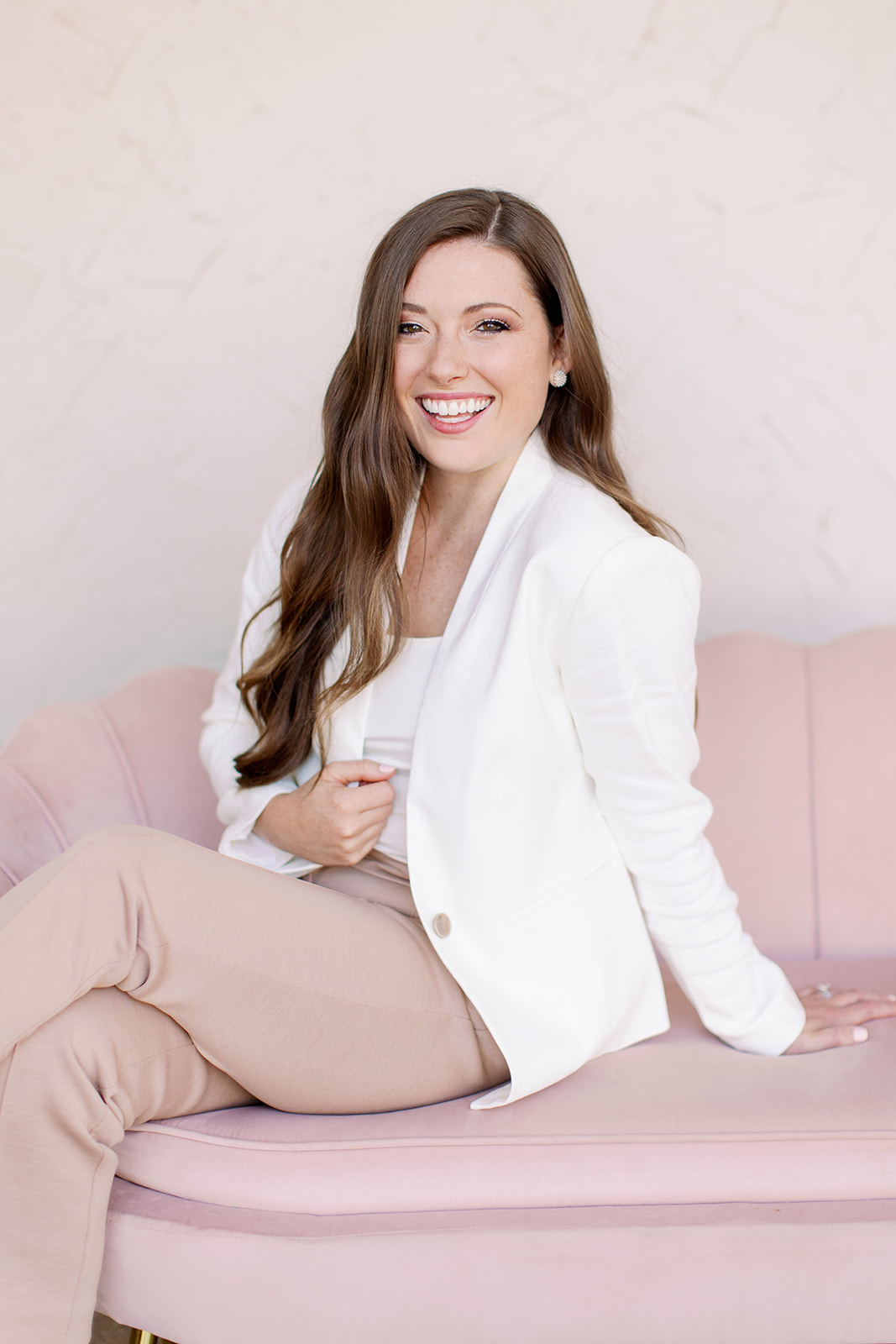
As always, we appreciate you sharing your insights and we’ve got a few more questions for you, but before we get to all of that can you take a minute to introduce yourself and give our readers some of your back background and context?
At 19, my understanding of health completely shifted after a five-day hospital stay and a near-diagnosis of Crohn’s disease. Up until that point, I had equated health with extreme calorie restriction and the number on the scale, a mindset that led to years of undernourishment and serious gut and hormone issues. When a doctor mentioned “Crohn’s Disease” as a potential diagnosis, I asked whether changing my diet could help. His response—“No need to worry about your diet, just take this steroid”—left me questioning the conventional approach to healthcare.
That experience opened my eyes to the limitations of traditional medicine in treating chronic issues. I began exploring functional medicine, which focuses on uncovering the root causes of health problems rather than just managing symptoms. This approach resonated with me, especially as I learned more about how my gut issues were tied to diet and lifestyle.
I felt in my bones that more people in situations similar to mine needed access to this kind of healing, so I dedicated my career to functional nutrition. After a Master’s Degree and board certification process, I opened my private practice, Salt + Light Functional Nutrition, and it has been one of the greatest privileges. I get to spend time with people—often for an hour or more—listening to their stories, empathizing, and offering hope that they can heal and feel like themselves again. I hear countless accounts of “your labs look fine” or “I don’t know what to tell you,” as patients search for answers to their unresolved symptoms.
A big priority for me in a world where anyone can be a “nutritionist” is that I am on the forefront of research, collaborating with other clinicians to understand what’s working with their clients in real life, and constantly learning from experts in their field to give my clients the very best of what science knows today.
I get to be a detective, piecing together their health stories with data from comprehensive blood panels, stool tests, hormone analyses, and more, to uncover what might be going wrong. Together, we create a roadmap to healing that’s as intricate as the human body itself—factoring in physical and emotional health, behavior changes, psychology, cultural food preferences, and lifestyle. Every individual is unique, and it’s a privilege to walk alongside them on such a vulnerable journey and be their advocate in situations that can often feel really isolating.
With all the conflicting health advice out there, this is the true value of personalized medicine. Having a practitioner who is fully invested in your specific health needs and in the weeds of it all is, in my view, the best path to achieving optimal wellness. And it’s what I’ve dedicated my life’s work to.
How’d you build such a strong reputation within your market?
It’s always hard to know exactly what your reputation is, but from client feedback, it seems they value the fact that I will do everything I possibly can to get to the bottom of their issues, and I won’t take no for an answer, because their success means more to me than anything in my role. I want them to heal and feels their best so they can live life to the fullest. I also do my best to build genuine relationships with my clients, and it’s such a gift that many of them feel like good friends by the end of our time working together. I’ve walked with clients through loss, mental health struggles, big life events, and everything in between.
Other than training/knowledge, what do you think is most helpful for succeeding in your field?
Having a genuine love for people and a good sense of humor can go a long way – in this field, we must as well-versed in human nature as we are in nutritional biochemistry. You find out real quick that this is a vulnerable experience for clients, and it deserves care and compassion. We get to enter into the beautiful mess that is a person’s life that includes all the complexities of their personality, their past experiences, their busy schedules, and their social context. We get to come alongside them to take the best next steps for THEIR health, which looks different for each person. And we hopefully get to have some fun along the way, because when you’re spending an hour or so together each month, it would be a shame to take things too seriously.
Contact Info:
- Website: https://slfunctionalnutrition.com/
- Instagram: @slfunctionalnutrition
- Linkedin: https://www.linkedin.com/in/stevipennypacker/
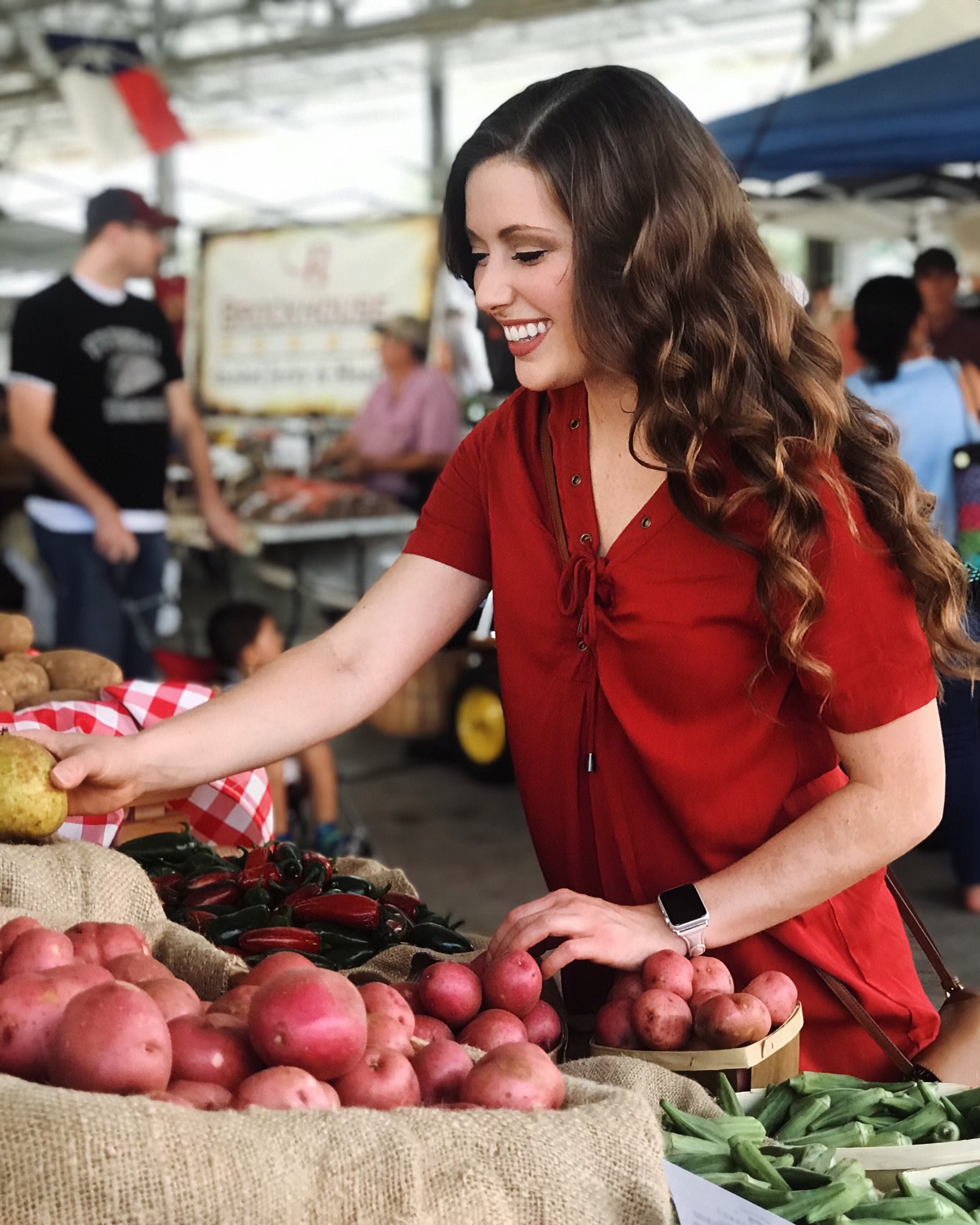
Image Credits
Lyndi Ruth Photography