


We caught up with the brilliant and insightful Julia Deng Hanzu a few weeks ago and have shared our conversation below.
Hi Julia, thanks for joining us today. Did you always know you wanted to pursue a creative or artistic career? When did you first know?
It was during my sophomore year in Wuhan University, on the last day of finals week. I was sitting in the library, staring at my written notes, trying to absorb information about various economic models. Despite the diligence, I suddenly felt an overwhelming sense of weariness, a kind of frustration that I couldn’t picture any version of a full-filled future should myself continue doing all these. I had questioned the value of my finance-related studies many times before, but I had always pushed through. However, on this particular day, it felt so urgent that I couldn’t anymore.
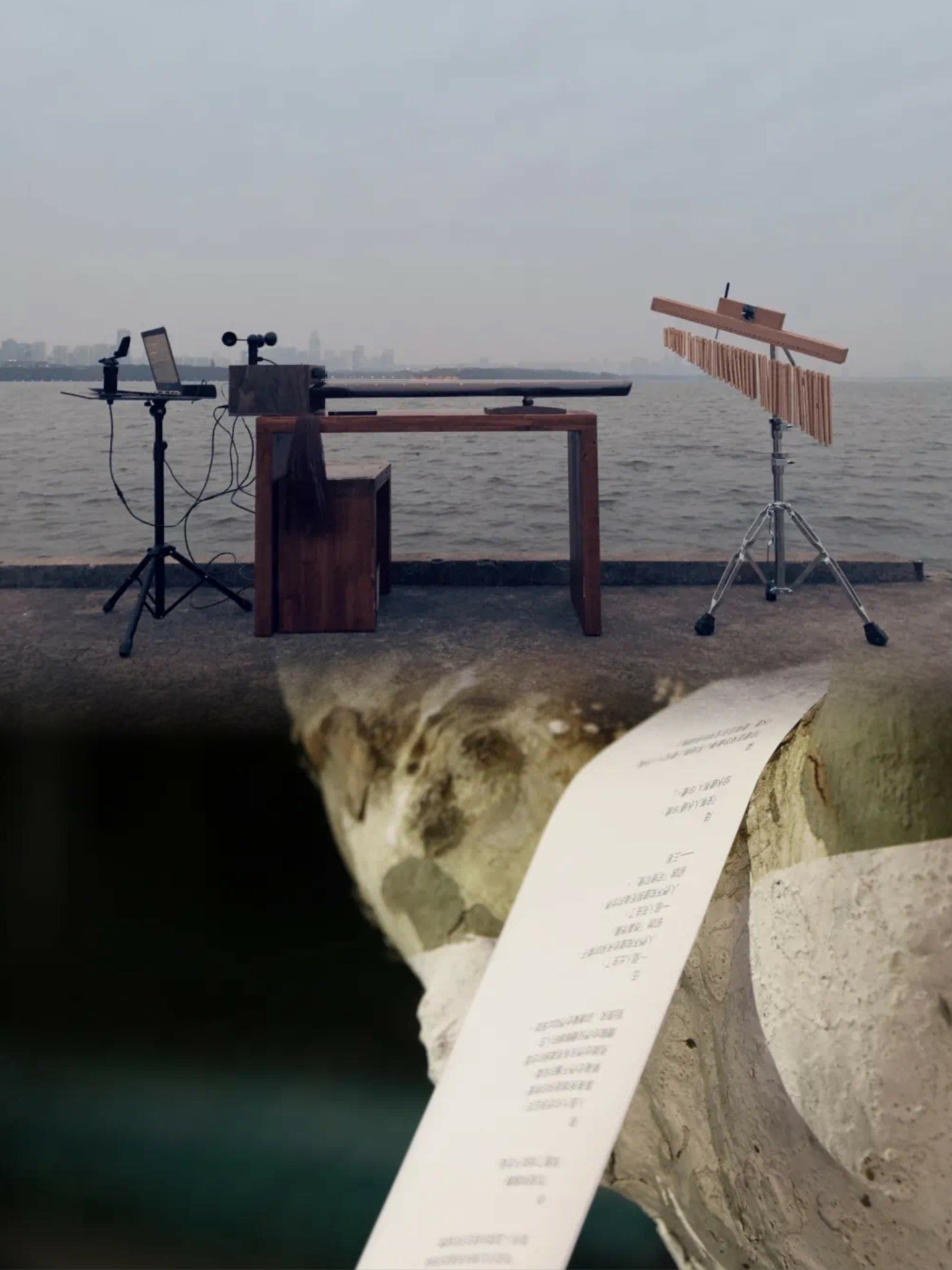
Instead of heading to the exam, I packed my bag and left the library, riding my motorbike in the opposite direction of the exam hall to a peaceful spot by East Lake, a place I often went to clear my mind. As I watched the ripples on the water, I made the decision to part ways with my Financial Engineering major. I realized then that I needed to pursue something that aligned with my passions and strengths, even if it meant moving away from a “stable” and “high-paying” career within the financial sector.
I spent the next few months reassessing my interests and, through a series of serendipitous events, decided to switch my major to interactive design/arts. It was a bold move, one that led me to later pursue an artistic path abroad. That moment by the lake marked the first time I fully acknowledged my desire to pursue a more creative and fulfilling career.
Julia, before we move on to more of these sorts of questions, can you take some time to bring our readers up to speed on you and what you do?
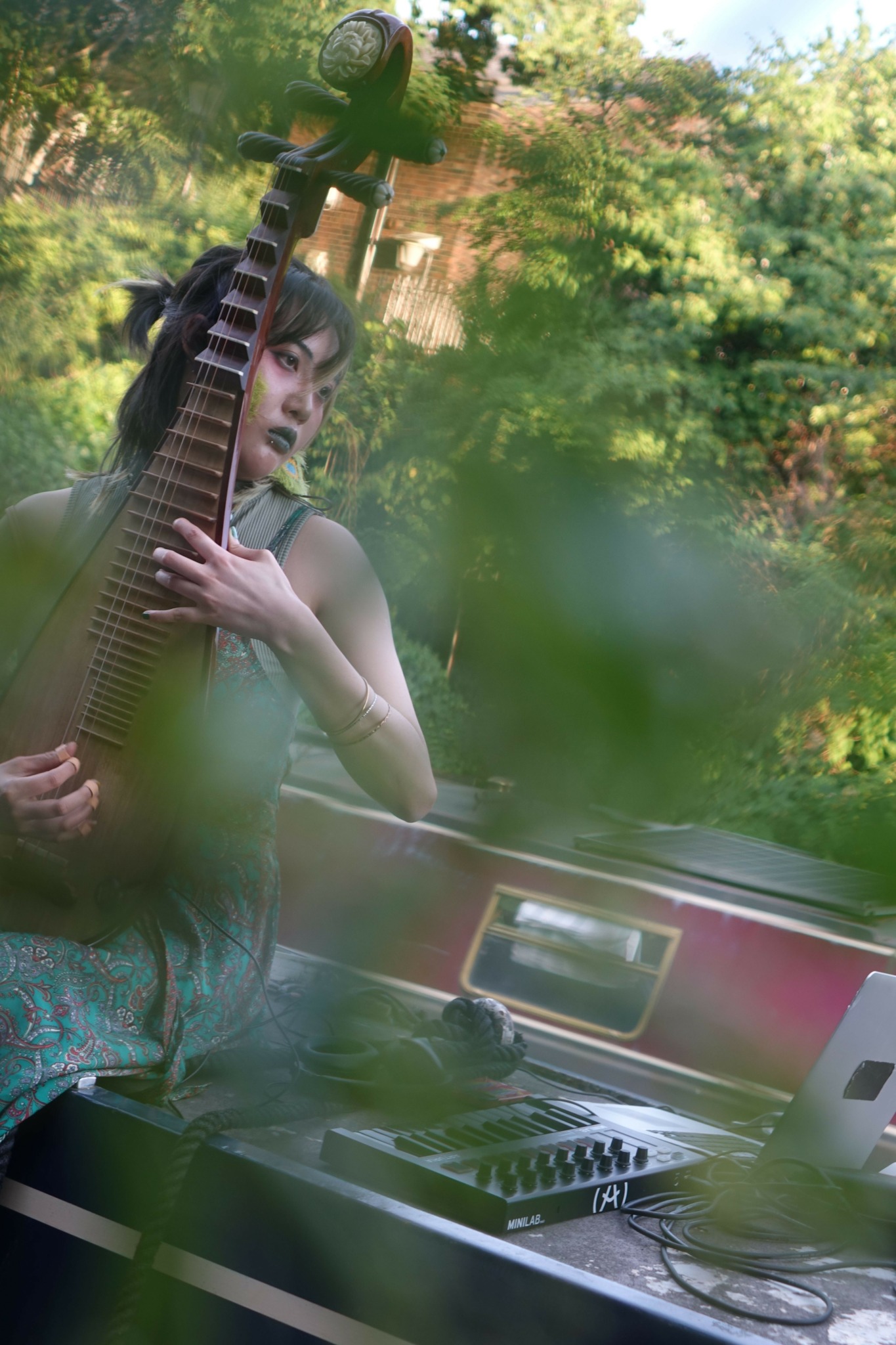
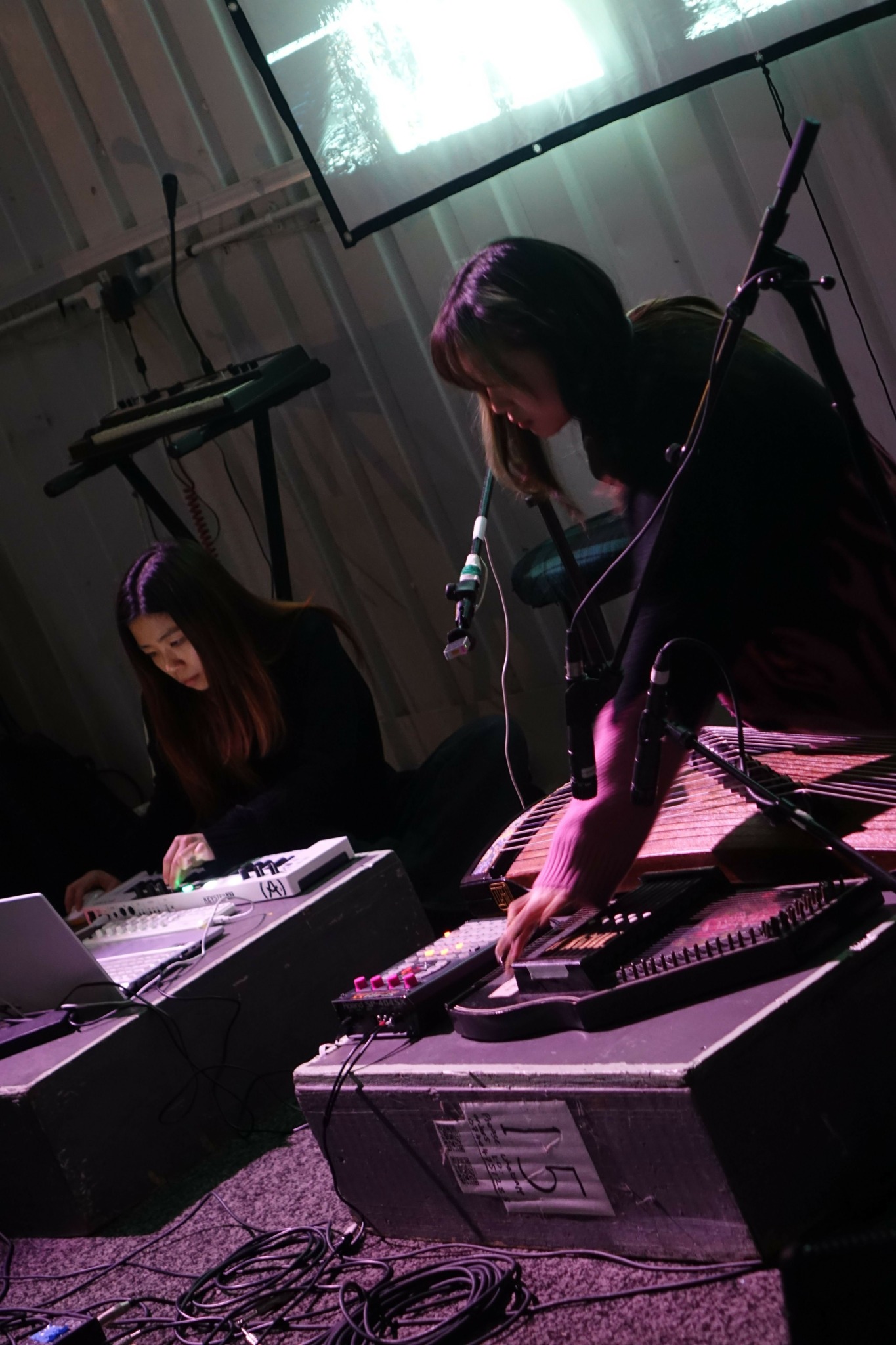
I’m Julia Dèng Hànzú, a multimedia artist, experimental musician and sound therapist originally from Chongqing, China, now based in London, also active as member of LuckyPot art group and experimental music collective SubPhonics.
I did my undergraduate in Economics and Finance but eventually found myself shifting into the realm of Design and Art, where I now practice what I call a post-disciplinary approach. My work transcends traditional boundaries and frequently integrates sound, but the medium varies—I work with everything from performances, installations, and audio pieces to moving/static images, texts, and curated events. What remains consistent, however, is my exploration of how inner emotions are reflections of the external world, whether that world is concrete or abstract.
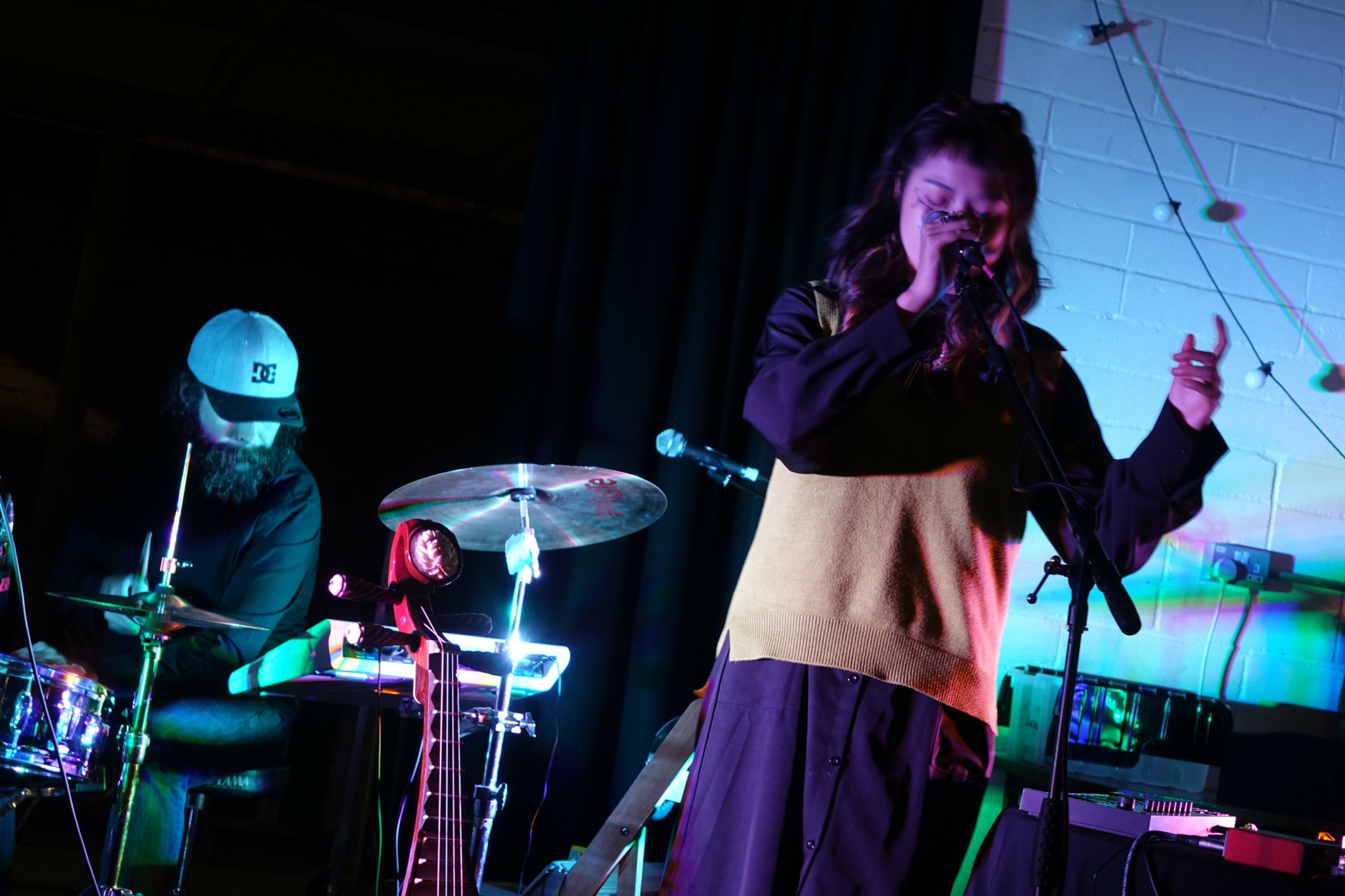
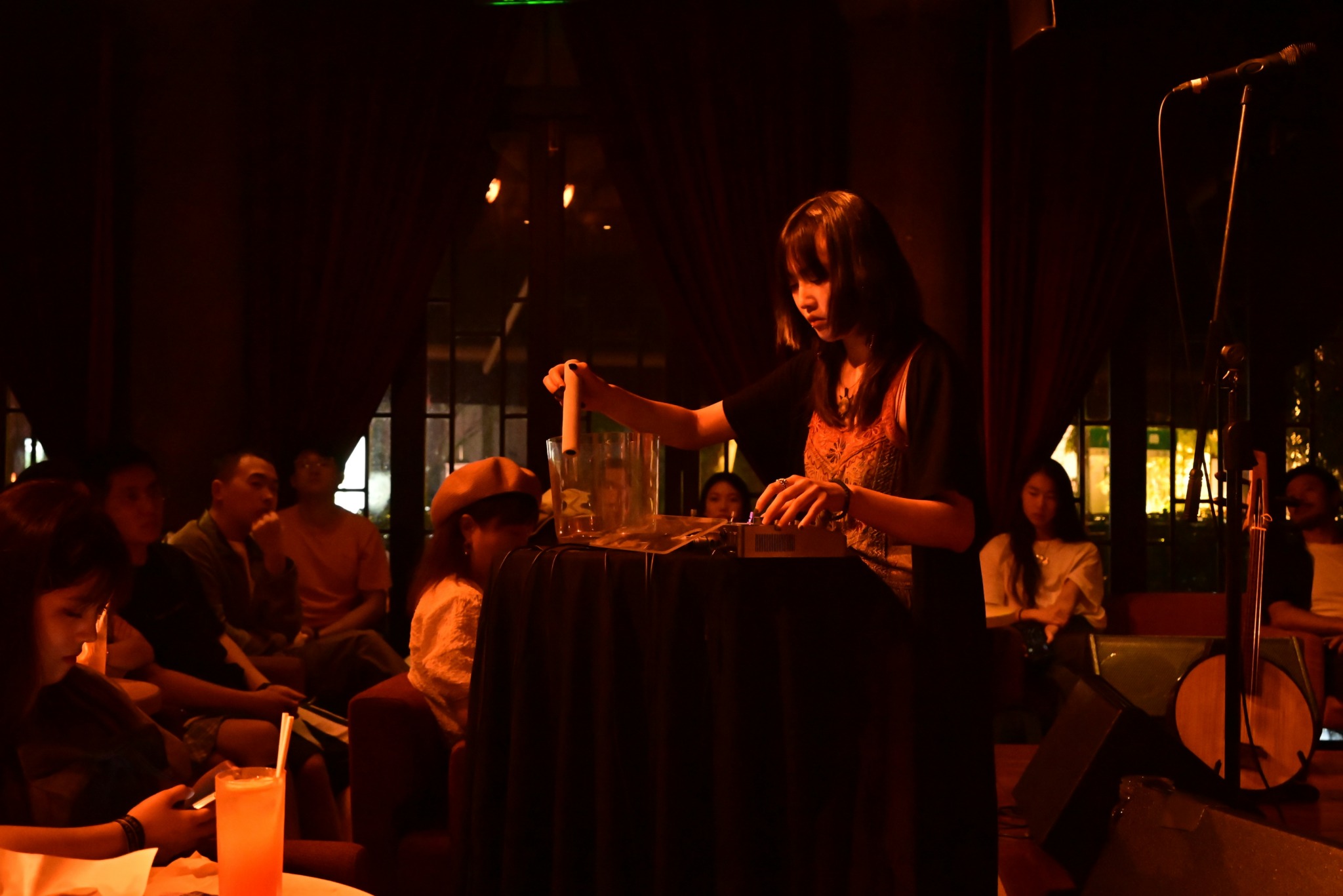
My journey into the world of creative arts began with a deep-rooted relation with music, influenced by my early year training in traditional Chinese instruments like the guzheng, pipa, and ruan, starting from the age of 8. These instruments and my fascination with sound have played a major role in shaping my artistic voice. One unique aspect of my work is how I blend my traditional training with experimental methods. I use extended techniques on string instruments and often pair these with electronics, field recordings and other sounding objects. I’m fascinated by textures, spaces, and the physicality/locality within performances. My goal is often to create immersive experiences where sound and space interact to form something greater than the sum of their parts.
What sets me apart is this blend of Eastern and Western influences, both culturally and musically. My work often serves as a bridge between these two worlds, whether through performances that fuse traditional Chinese instruments with contemporary soundscapes, installations that ask viewers to consider how local and global forces shape our emotional landscapes, or events that reflects upon what grows out of the intersection.
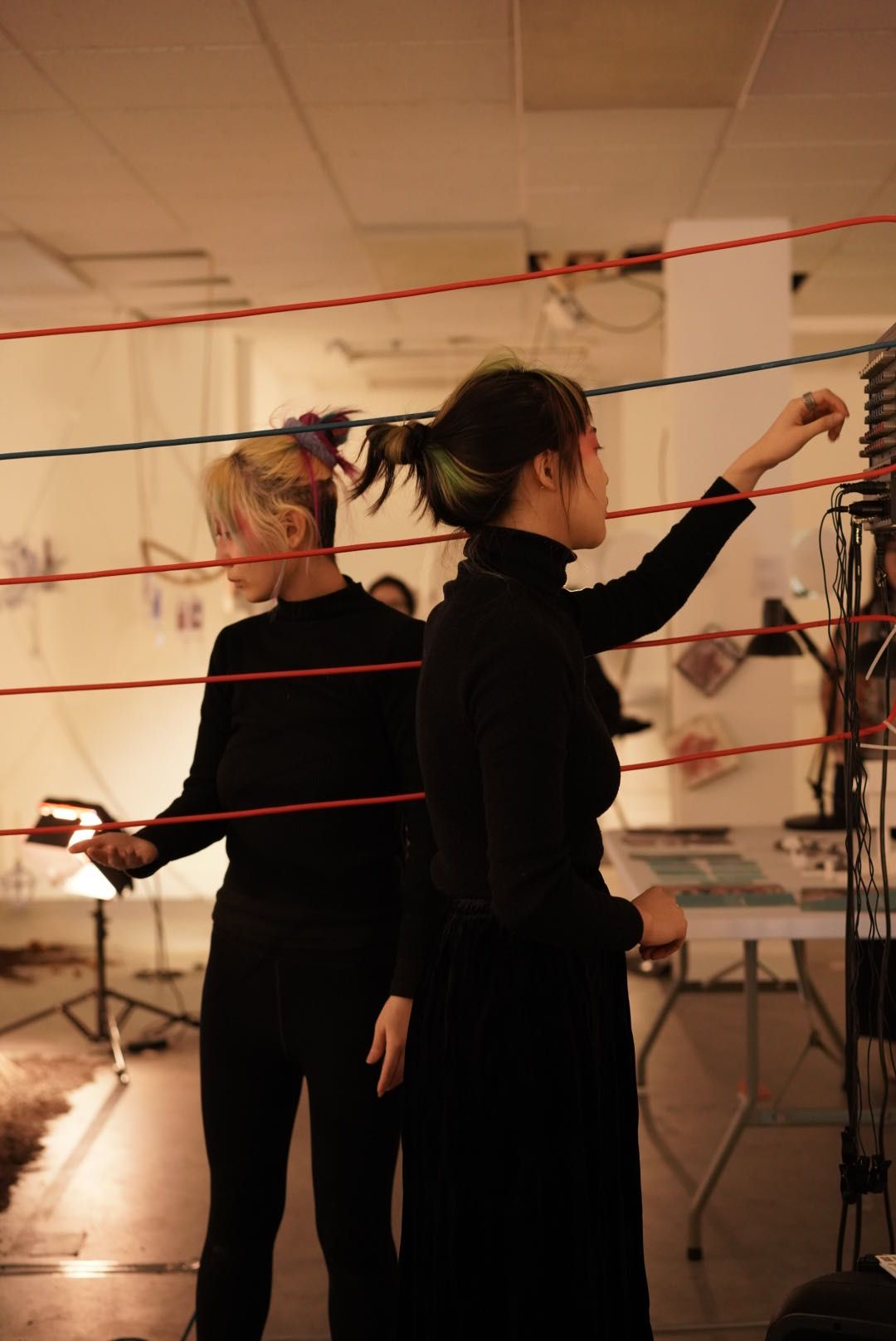
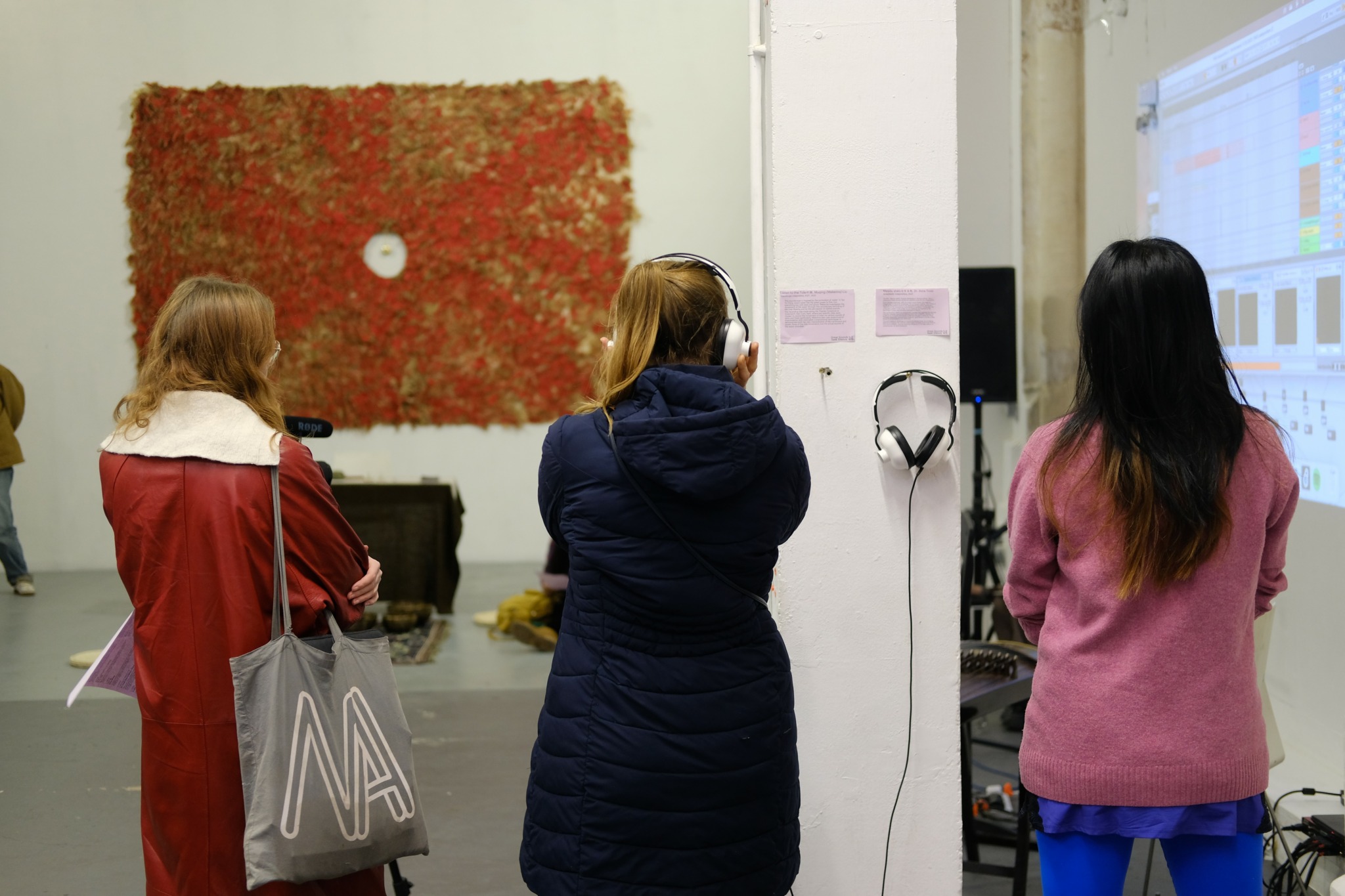
I’ve been fortunate to showcase my work in various cities across the globe, and just completed a tour in China this year. One project I’m particularly proud of is ‘Con-current: Tuning Intervals’, a performative installation exhibited at the White Chapel Gallery in London. It was well-received, with critics noting how it bridged both analogue and digital technologies as well as Chinese and European cultural narratives. This year, I’m also the composer for the 2024 Fringe theatre production ‘Burnt Butterfly’, which is yet another exciting venture blending my love for music, sound, and multimedia performance.
For those who follow my work, I hope to offer an experience that goes beyond what is visible or audible—a journey that touches on emotion, identity, and space. My practice, while deeply personal, is also universal in the way it invites others to reflect on their own emotional responses to the world around them.
If you’re someone who values cross-cultural artistic dialogue, experimentation with sound, or immersive live experiences, I think you’ll find something to connect with in my work.
Are there any resources you wish you knew about earlier in your creative journey?
Funding opportunities and the importance of them.
Do you think there is something that non-creatives might struggle to understand about your journey as a creative? Maybe you can shed some light?
I think one of the biggest challenges non-creatives might struggle to understand is how unpredictable and nonlinear a creative journey can be. Unlike a traditional career path, where there’s often a clear trajectory, being a creative is more about exploration and continuous transformation. It’s not always about following a set plan but about responding to ideas, emotions, and experiences as they come—often in unexpected ways.
For example, I initially studied Economics and Finance, which is far removed from the creative world I’m in now. Shifting from something so structured to the post-disciplinary, boundary-pushing approach my currently practice took time and required a lot of self-reflection and willingness to embrace uncertainty. There were no guarantees, no “regular job” stability, and that’s something people outside the creative field may find difficult to grasp.
Creativity often involves constant problem-solving in uncharted territory. It’s not just about making something beautiful or interesting, but about working through failures and dead ends, revisiting ideas, and finding new ways to express concepts that don’t always have concrete answers. In my work, whether I’m utilising experimental techniques on traditional instruments or curating events that explore original concepts, I have to let the process guide me rather than forcing it into a predetermined structure. That’s part of what makes it exciting but also challenging.
This fluid, adaptive nature of creative work often means you don’t have a clear line between work and life. It’s all interconnected. It’s not like clocking in and out of a job; it’s always evolving with you. That’s something I think non-creatives may not fully understand—how personal and ongoing the work is, and how the process itself can be the reward, even when it doesn’t lead to immediate tangible outcomes.
In short, the journey of a creative is full of ups and downs, ambiguity, and discovery, which can be hard to convey to someone used to more defined paths. But that unpredictability is also what makes it deeply fulfilling.
Contact Info:
- Website: https://www.dhzjulia.com
- Instagram: starsineye
- Youtube: https://www.youtube.com/@starsineye1521
- Soundcloud: https://soundcloud.com/rainrainrainbowww
- Other: https://rainrainrainbow.bandcamp.com/
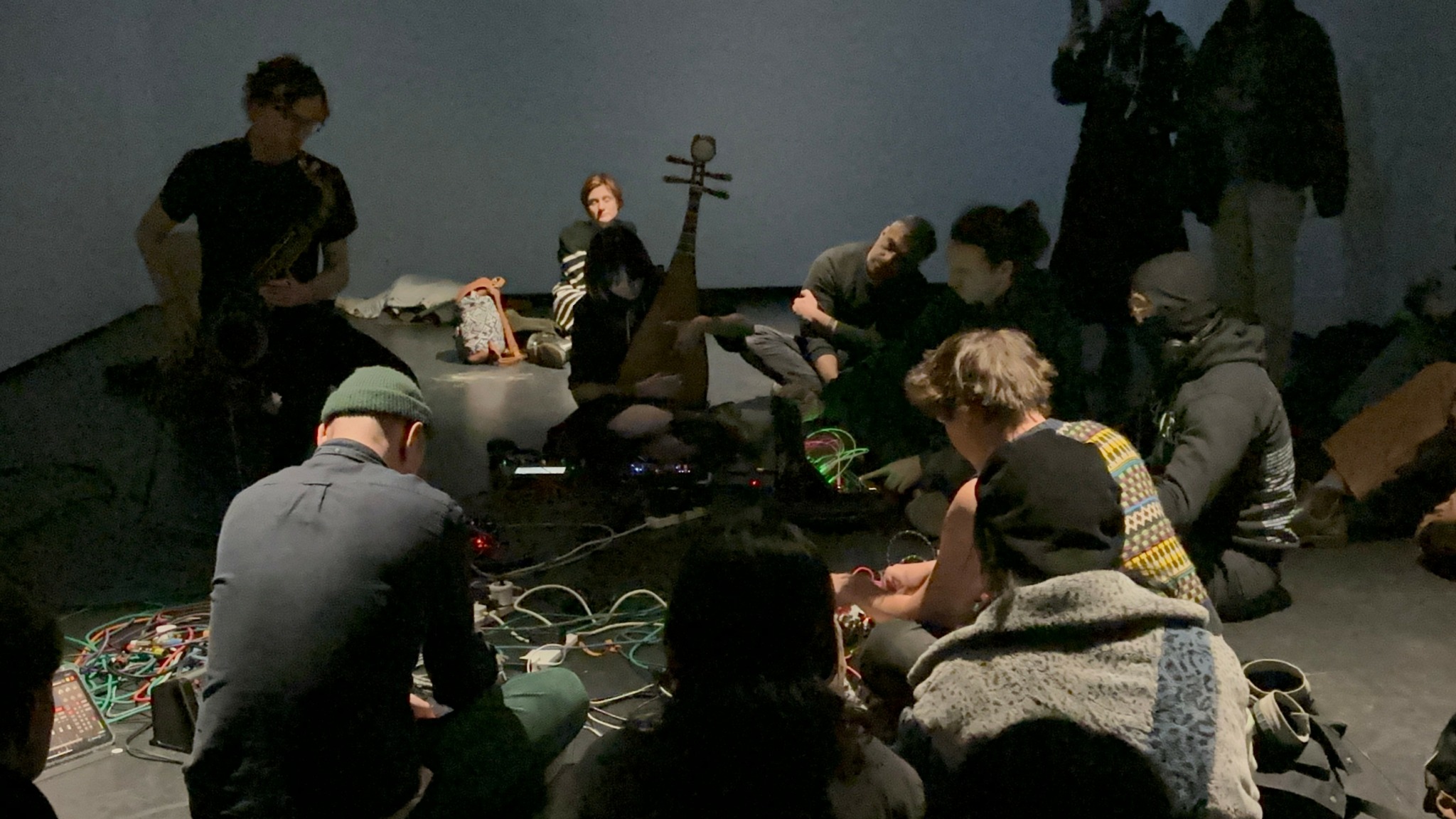
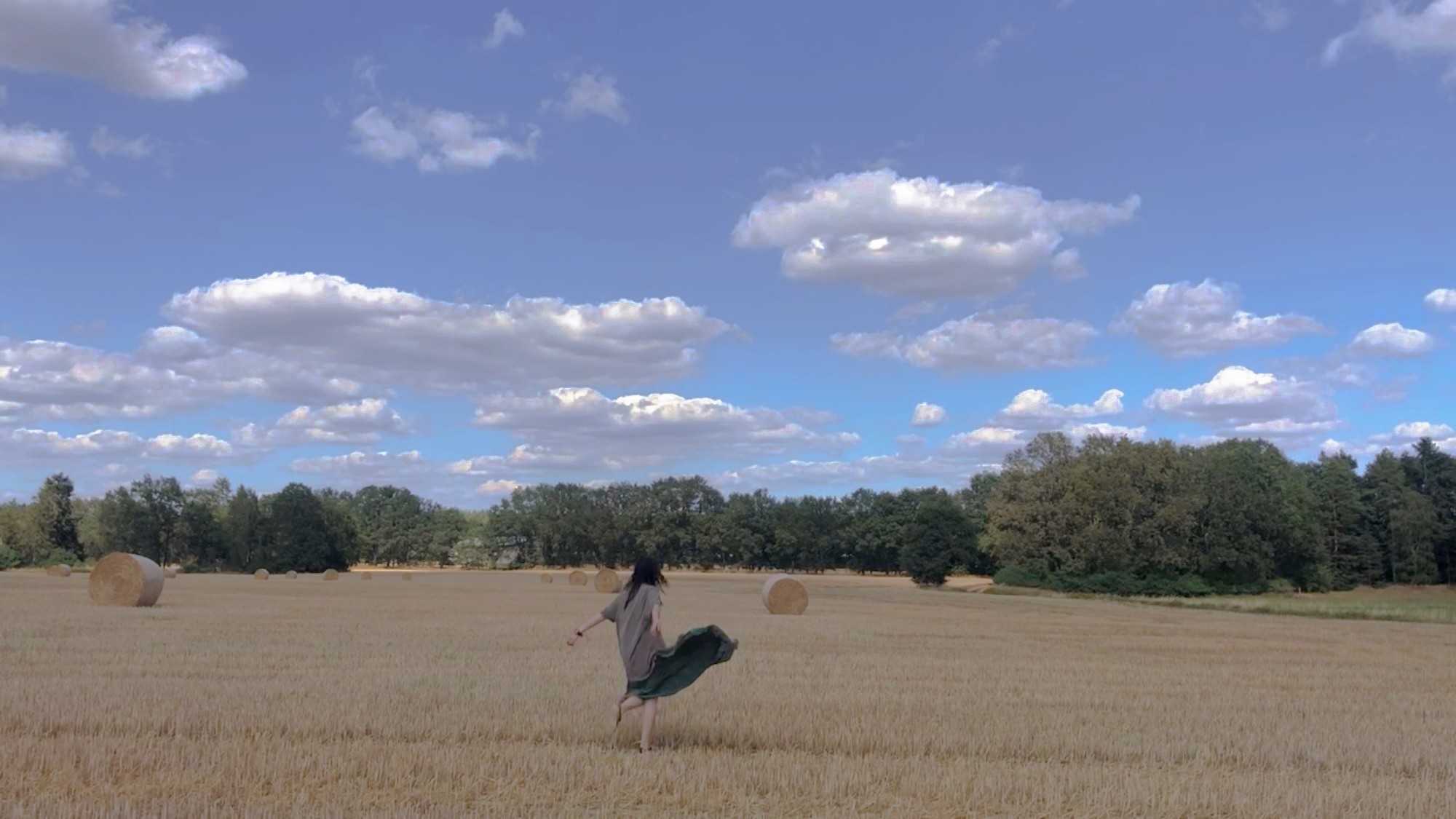
Image Credits
Lik, Rufeng Tang, Shiting Yang, Julia Deng Hanzu