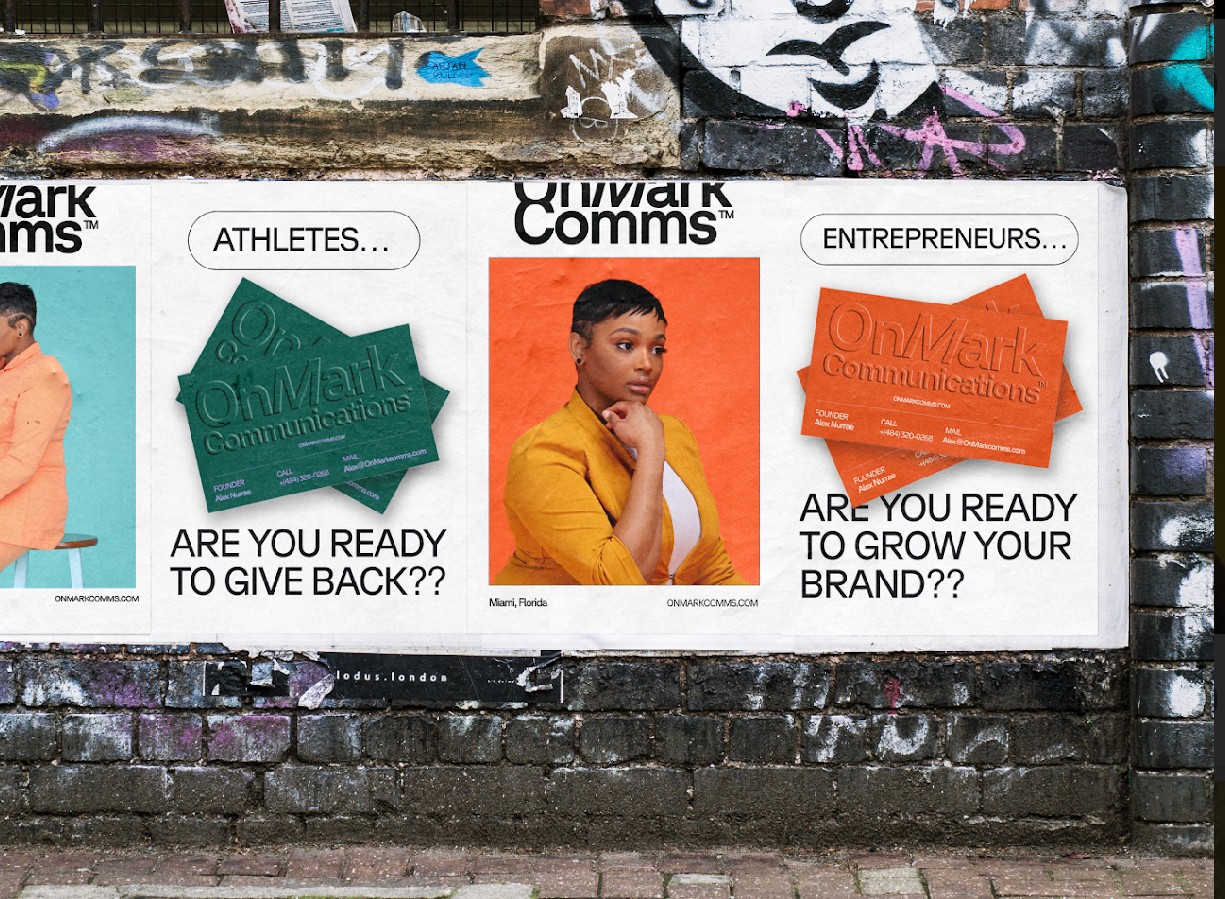

We caught up with the brilliant and insightful Alex Nurrae a few weeks ago and have shared our conversation below.
Hi Alex, thanks for joining us today. The first dollar your business earns is always special and we’d love to hear how your brand made its first dollar of revenue.
I received my first client from email cold pitching. At the time, I’ve only interacted with other professionals from a networking standpoint, and I did not know the right approach to “pitch” myself for potential business and client opportunities.
As nervous and anxious as I was, I made up my mind that I was more than capable of representing someone as a publicist, so I started to do my research on what my ideal first client would look like and how I can add value to their brand. Once I got my excel sheet together with my potential clients and their contact information, I started sending out customize pitches to each person, mentioning their specific needs and detailing how I can assist them achieve their goals. I don’t recall the exact number of people I reached out to but I’m confident that it was over 200 people and/or businesses.
Out of the roughly 200 pitches, 7-10 people actually got back to me. From there, 3-5 people moved forward with scheduling a consultation. Only 1 person moved forward with signing a contract with me. The retainer fee was below market value but I did not care because I was just thankful that after all of my efforts, I had 1 person in my corner that believed in me and trusted me to represent their brand at the highest level.
As always, we appreciate you sharing your insights and we’ve got a few more questions for you, but before we get to all of that can you take a minute to introduce yourself and give our readers some of your back background and context?
I fell in love with sports while I was in high school. I was somewhat of a tomboy, and I had a lot of guy friends who would come over to my house, eat snacks, and watch NBA games. That’s when I was introduced to players like Kyrie Irving, Steph Curry, Carmelo Anthony, and Derrick Rose. I honestly thought I was watching a cartoon because it seemed unreal for someone to be that talented. After the games, I would watch the media interviews and hear players or their coaching steadd things like ‘the media is twisting my words’ or “I feel unheard”. That’s when I knew I wanted to work in sports media in some capacity, to help bridge that gap between athletes and the public.
I pursued sports management and public relations in college and got involved in numerous internships, from professional athletic camps to PR agencies that represented athletes. When COVID-19 hit, I transitioned to corporate communications, but I always kept sports communications in the back of my mind, waiting for the perfect opportunity to switch fields.
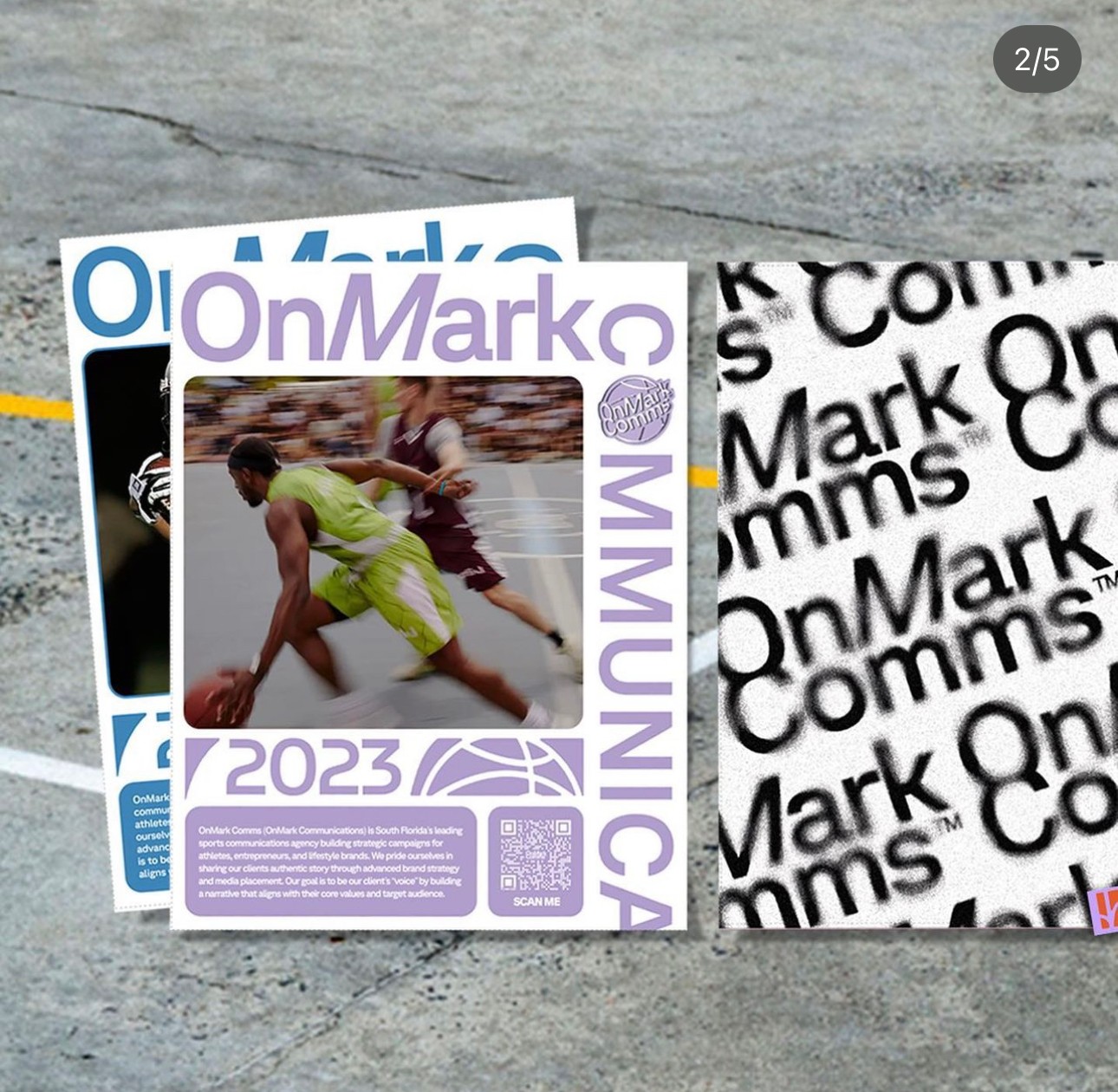
While working in corporate, I began building my dream job—starting my own business. Now, I’m proud to say that I’m the founder of OnMark Communications, a sports-based communications agency that leads strategic communication campaigns for entrepreneurs, brands, and professional athletes. What sets OnMark Communications apart is that we’re “for the culture”. We focus on showcasing authentic communication and teaching our clients how to build their own narratives. There aren’t many, if any, sports-based communications agencies that blend corporate-level strategy with cultural connection in the way that we do. We genuinely connect with the culture because we are part of the culture.
Can you talk to us about how you funded your business?
Starting a business, especially in its early stages, comes with a lot of financial challenges. For me, funding OnMark Communications was a process of being resourceful and strategic. While I was working in corporate communications during the COVID-19 pandemic, I was able to save a significant portion of my income. I knew that starting my own sports communications agency was the ultimate goal, so I was intentional about building a financial cushion.
Beyond savings, I was also very mindful of keeping my startup costs lean. I initially operated as a solo consultant, working from home and leveraging the relationships and networks I had built throughout my career. I didn’t need to invest in a fancy office or expensive equipment right away. Instead, I focused on securing a few key clients, which allowed me to reinvest revenue back into the business.
Additionally, I applied for small business grants and took advantage of online resources that offered financial support for women-owned businesses. Every dollar I earned or saved went back into building OnMark Communications. That early discipline and careful planning allowed me to bootstrap my business without taking on a ton of credit card debt or loans from financial institutions.
How do you keep your team’s morale high?
My approach to managing a team revolves around communication, empowerment, and fostering a sense of ownership. First and foremost, it’s important to create an environment where everyone feels heard and valued. I encourage open communication and make sure my team knows they can share ideas or concerns freely. Transparency is key—whether it’s about business goals, client expectations, or challenges, keeping everyone informed ensures that the team feels like they’re part of the bigger picture.
I also focus on creating a sense of ownership. I encourage my team to take responsibility for their projects and ideas. When they feel like they’re making a real impact on the success of the company, morale stays high. It’s also important to provide growth opportunities—whether through mentorship, skill development, or giving them chances to lead initiatives. When people are able to see their growth and feel that opportunities are available to them, they’re more likely to stay engaged and passionate about their work.
Contact Info:
- Website: https://dumpl.ink/onmarkcoms/home
- Instagram: onmarkcomms
- Linkedin: https://www.linkedin.com/company/onmark-communications/?viewAsMember=true