
We caught up with the brilliant and insightful Michael Pizzuto a few weeks ago and have shared our conversation below.
Hi Michael , thanks for joining us today. Almost all entrepreneurs have had to decide whether to start now or later? There are always pros and cons for waiting and so we’d love to hear what you think about your decision in retrospect. If you could go back in time, would you have started your business sooner, later or at the exact time you started?
If you could go back in time, do you wish you had started your business sooner or later?
I would say sooner. However, the lessons I’ve learned throughout my corporate career have been invaluable in creating structure around what can often be a chaotic and complex business. The corporate world helped me gain the discipline and experience needed to manage the logistics, compliance, and organization that come with running an international operation like wine importing.
Give us the backstory – when did you start your business, and where were you at life-wise/career-wise?
We started the business in 2019 after a life-changing trip to Italy. At that point, I had been working in my corporate job for 15 years and had relocated to Ohio in 2014. About six months after we began forming the wine import business, my company asked me to relocate again—this time to Atlanta. I decided that if I had to relocate a second time, I’d take the severance and spend an extended period in Italy. But COVID had other plans, halting travel and complicating business. Adding to the challenge, our first shipment of 10,000 bottles of wine arrived just as restaurants were shutting down. I quickly transitioned into a new corporate job and me and my business partners, who were either employed or semi-retired, managed the early days of our business focusing more on our strategy and operations then building a customer base.
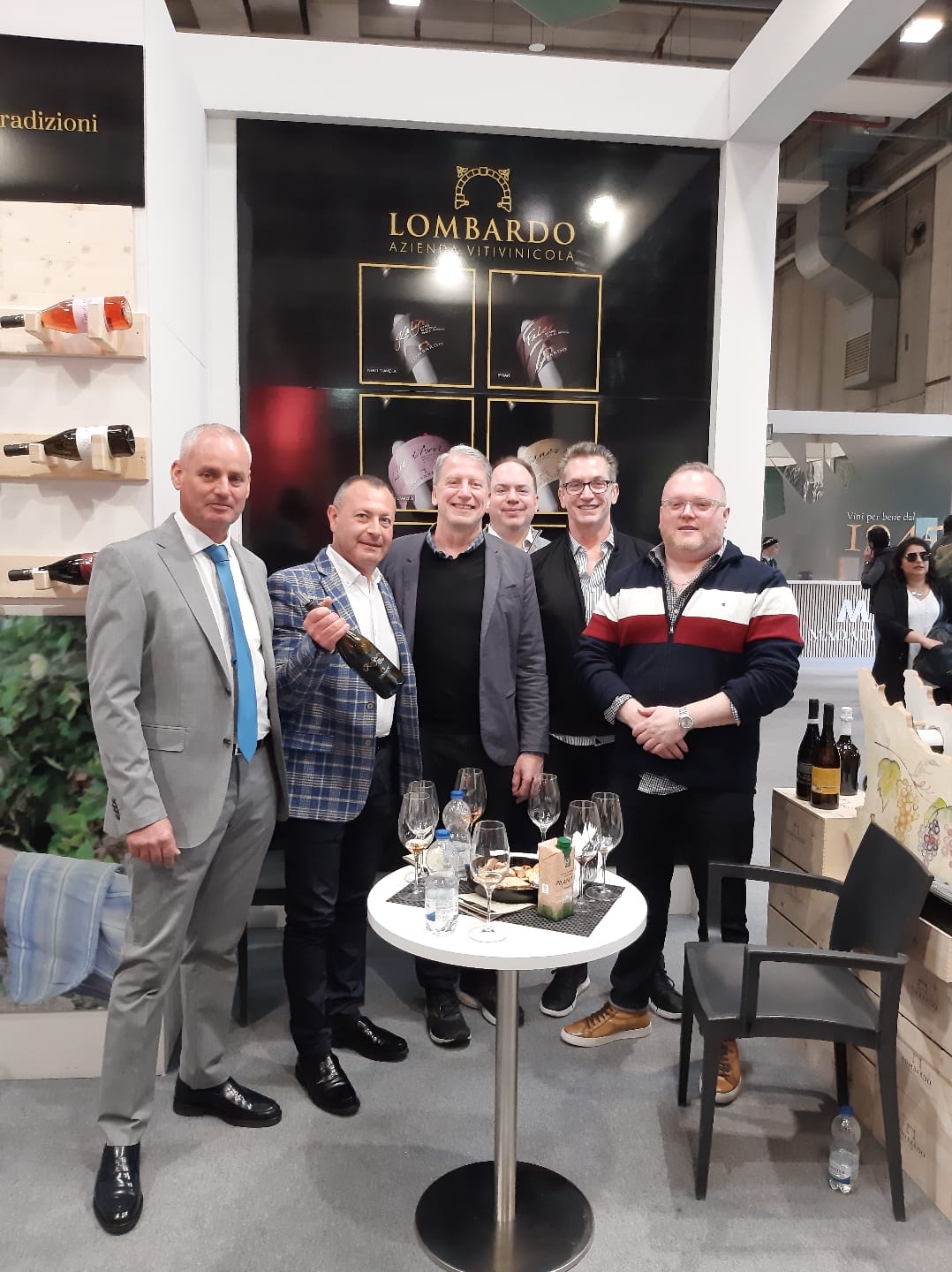
That 2019 trip was with friends from an Italian American club I belong to. We spent two weeks traveling across Italy, visiting everyone’s ancestral hometowns—small, remote villages, some with populations as low as 900 people. This trip deepened our connection to our heritage and opened my eyes to wines and grape varieties that were either forgotten or never mainstream. We met winemakers, including some distant relatives of my business partner, who were producing extraordinary wines. Inspired by this, a few of us decided to launch our business, driven by a passion to share these unique, often overlooked wines while supporting Italian families and telling their stories back in the U.S. Our ancestors came to America seeking a better life, chasing new opportunities. Now, generations later, we had the chance to return to their homeland. What makes it even more meaningful is that we’re now building something with Italy, the country they left behind—creating a business that connects us to the very place that once sent them forward.”
What would starting later or sooner have been like for you?
Starting sooner might have been more difficult in several ways, especially in terms of experience. Building an international business is complicated—dealing with taxes, international regulations, and the legal landscape of a highly regulated commodity. My time in the corporate world provided valuable training that helped me navigate these complexities, alongside my business partners, who have backgrounds in law, finance, sales, and medicine.
COVID, in an odd way, also gave us time to pause and plan. It allowed us to slow down, research, and educate customers about our products rather than being rushed. This extra time ultimately gave us a stronger foundation for the business.
What would have changed about your experience, and looking back, do you wish you had started sooner, later, or at the same time?
This is a tricky question because my answer is both sooner and the same, if that makes sense. Sooner, because after 15 years in the corporate world, it becomes harder to step away from a steady paycheck and embrace the risks of running a business. Especially in an industry like wine importing, where margins are tight, the security of corporate life can be tempting. But working for yourself and taking control of your future is a different kind of reward. Had I started sooner, I might have embraced that freedom earlier.
At the same time, the business came together organically at the right moment. My partners and I share a deep passion for our heritage, wine, and business, and I don’t think the venture would have come together in quite the same way had we started earlier. I tried to launch a different business at one point, but the timing wasn’t right, and I didn’t have the resources to scale. Now, with the right people and timing, we’re poised for success. Our goal is to take care of our employees, support the livelihoods of our winemakers, and continue sharing the stories behind these incredible wines.
As always, we appreciate you sharing your insights and we’ve got a few more questions for you, but before we get to all of that can you take a minute to introduce yourself and give our readers some of your back background and context?
For readers who may not be familiar with you, could you tell us a bit about yourself and how you got into your industry/business? What kind of products or services do you provide?
I grew up in a small town near Pittsburgh, PA, with deep Italian roots. I was lucky to have all of my grandparents around while growing up, and our family traditions—mostly centered around food—sparked my love for everything related to food and wine. I became fascinated with artisans, the craft of working with your hands, and the art of perfecting something over time. It was the opposite of what I was doing in my corporate job, but I knew I wanted to turn that passion into something more.
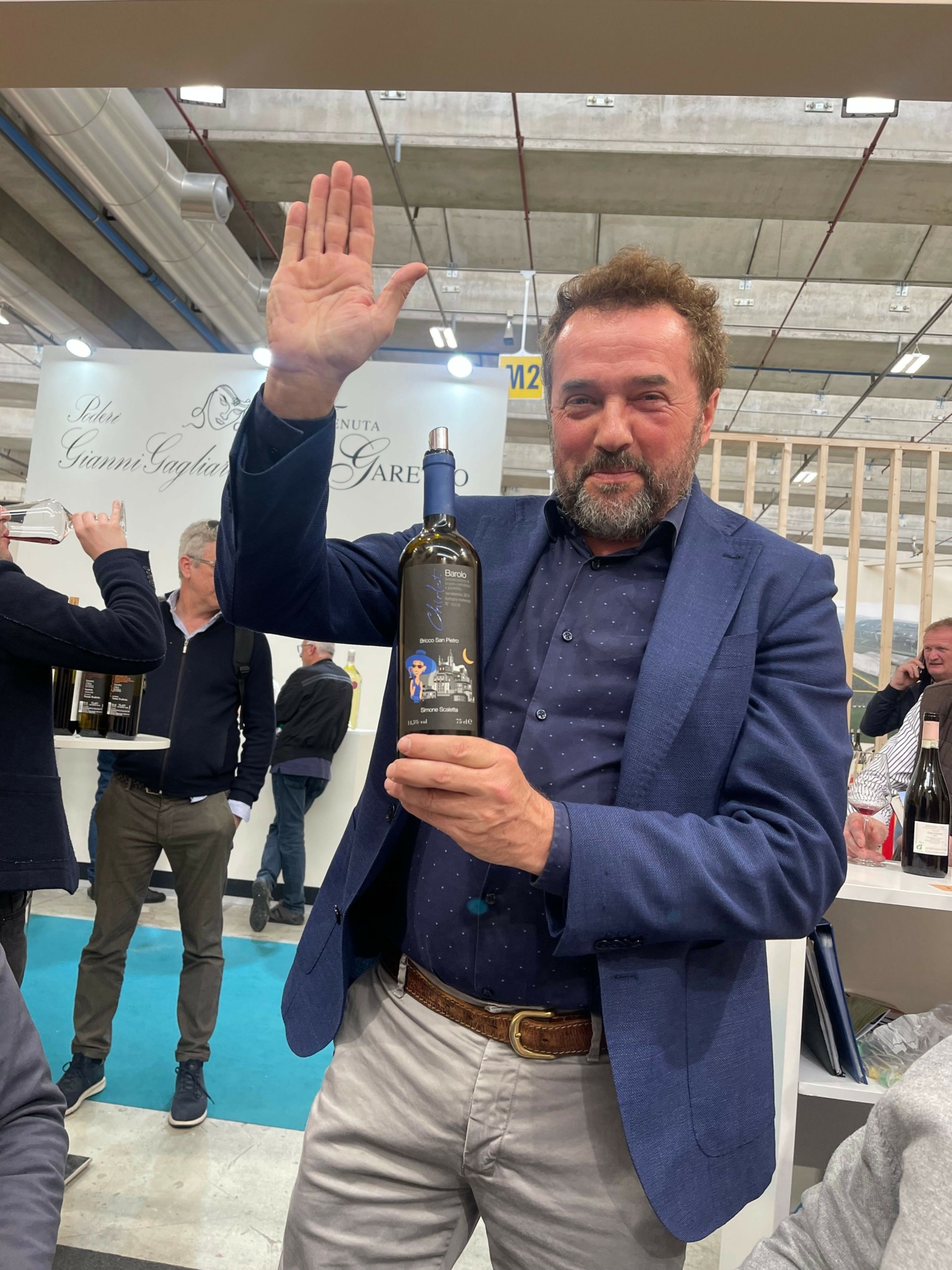
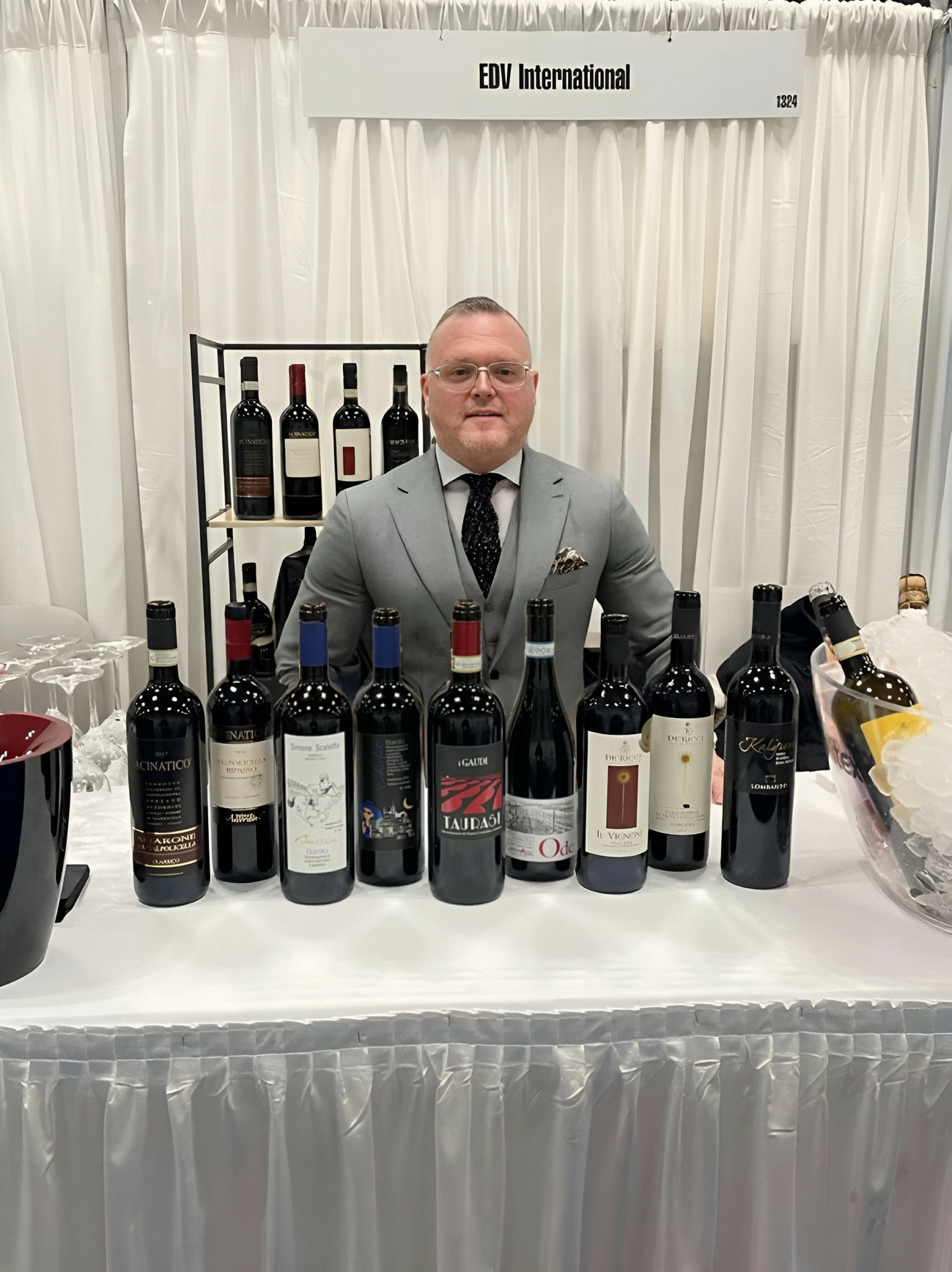
Now, I run a boutique wine import business that brings unique, hand-crafted wines from family-owned wineries in Italy, Spain, France, and beyond into the U.S. Our focus is on wines that tell a story—products made with heart, soul, and an incredible amount of skill.
What problems do you solve for your clients, and what sets you apart from others?
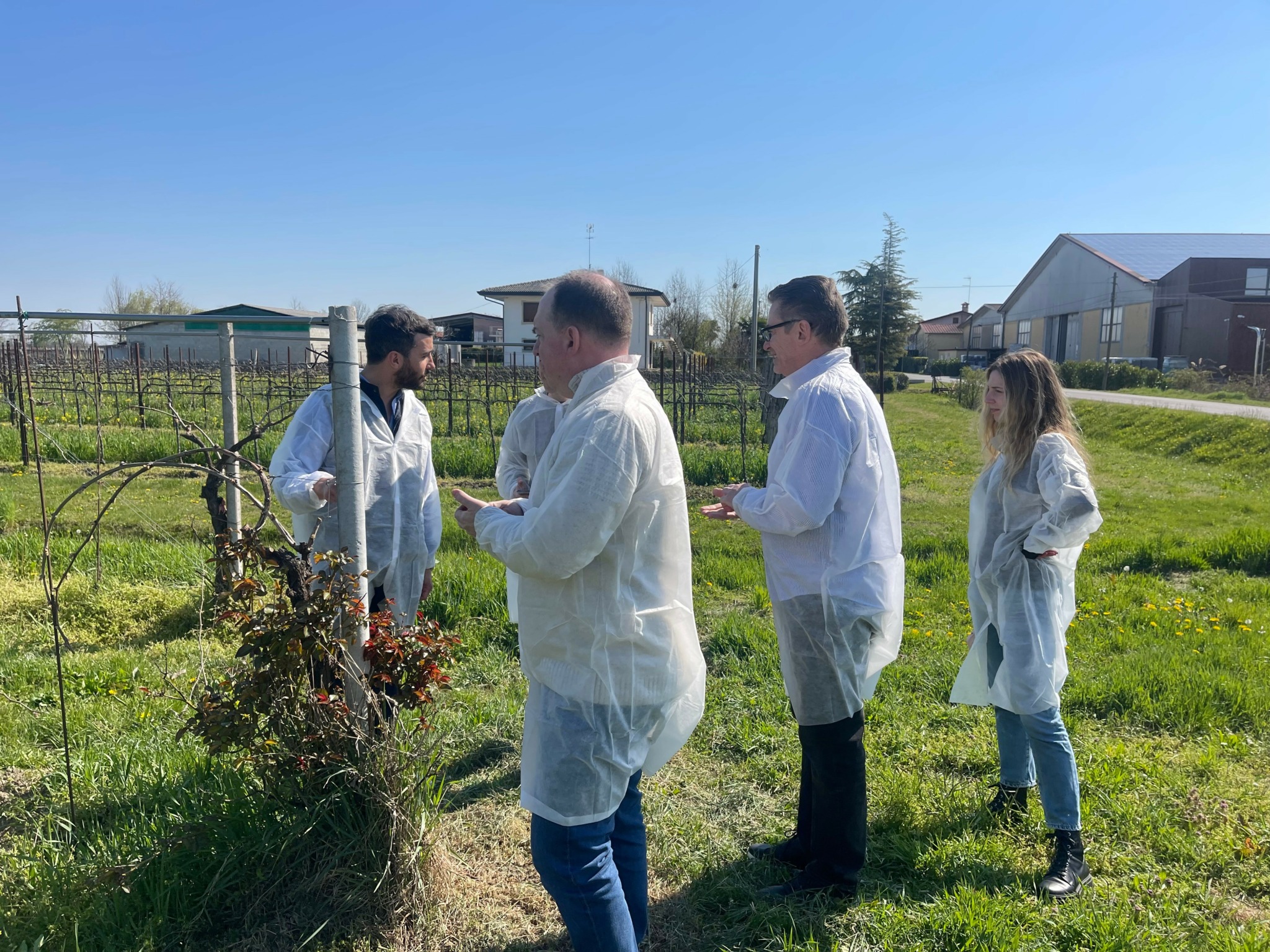
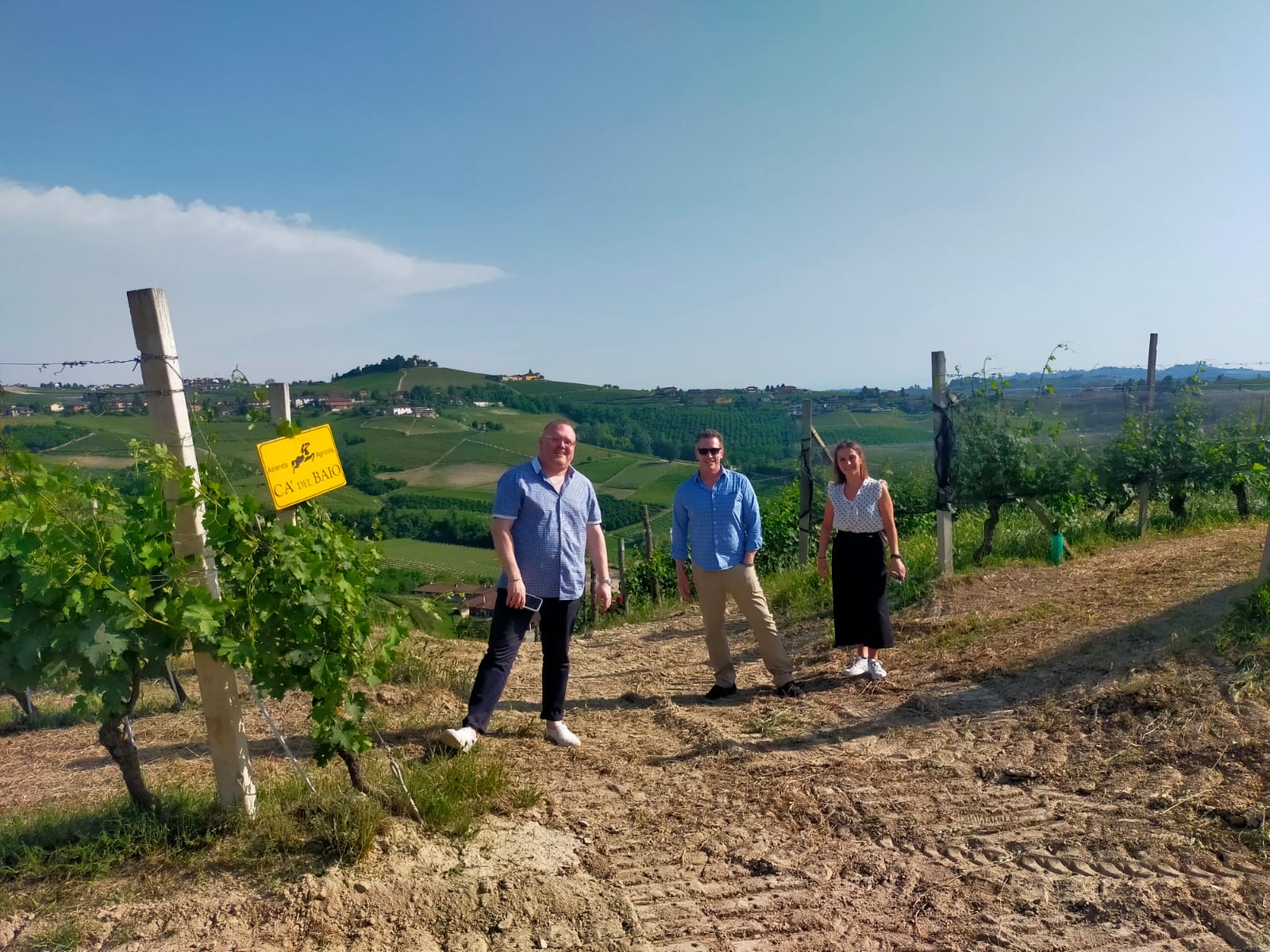
We serve two types of clients: the wineries we work with and the customers who buy from us. For our winery partners, our goal is to tell their stories and make sure their wines stand out in an overcrowded market. We’re not just another distributor—we’re a small team that provides a personal touch. We visit our wineries, get to know the winemakers, and bring their passion to the forefront.
For our customers—whether it’s restaurants, stores, or individual wine lovers—we focus on connecting great people with great products. We prioritize quality and authenticity over price. We can’t compete with the mass-market prices, so we concentrate on offering wines from vineyards that share our values: dedication to craft and tradition.
What are you most proud of, and what do you want potential clients to know about your brand and work?
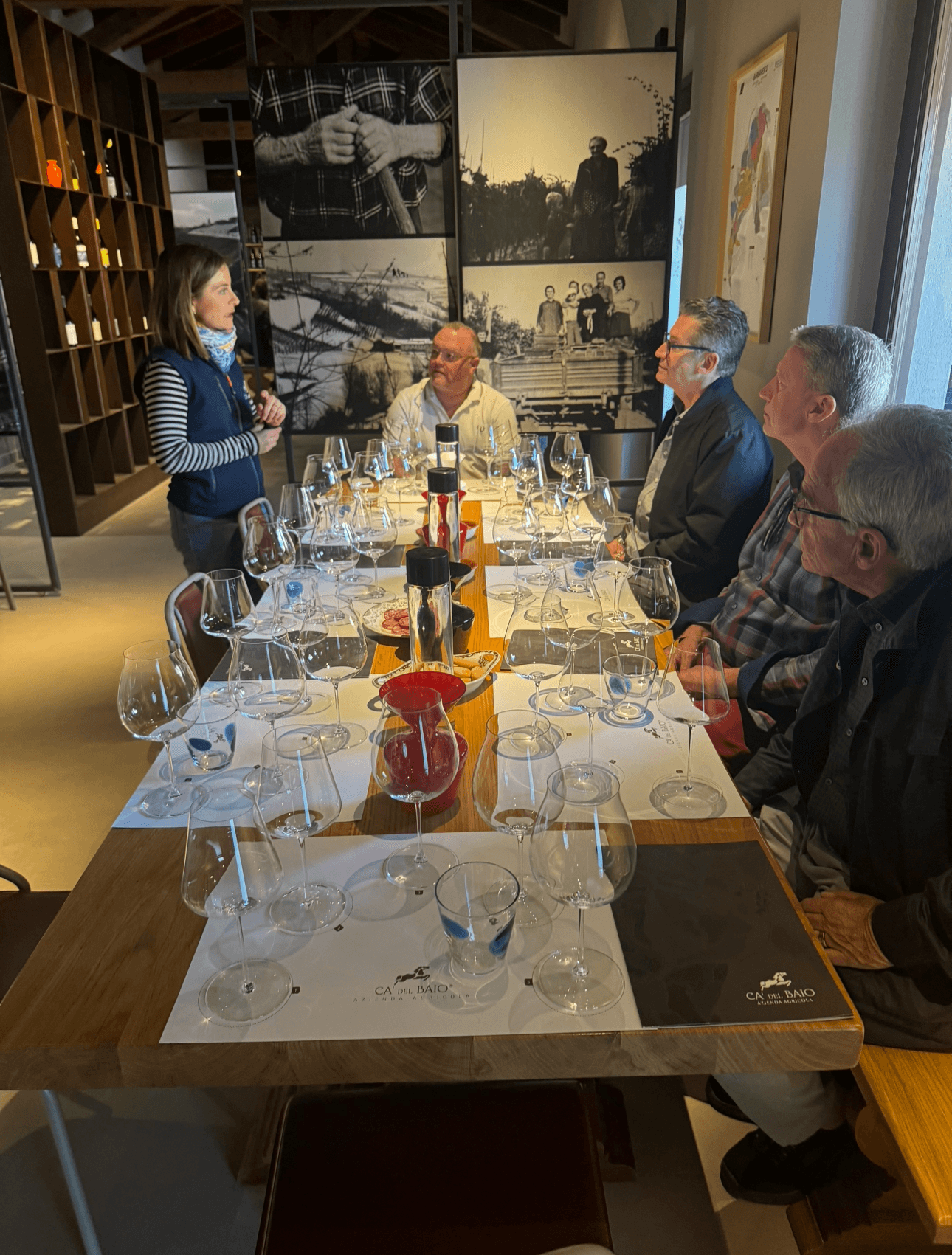
I’m incredibly proud of the relationships we’ve built with our winery partners and the amazing wines we’ve been able to introduce to the U.S. We visit these wineries frequently, and it’s not just business—it’s personal. Our winery partners often come to meet our restaurant and store clients, forging a direct connection between the winemaker and the people who sell or enjoy their wine.
We’re a small, family-and-friend-run business, and we mostly work with boutique wineries, many of which are women-led or run by the younger generation who are just as passionate about continuing their family’s legacy as we are about sharing it. In an industry where many domestic family wineries are being sold to large corporations, we’re proud to maintain a direct line to the winemakers. It’s all about authenticity, craft, and community for us.
How did you put together the initial capital you needed to start your business?
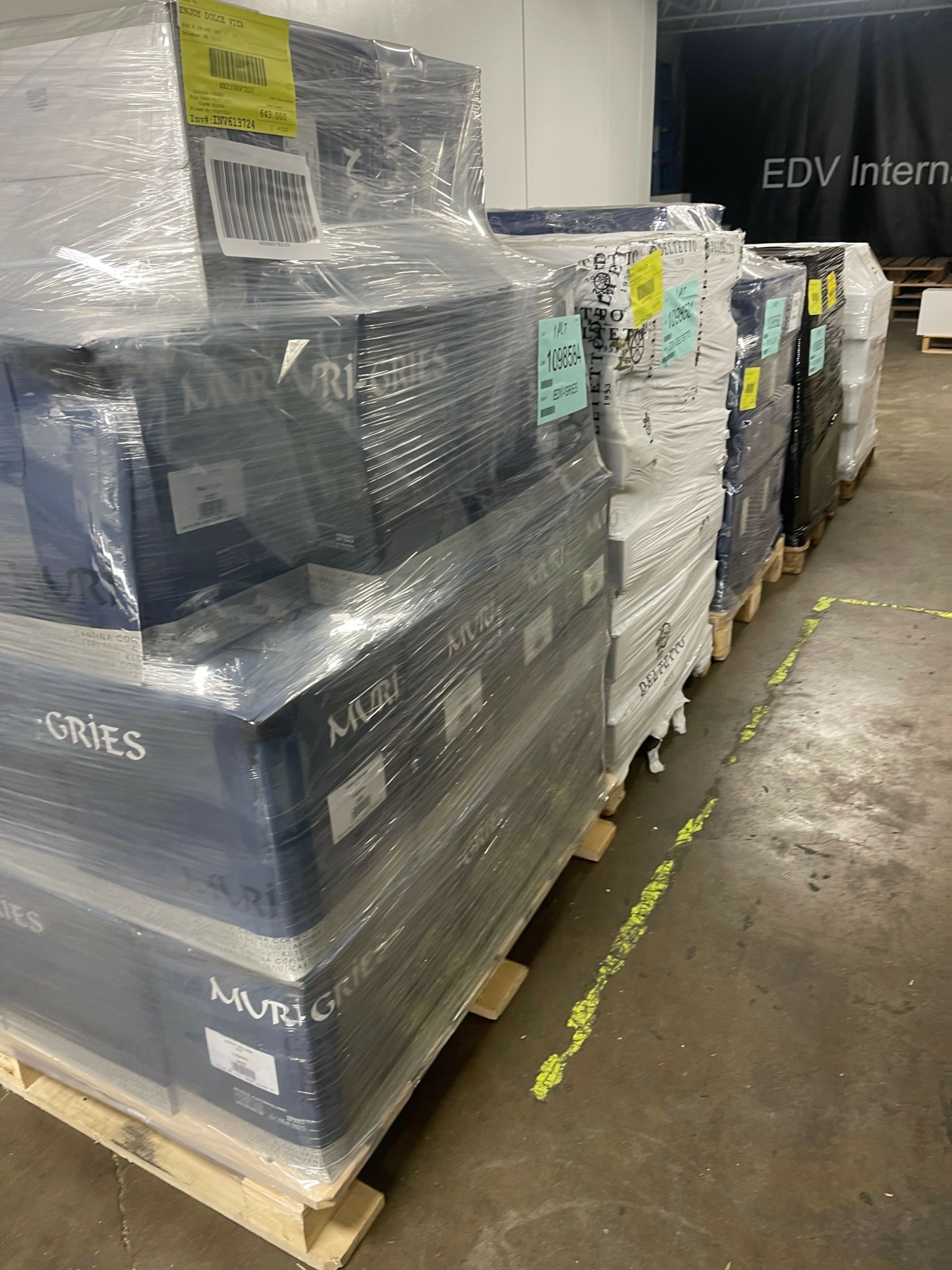
When we started our business, we were driven by passion and a clear vision, so we decided to self-fund from the outset. We came up with a figure that would cover our initial needs: primarily to secure our first batch of products and cover shipping costs, with the rest earmarked for essentials like rent and a delivery van. This plan allowed us to get off the ground successfully, but as we dug deeper into the realities of the industry, we quickly realized that this is a cash flow-intensive business. We soon found ourselves needing more capital than anticipated.
As we grew, we had to pivot. We tapped into lines of credit, made capital calls, and developed smart strategies to cut down on dead inventory and shipping costs—all to keep our cash flow healthy. These experiences were valuable lessons in the complexities of scaling, but our passion for the business and our willingness to adapt has kept us moving forward.
Can you share a story from your journey that illustrates your resilience?
Our resilience was tested almost immediately after launch. Just a couple of months before COVID hit, we had invested heavily in portfolio shows, flying in our Italian partners and inviting key wholesale buyers to a series of events. It felt like the perfect start. But then the world shut down. Restaurants and stores either went out of business or were too hesitant to take on new vendors. It was a gut punch.
Instead of giving in, we adapted. We kept up with the changing laws, worked with restaurants that quickly pivoted to new models, and used our network to generate any business we could. Then, just as we started to regain momentum, shipping costs tripled—squeezing our margins and making it tough to compete in certain wine categories. Through it all, we stayed agile, finding creative ways to keep going. It wasn’t easy, but it reinforced our passion and grit to make this business work.
Contact Info:
- Website: https://edvinter.com
- Instagram: Edvwines