



We recently connected with Shantel Grasdal Ramos and have shared our conversation below.
Shantel, thanks for joining us, excited to have you contributing your stories and insights. Learning the craft is often a unique journey from every creative – we’d love to hear about your journey and if knowing what you know now, you would have done anything differently to speed up the learning process.
Learning to dance and be a performer is actually one of the hardest art forms to learn. Being a dancer is an interesting conduit of expression, because you are expected to move in a way that requires so much strength.. you train like a professional athlete at all levels, but then are expected to still communicate emotions and ideas, tell stories and even challenge and confuse your audience with your performance. You need both facets. The strength and the performance. when one is lacking, the performance feels disjointed.
I grew up training in a dance studio in Calgary, Canada. This studio spent equal parts focussing on strength, technique, and story telling. We would start all our classes with warm ups, that would mimic a workout class you would find in a gym, then after that continue with a class learning technique of whatever style we working on, continuing on to talk about the feeling and emotion and intention of the piece we are working on, try to implement that feeling while practicing the piece, and then finish off with a cool down, then do that all over again into the next class, and then the next one and the one after that. We working on so many things all at the same time, that you did not even realize you were growing so much as a storyteller and athlete, simultaneously.
Now, I implement a similar style of training as an adult, but with one slight difference that I think would have helped me earlier on. I am trying to remain actively present with what I am working on. Creating a mini goal for myself to achieve in that class. Maybe, I really want to focus on tapping into the story of the piece, or execute it from an authentic place of emotion. Or maybe I am trying to focus on physicality, so I am trying to use all my range in my body and hit every level, or I am trying to focus on strong arms in this piece, etc. I truly believe this helps my boy create muscle memory, that way eventually I will reach a point where I do not have to actively focus on it. it comes naturally and I can then focus on to the next task at hand. I also find that different classes will ask of you to work on different goals. there will always be something you should be working towards improving.
It can feel like an obstacle when you step back and look at everything you need to work on. Therefore, this format breaks it down in a way so it does not feel overwhelming. You focus on one thing, and are able to check it off once you feel you naturally do the thing you were working on. Rinse and repeat on to the next task.
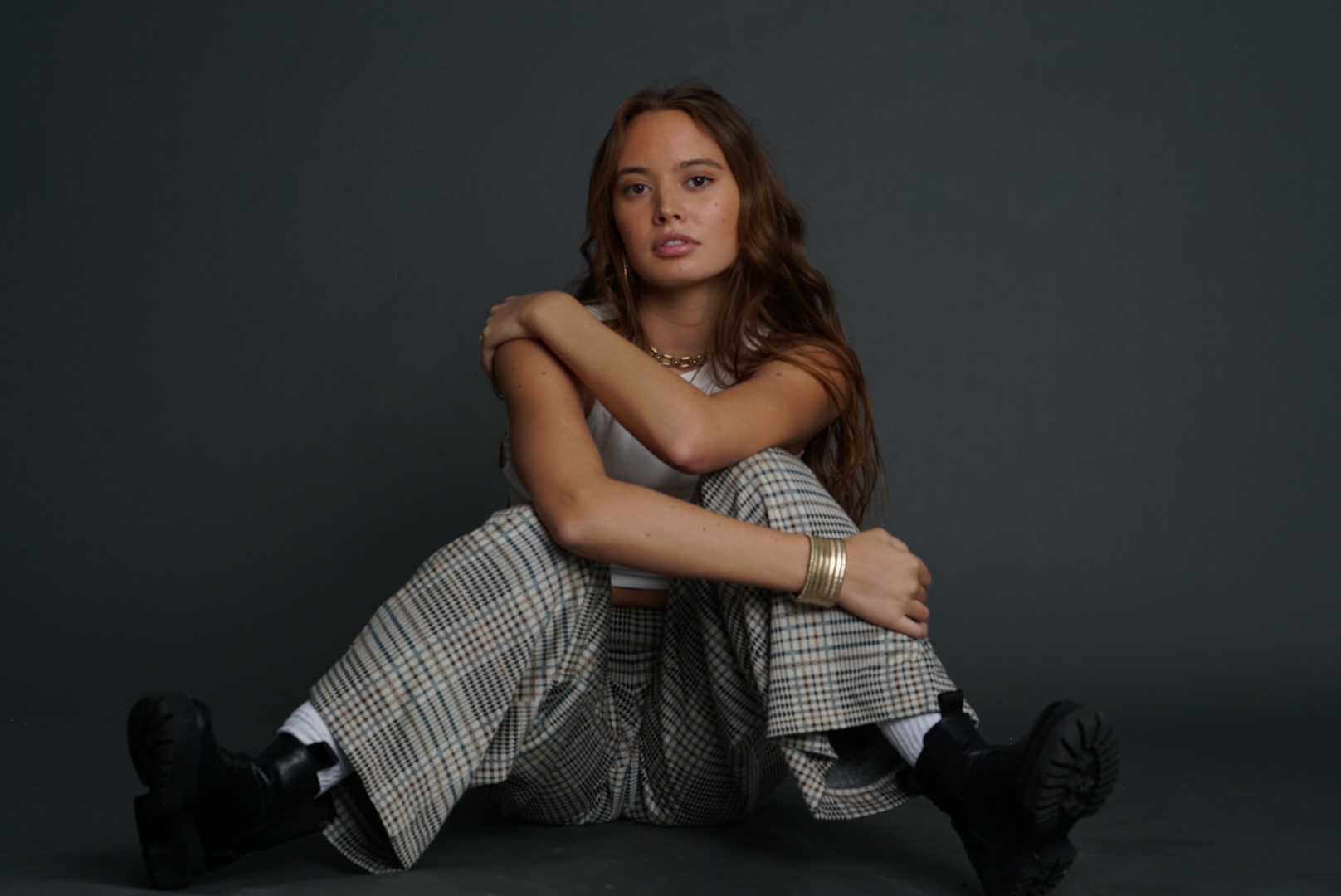
Shantel, before we move on to more of these sorts of questions, can you take some time to bring our readers up to speed on you and what you do?
I was put into dance classes as a child in Calgary. I trained and competed, until after high school. At this point I had already decided to dance professionally. I started out taking classes at all the drop in studios in Calgary. By doing this I was able to meet all the working dancers and choreographers in Calgary. Training alongside them, provided me an opportunity to grow and turning into a stronger artist. By networking with them, I was able to book a couple jobs, and learned that there were higher level jobs for dancers in Vancouver and Toronto.
I decided to risk it all and move to Vancouver, I essentially repeated what I did previously in Calgary. Took drop in classes at all the main studios. Met all the working dancers and choreographers. Trained alongside them to get stronger, and grow. Networked, so I then could learn how about how the Vancouver scene worked.
I continued to do this in 3 other cities longterm, with strong dance training (Seattle, Edmonton, and LA), but I have also been able to implement this in smaller ways for shorter term trips to places like London, Amsterdam, Paris, Medellin, Kyiv, and Berlin.
I always learn something new in every city I have trained in, and feel that training amongst many different cities reflects in my style of dance. I do not look like just a Calgary or Vancouver dancer, because I am not just that. Too many artists have affected me by being amongst them to ever just be that, and I am extremely proud of the fact that I can represent so many places.

Is there something you think non-creatives will struggle to understand about your journey as a creative? Maybe you can provide some insight – you never know who might benefit from the enlightenment.
I believe one of the hardest things for non-creatives to understand is that I really enjoy the process, almost more than the product. Training and becoming stronger is the most rewarding part of being a dancer. I of course enjoy seeing the end product or performing live, but I have also realized that if your constantly waiting to feel content once you book a dream job or doing your best performance, a lot of your life’s work will be spent waiting and waiting for something that may never come.
For me what matters and why I still do this 10 years into my career is the hours in the studio honing my craft, learning something new, or just being able to showcase in a drop in class. that is what feeds my soul and artistry. a lot of jobs that dancers book, we are not able to show case everything we can do, but in that studio you have the space to do whatever you want.
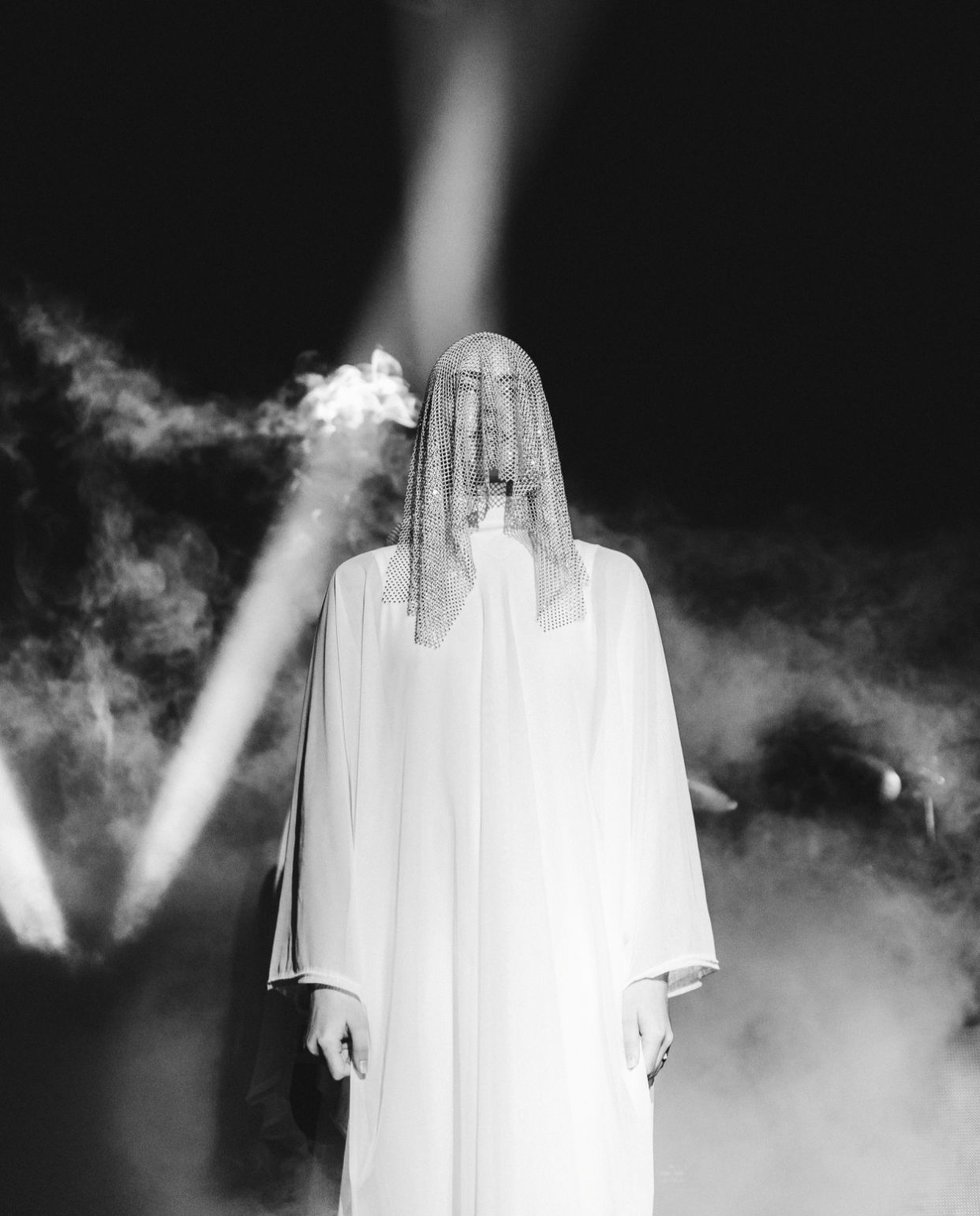
In your view, what can society to do to best support artists, creatives and a thriving creative ecosystem?
Going to local shows, and following their journeys on social media is the best way to support local artists.
Unfortunately, there is nowhere to perform if people do not show up to the local showcases happening. these local shows cost a lot of money to put on, and a lot of the time the people putting on the shows barely any money. it is for the love of these communities that they continue to put them on. therefore, if nobody is showing up, you can only put on so many before the funds run dry.
A lot of these showcases also sell merchandise. That is a really great opportunity for dancers to make a little extra money to cover costs, such as studio rentals, theatre rentals, technicians, dancer fees, etc.
Lastly, social media. It is such a useful tool in seeing if what you are doing is reading well amongst audiences, and to find your niche audience.Just as you’re following your favourite actors and singers, why not support in the same way and follow your favourite dancers or choreographers. It is the best way to stay up to date with any projects they are putting on or classes they are holding.
Contact Info:
- Instagram: https://www.instagram.com/the_shantel/
- Youtube: https://www.youtube.com/@shantelgrasdalramos

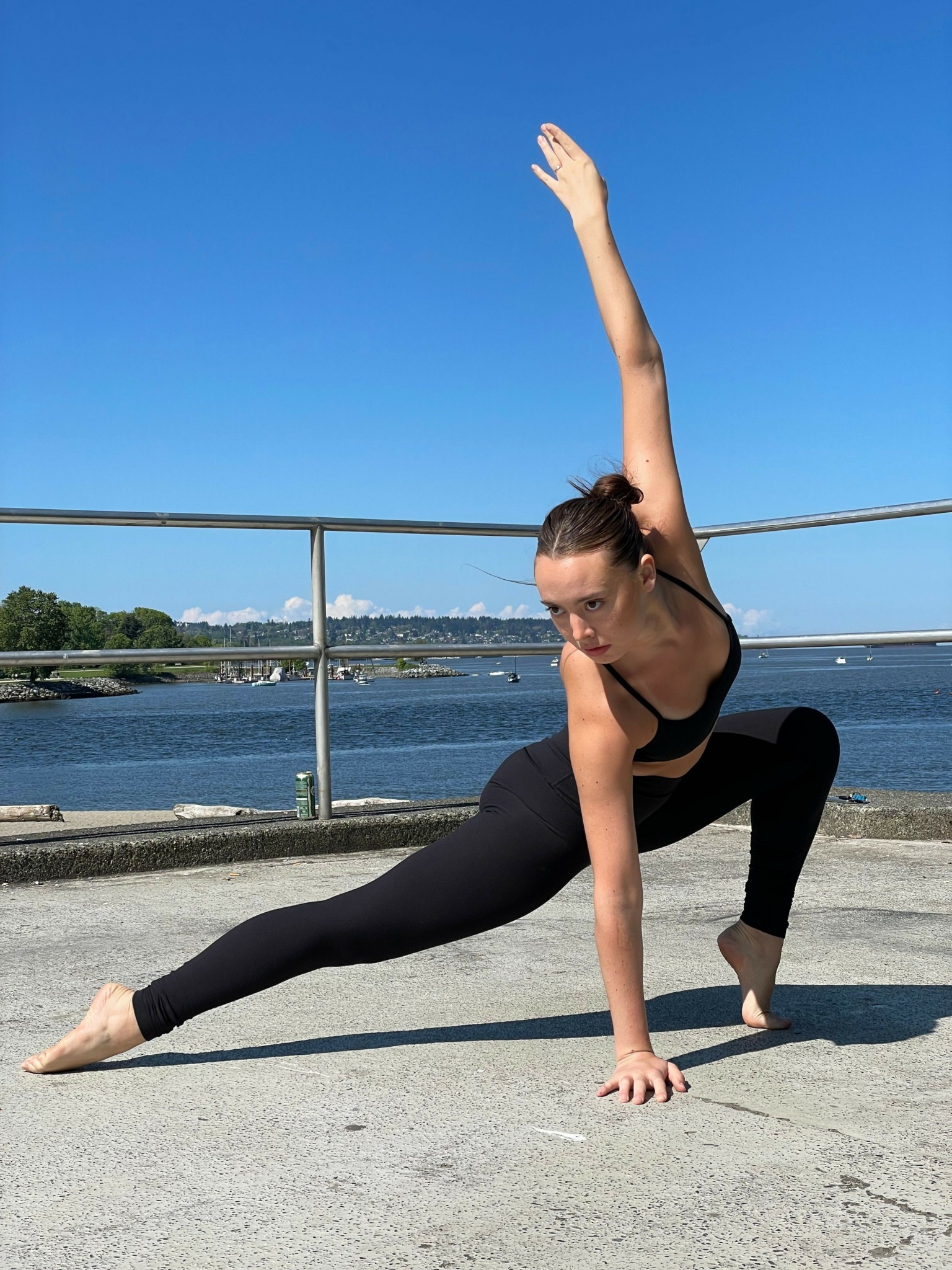
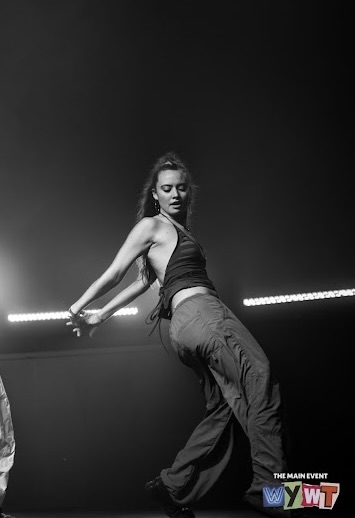
Image Credits
Images by Bao Nguyen, Meghan Gipps, Jarod Gatica Romero, Jessica Doll, Evan Morash, and Jared Outten