
We caught up with the brilliant and insightful Aly Moore a few weeks ago and have shared our conversation below.
Aly, thanks for joining us, excited to have you contributing your stories and insights. We’d love to hear from you about what you think Corporate America gets wrong in your industry and why it matters.
If we get agriculture wrong, nothing else will go right.
Current global food production is linear, extractive, and unsustainable. We sacrificed long-term soil health for short-term yield increases.
We use about 10 calories of energy to produce 1 calorie of food;
Over a third of the global food supply is wasted each year;
A third of all fish are used as animal feed;
Land-intensive soy is used to feed cattle, chickens, and fish;
Agricultural practices of the last decades have killed our soils, leaving us addicted to inputs like synthetic fertilizers. Input costs are rising at record rates due to climate change, ongoing COVID-19 supply constraints, and geopolitical turmoil.
A recent Deloitte report found that climate inaction could cost the world $178 trillion over the next 50 years. Alternatively, by hitting net-zero by 2050, countries could add $43 trillion to the global economy. (The environmental incentive is more than enough, but some people like to talk in $$$.)
According to Project Drawdown , diverting organics from landfills is the #1 actionable item to address climate change, but we “lack scalable technologies” to address the problem.
We beg to differ.
Here’s our plan: Rapidly scale US insect supply chain and insect farms;
Integrate regenerative systems to divert waste, close loops, and return biodiversity to the soil;
Produce sustainable, domestically available feed and fertilizer products;
I wholeheartedly believe the single most impactful investment we can make today is in scaling up insect agriculture.
Modern agriculture is linear and extractive. We must do a 180 degree flip on how we produce our food to make it regenerative and circular. To achieve this, we must literally close the loop on food production. How? The way nature does: with insects.
Beyond producing nutritious fats and proteins, insects provide many “ecosystem services” such as: bioremediation, waste management, soil health restoration, fostering biodiversity, etc.
We must re-weave insects back into our food system first, as a foundation, to support all of the other beautiful initiatives within permaculture, agroforestry, etc. that focus on the long-term health of our food system
The insect farming industry is critical to support all other parts of the existing agricultural landscape:
We scaled up so many parts of agriculture, but forgot about insects: nature’s waste management system, feed/soil production, and bio-filter technologies.
Companies like Chapul Farms raise insects on agricultural byproducts that would otherwise go to landfills or other, less circular outcomes.
Great, appreciate you sharing that with us. Before we ask you to share more of your insights, can you take a moment to introduce yourself and how you got to where you are today to our readers.
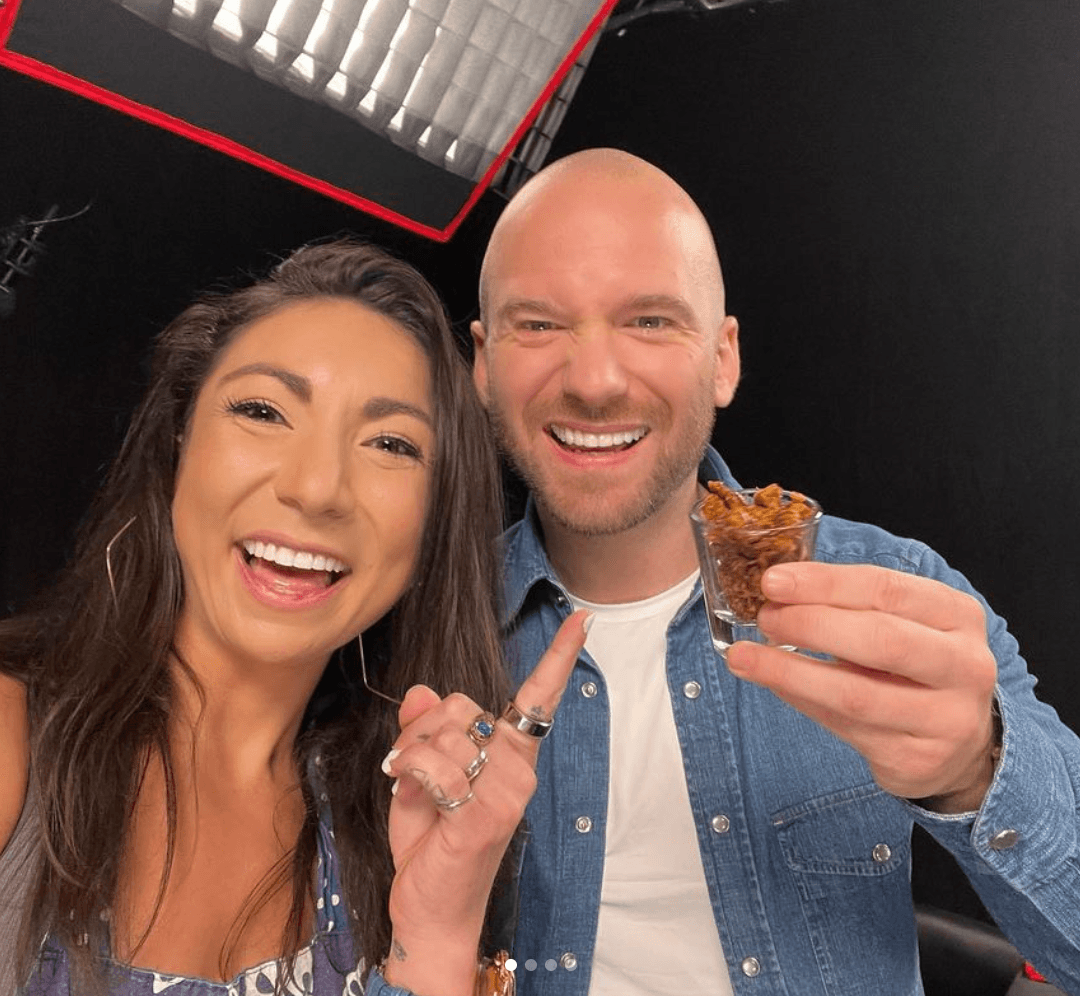
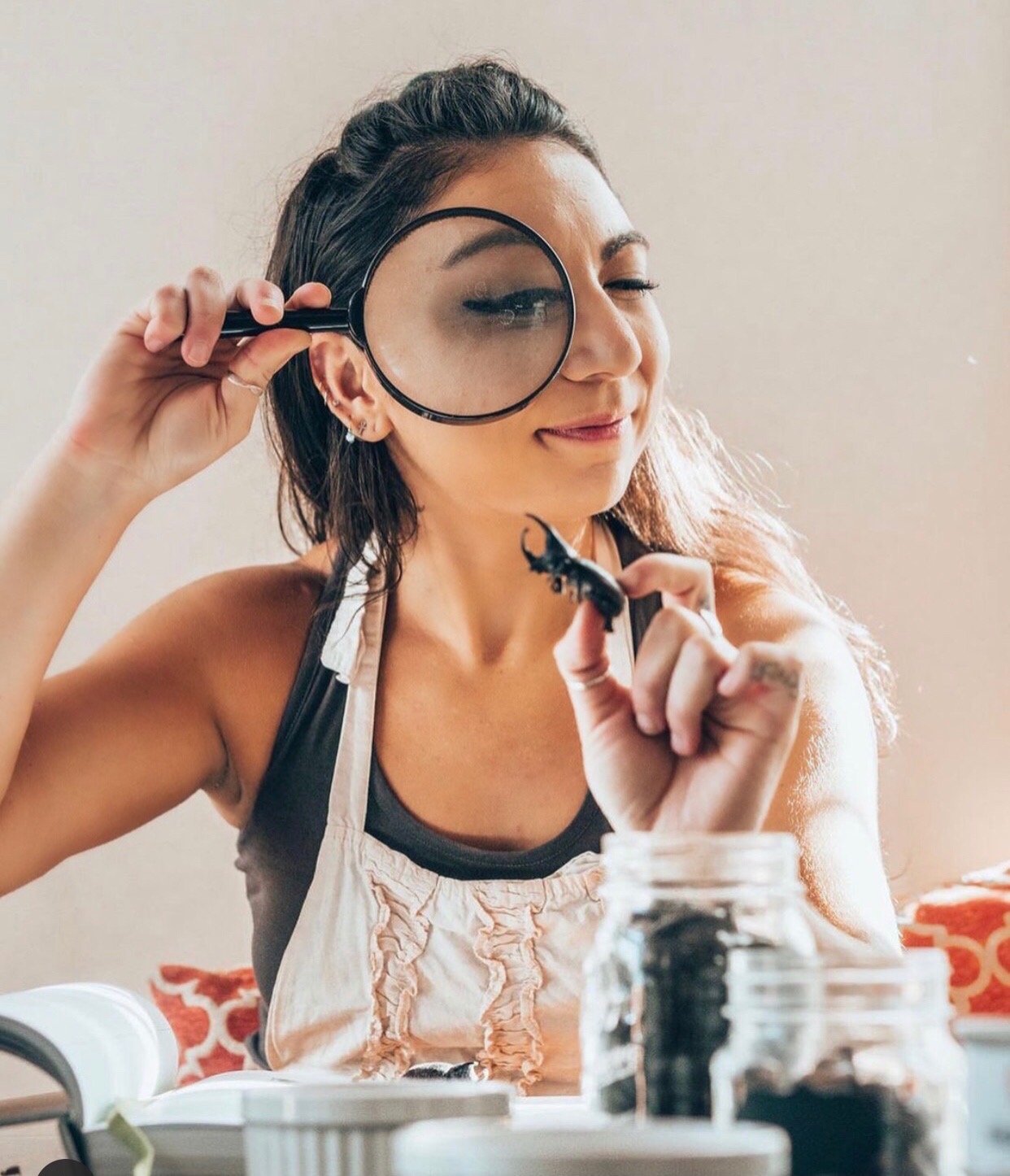
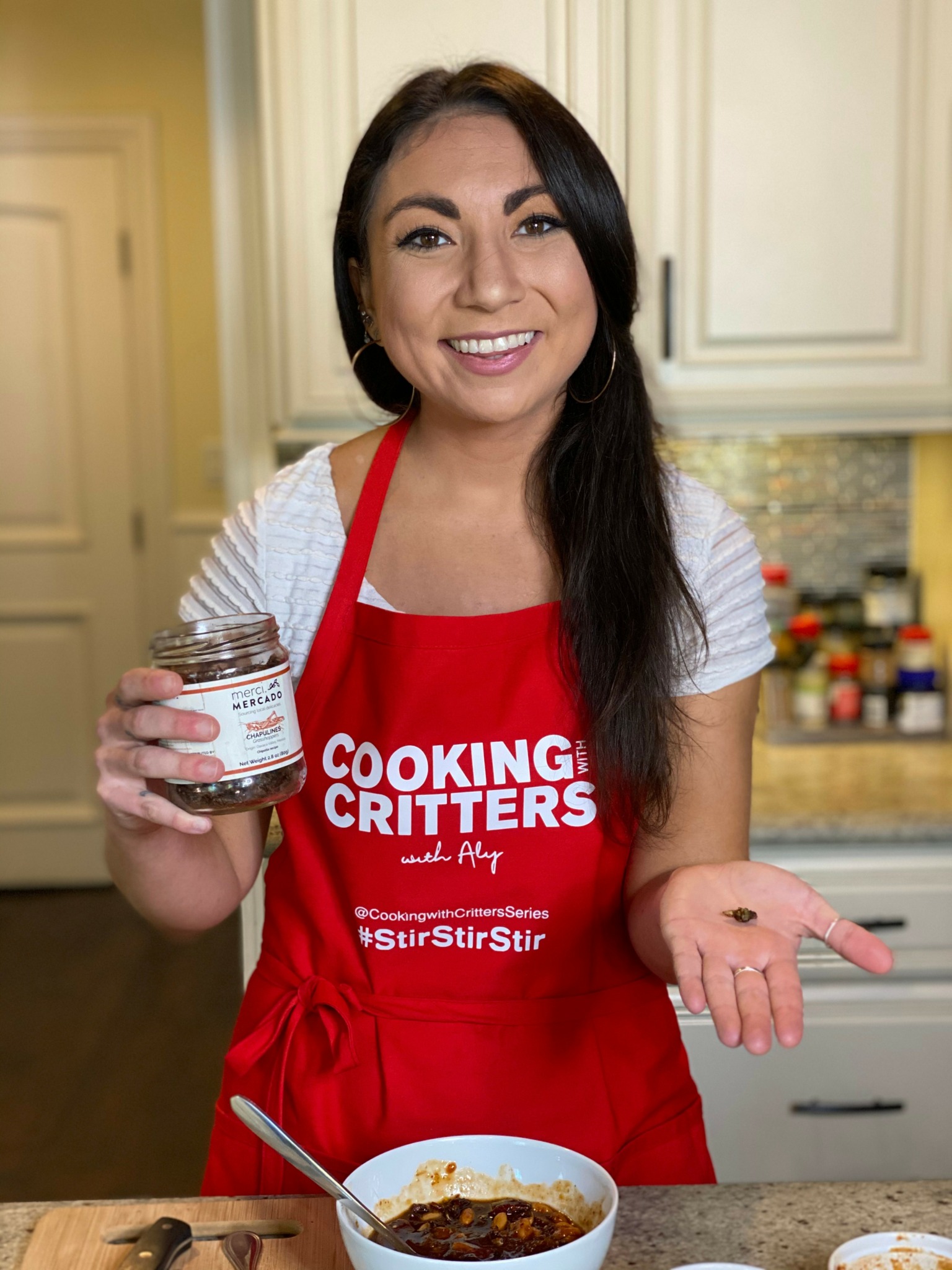
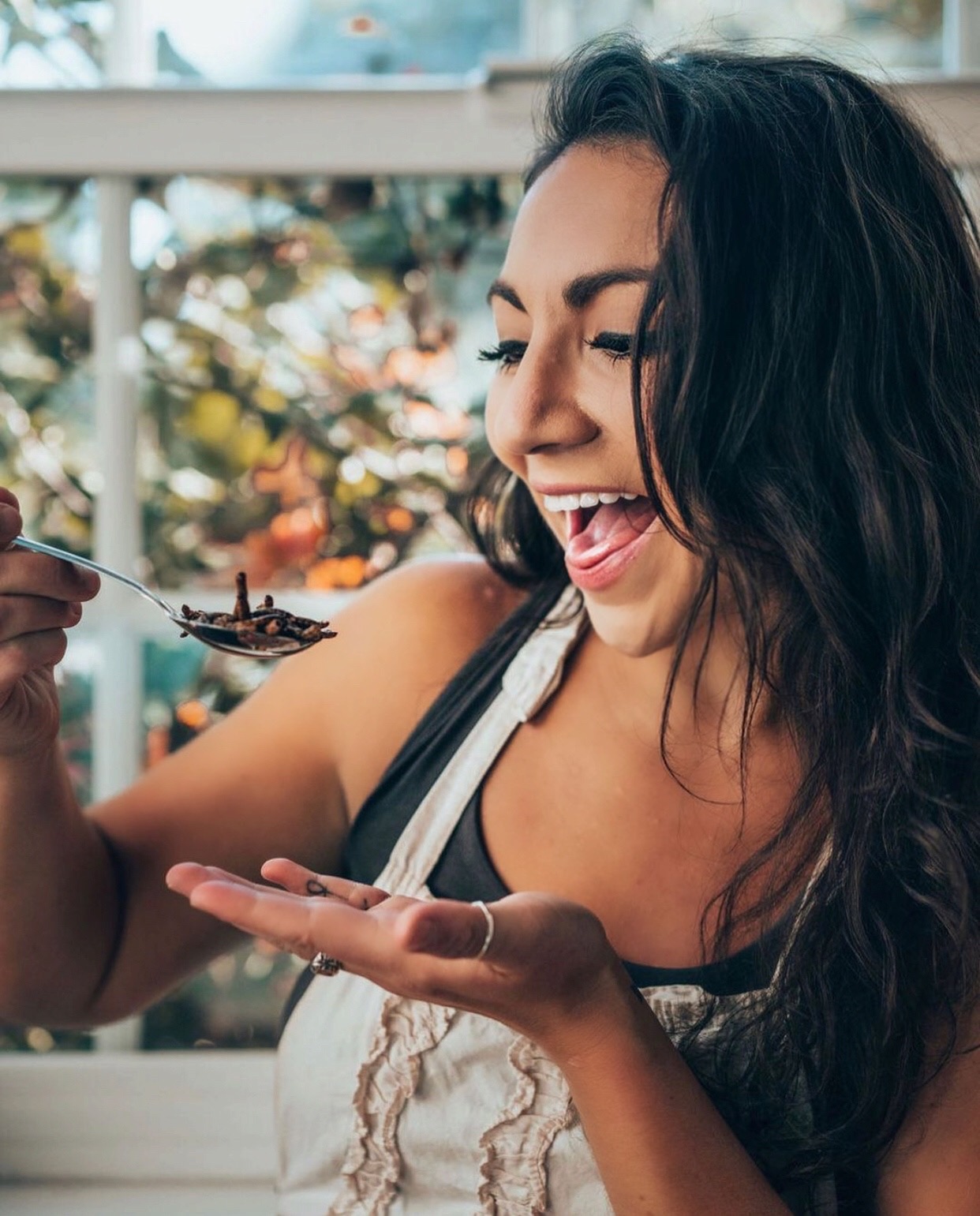
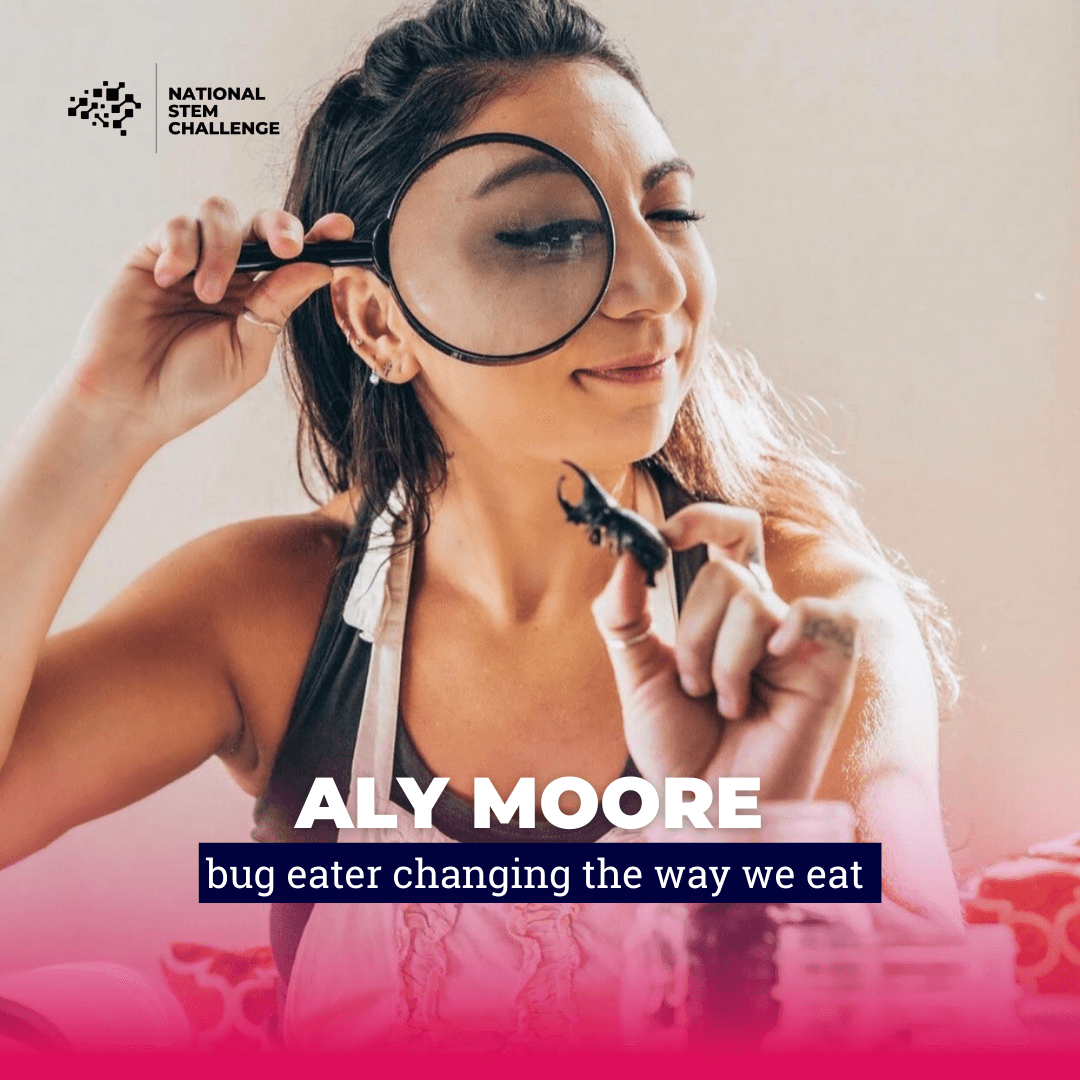
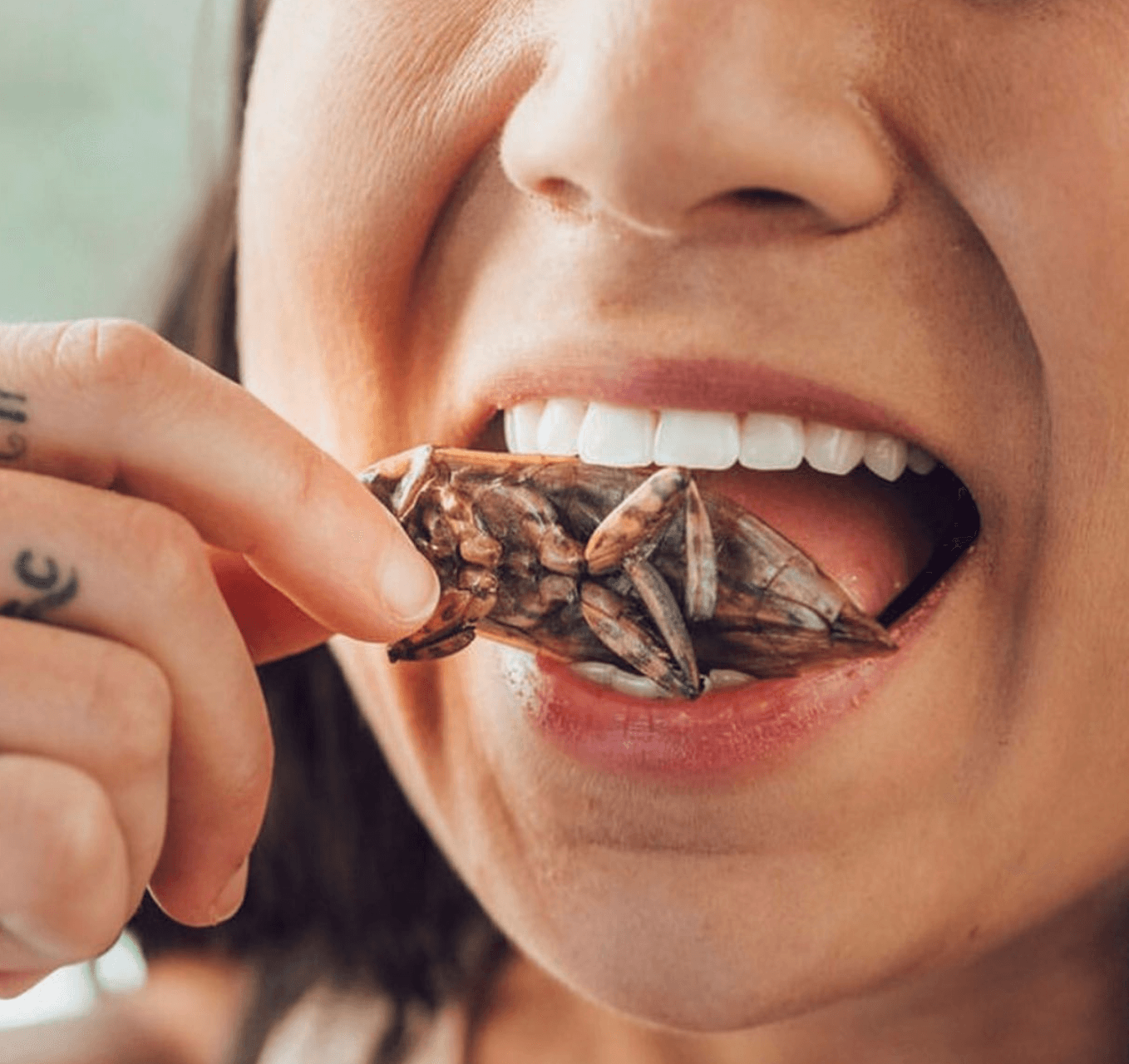
My name is Aly Moore, and I eat bugs. My favorite quote is, “A mind is like a parachute – it functions only when open.” I’ve been working since 2012 to get people to open their minds and mouths. I ate my first bug in Mexico (it was a grasshopper taco) while studying abroad for my public health courses at Yale University. After graduating, life took me in a different direction and I co-founded a tech startup in entertainment marketing. But I always pursued my passion project, Bugible, on the side (nights, weekends, and whatever days I could get off.)
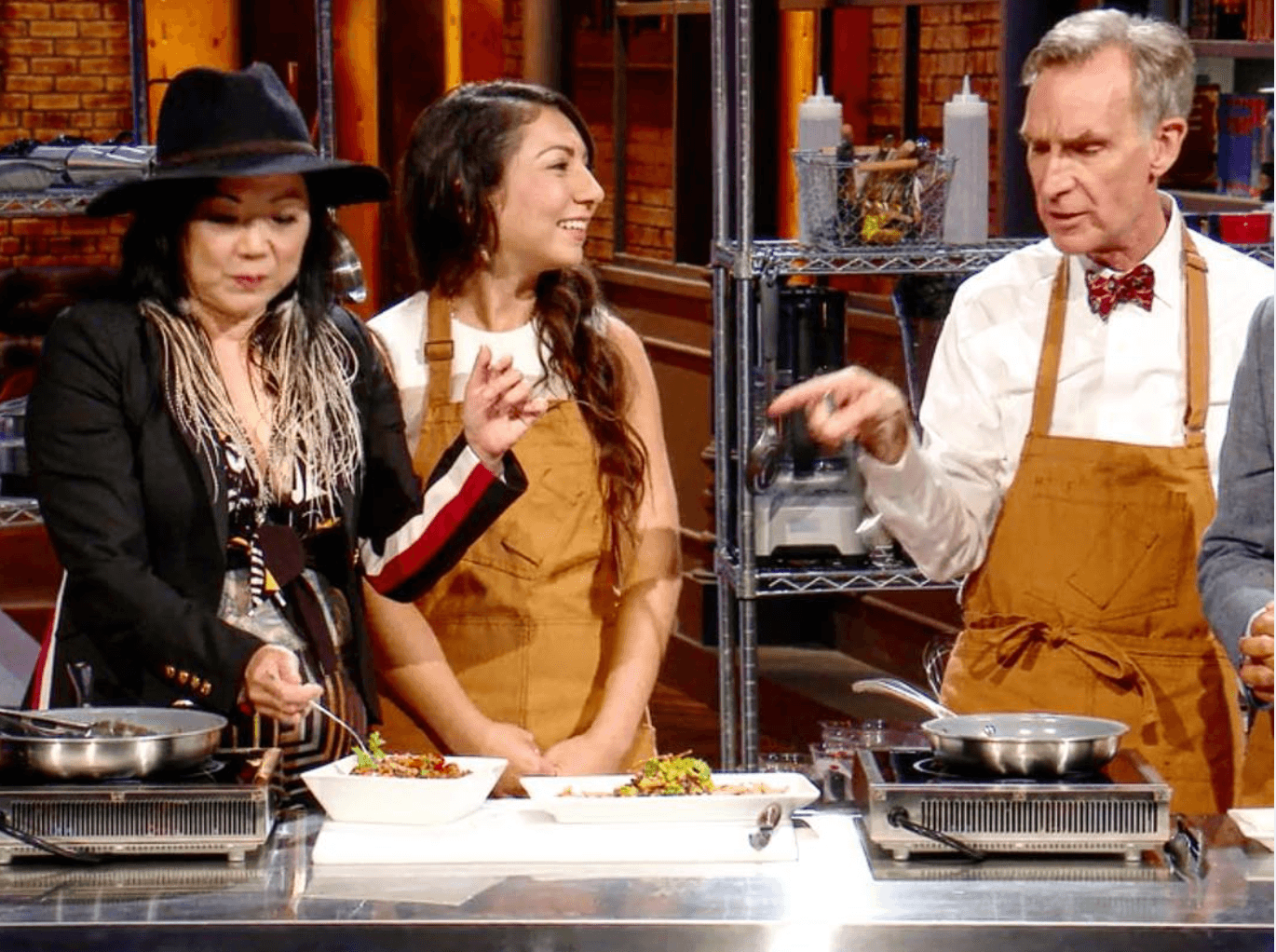
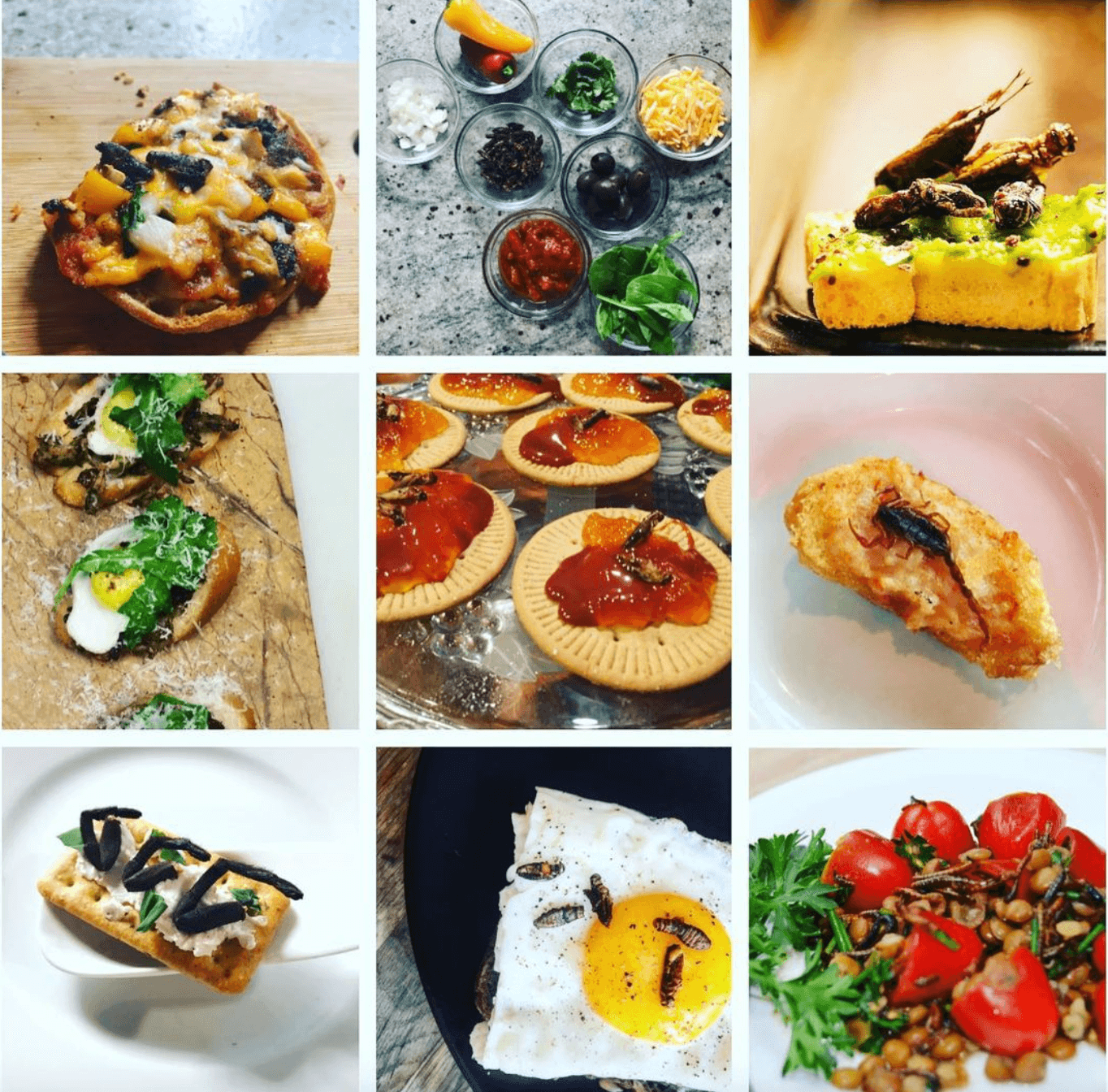
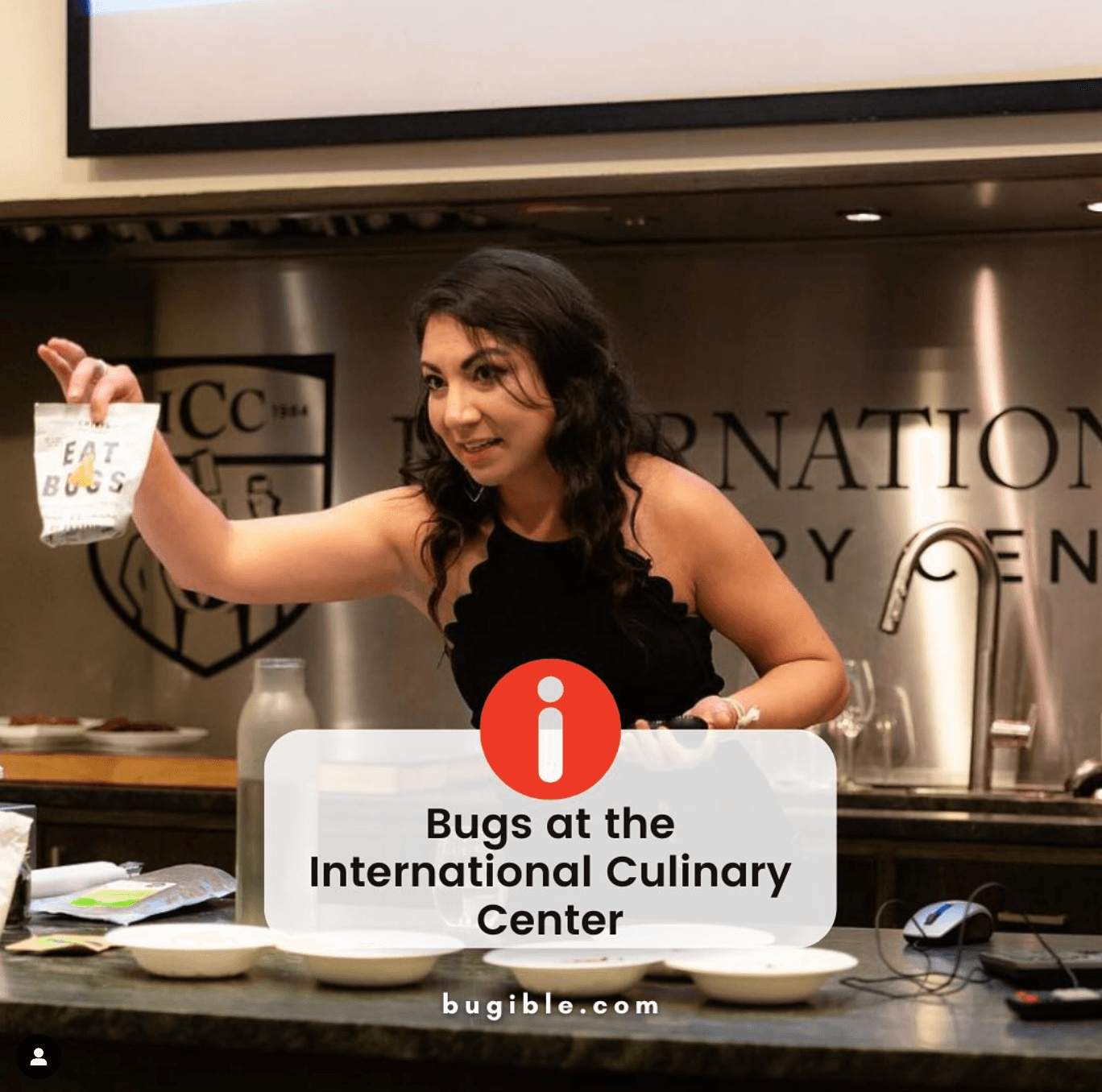
To stay connected to my passion for public health, I started a blog called Bugible.com (blog) to support the growing insect agriculture industry that captivated my heart. Since 2012, Bugible has grown a cult following on Instagram (@bugible) and evolved into a strategic consulting and public advocate platform to educate broader audiences with sensational events like Bug & Wine Pairings, Bug Dinners, & Bug Cooking Classes. Since, Bugible has become the leading PR authority for the insect agriculture industry, appearing on Netflix’s Bill Nye, Food & Wine, Forbes, & others. Today, Bugible focuses on continuing to spread awareness about other sustainable and nutritious potential of bugs through collaborations with institutions of all kinds from the International Culinary Center, Yale University, Parks & Recreation Districts, or even the Girl Scouts of America.
I now work full-time with the team best positioned to re-weave insects BACK into American agriculture to eliminate food waste, restore soil health, and produce high-quality animal feed: Chapul Farms (chapulfarms.com).
Chapul Farms is an insect agriculture project development company based out of McMinnville, Oregon that builds insect agriculture facilities. These zero-waste insect farms have a triple value proposition:
1) consume organic waste streams as feedstocks,
2) produce insect larvae composed of high value fats and proteins sold into animal feed markets, and
3) produce bio-rich insect manures sold into bio-fertilizer markets.
We just received USDA Fertilizer Production and Expansion Program award with bipartisan support to scale projects using black soldier fly larvae to process organics waste into microbial-rich soil amendment called frass (https://www.usda.gov/media/press-releases/2024/05/23/biden-harris-administration-invests-domestic-fertilizer-projects).
Important note: while I choose to eat bugs daily for their sustainability as ingredients and incredible nutrition, I am much more careful to focus on insects for feed and fertilizer today.
10 years ago I could whimsically write about my adventures in eating bugs without anyone questioning my sincerity (my sanity was fair game!) Today, however, when I put content out about eating bugs, the comment section becomes a hotbed of conspiracy theories. “How much did the World Economic Forum have to pay you to convince Americans to eat bugs??”
It really doesn’t matter whether Americans choose to eat bugs or not. But it’s CRUCIAL that we restore insects to our food production systems so that they can provide all the ecosystem services that they do in nature. 🪰 We scaled up so many parts of agriculture, but forgot about insects: nature’s waste management system, feed/soil production, and bio-filter technologies. Companies like Chapul Farms raise insects on agricultural byproducts that would otherwise go to landfills or other, less circular outcomes.
I break down my entire thought process in a recent blog here: https://bugible.com/2023/09/26/5-disgusting-misconceptions-about-the-insect-industry/
What do you think helped you build your reputation within your market?
I think a lot of people have caught on to this strategy by now, but I can’t stress enough how crucial it is to have real human conversations with real people working in the industry/markets that interest you.
When I first started in the insect industry, there was no western “industry” to speak of. I have learned about eating Bugs in Mexico and wanted to find sources to purchase human-grade insects in the US and started exploring online. At this time – around 2012 – there wasn’t even a trade organization or collaborative industry research center, yet. Most of the information that I found was from Reddit discussion forms. I decided to chronicle my conversations and personal education by blogging. You can learn so much about a new industry by interviewing the experts that exist in it. So much my early education came from interviewing academics and entrepreneurs working in the nascent insect agriculture industry.
After a certain amount of interviews in an industry, you’ll have a network. Pioneers, I was speaking to leading companies and research in the early insect industry were my kind of people and so it was easy to call them my friends. I’ve found that my burnout quickly when I work in ecosystems, full of just peers or coworkers. I thrive when I work in ecosystems full of people I can consider my friends. I think this is true for most people.
I believe in paying it forward. I’ve learned so much from mentors who have given freely without expecting anything in return. It’s easy to be a connector and helper when you have high visibility and connectivity within a professional network. For sometime I was really the only blogger/micro-influencer in my industry. I didn’t work with just one company, but rather spoke to many throughout my interviews. I’d learn who was looking for capital, who was hiring, who needed consultants, etc. and could help companies connect the dots. I volunteer often, especially when community building was concerned.
I played a role in the formation of our industry trade organization, in organizing our first few industry conventions and meet ups, and worked collaboratively with many insect companies to place their products in activations I was creating as an industry advocate (like bug & wine pairings).
Can you share a story from your journey that illustrates your resilience?
Finally, working in a new industry has required a lot of personal sacrifice. I’ve had to work a day job for over a decade to support my work in the insect industry. In 2020, “challenge” took on a whole new meaning when occasional acute pains turned into chronic pain. The onset was slow, I was a runner, and I had ignored warning signs from my body for most of my adult life. By the time the pain and inflammation was daily, it was intense. The cause is complex, but can be diagnosed as a compression fracture in my left foot, bilateral pars fractures defects L5/S1 (lumbar spine) and a bulge in my cervical spine (C7). Deciding to find a path forward in a medical system that thinks pain meds and unsuccessful back surgery are “solutions” has been the most challenging task I’ve ever taken on. This all went down as I was founding my current full-time job, Chapul Farms. I’ve learned a lot about how strong I can be when I put my mind to it. I didn’t know if I’d be able to make progress on diagnosing and treating my health issues while founding a company and fundraising. I’ve impressed myself with my resiliency during this difficult time.
I just received my disability placard in the mail – that thing that lets you get the good parking spots. My chronic pain condition is so real and intense that I qualify for that disability placard. At a time when I’m medically labeled as “disabled”, I’ve never felt more capable. I’ve helped Chapul Farms raise over $2.5M in seed funding during a time when I had to go into a surgery center to get an epidural in my neck every 2 months just to be able to push through the pain to work and do physical therapy. I’ve seen so many parallels between what I’m learning about what makes food systems sustainable, businesses sustainable, and bodies sustainable. I’ve learned that I can not just survive but overcome pain that was previously unimaginable if I had a purpose to rise up to each day.
This chapter is far from over – our company is currently in another cash flow crunch and my health remains a roller coaster. But after the last 4 years of doing what I previously considered impossible, I’m up for this challenge.
Contact Info:
- Website: https://www.bugible.com
- Instagram: https://www.instagram.com/bugible
- Facebook: https://www.facebook.com/Bugible/
- Linkedin: https://www.linkedin.com/in/alymoore/
- Twitter: https://x.com/bugible
- Youtube: https://www.youtube.com/bugible
- Other: https://www.chapulfarms.com/, https://www.tainablelabs.com/