

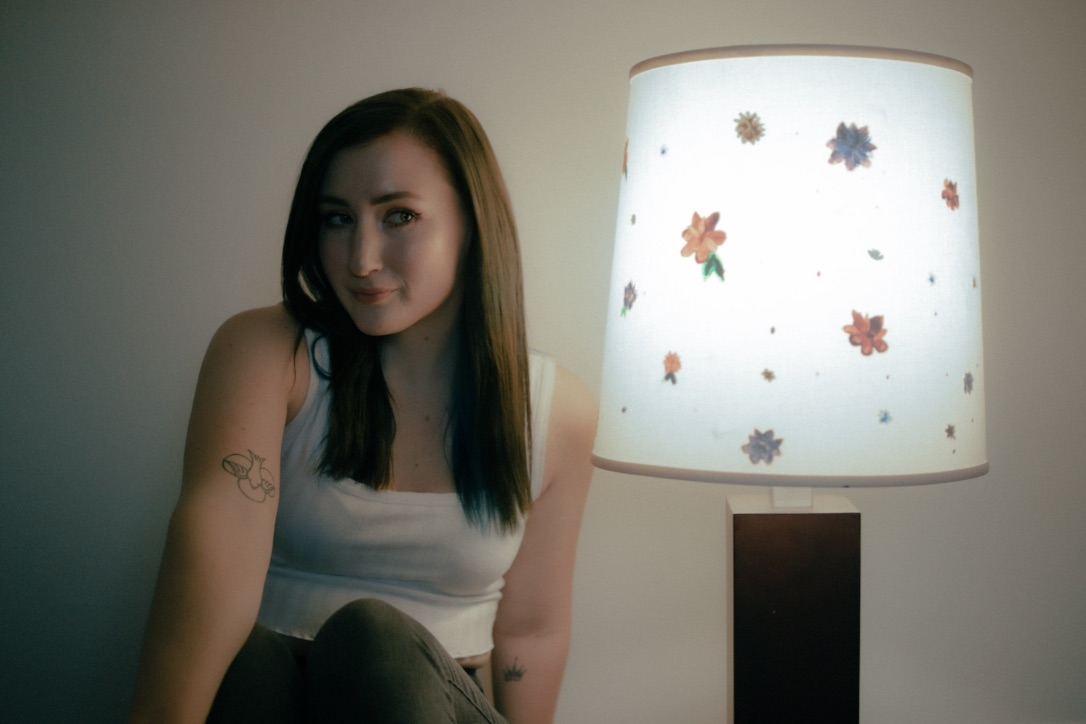

We caught up with the brilliant and insightful Juli Strawbridge a few weeks ago and have shared our conversation below.
Juli , appreciate you joining us today. Learning the craft is often a unique journey from every creative – we’d love to hear about your journey and if knowing what you know now, you would have done anything differently to speed up the learning process.
Although I’ve written songs since I was a kid, I’d say I first learned how to really write a song in the summer after my freshman year of college. I started a Youtube channel just to check it off my bucket list, but it ended up being a pivotal experience for my creative work. In my videos, I analyzed music by popular artists and then wrote a song that sounded like they could’ve written it- all while on camera and in under an hour. The mechanical process of listening to an artist, noticing their common musical and lyrical motifs, and then generating a song that uses all of those elements was a process that honed my songwriting mechanics. Songwriting is often talked about as a product of the ‘muse’, or big waves of emotional creativity, but I think it’s mainly just a muscle like any other. It needs to be trained to work well. Ed Sheeran compared songwriting to turning on a rusty sink-you have to let the dirty water run before you get clean water. For the first year or two of writing songs on Youtube, I also wrote a song a week off camera and would often give myself genre or theme challenges. I wrote (and still write) a lot of bad songs. I firmly believe the practice of buckling down and finishing an idea is absolutely pivotal for writing better ideas. There’s no other way to develop taste- another integral part of songwriting. I think you have to write a lot of bad songs in order to understand which ones are actually good. This is especially important for producing music. Anyone can slap a bunch of loops and midi instruments onto a track, or buy the trendiest sounds and throw them together. What makes music production more than just copying a pasting is the unique decisions you make with the sounds you have. You can only understand what combination of instruments make sense and sounds interesting by creating a lot of combinations. A huge part of specifically my production process is failure.
An obstacle I had in the past was the fear and shame of wasting time. I’ve come to realize that creating something is never a waste of time. Spending three hours building a 4 measure production idea that ends up sounding terrible and being deleted is precious to your craft development. The fact that you can recognize something doesn’t sound good shows that you have taste, and you’ll apply the tools you used for a future project. This also goes for writing songs. Some of my favorite songs I’ve ever written have started as pieces from other songs that didn’t work. When I started doing cowriting, I would be able to pull from my stash of ‘failed’ or incomplete ideas, or even finally find the right place for a line with the help of the other writer.
Great, appreciate you sharing that with us. Before we ask you to share more of your insights, can you take a moment to introduce yourself and how you got to where you are today to our readers.
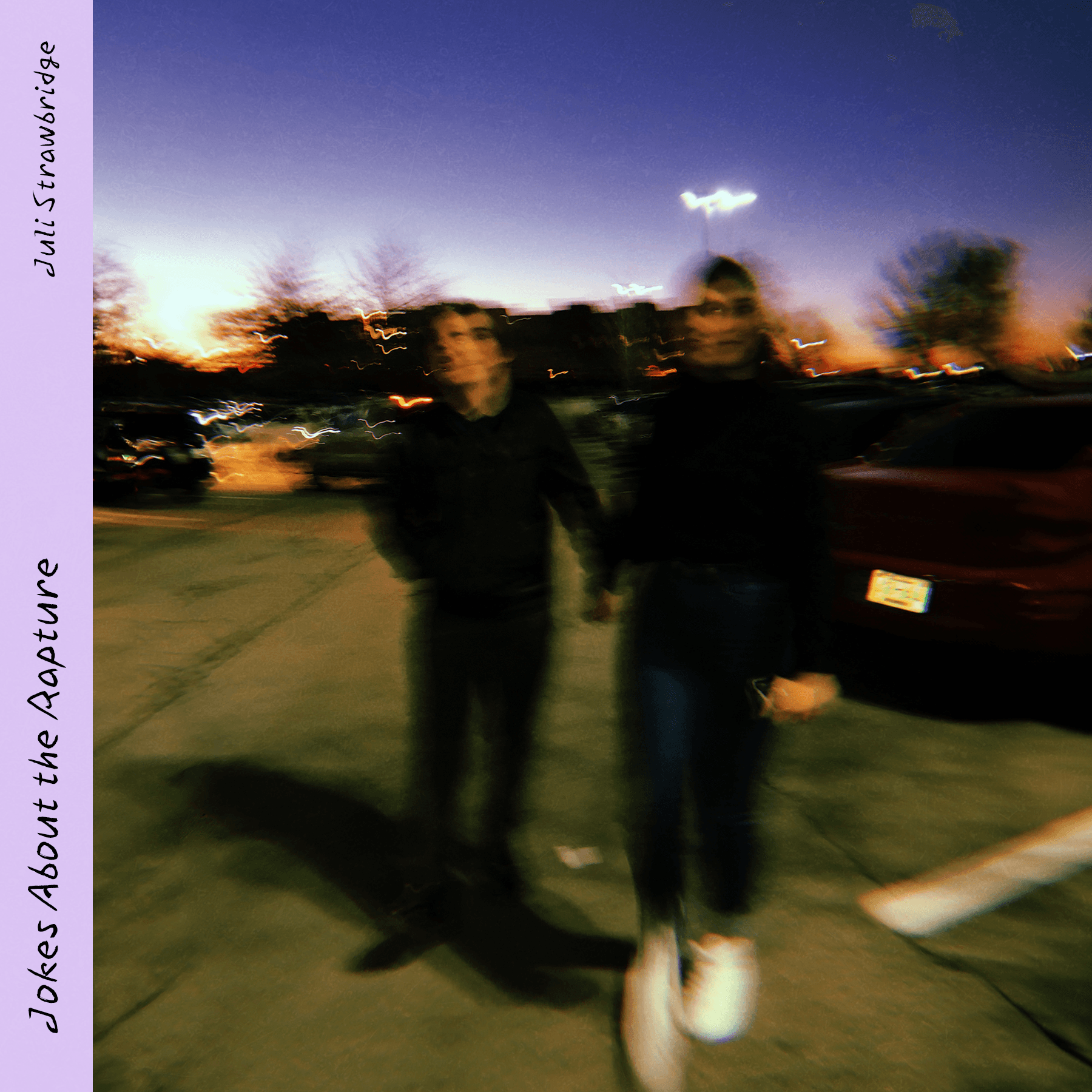
I am a songwriter and producer that makes indie pop/singer songwriter music for myself and a variety of genres and styles for other people. I had a Youtube channel for 5 years that was equal parts songwriting/production education and entertainment. Although I feel a bit ‘cringed out’ by some of the content now, it was a very creatively and professionally lucrative experience that I am incredibly grateful for. Through the audience I collected there, I taught independent songwriting and production lessons on Patreon and also continue to produce demo tracks to help people flesh out the vision of their songs. These days, I mainly just write, produce, and record songs for my own projects, with occasional cowrites for other artists on the side. My music is very lyrically elaborate, and a lot of my songs reference and explore mythology, philosophy and theology. In my most recent album ‘Jokes About the Rapture’, I explore my experiences of losing my dad, transitioning into true adulthood, and having complex relationships, and how this recent ‘apocalypse’ season of my life has changed my perspective on human weakness and the fear of divine power. I really just love weird music, and I get really excited about strange ideas, or old ideas being articulated in unique ways. I would love to make all my money writing songs for other people, but as I’ve gotten older and experienced more of the music career world through connections I made through my Youtube, I’ve found that I truly just want to write the type of songs I love to listen to. My love for the craft has become increasingly more intimate, which has taken me out of the networking, career-grind world. No matter if anything happens for me in the professional sphere, I will always write songs, because it’s a vital part of how I process my emotions, understand ideas, and document my experiences.
Any resources you can share with us that might be helpful to other creatives?
Through both my own creative journey and through interacting with people in real life and on YouTube/Patreon about their’s, I’ve noticed that the need for resources so often becomes an imaginary obstacle. I’m from a musical family, and I am aware of the privilege I have growing up in a house full of instruments, but many of the tools I still use that have shaped my craft were ones I found on my own for cheap or free. If you have access to the internet and access to a computer, you already have a myriad of tools, educational content, and connections for your creative work. What got me into producing music was watching Youtube videos of Jon Bellion and Jack Antanoff making their songs. Their excitement about the craft of building a song and how they chose and used sounds- that type content is a huge creative resource that is available to everyone. I made 2 albums on Garage Band, which is free on Macs and iPads, and Cakewalk and Waveform are free production software for Windows. Spitfire LABS has very high quality midi instruments and loops for free, not to mention the many sounds you can download from YouTube. I often use voice memos of random sounds I record and turn them into beats or instruments for my songs. (I am regrettably the person that shushes the entire party so I can get a good recording of a can opener, or the hum of an overhead light.) You can get microphones, midi keyboards, and instruments for cheap at thrift stores, Facebook marketplace, and Craigslist. The YEP (Young Entertainer Professionals) Facebook group is a great resource for finding cowrites and producers, and there are sites like Fiverr where you can pay someone as low as $20 to mix, master, or play guitar and other instruments for your song. My point is, I’ve seen a lot of people struggle with moving forward in their creative work because they believe they don’t have the resources. But many times, if they get further down the line and become more confident in their craft, they discover that the opportunities and resources they now have were actually available to them all along. Seek and you will find. Use the internet to your advantage, and be empowered by realizing that most of us all have all the same resources at our disposable.
Is there something you think non-creatives will struggle to understand about your journey as a creative? Maybe you can provide some insight – you never know who might benefit from the enlightenment.
Most every creative person I know would agree with me that our creative work is far more about how we see ourselves than how others see us. For about a year when I started seriously songwriting, I wasn’t really around anyone else who did it, so my love for it always comes back to that place of creative privacy. Whether I release something or not, I always write from this space of feeling alone with a song; like I’m having a conversation with it that no one can or will ever hear. My desire to make music comes from a need for that internal community, and although people’s perception of my work can be important, it’s not the driving force. I’ve sometimes noticed this confusion people have about the point of making music if I’m not marketing it, getting a lot of attention for it, or trying to climb a career ladder with it. Creative work is so precious for that very reason- it ultimately transcends our utilitarian world. People will often (with good intentions) ask me ‘how’s music?’ or ‘are you still doing music?’, looking for career oriented plans or success metrics. Those kinds of questions are often unproductive, because many Creatives will not usually feel they have something to ‘show for themselves.’ Even if you are making success strides in a creative career, I still think you would more likely want to talk about what songs you’ve been excited to work on recently, future project ideas, or what work has been encouraging or challenging rather than your recent Spotify streaming milestone. Although it can be difficult to know what to ask someone about their creative work, focusing on questions about someone’s craft and relationship with their current projects is going to spark a way more connective and interesting conversation than what they have to show for themselves.
Contact Info:
- Website: https://open.spotify.com/artist/6Bggty2U0rTPLnTlVMiebV?si=OYSIg_vAR2OQa2RhTaUWLw
- Instagram: julistrawbridge
- Youtube: @InternetJules
Image Credits
Abi Prie